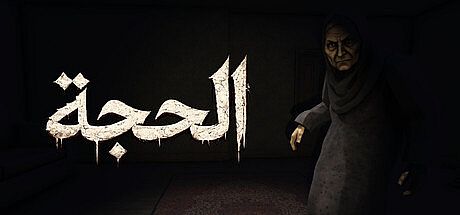



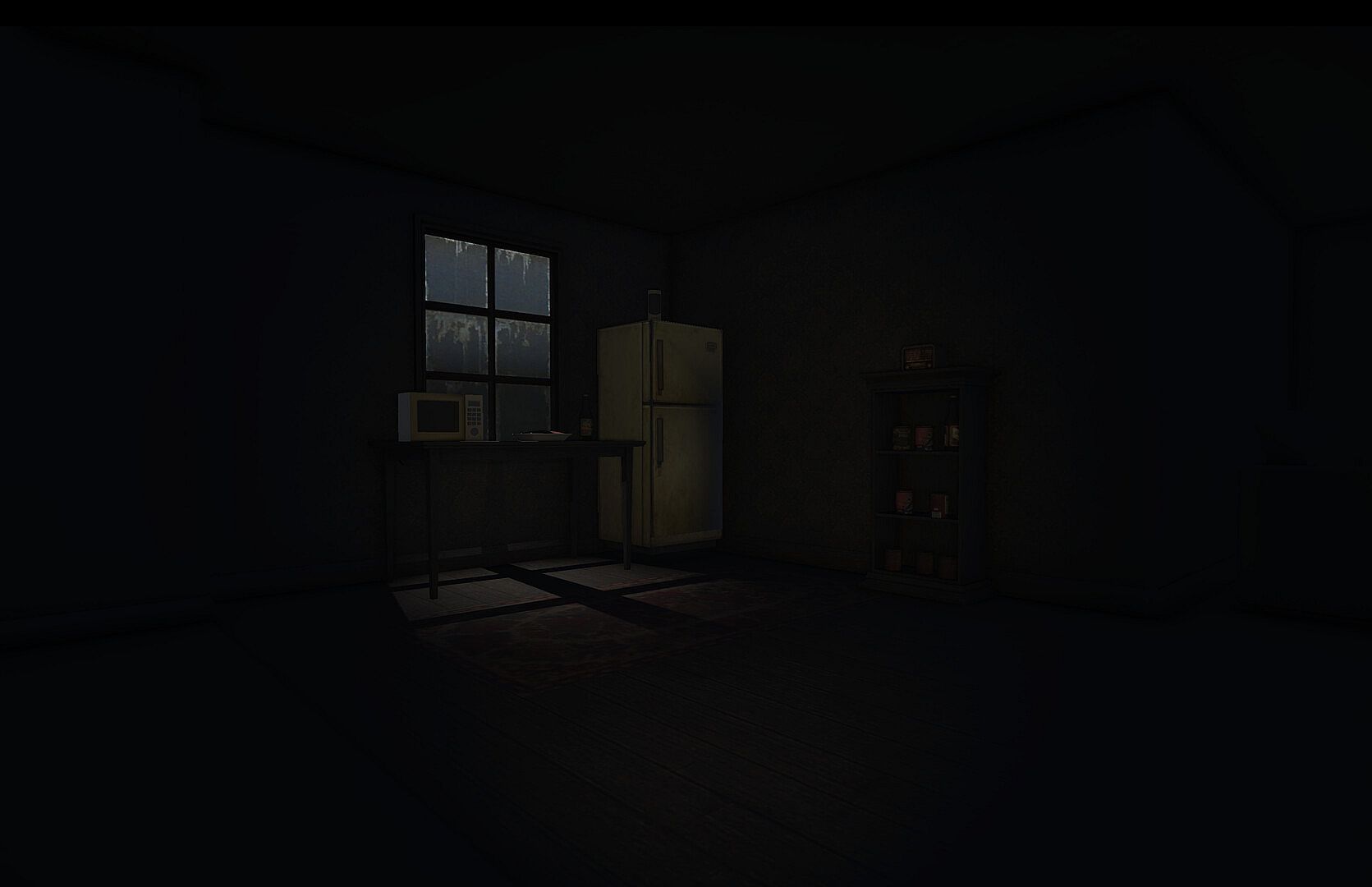
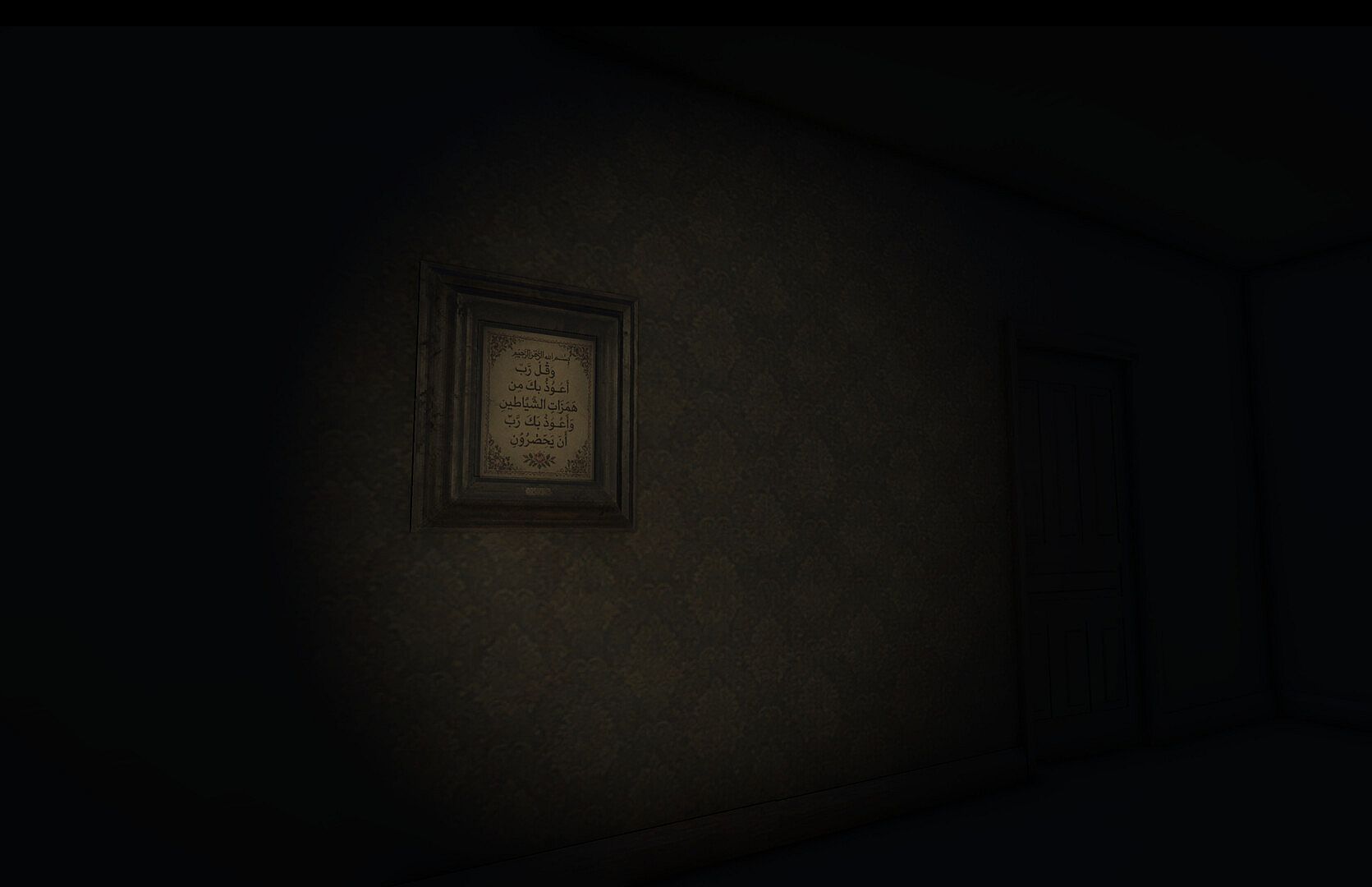
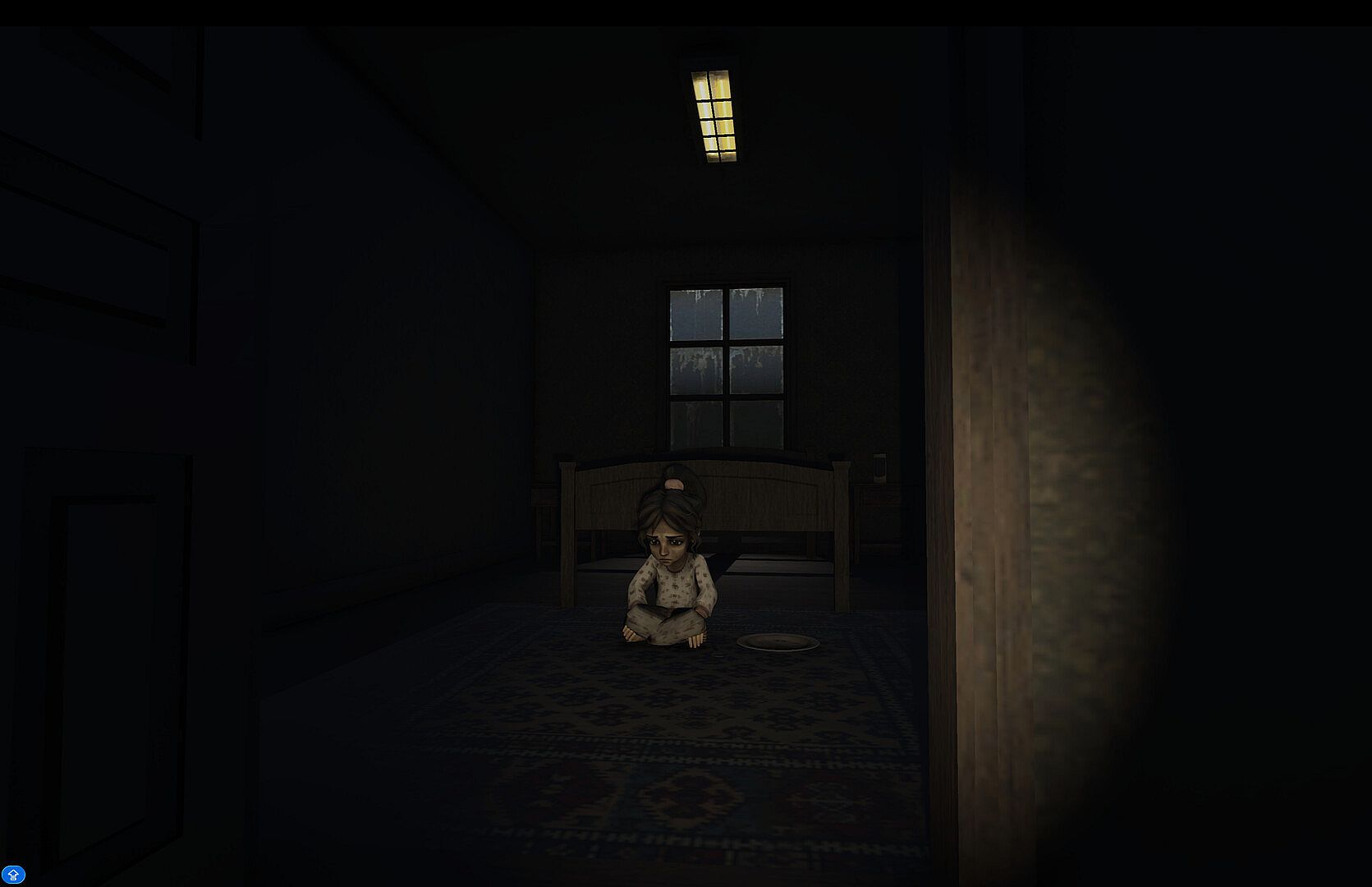
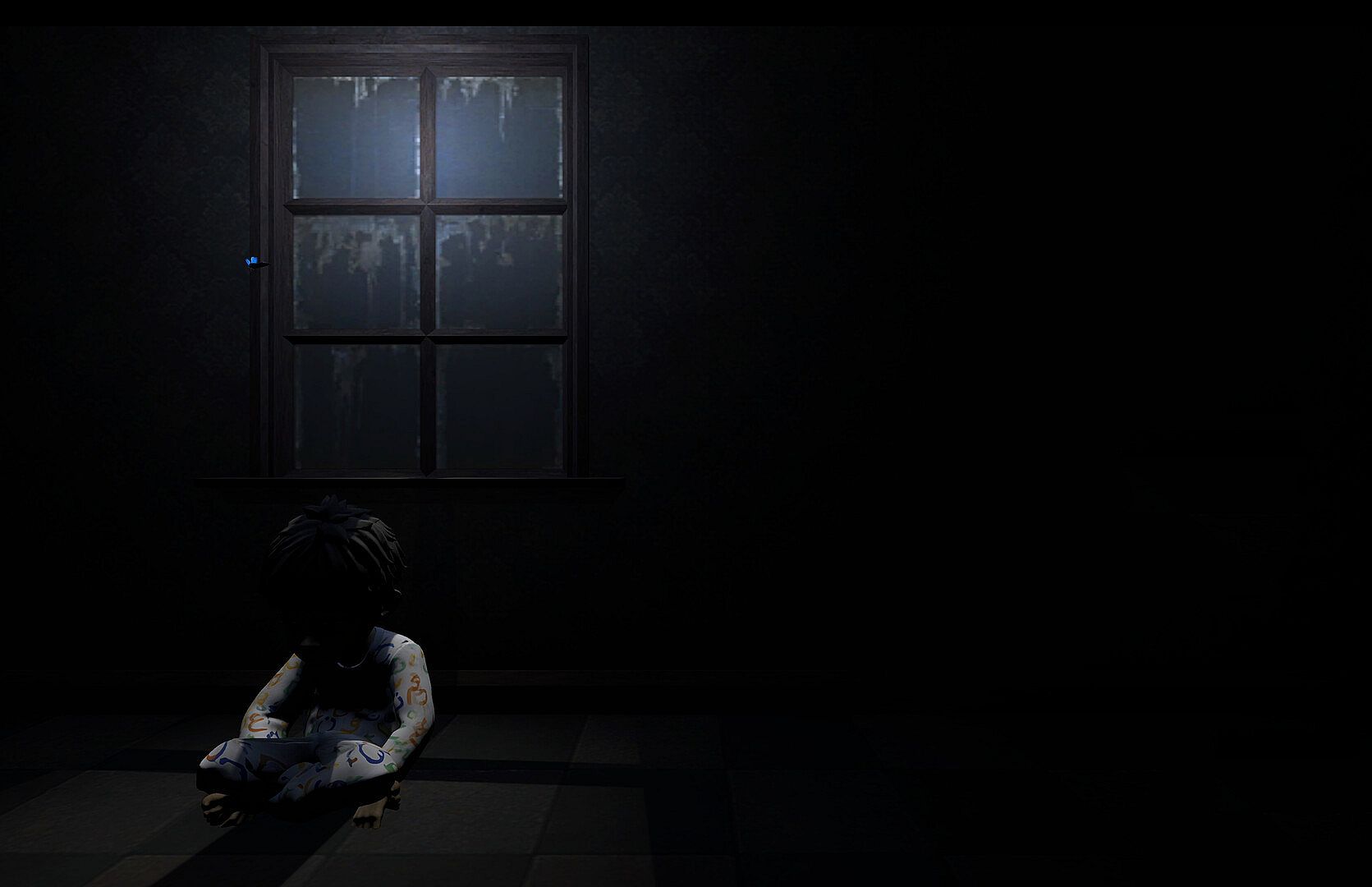
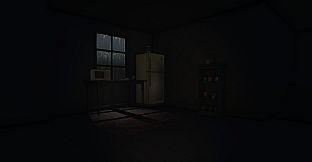
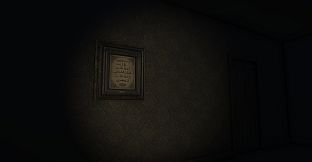
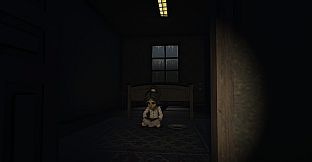

الحجة is an indie adventure game built around first-person stealth and exploration inside a single mysterious house. Players take control of a child navigating the space, uncovering layers of tension through careful movement and environmental interaction rather than direct confrontation.
Gameplay
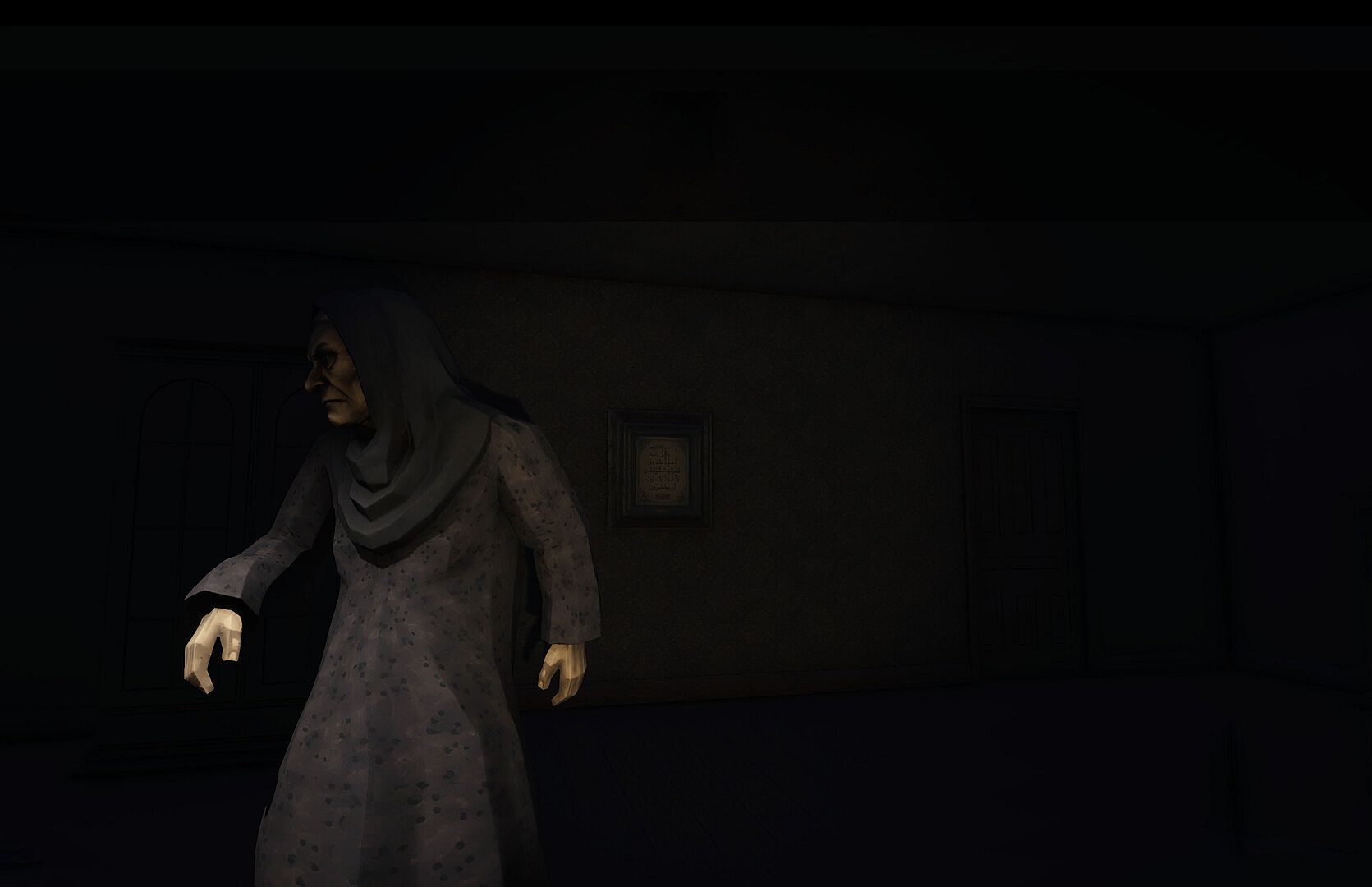
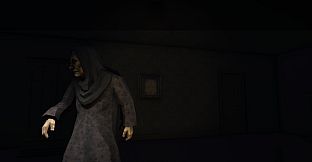
The core loop centers on searching rooms for keys, tools, and clues while managing sound. Every action carries risk because the central threat detects noise from dropped objects, bumped furniture, or creaking floors. Movement must stay deliberate, with players learning to pause and listen for approaching footsteps before committing to the next step.
Hiding becomes essential. Closets offer temporary safety, but entry must happen out of sight to avoid immediate detection. The environment itself provides tools for distraction or progress, such as activating a television to draw attention elsewhere or rearranging items to create safer paths. Puzzle elements appear through locked doors and hidden mechanisms that require combining found objects in logical sequences.
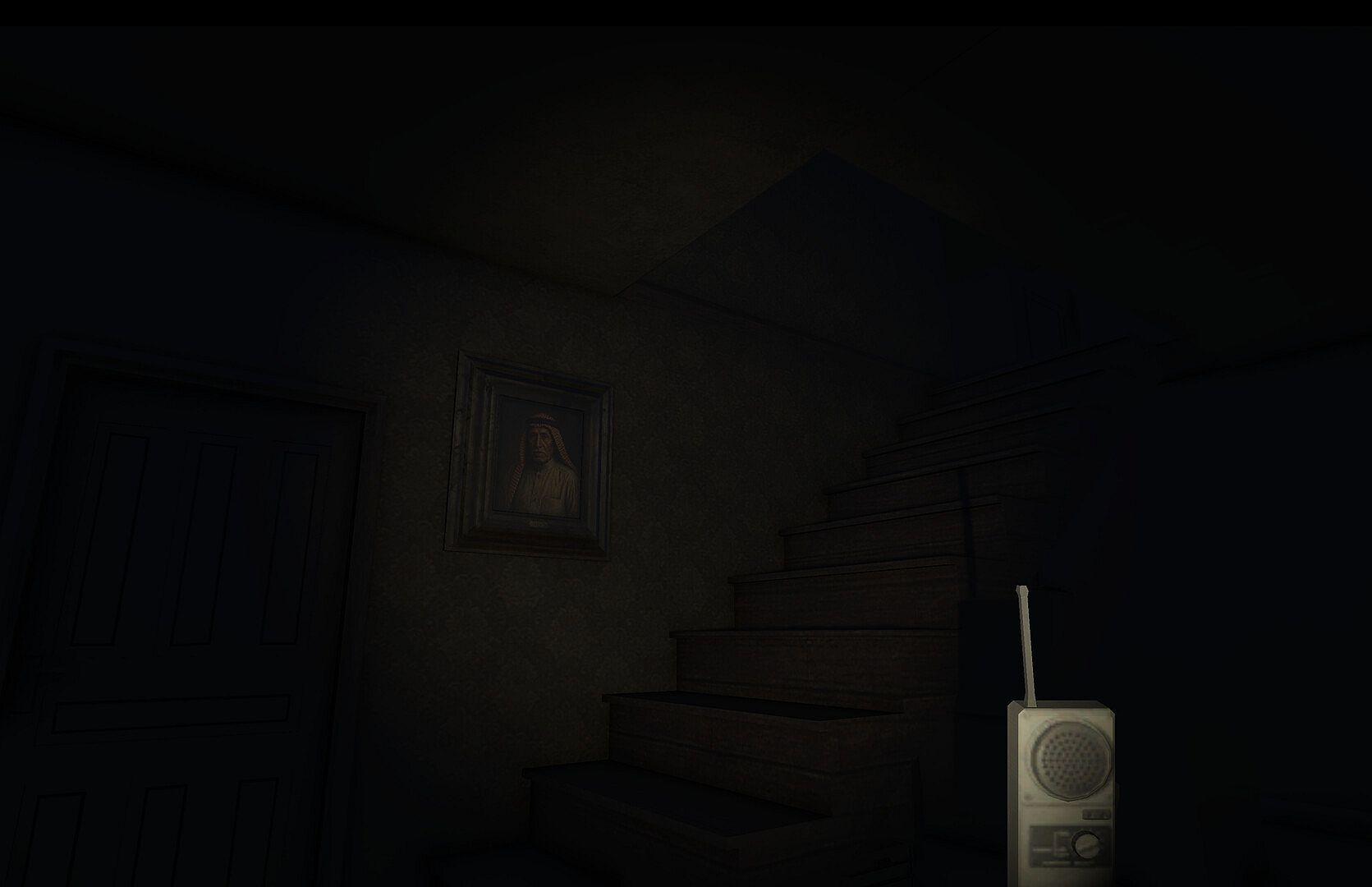
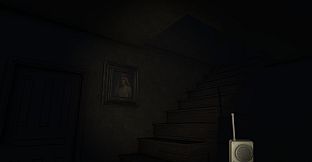
Communication with the sister via walkie-talkie supplies guidance and story context without breaking immersion. Her voice offers hints on layout and objectives, turning the solo journey into a shared effort across the house floors. Progress unfolds room by room, with each discovery revealing more about the building's altered state and the reason for the lockdown.
Game Modes
The game operates entirely in single-player mode. There are no separate multiplayer options or alternate campaigns listed. The experience remains focused on one continuous narrative thread where survival depends on stealth, observation, and incremental problem solving rather than combat or competitive elements.
Progression follows a linear structure within the house, though players retain freedom to explore side areas and experiment with different routes once keys unlock new sections. No additional modes such as time trials, endless survival, or co-op variants appear in the available information.
Setting and Atmosphere
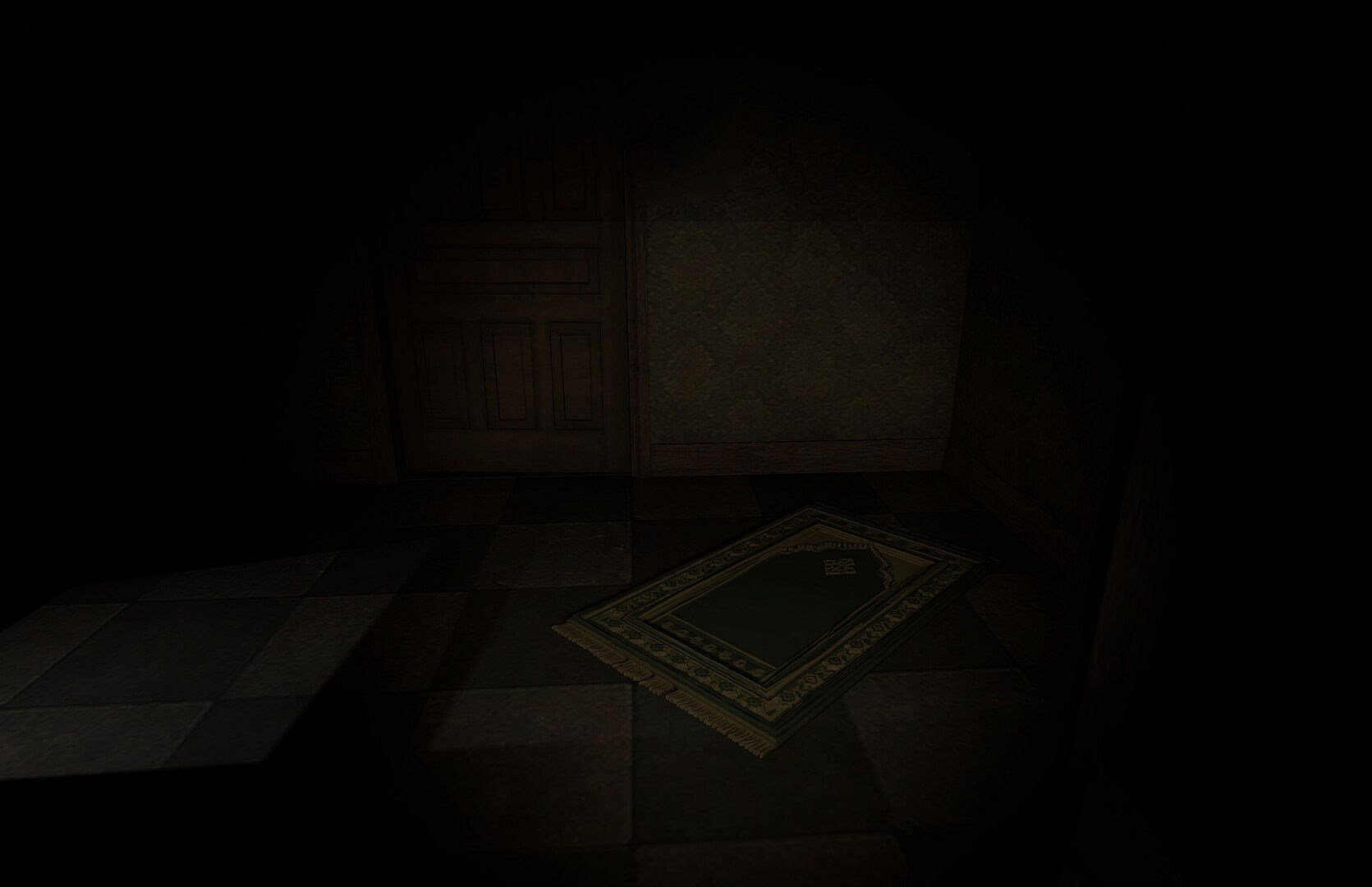
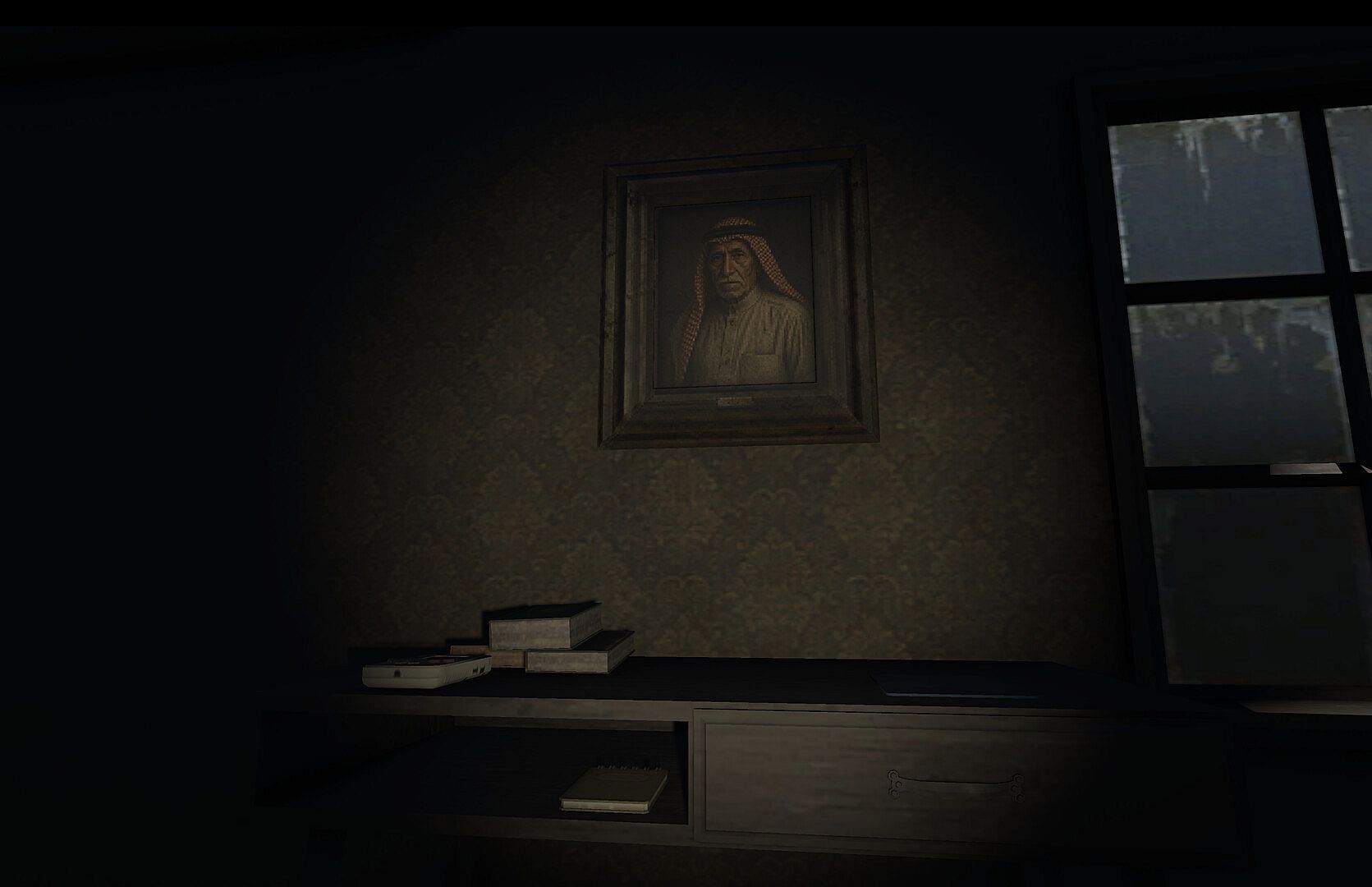
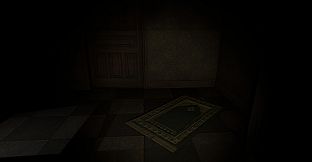
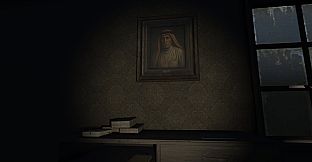
The entire story unfolds inside a traditional Arabic home that starts ordinary and grows increasingly unsettling. Attention to everyday details like furniture placement and household sounds heightens the sense of unease. The threat behaves with consistent rules, responding only to audible cues, which encourages players to treat every surface and object as a potential giveaway.
Arabic audio and subtitles support the cultural setting, allowing the dialogue and environmental cues to feel authentic. The house layout encourages vertical exploration between floors, with the upper level serving as the ultimate destination once obstacles are cleared.
Is It Worth Playing?
Players who enjoy deliberate stealth adventures with puzzle layers and a contained environment will find a focused experience here. The noise-management system creates consistent tension without relying on jump scares, rewarding patience and spatial awareness. Because the game is single-player only and scheduled for an August 2026 release, those seeking immediate multiplayer or large-scale worlds may want to wait for post-launch updates or community feedback.
At present there are no user reviews available, so expectations should rest on the described mechanics of exploration and avoidance. The title suits fans of short, atmospheric indie titles where success comes from understanding one location deeply rather than mastering multiple systems or factions.