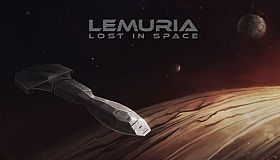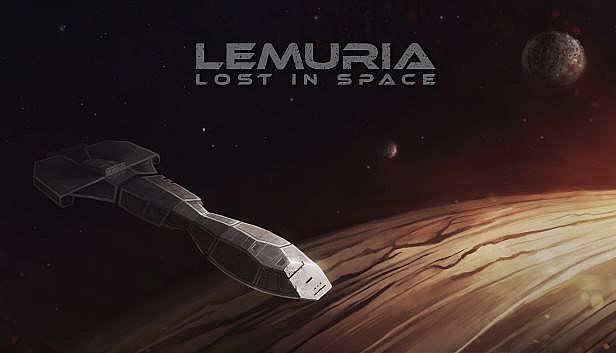












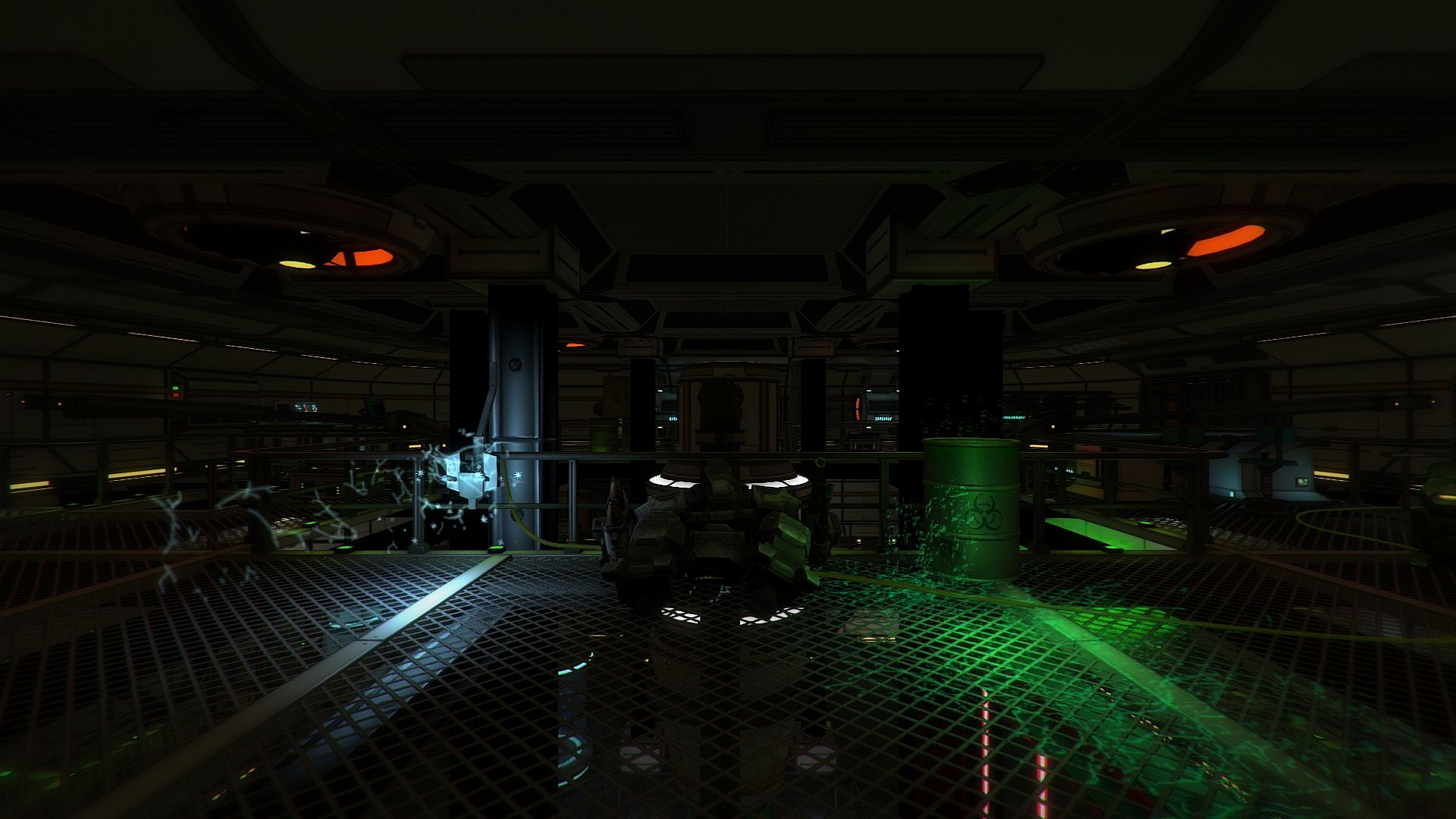
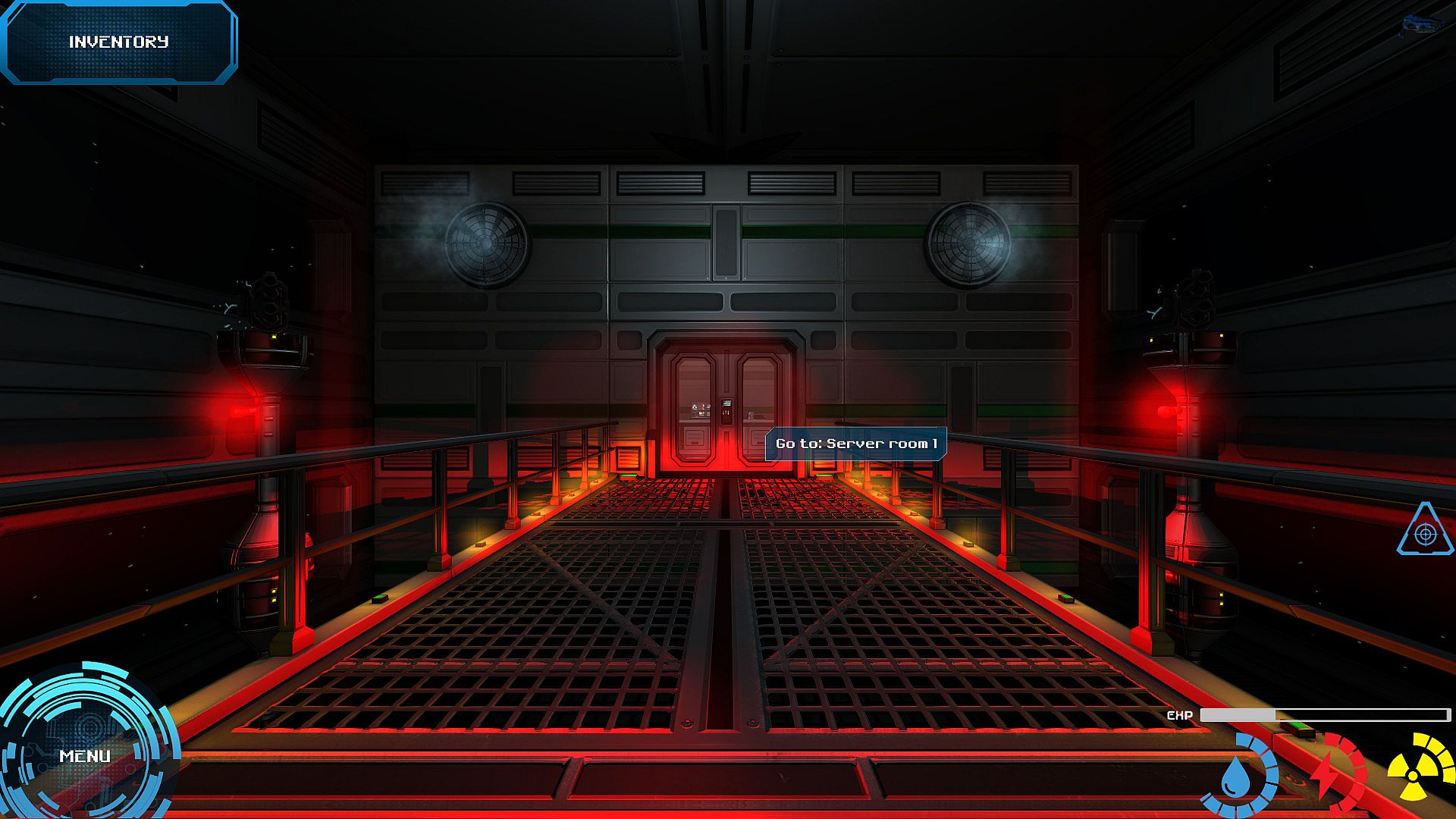
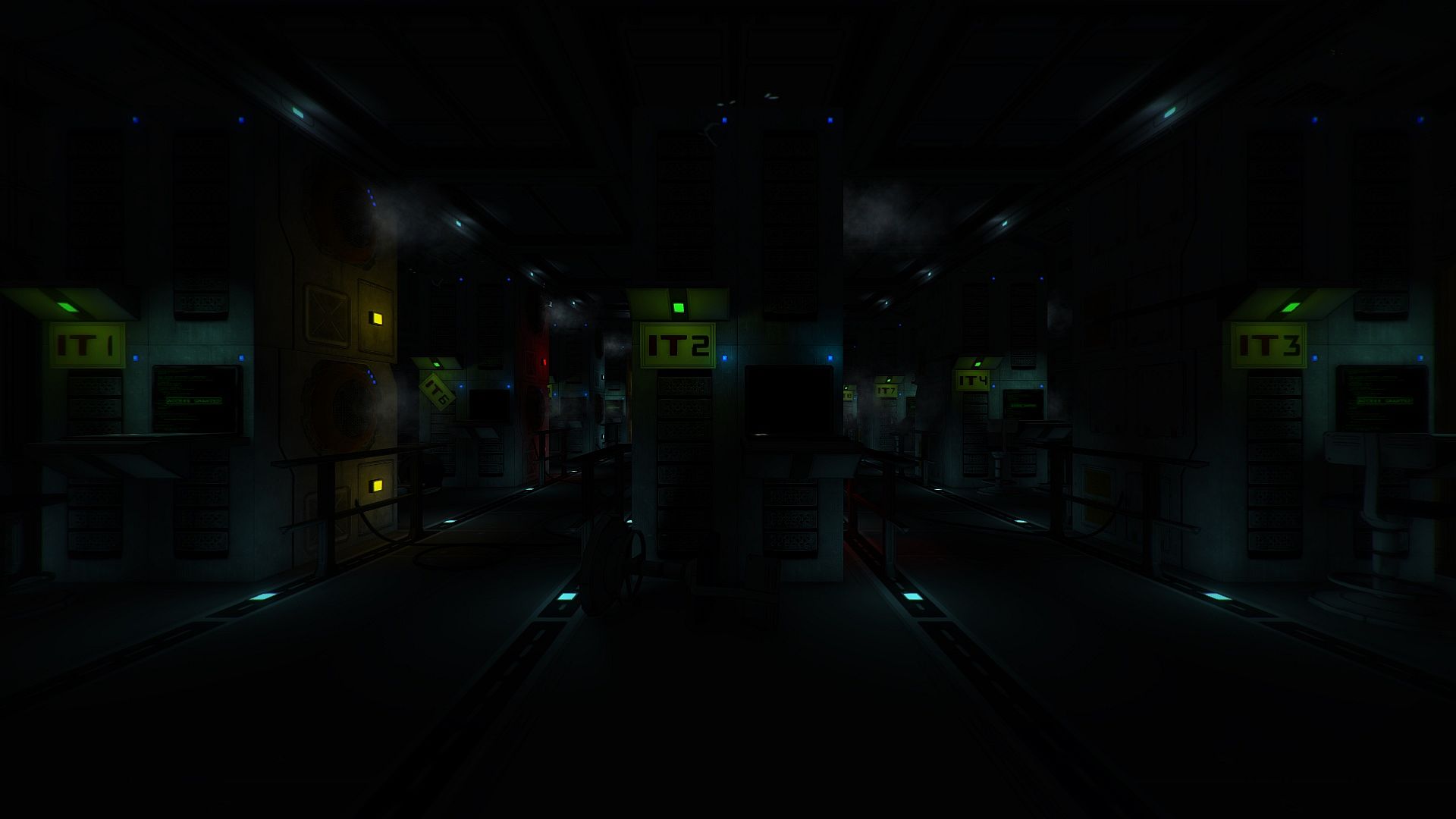
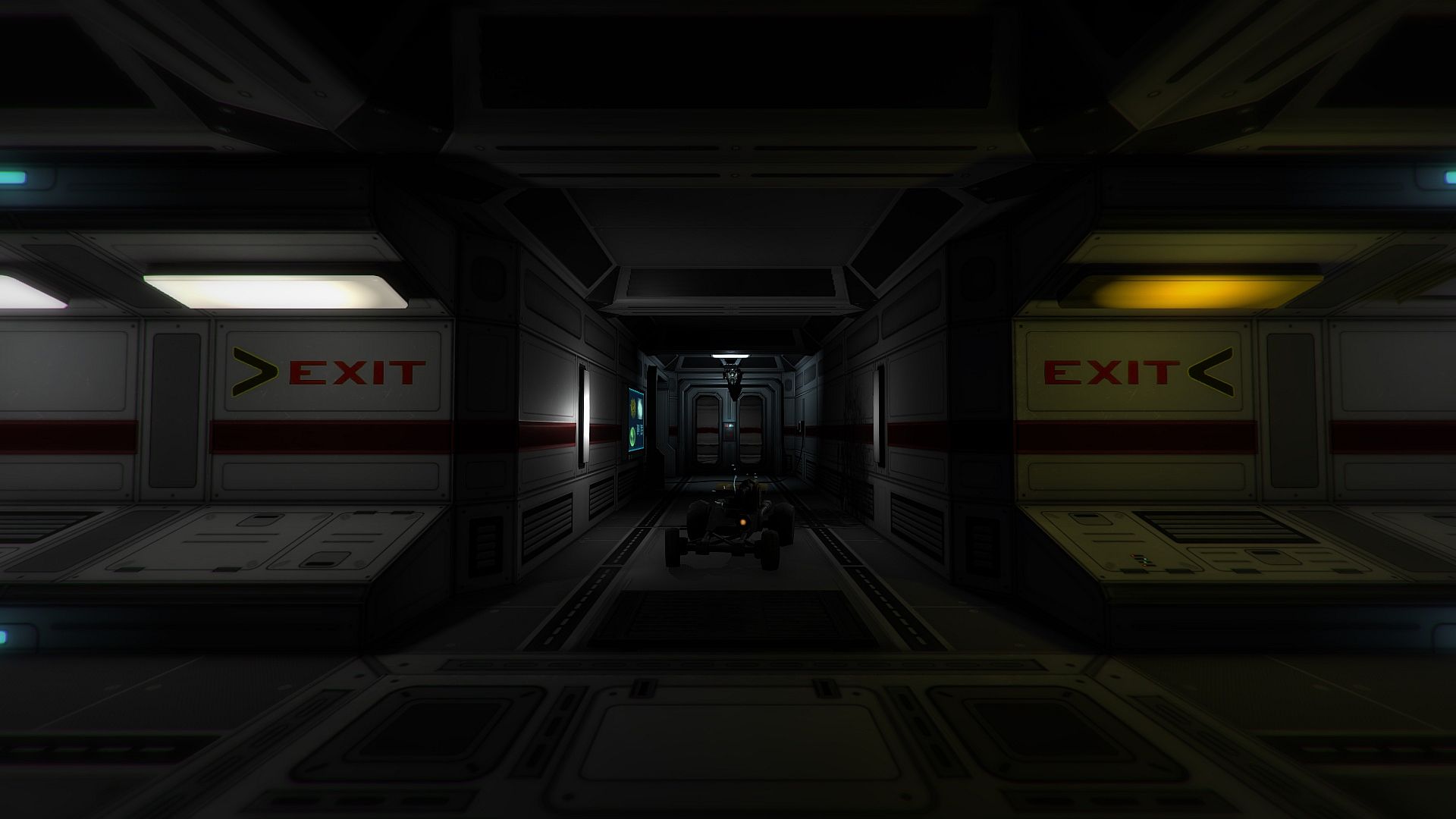
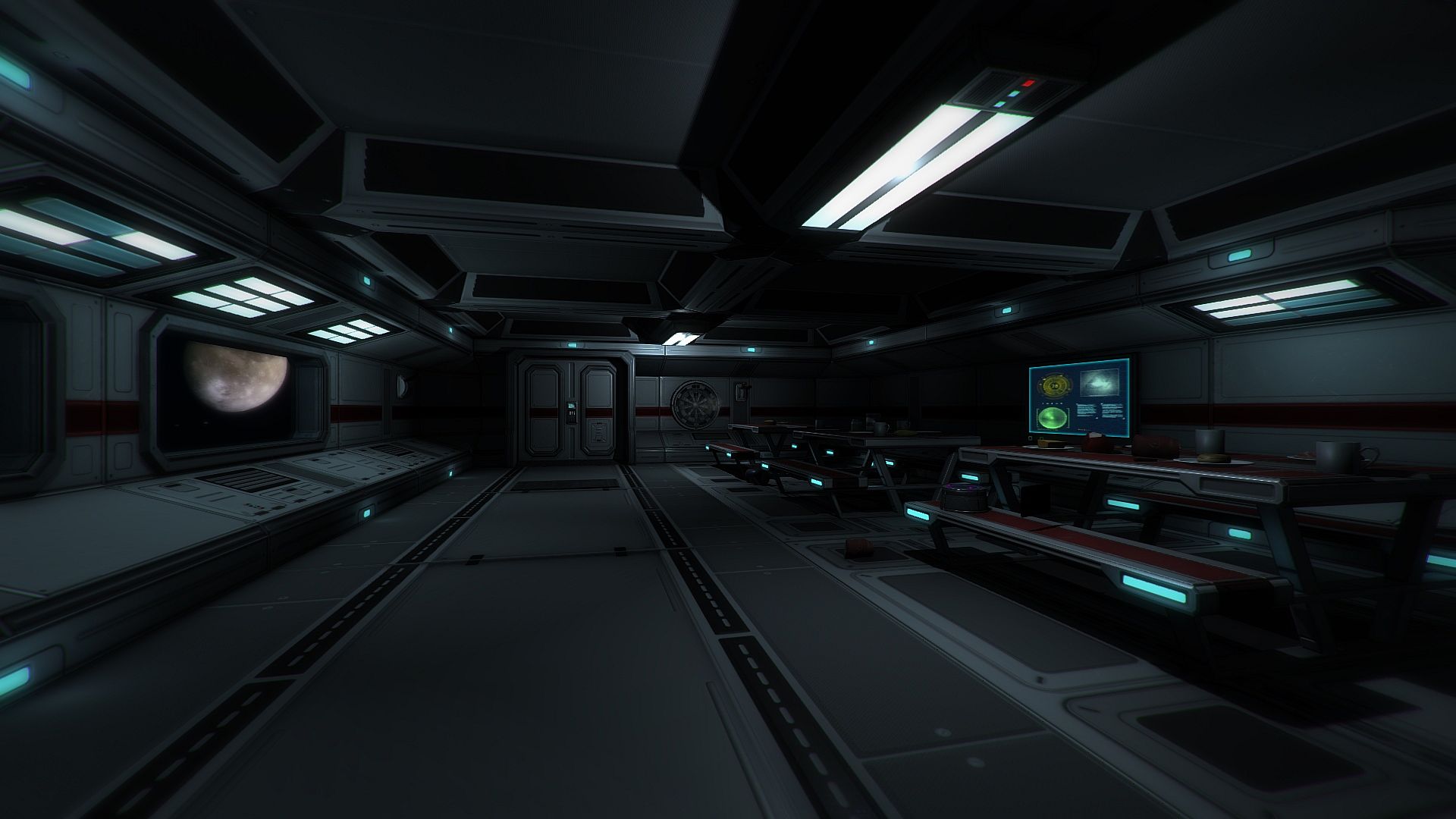
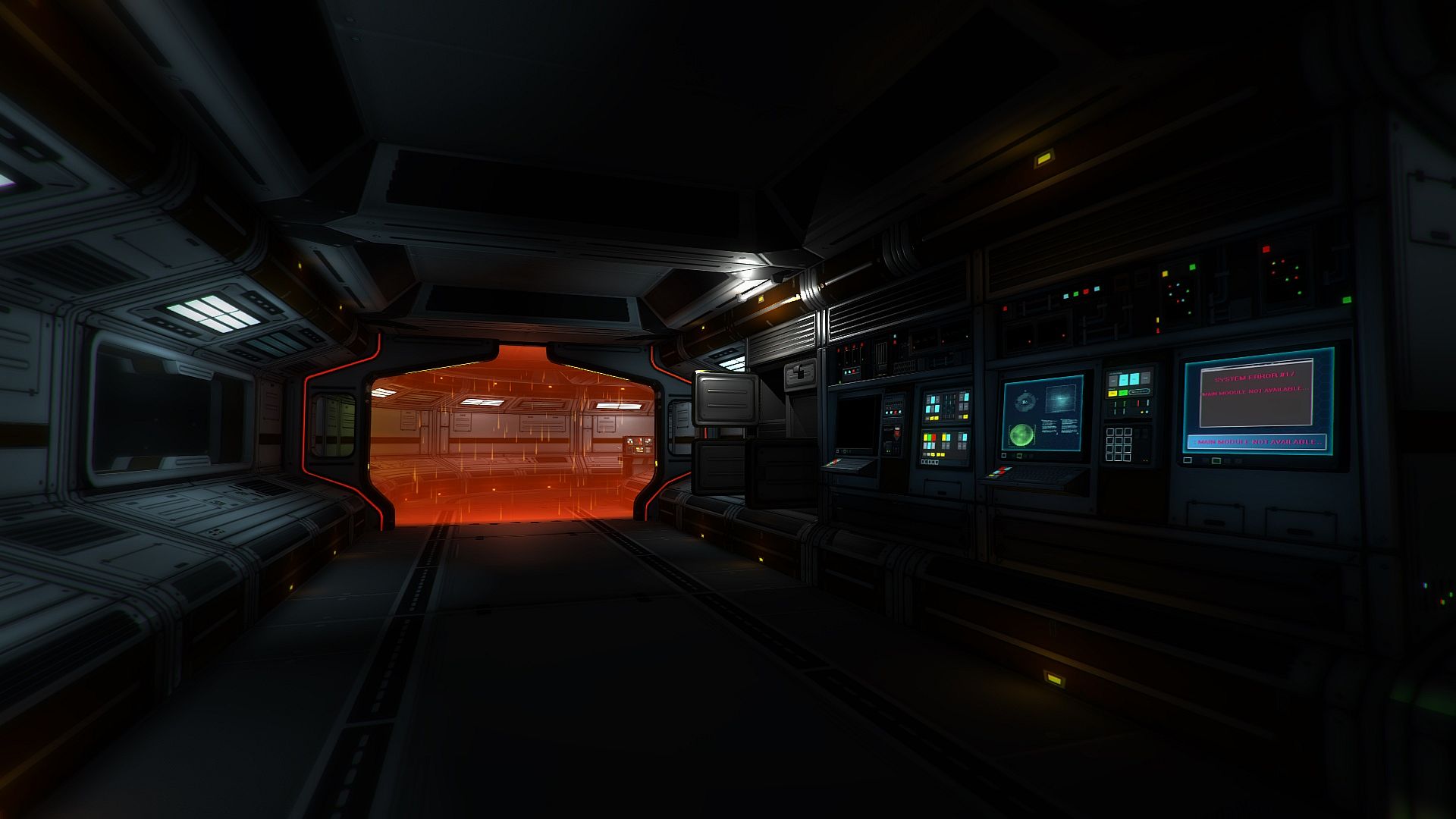
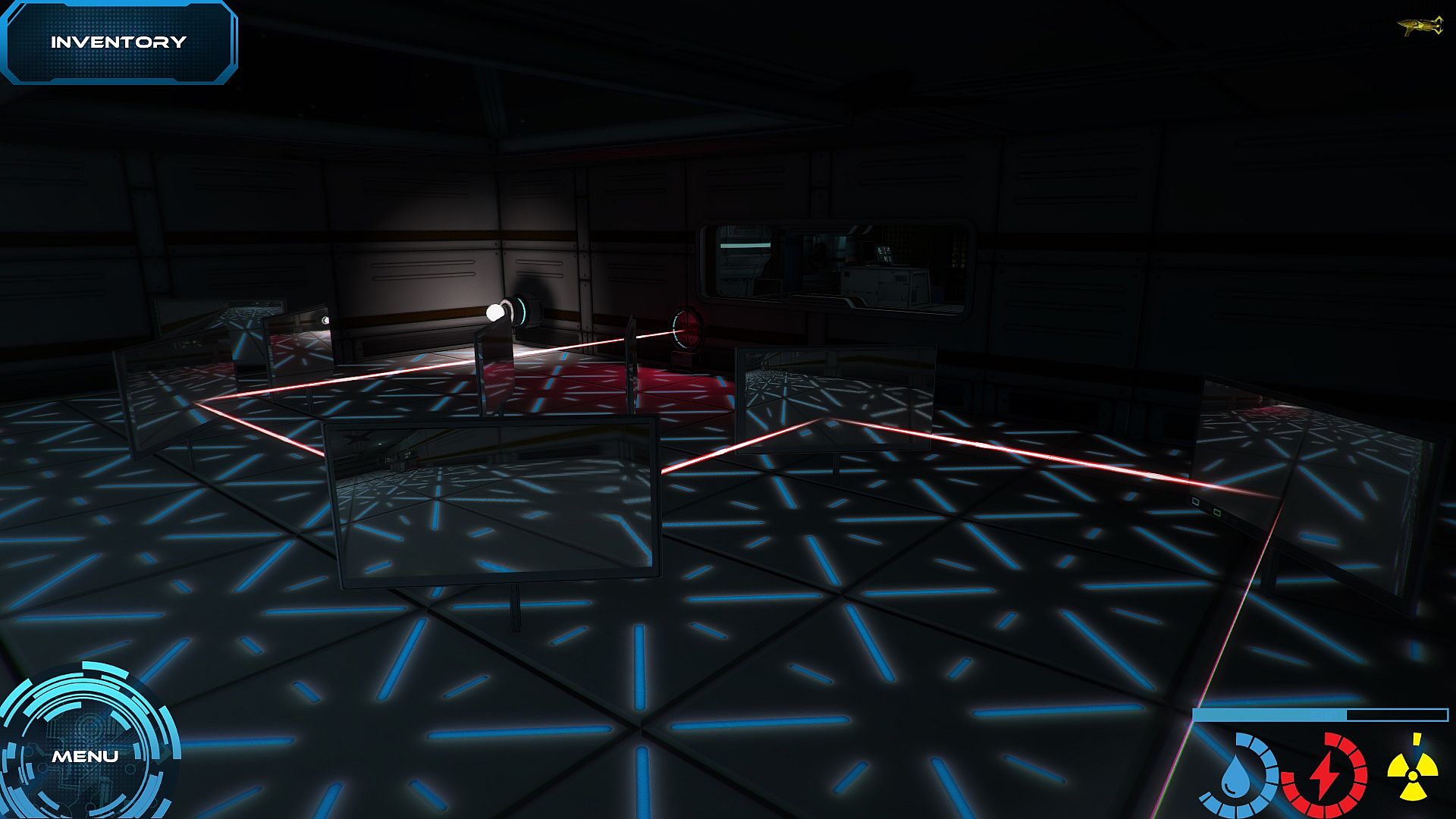
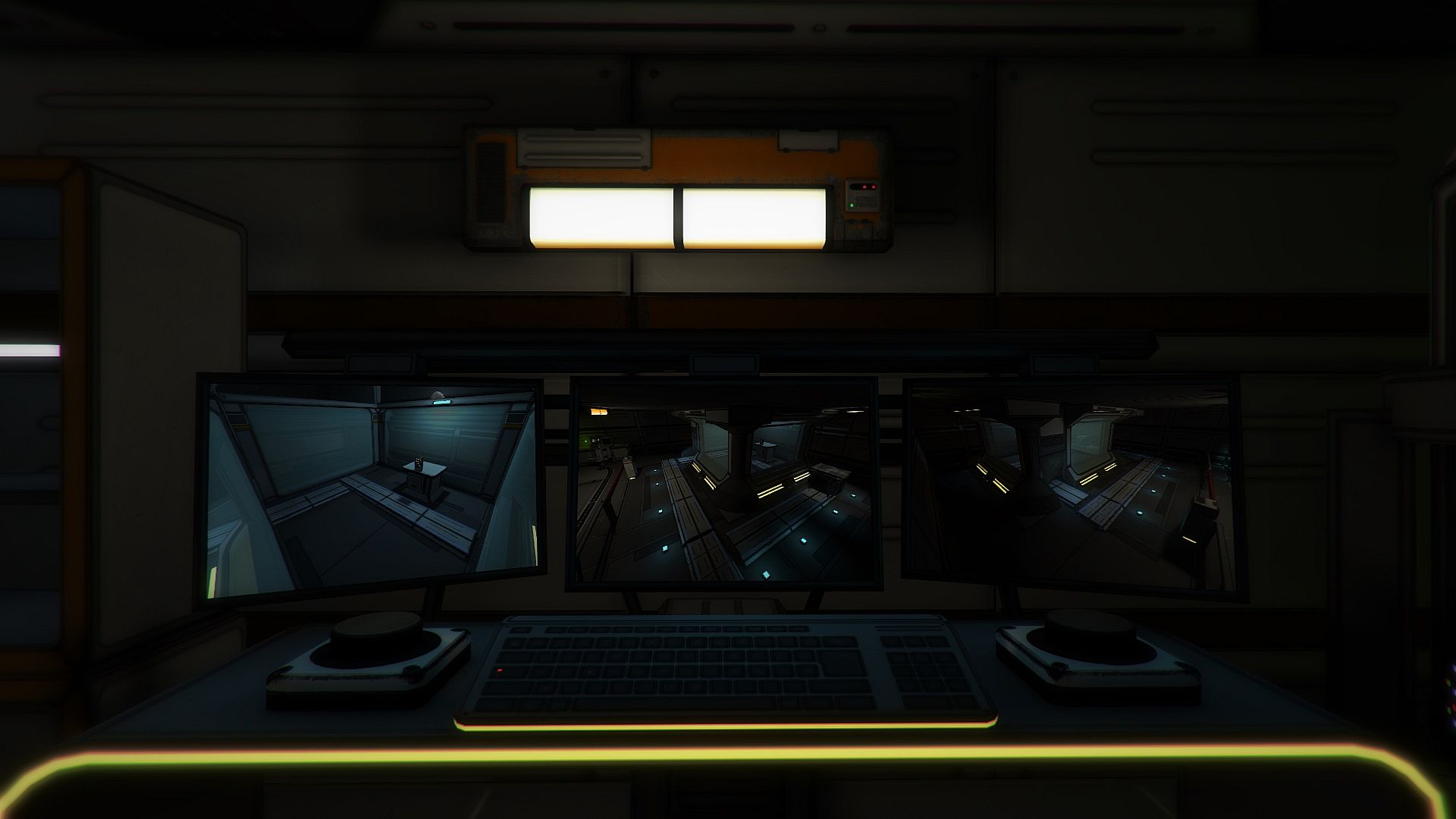
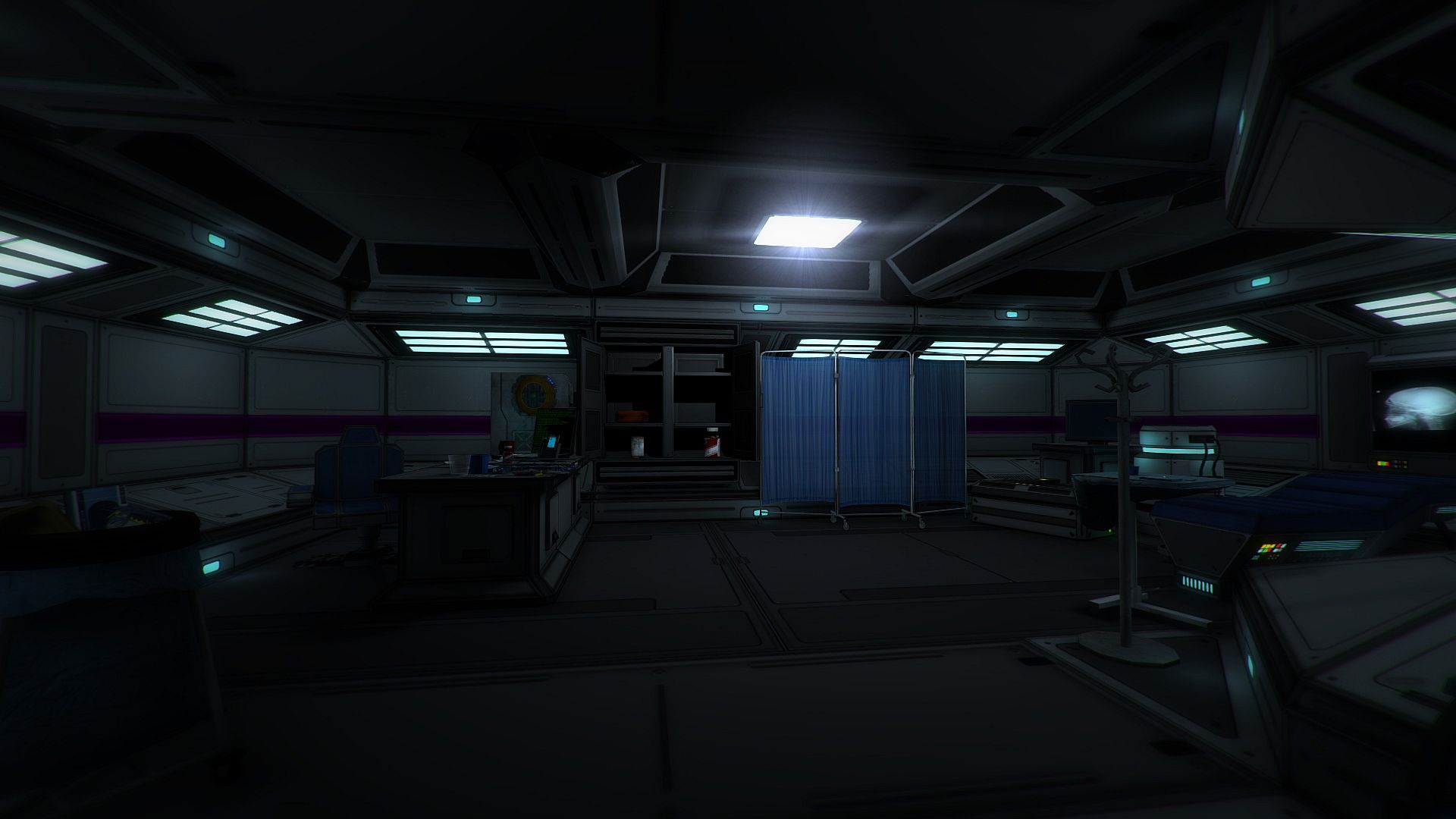
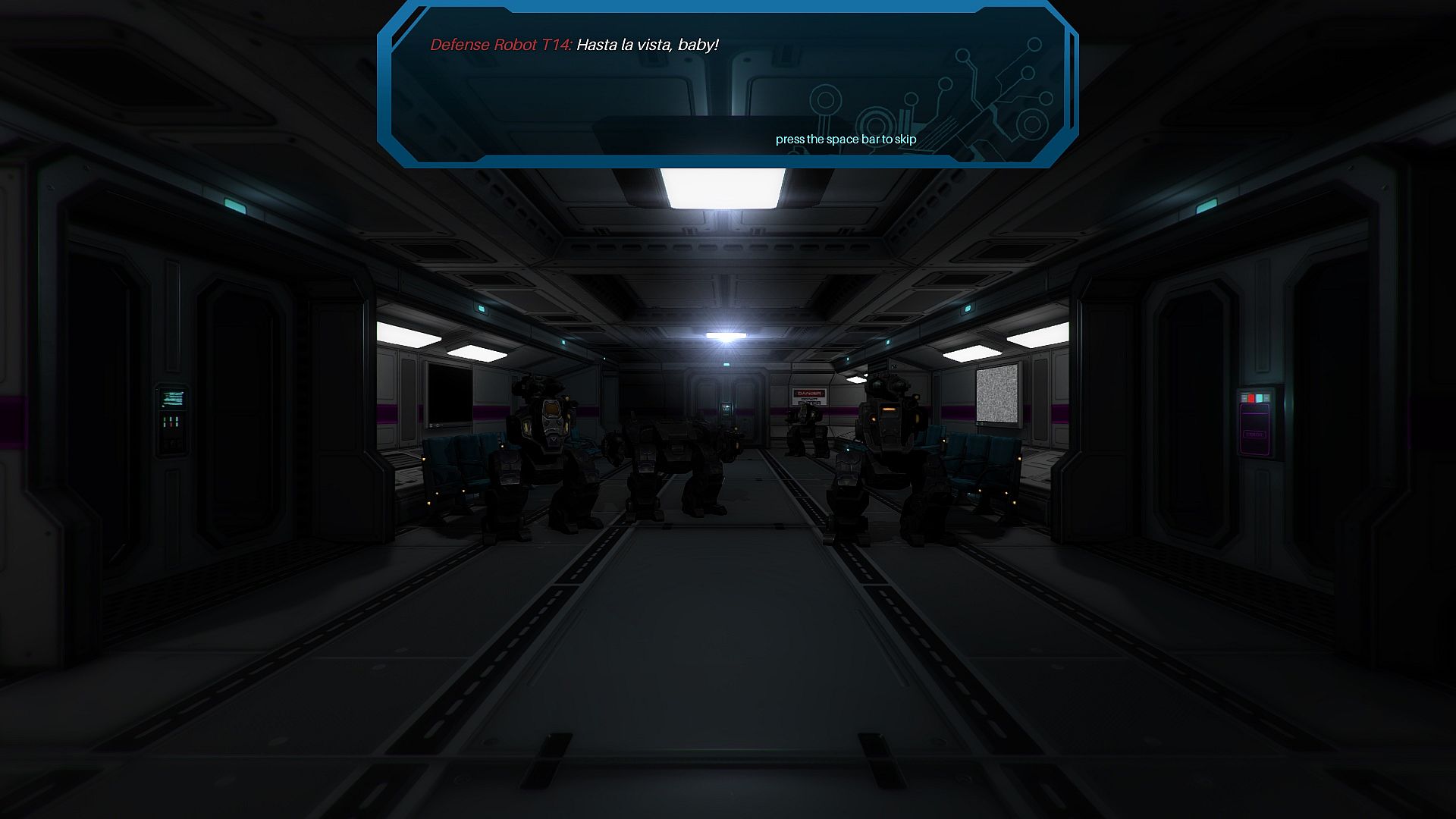
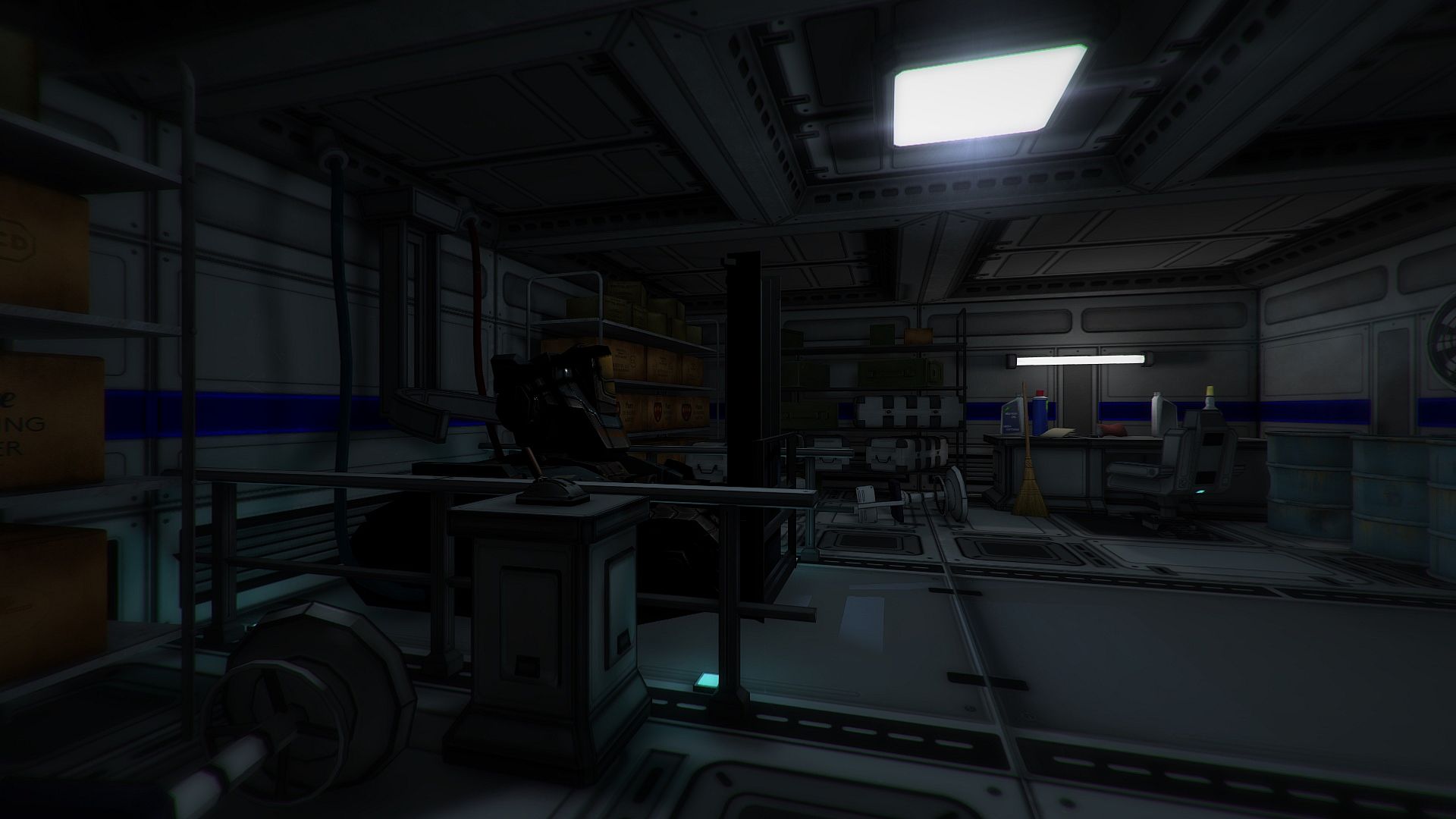
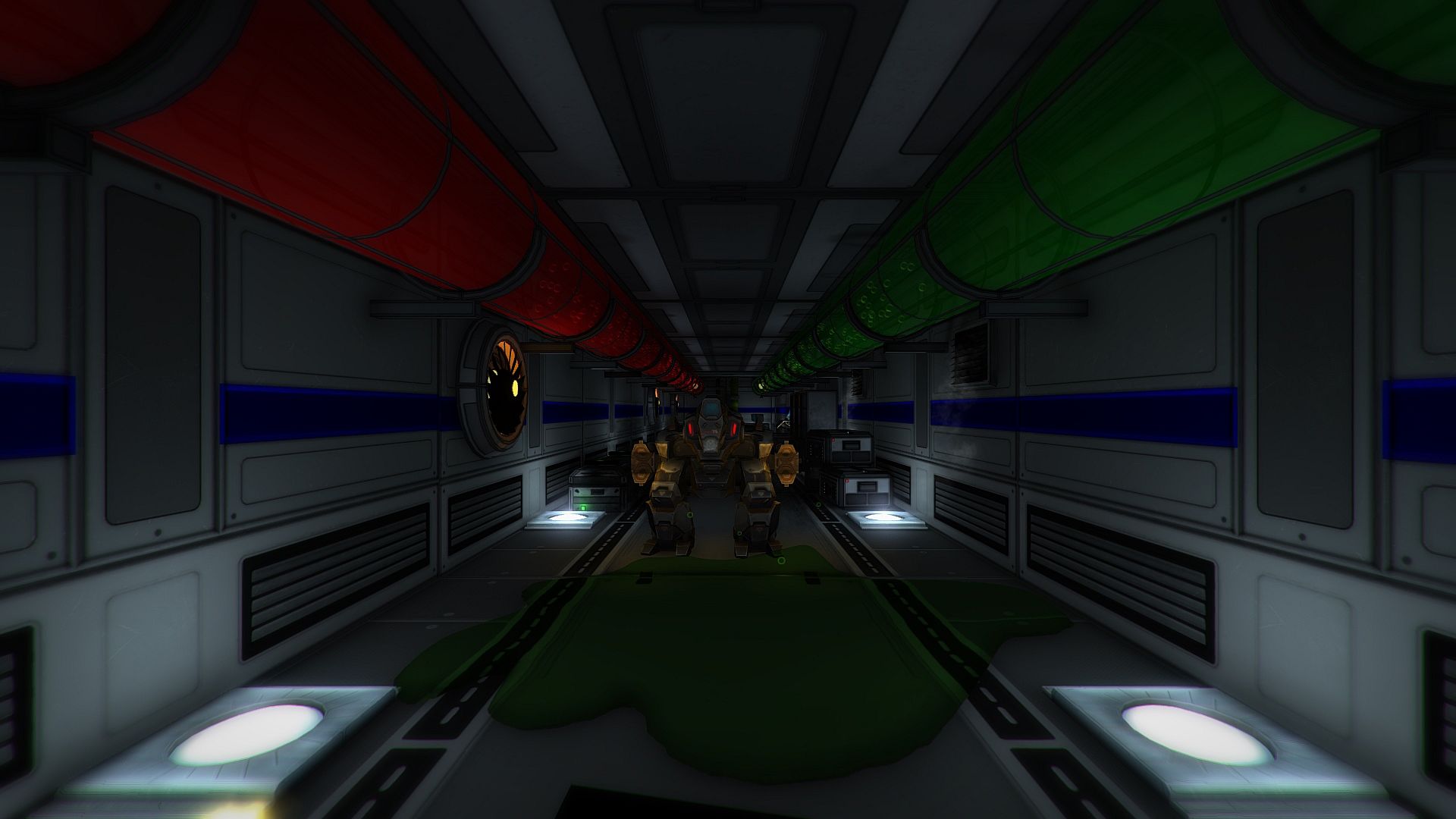
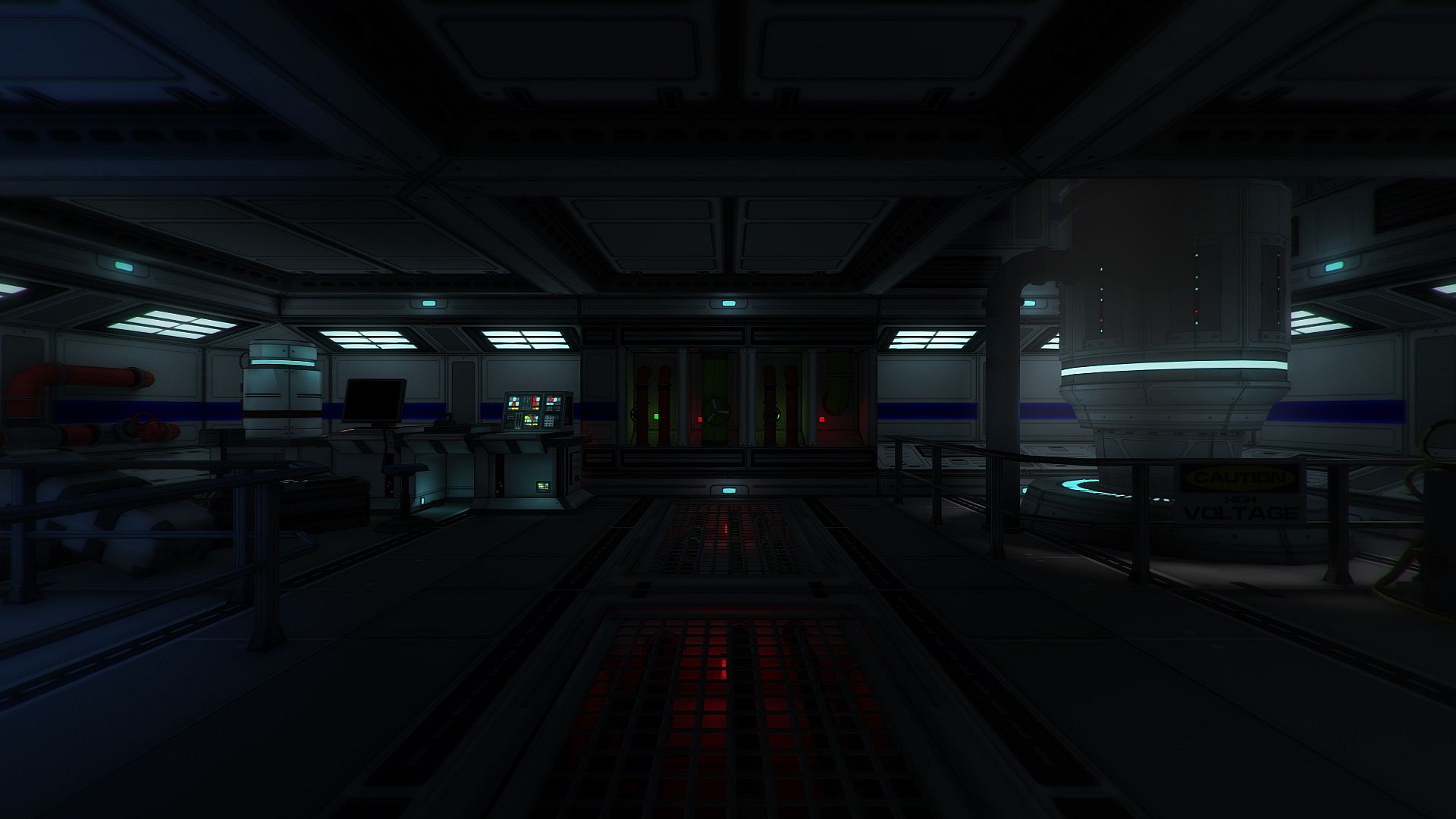
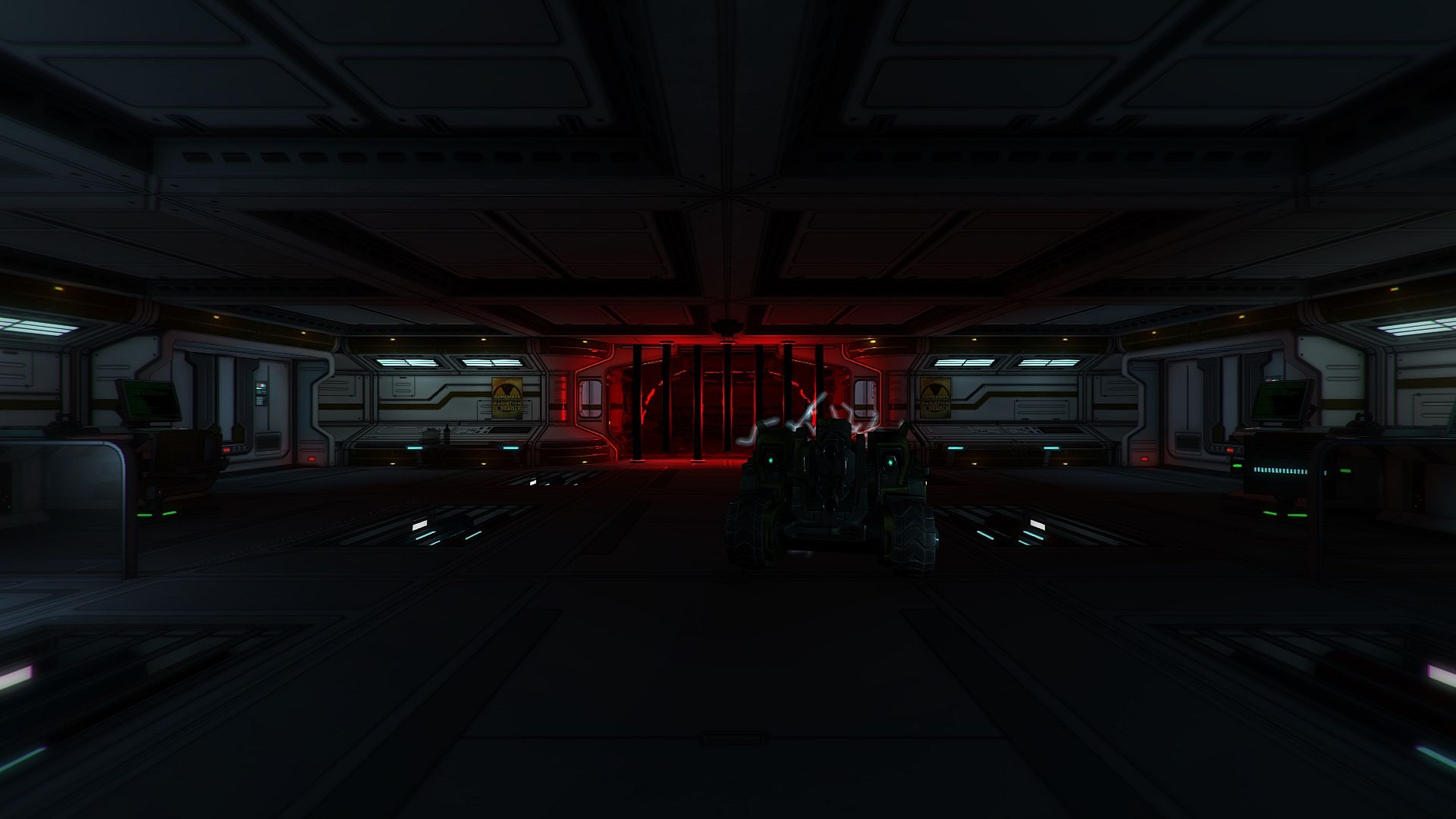
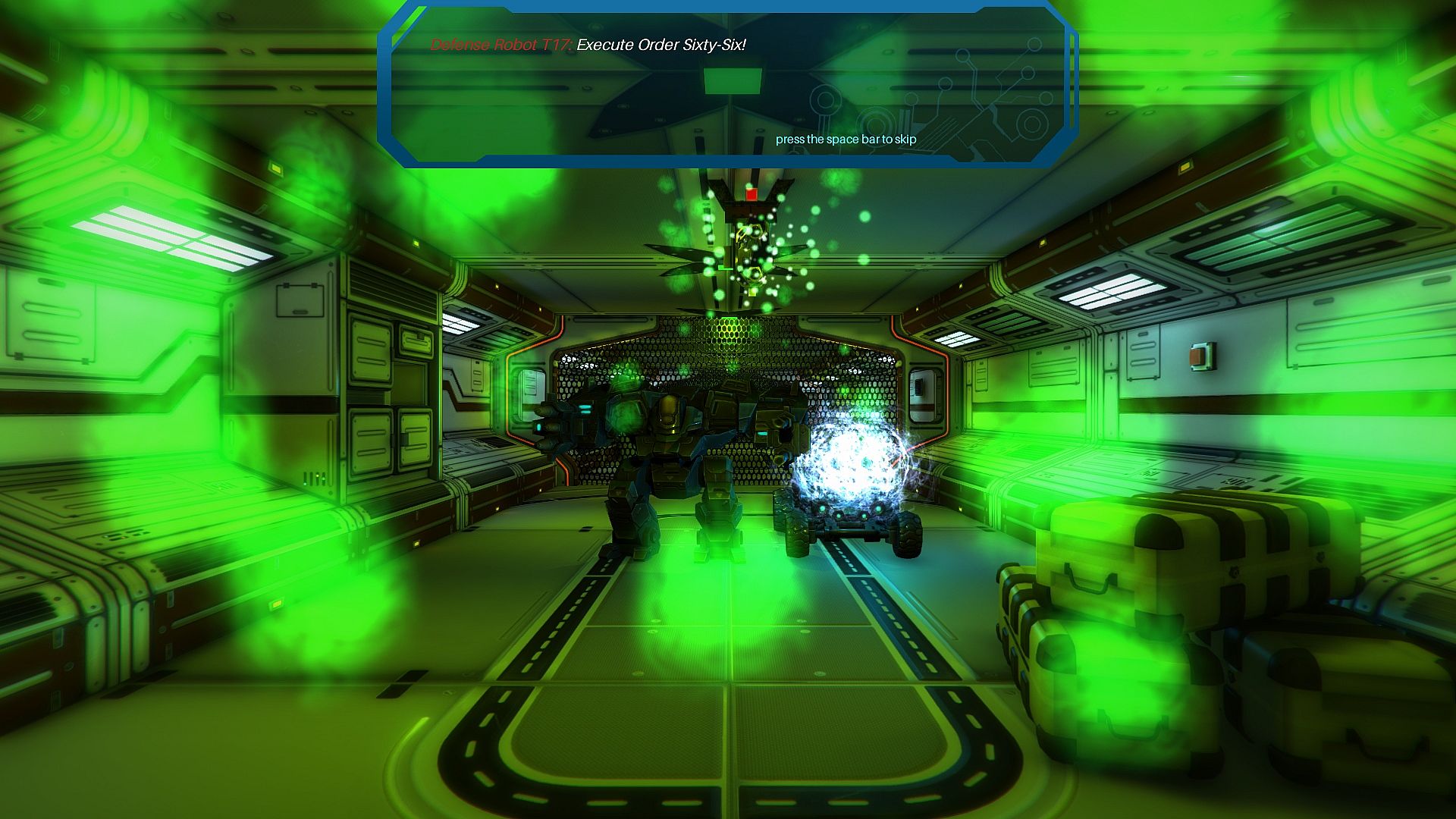
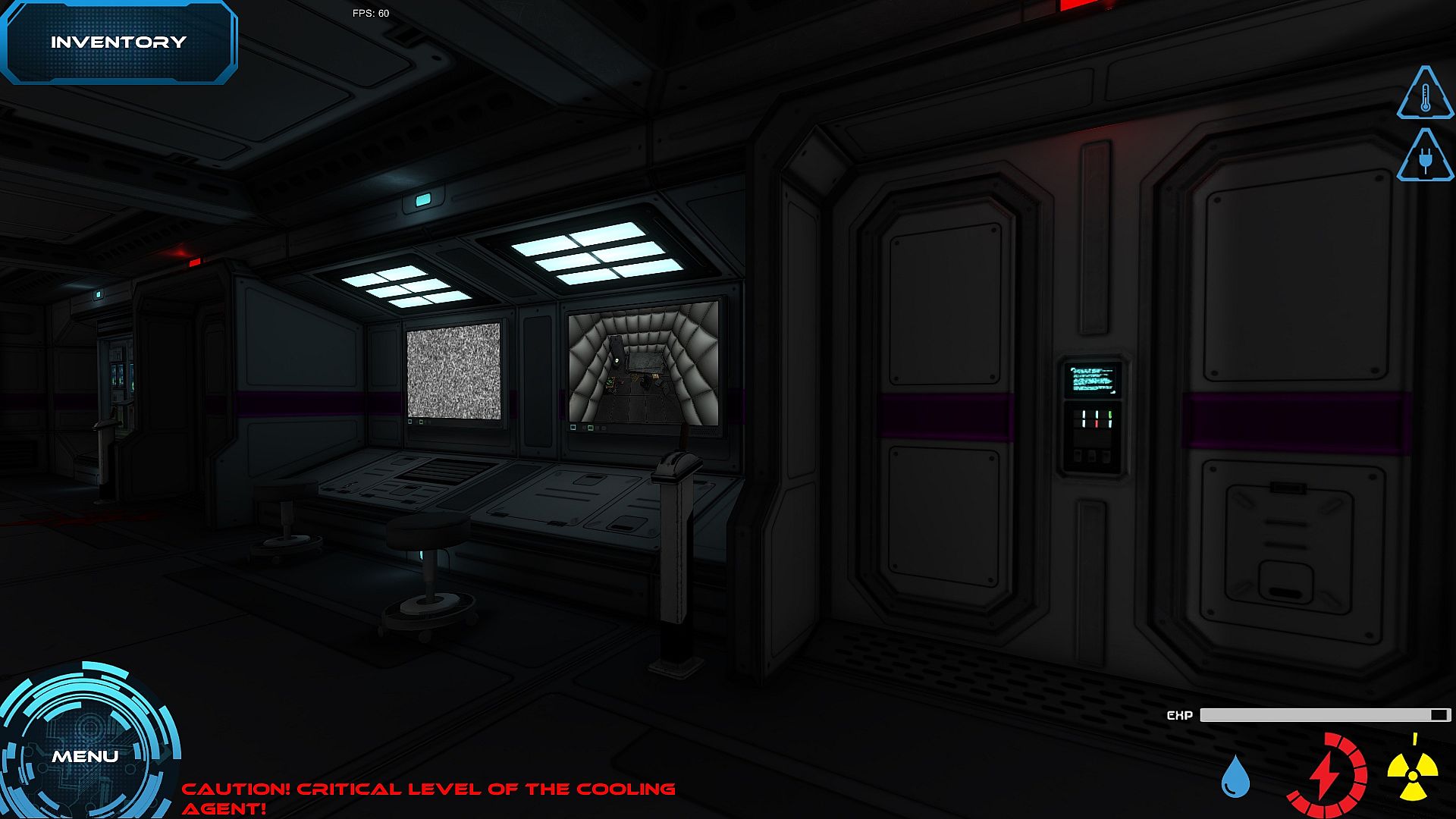
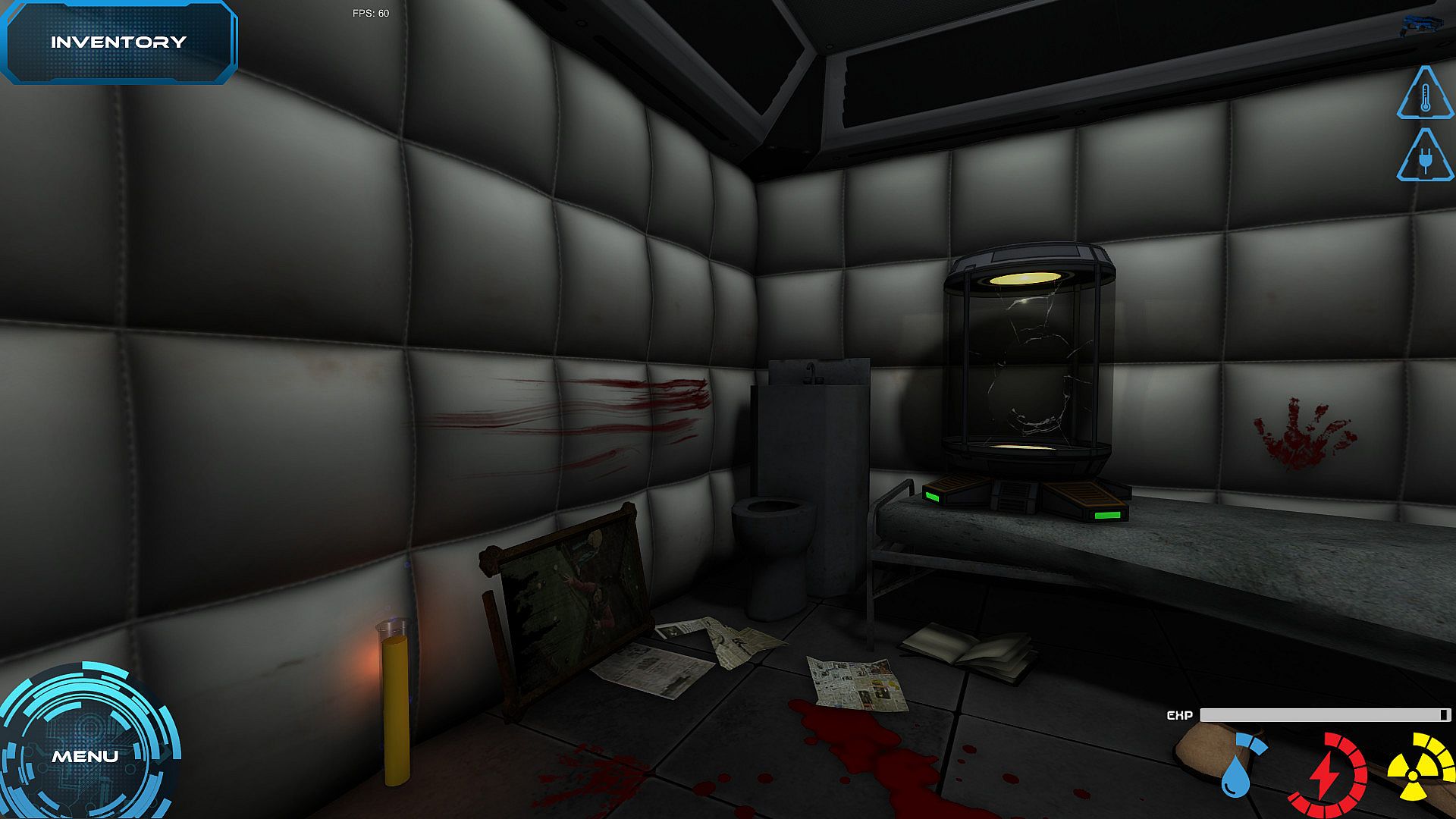
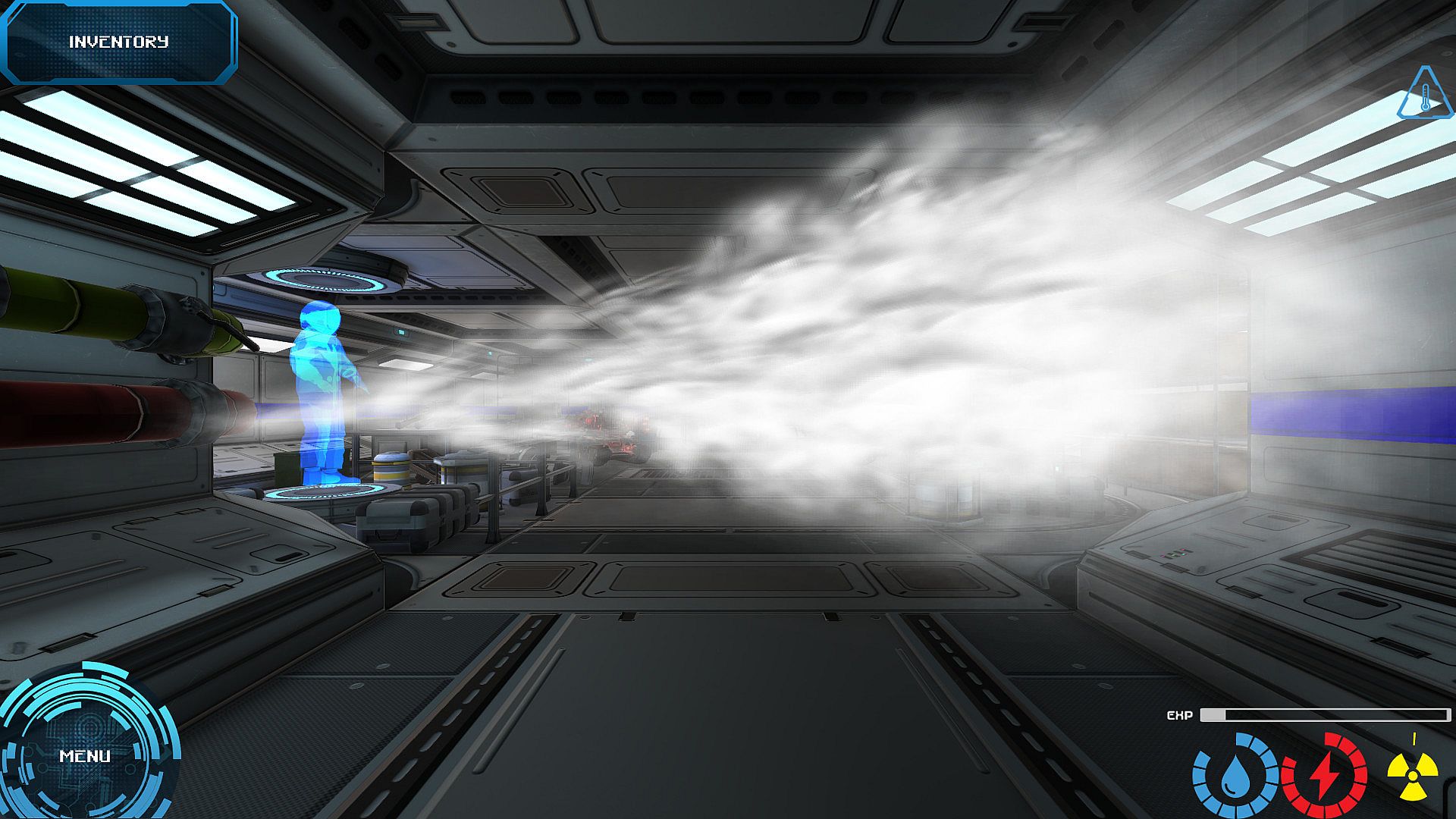
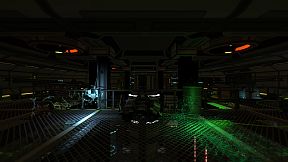
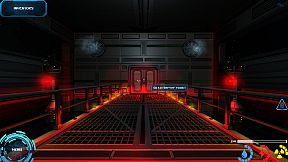
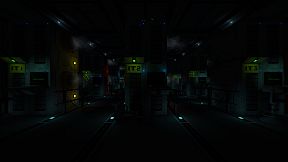
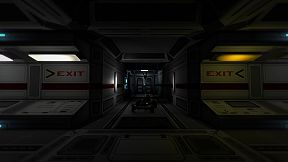
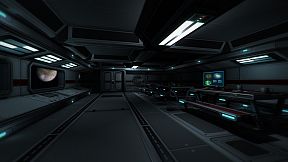
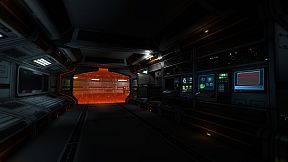
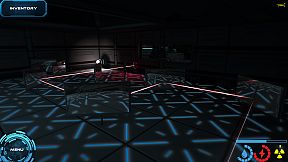
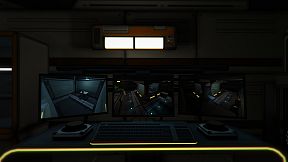
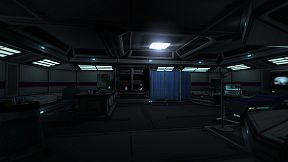
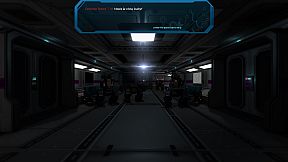
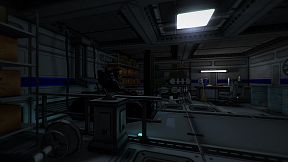
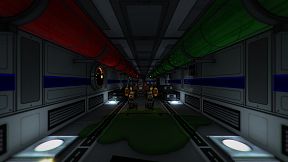
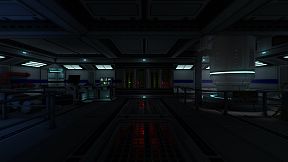
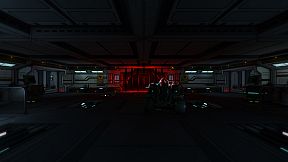
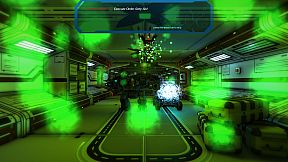
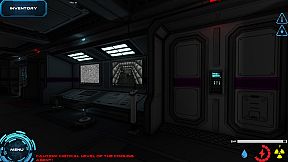
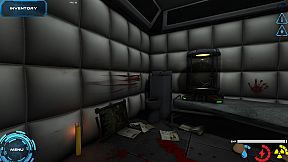
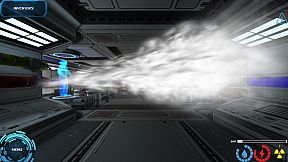
Lemuria: Lost in Space stands out as an indie title that merges point-and-click adventure mechanics with RPG progression and survival resource management. Players take control of Abrix, a specialized robot designed to operate in hazardous conditions including extreme temperatures and radiation. The core experience revolves around exploring the abandoned Lemuria 7 spaceship, which has returned to the Solar System after more than seventy years with no crew aboard and significant damage sustained.
Gameplay
The gameplay centers on methodical exploration across more than one hundred rooms within the spaceship. Movement follows a point-and-click style that encourages careful examination of each area. Players solve dozens of puzzles to progress, uncover resources, and piece together the fate of the missing crew. These puzzles often tie directly into the narrative, rewarding successful solutions with materials needed for continued survival.
Resource management plays a key role in the survival aspects. Abrix relies on batteries for power and an anti-radiation cloak for protection. Running out of either ends the mission immediately. Players must locate and conserve these items while navigating patrolled corridors. Combat encounters involve security turrets and robotic enemies, though direct fights can often be avoided through careful planning.
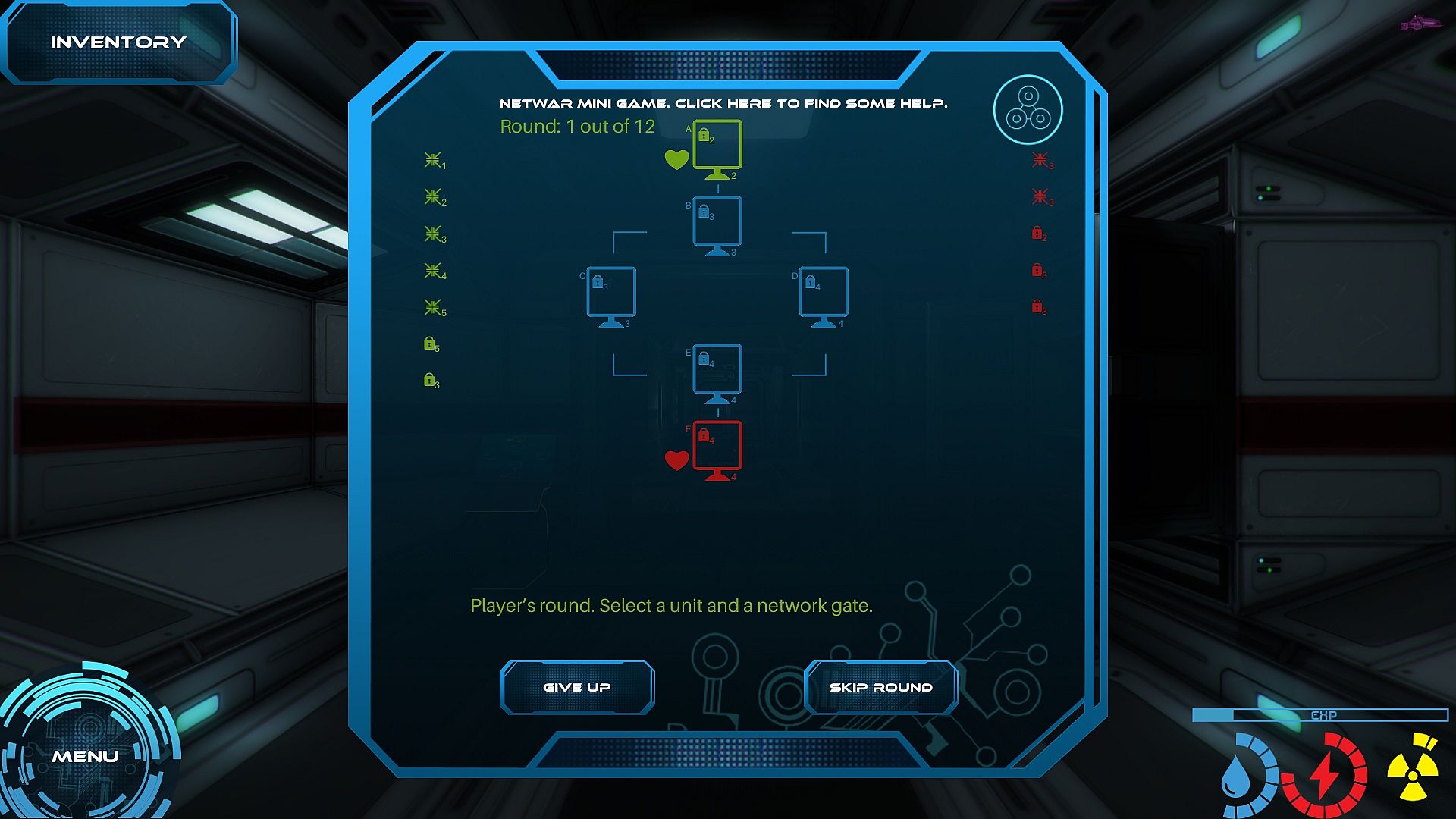
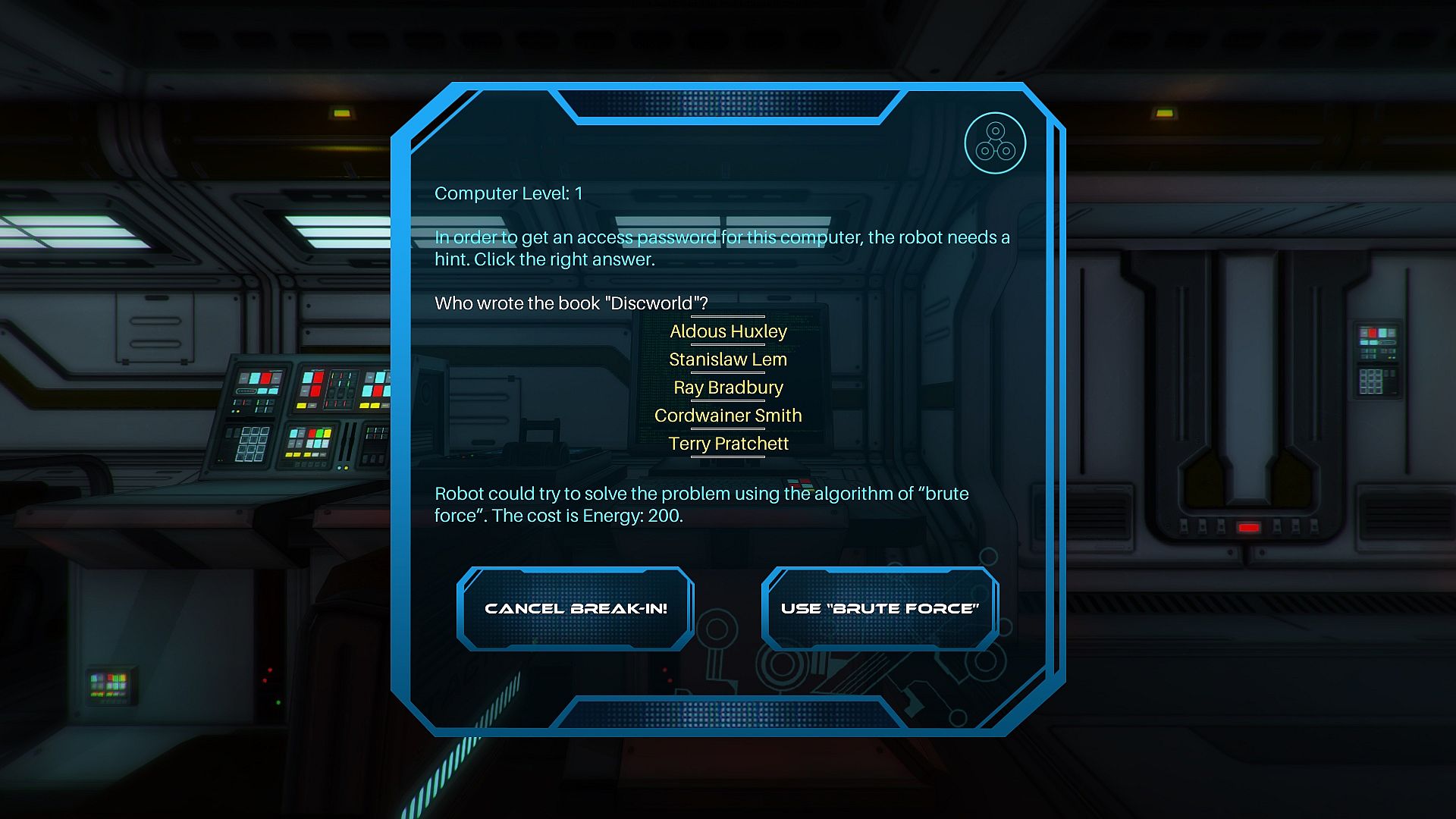
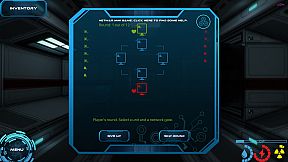
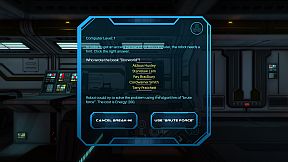
A distinctive hacking system lets Abrix override computer terminals and the ship's network. This takes the form of mini-games that test mathematical calculations, logical reasoning, and geographic knowledge. Errors during these sequences consume valuable resources, adding tension to each attempt. Success grants access to new areas or bypasses threats without combat.
Abrix can acquire upgrades through collected resources, expanding capabilities such as improved hacking efficiency or additional defensive options. The robot's modular design supports this progression throughout the mission, encouraging players to balance exploration with strategic upgrades.
Game Modes
The game operates entirely in a single-player format with no multiplayer components. Difficulty settings adjust the overall challenge level, affecting puzzle complexity, resource scarcity, and enemy behavior. Selecting a higher difficulty requires restarting the entire mission upon failure, which emphasizes preparation and careful decision-making from the outset.
Within this structure, players engage with integrated mini-games focused on logic and mathematics during hacking sequences. These elements function as optional challenges that scale with the chosen difficulty, providing variety without altering the fundamental single-player campaign flow. The experience remains consistent across playthroughs, centered on thorough ship exploration and story discovery.
Story and Atmosphere
The narrative unfolds through environmental details and puzzle outcomes rather than direct exposition. Players gradually learn what happened to the Lemuria 7 crew by examining rooms and solving linked challenges. This approach builds a sense of mystery around the ship's disappearance and return.
An original soundtrack composed specifically for the game enhances the isolated, abandoned-ship setting. Sound design reinforces the quiet tension of moving through empty corridors while avoiding or confronting automated security systems. The combination creates a focused atmosphere suited to deliberate, investigative play.
Key Features
- Exploration of over 100 spaceship rooms with interconnected puzzles
- Hacking mini-games emphasizing math, logic, and geographic skills
- Resource gathering and management for batteries and protective gear
- Skill upgrades for the playable robot character Abrix
- Combat options against turrets and patrolling robots
Is It Worth Playing?
Lemuria: Lost in Space appeals to players who enjoy deliberate point-and-click adventures combined with light RPG and survival elements. The emphasis on puzzle-solving and resource decisions suits those comfortable with trial-and-error approaches and restart mechanics on higher difficulties. A free demo remains available for those wanting to sample the core systems before committing.
Player feedback reflects a mostly positive response based on a modest number of reviews, with many appreciating the unique robot protagonist and integrated mini-games. The title offers a compact, self-contained experience without ongoing updates or additional content seasons. It fits best for fans of indie sci-fi adventures who value atmospheric exploration over fast-paced action or large-scale multiplayer features.