

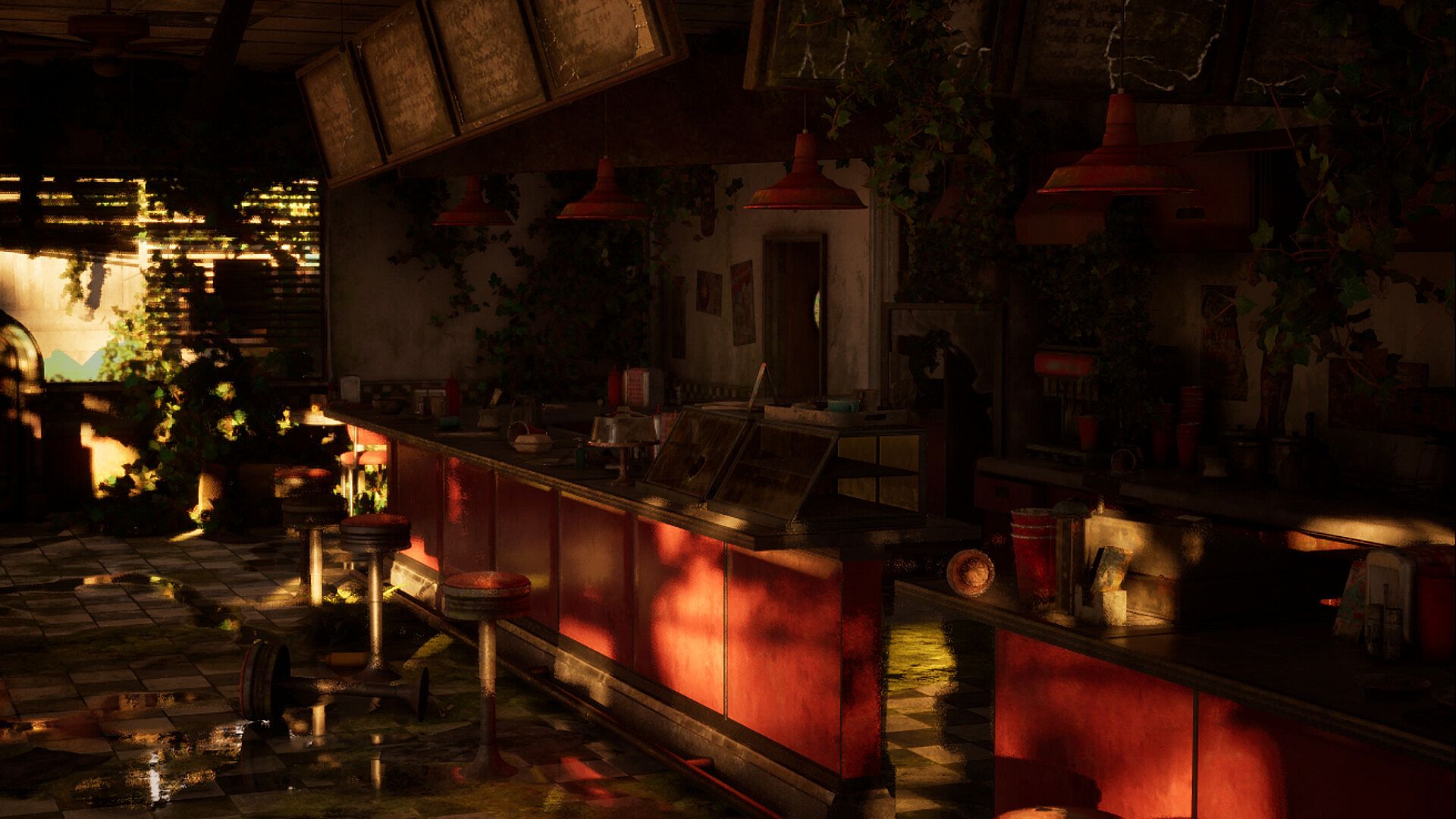
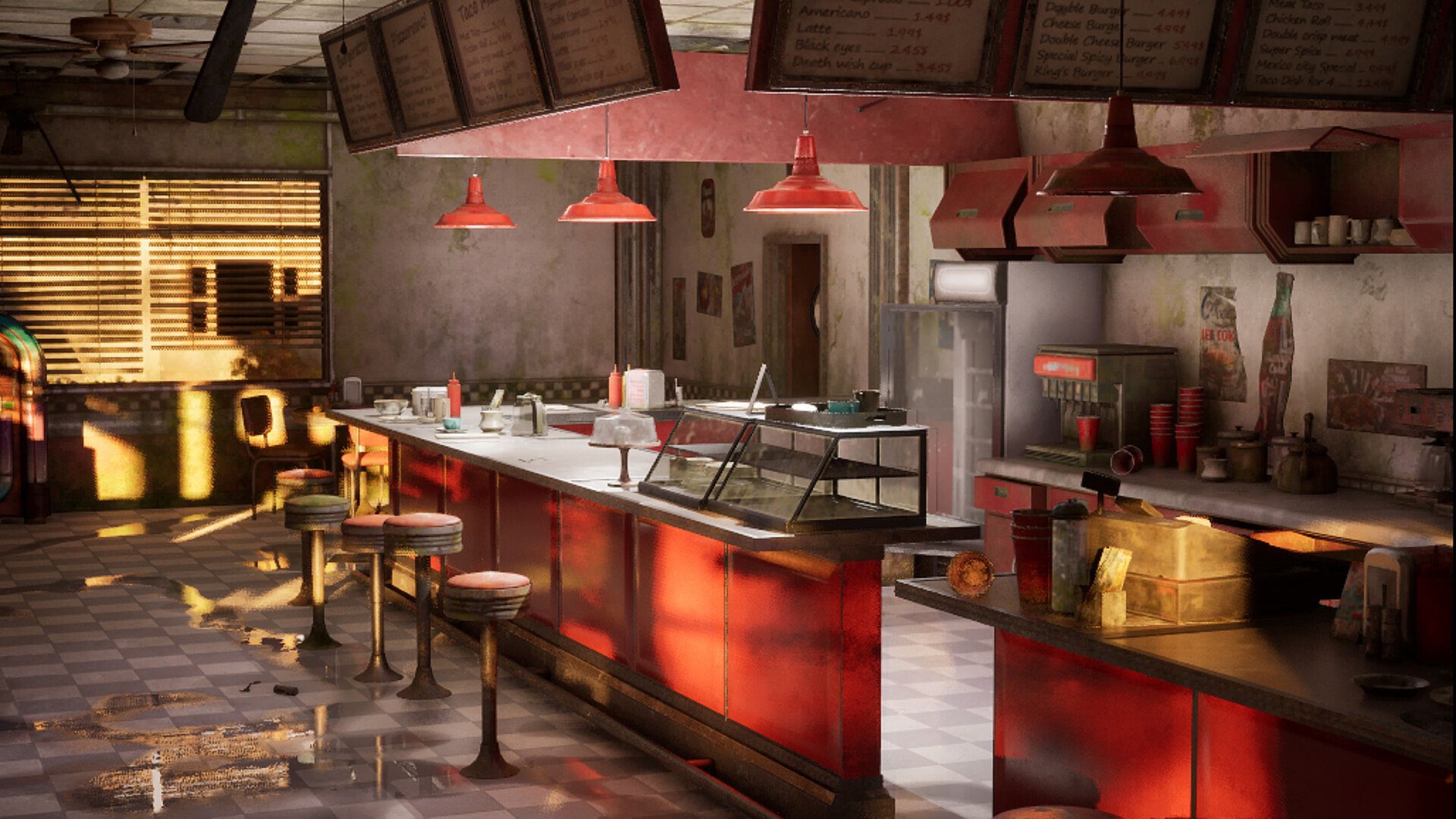
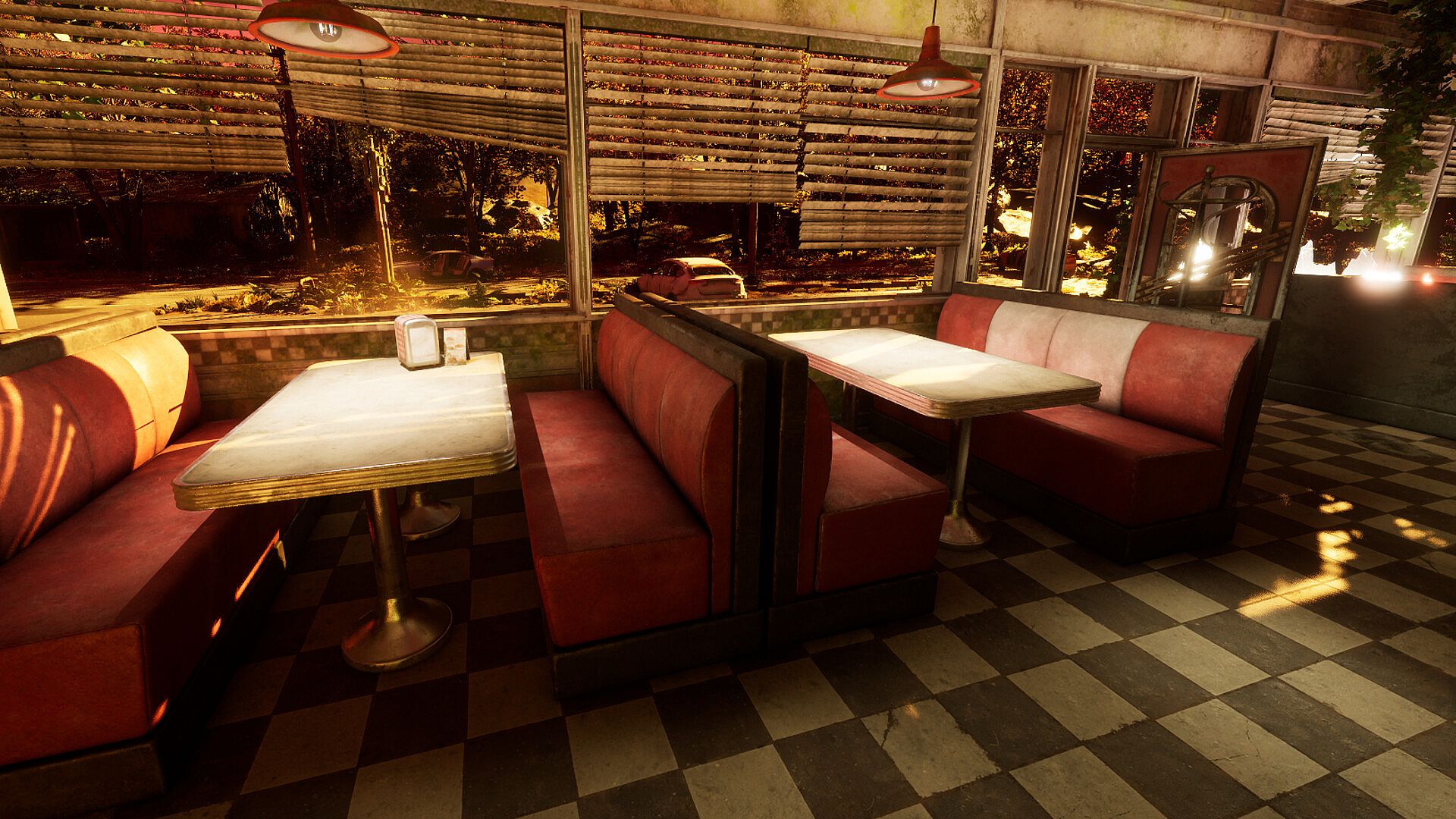
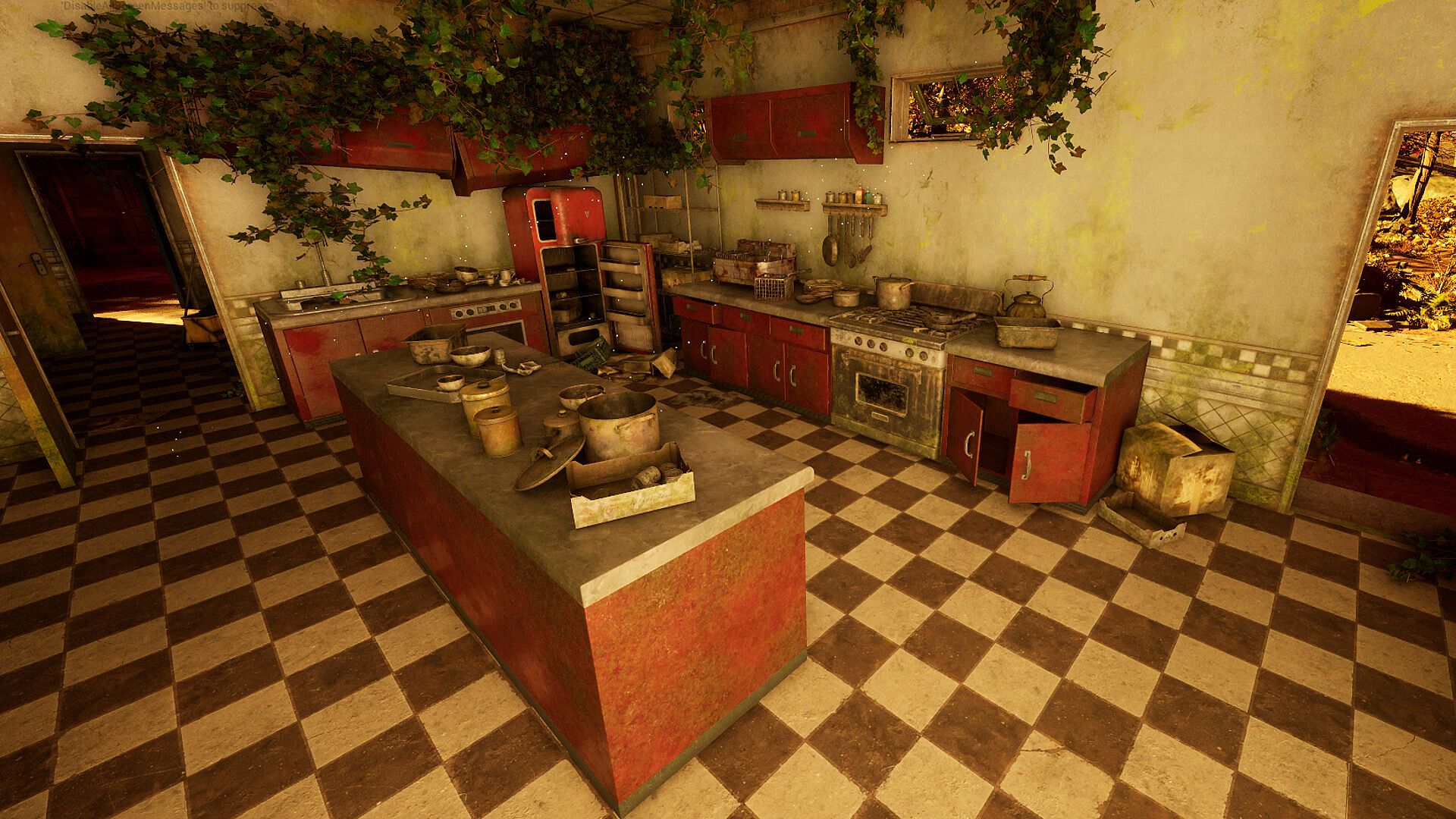
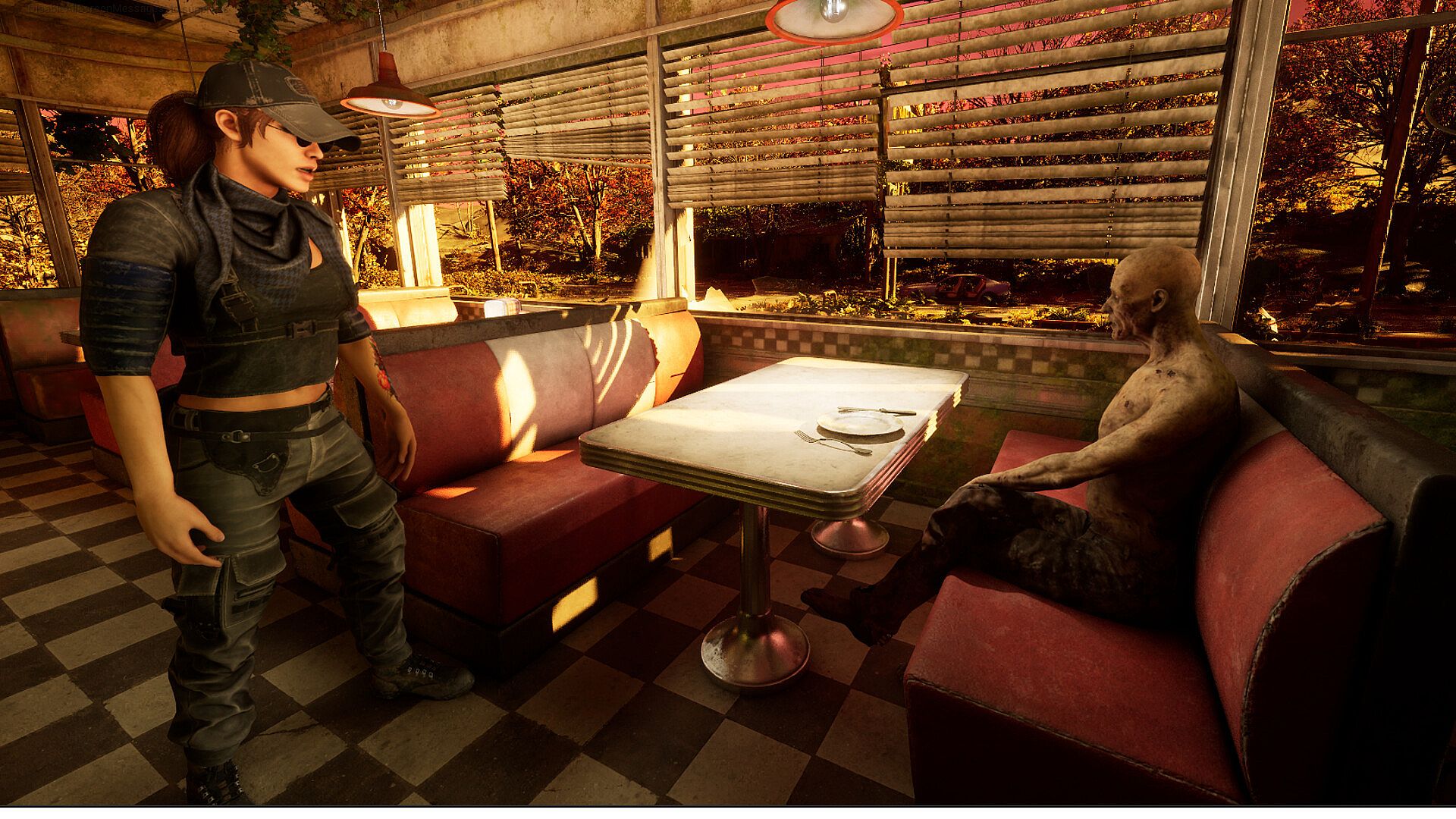
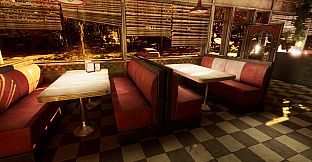
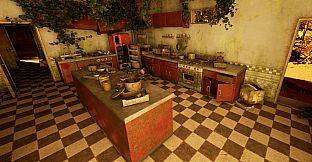
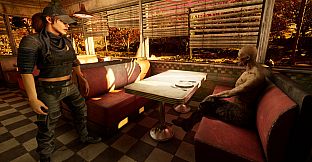
Last Stop: Wasteland Diner is a single-player simulation game centered on cooking and diner management in a post-apocalyptic setting. Players run a roadside eatery that serves drifters, scavengers, and members of the wasteland's major factions, with every meal prepared from scavenged ingredients and every interaction shaping the outcome.
Gameplay
The core loop revolves around timed shifts that begin with menu planning and ingredient preparation before opening the doors. Players handle every step of food preparation manually across multiple kitchen stations, including the chopping board, mixing bowl, stove, dough station, and plating counter. Raw items require chopping, peeling, grating, or dicing, and steps chain together to complete orders efficiently. A Geiger counter tracks radiation levels on ingredients, demanding careful handling to avoid unwanted effects on customers.
Daily operations include greeting arrivals, taking orders, serving plates, and cleaning tables between groups. Reputation builds across shifts as customers return or spread word, influencing who visits and how they respond. Outside service hours, players send travelers into ruins and hazardous areas to gather scarce supplies, then reinvest earnings into building repairs and kitchen upgrades that expand capabilities over time.
Faction interactions add depth through distinct preferences tracked on reputation meters. Choices in service and menu items affect standing with each group, leading to varied story branches that conclude in one of four endings depending on alliances or rivalries formed.
Game Modes
The experience stays focused on single-player progression through sequential shifts. Each day follows a structured routine of preparation, service under time pressure, and post-shift management, with reputation carrying forward to alter future visits and available options. No separate competitive or cooperative modes exist; the emphasis remains on personal pacing and decision-making within the diner's daily rhythm.
Narrative and Atmosphere
Story elements emerge directly from customer interactions and faction relations rather than scripted cutscenes. Survivors and representatives each seek particular comfort foods, and consistent service or deliberate choices toward specific groups steer the overall direction. The setting features warm amber and rust tones with hand-painted details, creating a lived-in roadside stop amid the wasteland.
Is It Worth Playing?
Players who enjoy detailed, hands-on cooking mechanics paired with light management and choice-driven outcomes will find the described systems engaging. The tactile preparation work, menu customization, and reputation consequences provide a consistent loop that rewards attention to detail and long-term planning. Because the game remains unreleased with no reviews or updates available yet, interest depends on whether the post-apocalyptic diner concept and single-player focus align with personal preferences for simulation titles. Those drawn to cozy yet gritty management experiences with branching endings may want to follow its development.