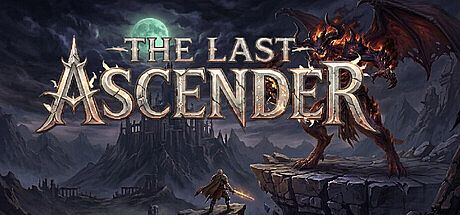



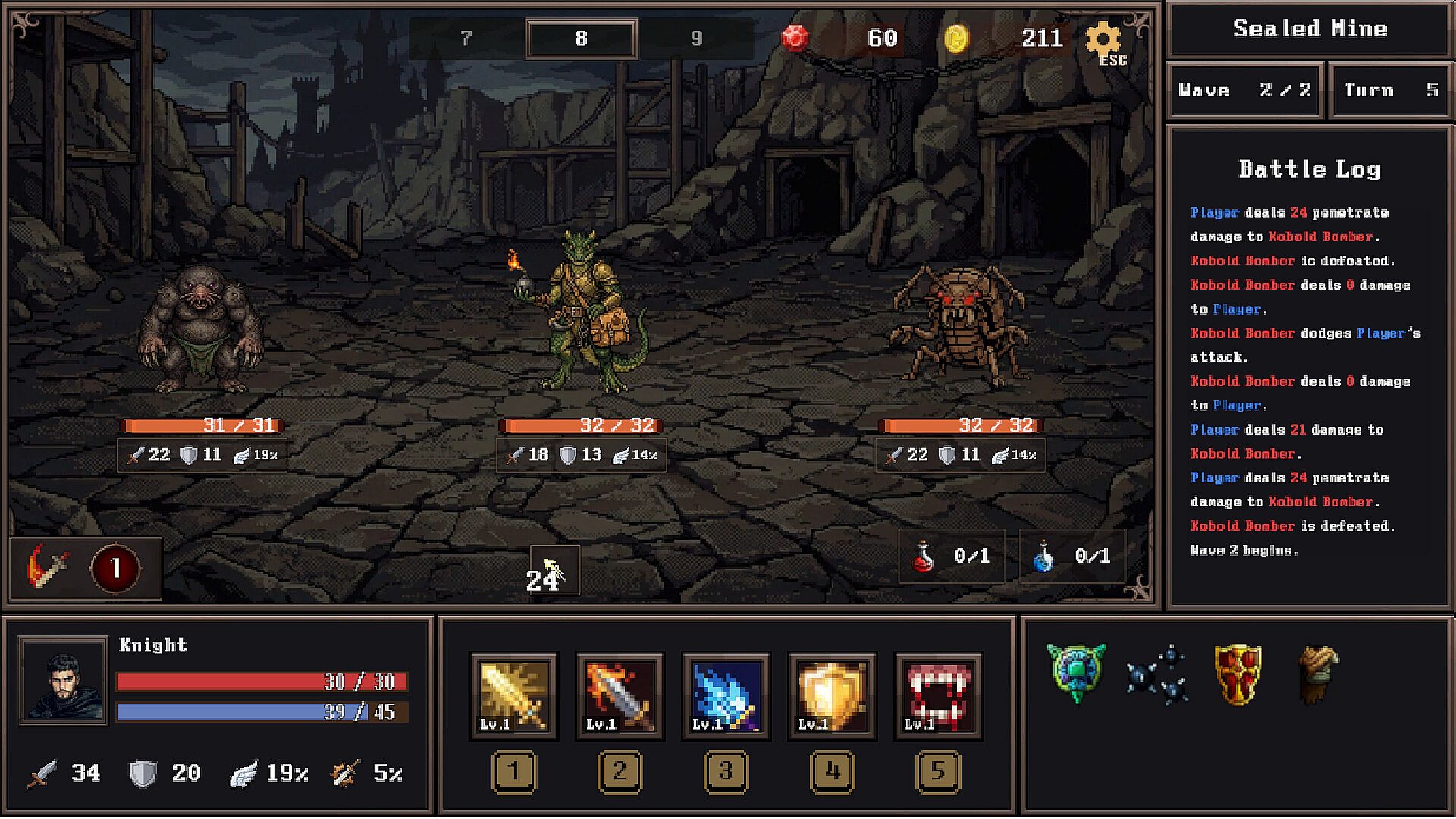
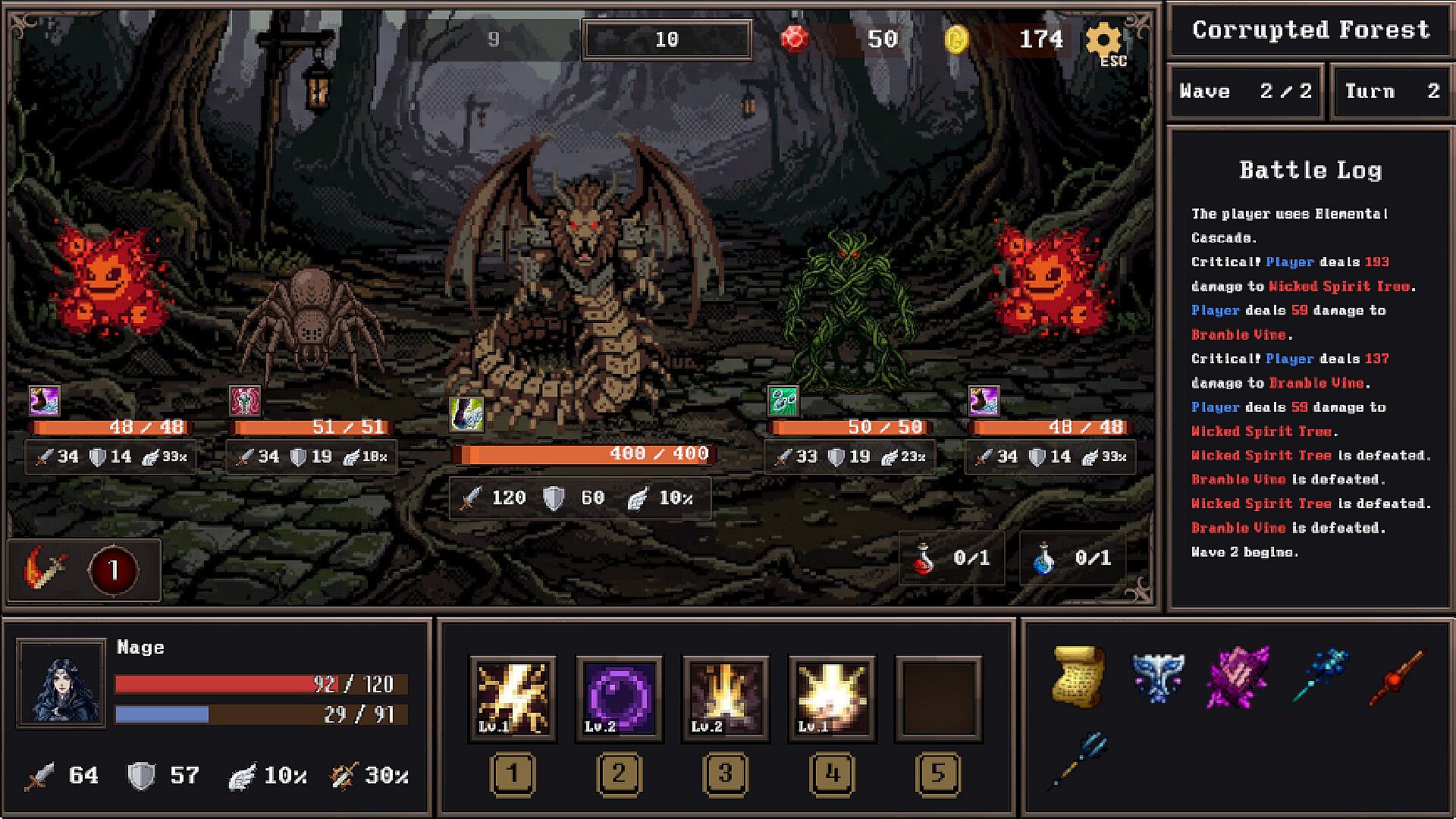
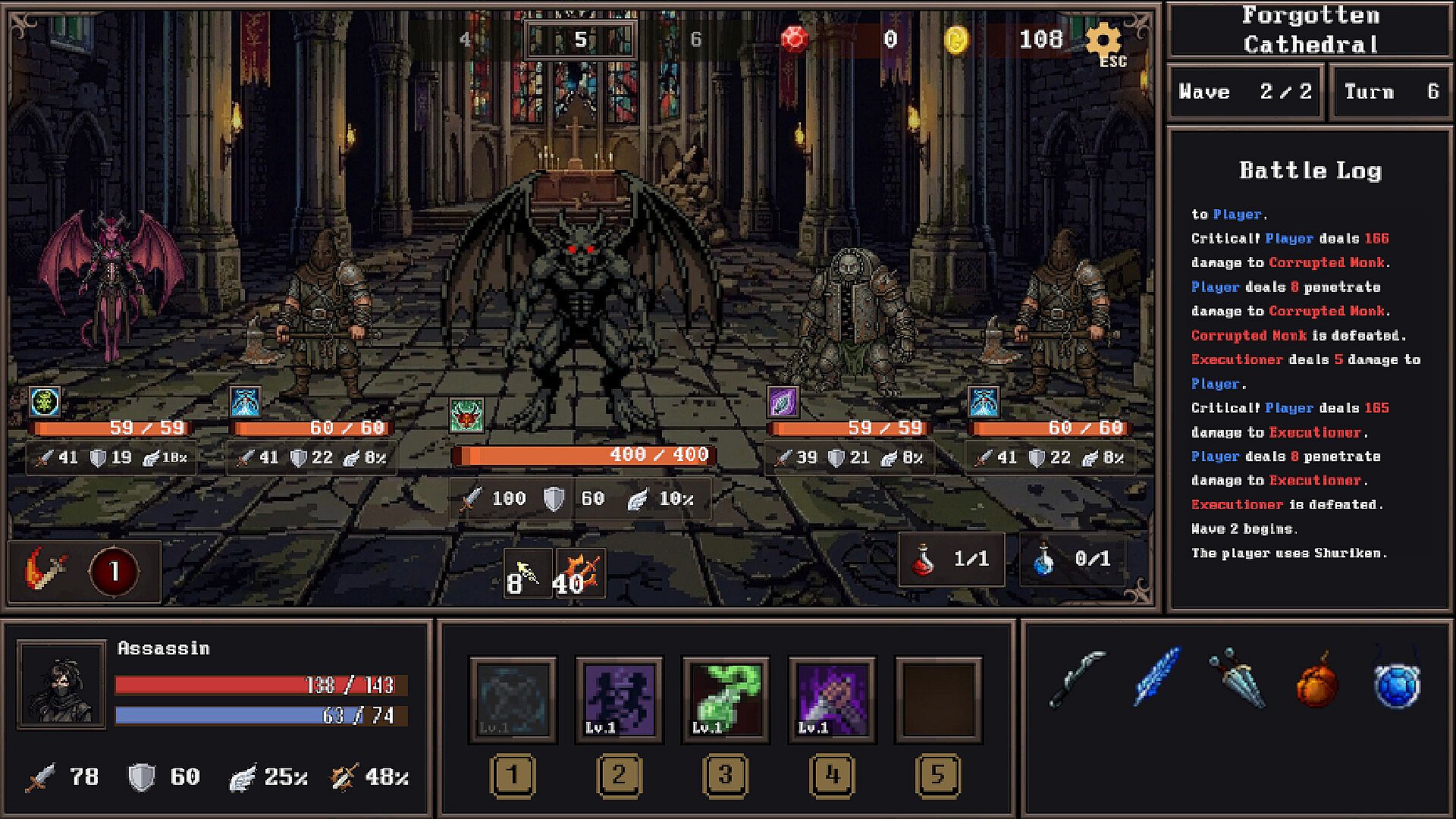
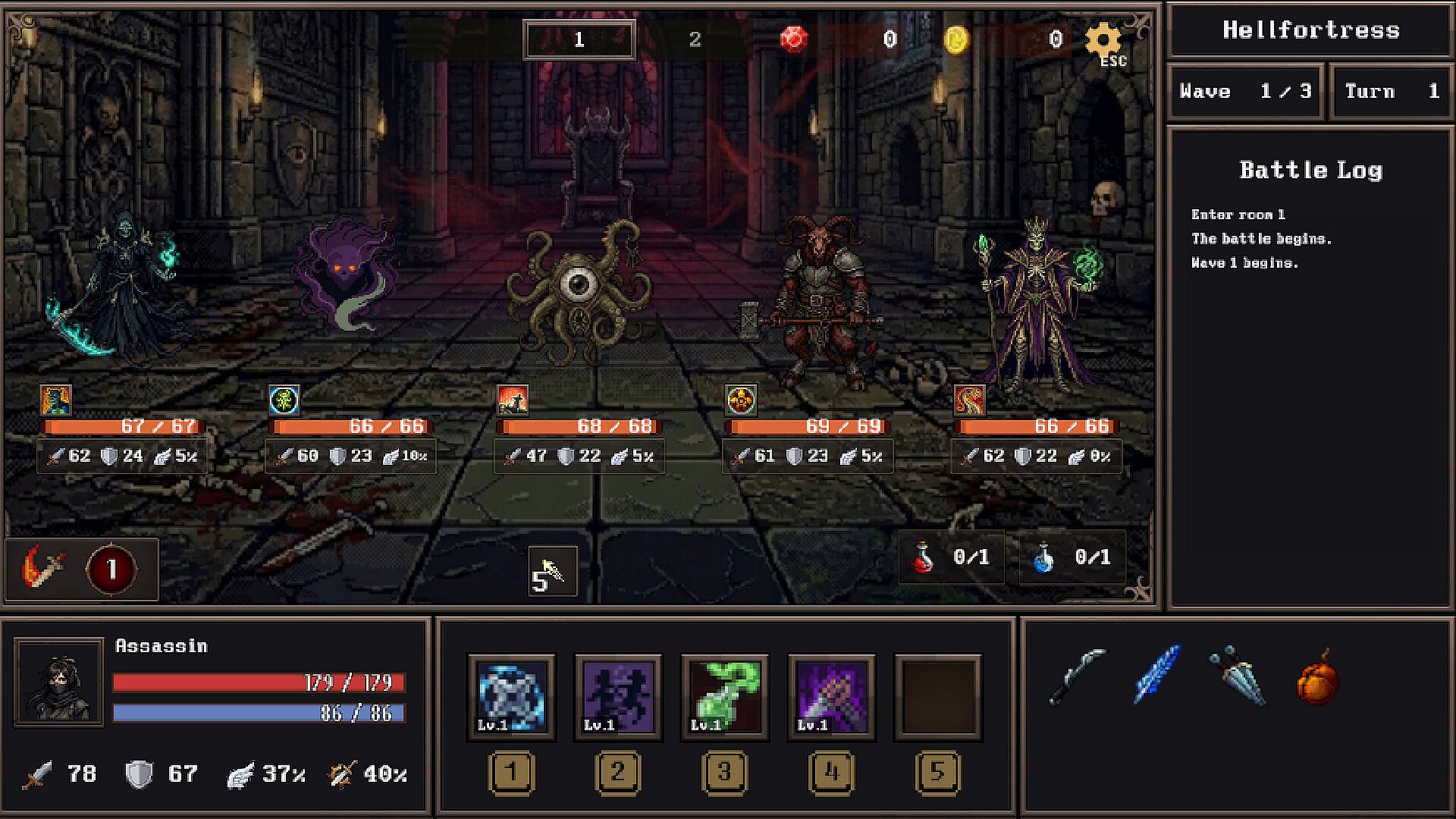
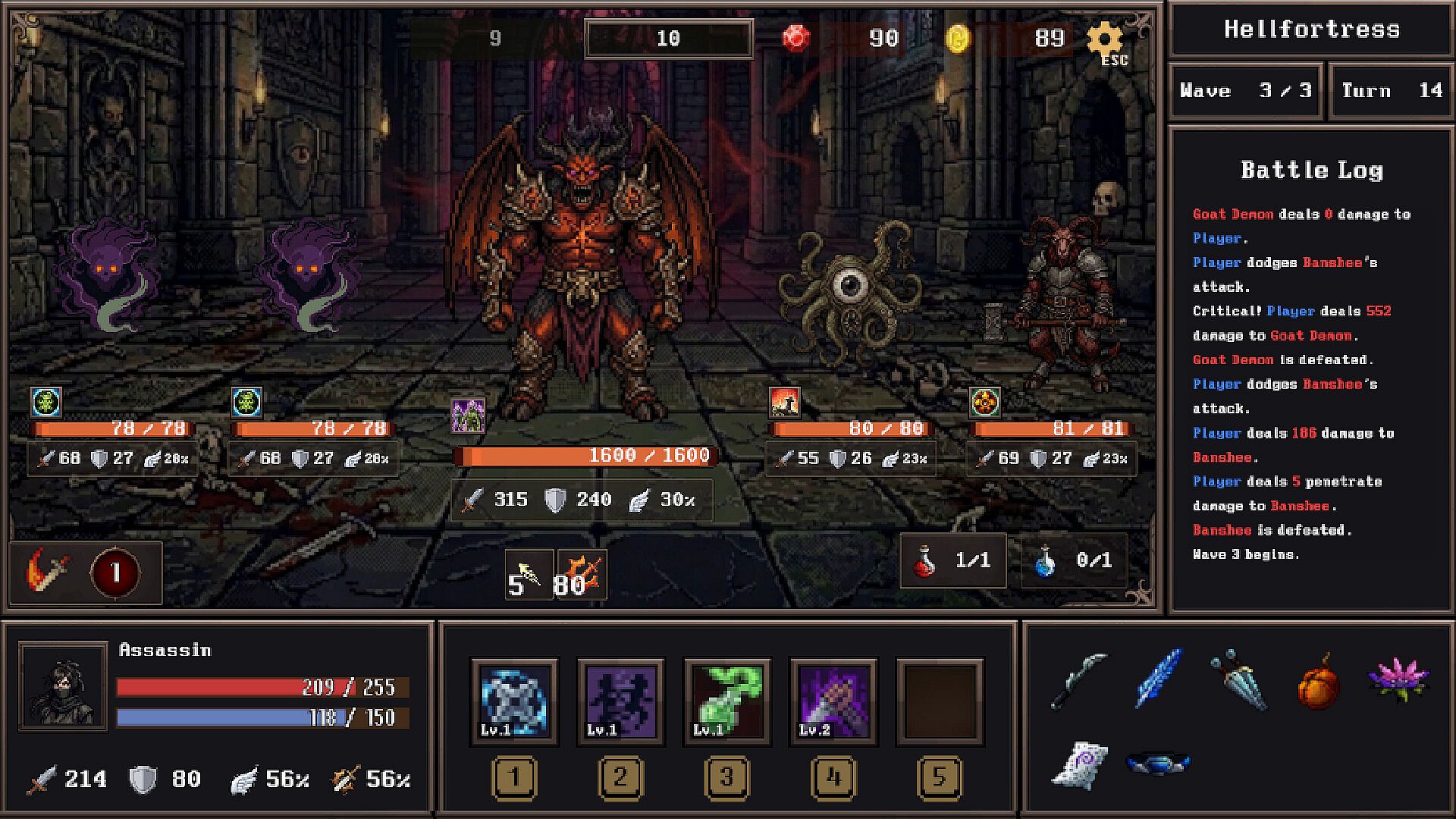
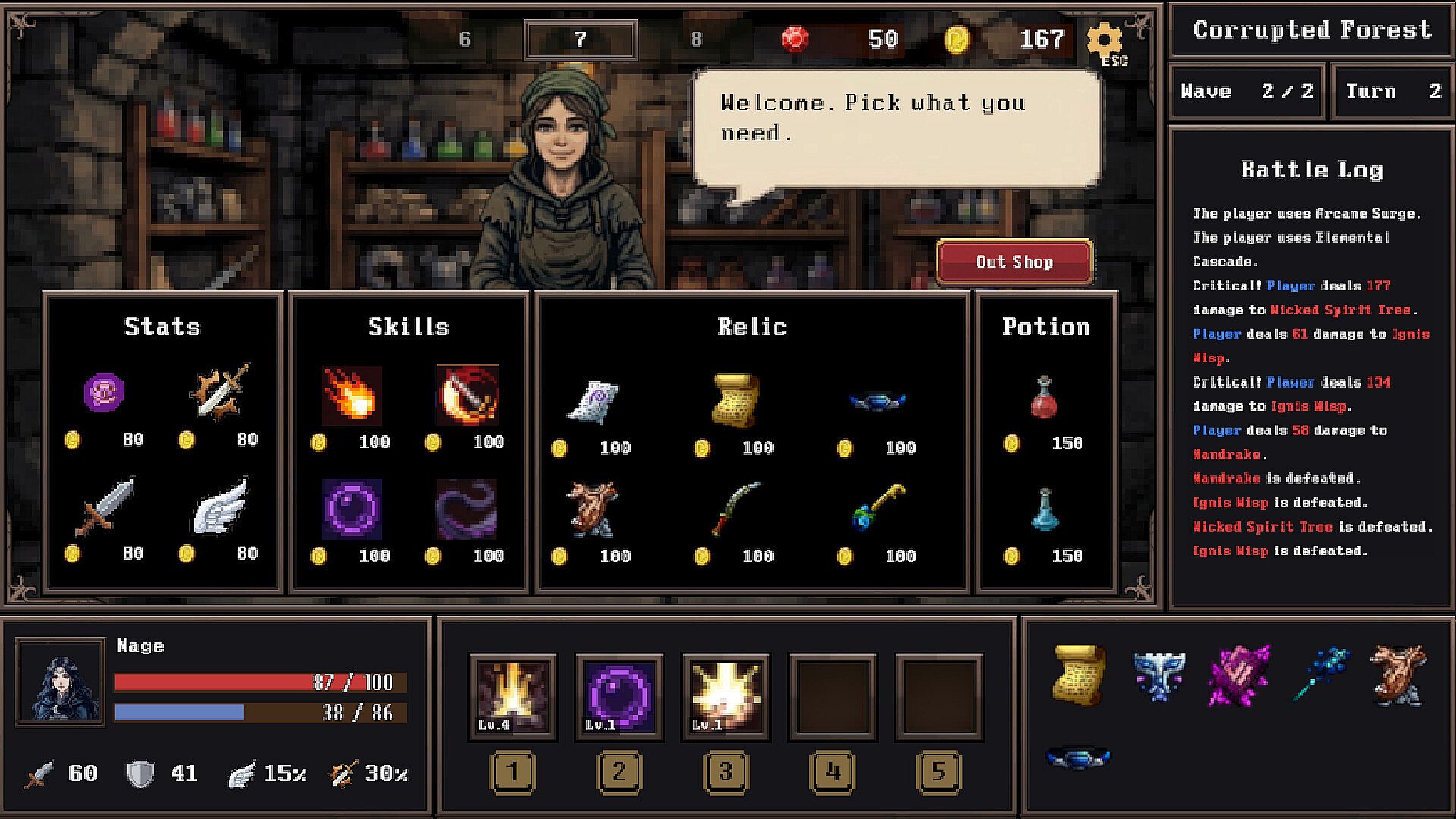
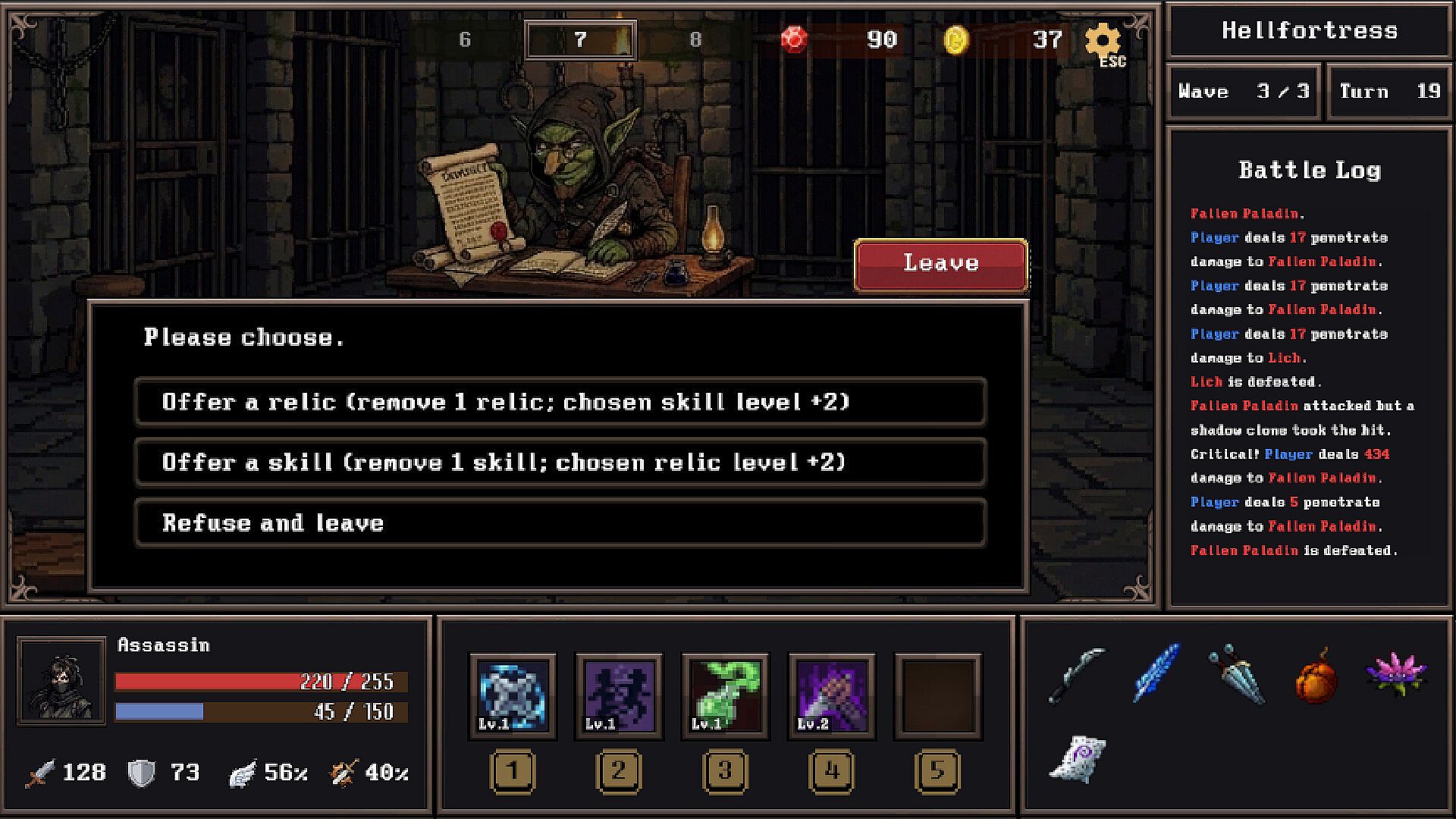
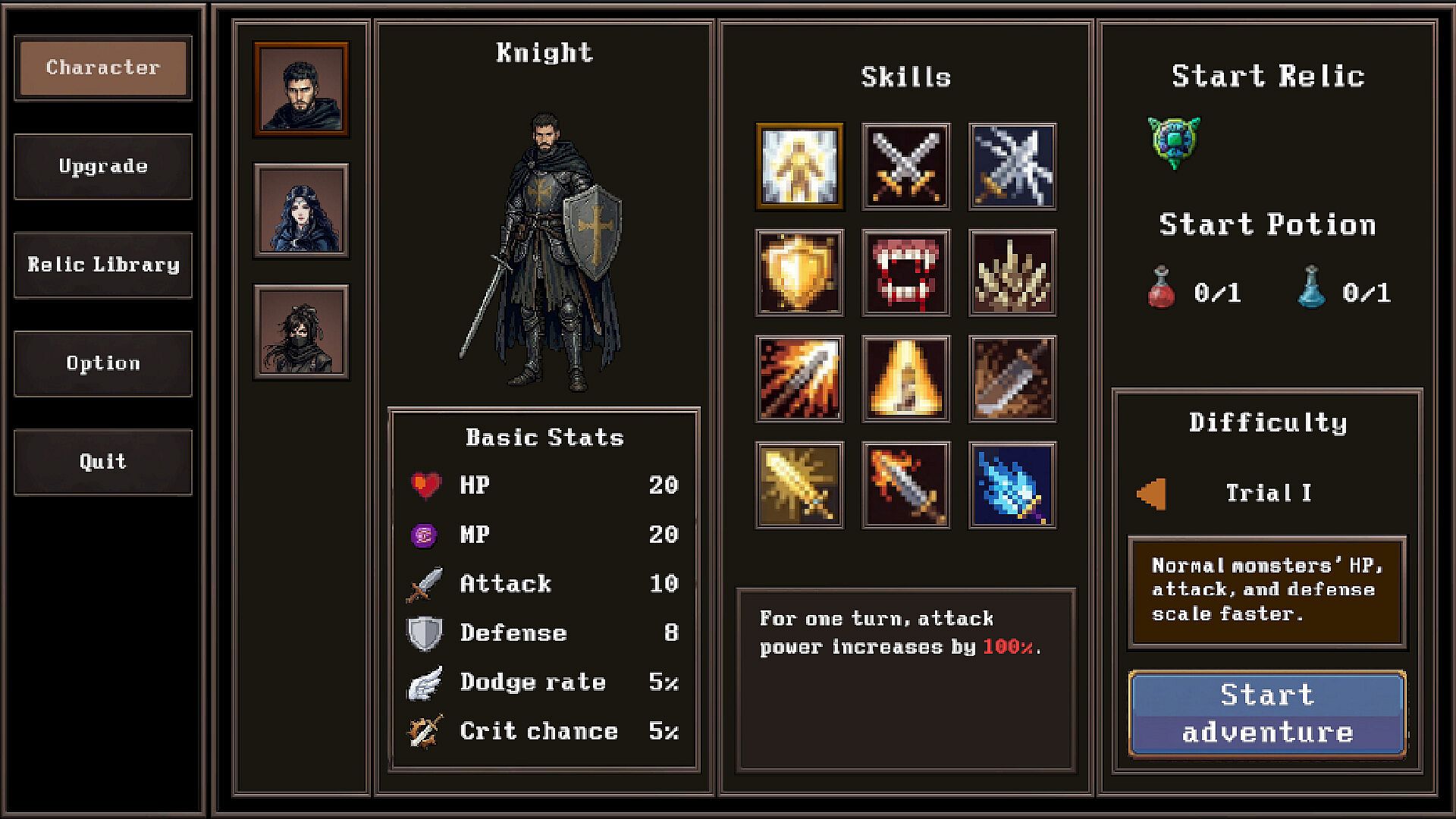
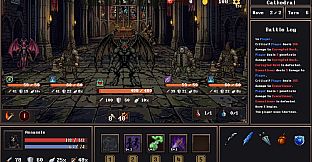
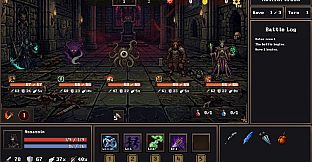
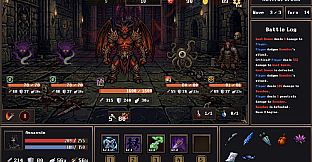
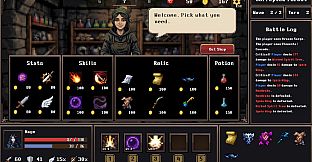
Last Ascender is a single-player 1st-person turn-based strategy RPG that blends classic role-playing progression with roguelike runs and deckbuilding mechanics. Players step into the role of an Ascender tasked with pushing back the Demon King's darkness through repeated expeditions that reward careful planning and adaptive builds.
Gameplay
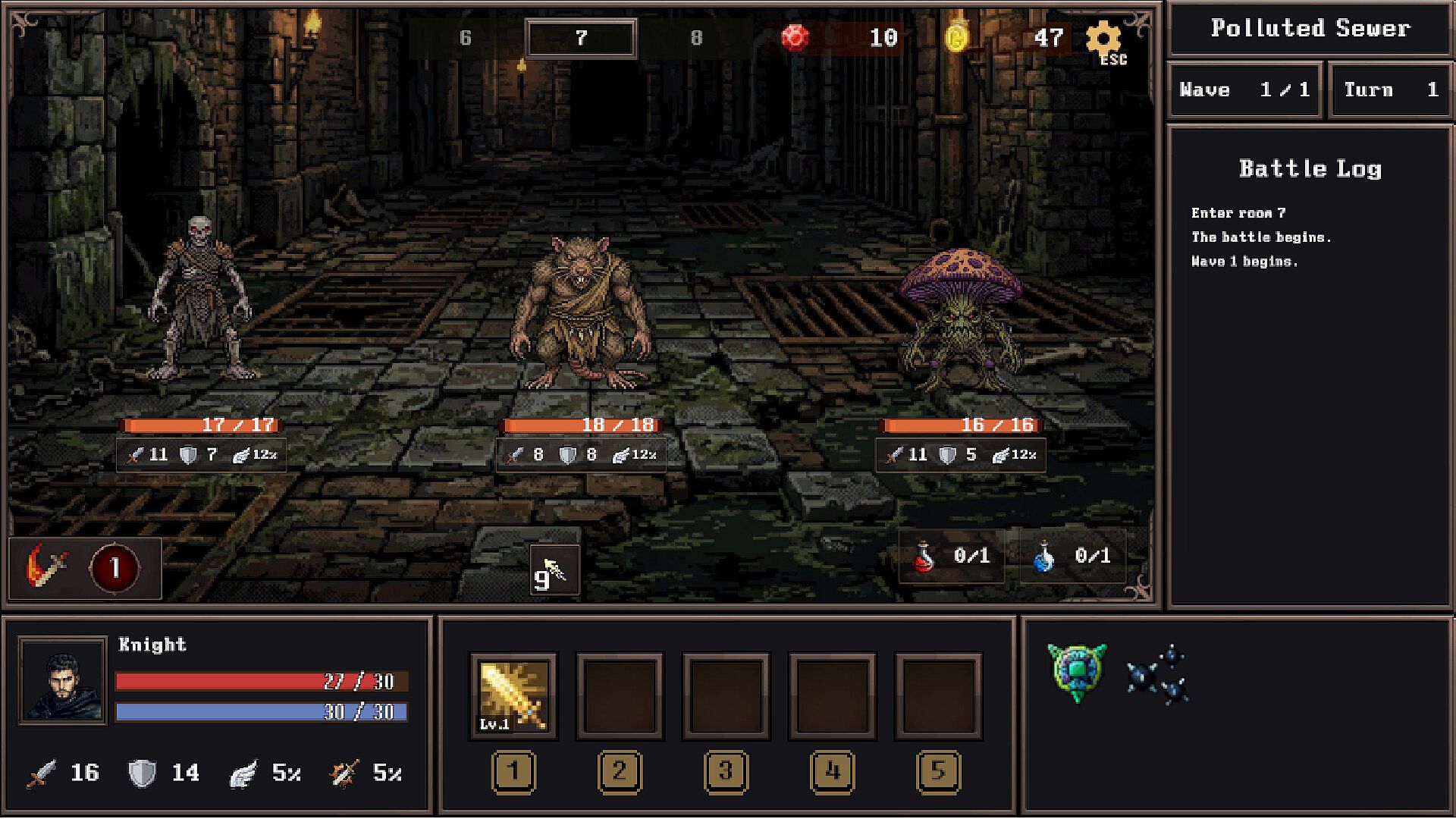
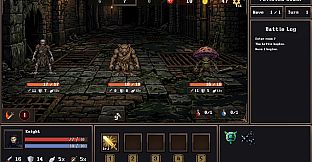
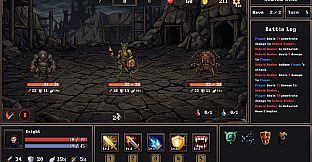
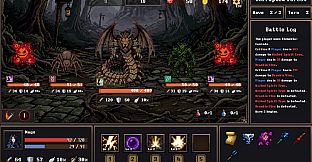
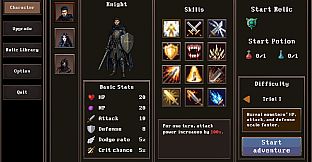
The core loop centers on turn-based combat viewed from a first-person perspective. Each encounter requires selecting actions from class-specific skill sets while managing resources across a run. Controls emphasize quick decision-making without sacrificing tactical layers, allowing players to chain abilities in sequences that feel responsive rather than static.
Three distinct character classes form the foundation of every attempt. Each class carries its own set of skills that alter combat flow, encouraging experimentation across multiple runs. Switching classes changes not only available moves but also how relics interact with those moves, creating fresh strategic problems every time a new expedition begins.
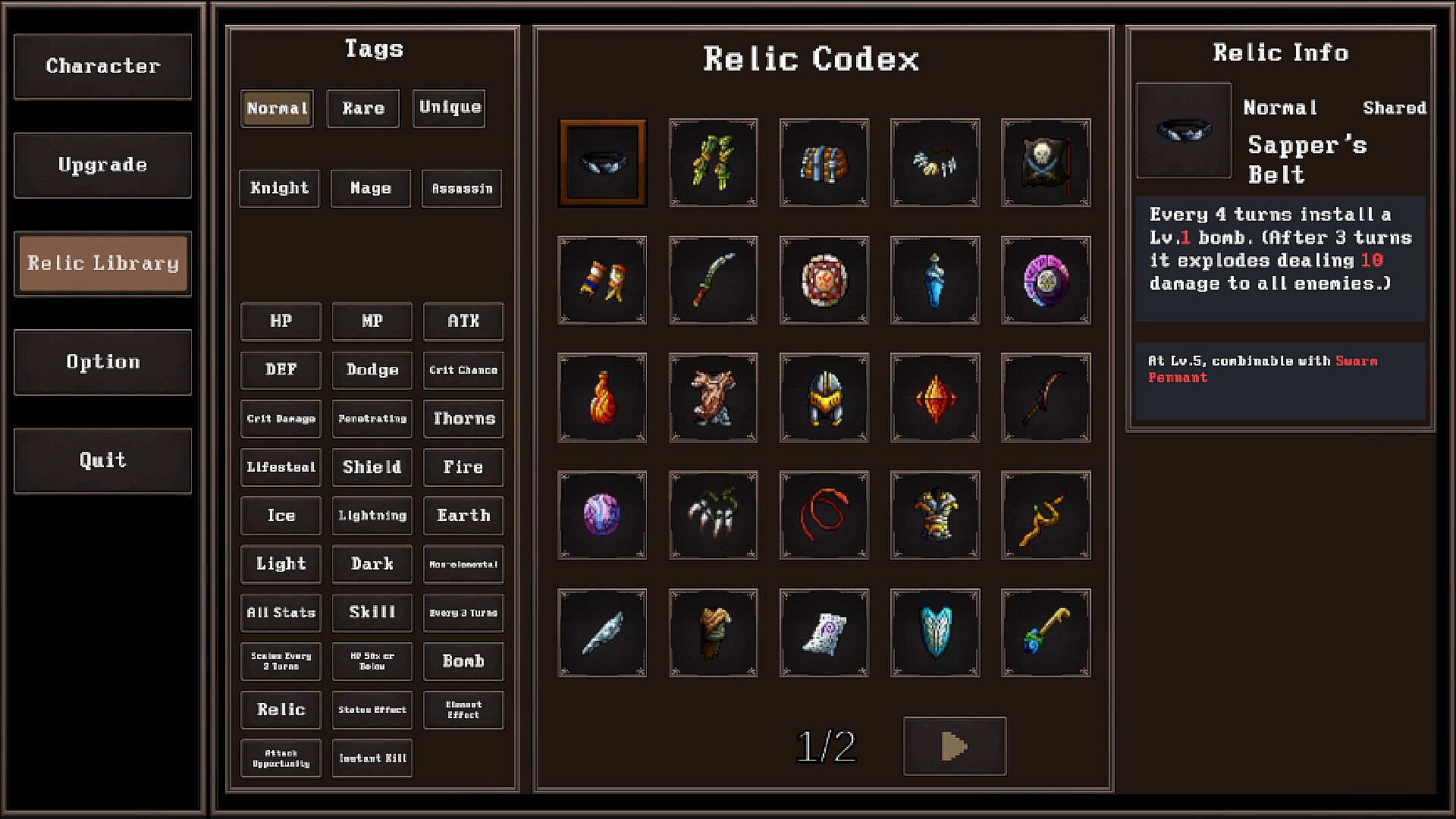
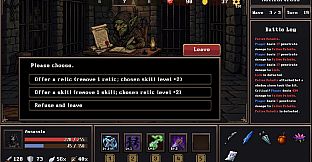
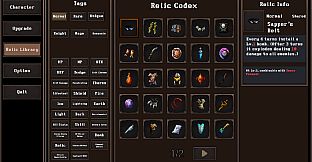
Relics serve as the primary building blocks for power. More than 100 unique relics can be collected, upgraded for stronger effects, or combined through synthesis to create more potent versions. Choices about which relics to keep, enhance, or discard shape the direction of each run and determine whether a player can overcome increasingly capable foes.
Enemies scale in both strength and capability as difficulty rises. At higher levels they introduce new abilities that force adjustments to existing builds. This progression keeps the focus on adapting relic combinations and skill usage rather than relying on a single optimal setup.
Game Modes
Progression unfolds across five main chapters plus one hidden chapter. Each chapter presents a sequence of encounters that test the current build while introducing new environmental and enemy challenges. Players advance by clearing these chapters, with success measured by how far the chosen relics and class skills carry them.
Ten distinct difficulty levels layer additional pressure onto every chapter. Lower settings allow players to learn relic synergies and class mechanics, while higher settings amplify enemy adaptations and require tighter resource management. The structure supports repeated attempts, with each run feeding back into the next through accumulated knowledge rather than permanent unlocks.
The single-player format keeps all attention on individual decision-making. There are no cooperative or competitive elements, so every choice about relic upgrades, synthesis, or skill timing rests solely with the player across successive expeditions.
Build Crafting and Progression
Relic management forms the heart of long-term strategy. Players decide at each step whether to strengthen an existing relic, replace it with a newly found one, or attempt synthesis for a higher-tier option. These decisions accumulate across chapters and difficulties, turning early choices into decisive advantages or liabilities by the later stages of a run.
Class skills interact directly with the relic pool. A skill that benefits from certain relic types will perform differently depending on the build assembled, which in turn influences which enemies can be handled efficiently. This interdependence rewards players who track synergies rather than collecting relics in isolation.
Is It Worth Playing?
The game enters Early Access on August 6, 2026, developed by a solo creator who plans to incorporate community feedback throughout a six-to-twelve-month period. The Early Access version already includes the three classes, over 100 artifacts, the chapter structure, and the ten difficulty levels, with a demo available for those who want to test the core systems first.
Players who enjoy methodical turn-based combat paired with roguelike repetition and incremental build refinement will find the current state functional and expandable. Ongoing balance updates and planned additions of new classes and events are intended to deepen the experience before full release. Those seeking a complete, polished title with extensive post-launch support may prefer to wait until the developer reaches the intended scope. The emphasis on strategic depth over spectacle makes it a fit for fans of deliberate, replay-driven strategy RPGs rather than action-oriented titles.