




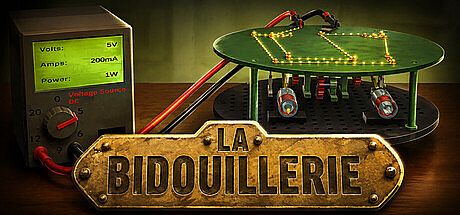


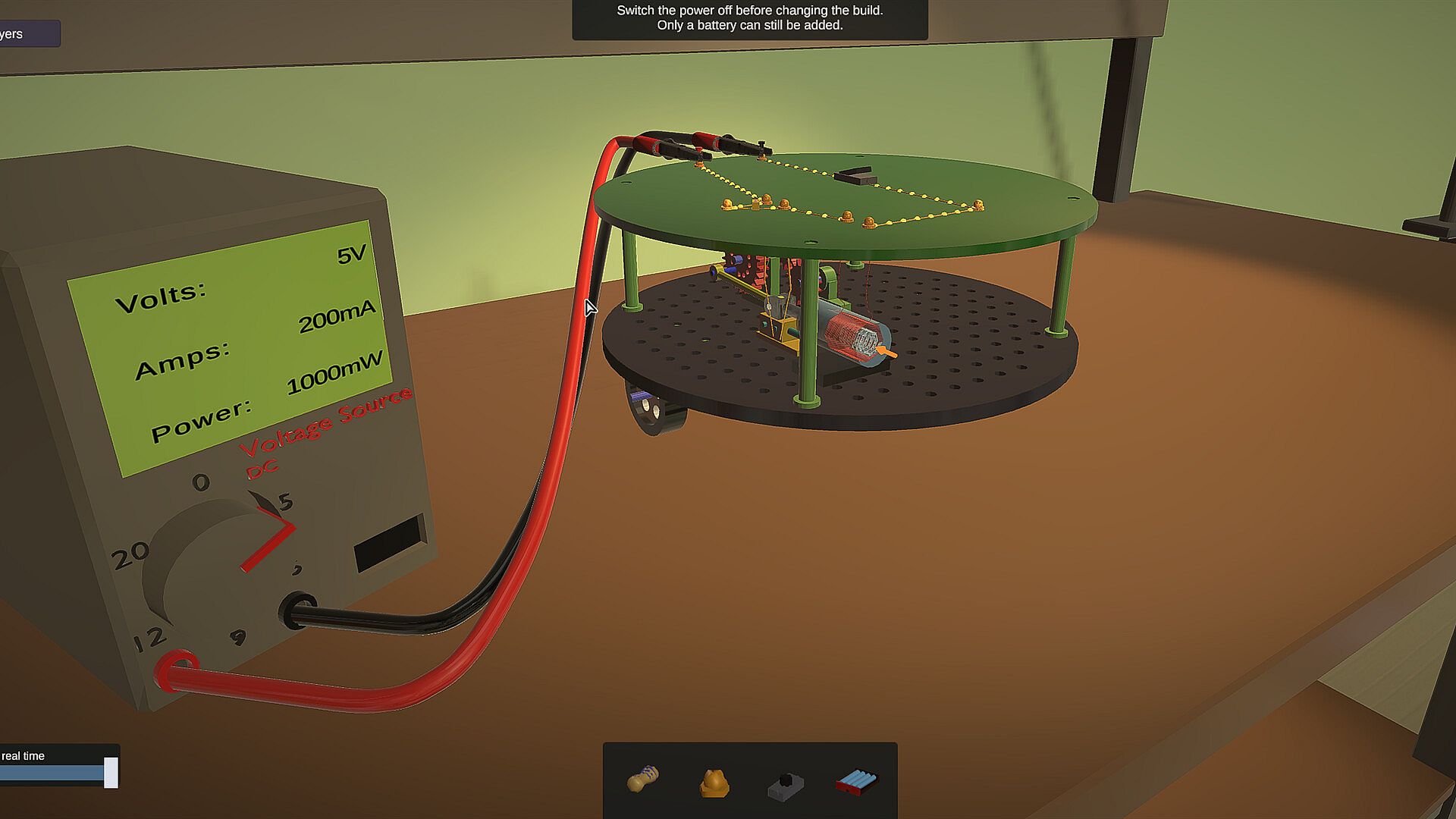
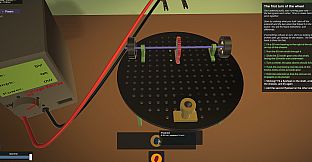
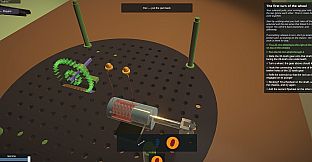
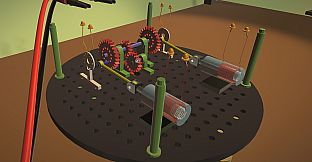
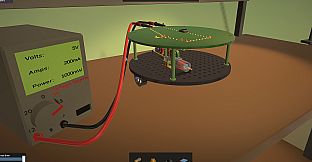
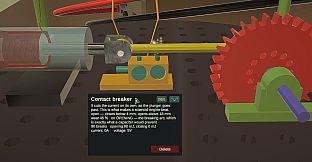
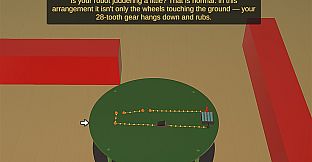
La Bidouillerie is an indie simulation game for PC that centers on constructing functional robots from individual mechanical and electrical components. Players assemble parts on a perforated chassis, connect wiring, and test the results in a system that models real physical and electrical behaviors without simplification or abstraction.
Gameplay
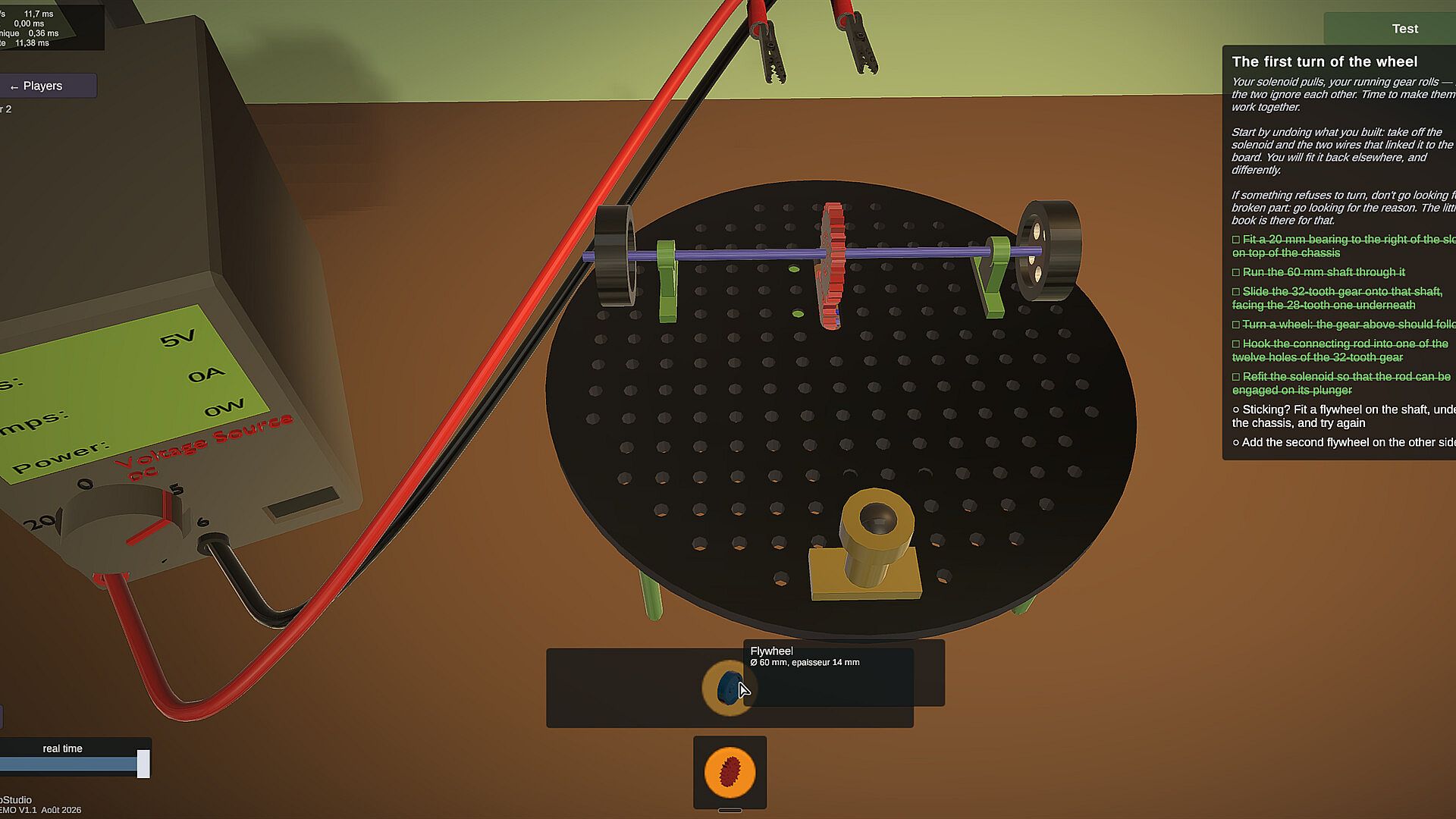
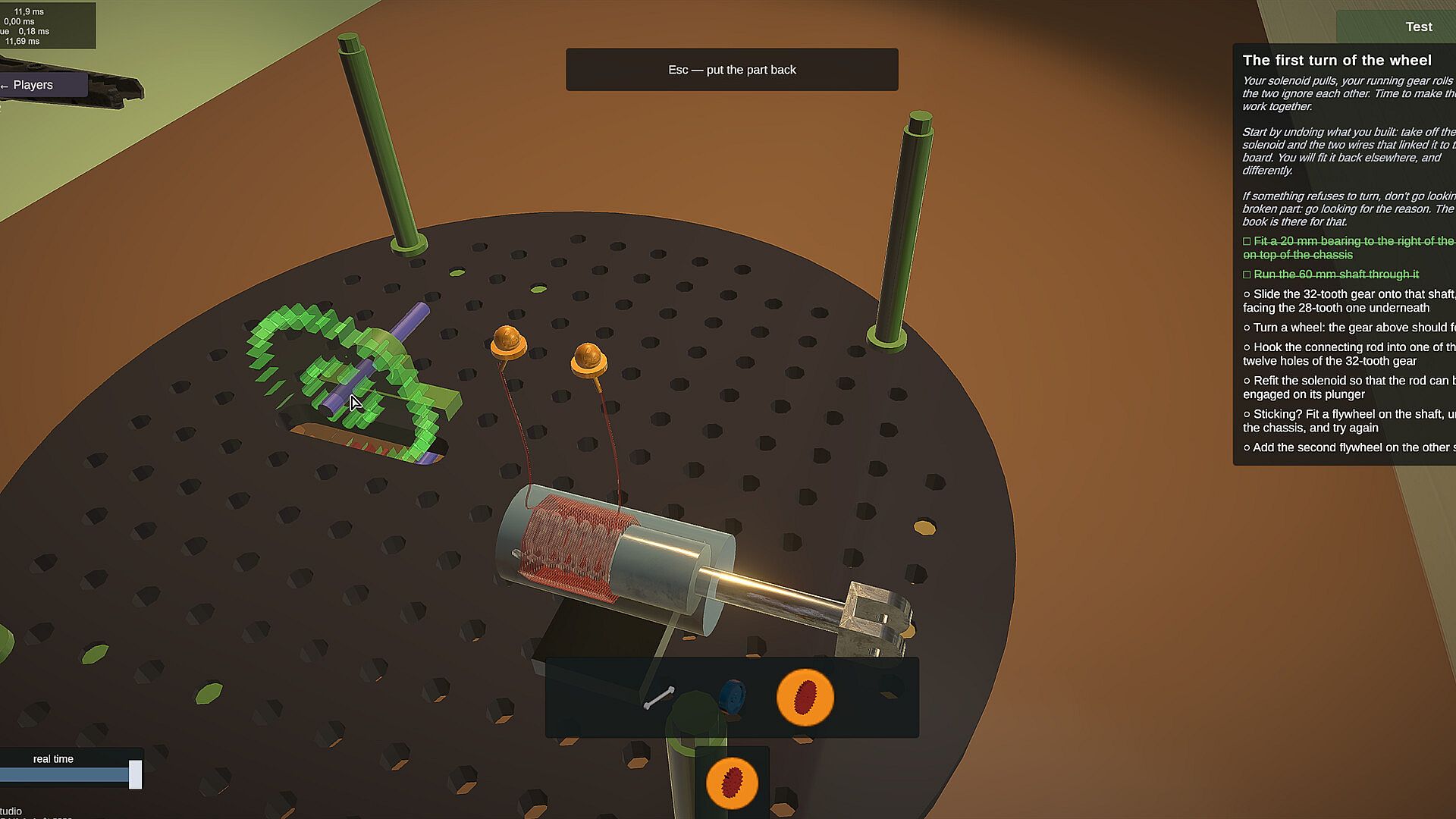
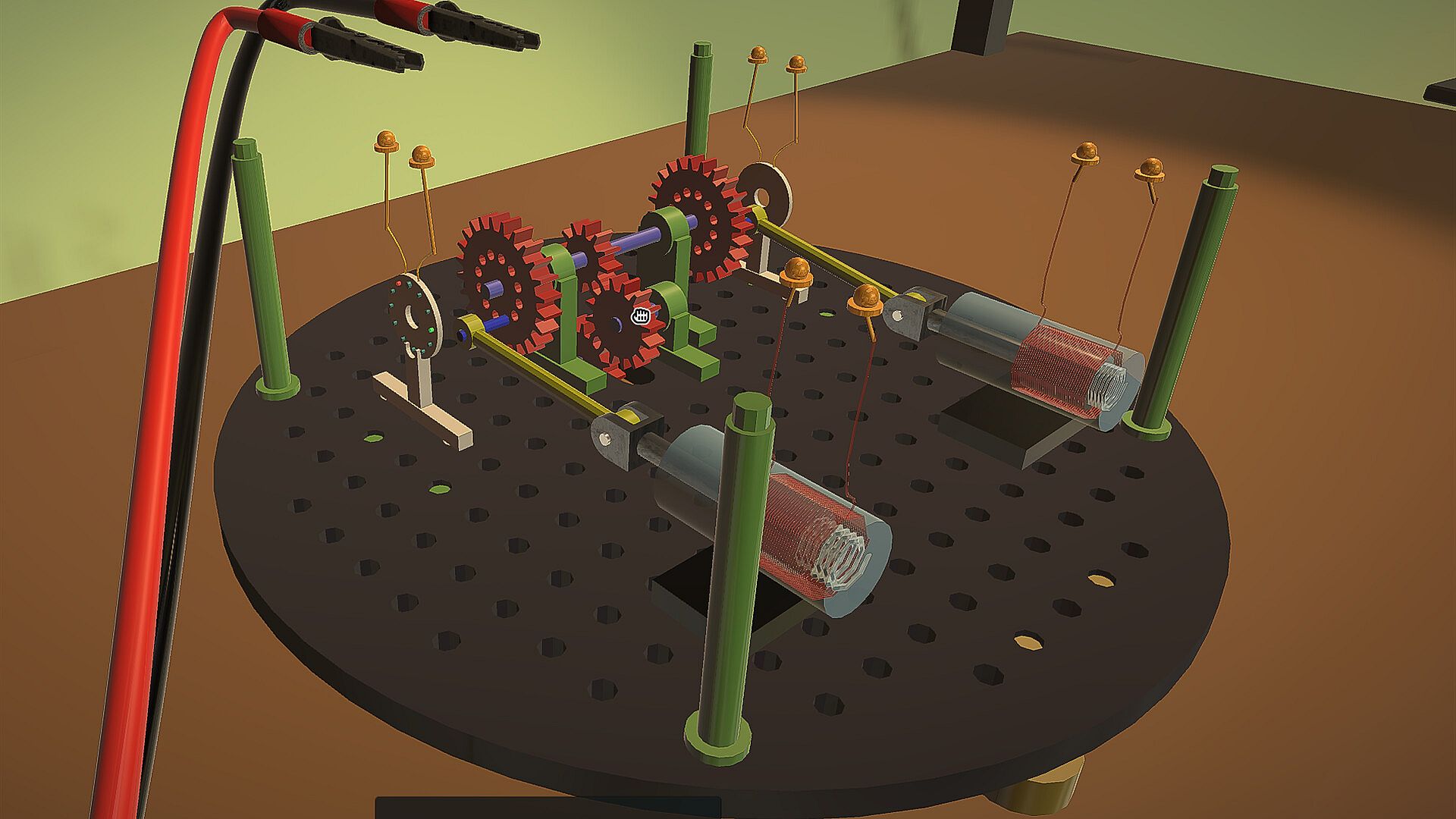
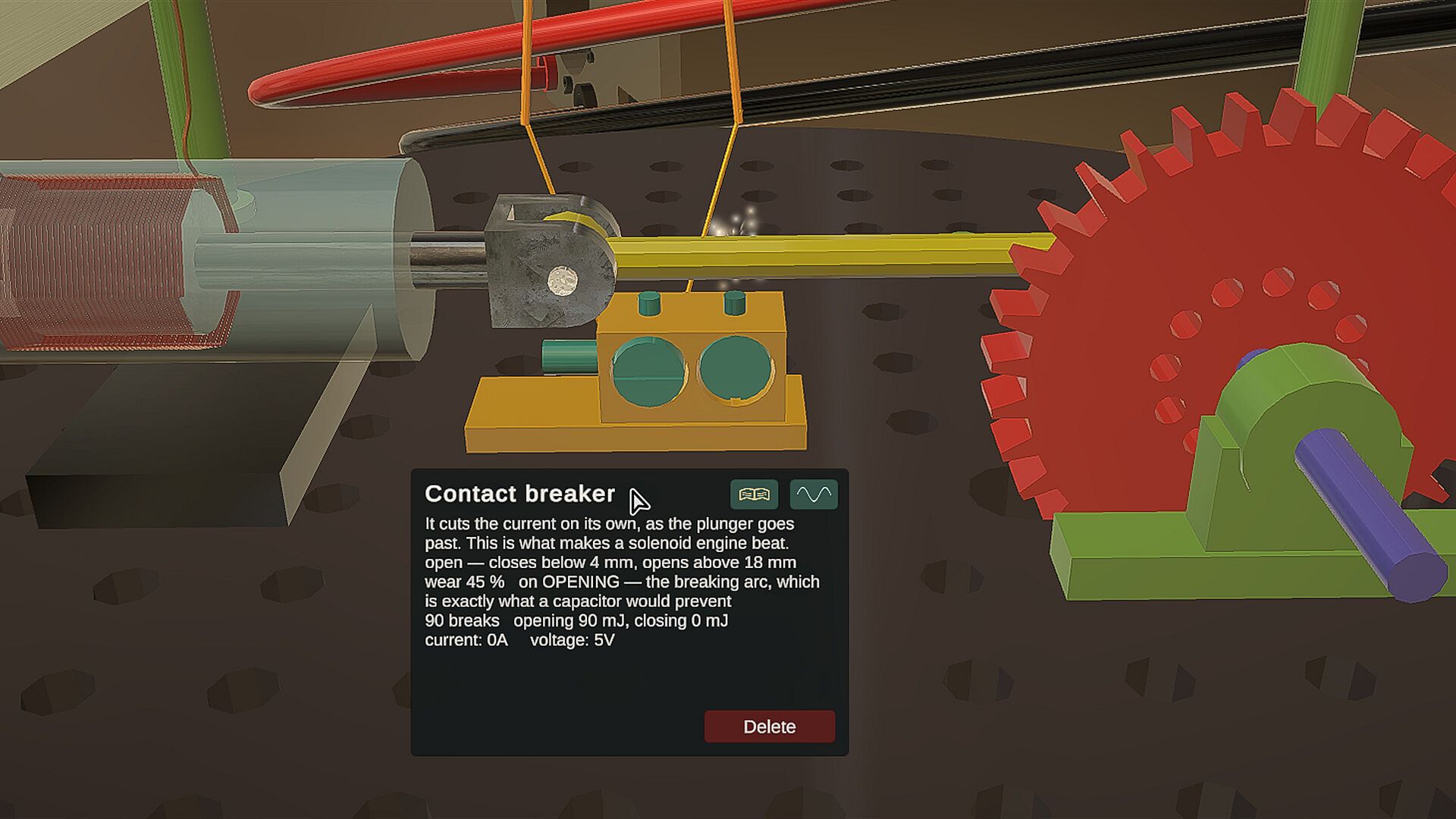
The core loop involves selecting components such as solenoids, gears ranging from 8 to 32 teeth, connecting rods, crank pins, bearings, shafts, drive wheels, flywheels, contact breakers, capacitors, resistors, and switches. Each part carries its own data sheet with accurate dimensions and mounting requirements. Placement must account for precise spacing, as even small misalignments prevent gears from meshing properly, and the game reports the exact discrepancy.
Once assembled, the simulation runs at ten thousand cycles per second to calculate voltages and currents throughout the circuit. This produces authentic responses: mechanisms stall at dead center without a flywheel for momentum, breaker contacts wear from repeated arcing until they fail to conduct, and linkages can tear under excessive stretch. Failures trace directly to specific design choices rather than random events.
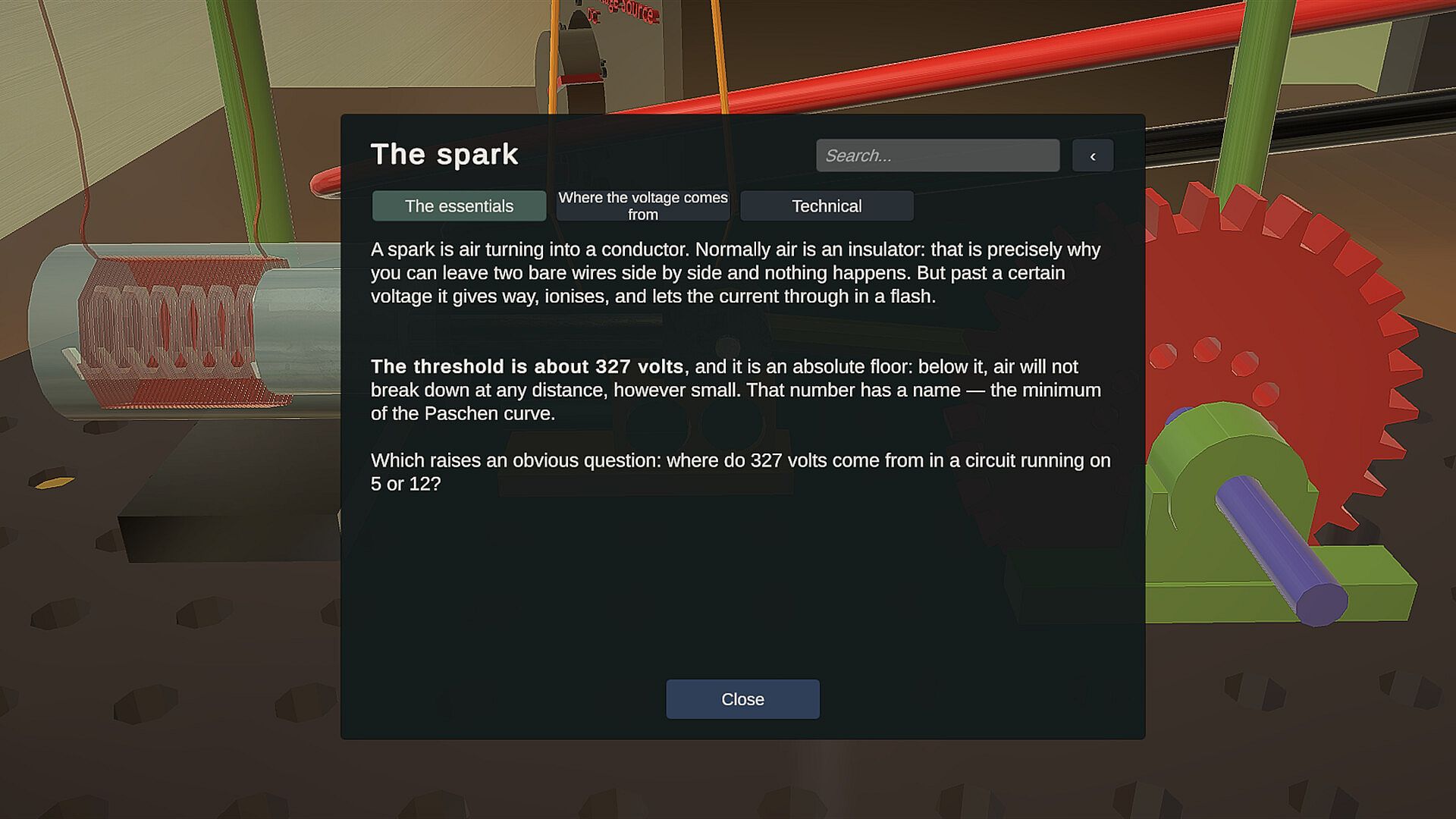
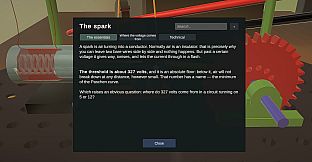
An in-game encyclopaedia, accessed via F1, serves as a cross-referenced reference for every part, concept, and observed fault. It explains underlying principles such as magnetic fields or spark erosion without functioning as a step-by-step manual, encouraging players to diagnose issues through observation and adjustment.
Game Modes
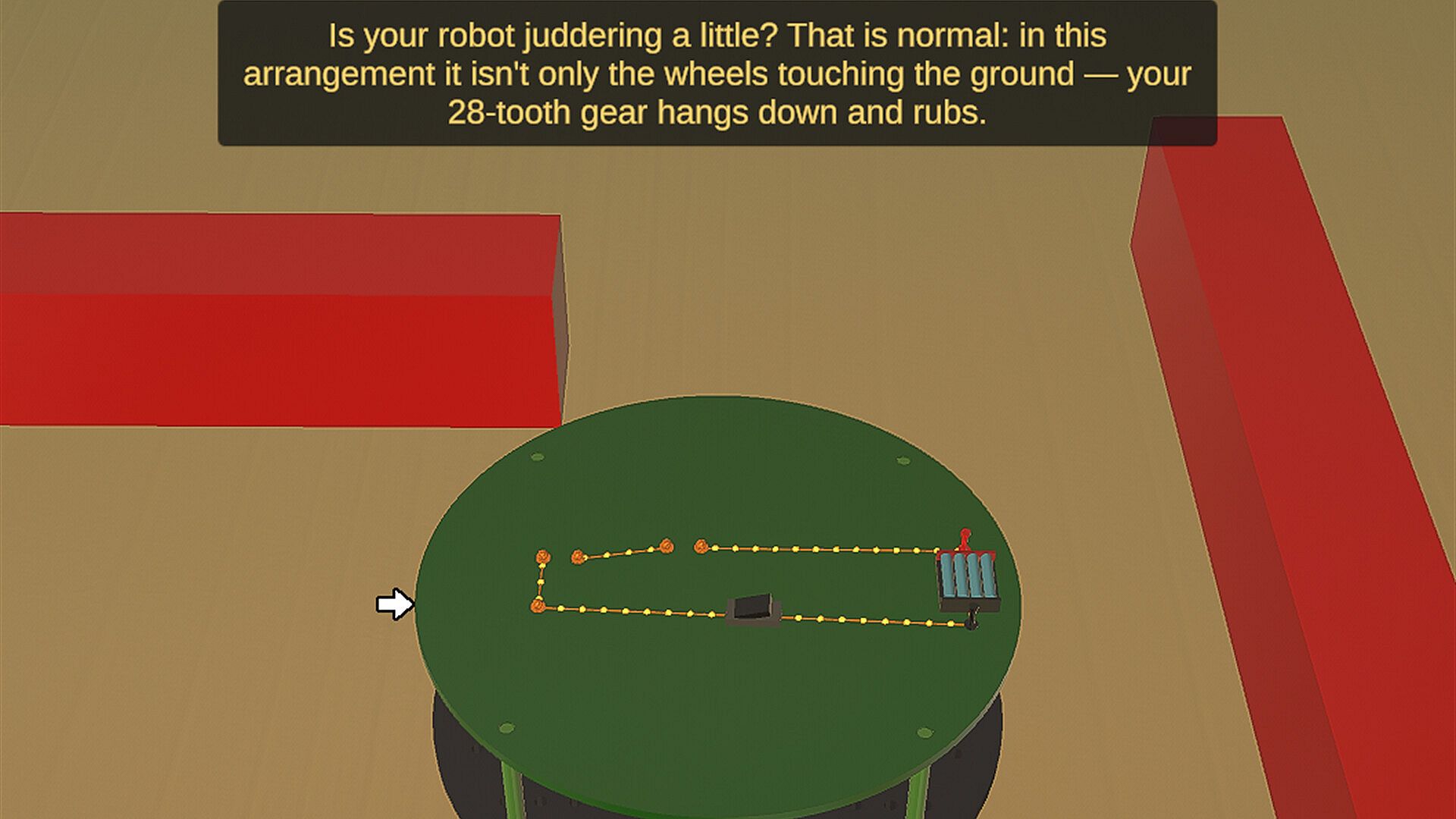
The current demo offers five structured build missions that progress from basic manual operation of a solenoid to a self-powered robot navigating a track on battery power. These missions introduce core assembly and troubleshooting concepts one element at a time.
A separate free sandbox mode provides unrestricted access to the full parts inventory, allowing open experimentation without mission constraints. No additional modes or multiplayer features appear in the available build.
Build Systems and Realism
Mechanical and electrical integration follows strict physical rules. Shaft alignment, gear ratios, and circuit paths must satisfy real-world tolerances for motion and power delivery. The simulation accounts for energy losses, contact degradation, and mechanical stress, so repeated testing reveals cumulative effects like eroded breaker points or insufficient torque.
Players iterate by repositioning parts, adding supportive elements such as capacitors to protect contacts, or balancing linkages. The absence of snap-fit convenience forces deliberate measurement and planning before each test run.
Is It Worth Playing?
La Bidouillerie appeals to players who enjoy detailed mechanical and electrical tinkering in a single-player format. Its simulation depth rewards methodical assembly and fault diagnosis, particularly for those familiar with basic engineering concepts or hobbyist robotics. The demo provides a complete introduction through its missions and sandbox, giving a clear sense of the full experience without requiring purchase upfront.
With no user reviews available yet and the title still in demo form, reception remains limited to direct hands-on testing. Those seeking precise cause-and-effect feedback in a construction simulation will find the systems engaging, while players preferring faster or more abstract building tools may prefer other options in the genre. Availability on PC supports straightforward access for interested builders.











