

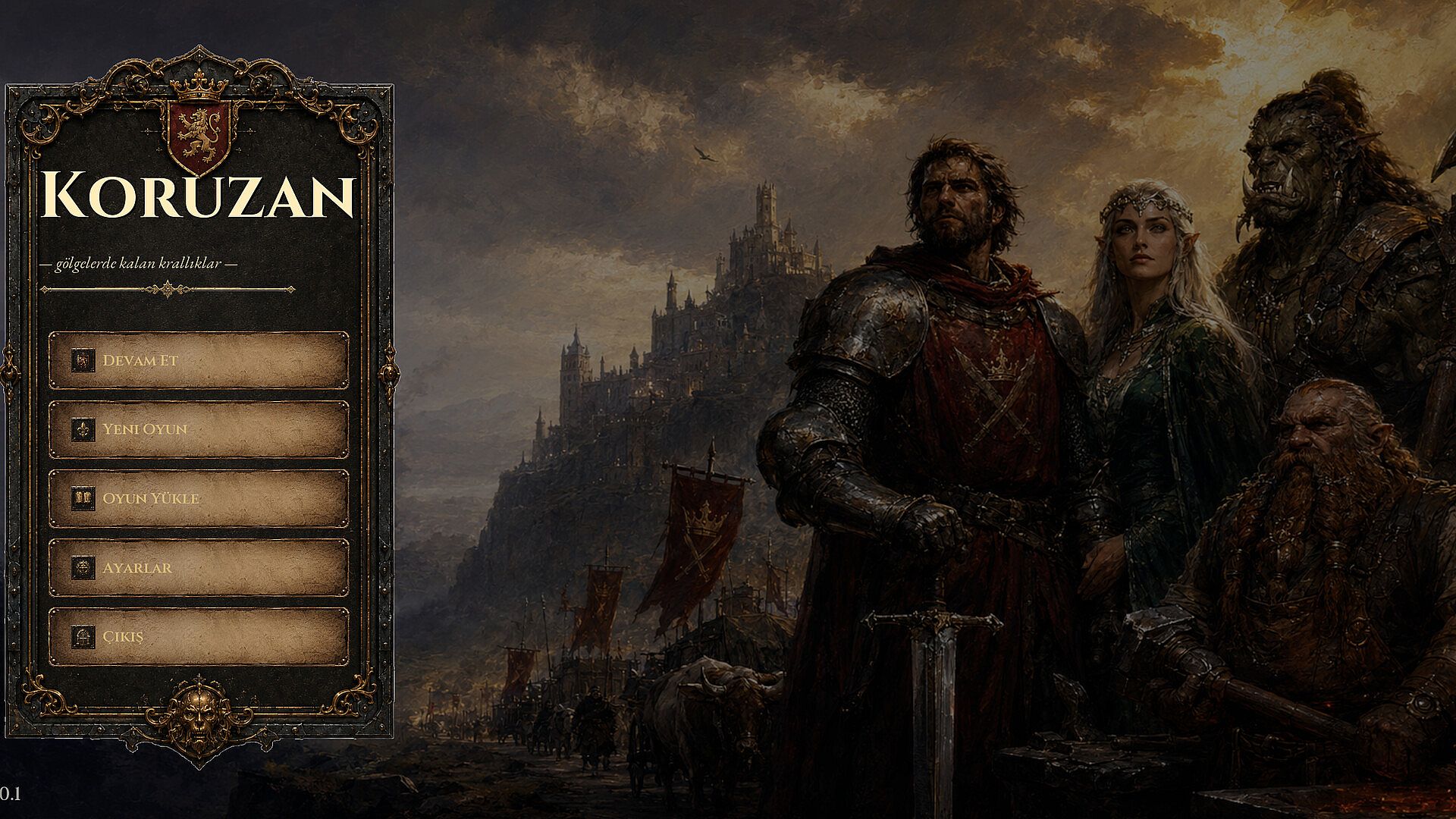


Koruzan is a text-driven dynasty RPG that combines strategy, indie development, role-playing depth, and simulation mechanics on PC. Players step into a fractured medieval realm not as a destined hero but as one figure among many whose decisions shape a personal chronicle. The experience centers on managing a settlement, navigating court politics, conducting warfare, and building a family line across multiple generations, with every action recorded in a living history that players can revisit at any time.
Gameplay
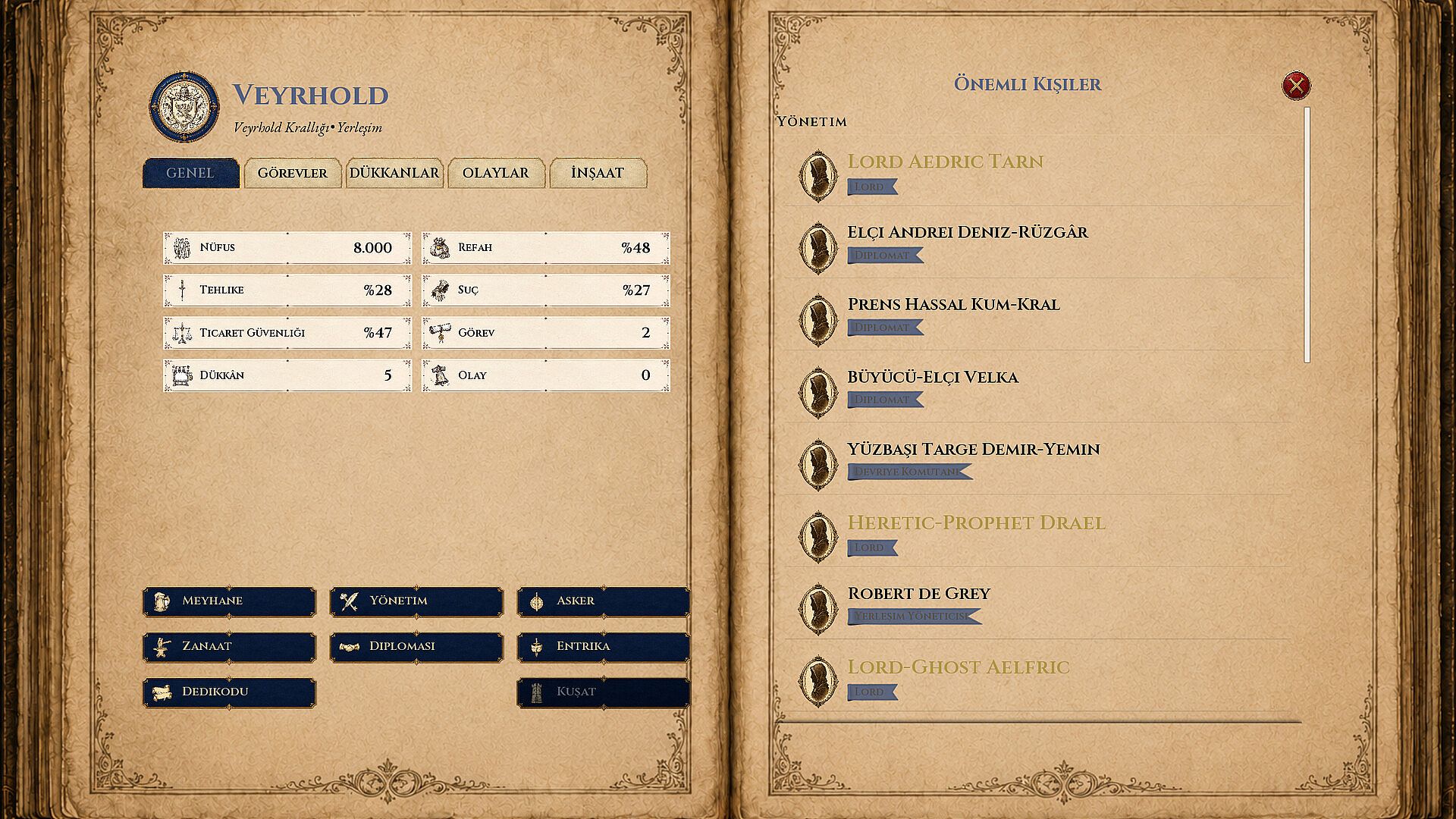
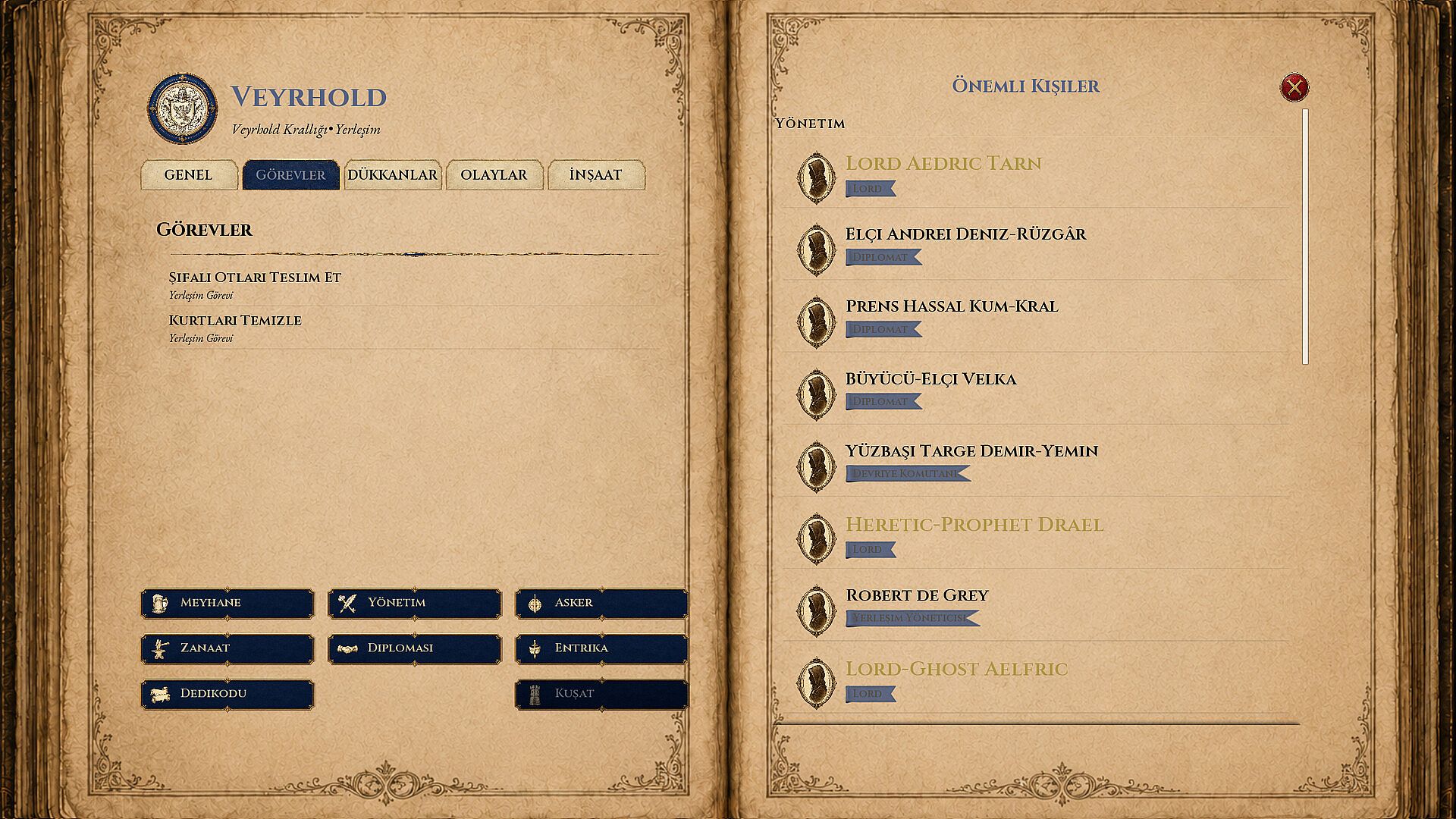
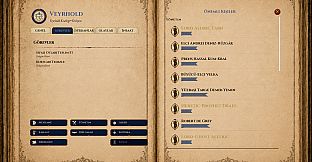
The core loop revolves around settlement development and long-term planning. Players construct buildings, balance prosperity against crime and trade routes, and respond to events such as famines, plagues, and market shifts that affect the wider simulated world. Interactions with named characters including lords, envoys, prophets, and spies introduce competing agendas that influence available options and outcomes.
Warfare forms another pillar. Players raise and equip a warband where each knight carries an individual identity and can suffer wounds or permanent loss. Sieges and defensive actions alter the realm's power balance, with battles resolved through player choices rather than automated dice rolls. These events receive detailed, blow-by-blow entries in the chronicle.
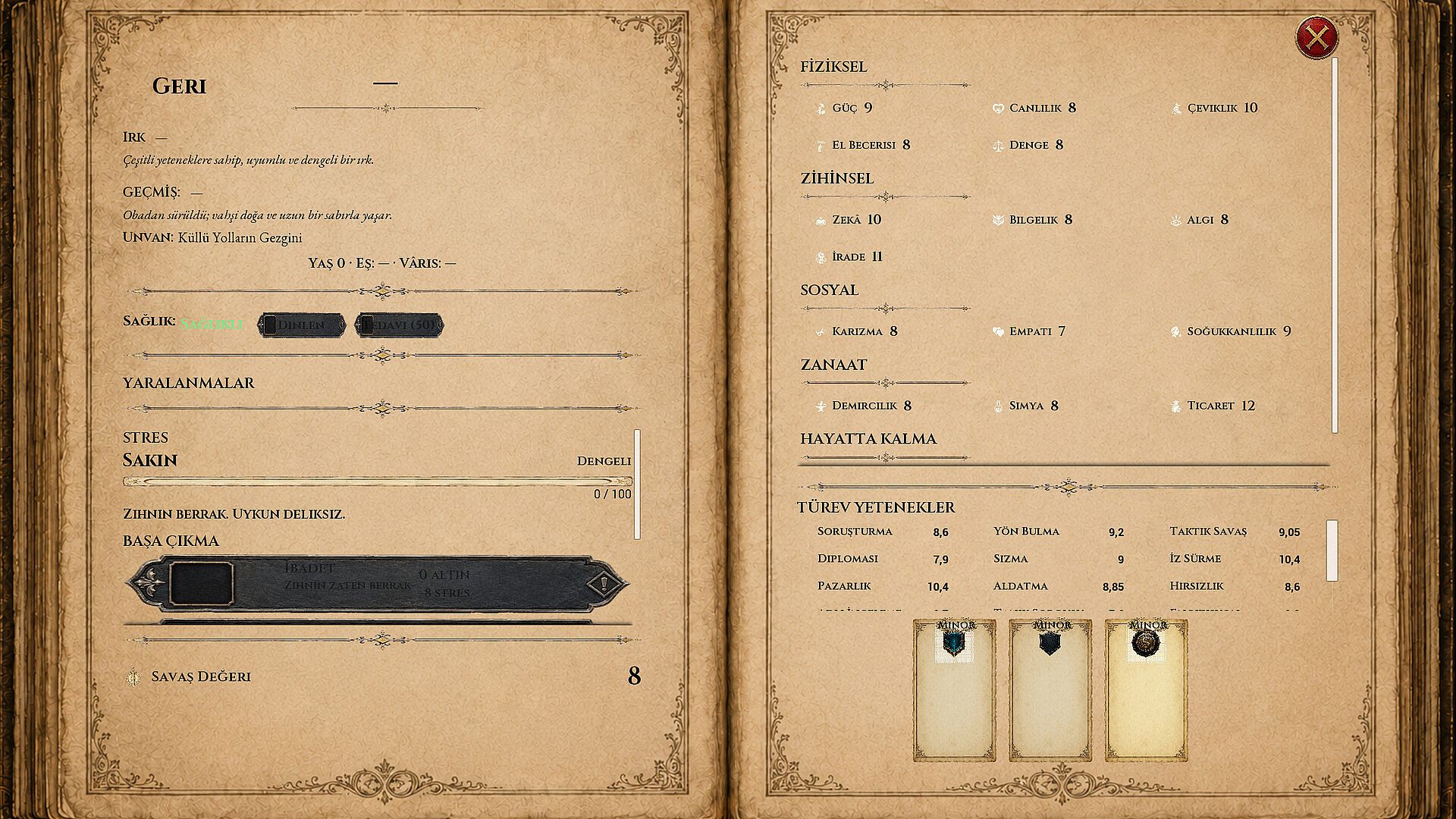
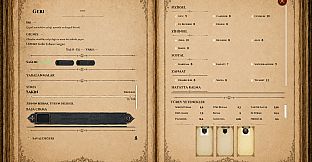
Dynasty building extends the scope beyond a single lifetime. Marriage, heir raising, and succession planning prepare the next generation, while an attribute system of 18 values spread across five disciplines generates derived skills and trait combinations. These elements determine which narrative paths and mechanical opportunities become available as the character ages.
Game Modes
Koruzan runs as a single-player experience with no separate multiplayer or competitive modes listed. The primary structure encourages repeated playthroughs that diverge based on choices in settlement management, diplomacy, warfare, and family decisions. Each run generates a unique chronicle that records every action and world event, allowing players to read the full history once their character passes.
Progression ties directly to character attributes and traits rather than traditional leveling tiers. Players experiment with different combinations to unlock new paths in subsequent attempts, emphasizing replayability through the living chronicle system instead of distinct game modes.
Character Development and World Interaction
Attributes and traits define capabilities across disciplines, shaping both personal skills and the options presented during events. Notable characters encountered in courts and settlements carry their own agendas, creating layers of negotiation, alliance, or conflict that feed back into the chronicle. The simulation extends to environmental pressures that can disrupt trade, population, or military readiness without player intervention.
Warband management adds personal stakes. Equipping named knights and committing them to sieges or defenses carries the risk of loss, which the chronicle preserves as part of the permanent record. This approach keeps military decisions grounded in the broader dynasty narrative rather than isolated combat sequences.
Is It Worth Playing?
Koruzan suits players who enjoy text-heavy strategy and simulation titles focused on long-term consequences and generational storytelling. The emphasis on reading a personalized chronicle after each playthrough provides a distinct form of closure and reflection that appeals to those interested in dynasty management and choice-driven narratives. With the game listed as coming soon and no user reviews available yet, interested players can follow its development through the official Steam page for updates on release timing and any additional features added before launch. The combination of settlement oversight, court intrigue, warfare with named units, and heir succession offers a focused experience for fans of indie RPGs that prioritize simulation depth over action or multiplayer elements.