











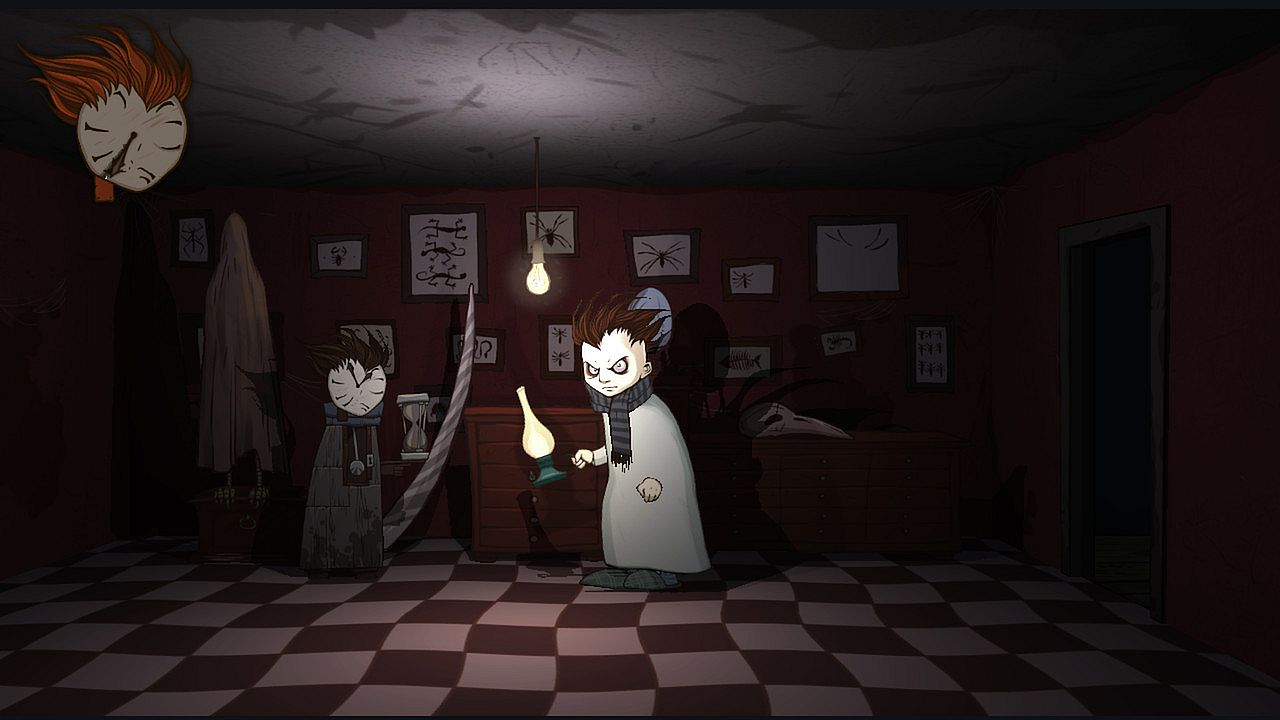
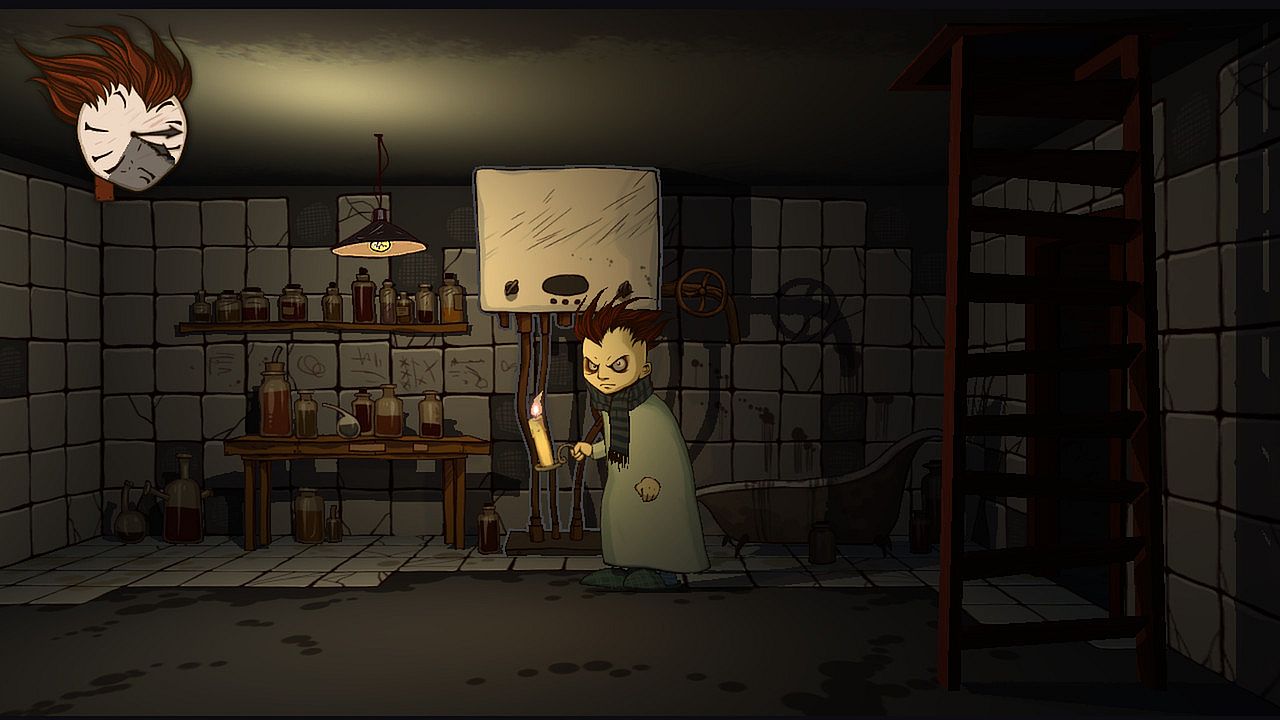

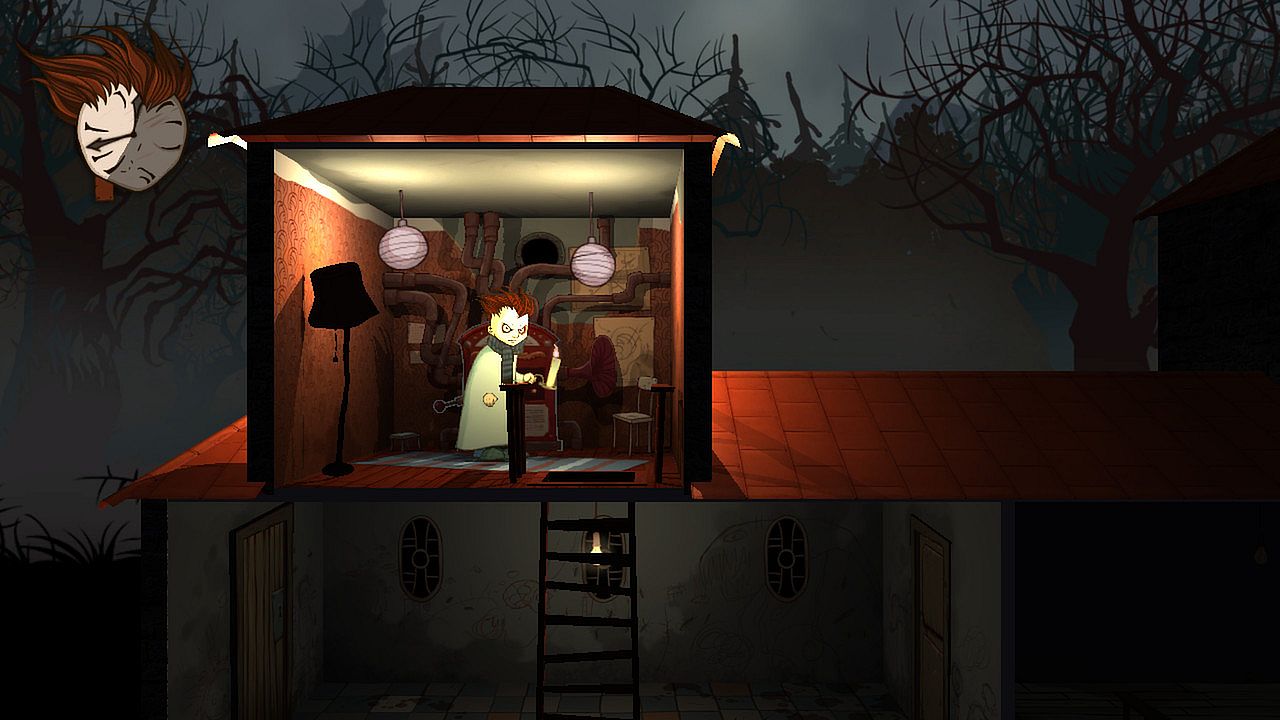
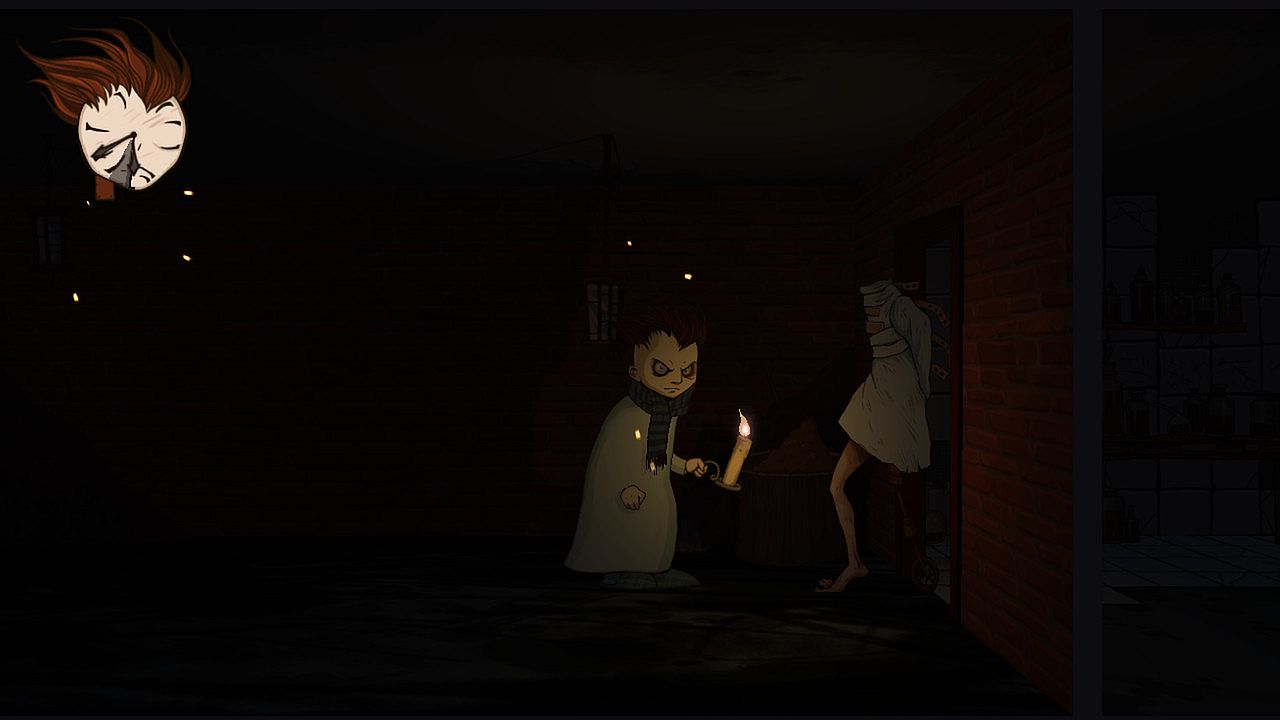

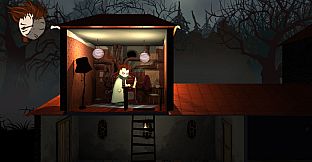
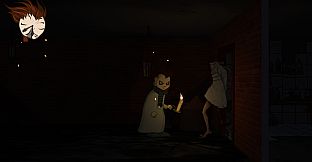
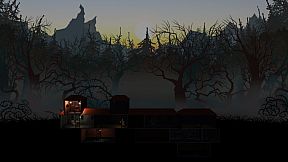
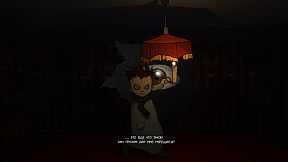
Knock-knock is a single-player casual adventure game set in a remote cabin where players take on the role of the Lodger. The experience centers on surviving successive nights while uncovering layers of mystery about the house, the surrounding forest, and the Lodger's own state of mind. Released in 2013 for PC, the title blends exploration, maintenance tasks, and evasion in a 2D side-scrolling format that emphasizes observation and careful movement over direct confrontation.
Gameplay
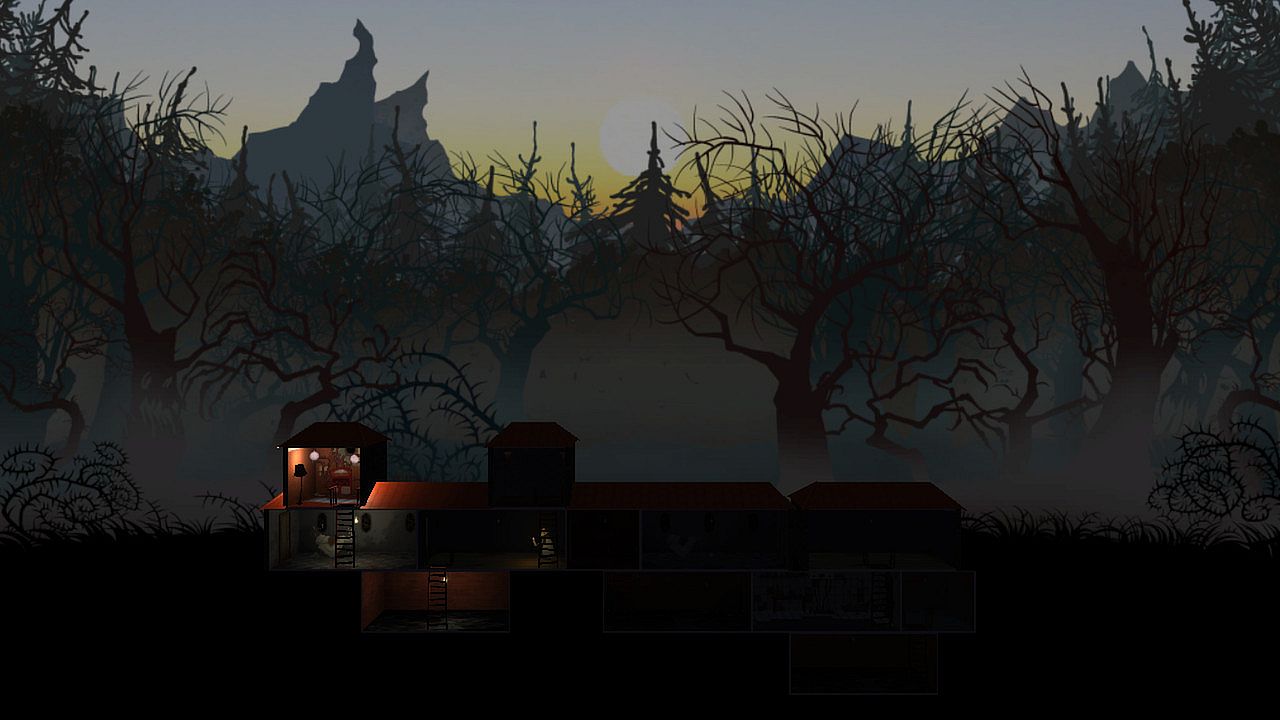
The core loop revolves around preparing for and enduring each night inside the cabin. Players move through interconnected rooms, attics, and cellars using a lamp or flashlight to illuminate dark areas. The Lodger must repair damage to doors, windows, and other fixtures that appear over time, as the house itself provides tools and opportunities to restore order. Items scattered throughout the structure hold clues to the unfolding events, requiring players to search methodically and piece together explanations for the disturbances.
Evasion forms a central mechanic. Strange entities emerge after dark, forcing the Lodger to hide behind furniture, in corners, or within specific safe spots while monitoring their patrol patterns. Sound cues and visual tells help anticipate threats, rewarding attentive play. Sanity drains if the Lodger remains exposed too long or fails to address issues promptly, adding pressure to balance repairs, exploration, and concealment until sunrise arrives. The game encourages repeated nights to refine routes and discover new details hidden in the environment.
Game Modes
Knock-knock operates as a continuous single-player campaign structured around sequential nights. Each night presents a self-contained challenge of lasting until dawn while maintaining the Lodger's mental stability. Progression comes from learning the layout, optimizing repair sequences, and locating key objects that advance the narrative threads. There are no separate multiplayer options or alternate competitive formats; the focus stays on solitary survival and deduction within the cabin's shifting conditions.
Players advance by completing objectives tied to the house's state and the Lodger's personal quest. Nights grow more demanding as patterns of activity change, pushing experimentation with hiding spots and timing. The absence of traditional levels or branches keeps the structure linear yet replayable through observation of subtle environmental shifts and entity behaviors.
Atmosphere and Narrative
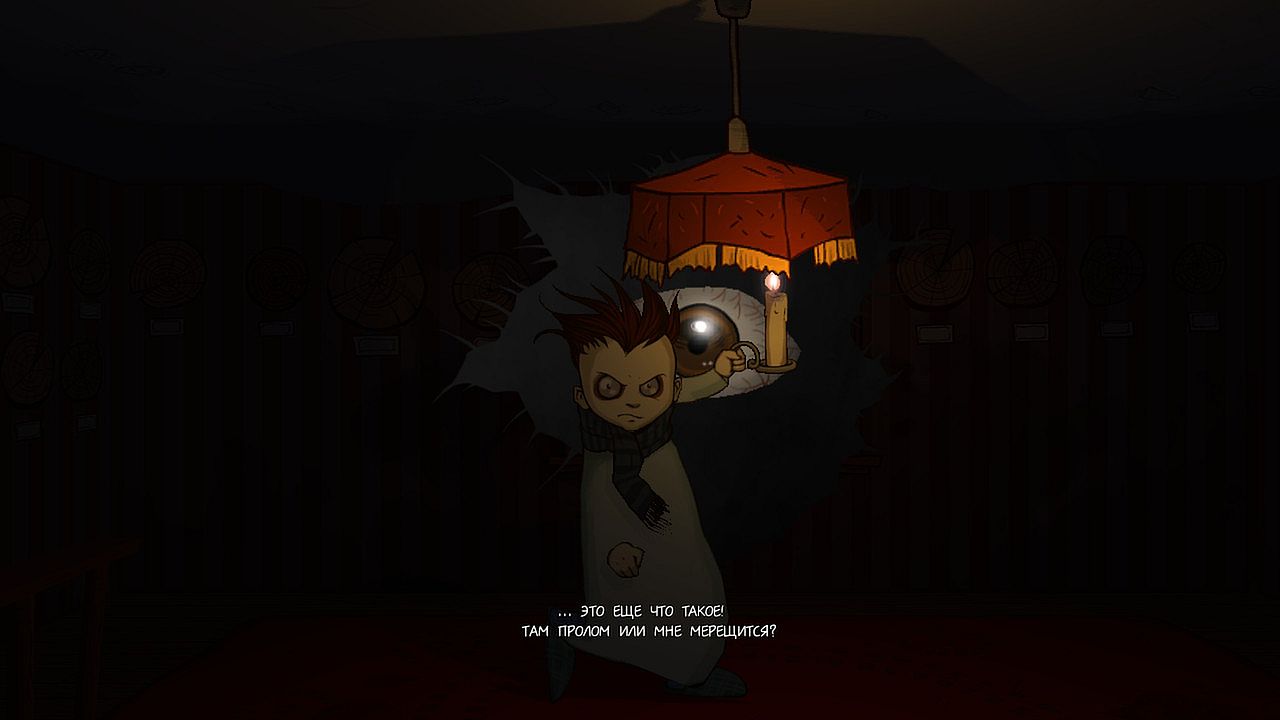
The game builds tension through its isolated woodland setting and the Lodger's unreliable perspective. Rooms feel lived-in yet increasingly alien as objects vanish or relocate between nights. Audio design highlights creaks, whispers, and distant movements that guide or mislead the player. Narrative elements unfold gradually via found items and the Lodger's muttered observations, raising questions about whether the guests represent external threats or internal projections. This approach suits players who enjoy piecing together stories from environmental details rather than explicit exposition.
Is It Worth Playing?
Overall user reviews on its primary distribution platform stand at Very Positive, reflecting appreciation for the distinctive tension and puzzle-like survival elements among those drawn to atmospheric adventures. Recent feedback shows more mixed results, indicating varied experiences with the deliberate pacing and trial-and-error aspects. The title appeals most to players comfortable with short sessions focused on careful navigation and deduction in a horror-tinged casual adventure framework. It remains available as a complete experience without ongoing seasonal content or expansions, making it suitable for those seeking a self-contained story of psychological unease and nightly endurance. If the described mechanics of hiding, repairing, and observing align with your preferences for thoughtful single-player gameplay, it offers a focused and distinctive session.