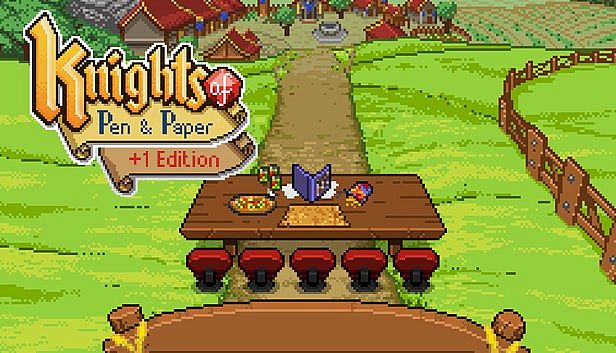















Knights of Pen and Paper +1 Edition is a turn-based indie RPG built around a retro pixel-art style that echoes classic 90s titles. The core concept places players in the role of both tabletop adventurers and the game master during a simulated pen and paper session, creating a layered experience where decisions about encounters directly shape the challenge and rewards.
Gameplay
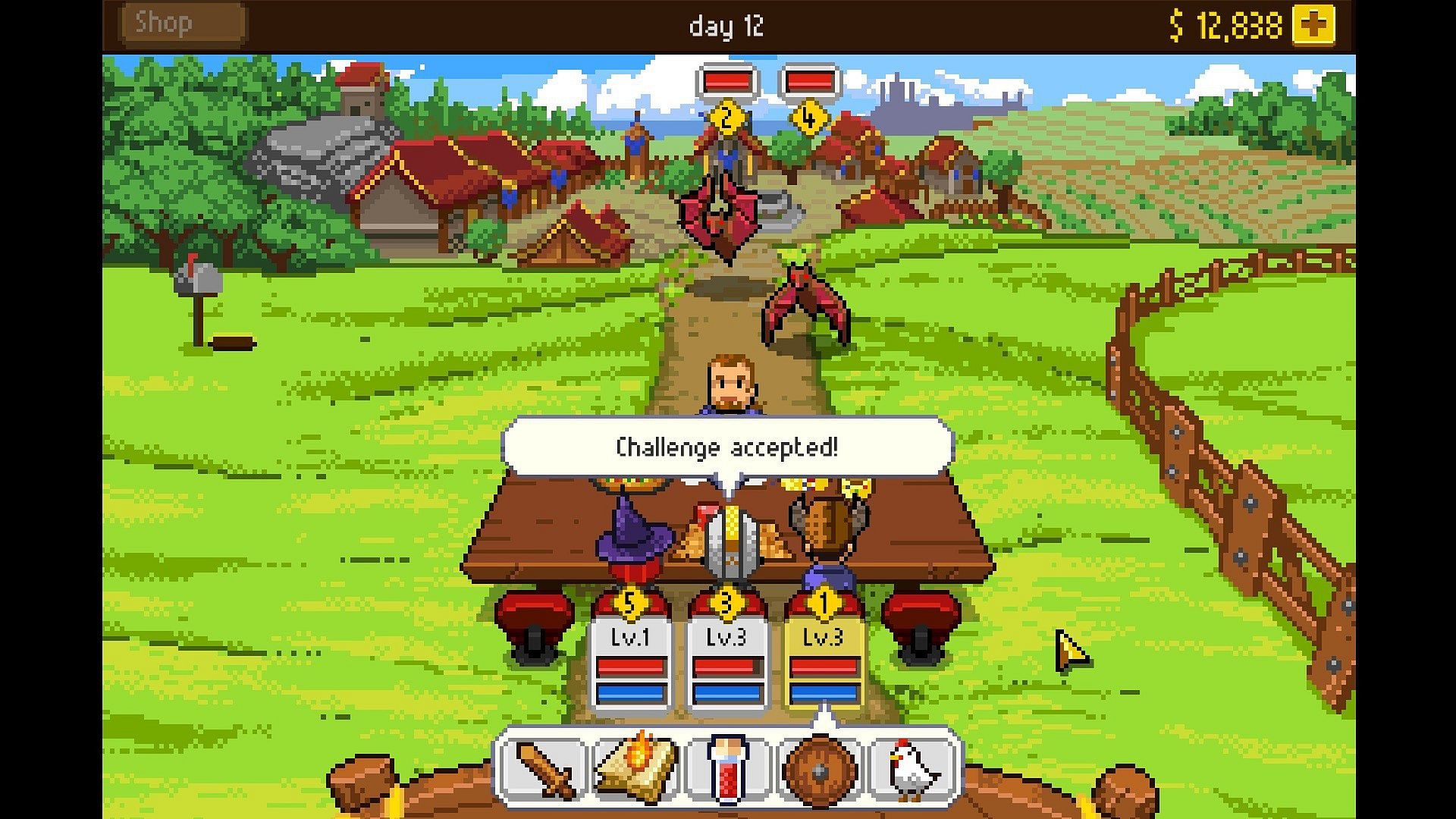
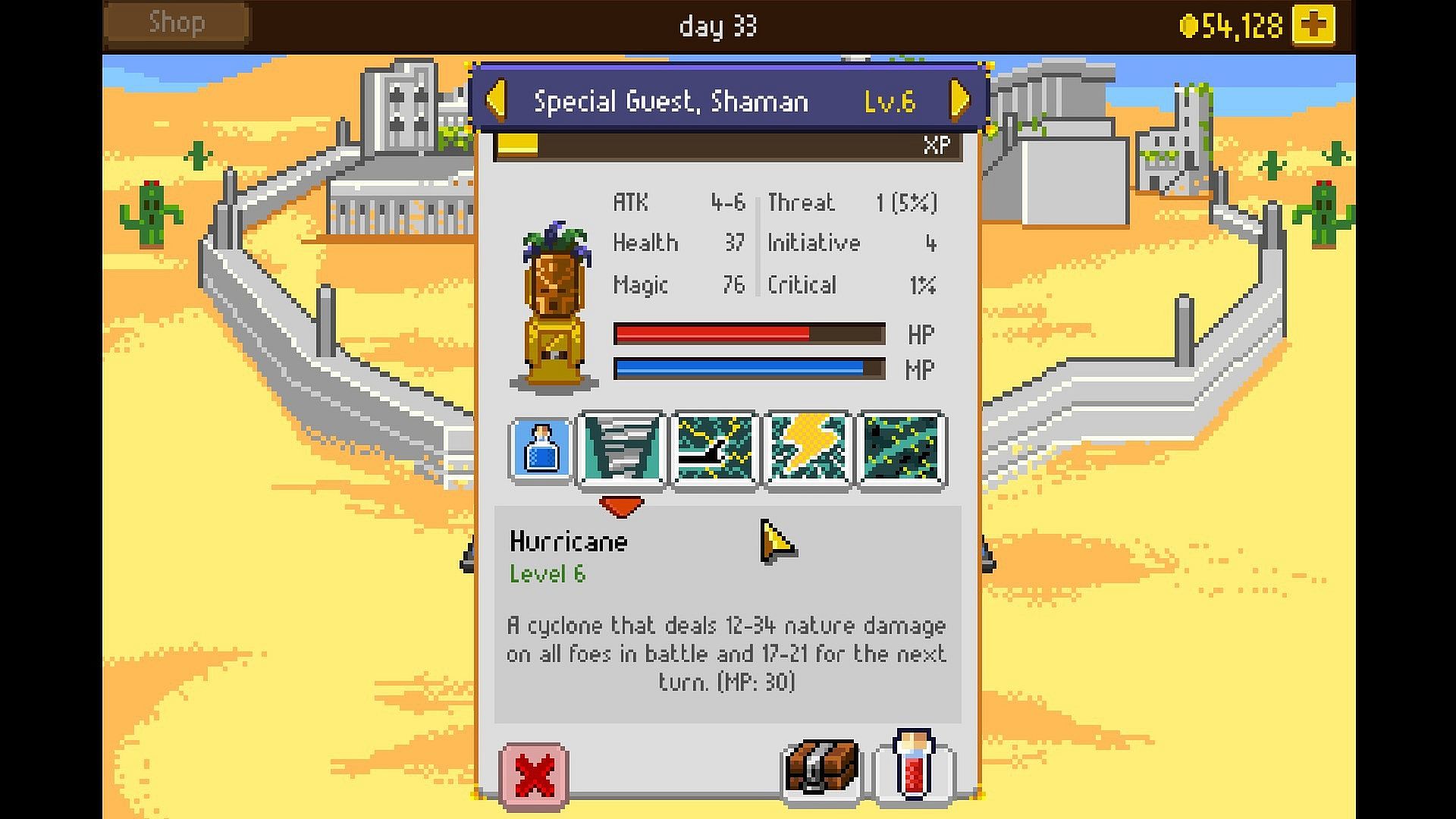
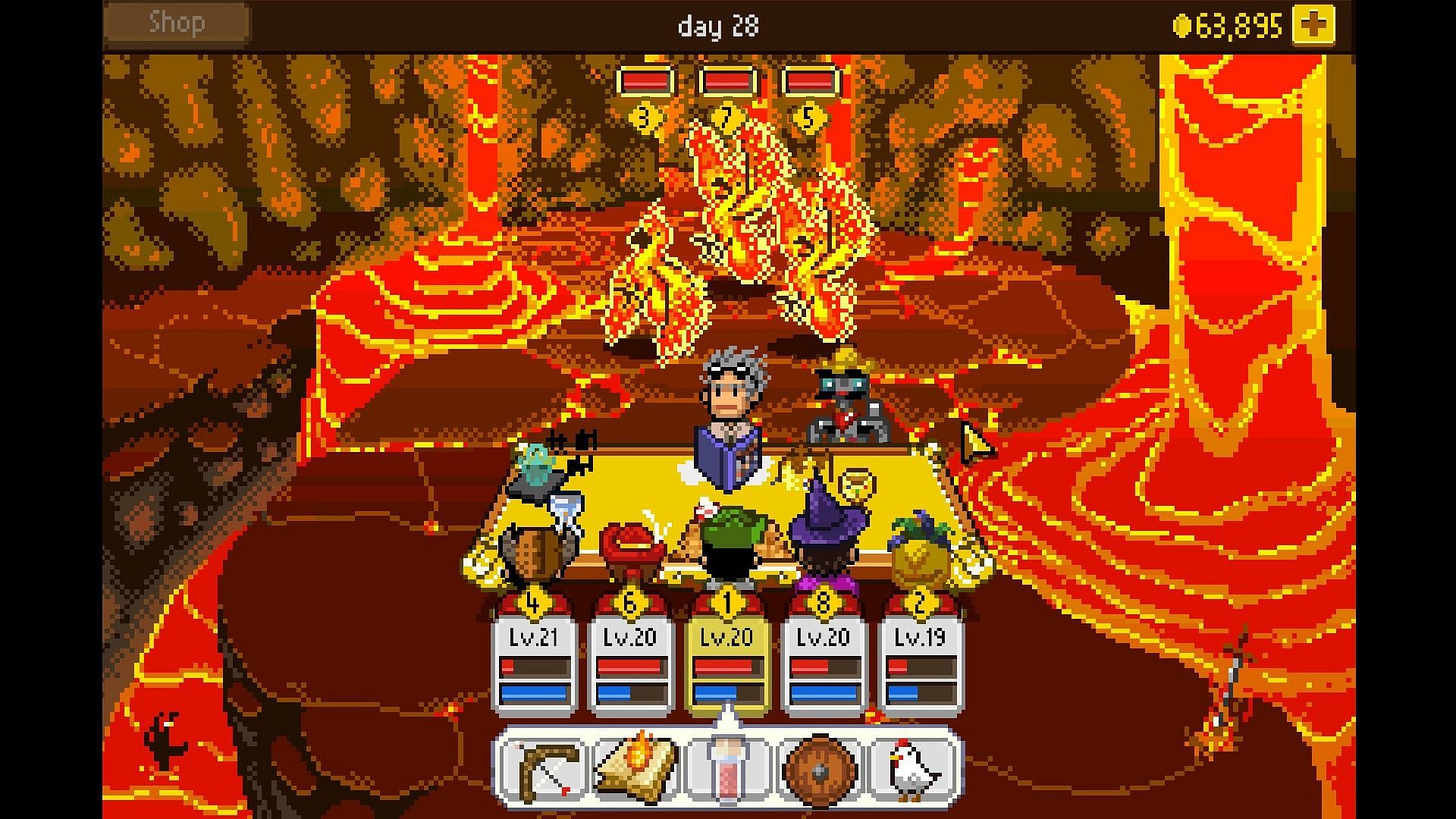
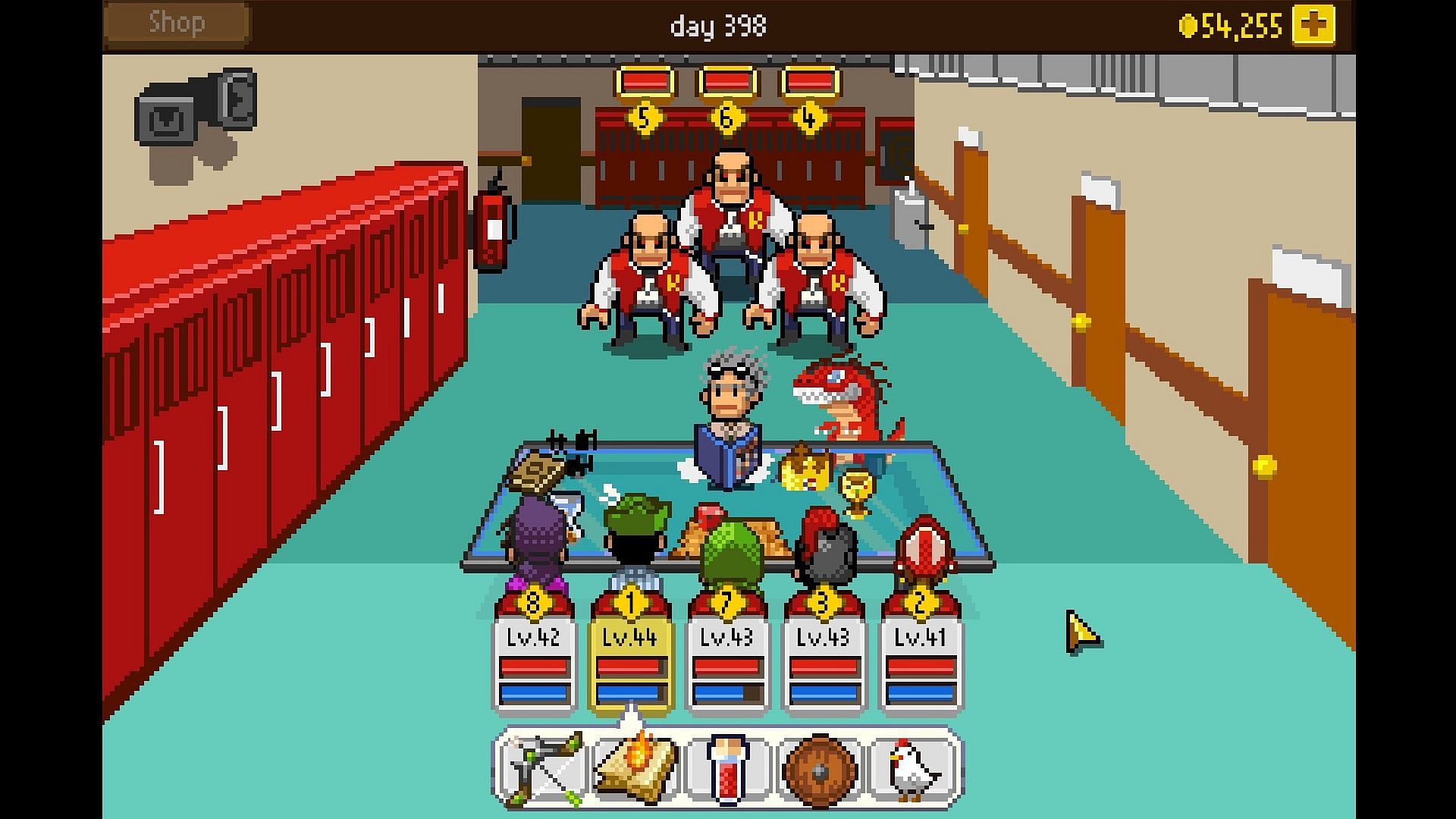
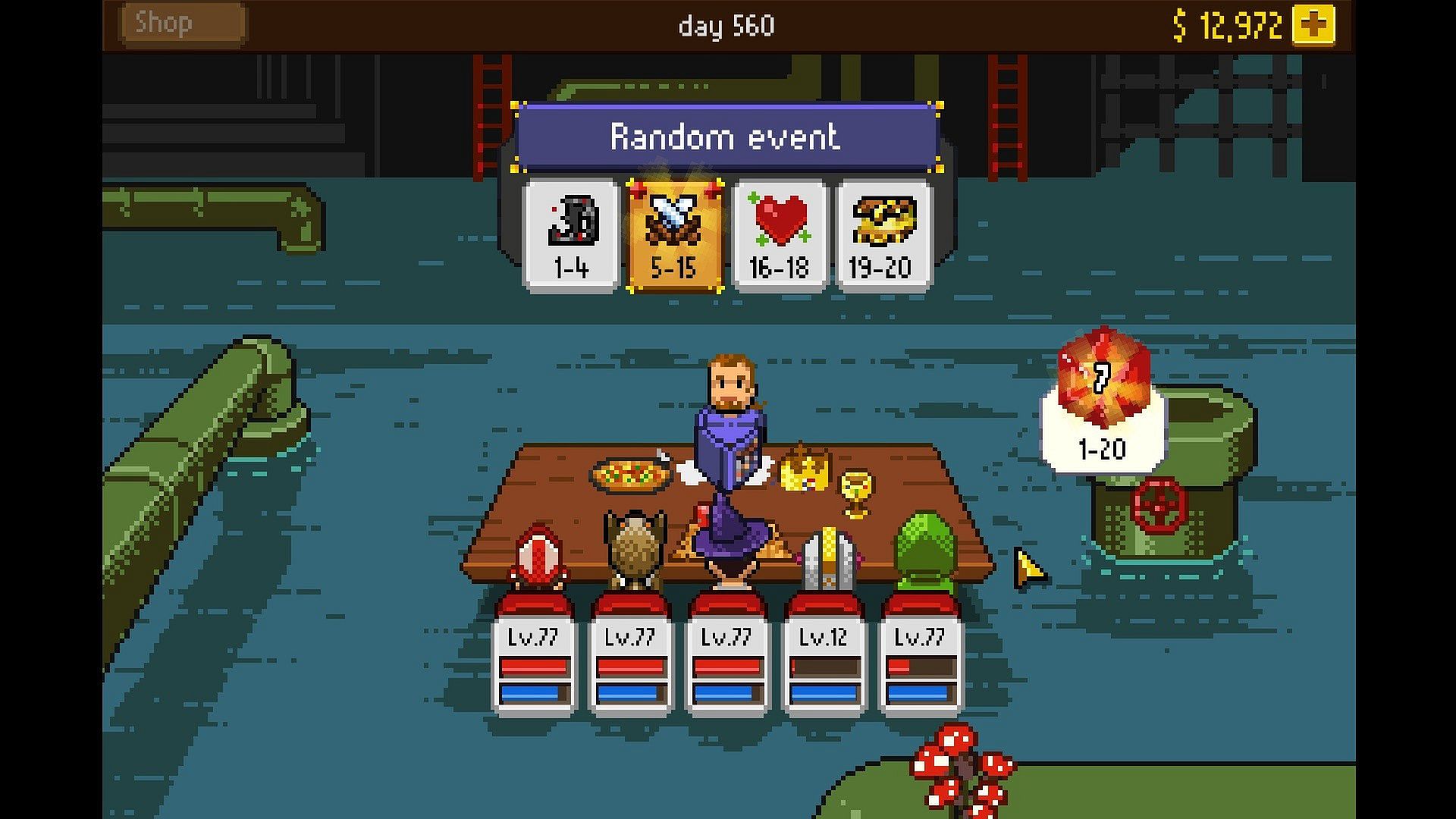
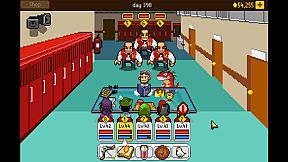
The central loop involves assembling a party from available character archetypes and classes before venturing into a fantasy setting filled with quests and random encounters. Players select classes such as knights or mages and assign them to distinct personalities like a grandma or kid brother, each bringing unique traits to combat and dialogue. Turn-based battles form the backbone of progression, where positioning, equipment choices, and ability use determine outcomes against groups of monsters.
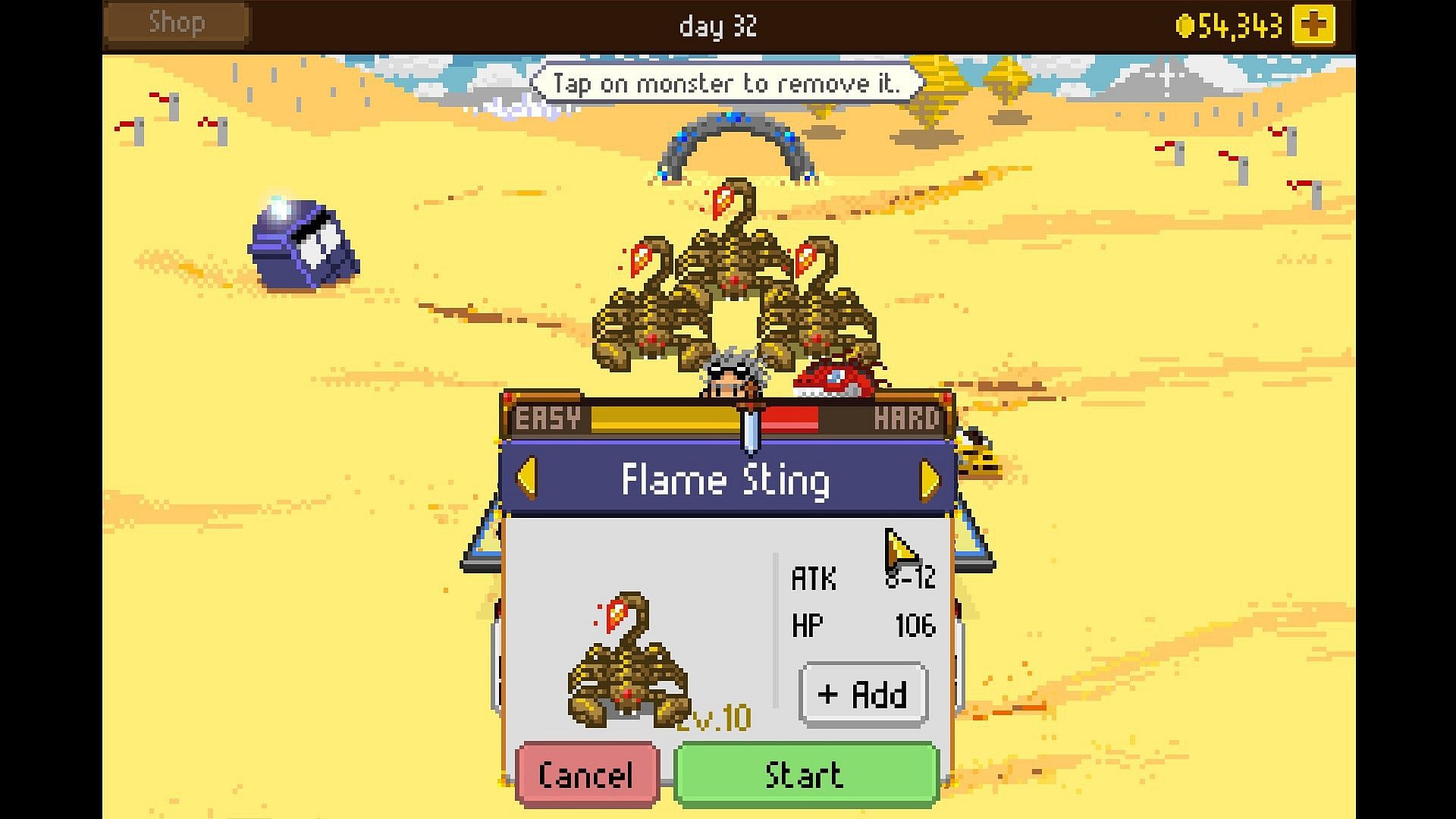
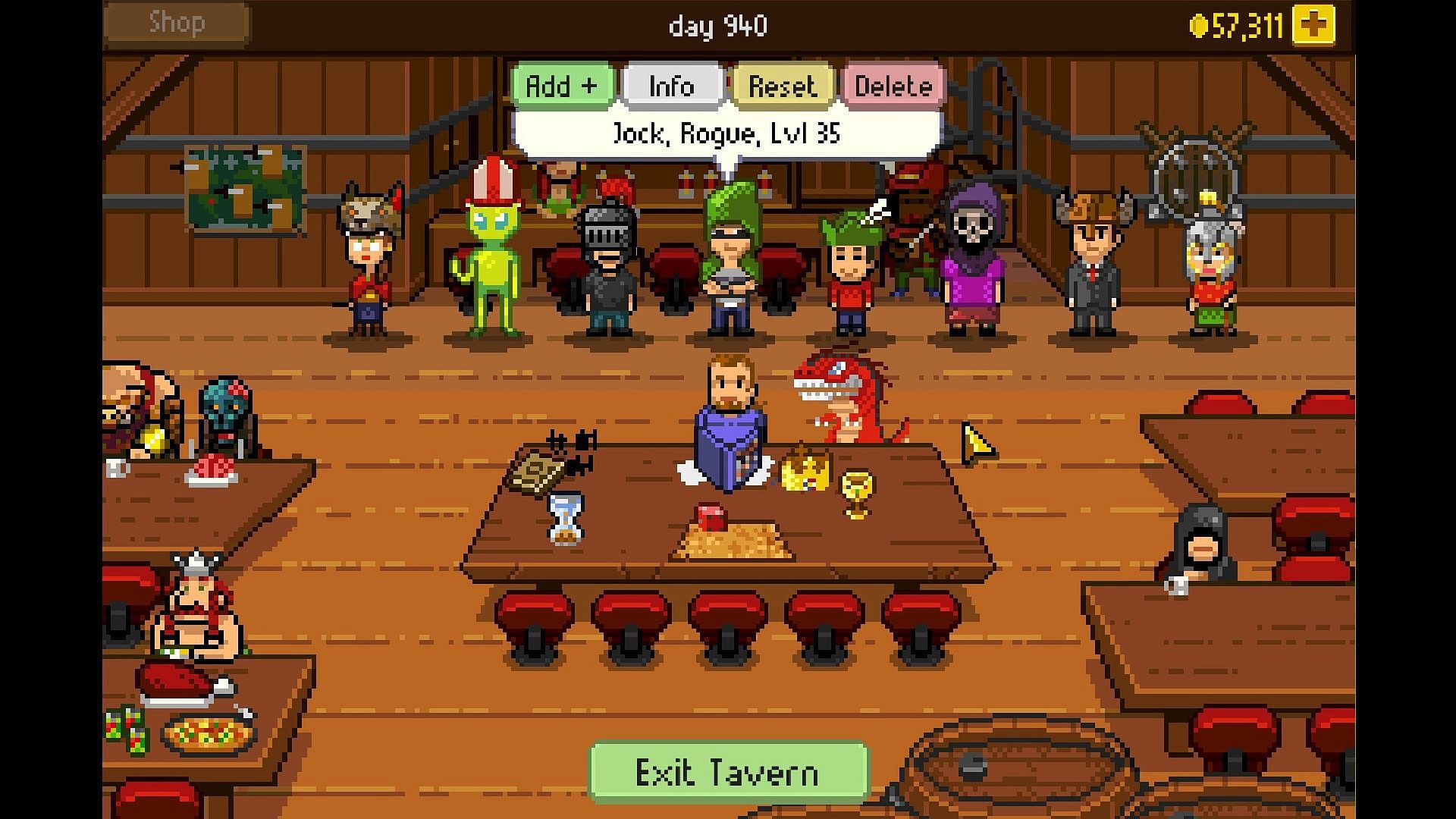
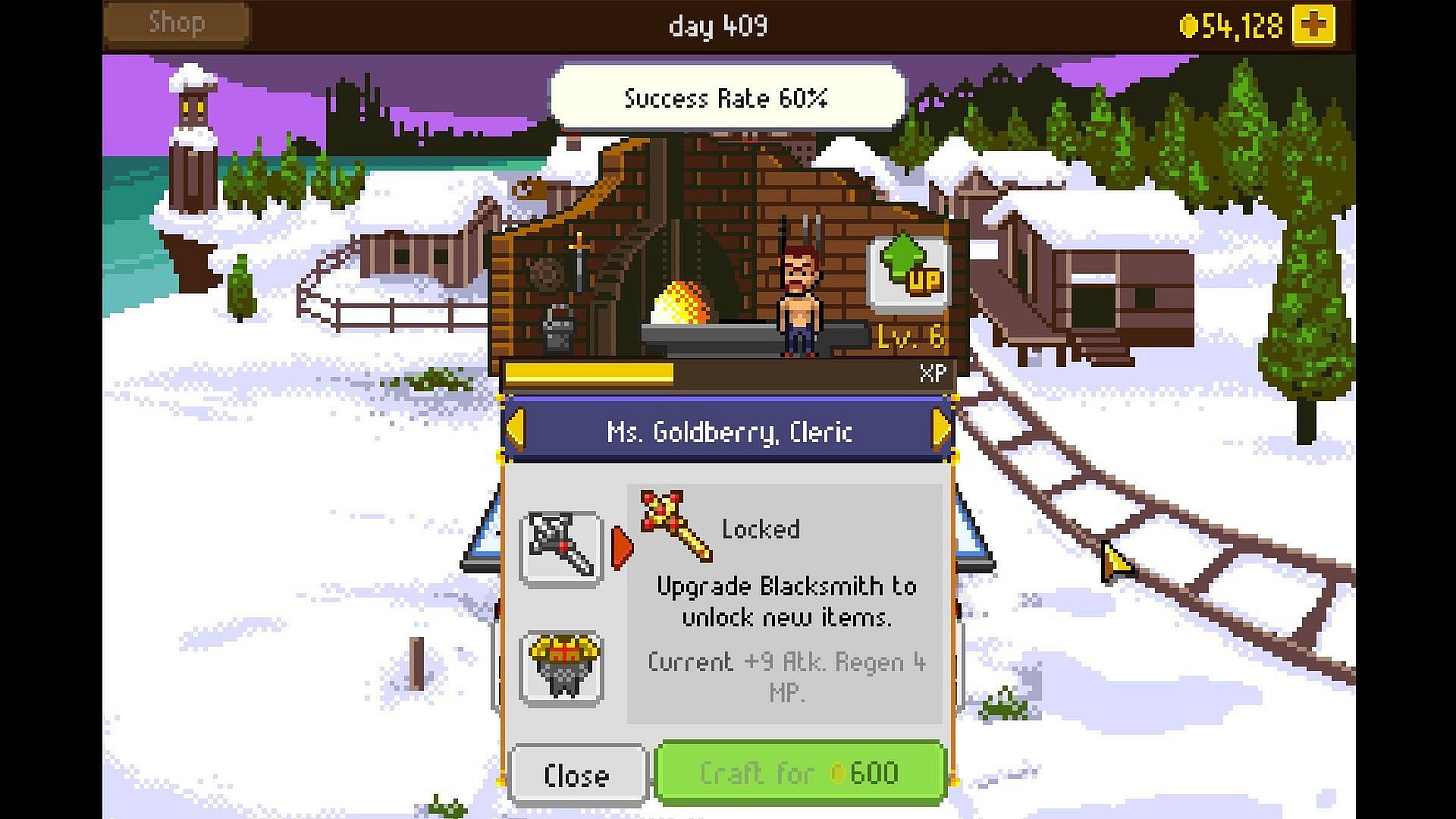
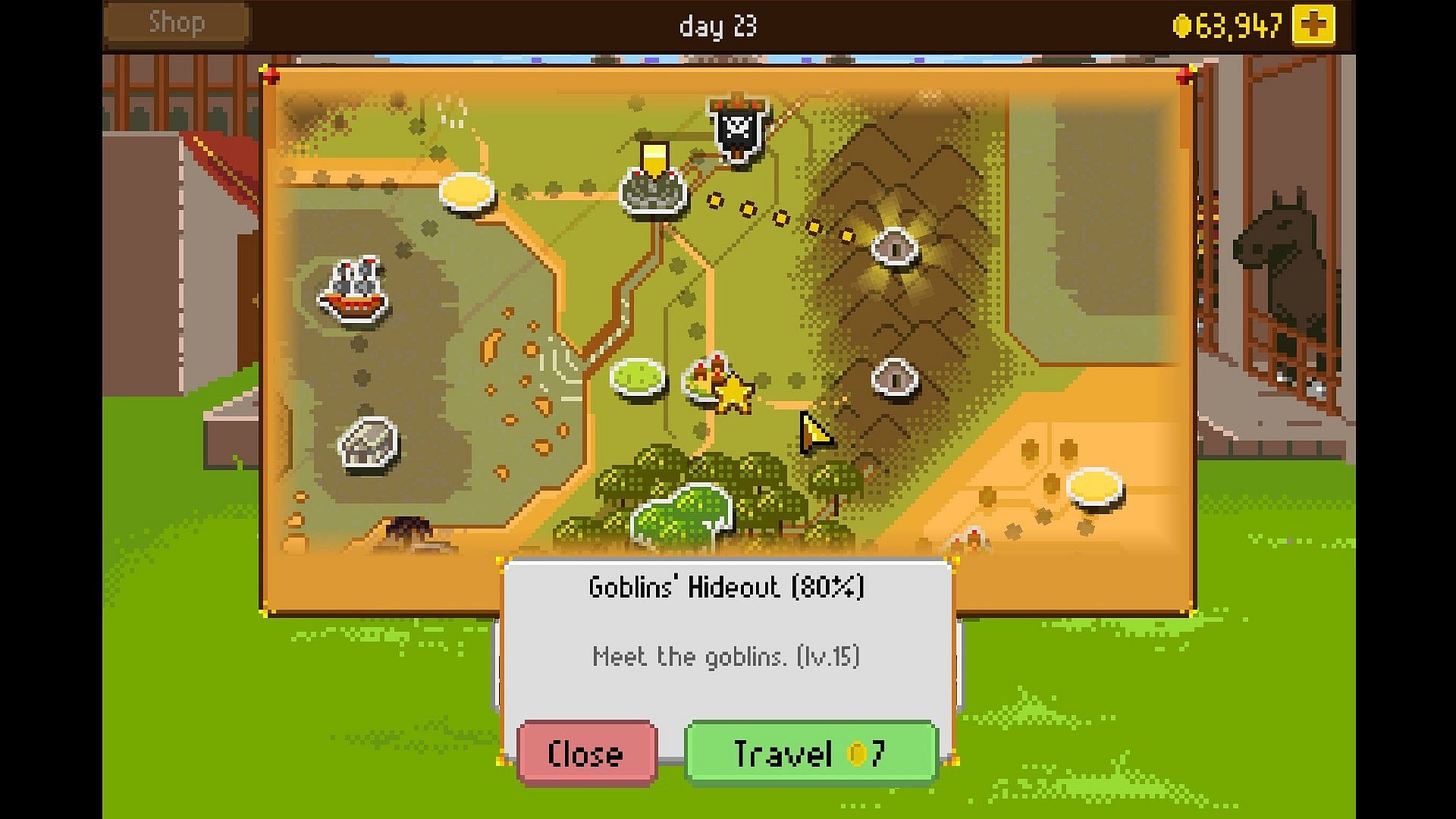
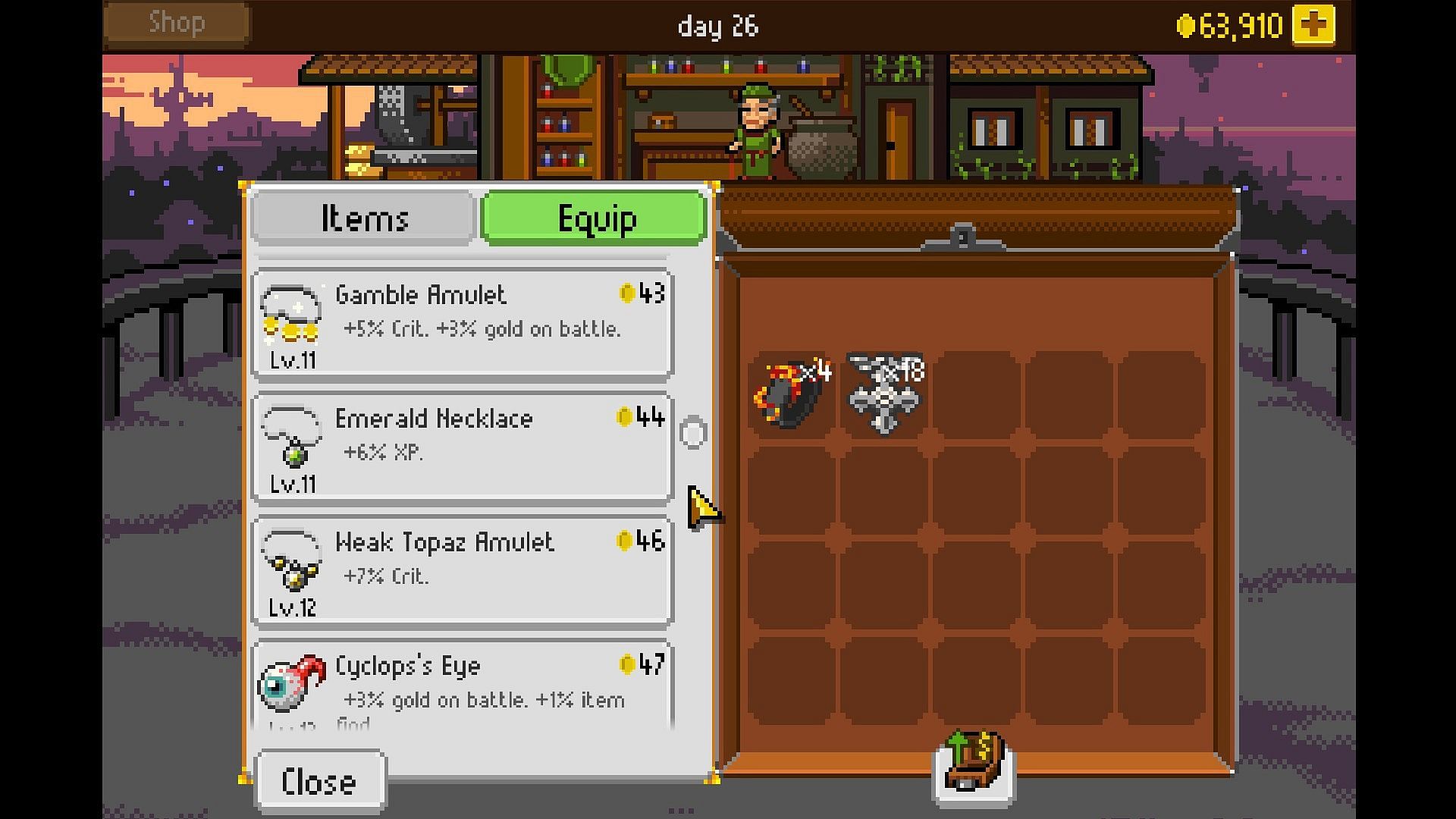
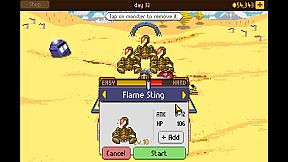
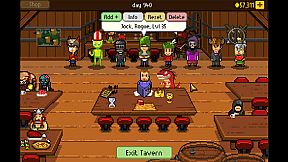
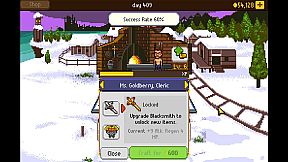
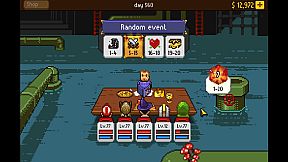
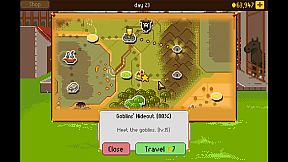
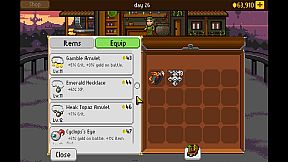
Exploration extends beyond combat through systems for mining, gathering resources, and interacting with blacksmiths and enchanters to craft or upgrade gear. Hidden treasures and optional side content encourage experimentation with party composition and loadouts. As the game master element, players decide the scale of fights by selecting monster counts and types, which influences both difficulty and the gold or items earned upon victory. Leveling up the party unlocks stronger abilities and equipment slots, while the Tavern serves as a hub for storing unused heroes and swapping members mid-campaign.
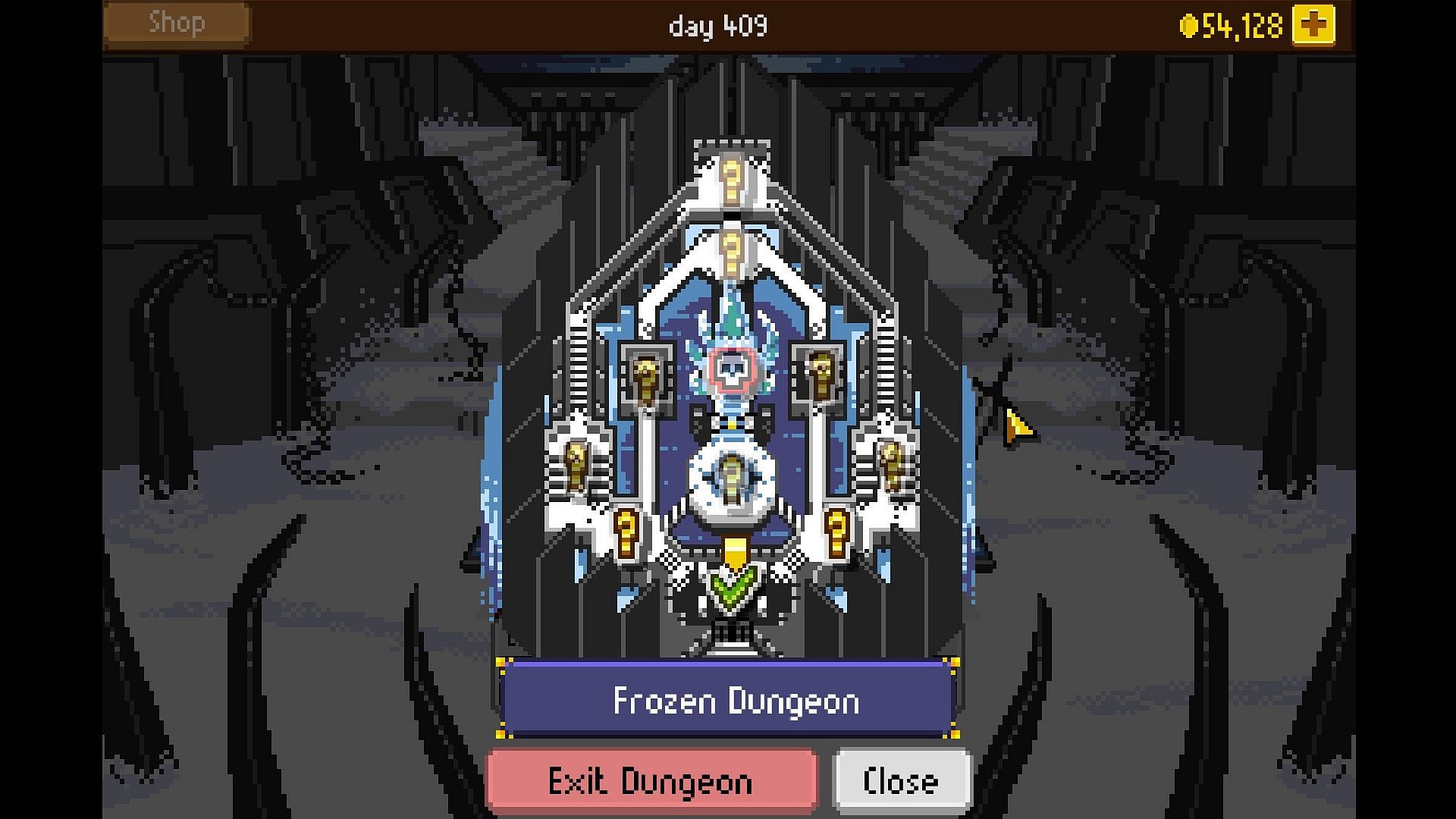
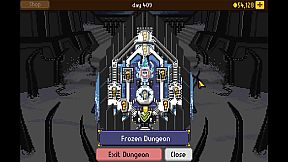
Additional depth comes from expanded battle options in the +1 Edition, allowing more tactical choices during fights. Dungeons introduce traps, new monster varieties, and boss encounters that test party synergy. The overall structure supports repeated playthroughs by letting players customize encounters rather than following a strictly linear path.
Game Modes
The game operates as a single-player campaign experience centered on defeating a dark mage through exploration and combat. Within this framework, the game master simulation provides flexibility to create custom battles at any point, adjusting monster numbers and compositions to match desired challenge levels. This setup replaces traditional fixed encounters with player-driven decisions that affect pacing and resource management.
Progression remains consistent across the extended campaign added in the +1 Edition, which incorporates new dungeons and content while retaining the same core systems for party management and resource gathering. No separate competitive or cooperative modes exist beyond the solitary campaign structure.
Key Mechanics and Progression
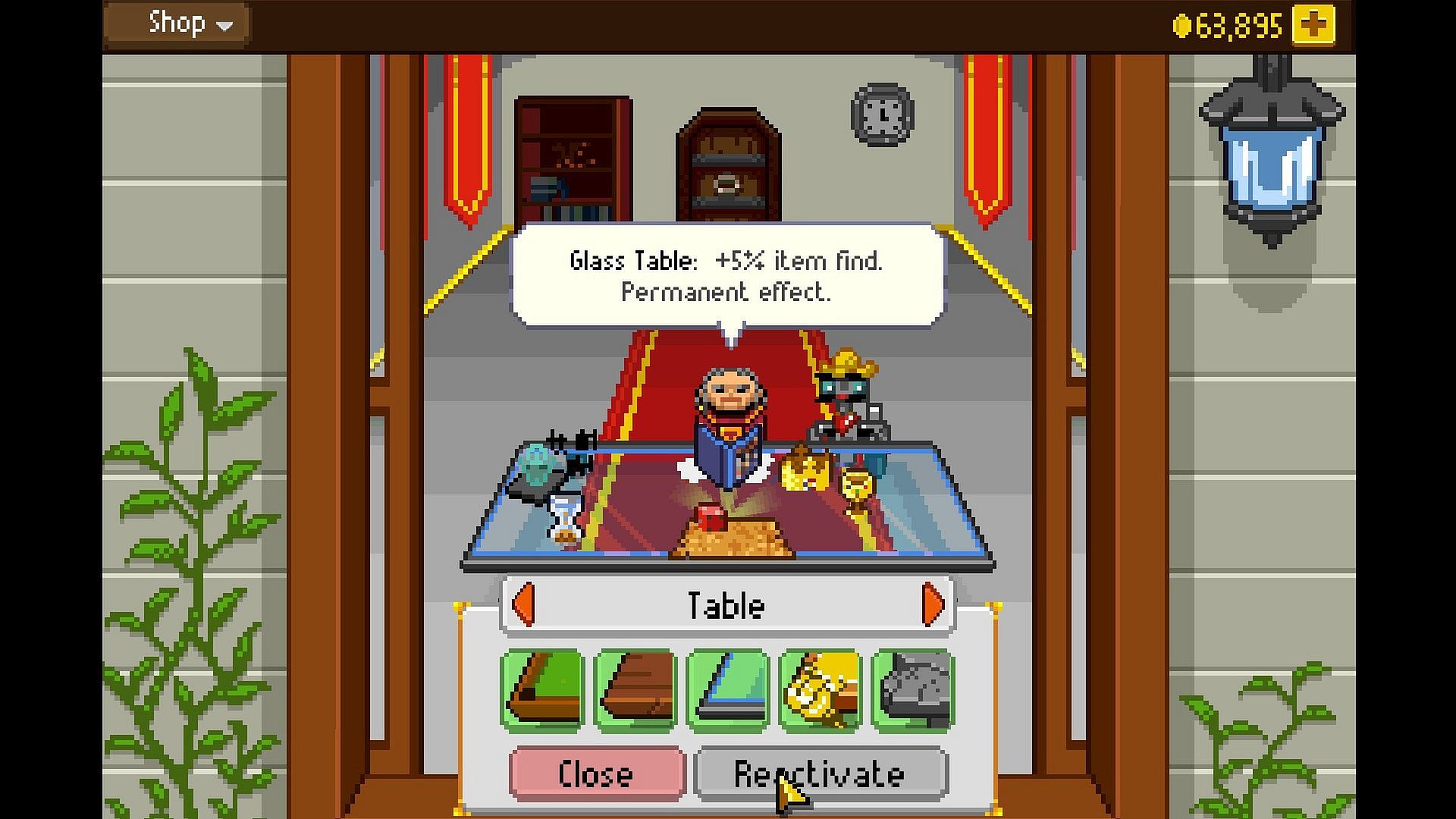
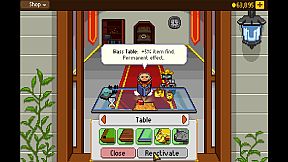
Resource systems tie directly into combat success, with gold from battles funding equipment upgrades and crafting at dedicated vendors. Gathering and mining nodes scattered throughout areas provide materials for personalization, while enchanters offer further enhancements to weapons and armor. Party switching via the Tavern allows adaptation to different quest requirements or tougher sections without restarting.
Character selection adds variety, as each personality influences not only combat stats but also narrative flavor through interactions. The pixel-art presentation keeps the focus on strategic decisions rather than visual spectacle, aligning with the retro inspiration.
Is It Worth Playing?
Knights of Pen and Paper +1 Edition appeals most to players who enjoy turn-based combat with a strong emphasis on customization and meta decision-making. Its Very Positive reception on major platforms reflects appreciation for the humorous tone and the freedom to shape encounters as game master. The combination of classic RPG elements like leveling, gear progression, and dungeon crawling with the pen and paper simulation creates a focused experience that rewards thoughtful party building and resource use.
Those drawn to indie titles with retro aesthetics and light management layers will find substantial content in the extended campaign and additional dungeons. The absence of ongoing seasonal updates means the game stands as a complete, self-contained package best suited for short to medium play sessions rather than long-term live-service engagement. If the idea of controlling both the heroes and the threats they face sounds engaging, the title delivers a distinctive take on the genre without unnecessary complexity.