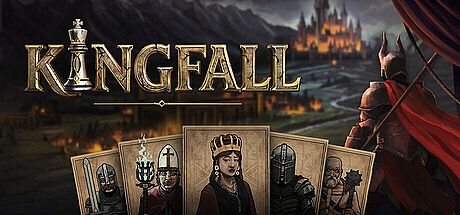


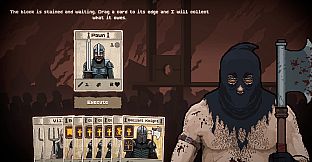
Kingfall is a single-player strategy game that blends roguelike deckbuilding with chess-inspired movement rules. Players construct and refine a deck of cards, each of which follows distinct movement and attack patterns drawn from chess pieces. The result is a tactical card battler focused on positioning, pattern recognition, and long-term deck evolution across repeated runs.
Gameplay
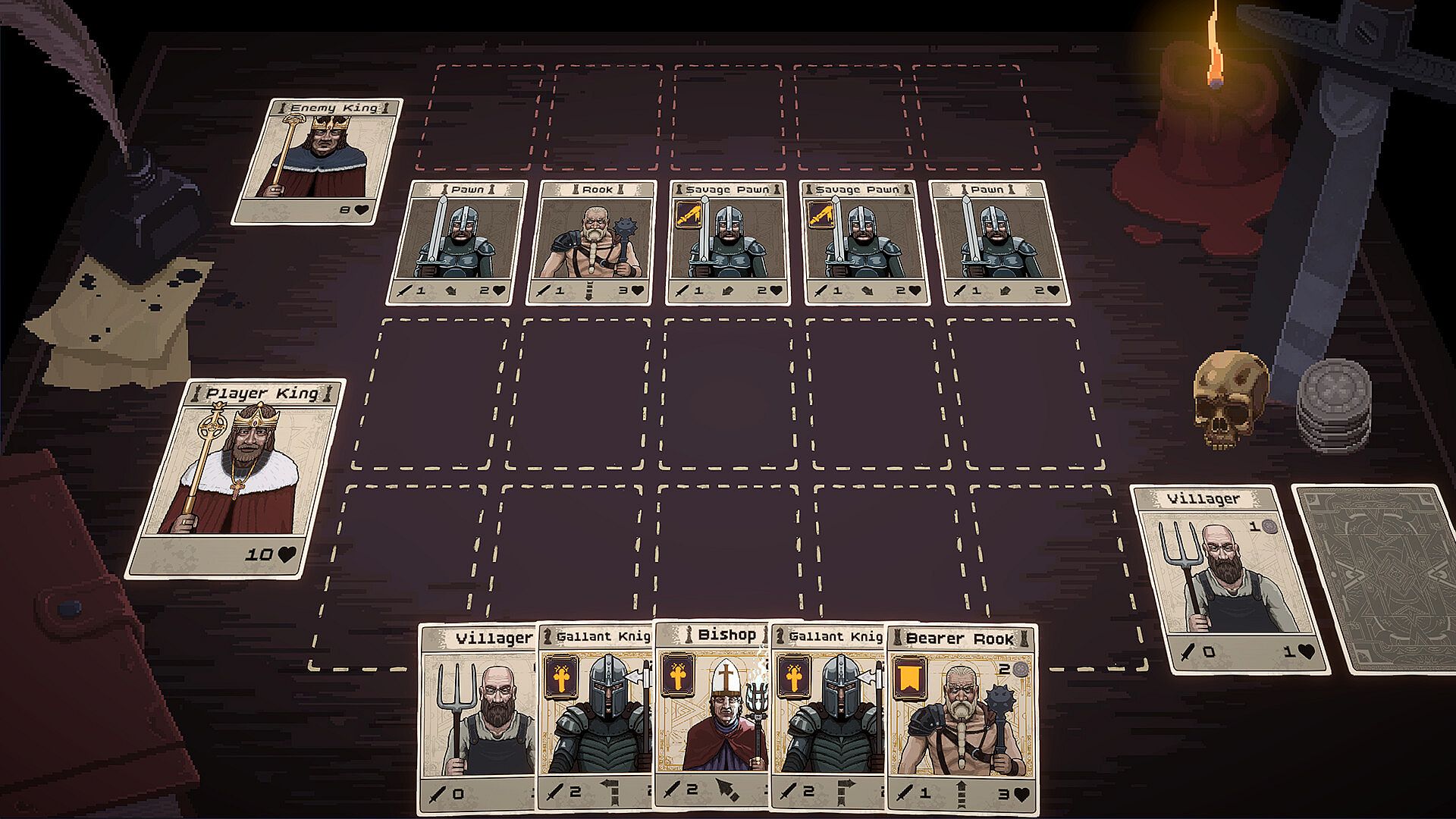
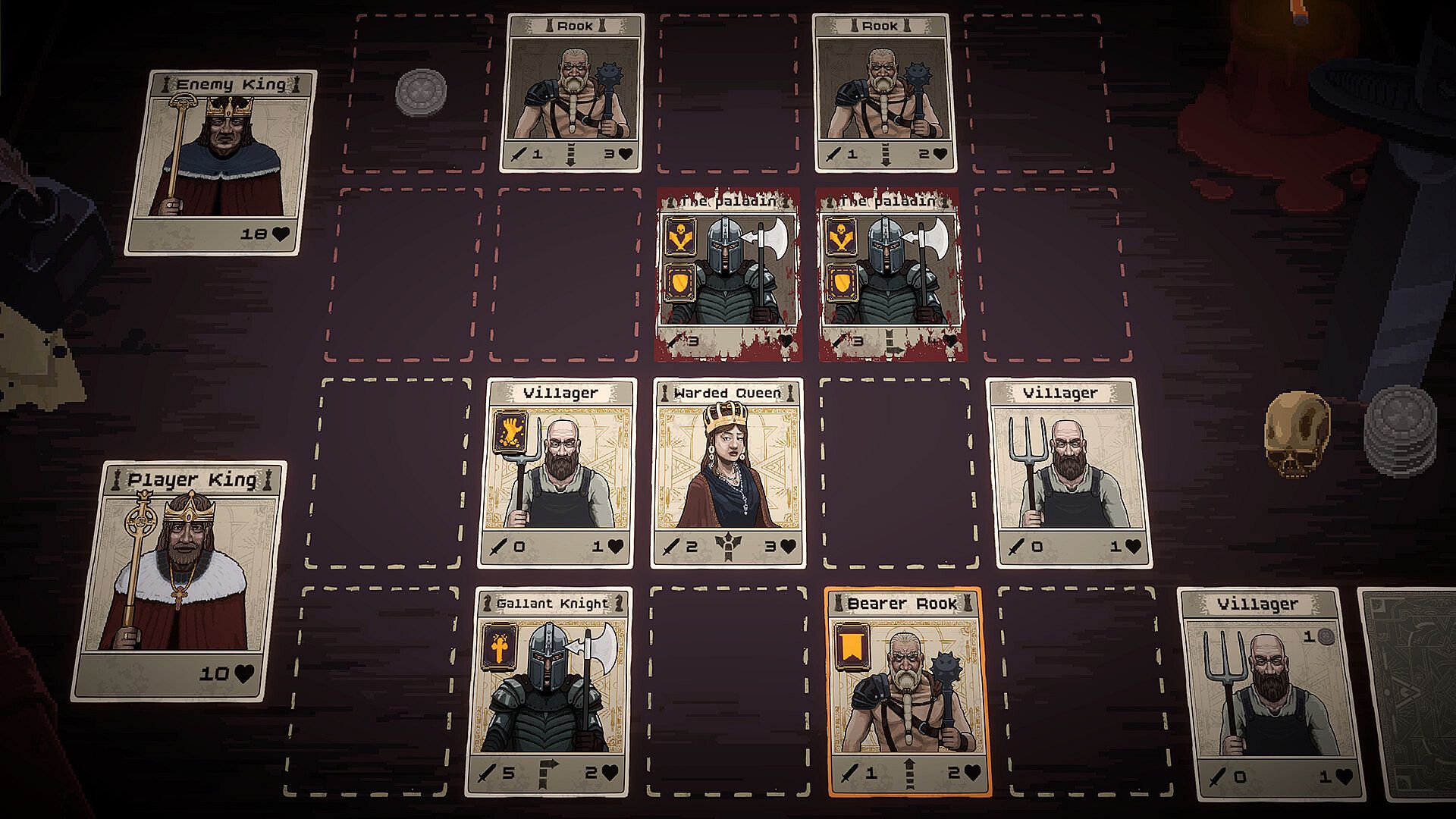
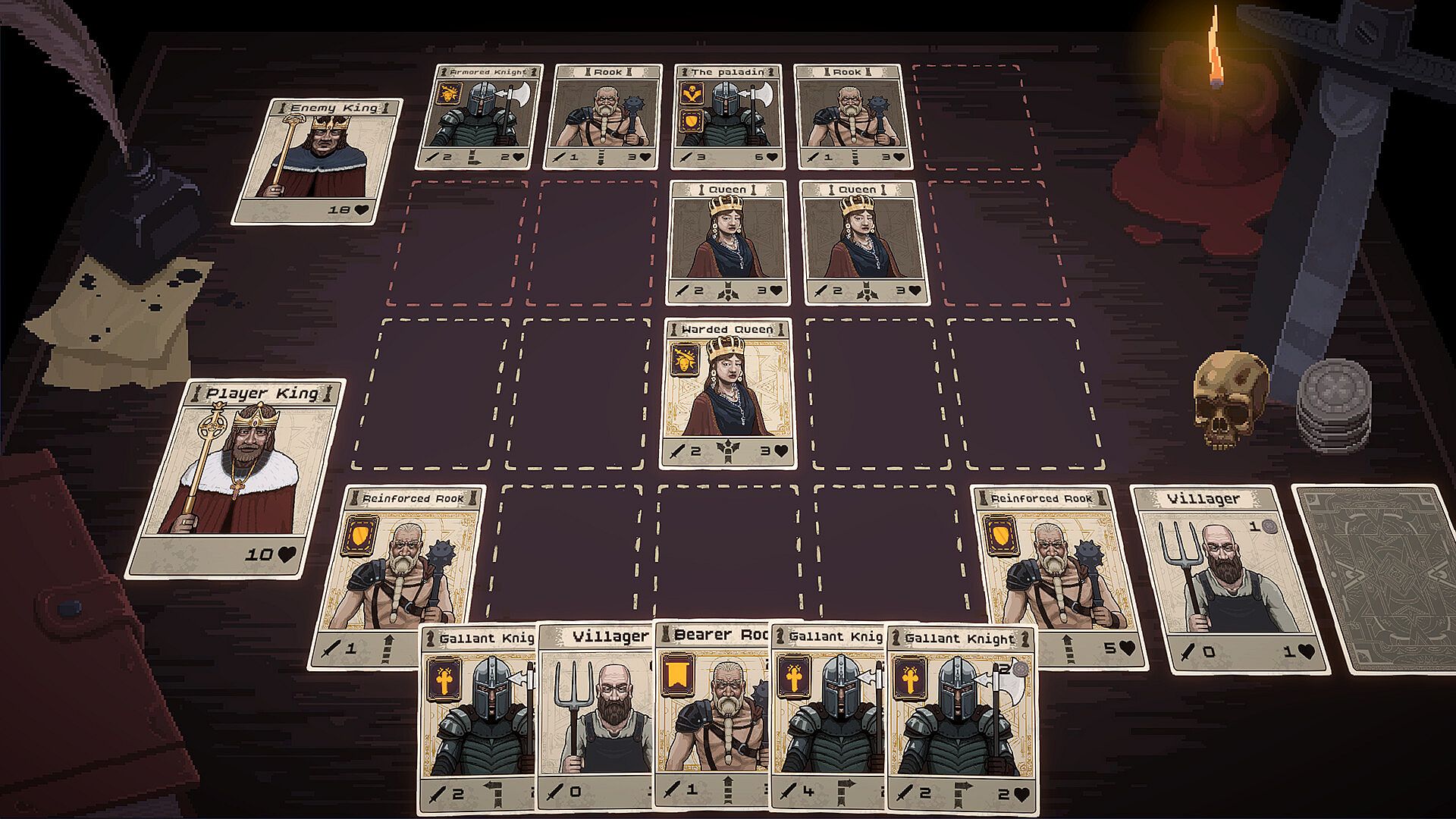
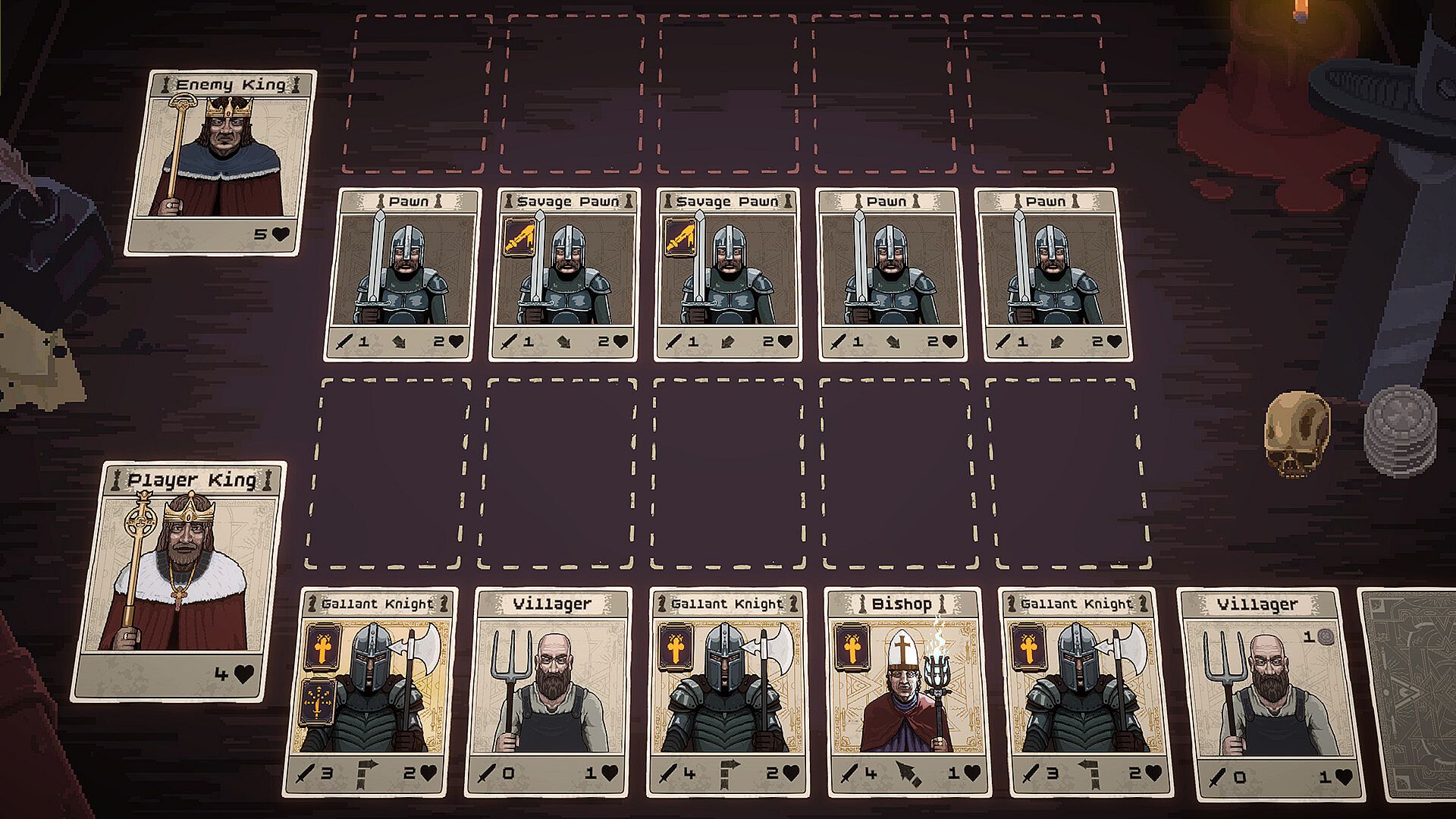
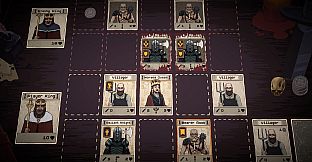
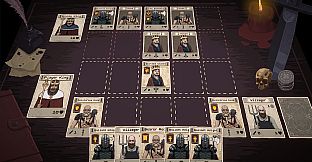
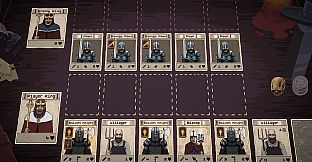
Core play revolves around battles where card placement and movement dictate outcomes. Pawns strike diagonally, knights follow their classic L-shaped leaps, and other cards adhere to their own chess-derived paths. These rules replace traditional card targeting systems, forcing players to consider board geometry and opponent positioning at every step. Battles reward careful planning over raw power, as a well-placed piece can control key areas or set up chain reactions.
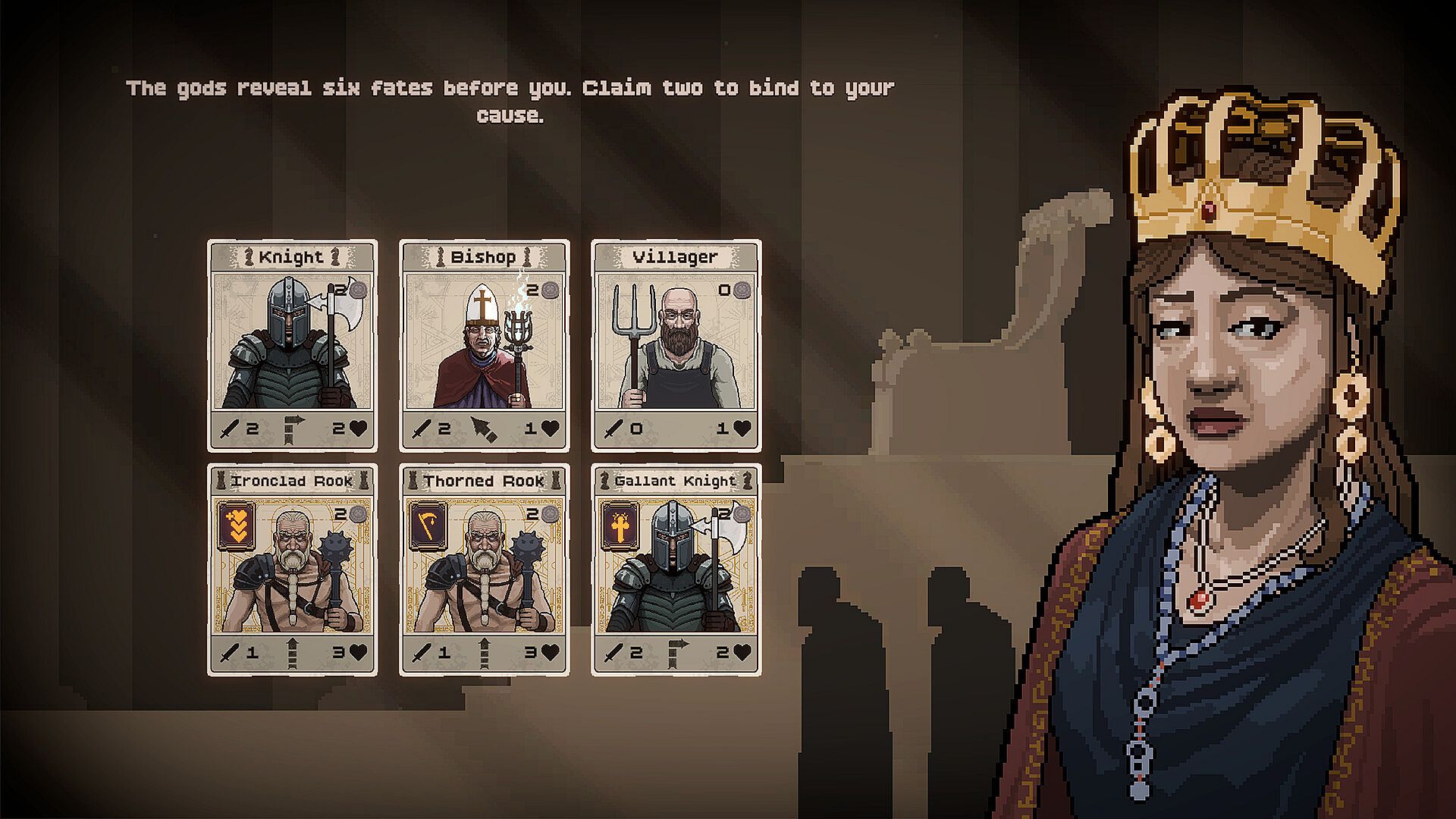
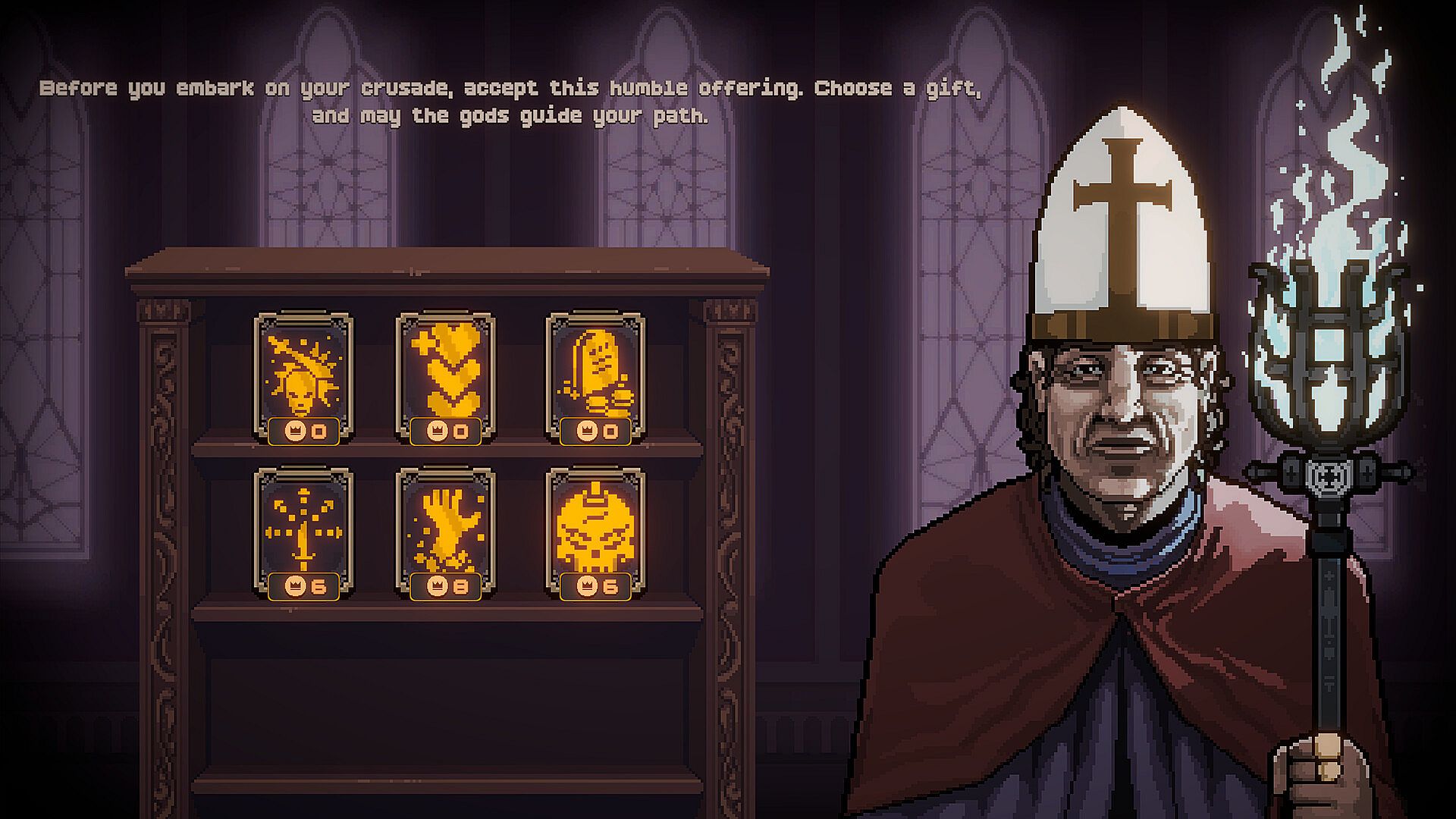
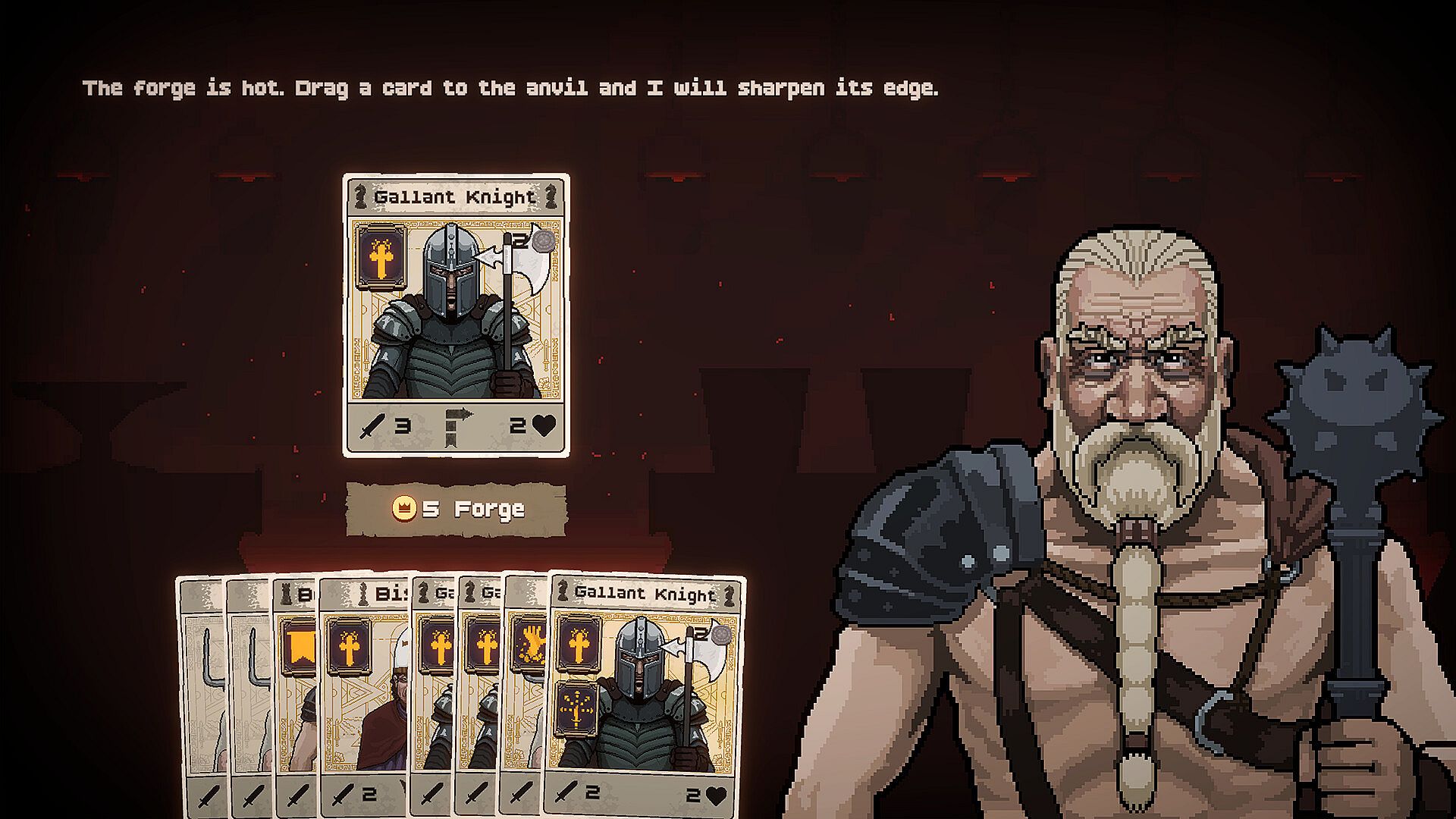
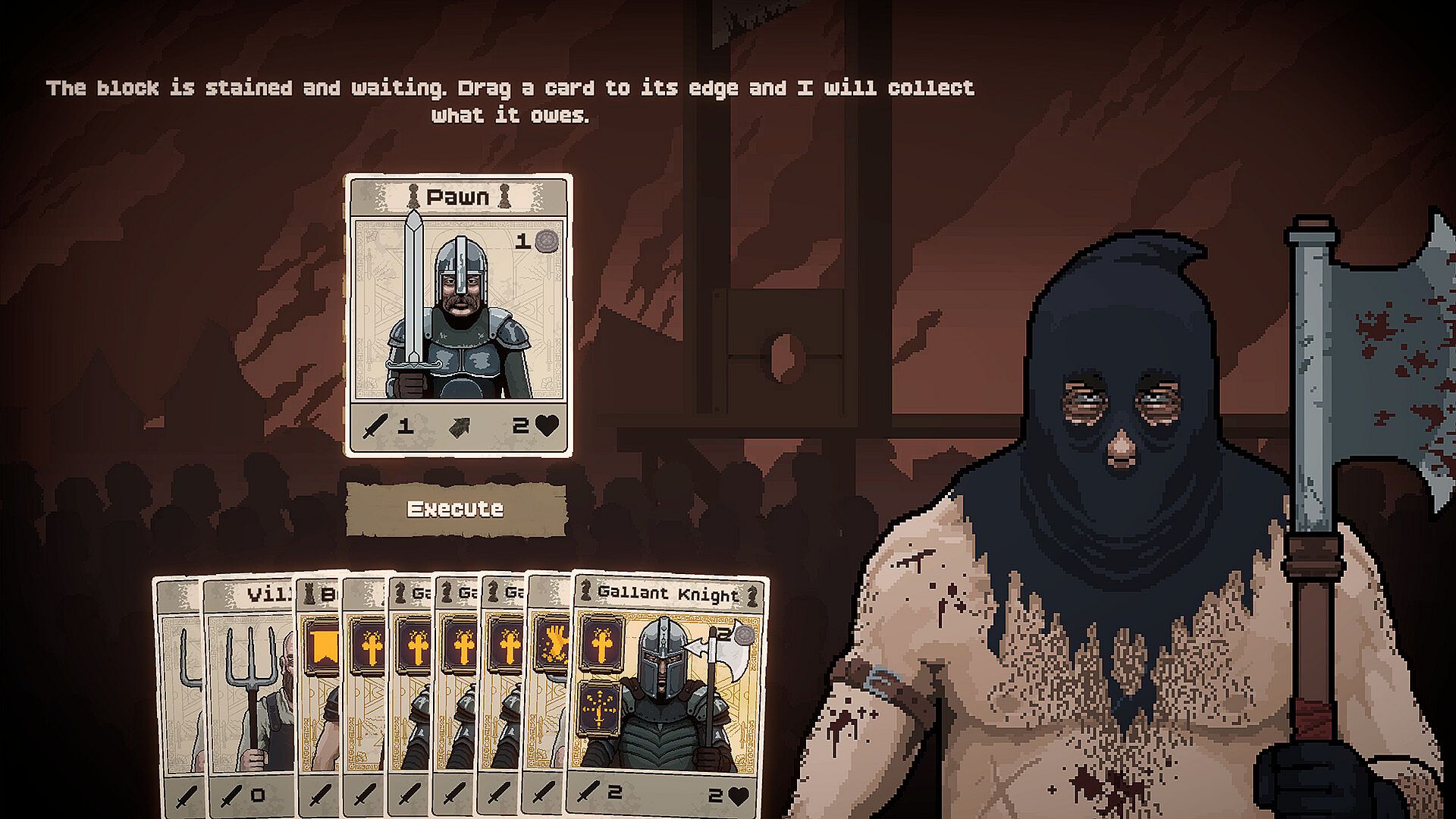
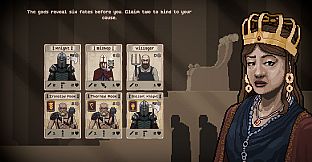
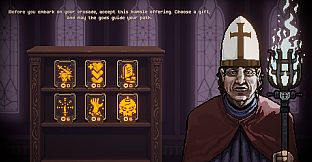
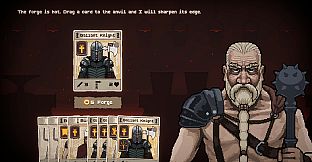
Between fights, players unlock new cards and blessings that modify units or grant permanent advantages for the current run. Upgrades applied to individual warriors carry forward within a single attempt, allowing incremental improvements to attack range, durability, or special effects. The loop emphasizes experimentation: a deck that succeeds early may need adjustment when later encounters introduce different movement patterns or defensive setups. With more than 300 cards available, combinations of attack vectors, abilities, and blessings create varied approaches to each challenge.
Game Modes
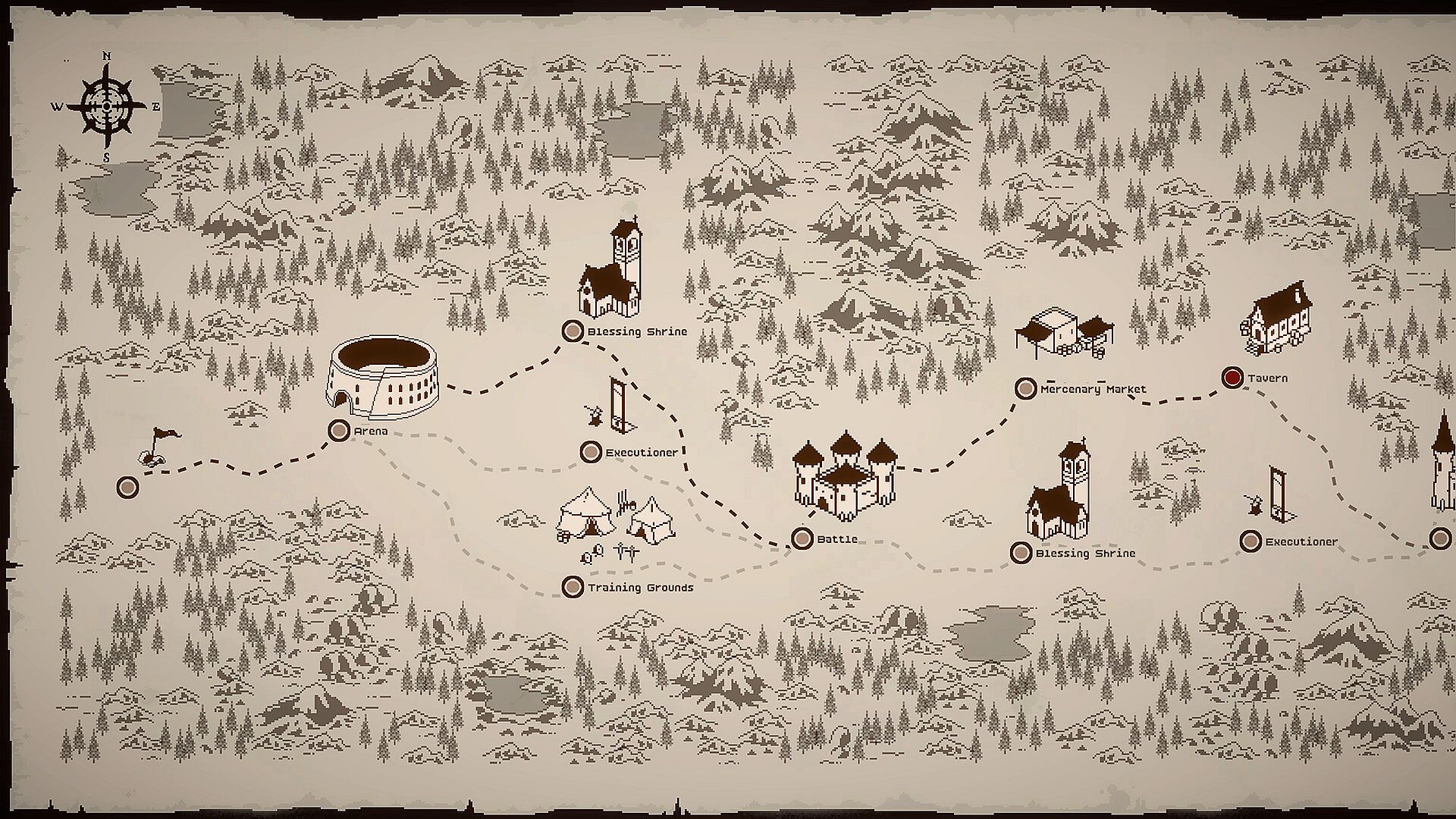
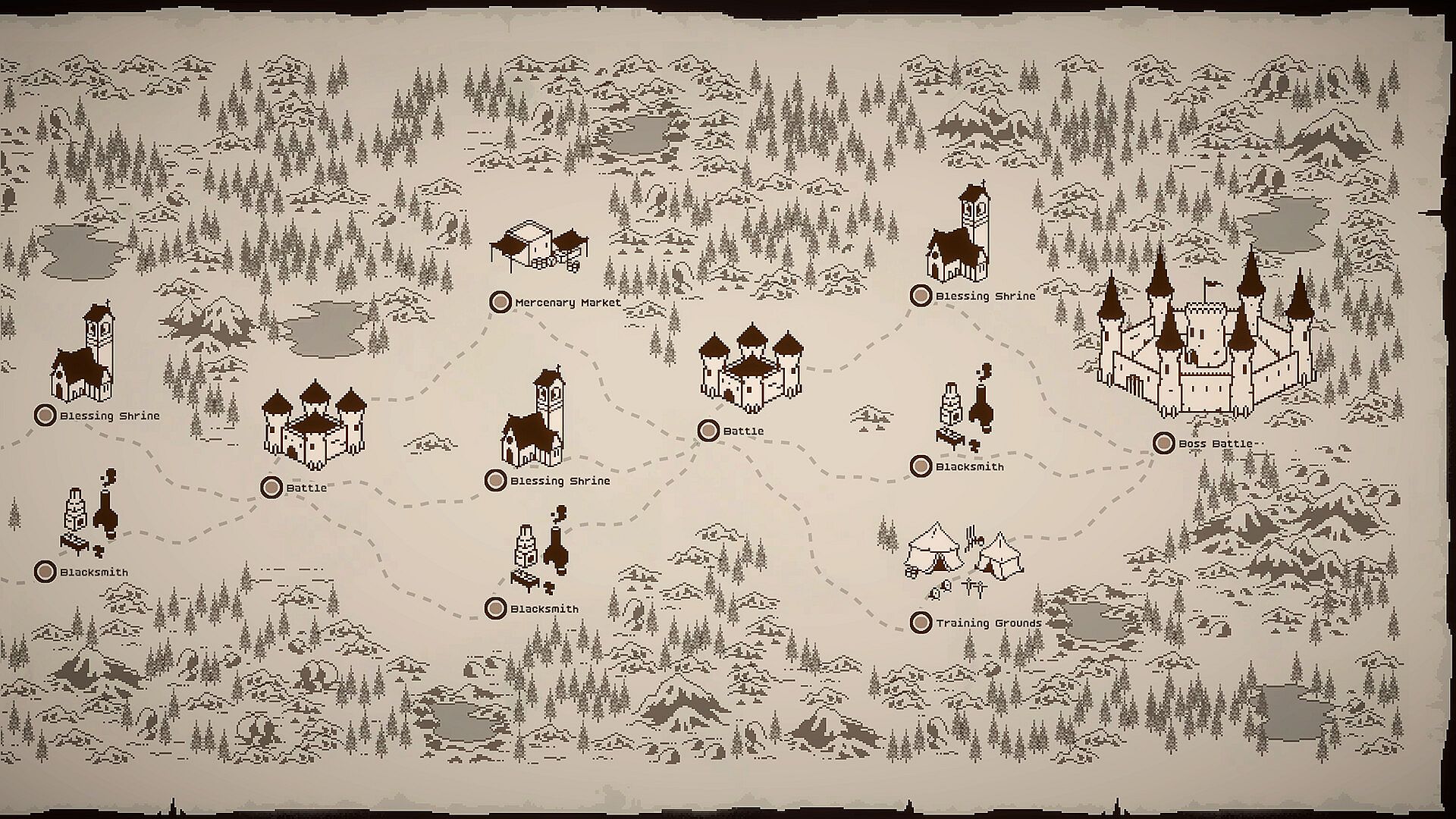
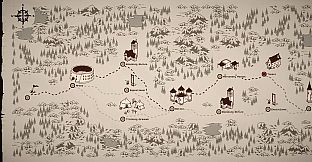
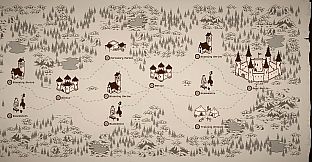
Kingfall centers on a roguelike progression structure where each run presents a sequence of battles across kingdoms. Players assemble and refine their legion through repeated attempts, carrying forward only the lessons learned rather than permanent unlocks between runs. The single-player format keeps focus on individual decision-making and deck optimization without multiplayer elements or competitive ladders.
Progression systems encourage replayability through card acquisition and blessing selection. Different starting configurations and random elements in later encounters push players to adapt their strategies, testing how various chess-movement synergies perform against evolving opposition.
Key Mechanics and Features
The chess-card hybrid creates a distinct rhythm. Movement patterns determine both offense and defense, so players must visualize lines of attack and potential blocks before committing cards. Blessings add another layer by altering how pieces behave or interact, opening paths for specialized builds that emphasize leaping attacks, diagonal pressure, or area control.
Deck construction happens organically through battle rewards rather than a separate menu. This keeps momentum high while still allowing meaningful choices about which cards to retain or replace. The emphasis on synergies means that seemingly minor upgrades can transform an entire army when paired with the right movement patterns.
Is It Worth Playing?
Kingfall suits players who enjoy deliberate, position-based tactics and iterative deckbuilding. Its chess-inspired rules add a layer of spatial reasoning rarely found in card games, rewarding those who study patterns and plan several moves ahead. The roguelike structure provides repeated opportunities to test and refine strategies without requiring prior experience with the genre.
Because the game remains in development with a release date to be announced and no user reviews available yet, interested players can follow its progress through official channels. Those drawn to tactical single-player experiences with chess and deckbuilding elements will find the core systems described here align closely with that preference. Early access or full release will clarify how the full card roster and run length shape the overall experience.