










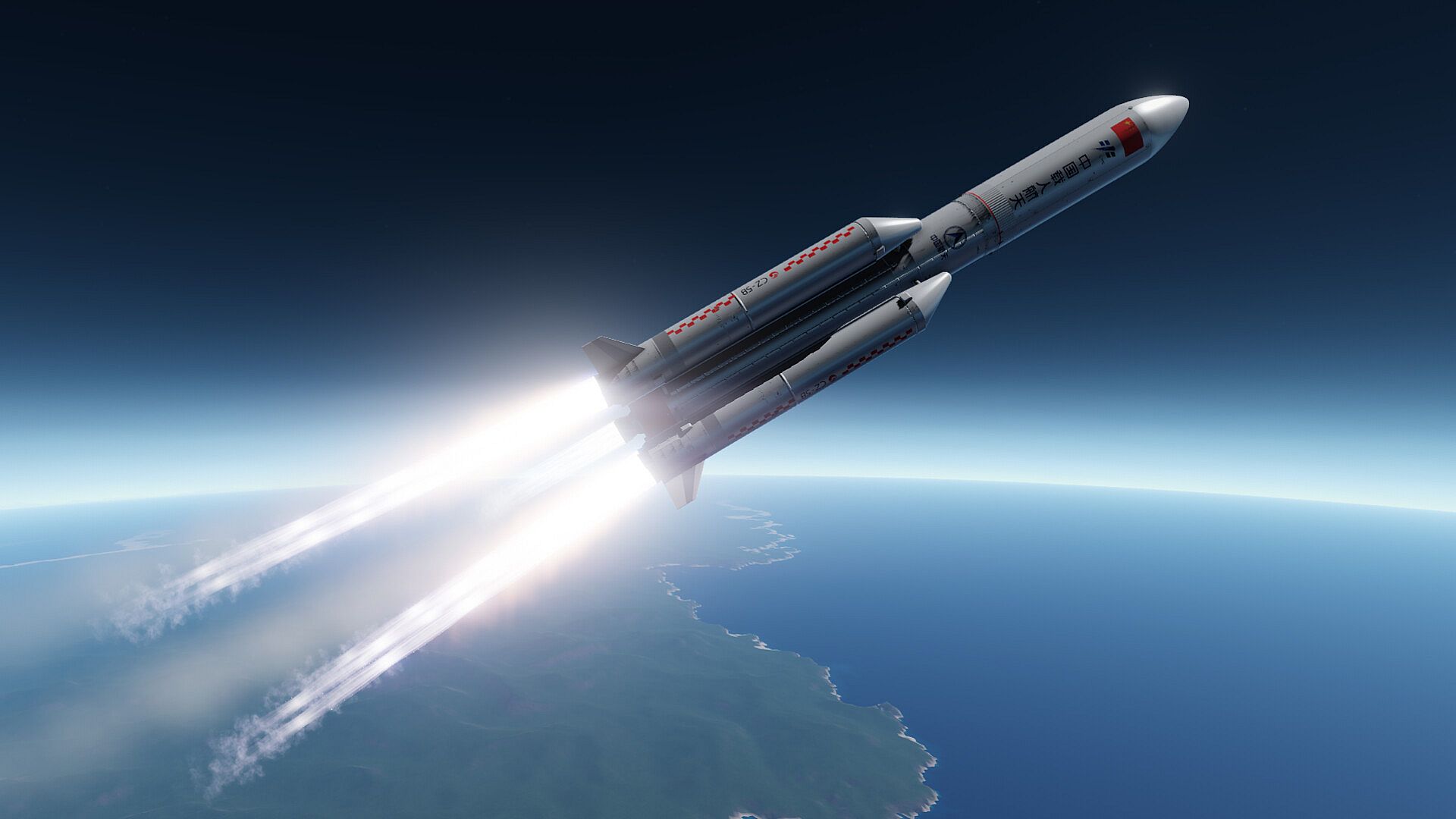
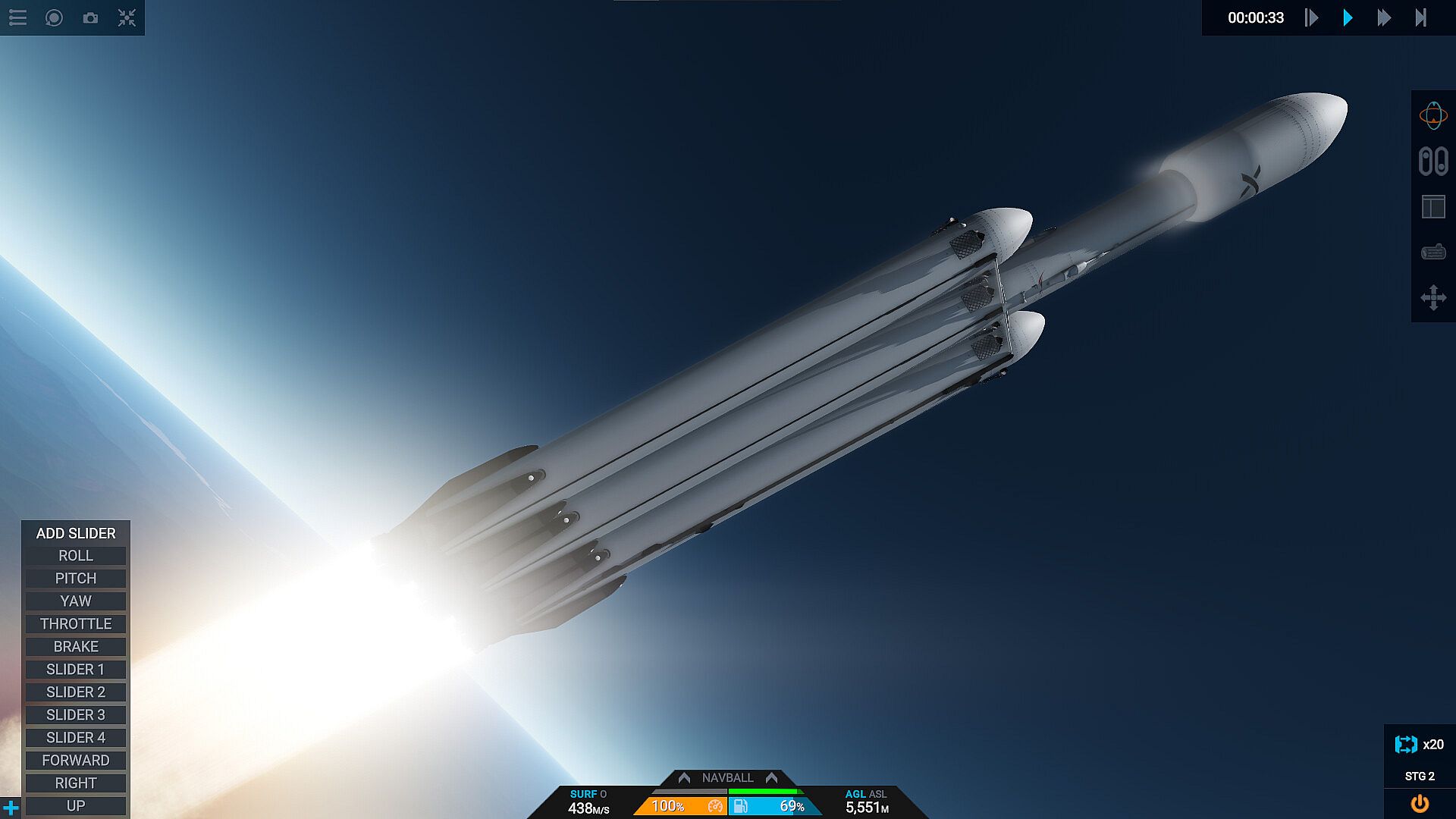
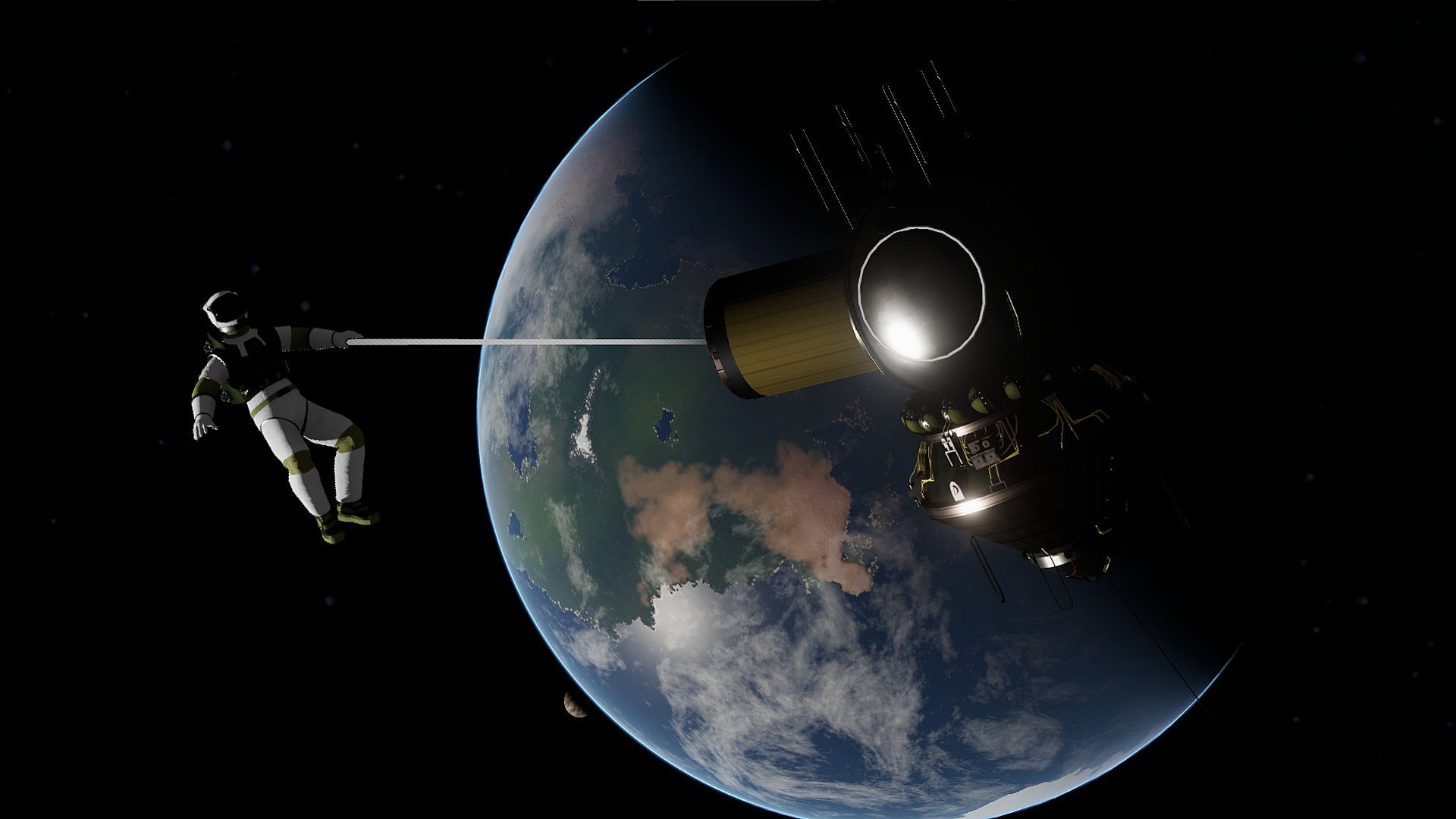
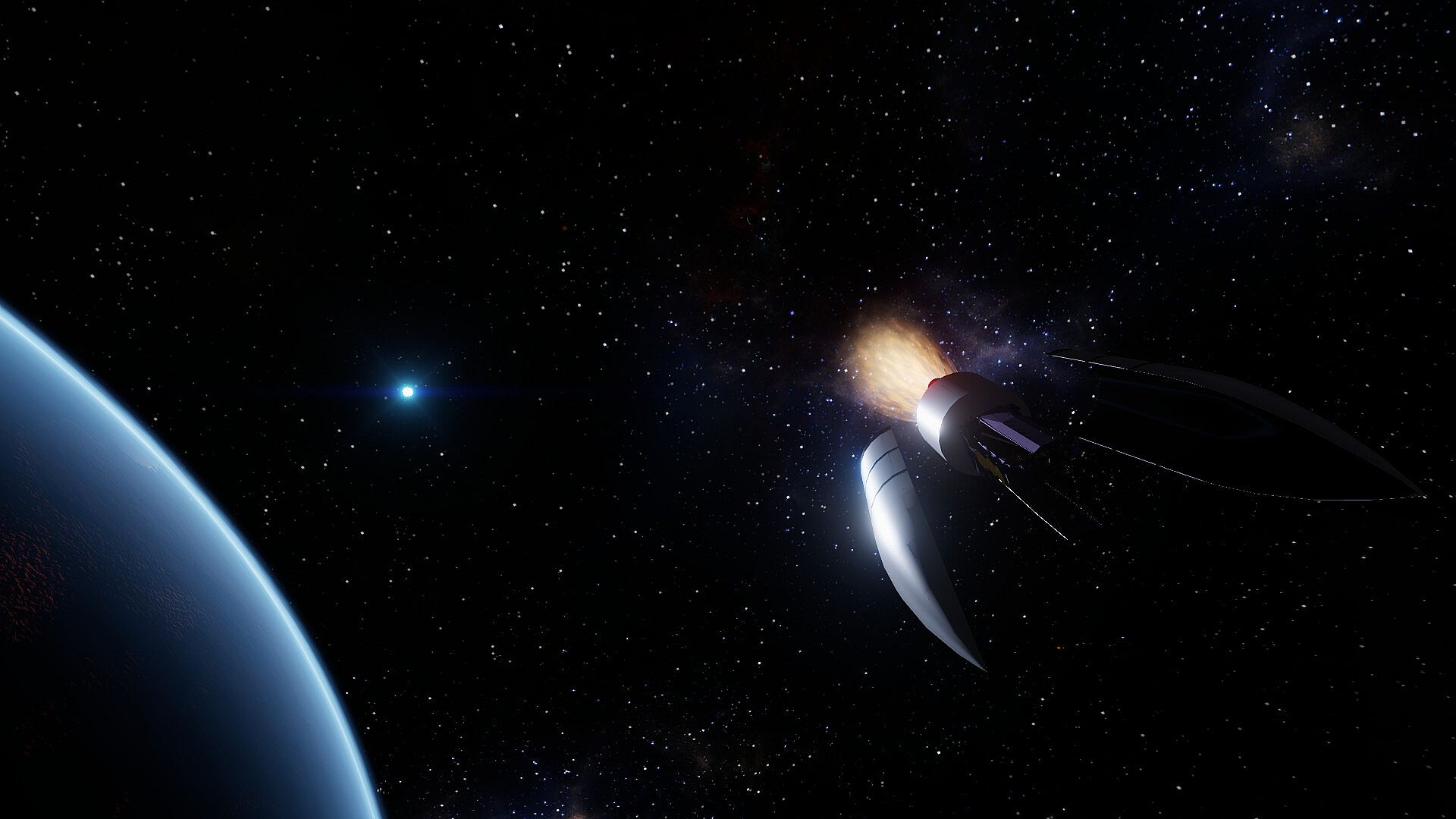
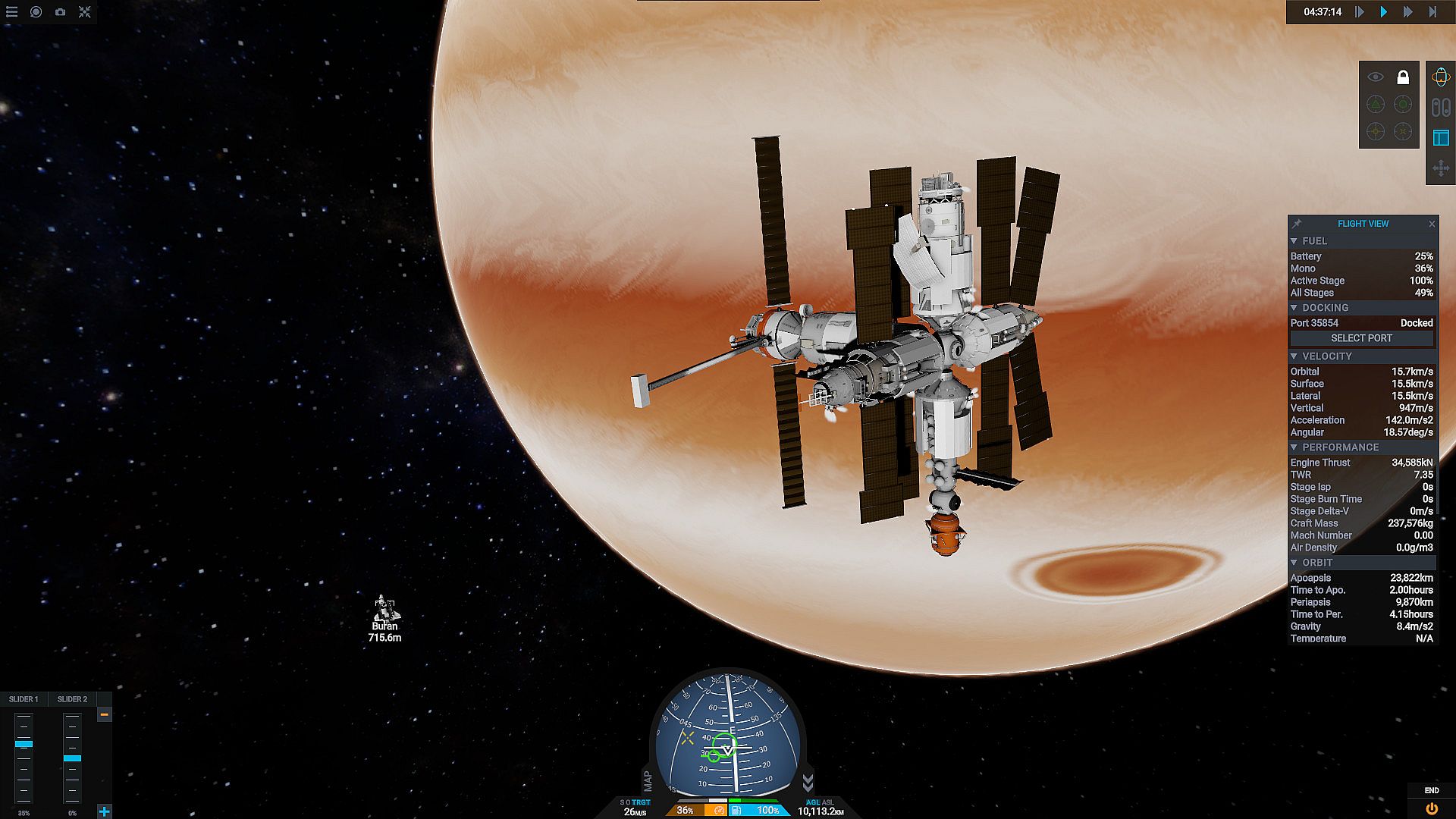
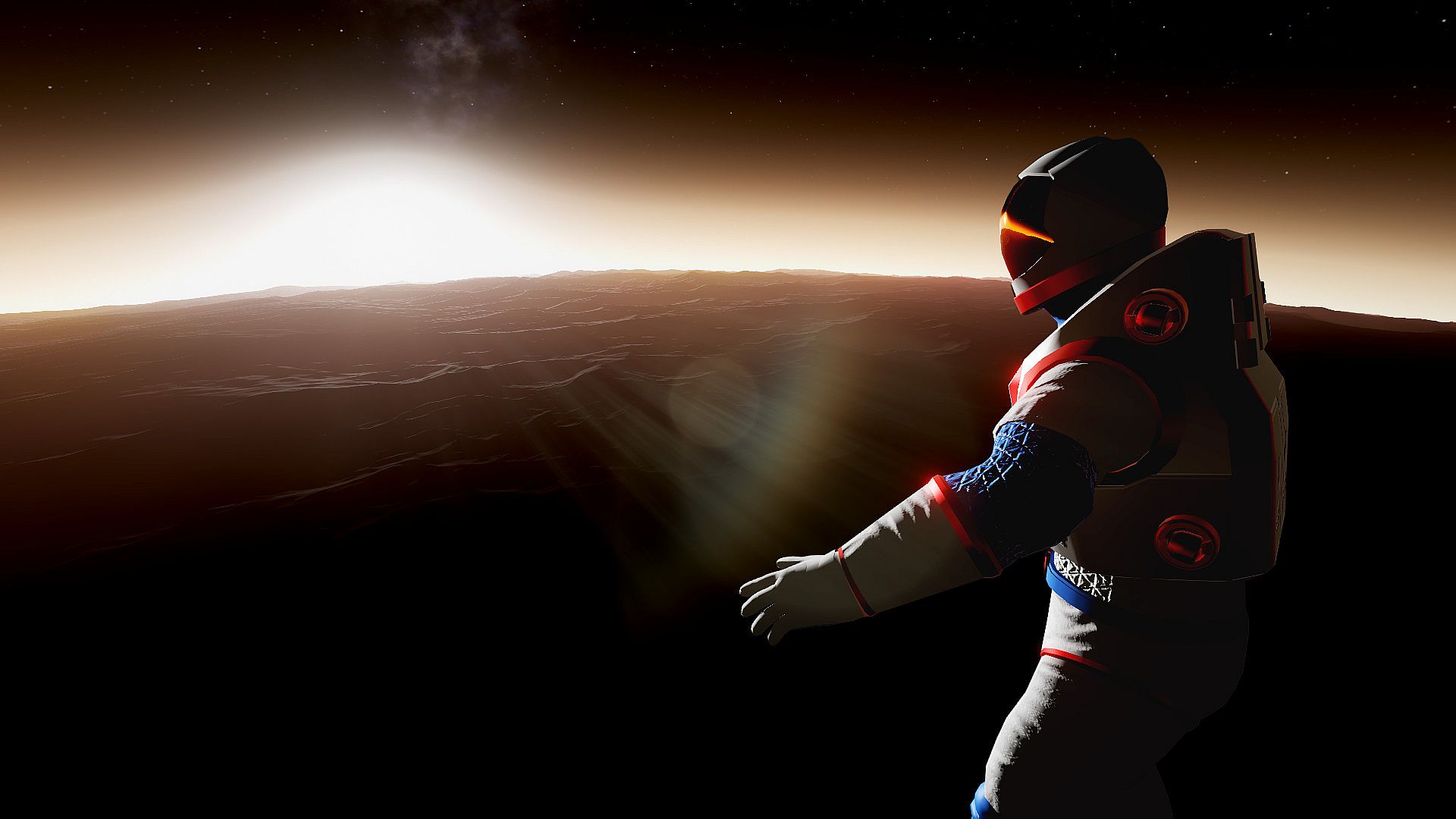
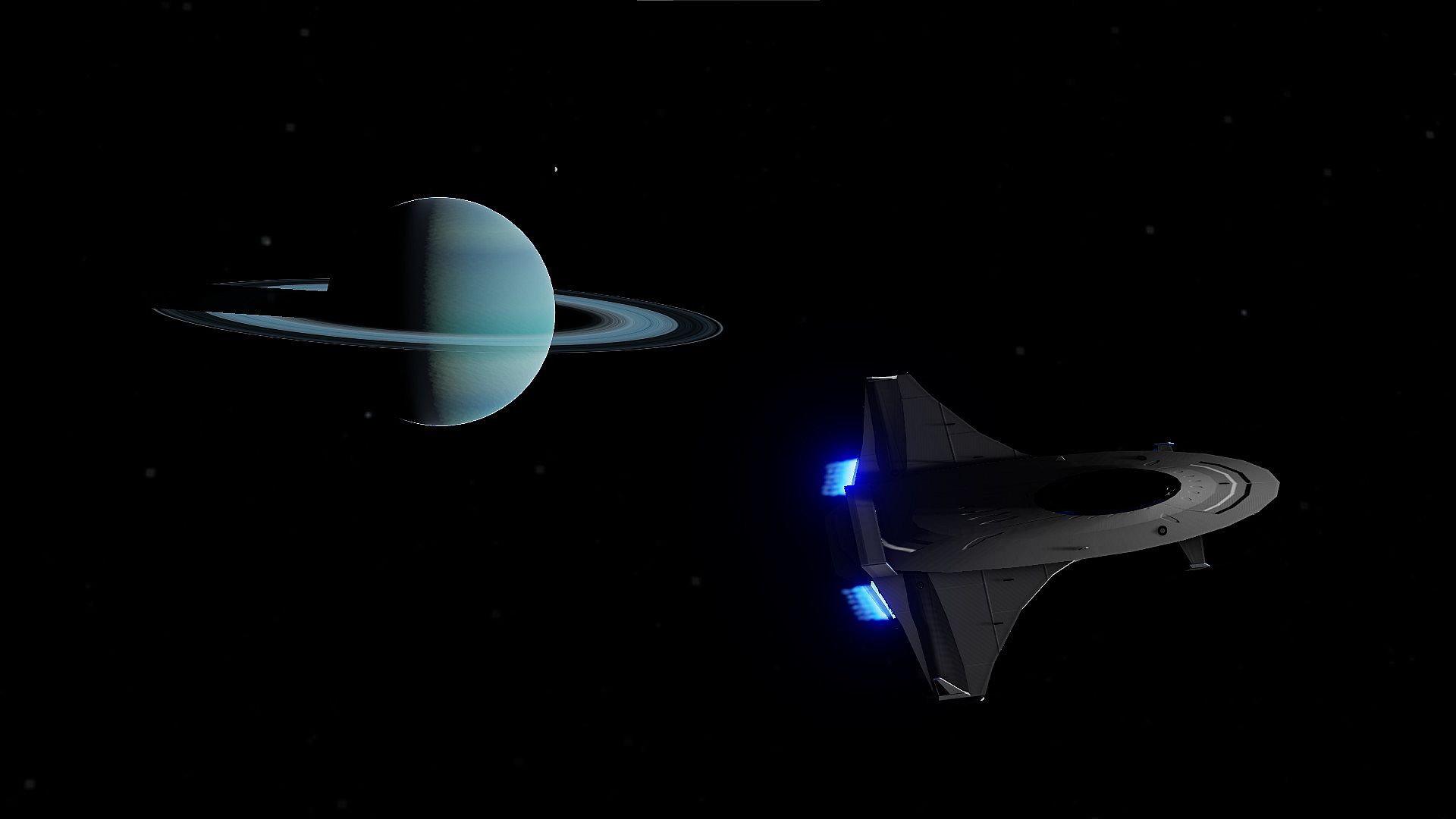
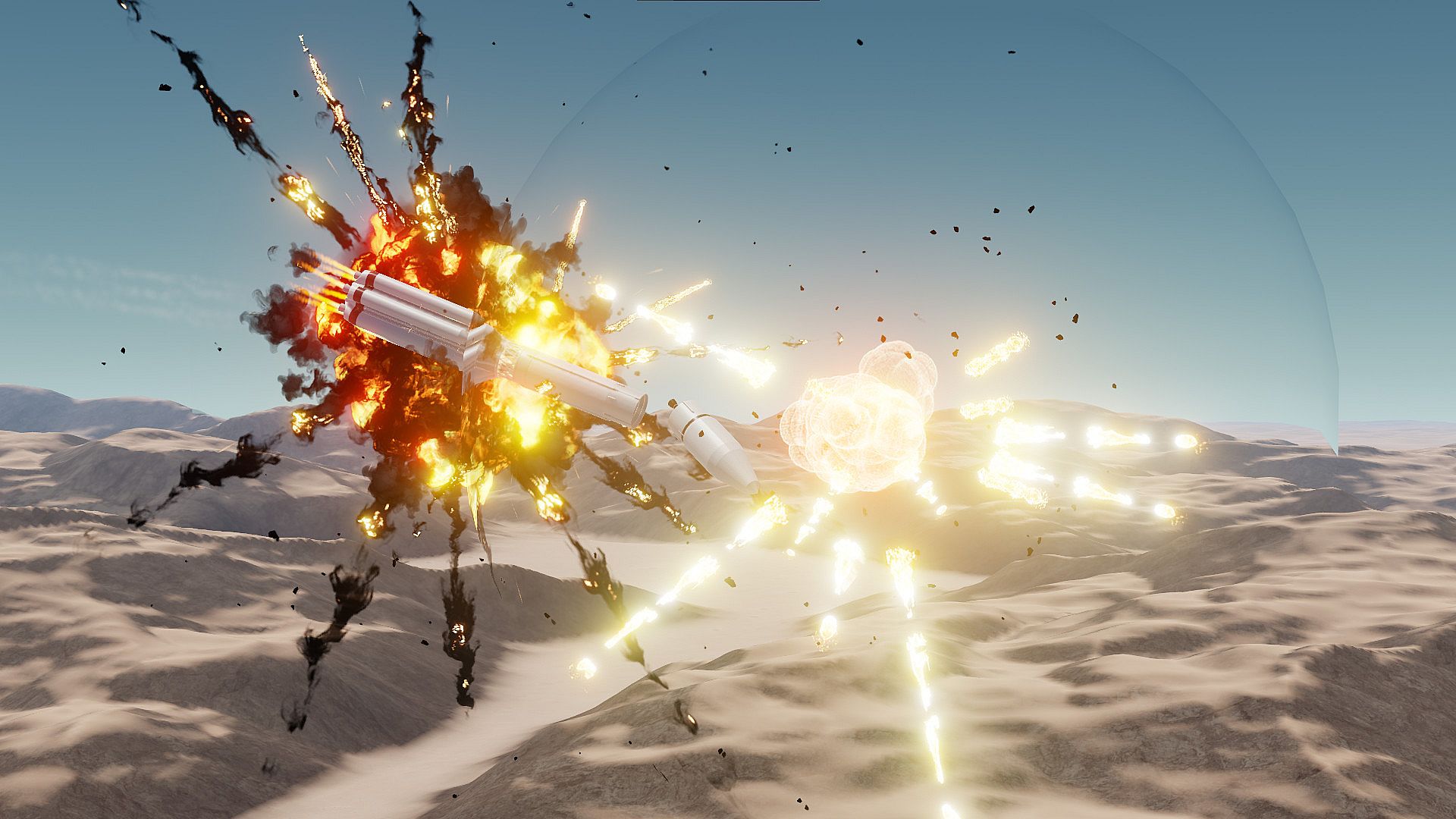
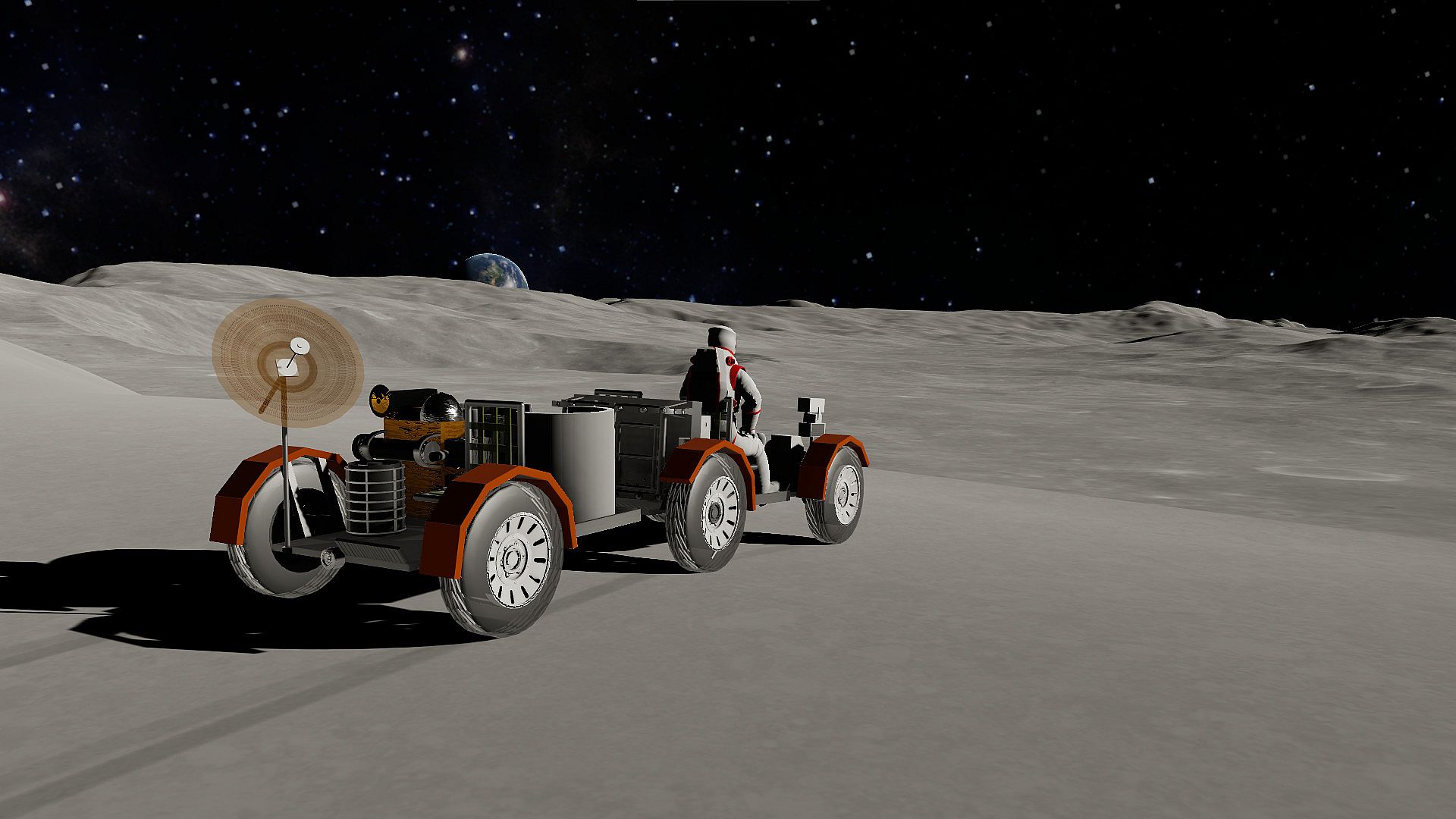
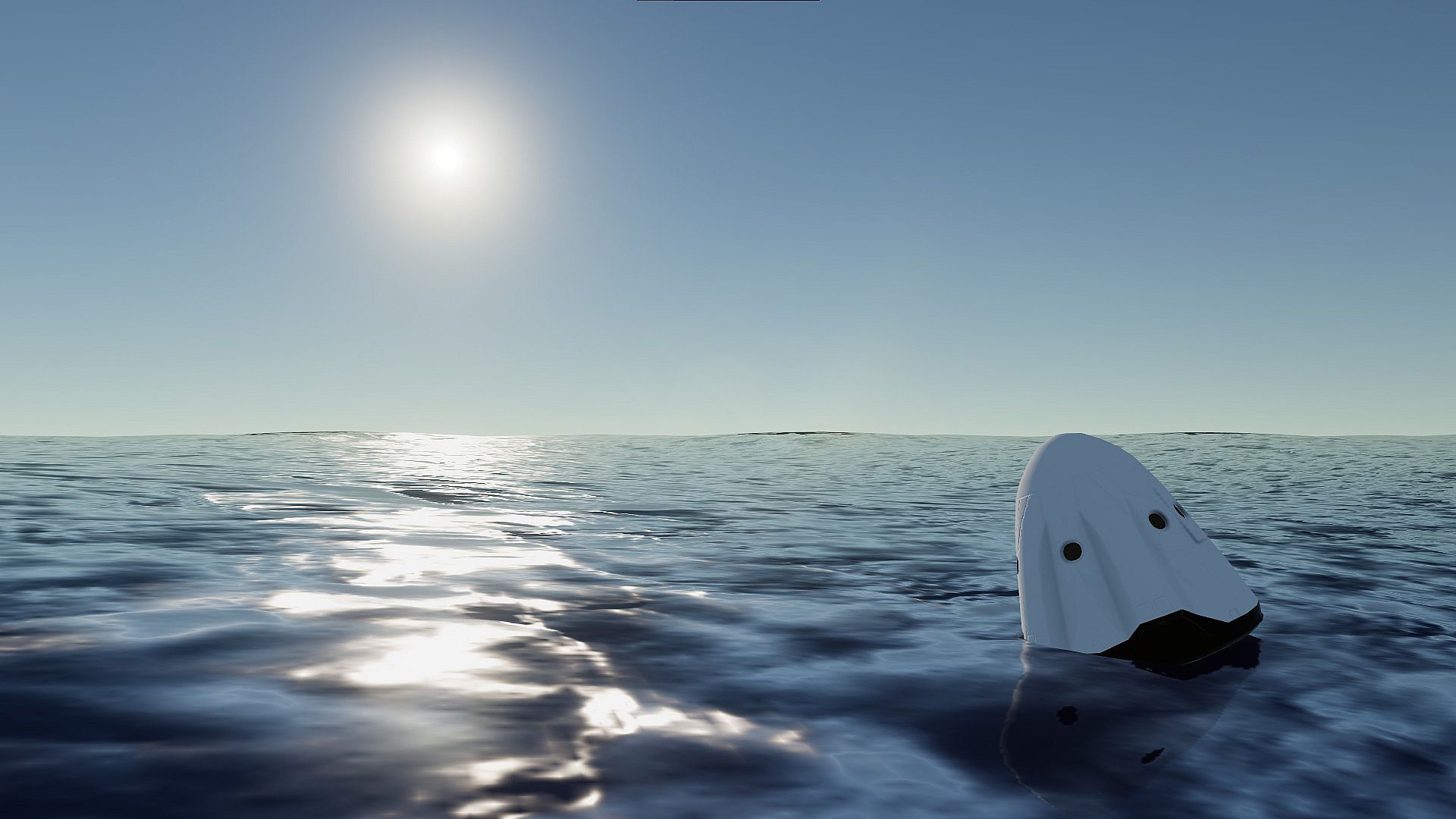
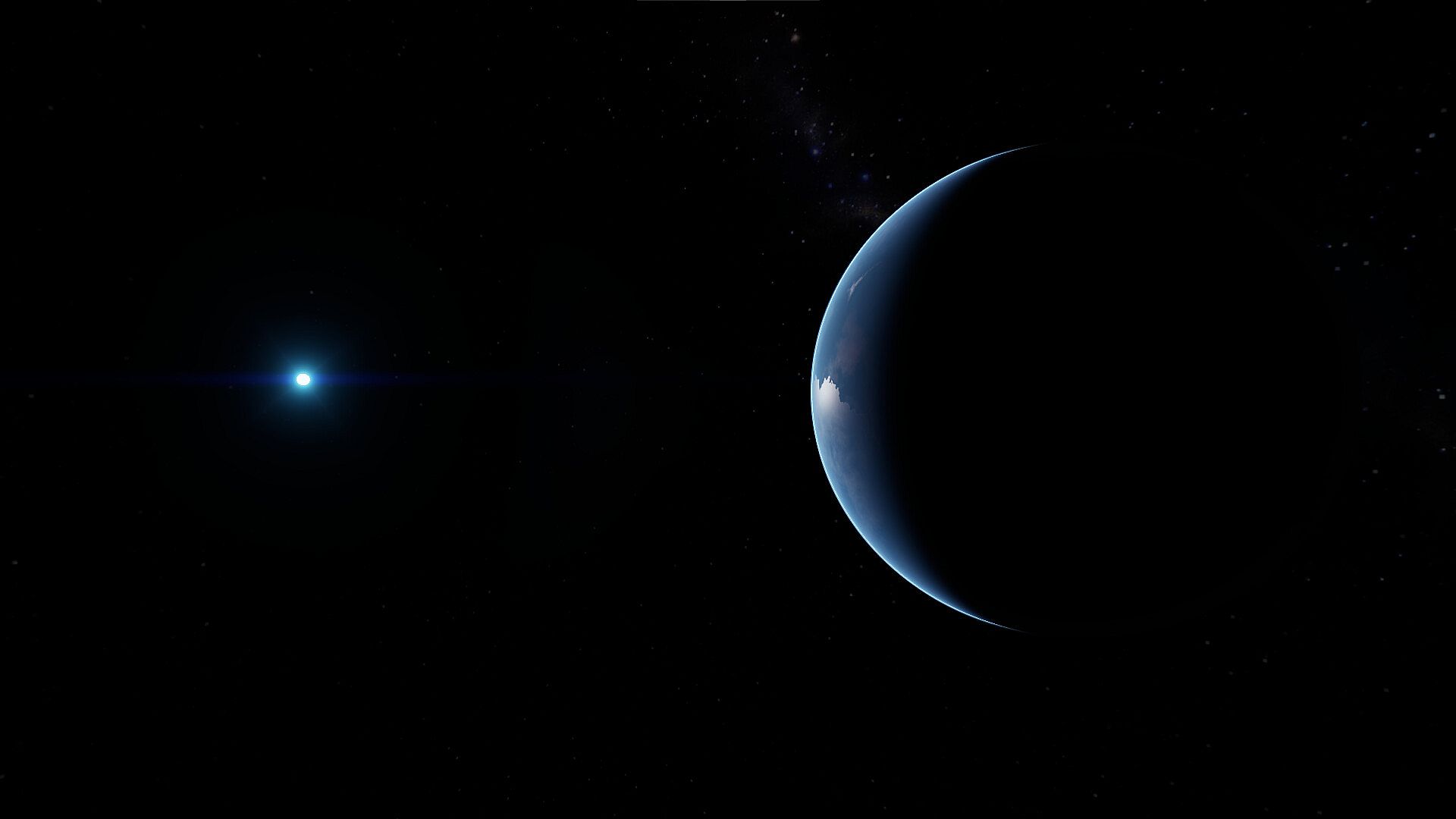
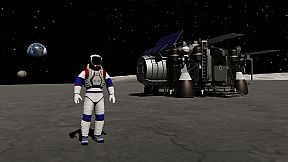
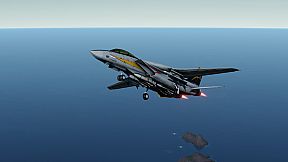
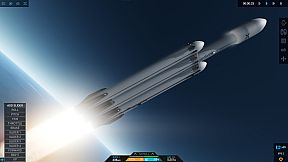
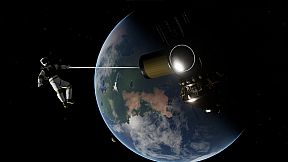

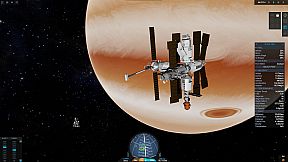
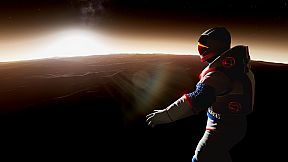
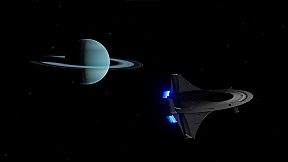
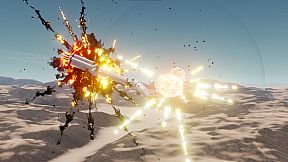
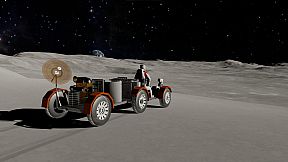


Juno: New Origins is an indie simulation game centered on building and flying aerospace vehicles in a realistic physics environment. Players construct rockets, airplanes, cars, and other machines using a wide array of customizable parts, then test them across land, sea, air, and space on fully 3D planets with multiple biomes.
Gameplay
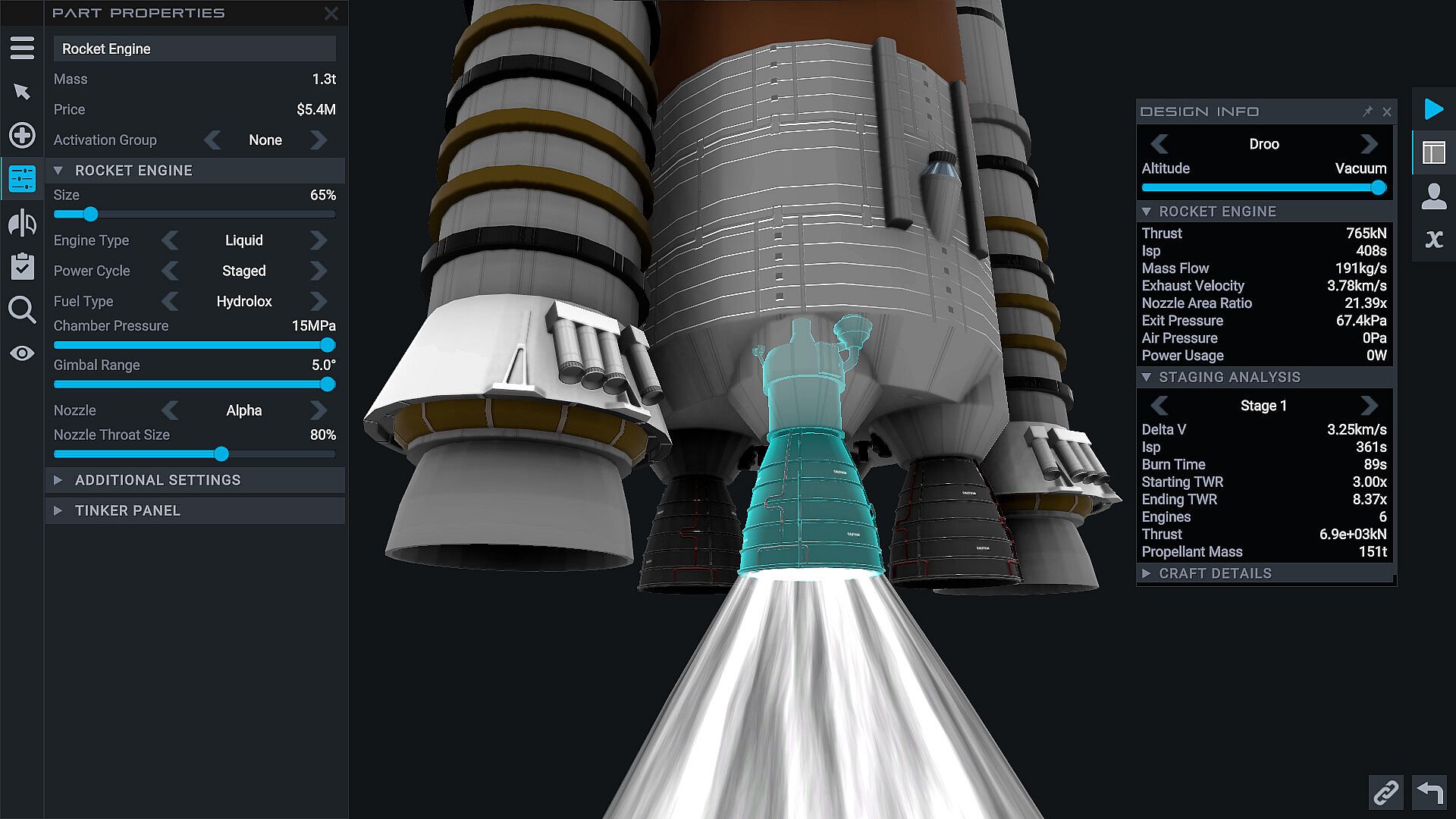
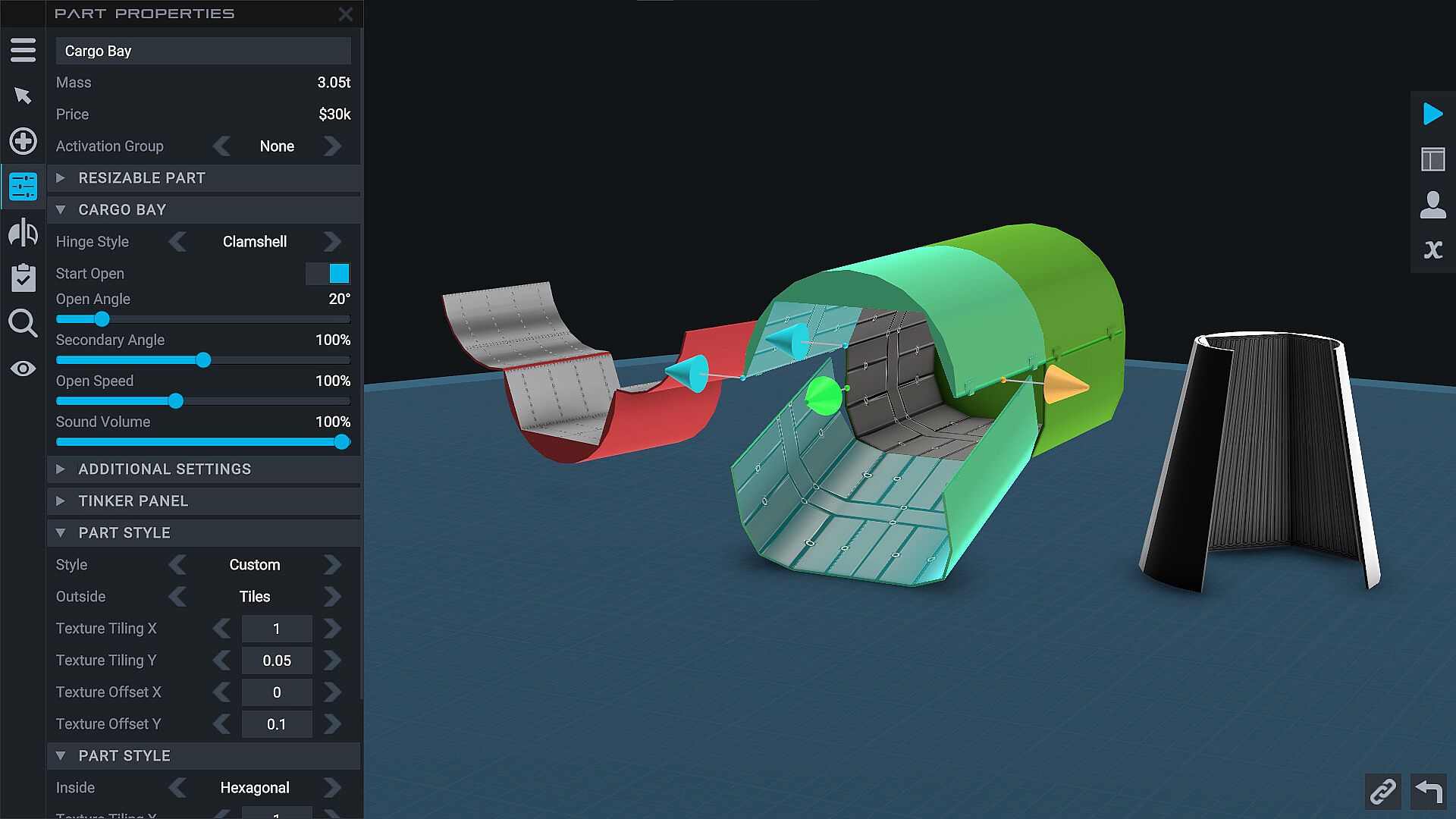
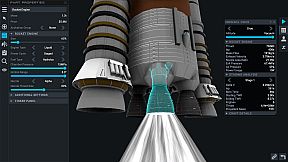
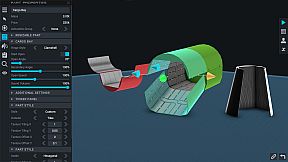
The core loop revolves around designing crafts in a fully 3D editor where parts can be resized, reshaped, and recolored with procedural tools. Fuel tanks, wings, cargo bays, fairings, and nose cones stretch and adjust to exact specifications, while engines support detailed tuning of power cycles, combustion pressure, gimbal range, fuel types, and nozzle performance. These adjustments influence both flight characteristics and visual effects such as exhaust expansion or shock diamonds.
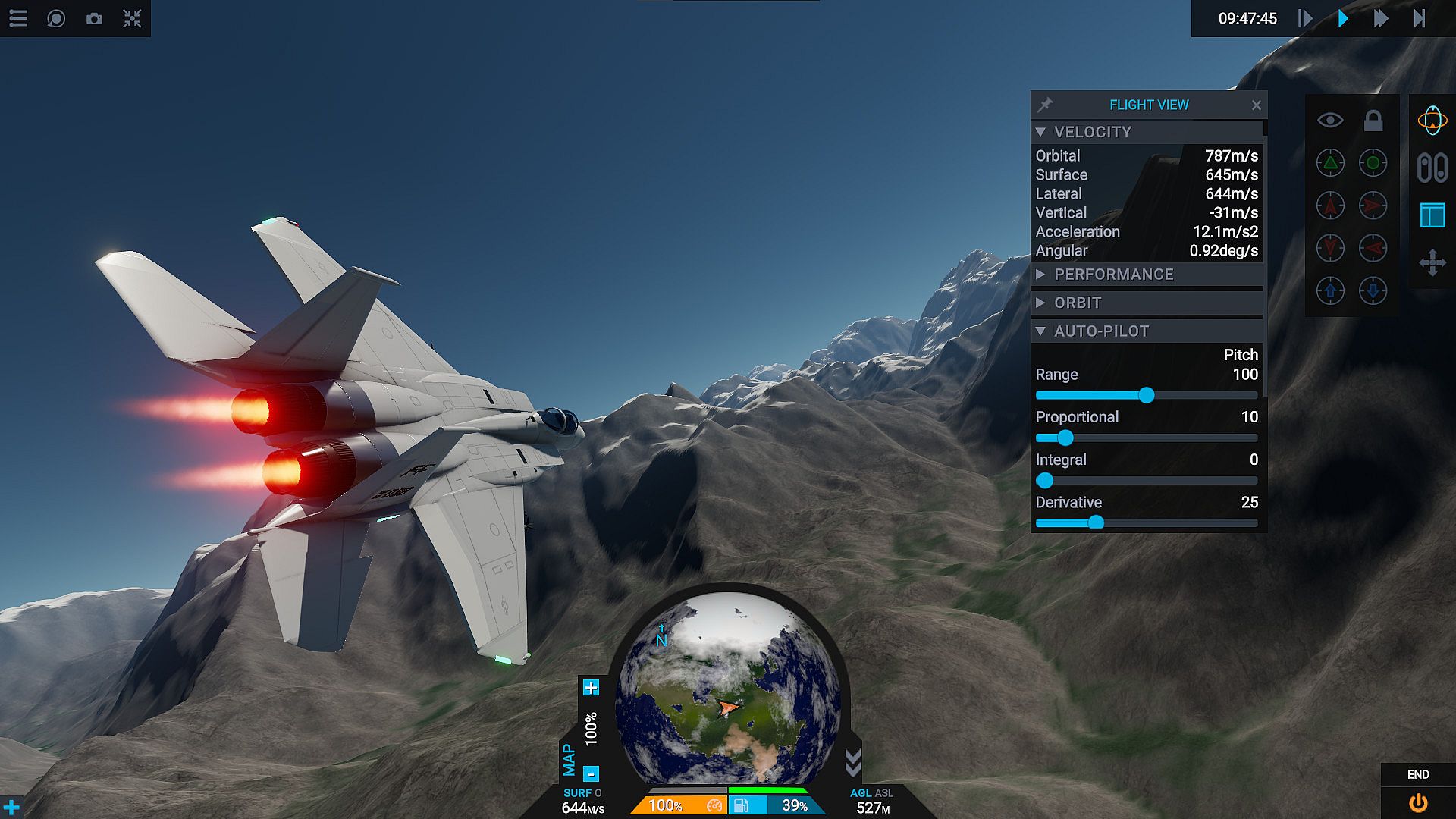
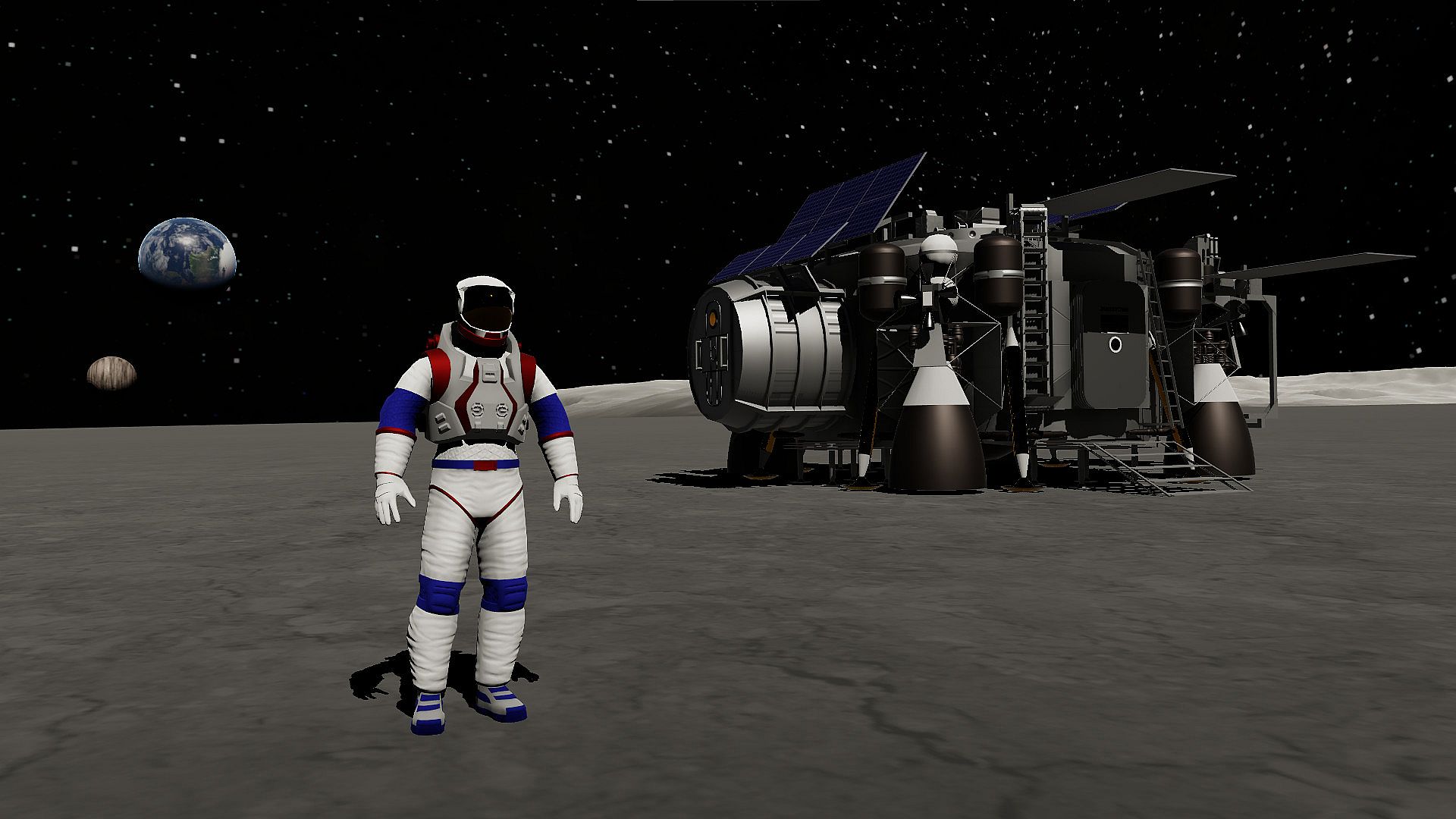
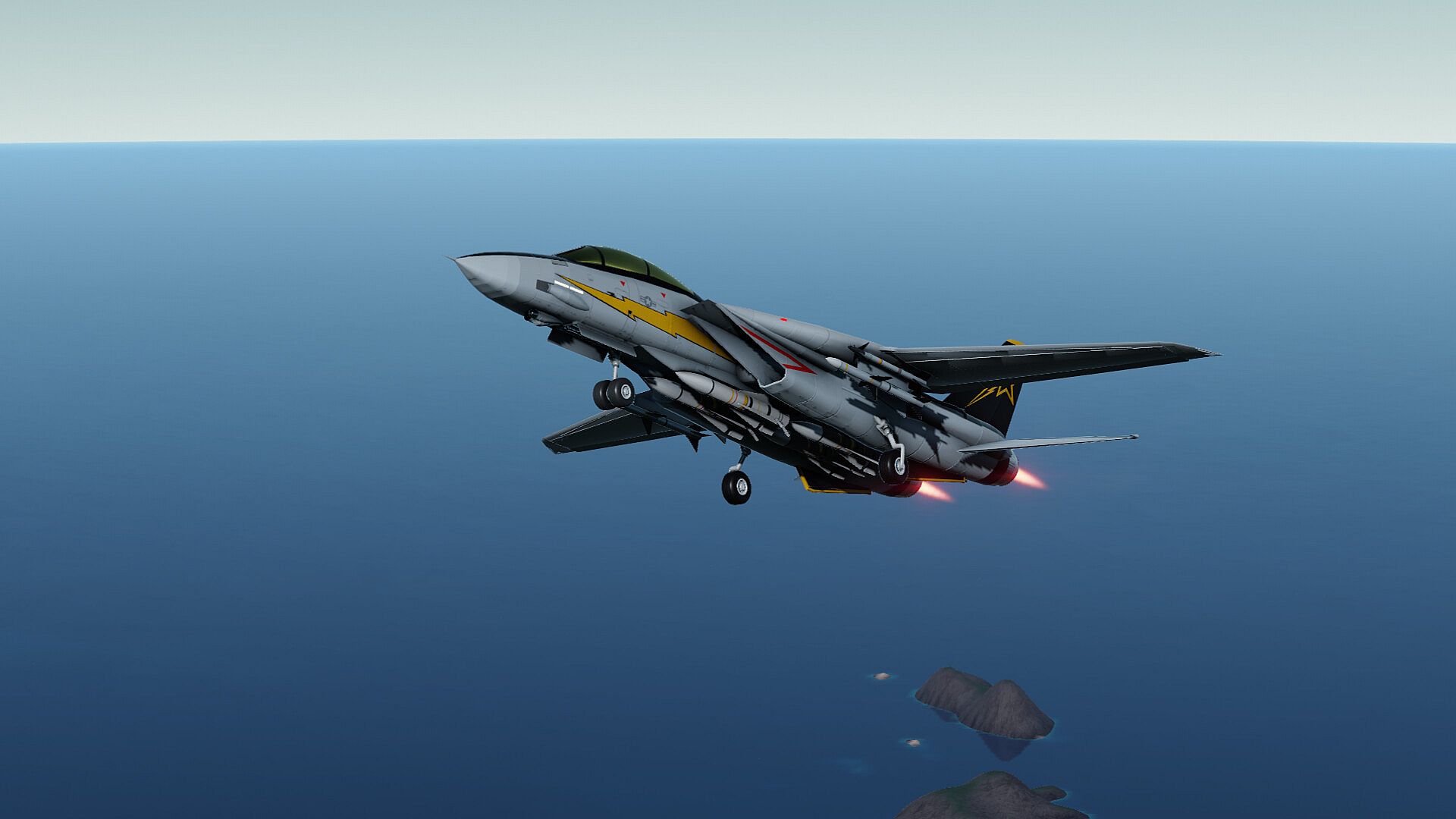
Once built, vehicles operate under realistic orbital mechanics and aerodynamics that update dynamically with craft changes. Time-warp speeds up orbital travel, and ion engines continue burning during these periods. The map view displays predicted orbits and encounters, while the nav sphere and traditional navball aid precise control. Re-entry produces heat effects and potential part damage. Astronauts equipped with jetpacks and grappling hooks allow direct EVA interaction.
Additional systems include fuel management with cross-feeds and priorities, docking in orbit, and persistent saves that retain prior launches across multiple custom locations. Performance analysis tools display metrics like delta-v, thrust-to-weight ratio, and specific impulse to guide iterative improvements.
Game Modes
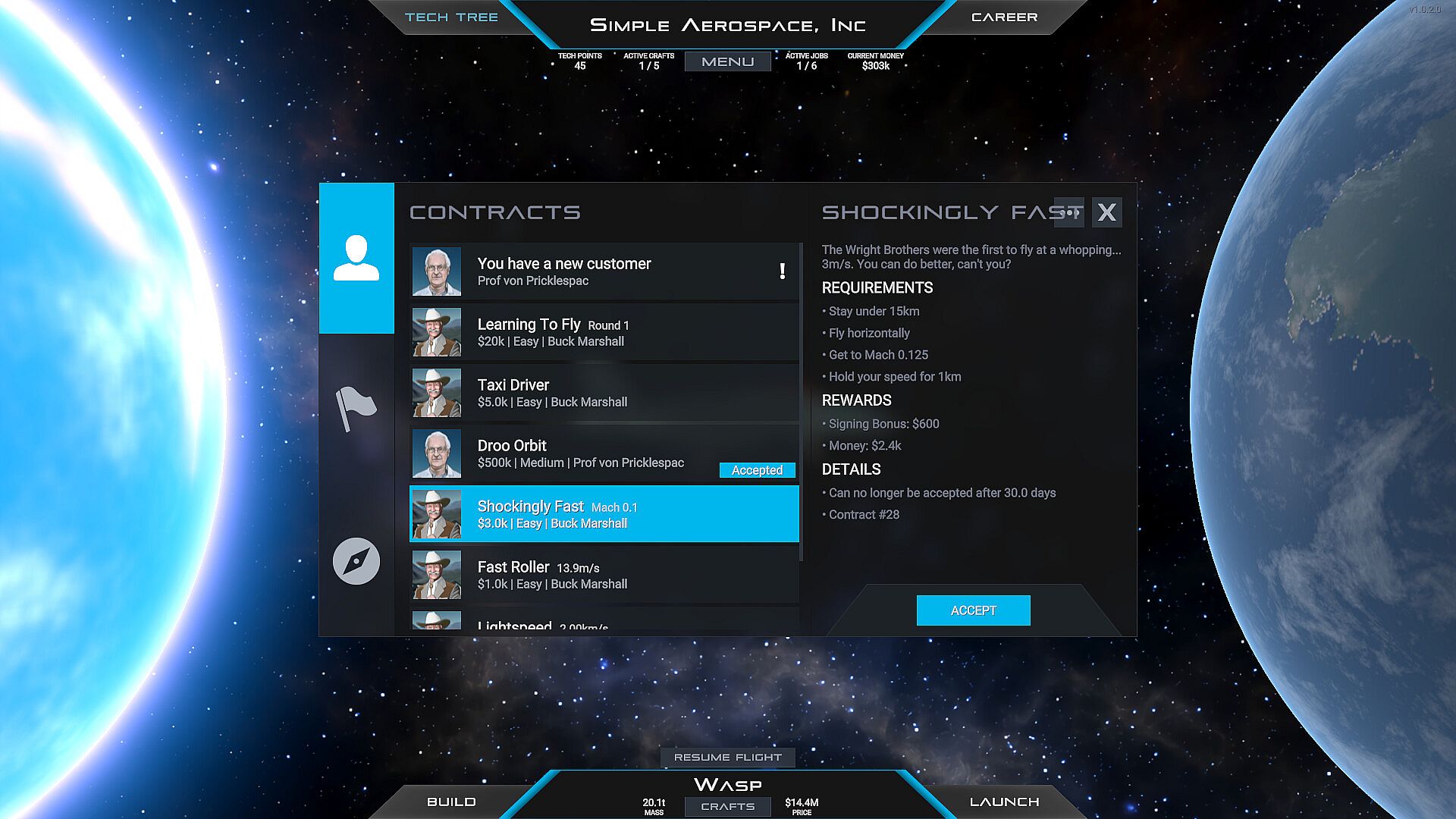
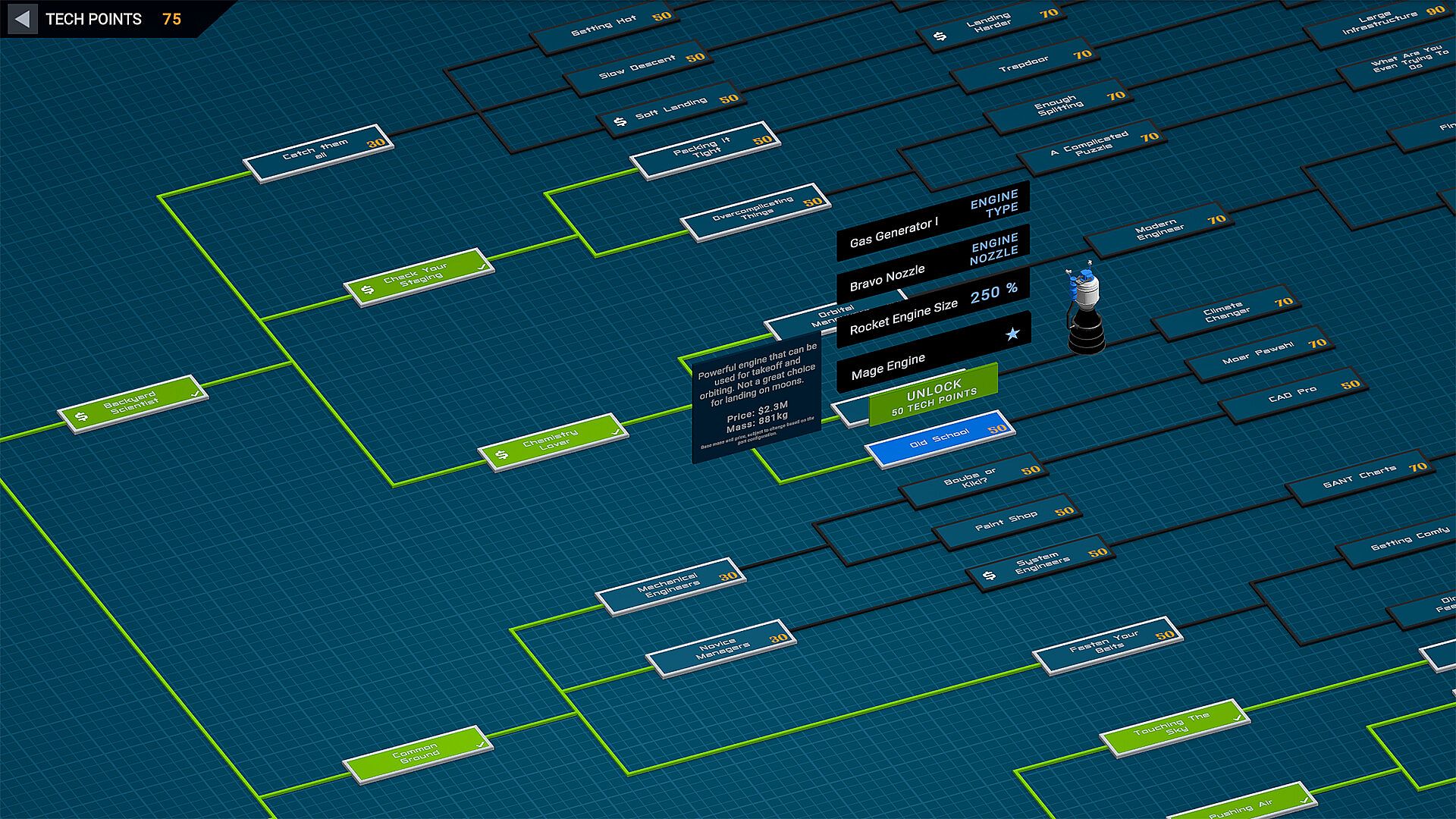
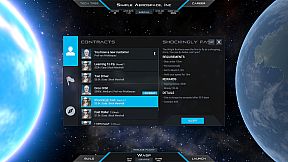
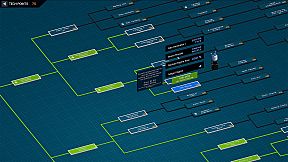
Career mode forms the structured progression path. Players manage an aerospace company, complete contracts for income, and achieve milestones or explore landmarks to earn tech points that unlock items in the tech tree. A mix of hand-crafted and procedural contracts provides ongoing objectives, supported by interactive tutorials that cover basic construction and flight operations.
Sandbox mode offers unrestricted access to all parts and environments for free-form experimentation. Players can save custom launch sites or orbits and return to them in later sessions. Planet Studio serves as a dedicated creation tool with templates and advanced noise-layer modifiers for generating unique stars, planets, moons, and entire systems, complete with terrain painting and biome adjustments.
Customization and Automation
Parts support extensive visual tweaks including custom colors, reflectivity, emissiveness, and texture styles. Subassemblies save for reuse across projects. Engines receive visual feedback tied directly to performance settings, and solar panels, landing gear, pistons, and jet engines resize to match design needs.
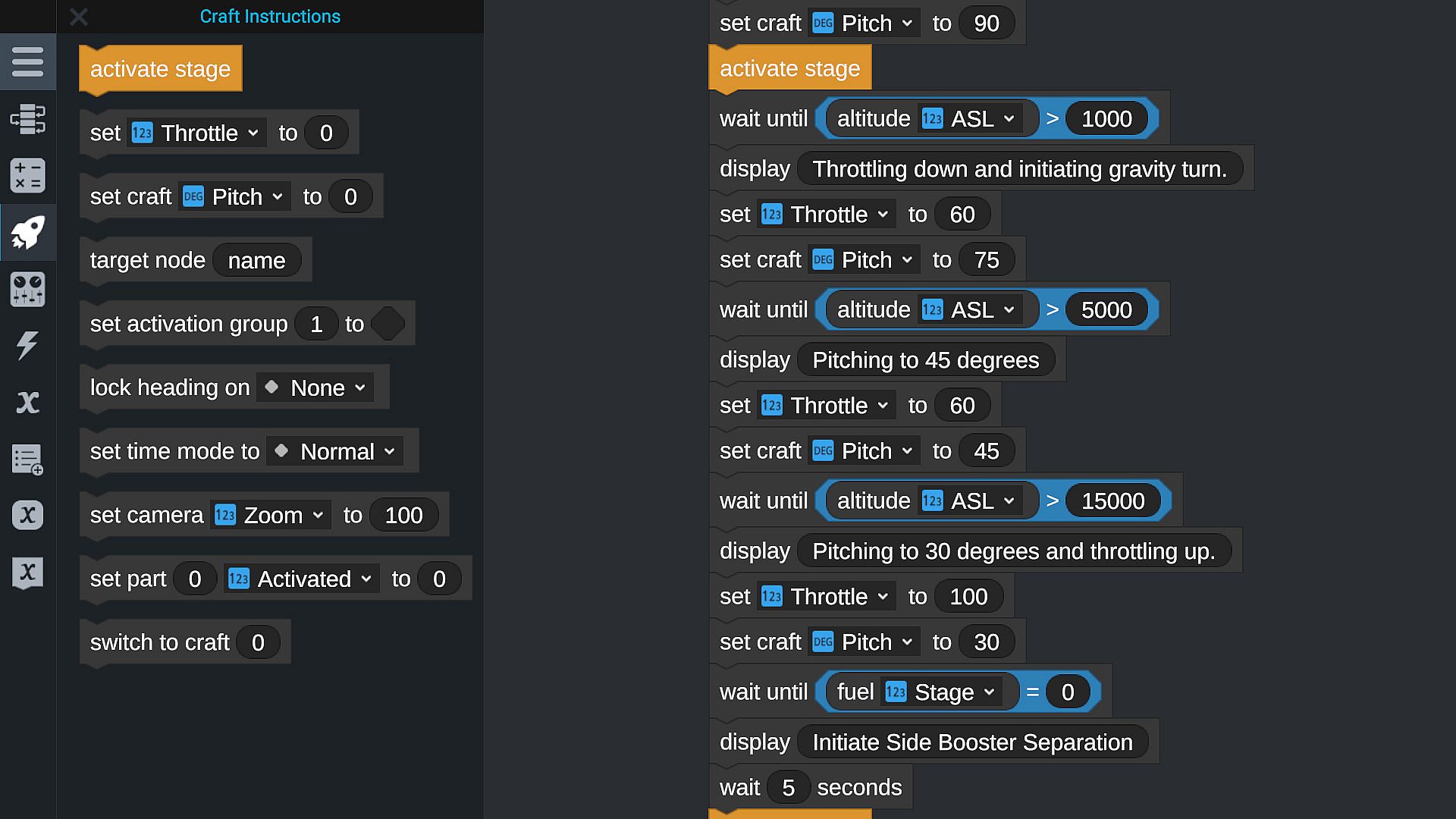
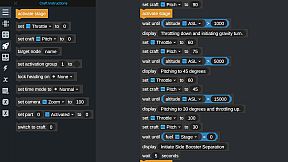
Vizzy provides a visual programming interface built specifically for the game. Drag-and-drop code blocks enable telemetry logging, automated sequences, custom multi-function displays, and other behaviors. This system introduces concepts in programming, mathematics, and physics through practical application on player-built vehicles.
Community and Expansion
An integrated sharing system lets players upload and download crafts, sandboxes, planets, and mods. Builders progress through community ranks based on contributions and feedback. The game supports both single-player campaigns and ongoing personal projects without requiring online connectivity for core features.
Is It Worth Playing?
Juno: New Origins suits players who enjoy detailed vehicle construction and realistic aerospace simulation. The combination of career progression through contracts and milestones with open-ended sandbox building and planet creation delivers substantial depth for both newcomers guided by tutorials and experienced users who explore engine tuning or orbital planning. Recent updates continue to refine core systems such as the map view and engine visuals, maintaining active development. Those drawn to physics-driven building experiences will find consistent engagement across its verified modes and tools.