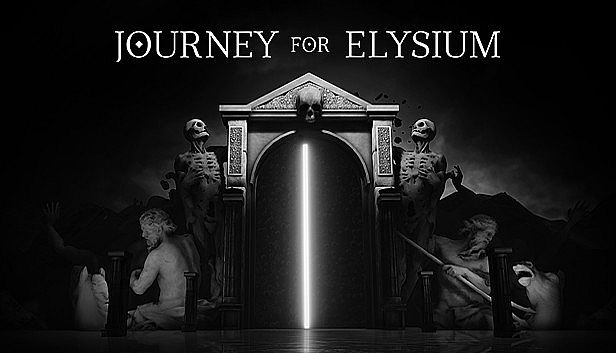













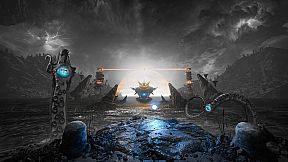
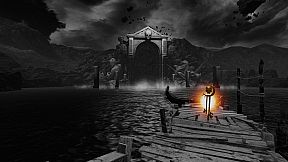
Journey For Elysium is a story-driven VR adventure game that blends indie, casual, simulation, and adventure elements into a single-player experience set in a mythological underworld. Players assume the role of an unnamed hero who has died and now rows a boat along the River Styx, caught between life and death while seeking redemption in Elysium. The narrative unfolds through exploration and puzzle-solving as the protagonist uncovers details about his own past amid environments drawn from Greek and Roman mythology.
Gameplay
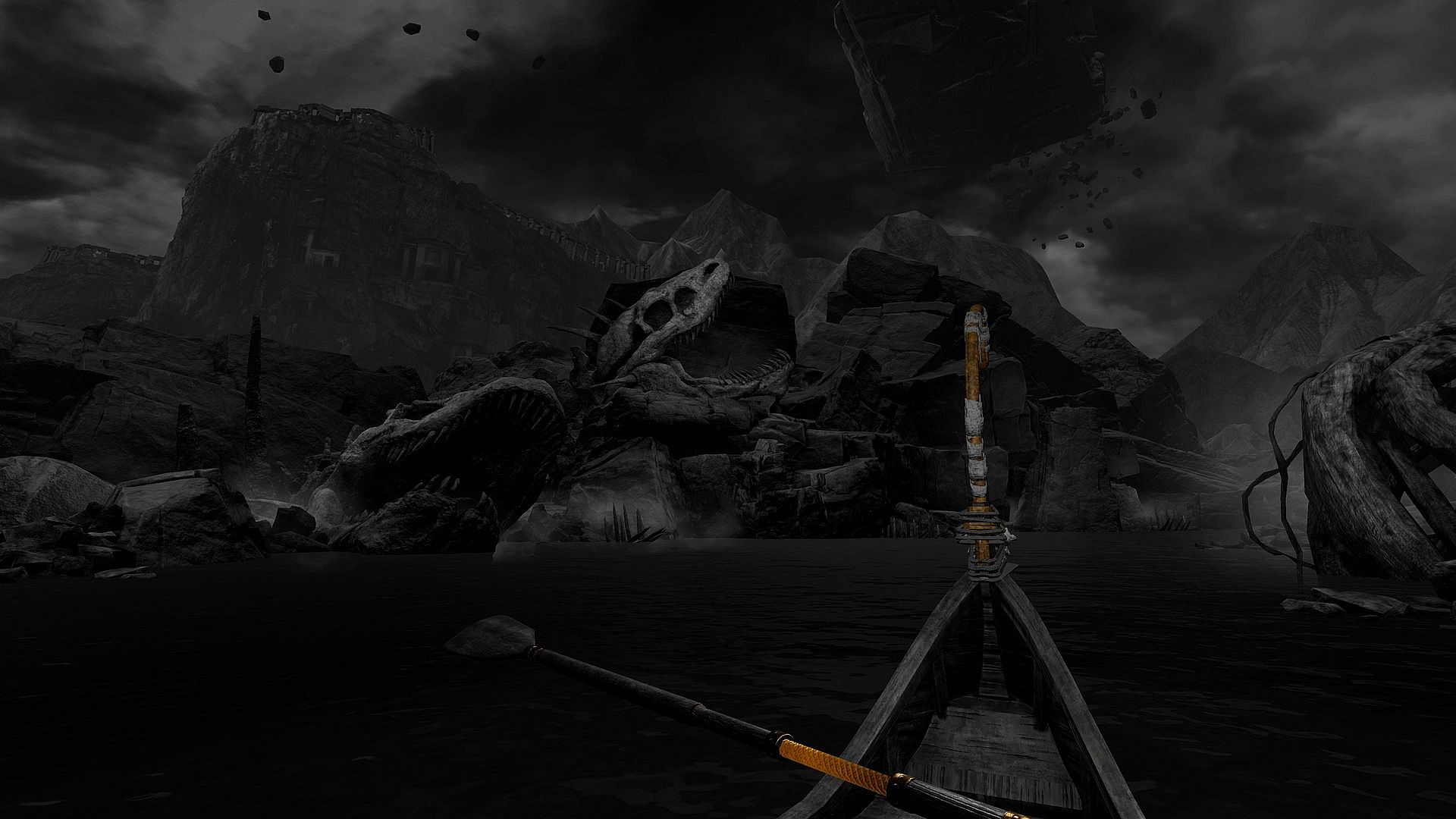
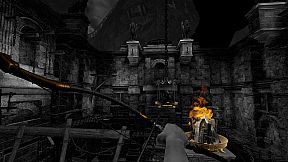
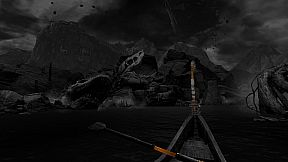
The core loop centers on rowing across the Styx as the primary method of travel, a mechanic designed to feel natural and comfortable in virtual reality. Between rowing segments, players examine surroundings for clues that advance the story and unlock new areas. Puzzles draw from classic adventure game traditions, requiring observation and logical connections to overcome increasingly elaborate challenges and tests. These elements combine with light platforming and environmental interaction to maintain forward momentum without overwhelming complexity.
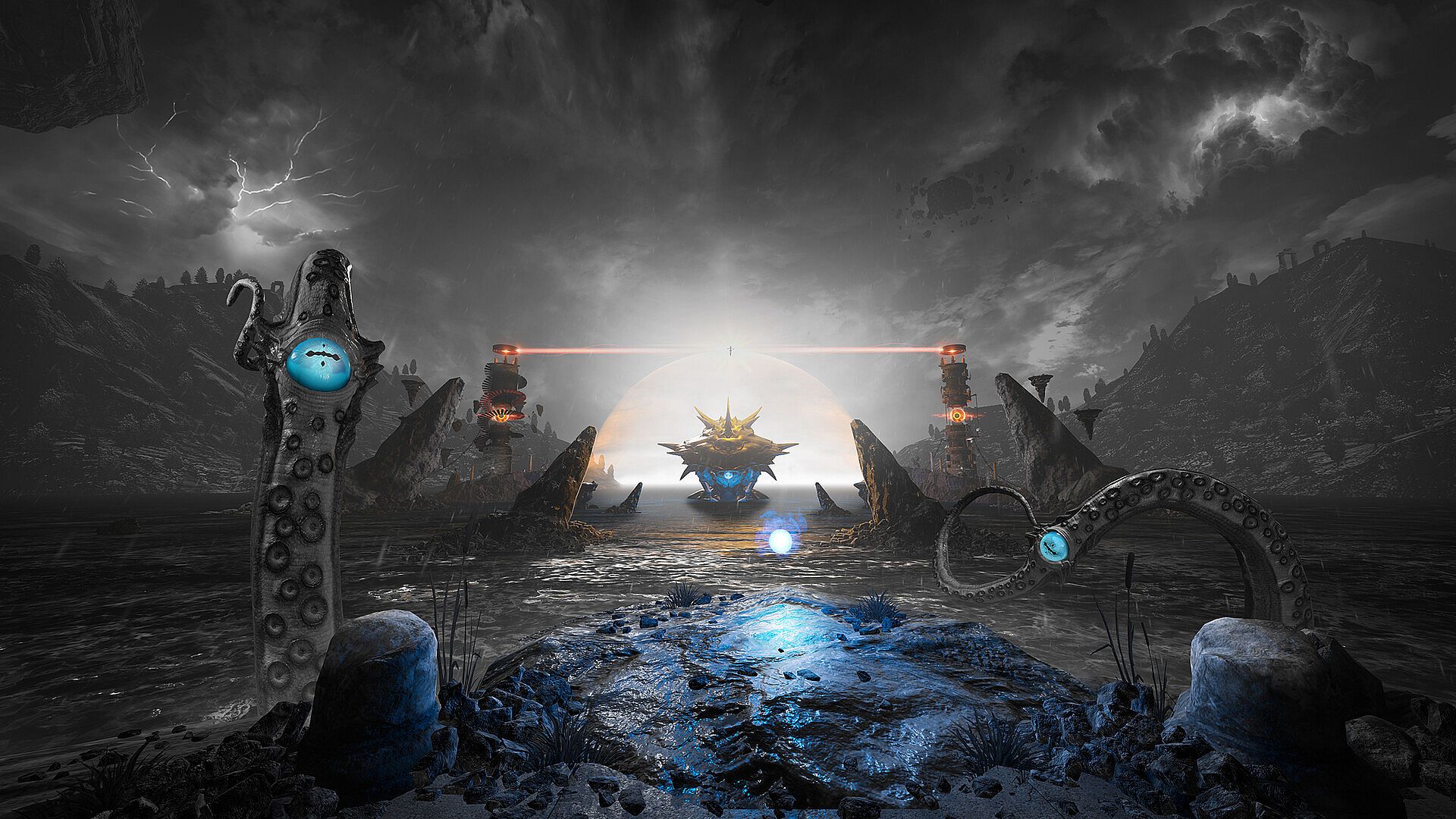
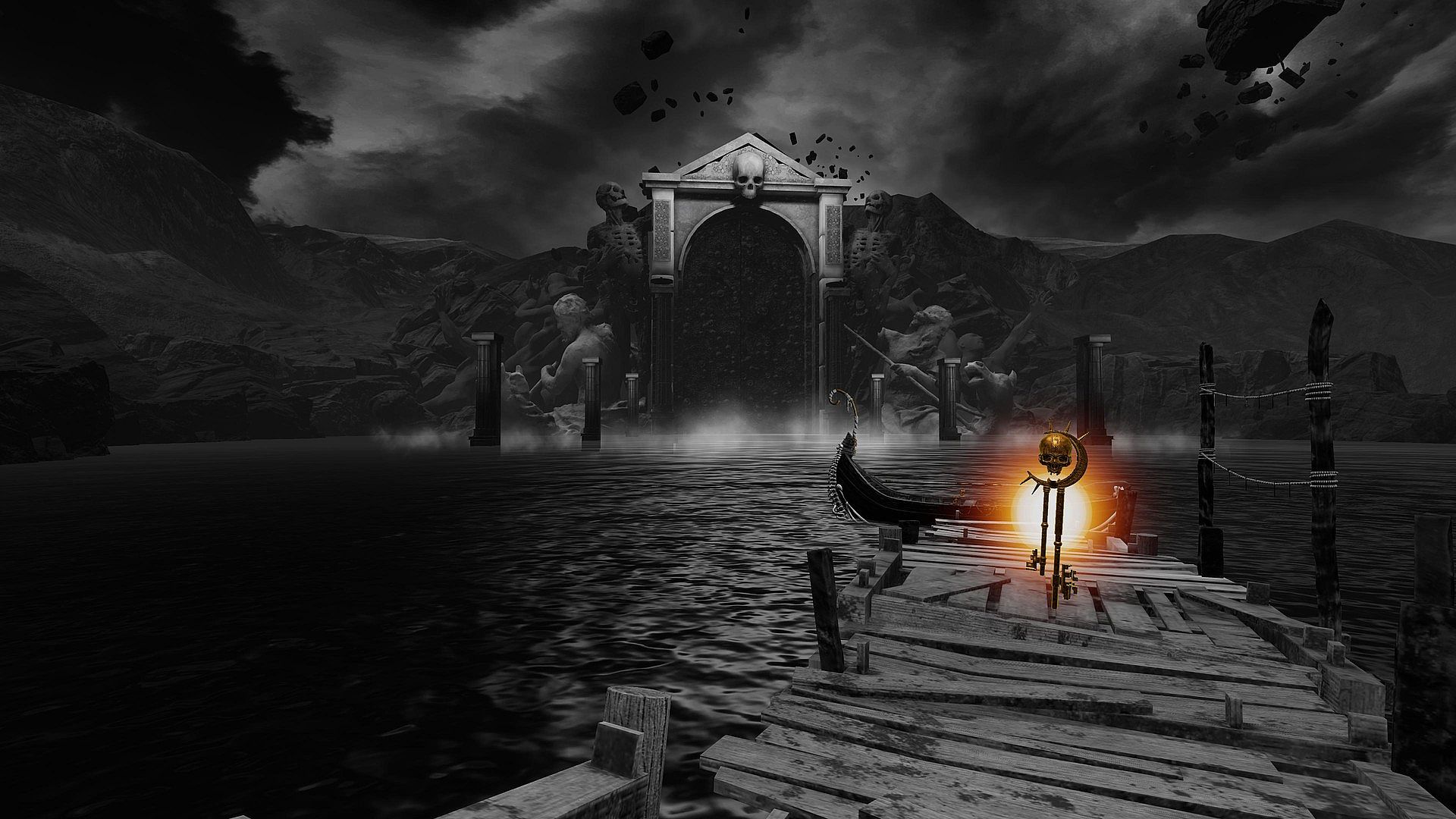
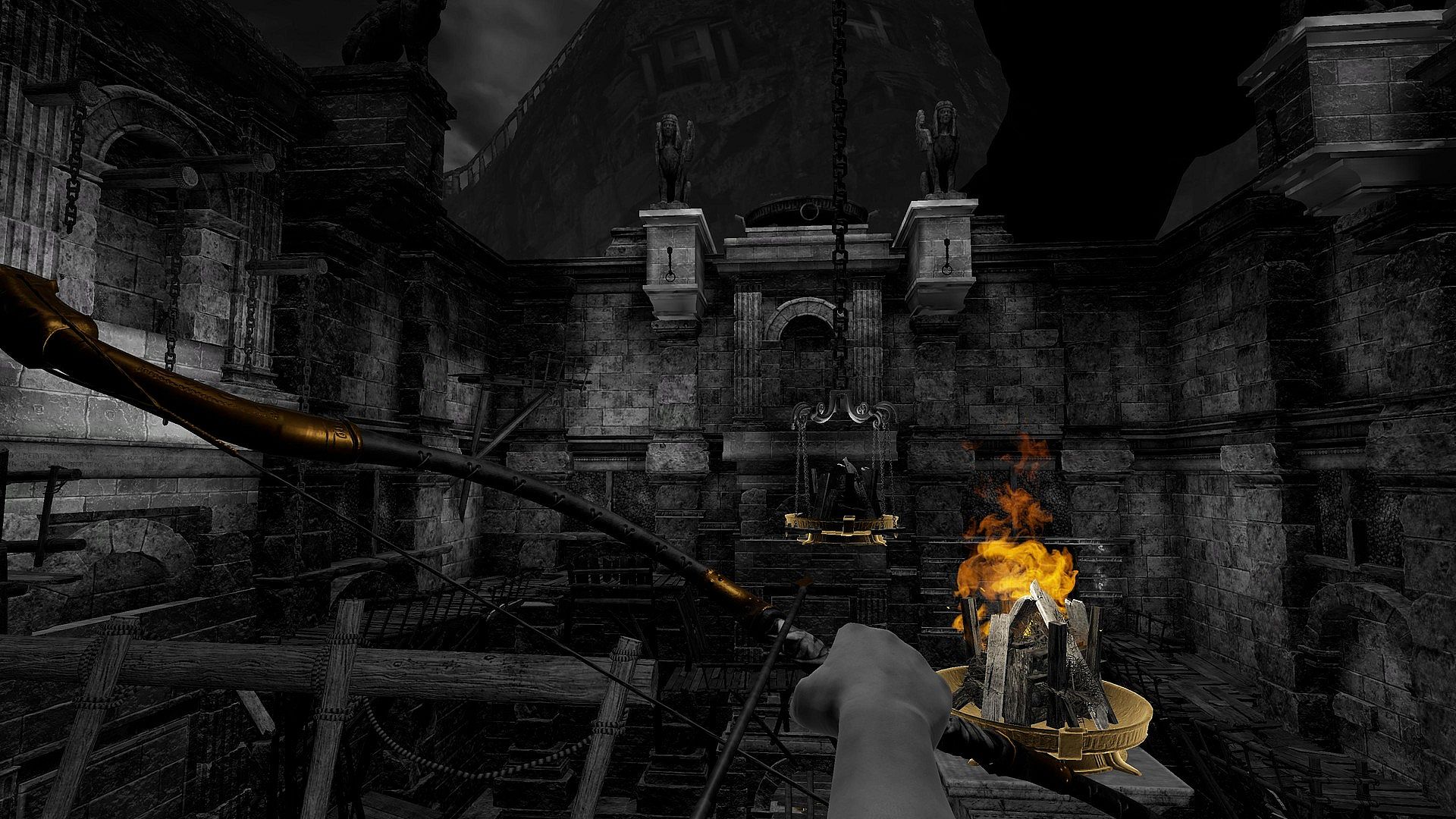
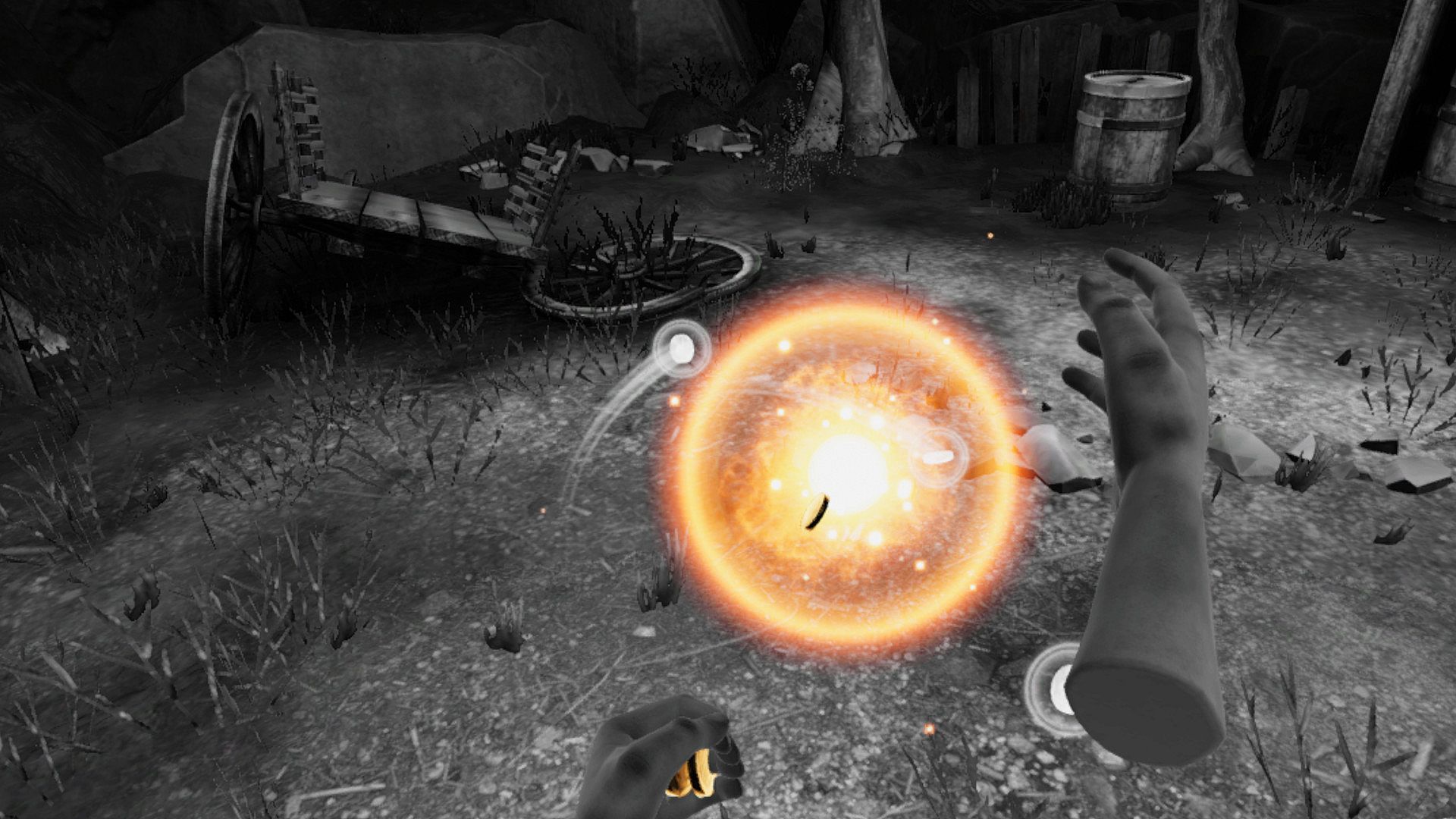
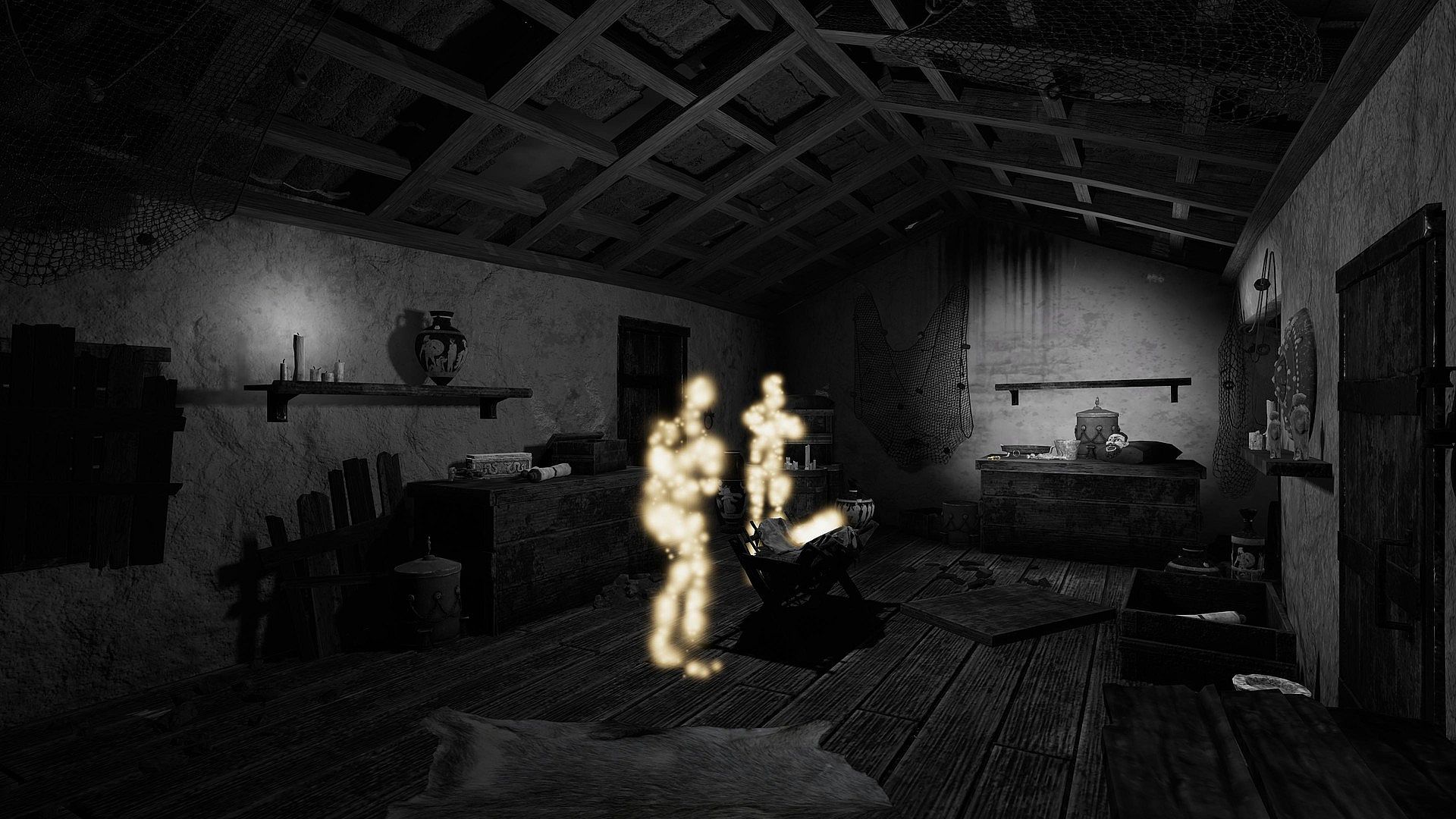
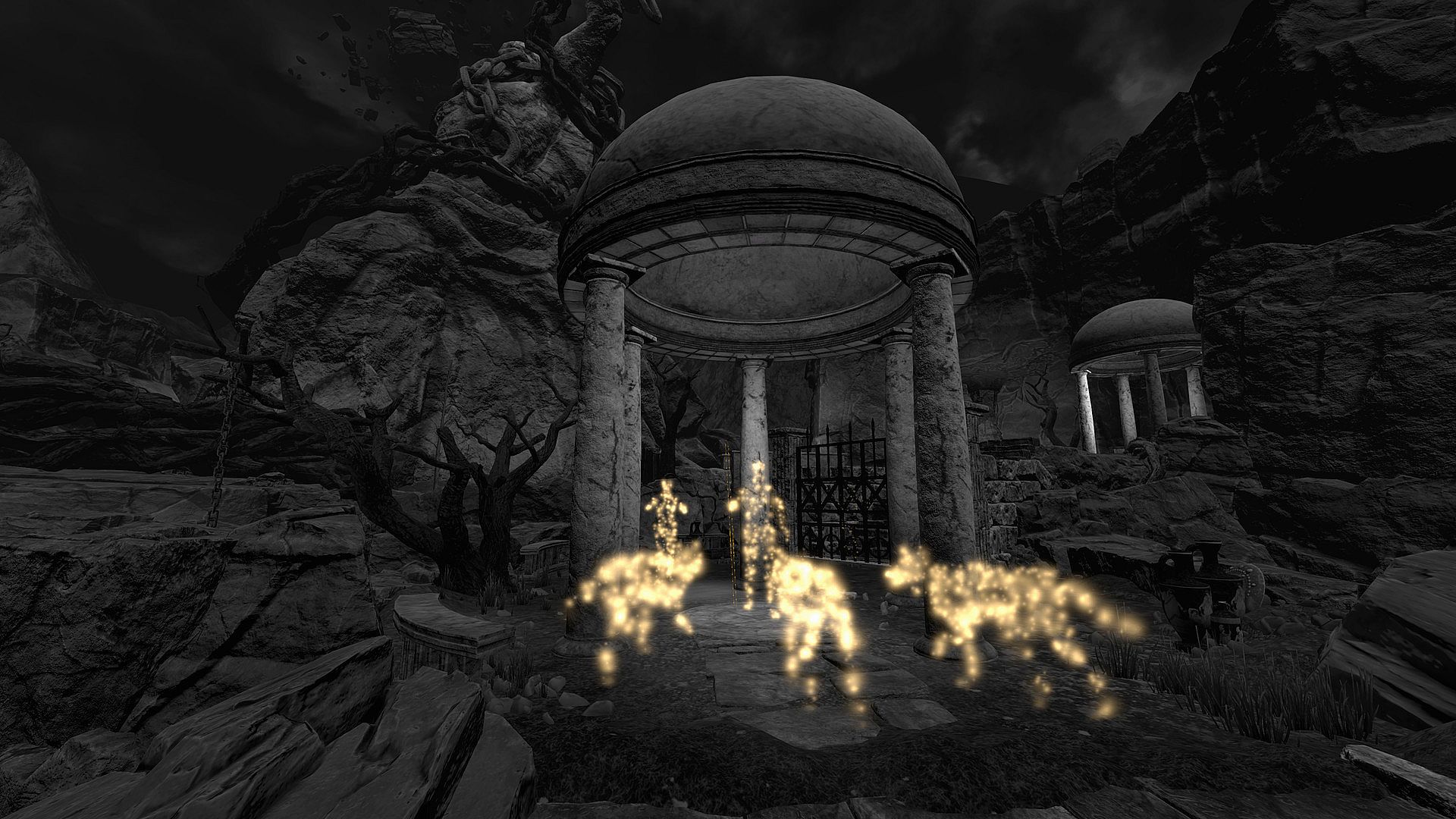
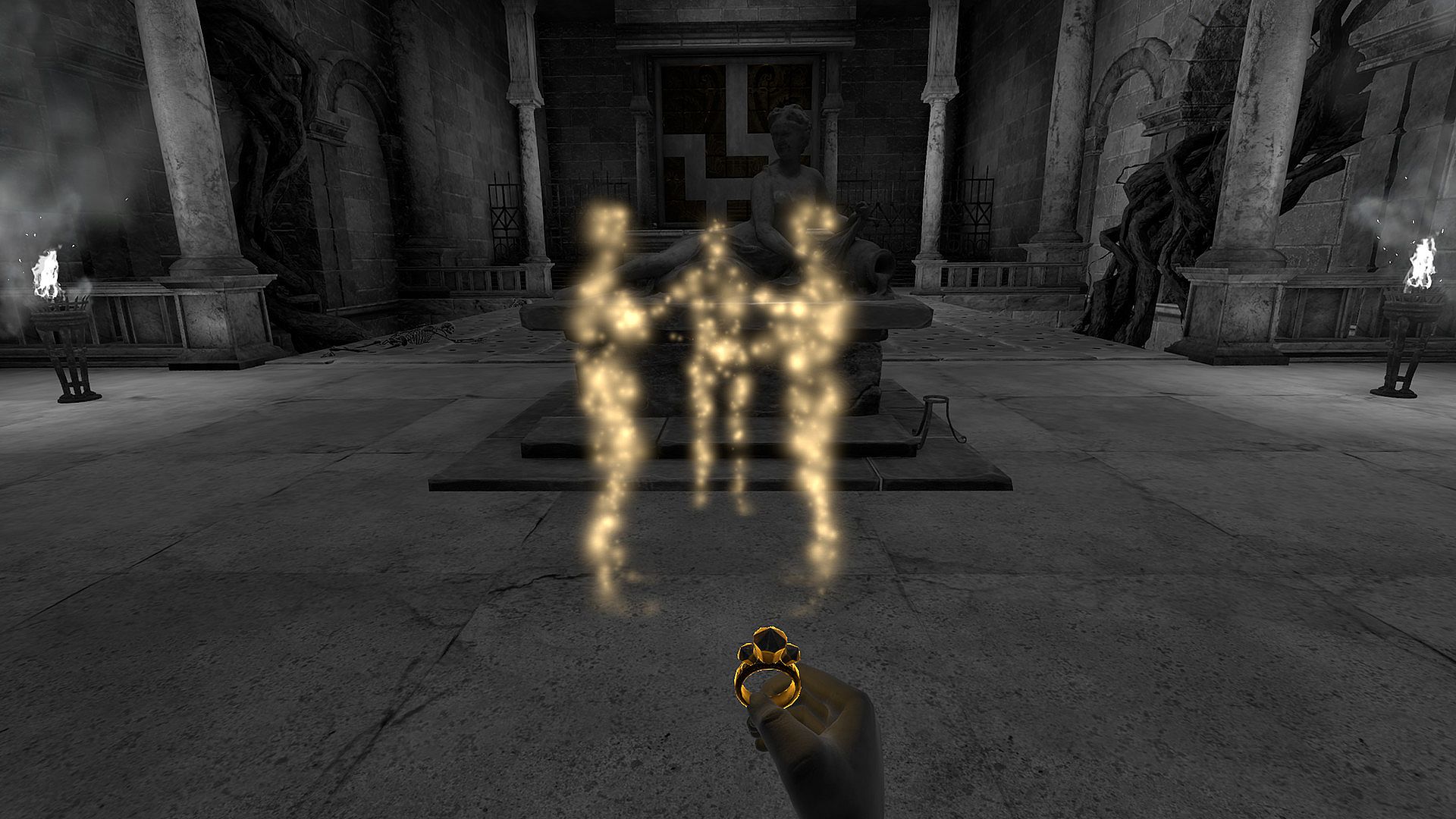
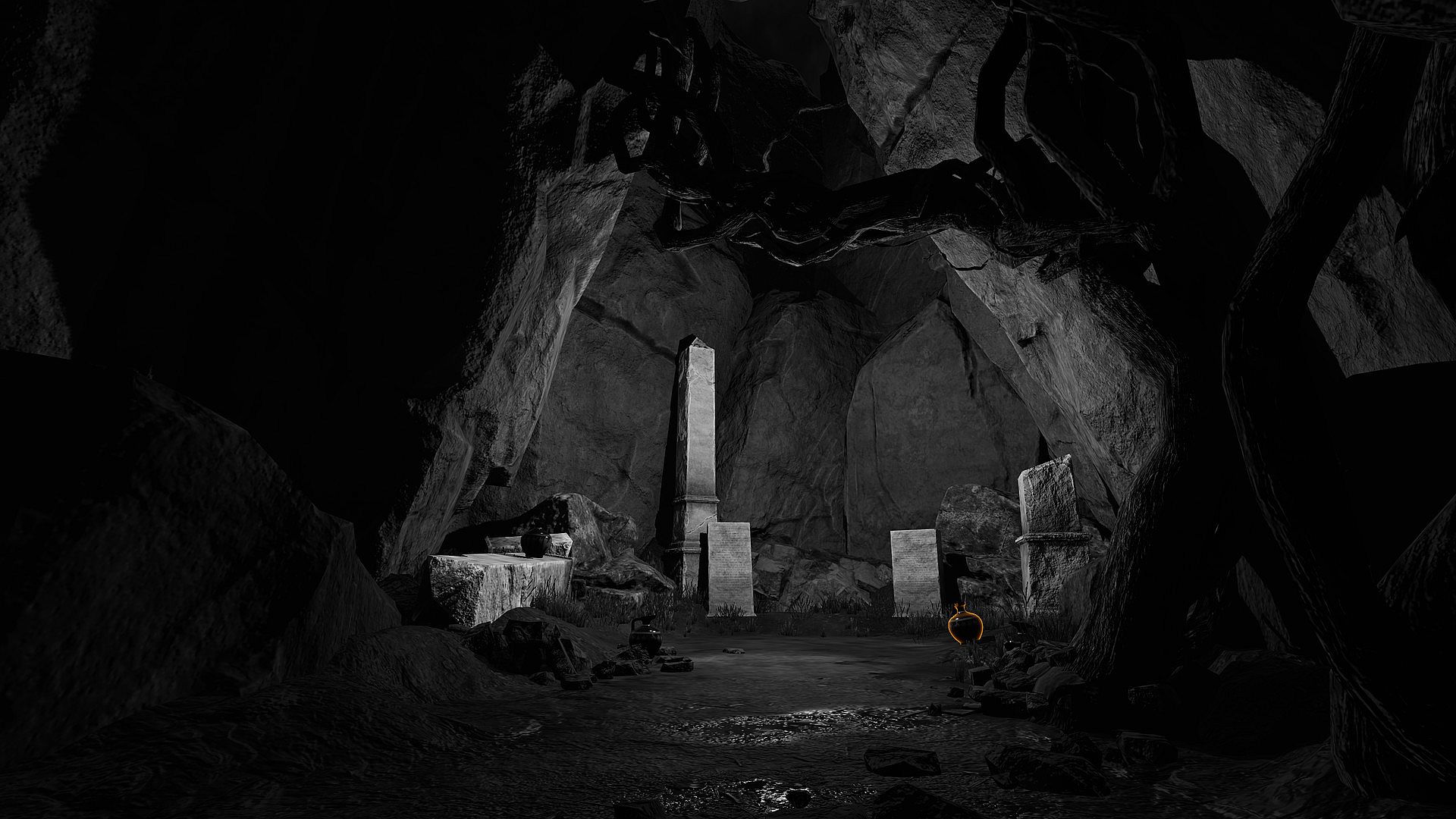
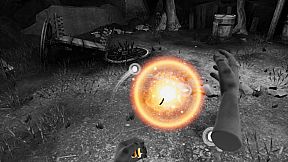
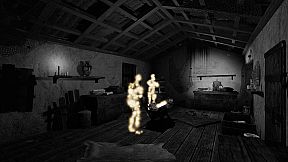
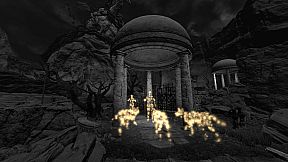
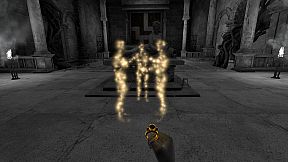
Progression relies on piecing together narrative fragments while navigating the underworld. The experience emphasizes discovery through careful examination of black-and-white environments accented by golden highlights, which serve both aesthetic and functional purposes by guiding attention to key objects or paths. This setup creates a deliberate pace suited to players who appreciate methodical exploration over fast action.
Game Modes
When not actively rowing, the game provides two distinct movement options to accommodate different player preferences and comfort levels. Immersive Mode uses analog controls for walking through the environment, offering a more continuous sense of presence. Comfort Mode instead relies on teleportation to reposition the player, reducing the risk of motion sickness for those sensitive to VR locomotion.
These options apply throughout the non-rowing sections and allow customization based on individual hardware setup or physical tolerance. No additional modes such as multiplayer or competitive variants exist, keeping the focus entirely on the solitary journey through the mythological setting.
Art Style and Atmosphere
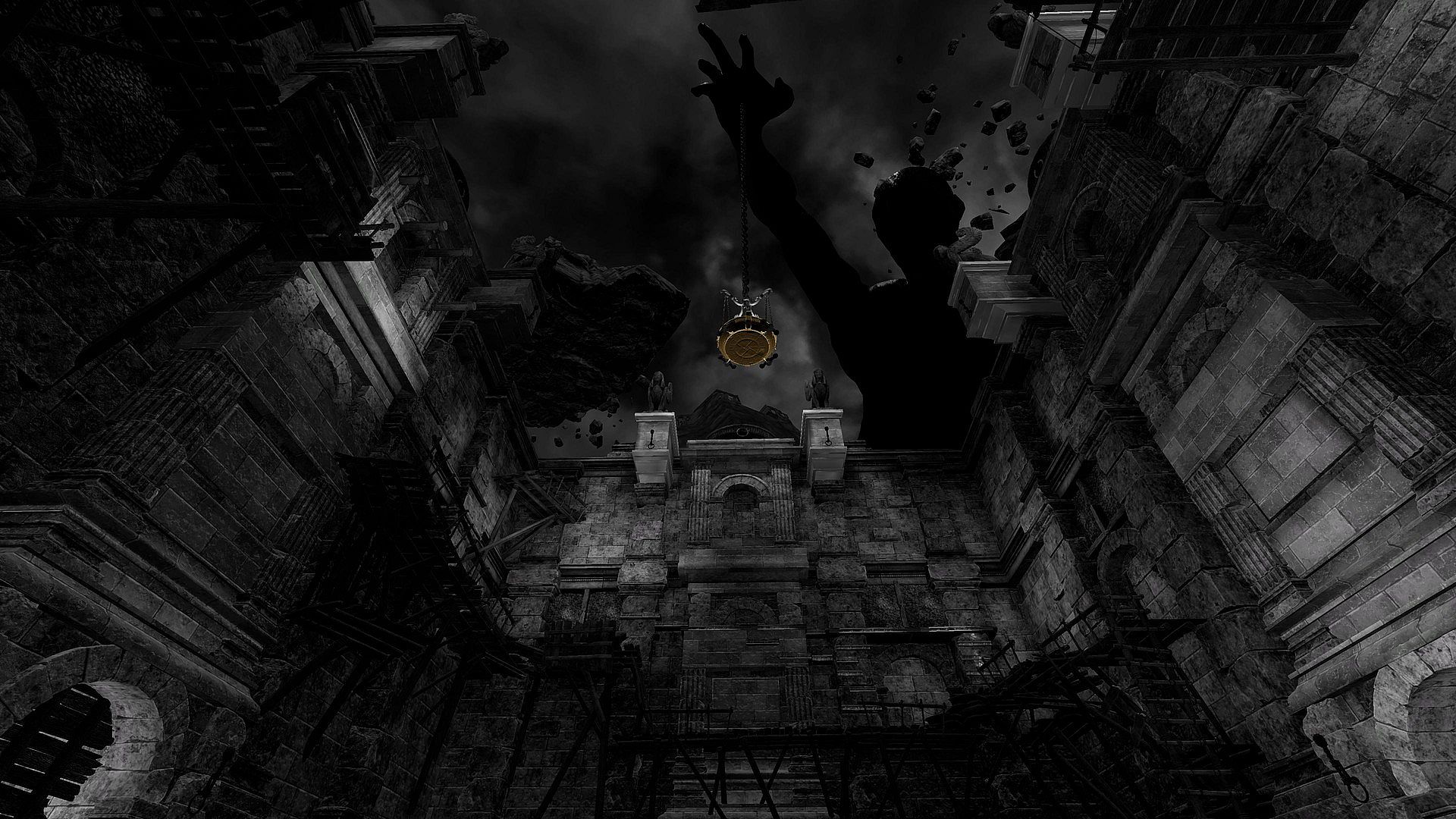
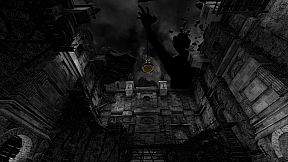
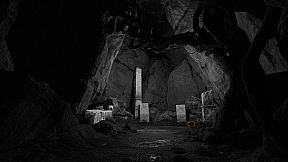
The visual presentation adopts a high-contrast black-and-white aesthetic directly inspired by Gustave Doré's illustrations, which effectively conveys the somber tone of the afterlife. Occasional golden accents break the monochrome palette and highlight interactive elements or narrative focal points. This artistic choice reinforces the game's themes of transition and redemption while maintaining clarity in VR, where visual cues must remain readable during head movement.
Environments reflect a blend of historical and mythical influences from classical antiquity, with details that reward close inspection. The overall design prioritizes atmosphere over dense detail, resulting in a cohesive world that supports the story without distraction.
Is It Worth Playing?
Player reception on the primary distribution platform stands at Very Positive, with 81 percent approval from 55 reviews. Feedback highlights the narrative strength, distinctive art direction, and the comfort provided by the movement options as standout qualities. Some players note that the puzzles lean toward simplicity, which may appeal to those new to adventure games or seeking a shorter, focused experience.
The title suits individuals interested in narrative-driven VR titles that emphasize puzzle-solving and mythological themes over combat or open-ended simulation. Its release in 2019 means it remains available as a complete, self-contained package without ongoing seasonal content or expansions. Those who value atmospheric storytelling and accessible VR mechanics will find it aligns well with those preferences, while players seeking high difficulty or extensive replayability may prefer alternatives with more layered systems.