




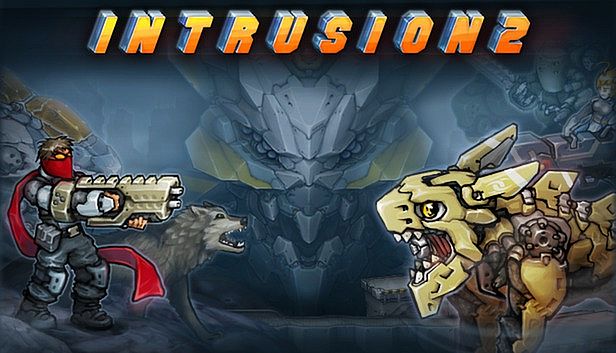













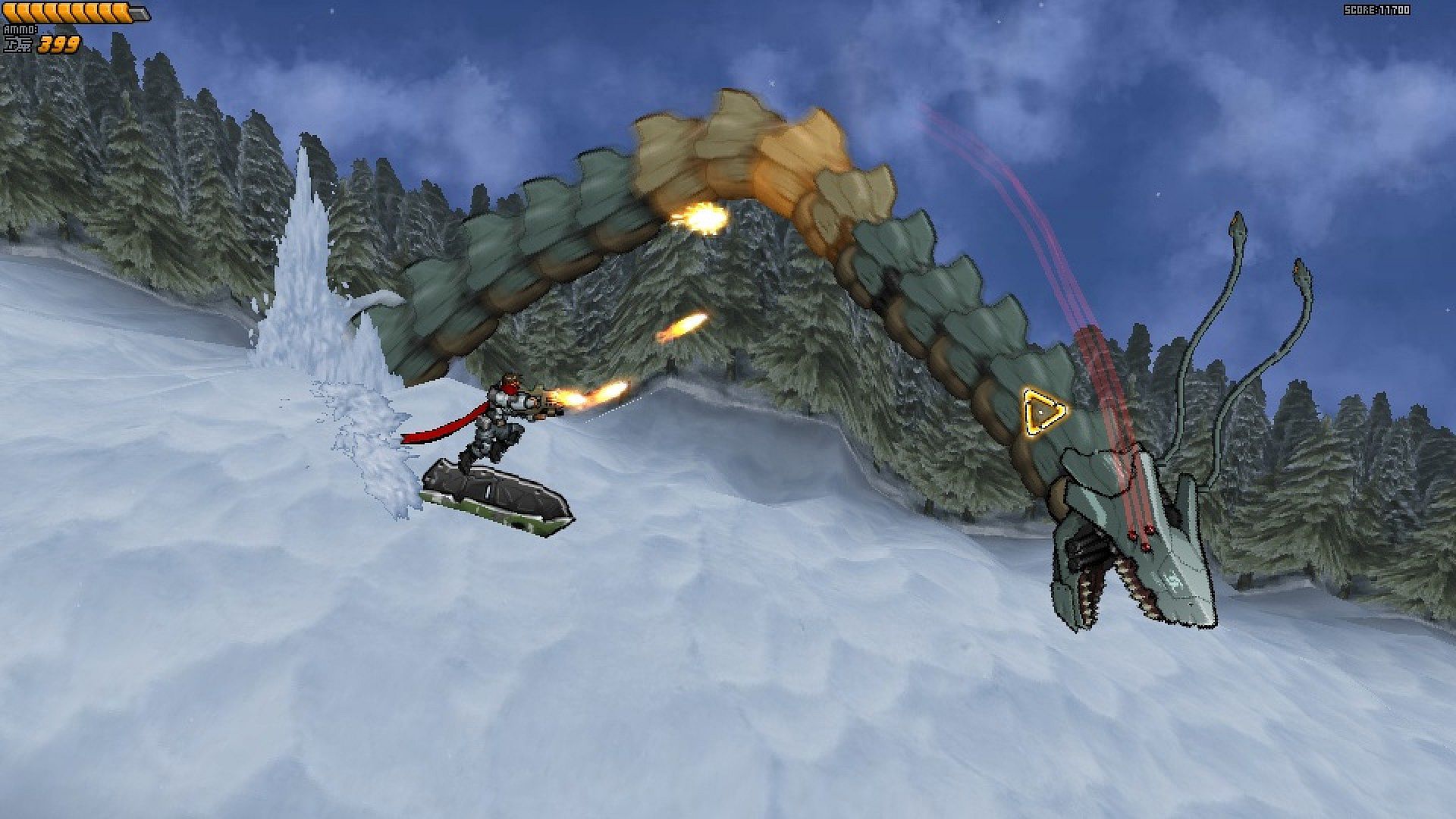
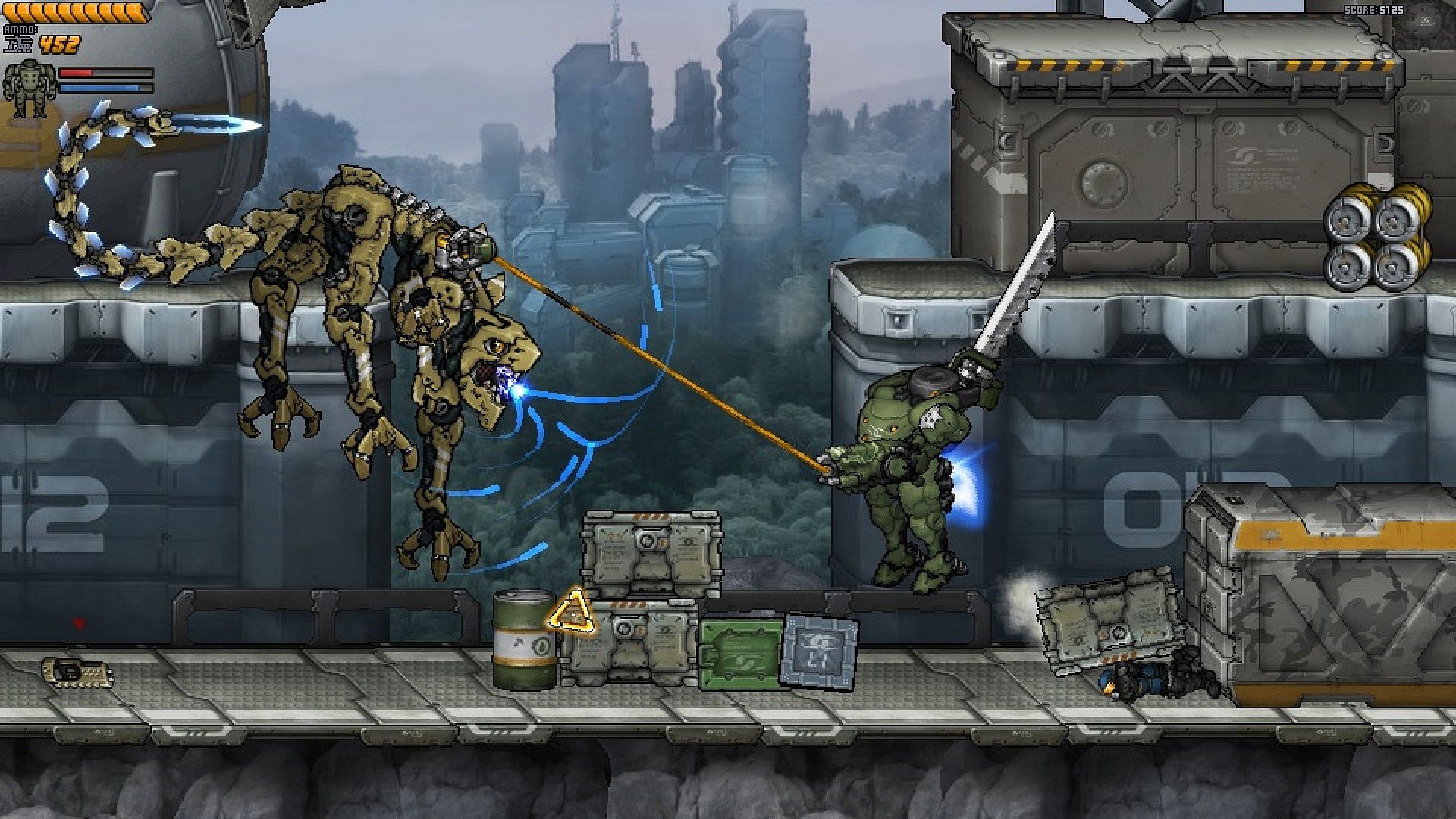
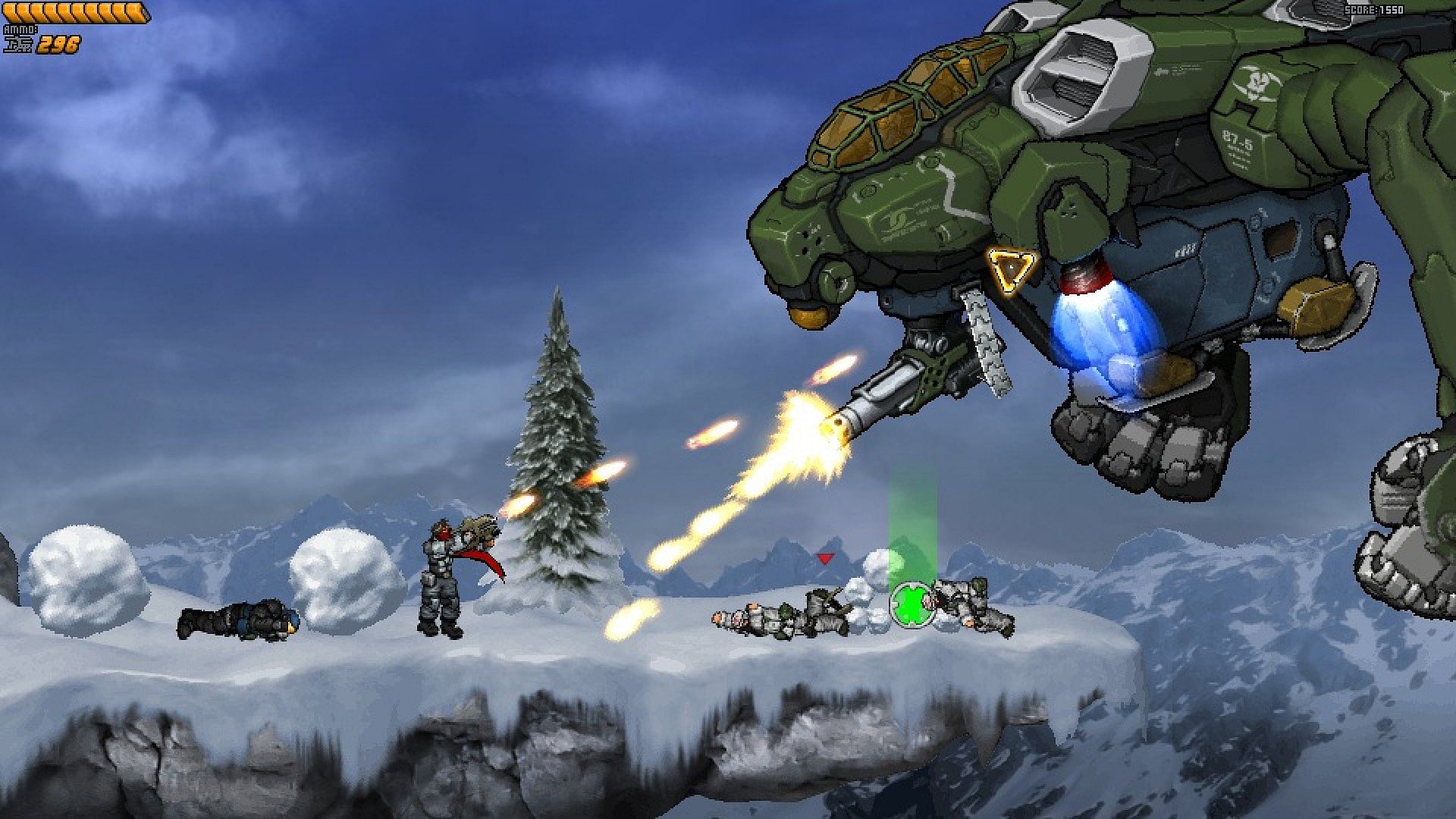
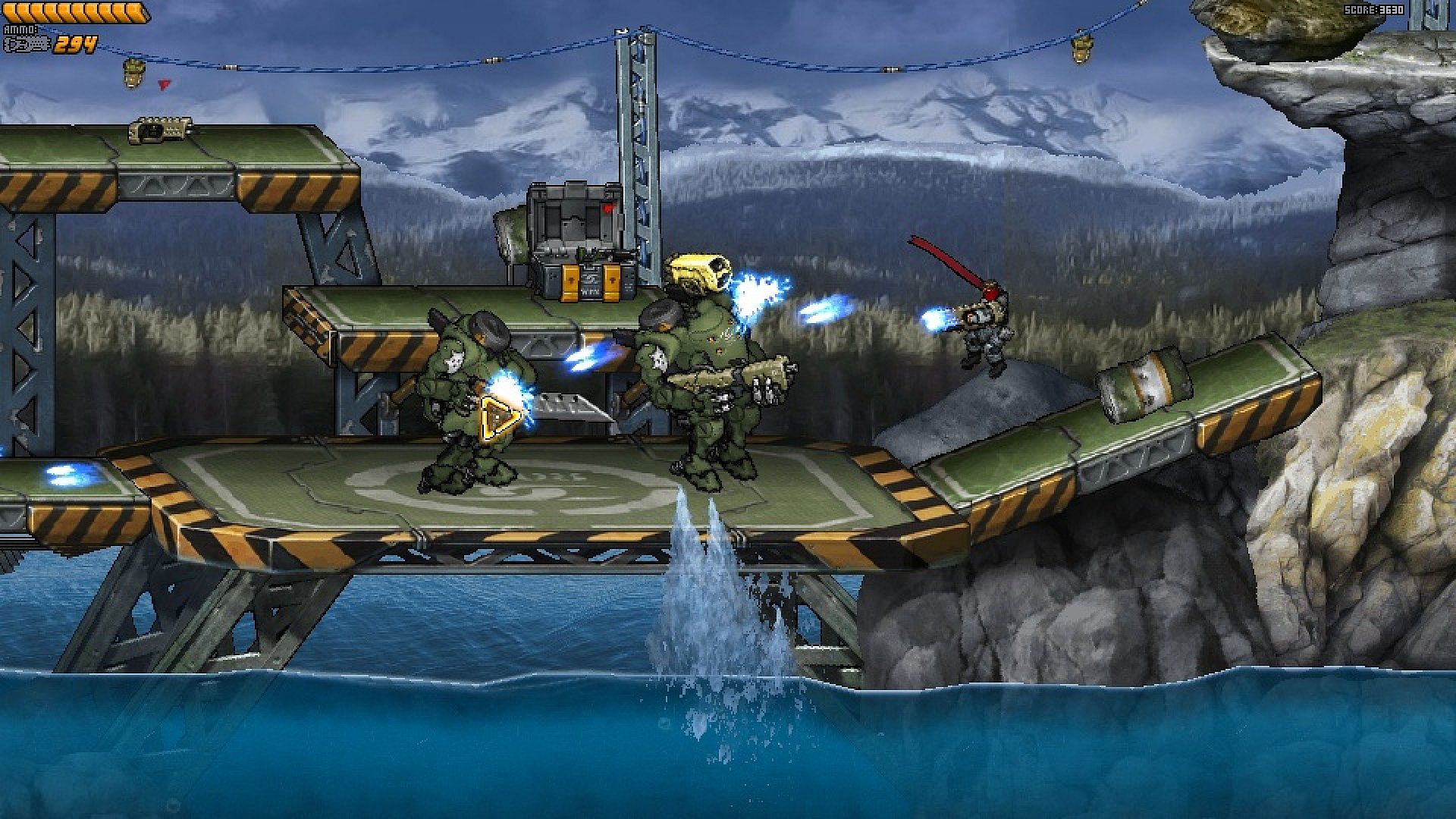
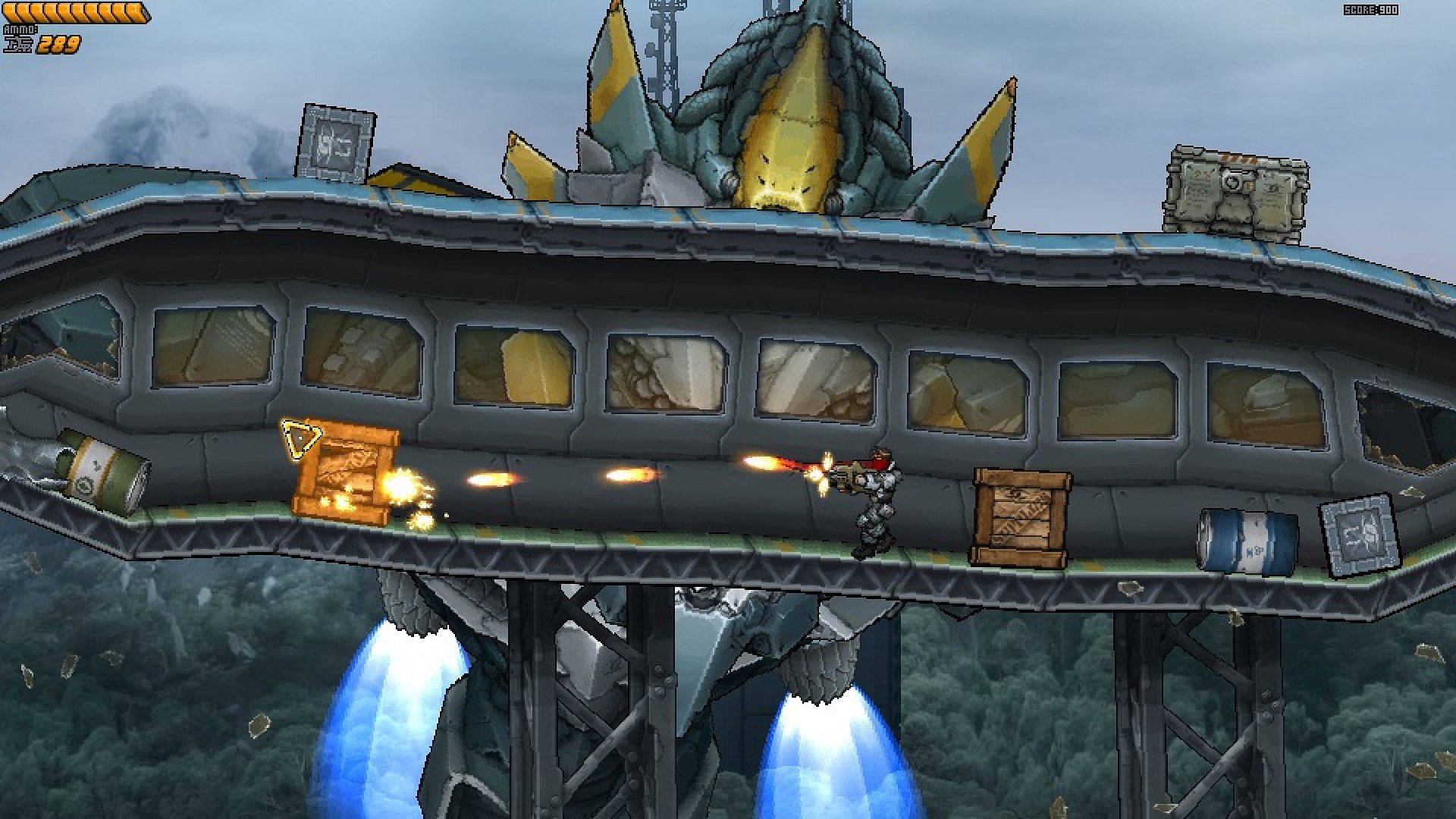
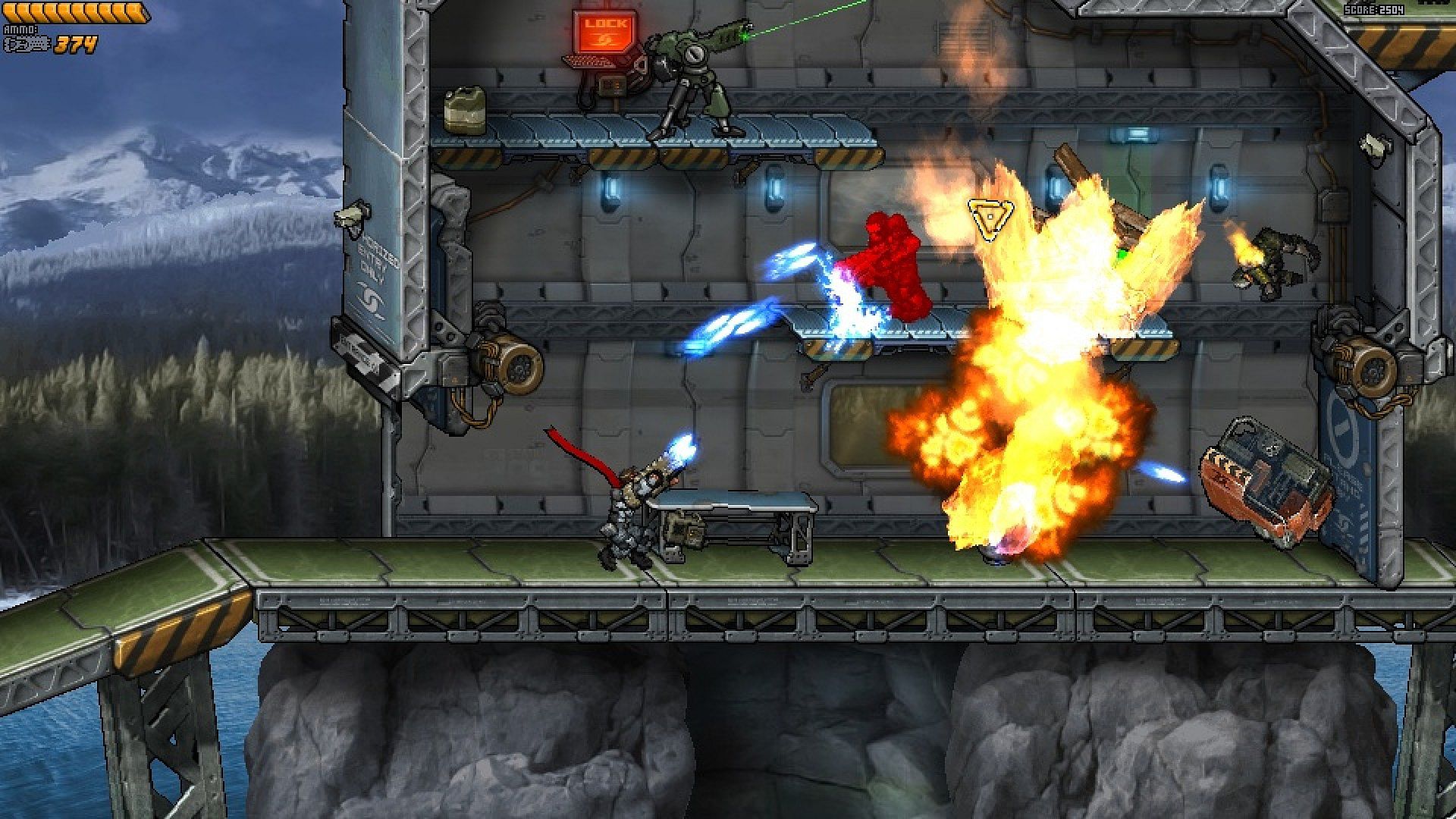
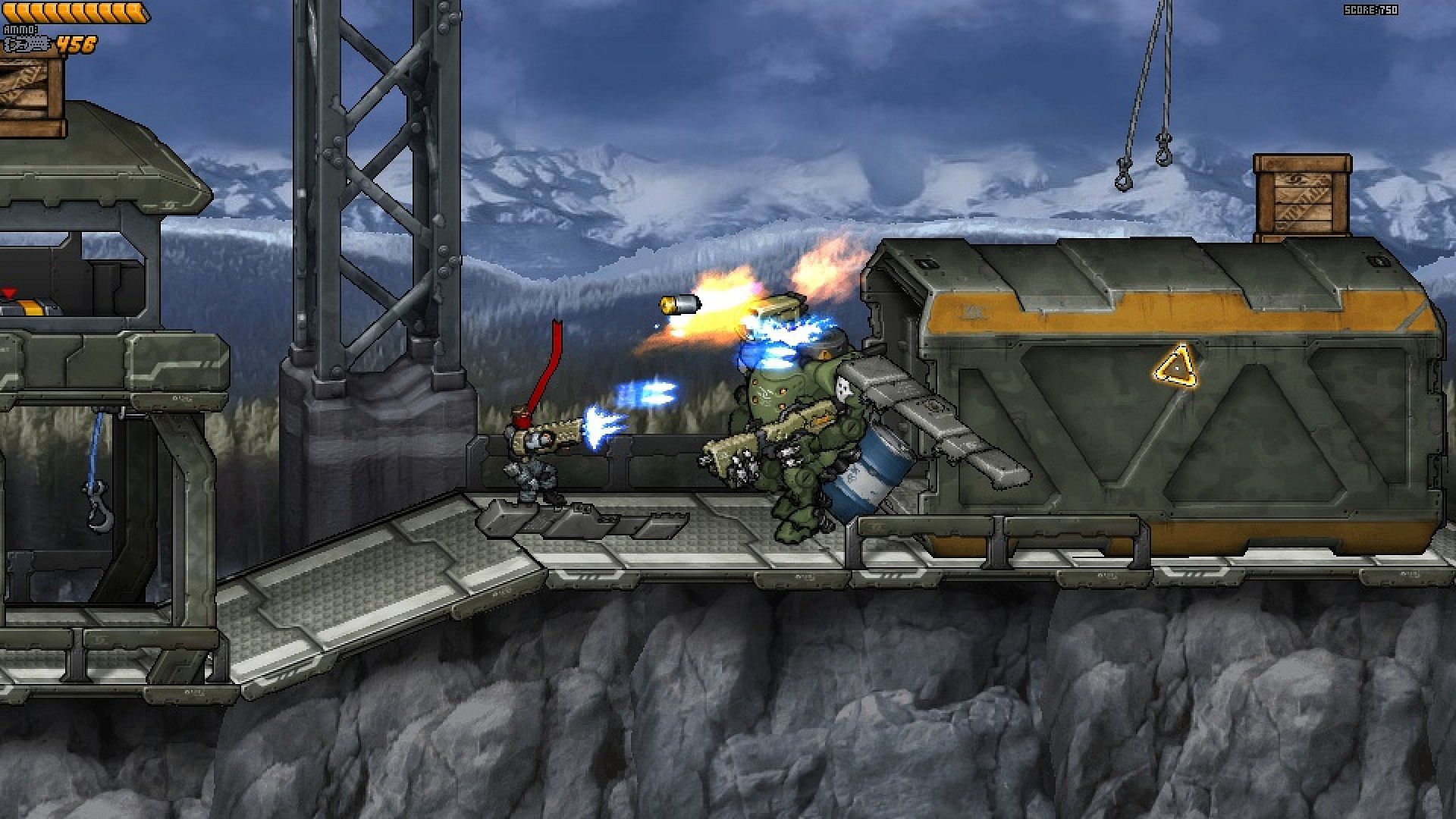
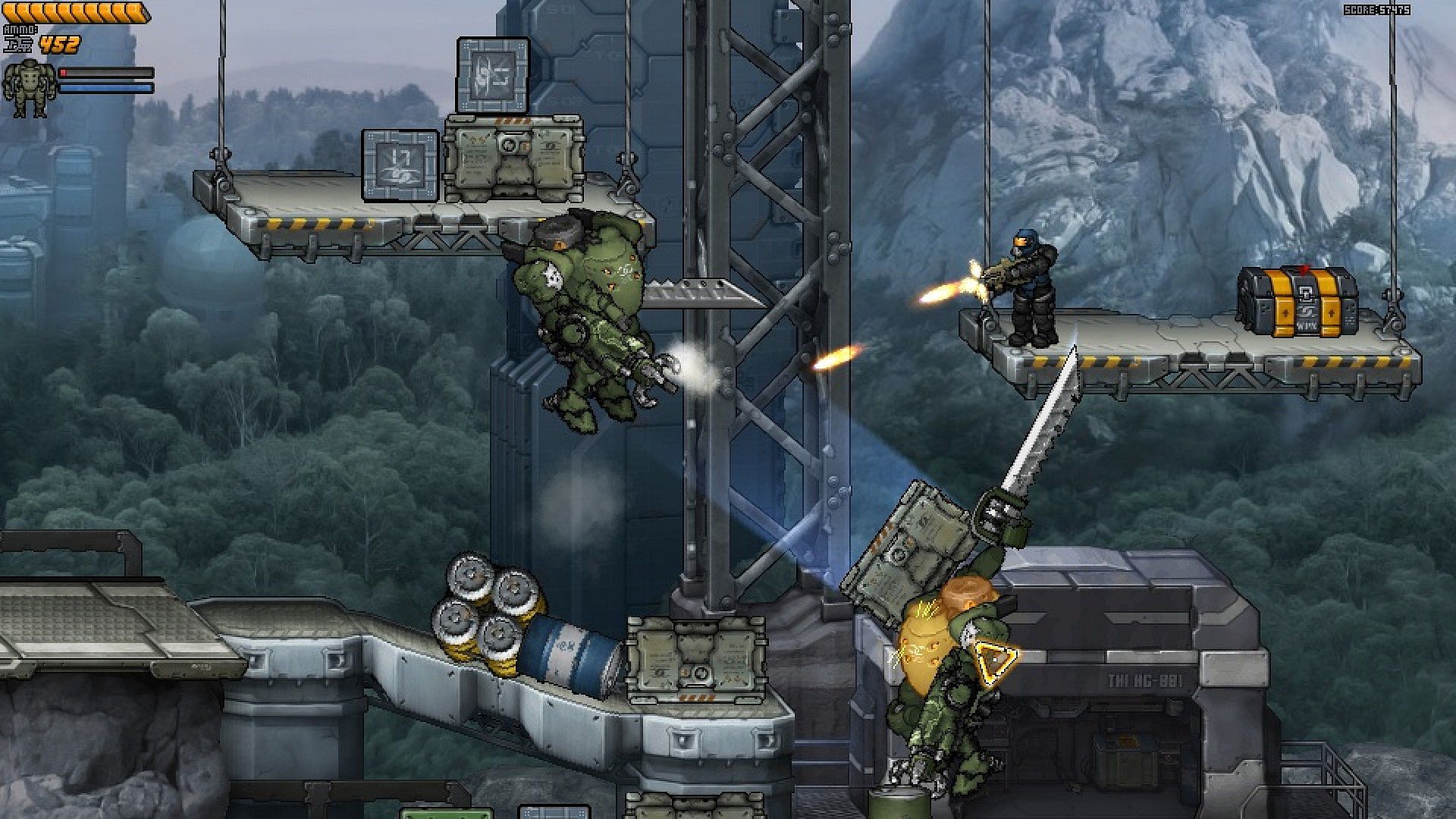
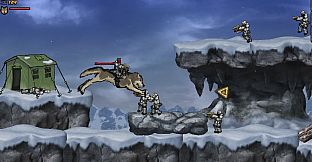
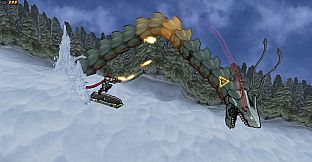
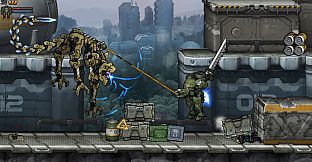
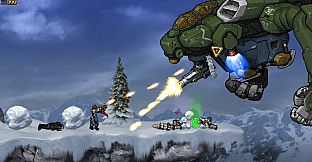
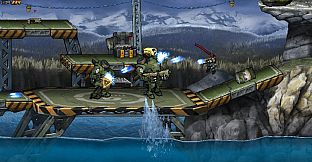
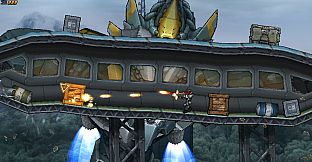
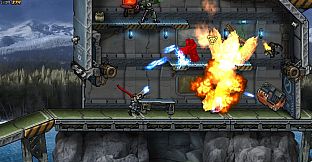
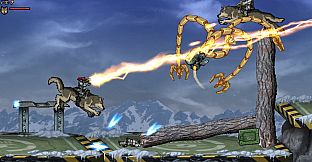
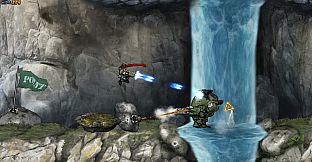
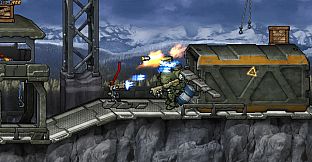
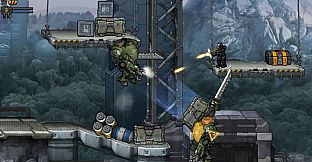
Intrusion 2 is a 2D side-scrolling action platformer that places players in control of a lone operative infiltrating a sci-fi reserve planet controlled by a hostile military corporation. The corporation conducts forbidden weapon research, and the gameplay centers on fast-paced run-and-gun combat mixed with platforming across nine large levels. Drawing from classic 16-bit sidescrollers, the title emphasizes tight controls, momentum-based movement, and responsive shooting while incorporating modern physics for enemy reactions and environmental interactions.
Gameplay
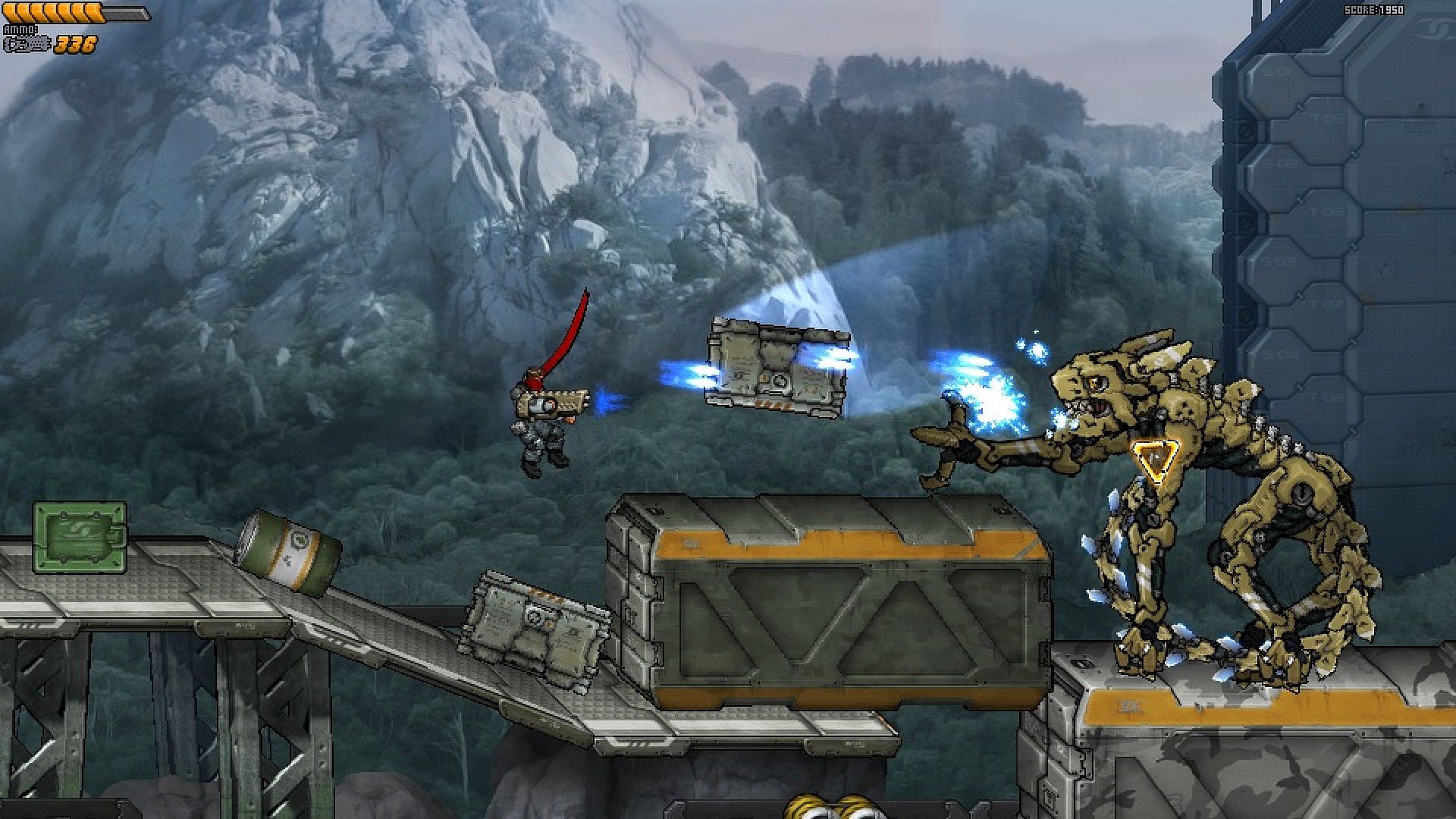
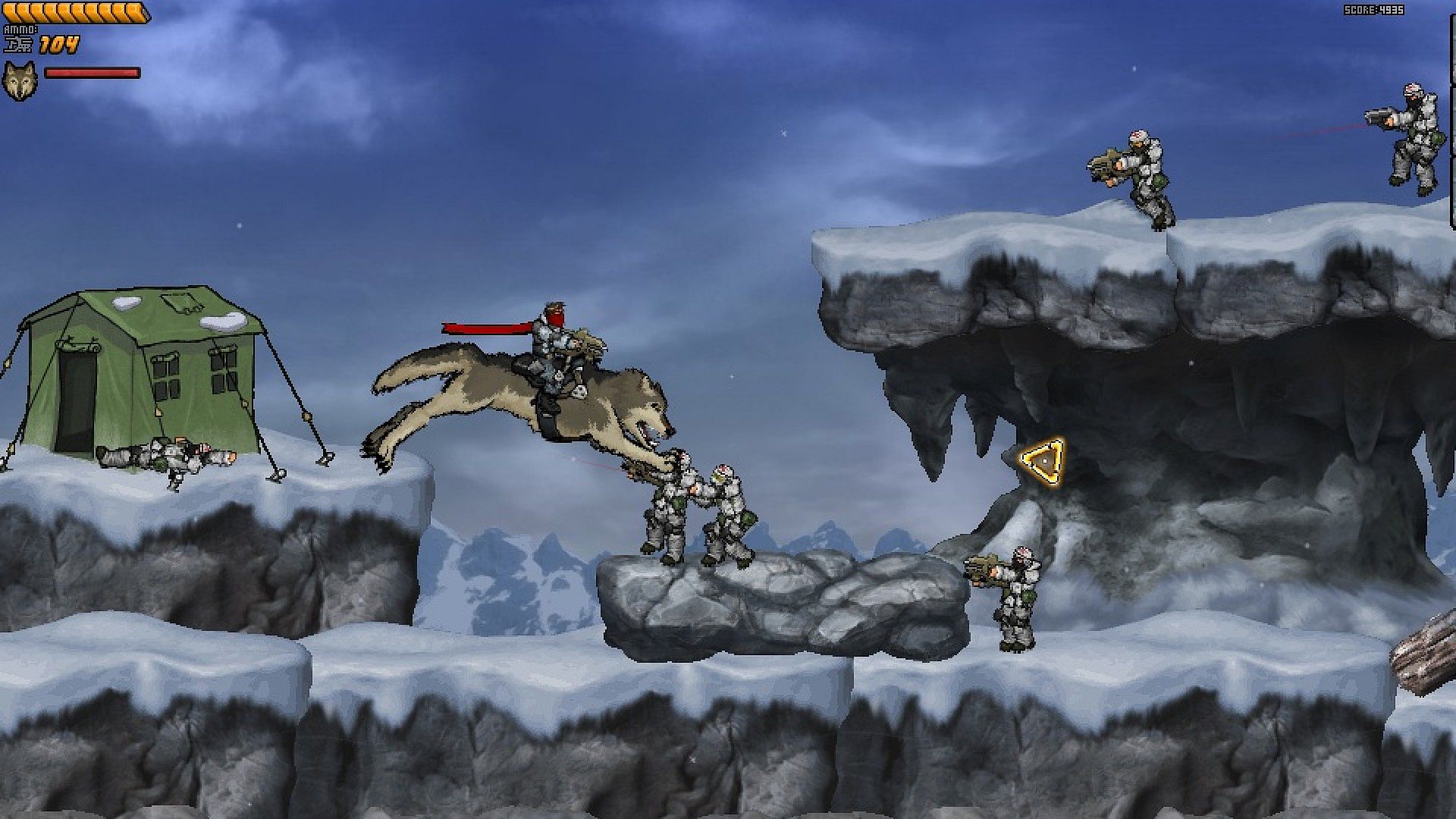
The core loop involves navigating linear stages filled with enemy patrols, environmental hazards, and destructible elements. Players run, jump, and fire in multiple directions while enemies react realistically to impacts and terrain thanks to physics-driven behavior and procedural animation systems. This creates varied encounters where foes can be knocked off ledges, pinned against walls, or sent tumbling by explosions and collisions.
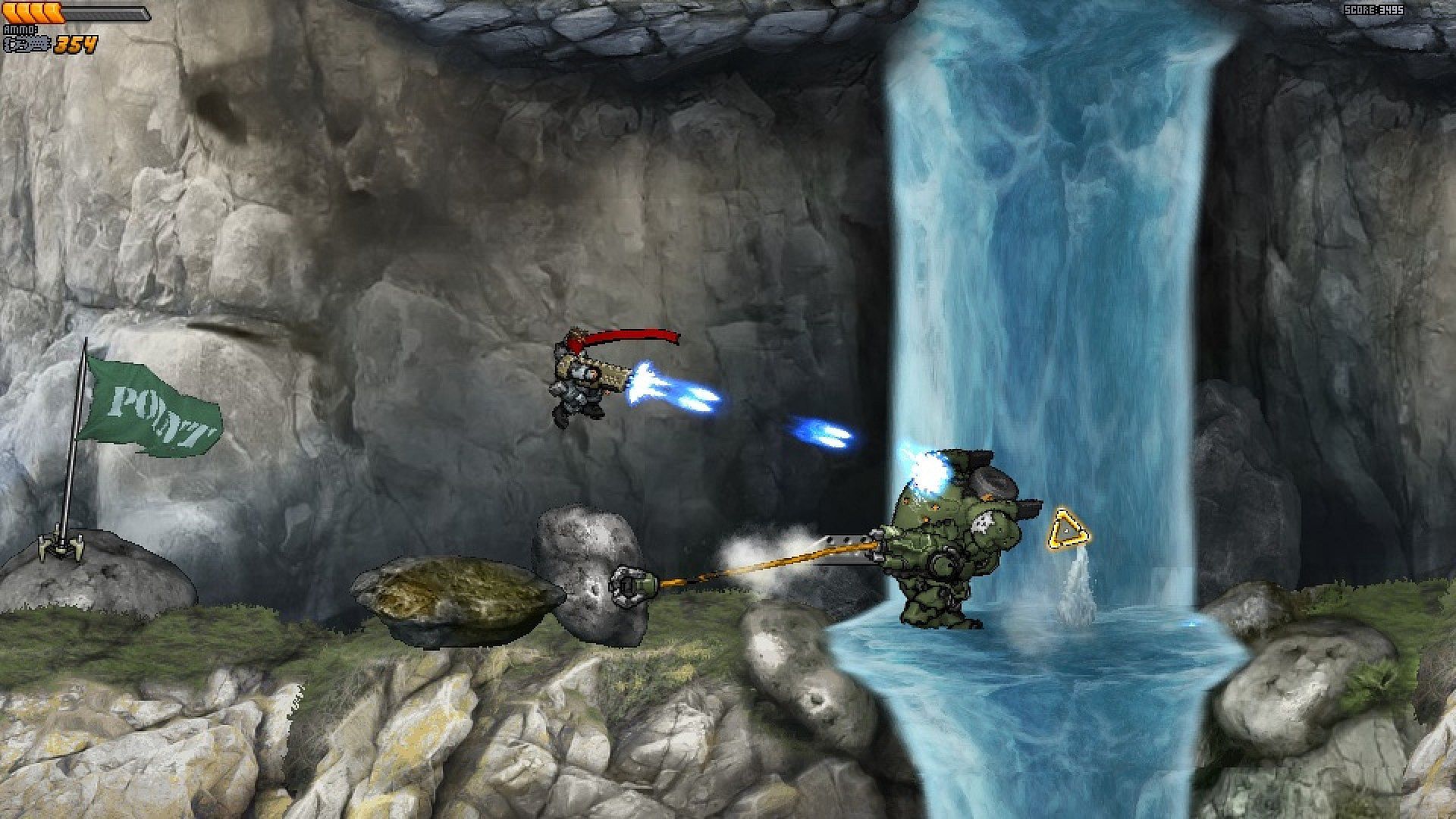
Levels feature high interactivity, with objects that can be shot, pushed, or used against opponents. The sci-fi setting includes industrial facilities, outdoor reserves, and research complexes that encourage players to use cover, elevation changes, and momentum to outmaneuver groups of soldiers and automated defenses. Combat feels deliberate yet fluid, rewarding precise timing and positioning over button mashing.
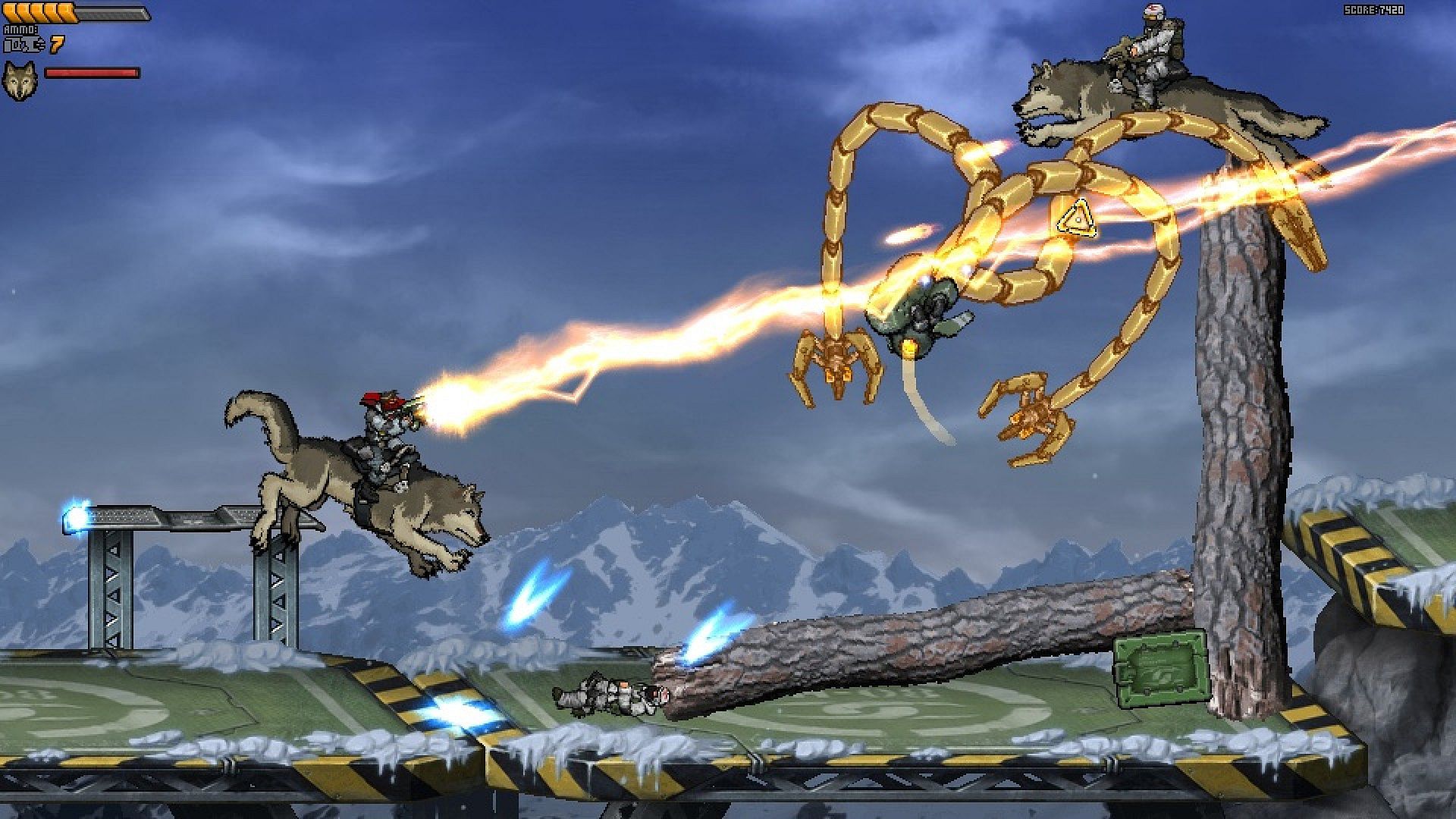
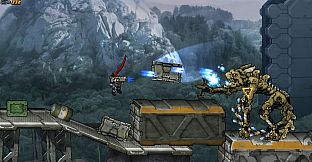
Three multistage boss encounters punctuate the campaign. Each requires learning attack patterns and exploiting physics interactions or environmental elements to progress through multiple phases. The experience stays focused on single-player progression without interruptions for story sequences, keeping the emphasis on continuous action from start to finish.
Game Modes
Intrusion 2 offers a single continuous campaign divided across its nine levels. The main experience supports three difficulty settings that adjust enemy density, aggression, and the presence of additional hazards. Normal difficulty provides a balanced challenge suitable for most players, while hard mode increases the number of threats and introduces more dangerous placements to test mastery of movement and combat timing.
Difficulty selection occurs at the start and influences the entire run without altering core mechanics. There are no separate multiplayer options, co-op features, or alternate modes such as survival or time trials. The structure encourages replaying the campaign on higher difficulties to encounter denser enemy compositions and refined platforming demands.
Setting and Atmosphere
The reserve planet serves as a contained battleground where corporate forces maintain strict control through patrols and automated systems. Visual design draws from 16-bit aesthetics with detailed pixel art that highlights the sci-fi industrial environments. Sound design supports the action with direct effects and a looping soundtrack that matches the relentless pace of movement and firefights.
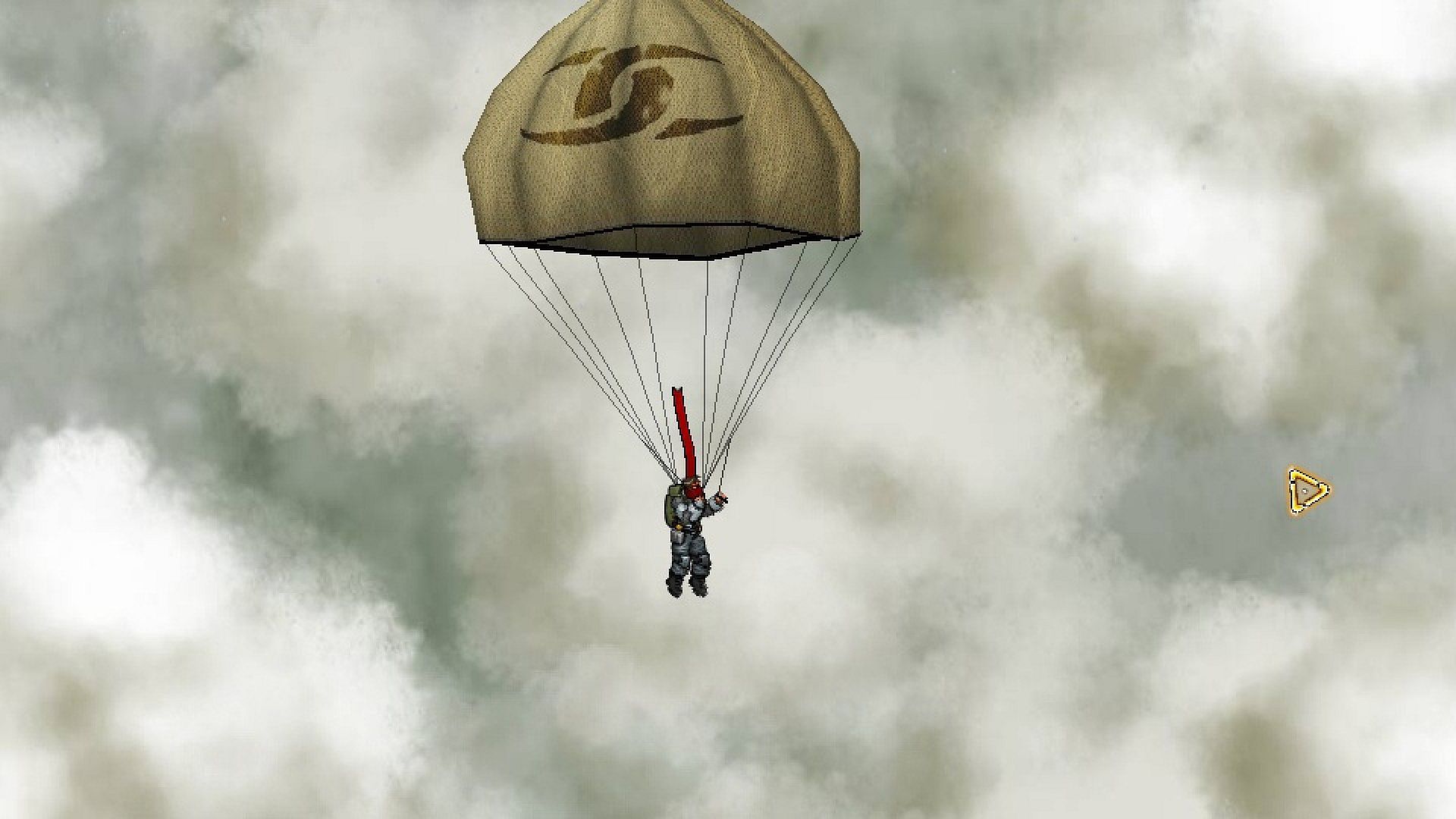
Progression feels seamless as players move from one section to the next without loading screens or cutscenes breaking momentum. The focus remains on infiltration and survival against the occupying forces rather than deep narrative exposition.
Is It Worth Playing?
Intrusion 2 delivers a compact, focused action platformer experience that appeals to players who enjoy classic sidescroller mechanics updated with physics elements. The nine levels and three boss fights provide a complete single-player campaign that can be finished in a few hours on the first playthrough, with additional value from tackling higher difficulties.
Reception from the period of release highlighted strong controls, satisfying enemy interactions, and visual polish for an indie title. Some noted the short length and repetitive audio as limitations, yet the core gameplay loop received consistent praise for its responsiveness and challenge curve. The game remains available as a standalone purchase with no ongoing seasons or major updates since its initial launch.
It suits fans of run-and-gun platformers seeking tight single-player action without multiplayer distractions or expansive open worlds. Those who appreciate deliberate combat and environmental interaction in a linear format will find the most satisfaction, while players preferring longer campaigns or frequent content additions may find the scope limited. The three difficulty options extend replayability for those who want to refine their approach against increased opposition.














