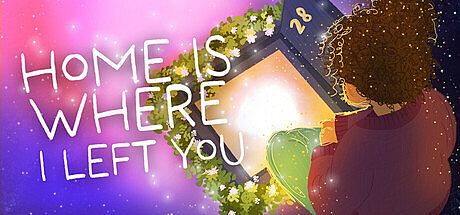


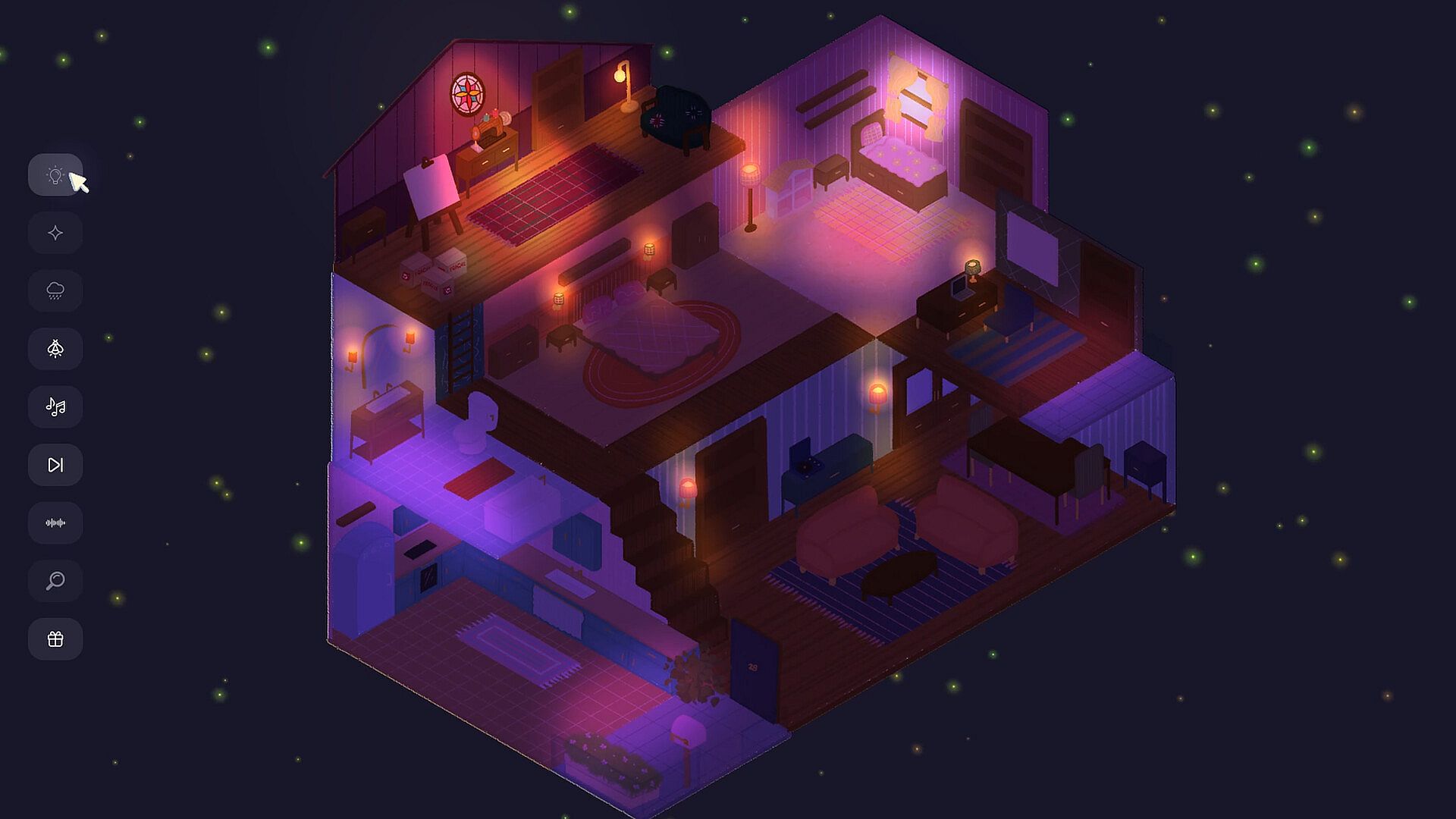
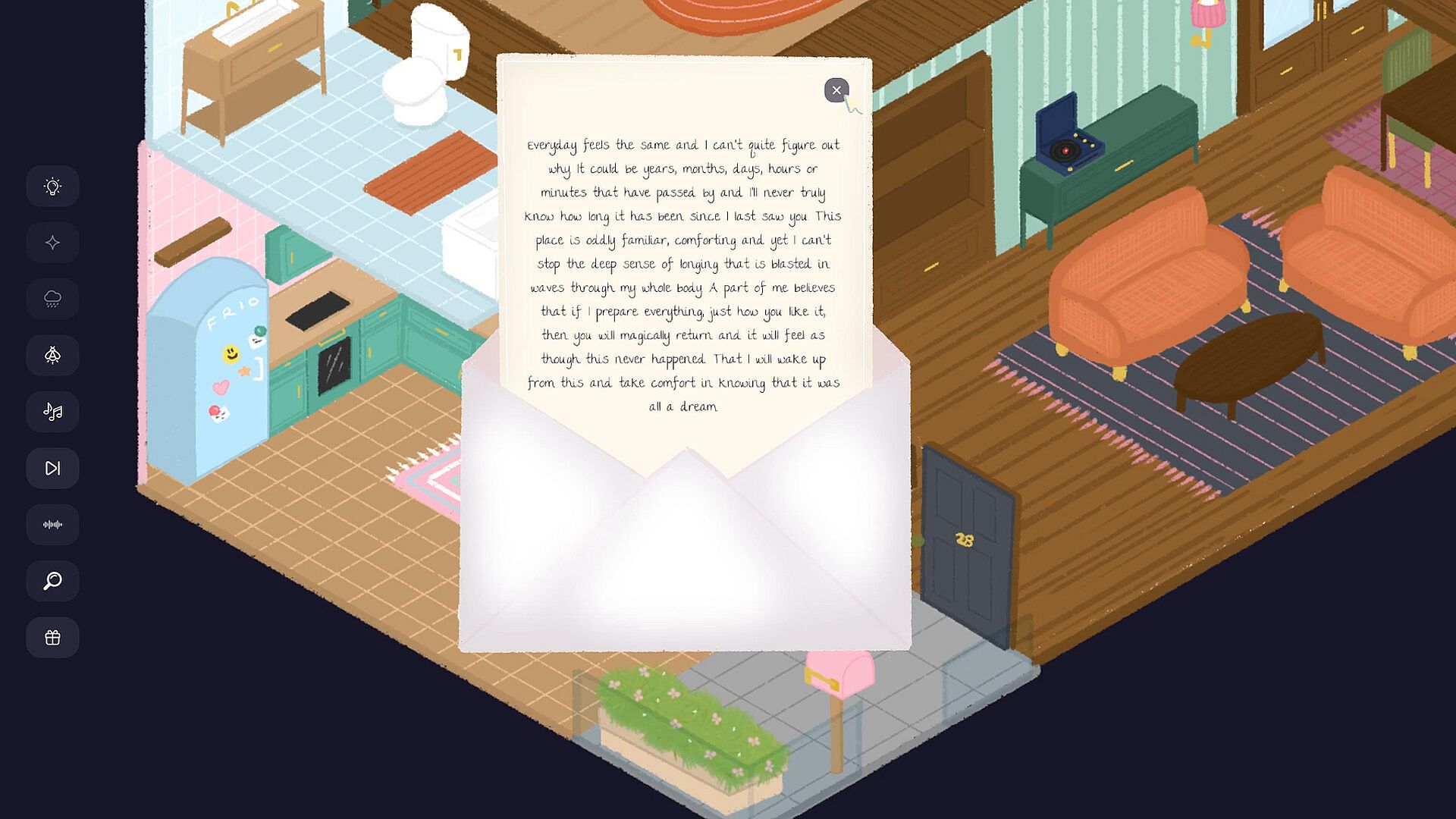
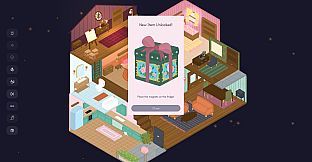
Home Is Where I Left You is a cozy puzzle game that blends item organization, gentle decoration, and a quiet mystery set inside a floating house. Players step into an atmospheric space filled with boxes, drawers, and cupboards left behind by someone who has gone missing. The core loop centers on sorting belongings, unpacking deliveries that appear under lamplight, and arranging objects to restore order while uncovering fragments of a personal story through forgotten letters and memories.
Gameplay
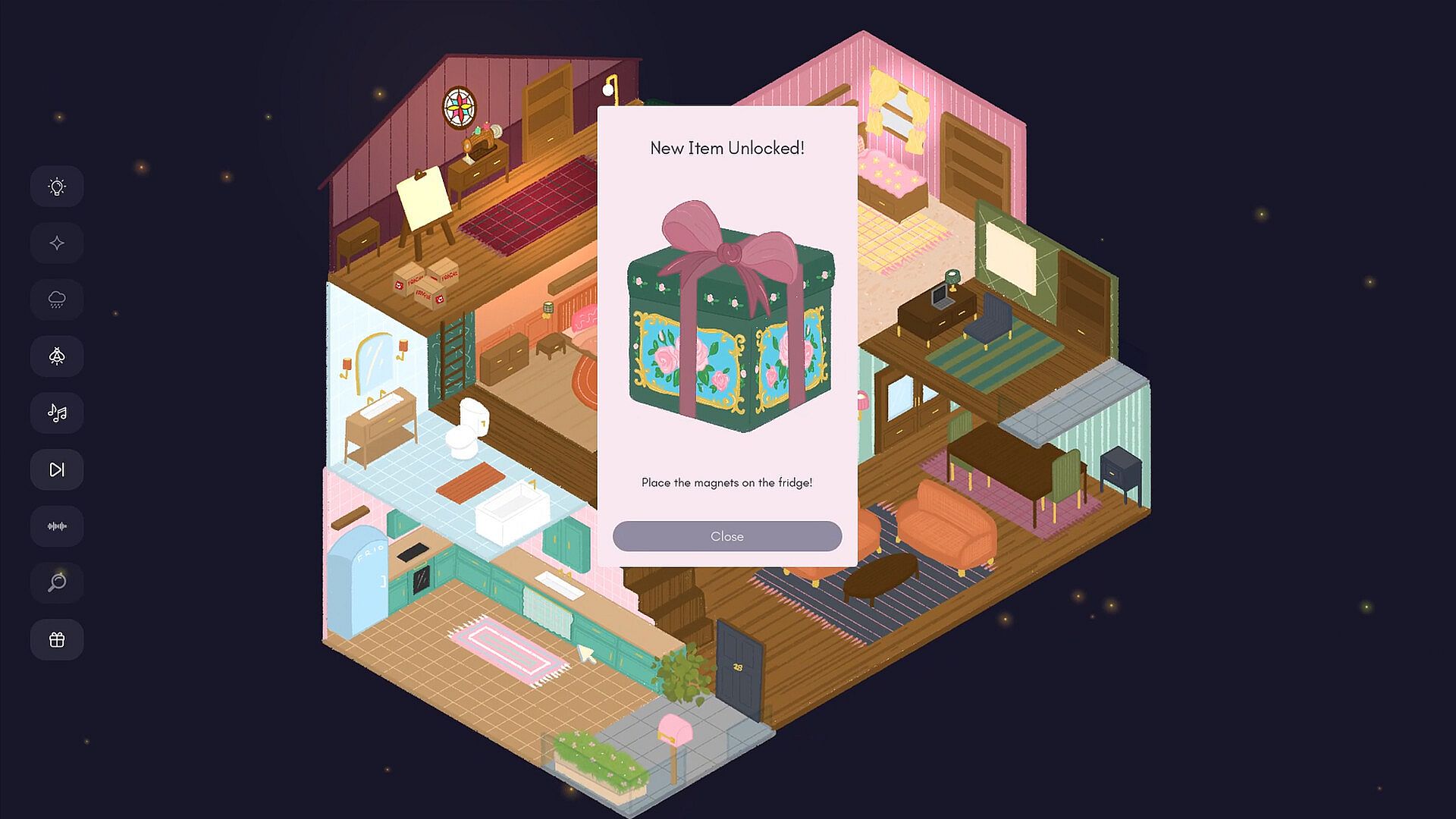
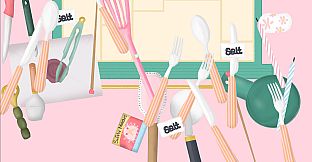
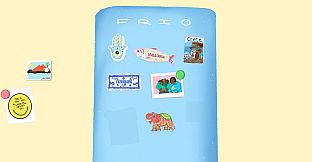
The experience revolves around methodical sorting and placement of items across seven distinct rooms. Each room contains more than thirty individual puzzles that task players with returning objects to logical spots without any time pressure. Inventory management plays a central role as collected pieces can be used for decoration once the main organizational tasks are complete. Progress unfolds room by room, with each completed area revealing additional letters and memories that gradually piece together the identity of the absent resident. The absence of timers allows full focus on the satisfaction of finding the right place for every item.
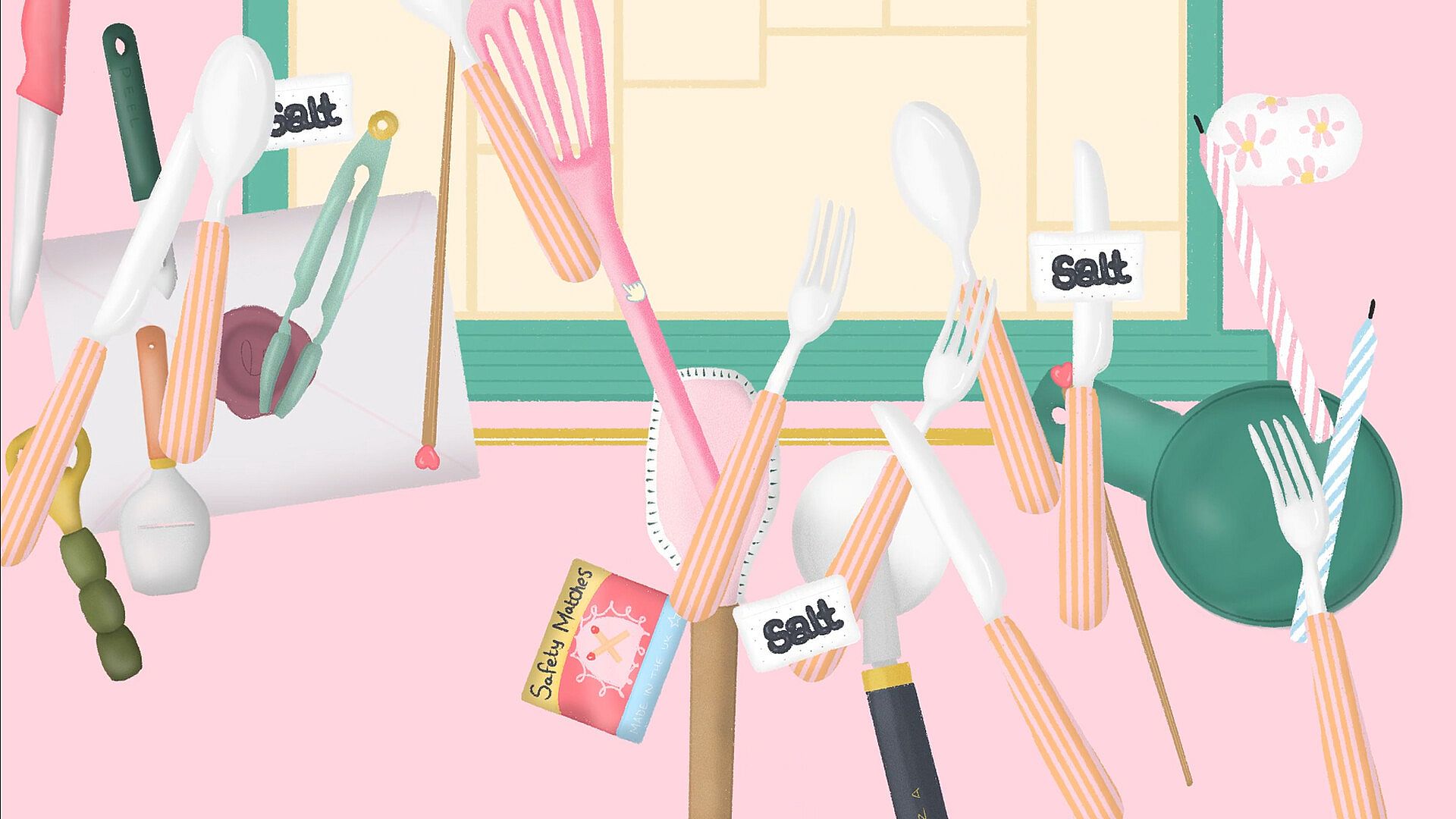
Exploration happens at a deliberate pace inside the house, encouraging players to examine every corner, open every container, and consider how each object fits into the larger narrative. Phantom deliveries arrive periodically, adding new items that must be integrated into the existing layout. This creates a steady rhythm of discovery and arrangement that builds the house back toward a lived-in state.
Game Modes
The game operates as a single-player experience with no separate competitive or multiplayer modes. All activity takes place within the same continuous house environment, where players can switch between full lighting and a darker lamp-lit setting at any time. Multiple ambience choices, including rain, stars, or fireflies paired with matching soundscapes and a lofi soundtrack, let players customize the mood without altering the core puzzle structure. These options serve as flexible layers rather than distinct modes, supporting different play sessions while the underlying organization and mystery elements remain consistent.
Atmosphere and Presentation
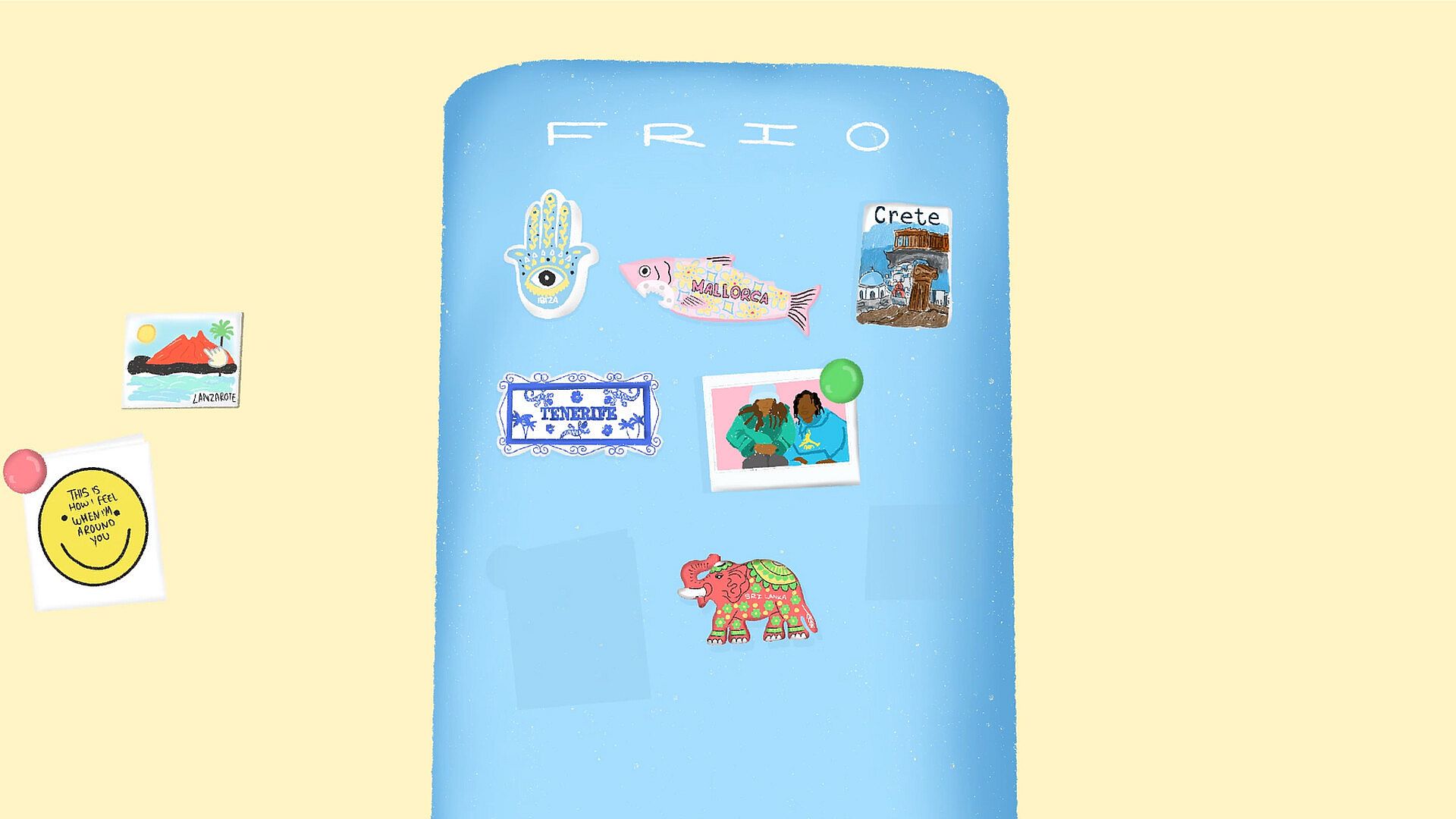
Every visual element uses a hand-drawn dry ink style that gives the house a charming, intimate feel. Warm lighting from lamps and a soft torch guide movement when the main lights are off, creating a calm contrast to brighter exploration. The art style supports the gentle tone, with details that reward close inspection during sorting tasks. Sound design complements the visuals through ambient effects tied to each ambience setting, reinforcing the sense of a quiet, personal space being restored.
Is It Worth Playing?
This title suits players who enjoy deliberate puzzle games focused on organization and light narrative discovery rather than action or high-stakes challenges. The emphasis on personal pacing and the satisfaction of completing tidy arrangements makes it a good fit for short or extended sessions alike. With no confirmed release date or player metrics available yet, the experience stands on its described systems of room-by-room restoration and memory collection. Those drawn to cozy indie titles centered on sorting, decorating, and uncovering subtle stories will find the structure matches that preference directly. The game remains in a pre-release state on PC, so final reception will depend on how the full puzzle count and letter integration land once available.