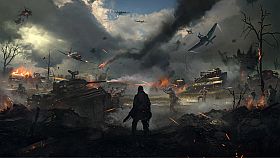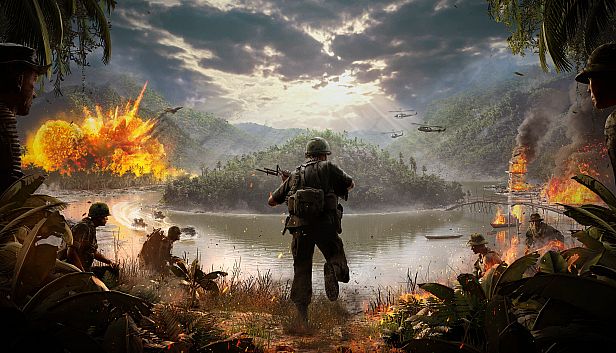





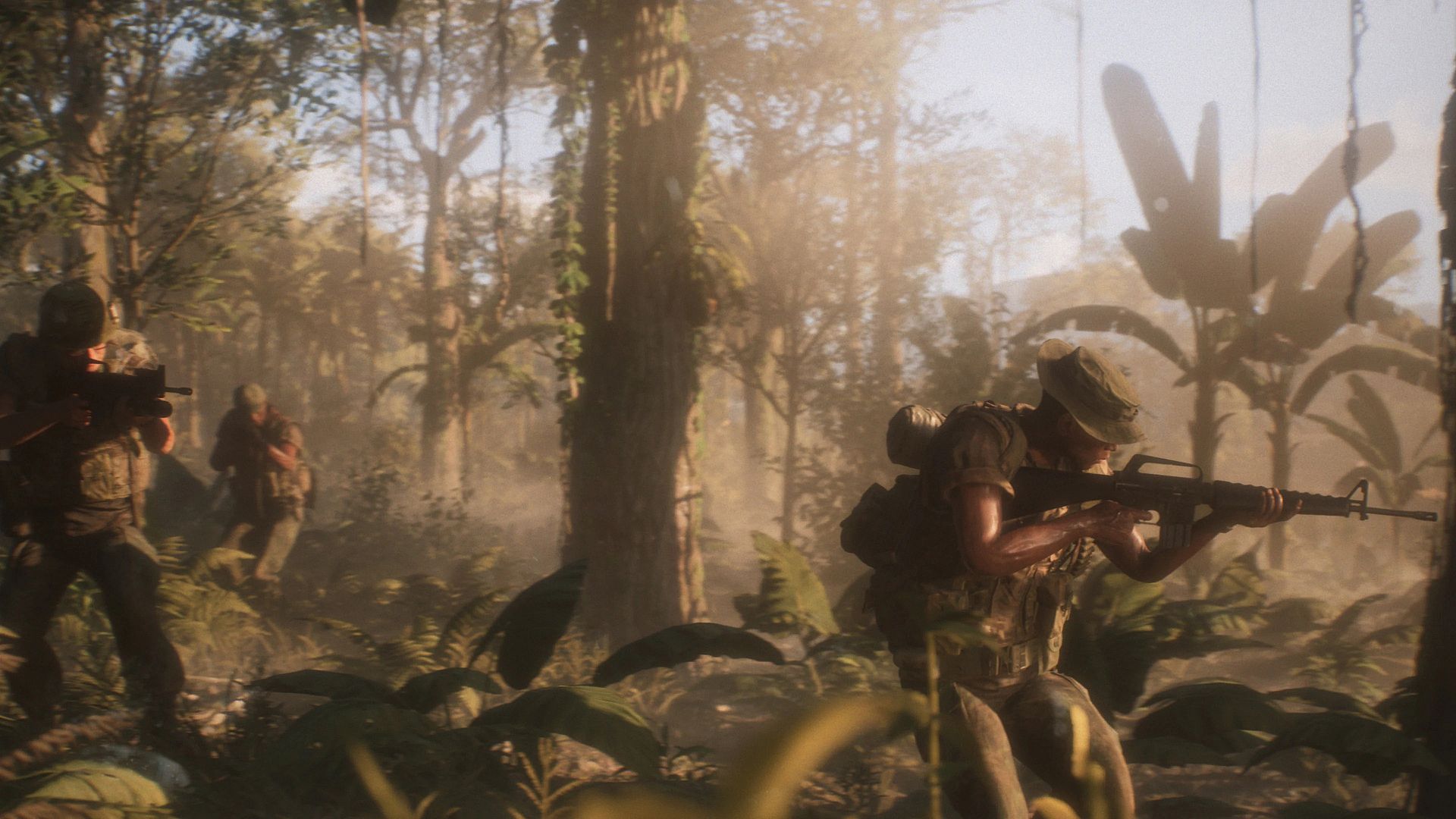
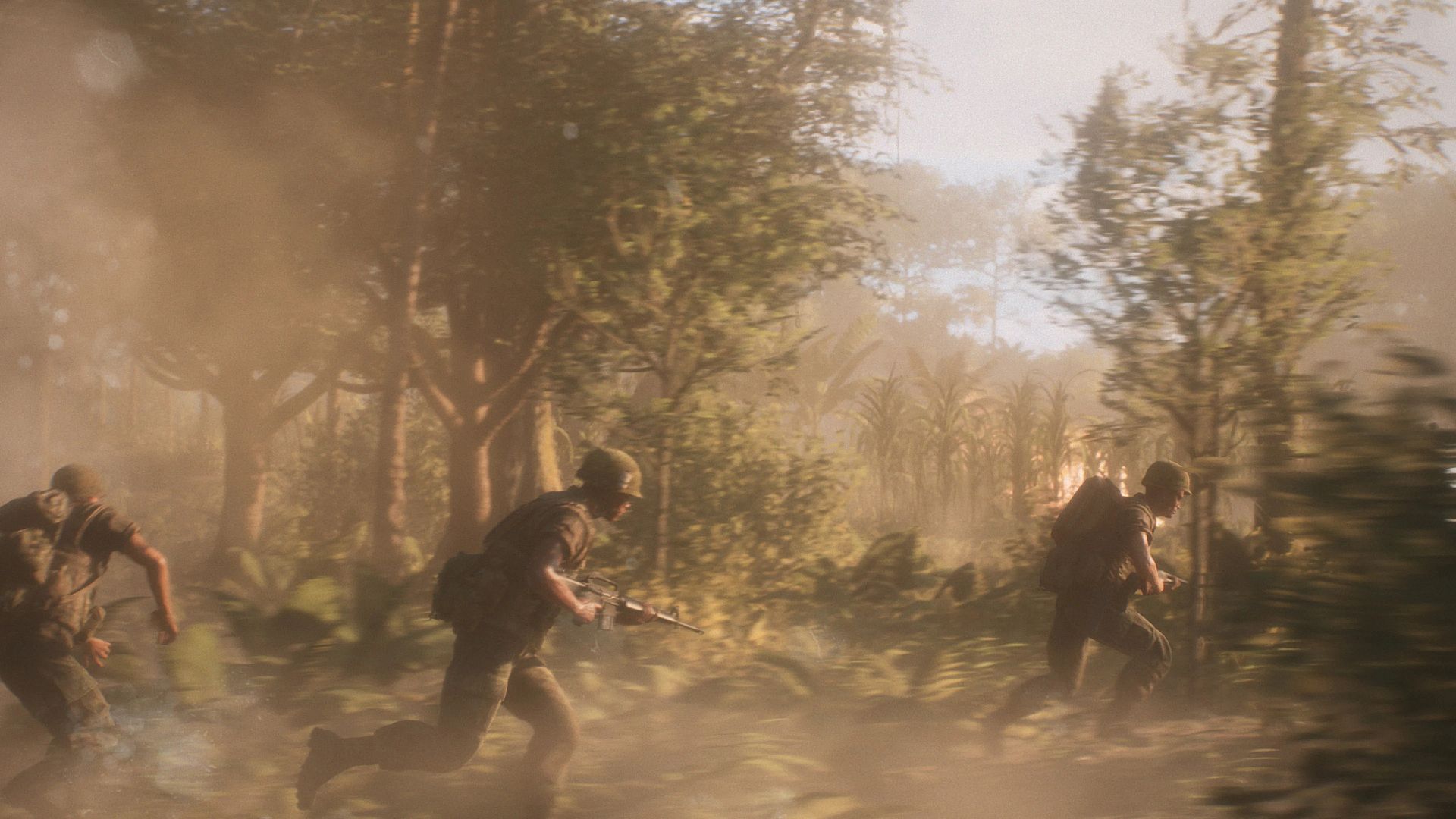
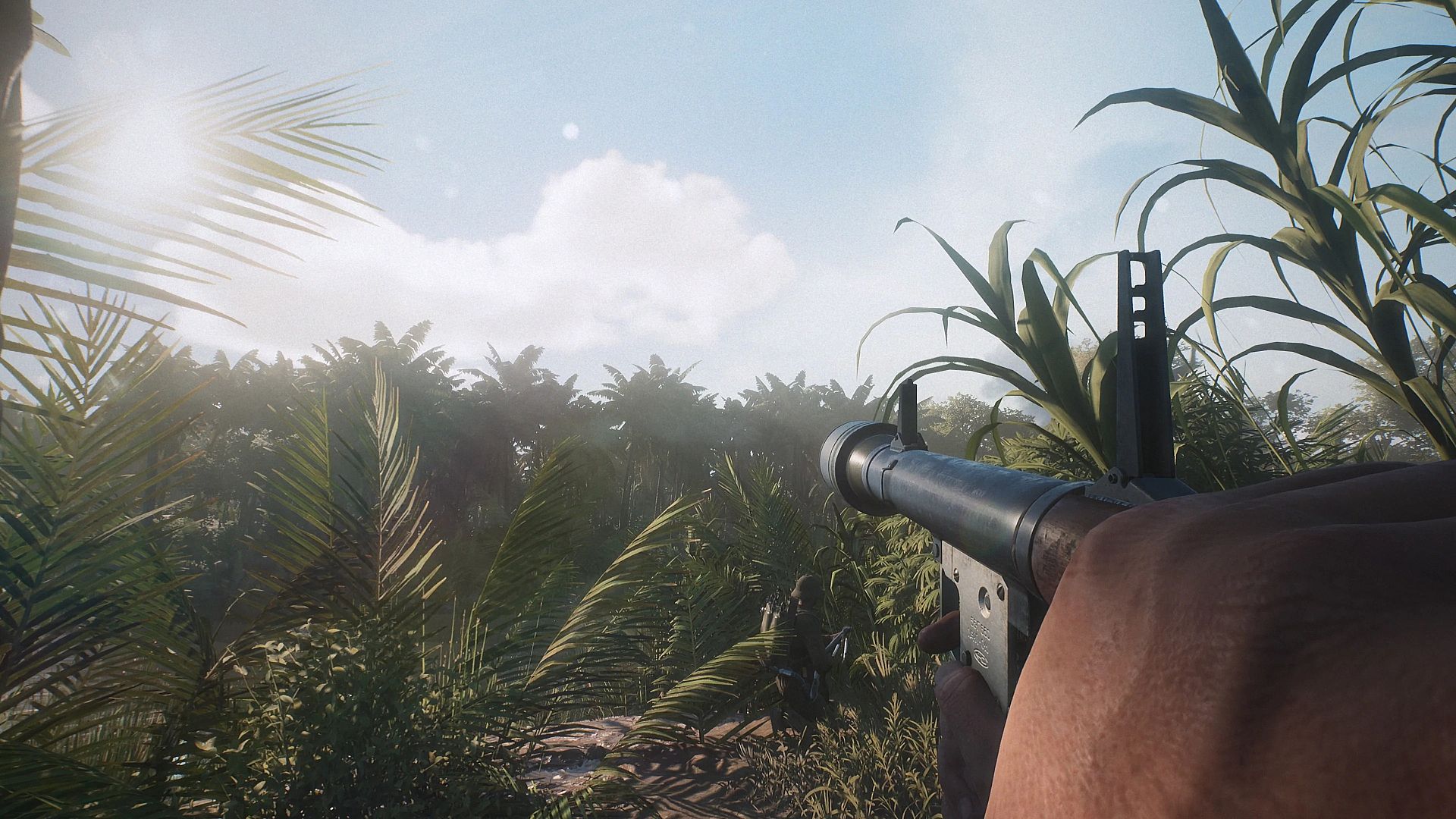


Hell Let Loose: Vietnam is a tactical first-person shooter focused on large-scale multiplayer combat during the Vietnam War. Players join 50-versus-50 battles as either the North Vietnamese Army or the US Armed Forces, emphasizing teamwork, communication, and historically inspired tactics across dense jungle terrain and river networks.
Gameplay
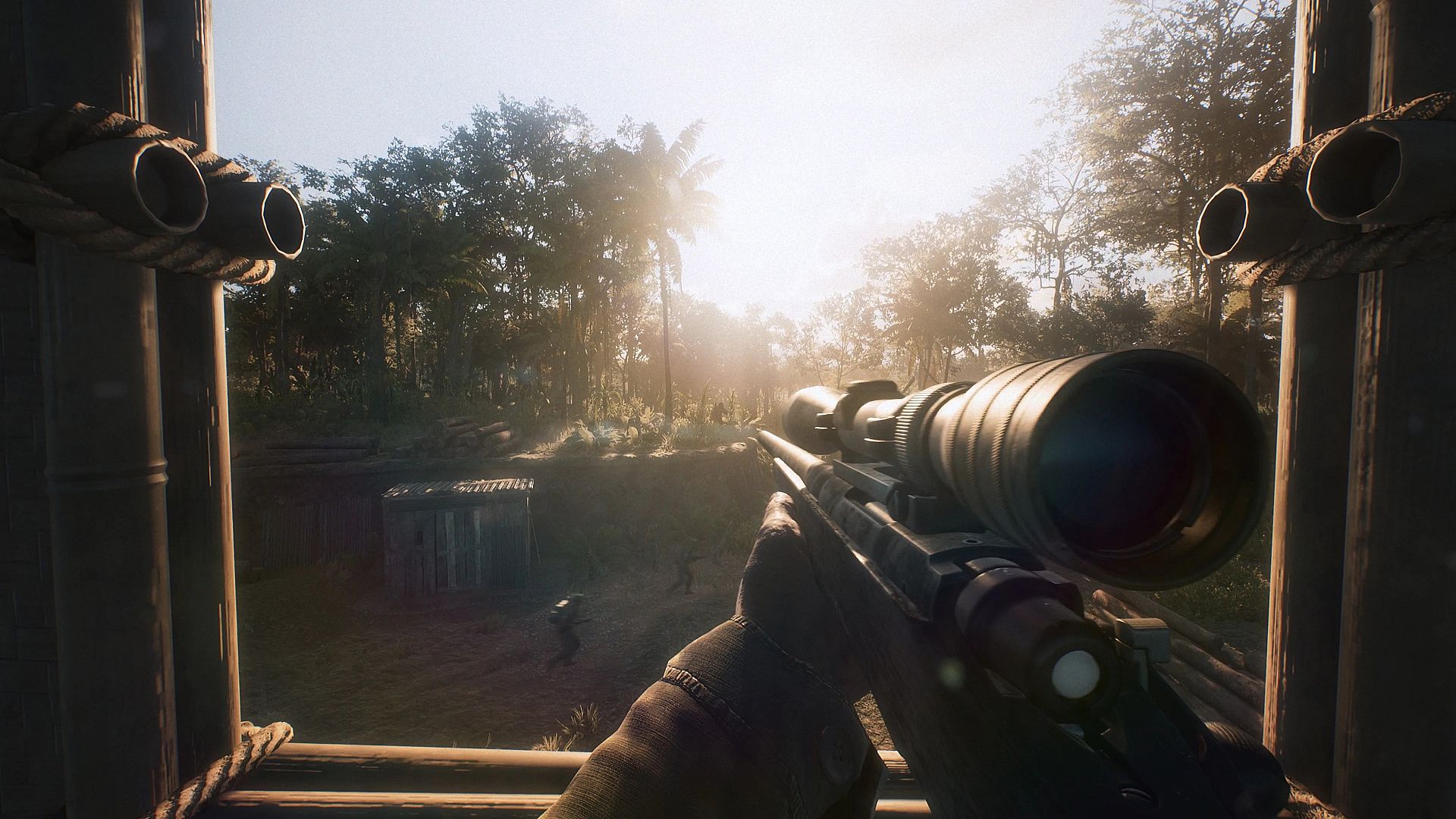
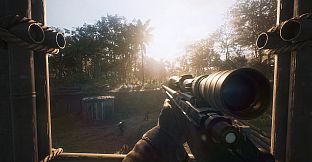
The core loop centers on squad-based coordination within teams of 50 players. Each side fields multiple specialized units, including infantry, recon, armor, mortar squads, and helicopter units on the US side. Nineteen distinct roles cover positions such as commander, rifleman, medic, machine gunner, sniper, tank crew, helicopter pilot, and mortar support. Players follow a chain of command, with commanders managing resources and directing objectives while squad leaders organize smaller groups on the ground.
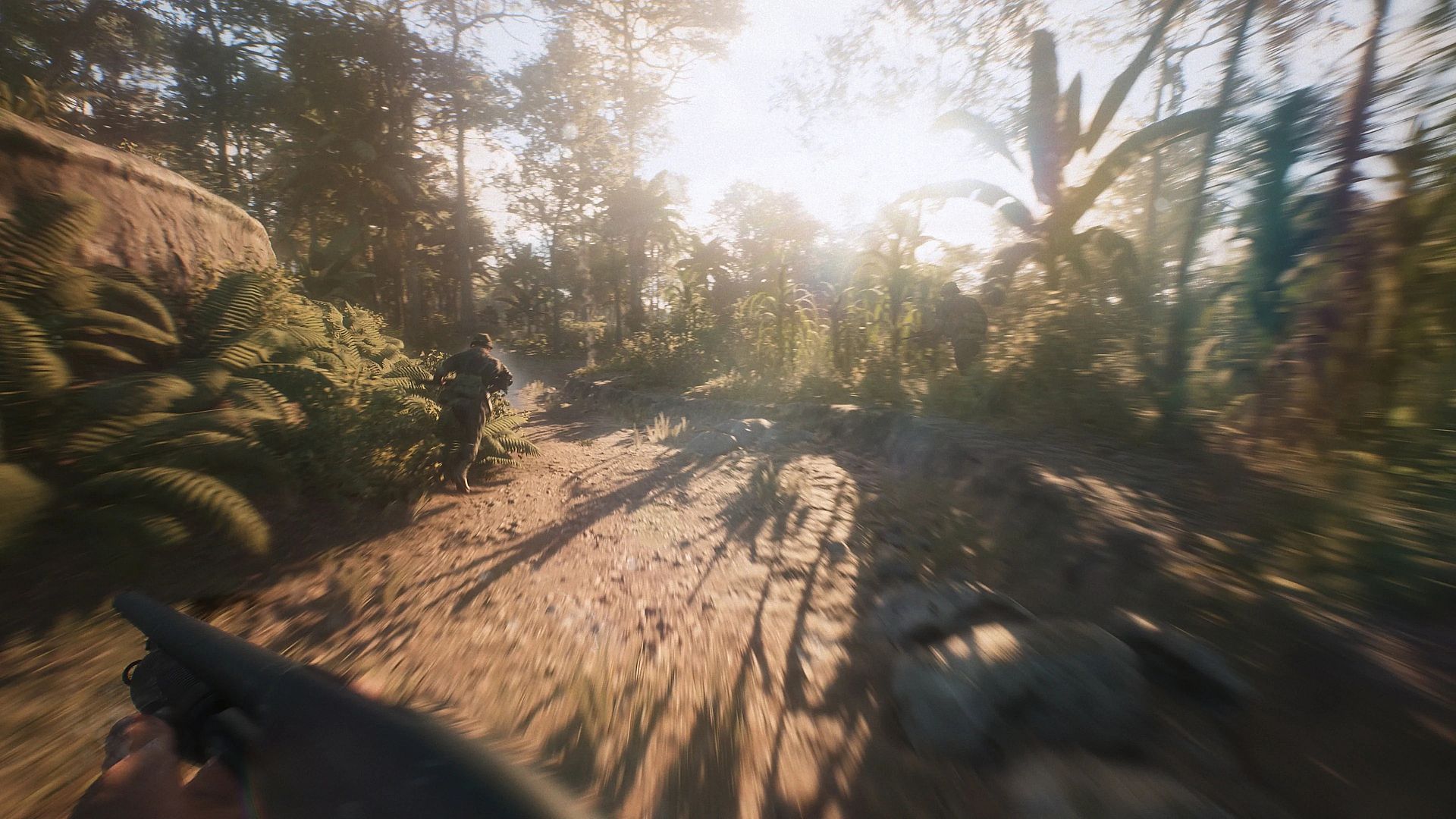
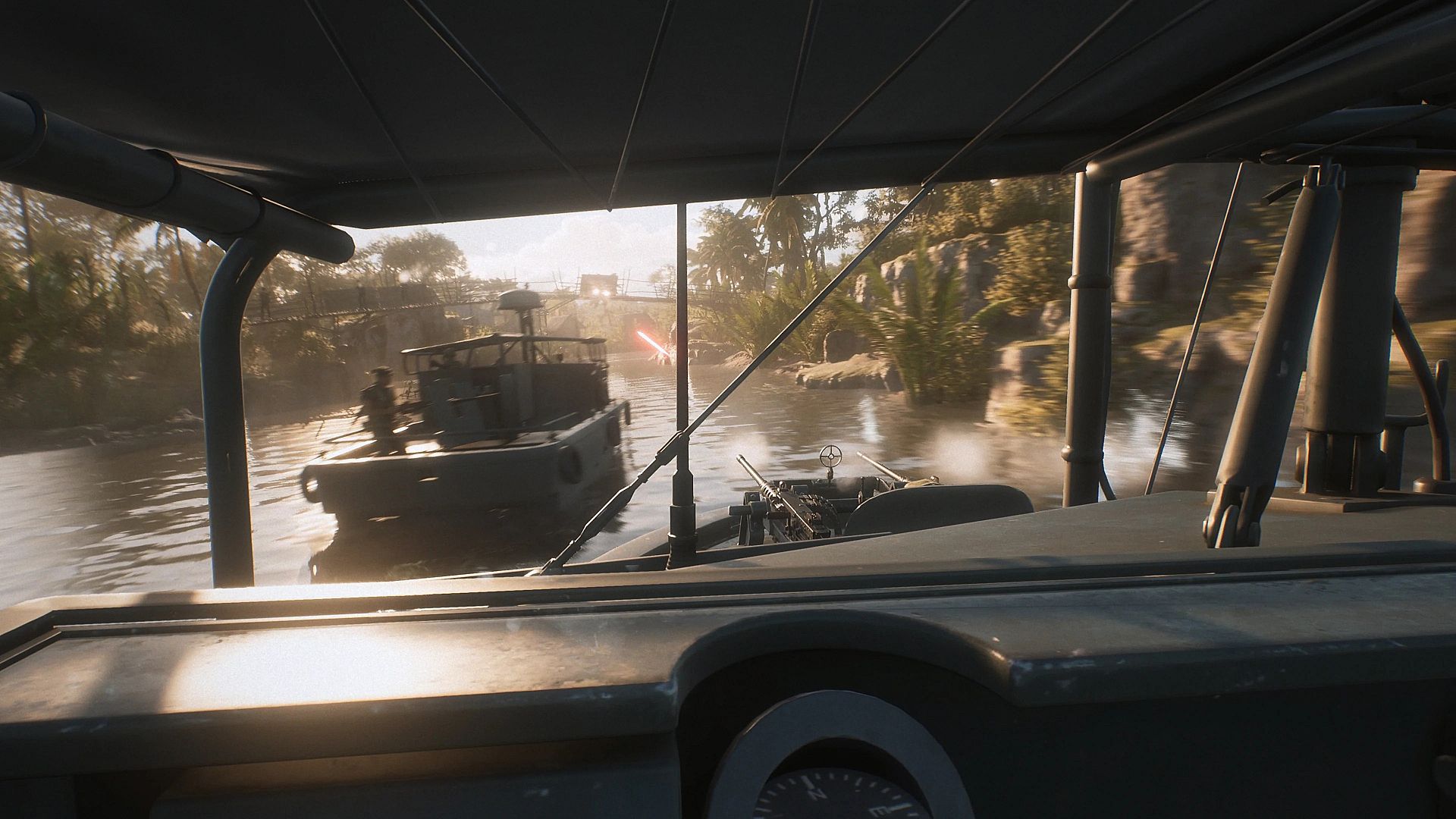
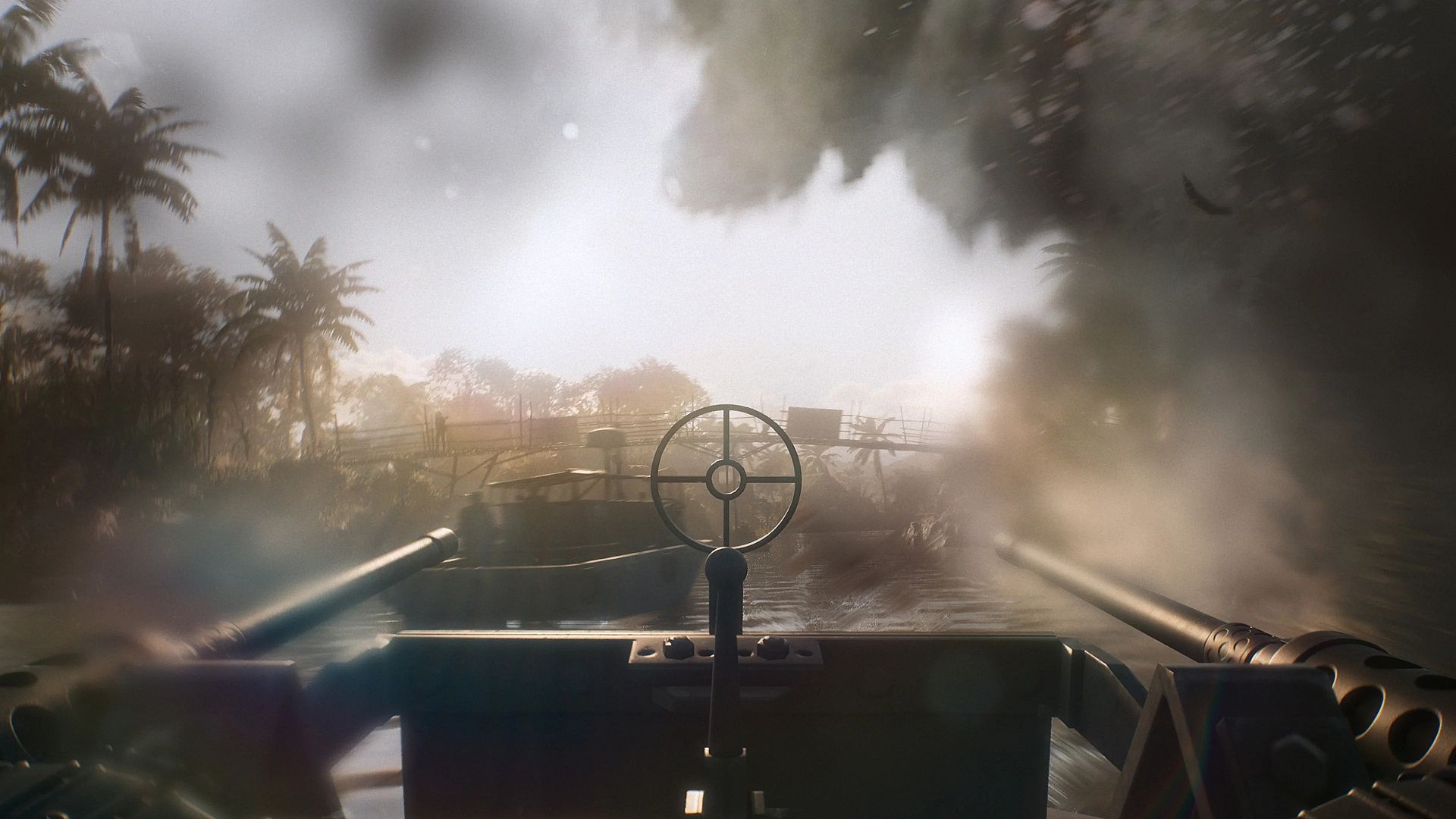
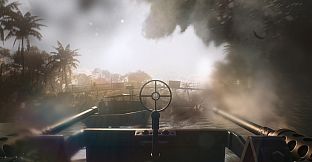
Combat incorporates realistic elements like authentic weapons, orders, and movement systems. Enhanced locomotion allows swimming through rivers, climbing terrain, fast crawling, and dragging wounded teammates to safety for healing. The NVA faction constructs tunnel networks for stealthy repositioning and ambushes, while US forces rely on aerial support through operational helicopters for fire missions and supply drops. Both sides deploy patrol boats to navigate and control river systems for flanking or direct assaults. These mechanics create emergent situations where positioning, timing, and inter-squad communication determine outcomes in prolonged engagements.
Game Modes
Warfare serves as the primary symmetric mode, pitting two full teams against each other in a tug-of-war contest over five sectors on the map. Teams must capture and hold points sequentially while managing resources and responding to enemy pressure across the entire battlefield.
Offensive shifts the balance into asymmetric attack-and-defend scenarios, with one side tasked to push objectives while the other organizes a layered defense. Additional modes rotate in to vary pacing and parameters, keeping the 50-versus-50 format intact but altering win conditions and deployment rules to emphasize different tactical approaches such as rapid objective grabs or sustained area control.
Across all modes, success depends on using the full roster of roles and vehicles effectively. Mortar teams provide indirect fire support, recon units scout ahead, and armor elements contest key lanes, all while adapting to the jungle environment and changing weather conditions on each map.
Maps and Battlefield Features
Six large-scale maps launch with the game, each drawn from real historical locations and featuring extreme terrain variations including mountain gorges, thick vegetation, and extensive waterways. Lighting and weather changes further alter visibility and movement options during matches. These environments support the asymmetric faction tools, with open areas favoring US helicopter mobility and dense zones enabling NVA tunnel tactics and boat maneuvers.
Player interactions extend beyond shooting to include building fortifications, launching surprise attacks from hidden positions, and coordinating multi-unit operations. The scale encourages long-term strategic thinking rather than isolated firefights, as teams must secure supply lines and exploit terrain advantages over the course of each battle.
Is It Worth Playing?
Hell Let Loose: Vietnam targets players who enjoy realistic, communication-heavy multiplayer shooters that reward patience and teamwork over individual heroics. The 50-versus-50 scale, combined with role specialization and faction-specific mechanics like tunnels and helicopters, delivers a distinct experience within the genre. Pre-release testing through open betas highlighted the steep learning curve and emphasis on coordination, which aligns with the original Hell Let Loose approach but adapts it to jungle warfare settings.
With a scheduled release on August 13, 2026, for PS5 among other platforms, the title remains in active development with planned post-launch updates. Those seeking large-scale tactical combat with historical grounding and emergent gameplay will find the verified systems and modes a strong match, particularly if they value squad leadership and adaptive strategies over faster-paced arcade alternatives.