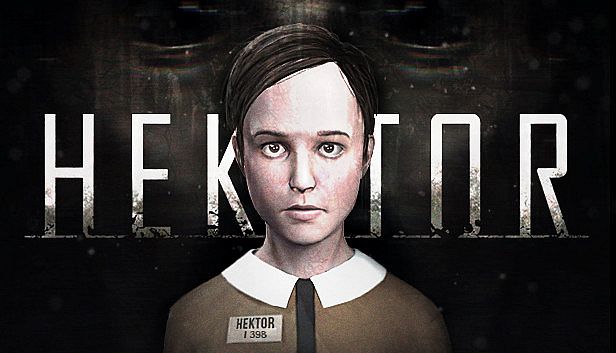













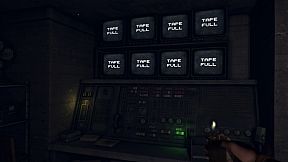
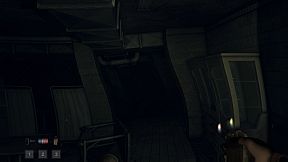
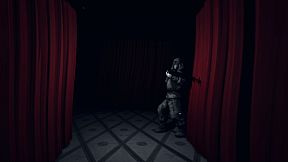
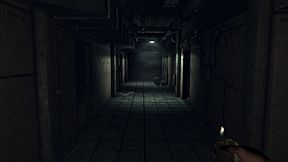
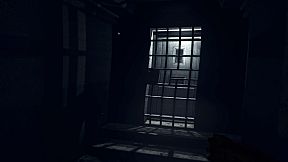
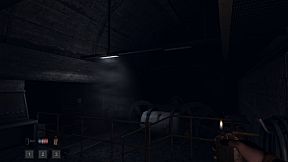
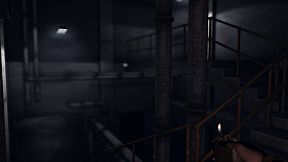
Hektor is a first-person psychological horror game developed for PC that places players in a shifting underground facility where the environment itself becomes an adversary. The core premise follows a former test subject trapped in the abandoned HEKTOR research site beneath northern Greenland, armed only with basic light sources while battling the effects of induced psychosis.
Gameplay
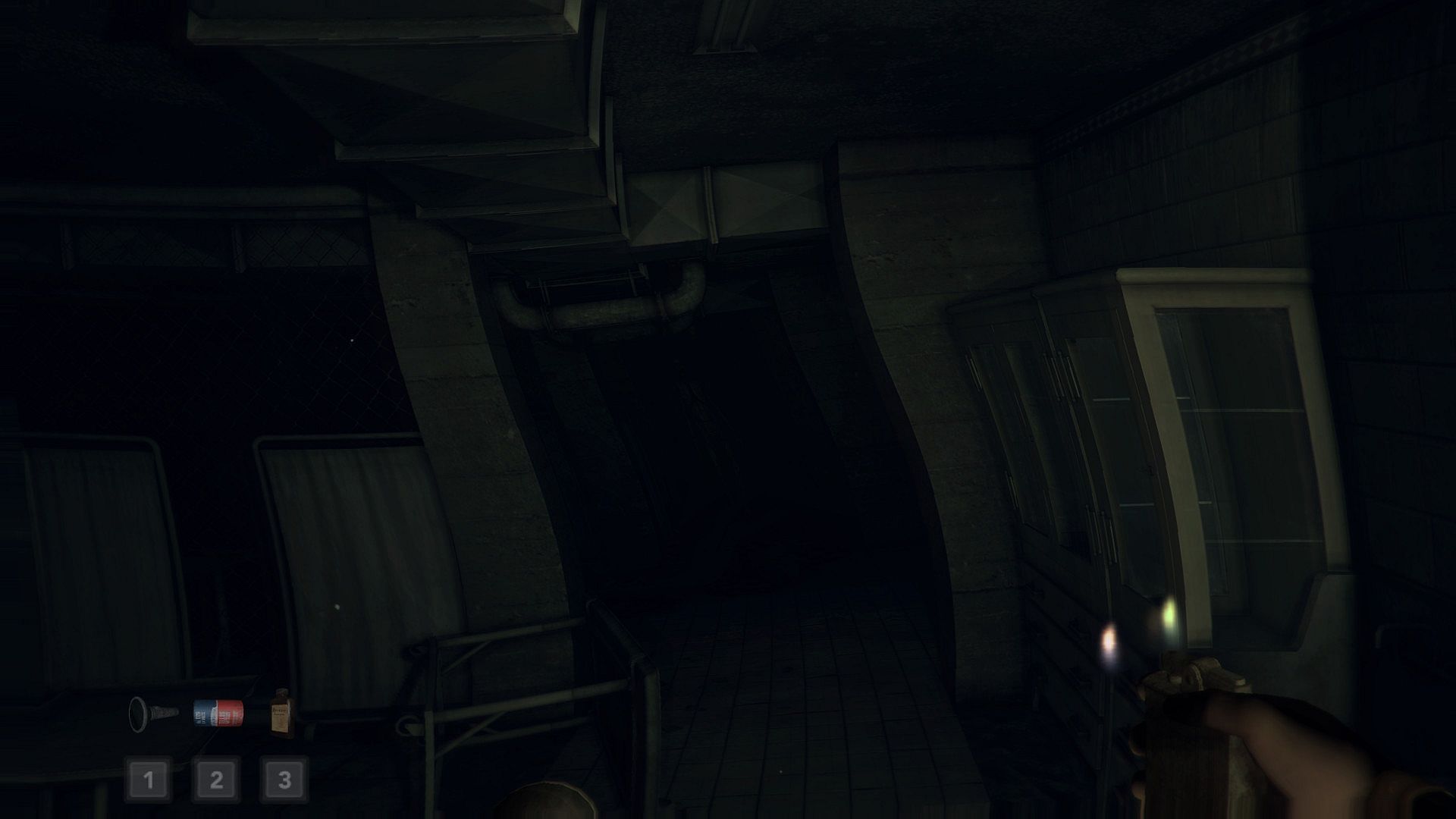
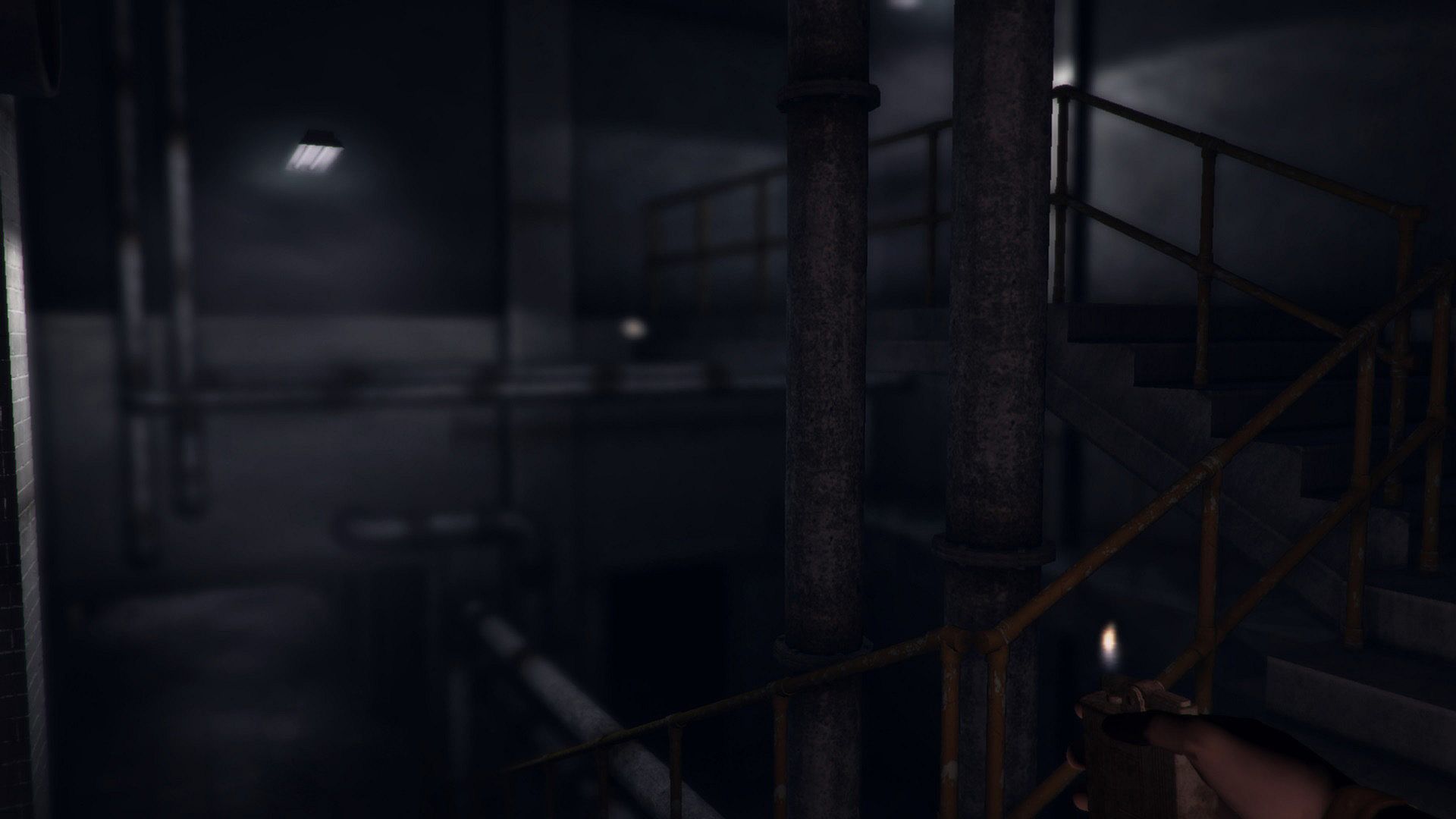
The experience centers on exploration through corridors that rearrange based on player movement. Procedural generation means paths behind the player can close off or new routes can appear, forcing constant reorientation and second-guessing of directions. Navigation relies on cryptic clues scattered throughout the facility, combined with careful management of limited resources.
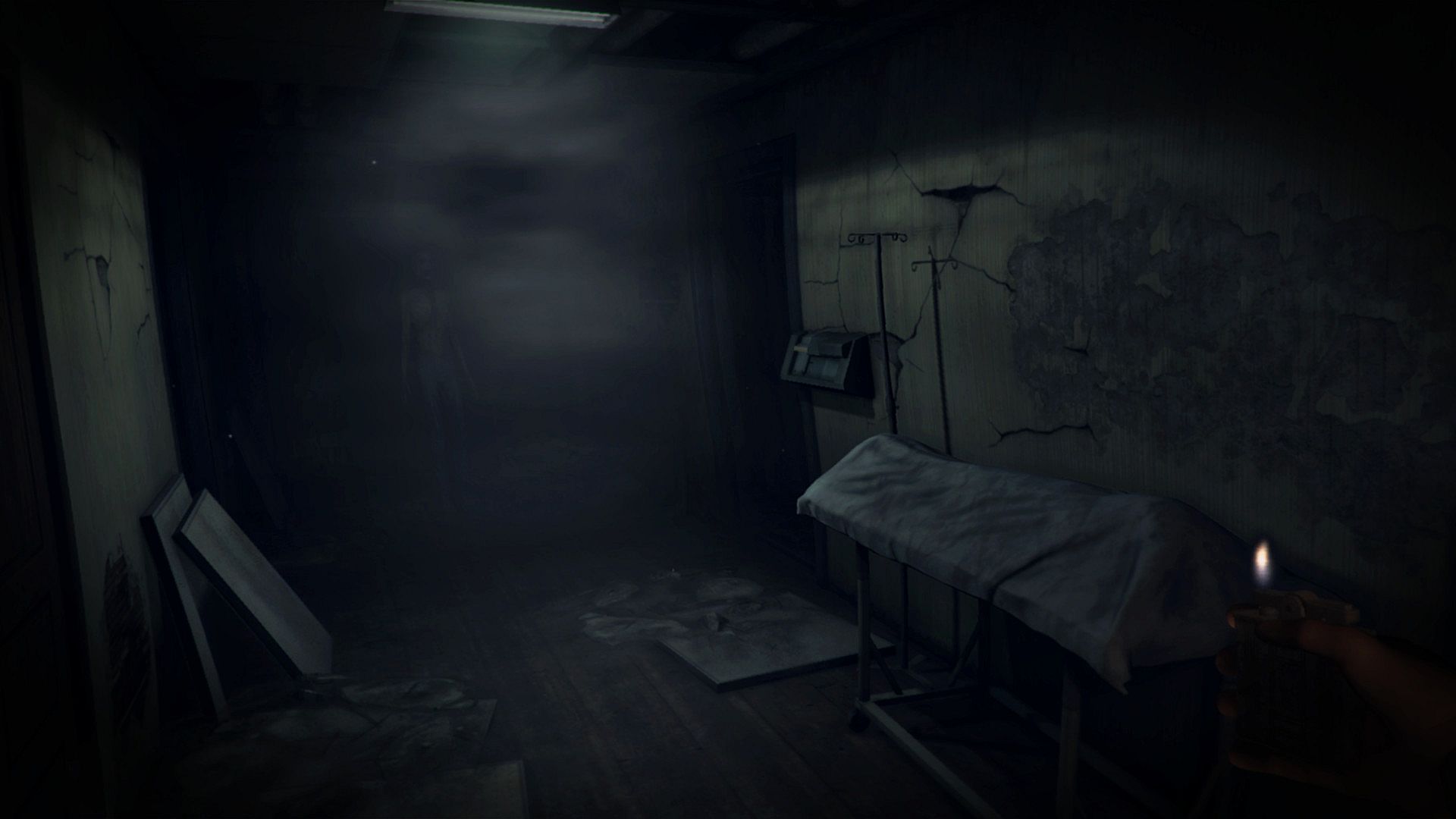
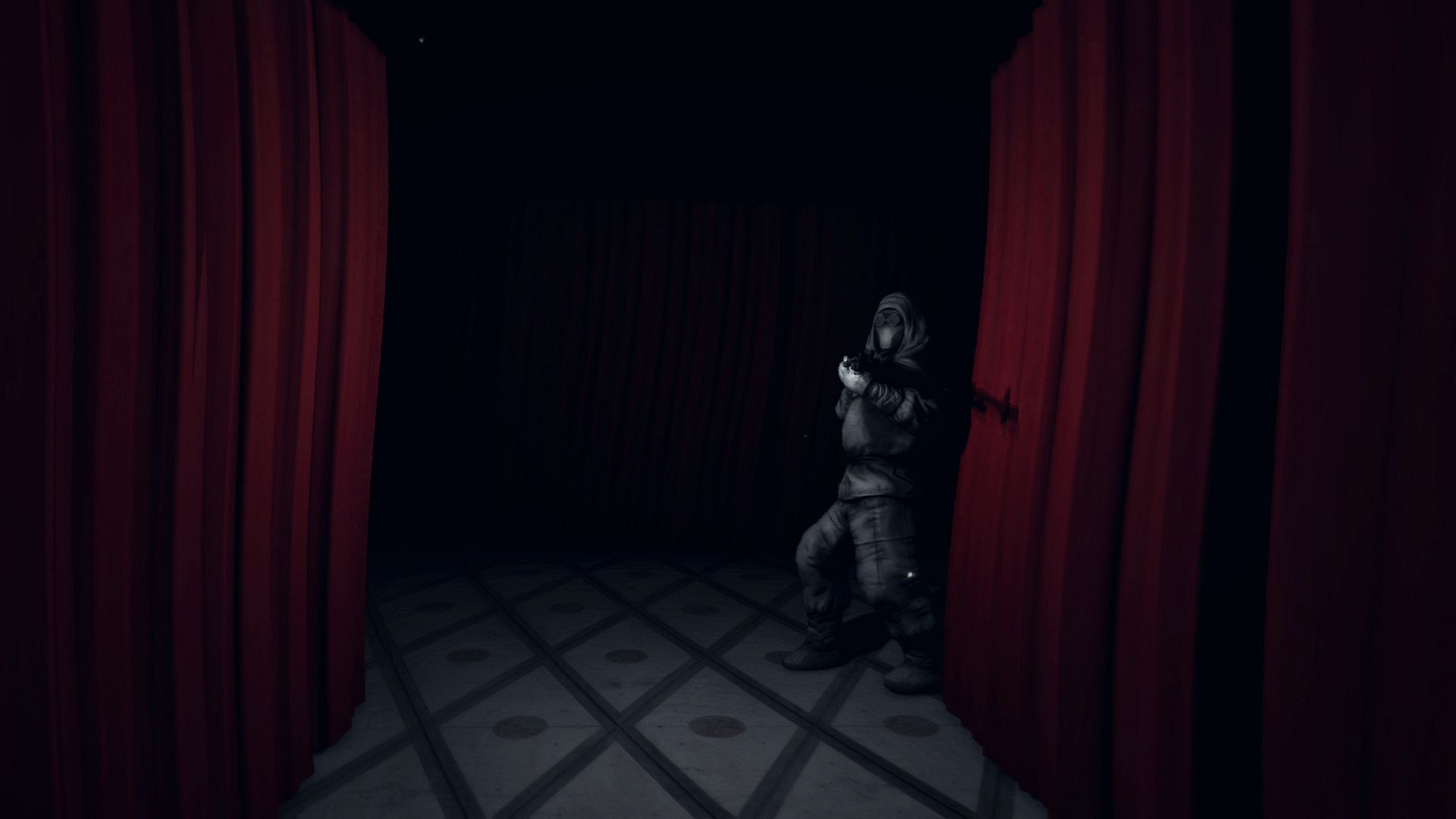
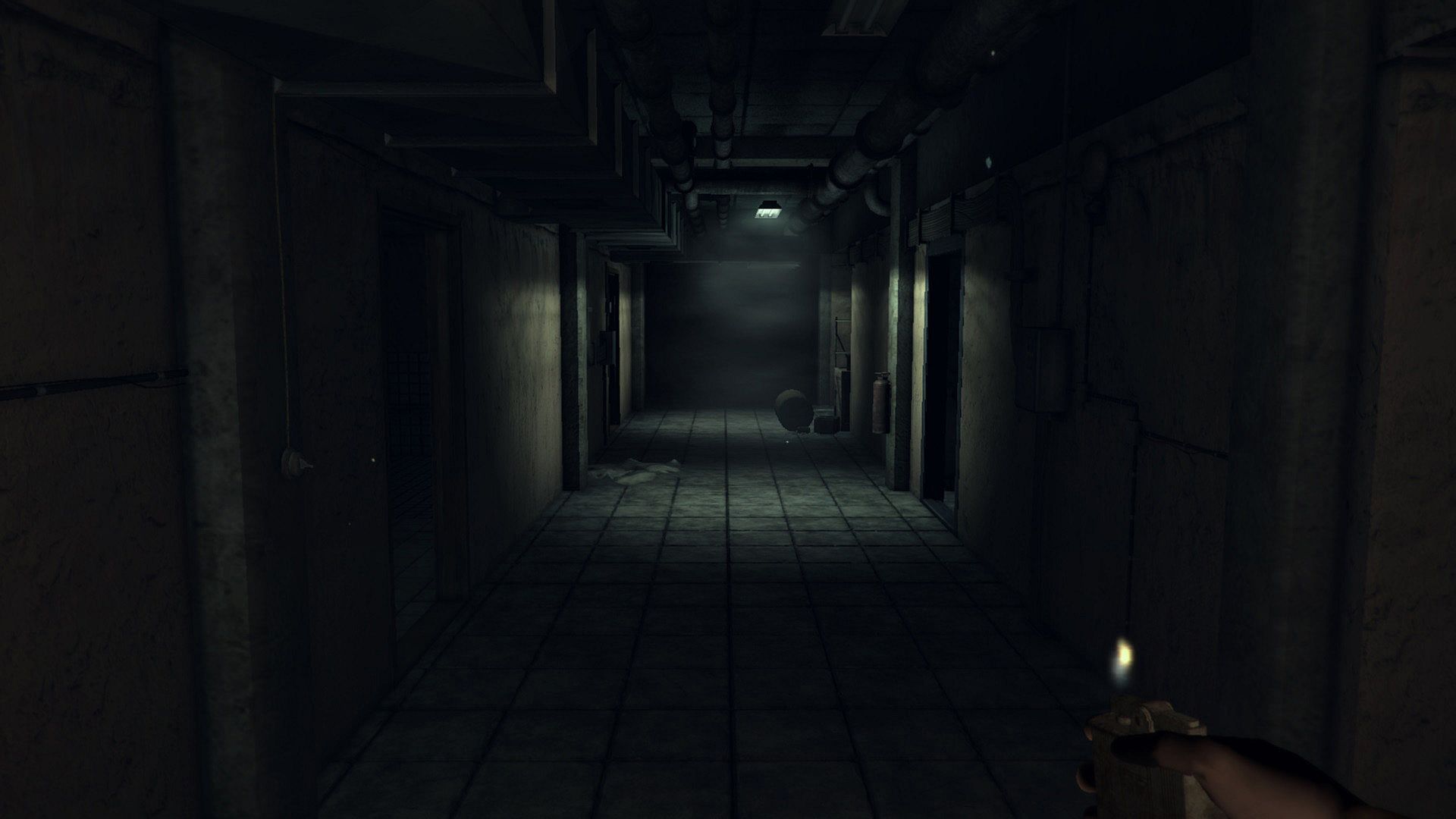
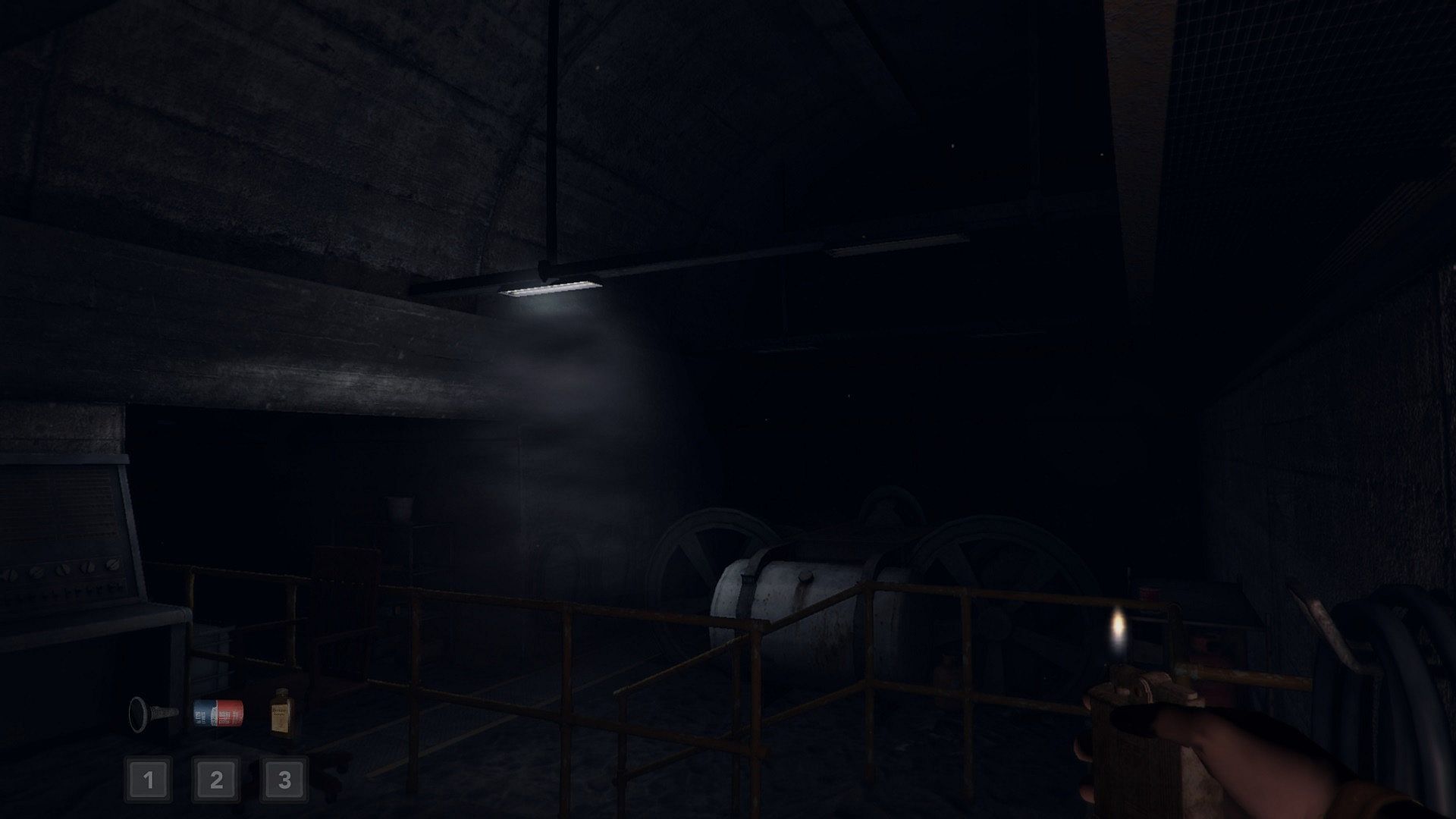
A persistent monstrous entity pursues the player relentlessly. Other creatures in the environment can detect the player and summon the main threat, requiring stealth and avoidance rather than direct confrontation. Players scavenge for pills that stabilize mental state and prevent further descent into hallucinations, alongside key items needed to progress toward an exit. The lighter and flashlight serve as the primary tools for visibility in the dark military black site setting.
Mechanics emphasize tension through uncertainty. Every turn can alter the layout, turning familiar spaces into unfamiliar ones and heightening the sense of disorientation. Resource scarcity adds pressure, as running out of stabilizing items accelerates the psychological decline that distorts perception further.
Game Modes
Hektor operates as a single-player experience with no separate multiplayer or co-operative options. The entire game unfolds in one continuous campaign focused on escape from the facility. There are no distinct difficulty modes or alternative play styles verified beyond the core procedural horror loop.
Progression follows a linear structure interrupted by the shifting layouts, with achievements tied to exploration and survival elements. The design keeps all activity contained within the single campaign without branching campaigns or competitive elements.
Atmosphere and Setting
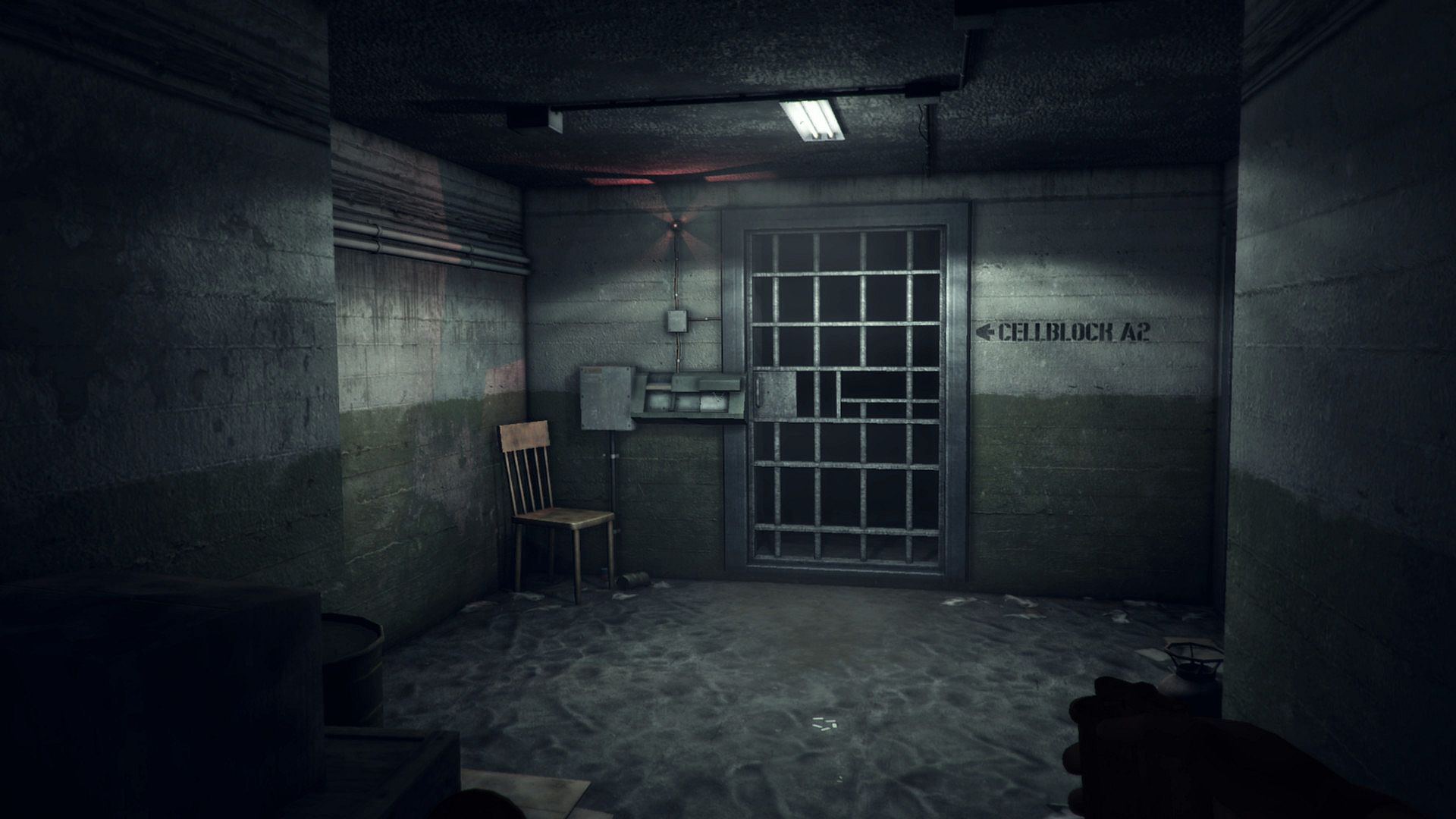
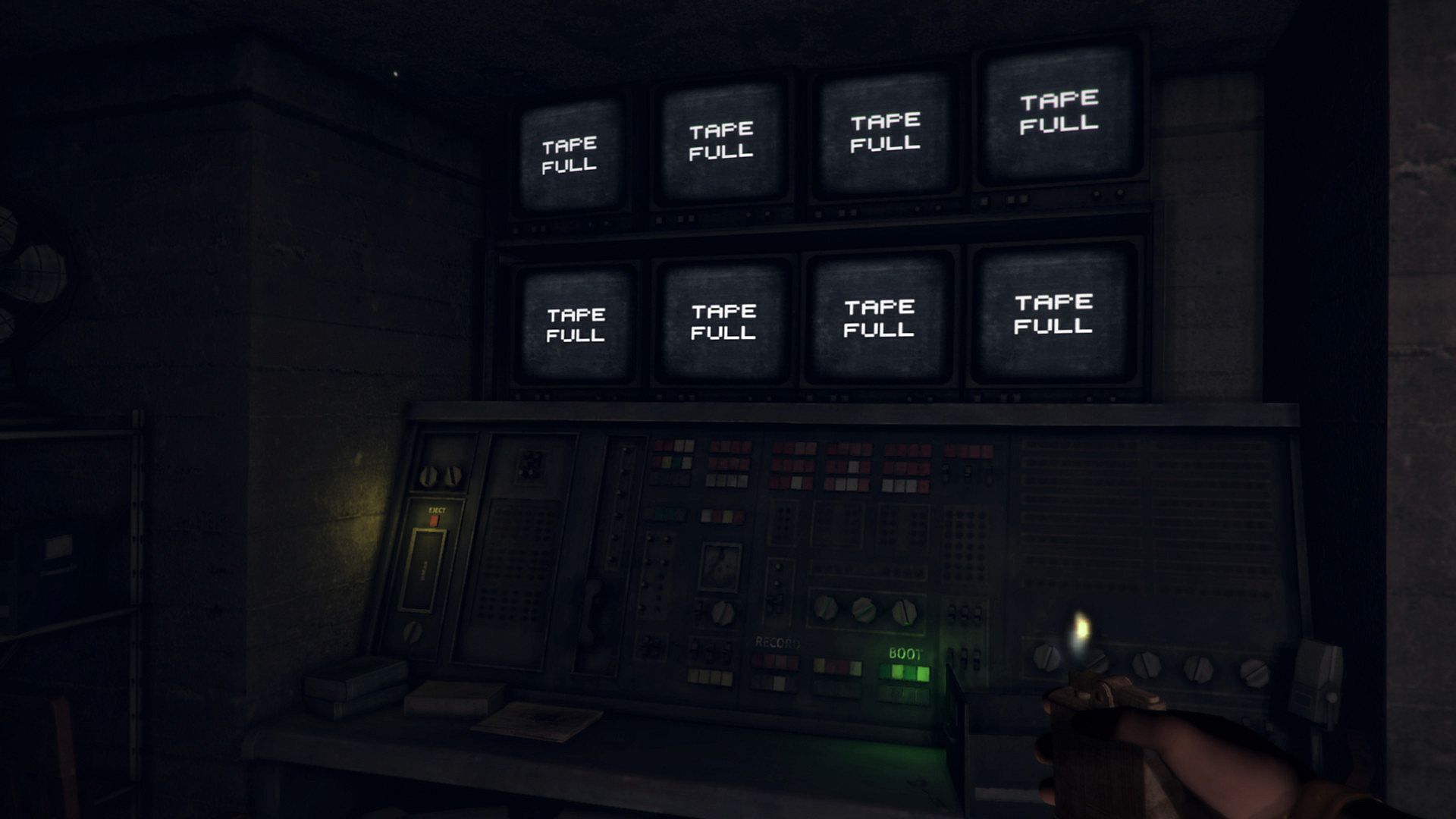
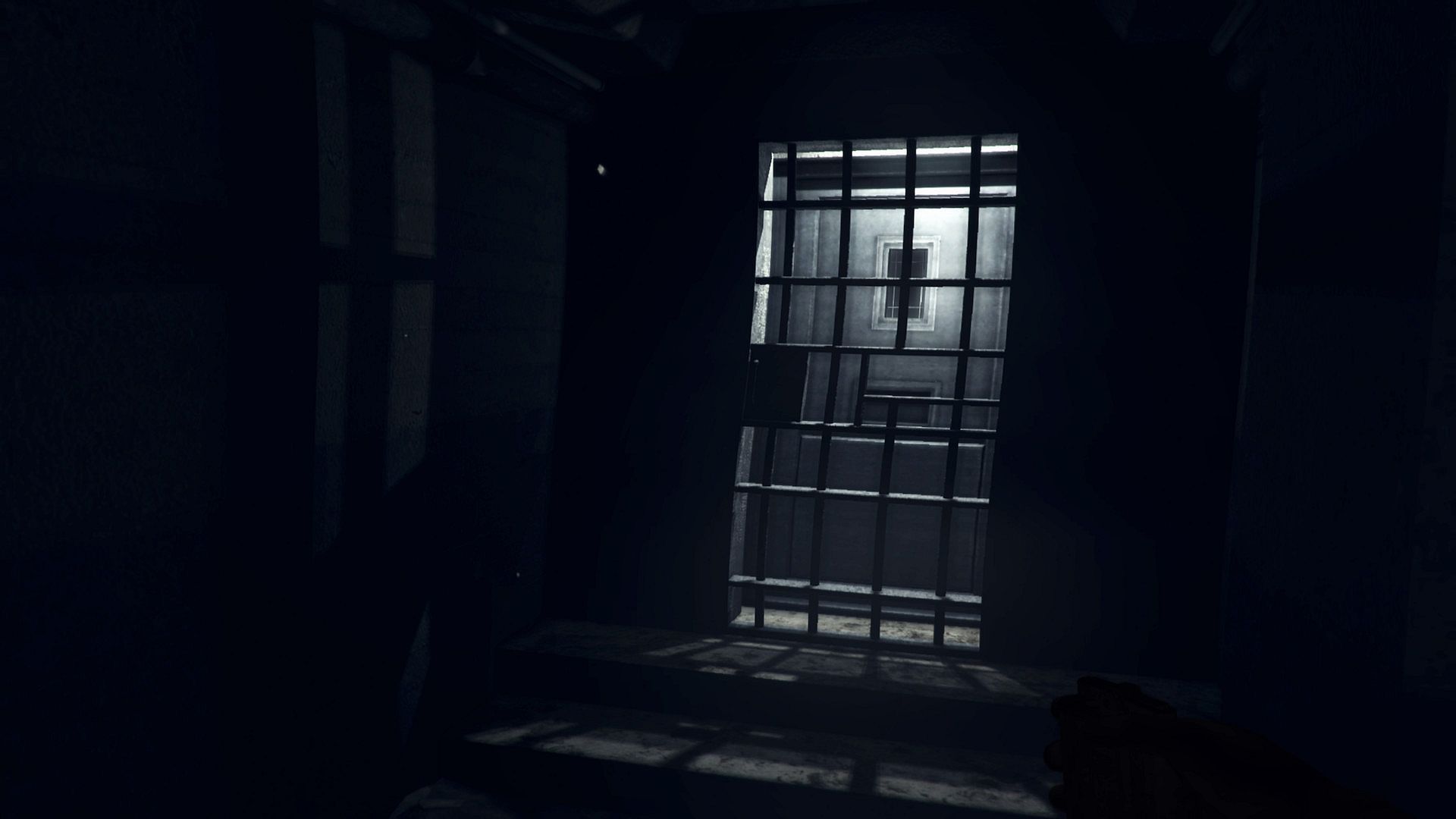
The game builds its tension around the defunct covert research facility known as HEKTOR. Dark corridors and abandoned laboratories create a sense of isolation, with environmental storytelling revealing fragments of the site's past experiments. The military black site aesthetic reinforces feelings of confinement and forgotten atrocities.
Psychological elements manifest through visual and auditory distortions as the player's mental state deteriorates. Hallucinations and altered perceptions tie directly into the pill management system, making the environment feel increasingly unreliable. Sound design and lighting play key roles in maintaining unease without relying on traditional jump scares alone.
Is It Worth Playing?
Player reception on Steam stands at mixed, with 61 percent of 330 reviews rated positive. Many highlight the unique procedural corridor shifts and atmospheric tension as standout features, while others note technical issues, repetitive mechanics, and a relatively short overall length as drawbacks.
The game suits players who enjoy deliberate, single-player horror focused on exploration and mental strain rather than action or combat. Those seeking a concise experience with strong environmental storytelling and mind-bending layout changes may find value in its approach. Individuals preferring longer campaigns or polished technical execution might encounter frustration with its 2015-era limitations.
Overall, Hektor delivers a focused psychological horror package centered on its signature shifting world and pursuit mechanics. It remains available as a straightforward PC title for fans of the genre who appreciate procedural uncertainty and resource-driven tension over extensive content or ongoing updates.