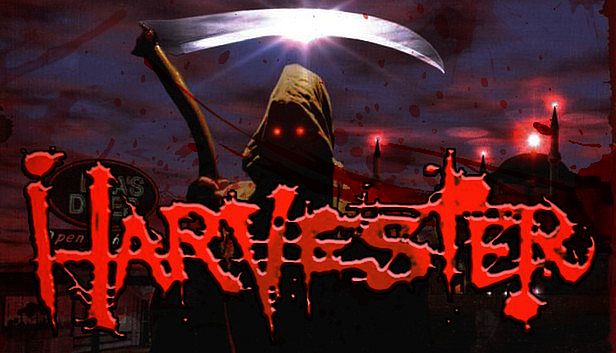















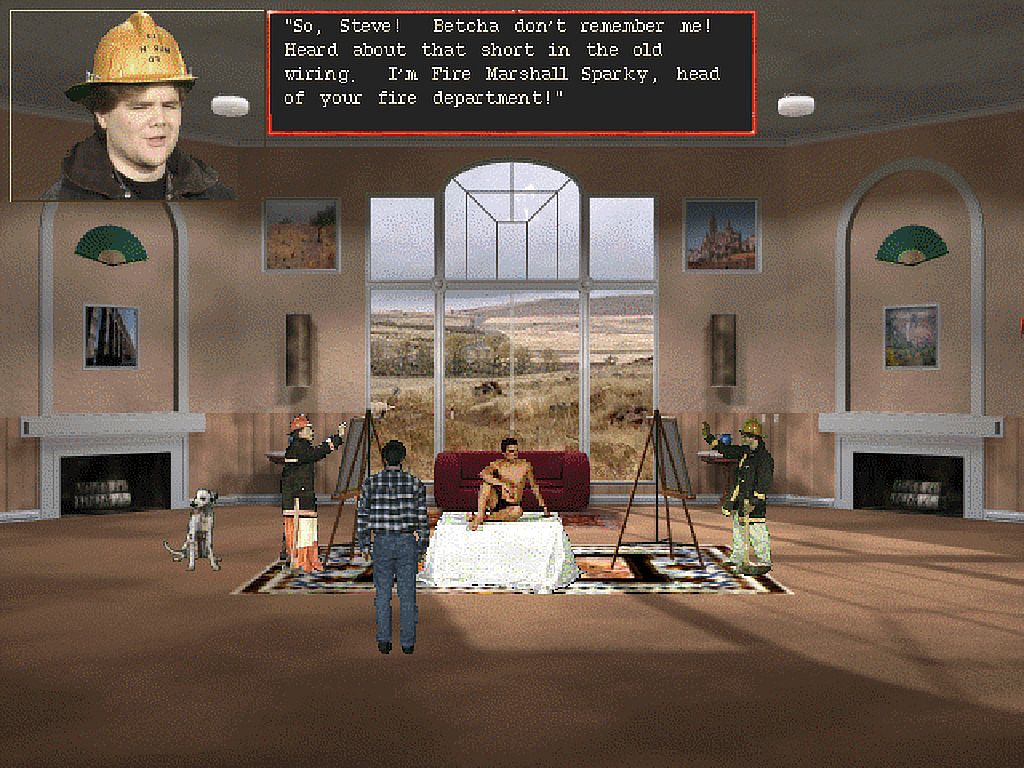






Harvester is a point-and-click adventure game released in 1996 and later brought to modern PC platforms. Players assume the role of Steve Mason, an 18-year-old who wakes with amnesia in the fictional Texas town of Harvest during 1953. The story centers on a missing fiancee, a gruesome discovery, and involvement with a secretive group known as the Order of the Harvest Moon that exerts control over the community.
Gameplay
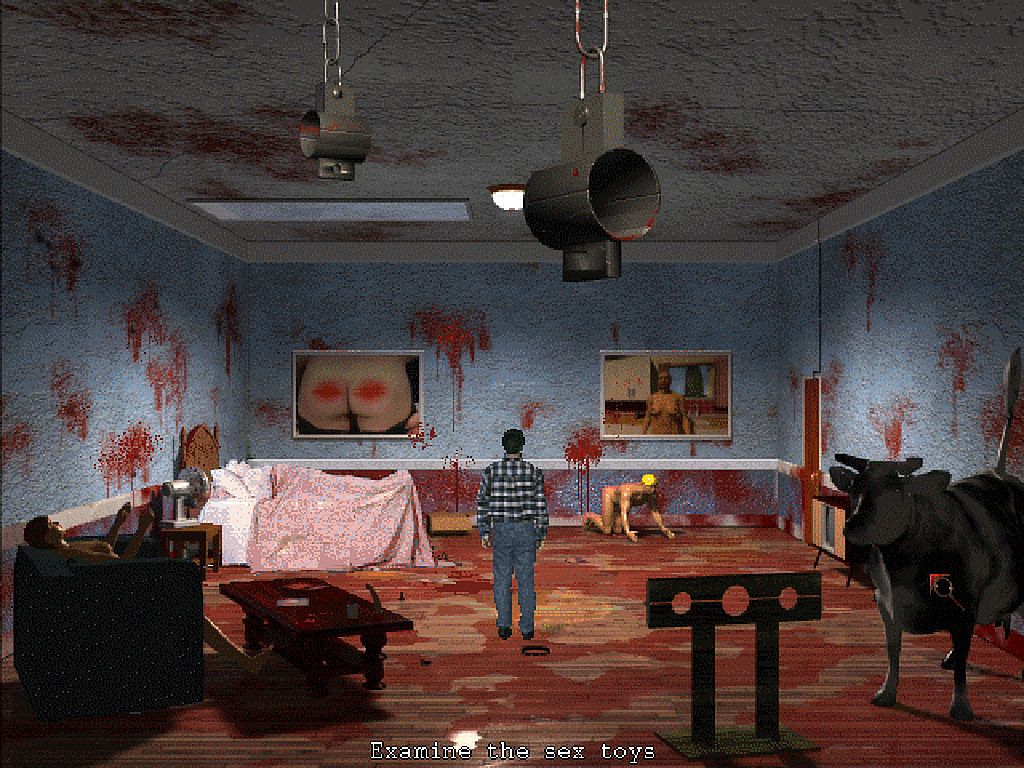
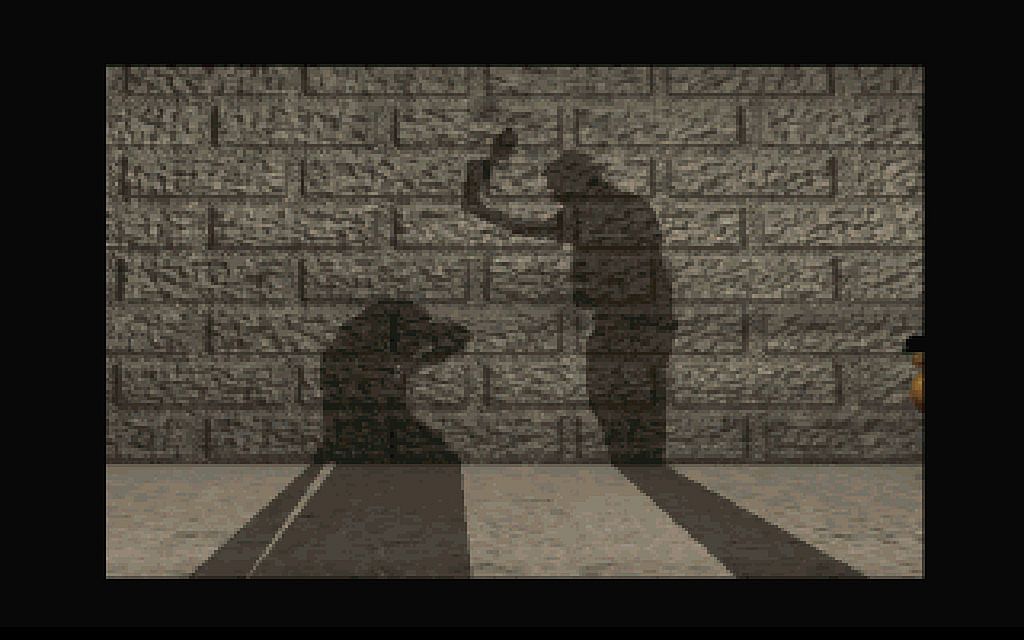
The core loop revolves around exploration of the town and surrounding areas through a traditional point-and-click interface. Players move Steve around locations, examine objects, converse with residents, and collect items to progress the narrative. Puzzles often require combining found objects or using them in specific ways on the environment or characters. The game incorporates full-motion video sequences that advance key story moments and reveal disturbing imagery.
Day and night phases influence available activities. Daylight hours focus on gathering information and items through conversations and searches. Nighttime shifts toward executing plans that frequently involve confrontation or stealth elements. Combat occurs in limited encounters and relies on weapons such as a scythe or shotgun, though the mechanics remain simple and can feel imprecise during action segments.
Inventory management plays a central role, with players carrying multiple objects that must be selected and applied correctly to solve obstacles. The game emphasizes narrative progression over open-ended freedom, guiding players through a series of tasks tied to the Order while uncovering layers of the town's secrets.
Game Modes
Harvester operates exclusively as a single-player experience with no multiplayer components or alternate modes. The entire campaign unfolds in a linear story structure divided across several in-game days. Progression follows the protagonist's deepening entanglement with the Order, leading to multiple possible endings based on choices made during key sequences.
Players advance by completing objectives that escalate in intensity and violence. There are no side modes, competitive elements, or replayable challenges separate from the main narrative path. The focus remains on uncovering the central mystery through exploration and puzzle-solving within the fixed setting of Harvest.
Story and Setting
The narrative unfolds in a small American town dominated by the Order of the Harvest Moon. Residents exhibit strange behaviors and loyalties that become apparent as Steve investigates his circumstances. The setting blends 1950s aesthetics with increasingly surreal and horrific elements that challenge initial perceptions of normalcy.
Key locations include residential homes, public buildings, and more remote sites that reveal the extent of the Order's influence. Interactions with family members and neighbors provide initial context before the plot expands into broader conspiracies and personal stakes. The tone shifts from mystery to explicit violence and psychological tension as events unfold.
Is It Worth Playing?
Harvester suits players interested in classic point-and-click adventures that prioritize atmosphere and shock value over polished mechanics. The game delivers a distinctive story filled with grotesque sequences and unexpected twists that have earned it cult status among fans of 1990s horror-tinged titles. Steam user reviews rate it Very Positive based on over 1,300 submissions, highlighting its bold script and memorable visuals.
Those seeking modern conveniences such as quality-of-life improvements or refined controls may find the interface and occasional puzzle logic dated. Combat segments stand out as particularly rough compared to the exploration and dialogue portions. Availability on current PC systems makes it accessible for those curious about retro adventure games with extreme content warnings.
Recommendation depends on tolerance for graphic violence and willingness to engage with imperfect puzzle design. Players who enjoy uncovering dark secrets through methodical item use and conversation will find the experience rewarding despite its age. The re-release preserves the original vision without added features or expansions.