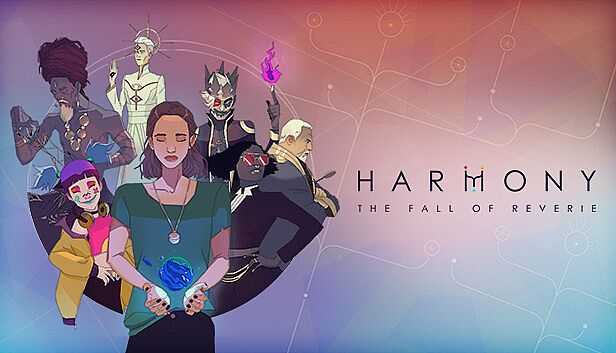


















Harmony: The Fall of Reverie is an indie adventure game centered on narrative choices and dual-realm exploration. Players take on the role of Polly, who returns to her Mediterranean hometown after time abroad and uncovers her ability to connect with Reverie, a parallel domain of aspirations. The experience blends everyday life in a changing city with visits to this vibrant realm where Polly assumes the identity of Harmony.
Gameplay
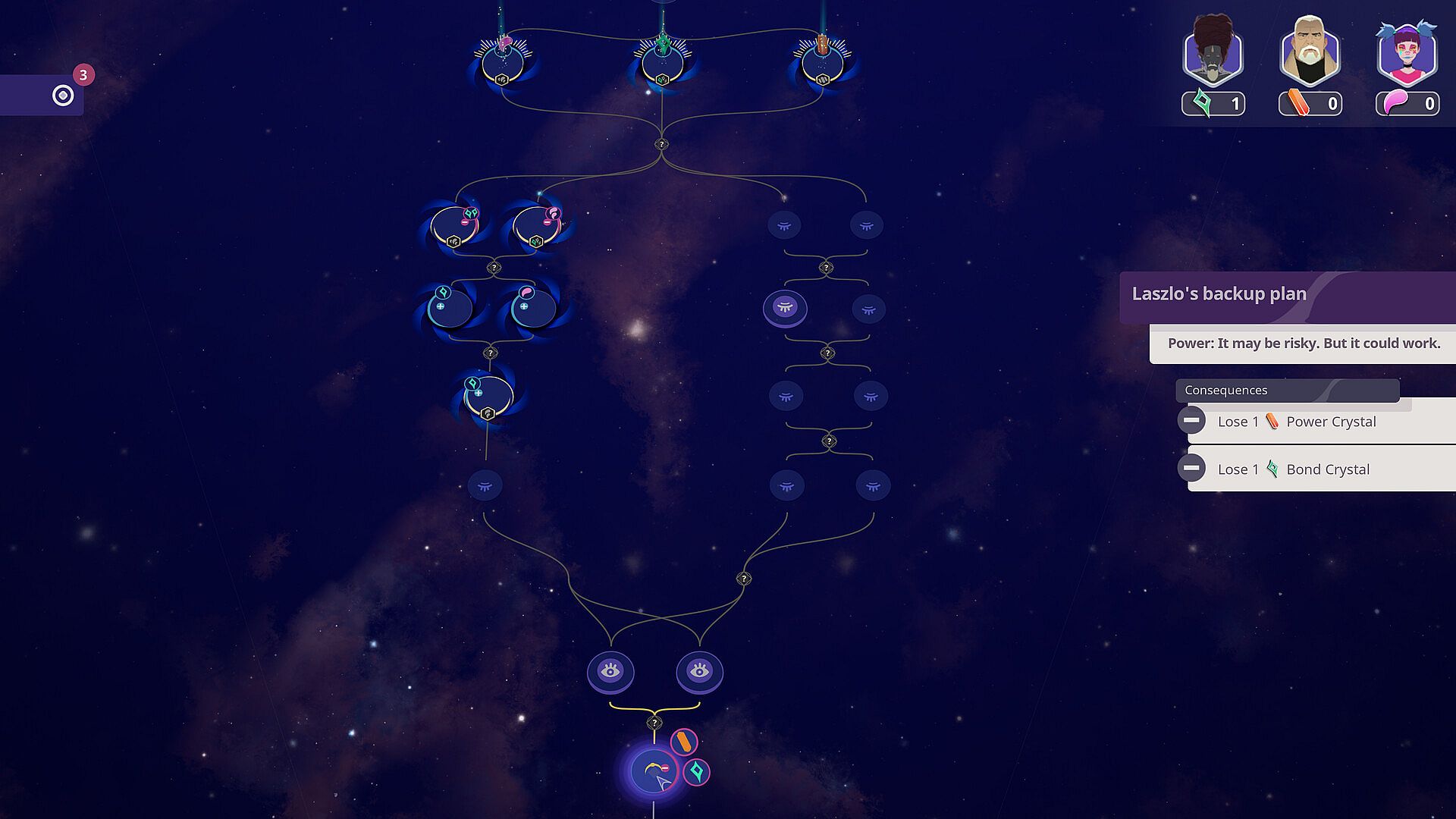
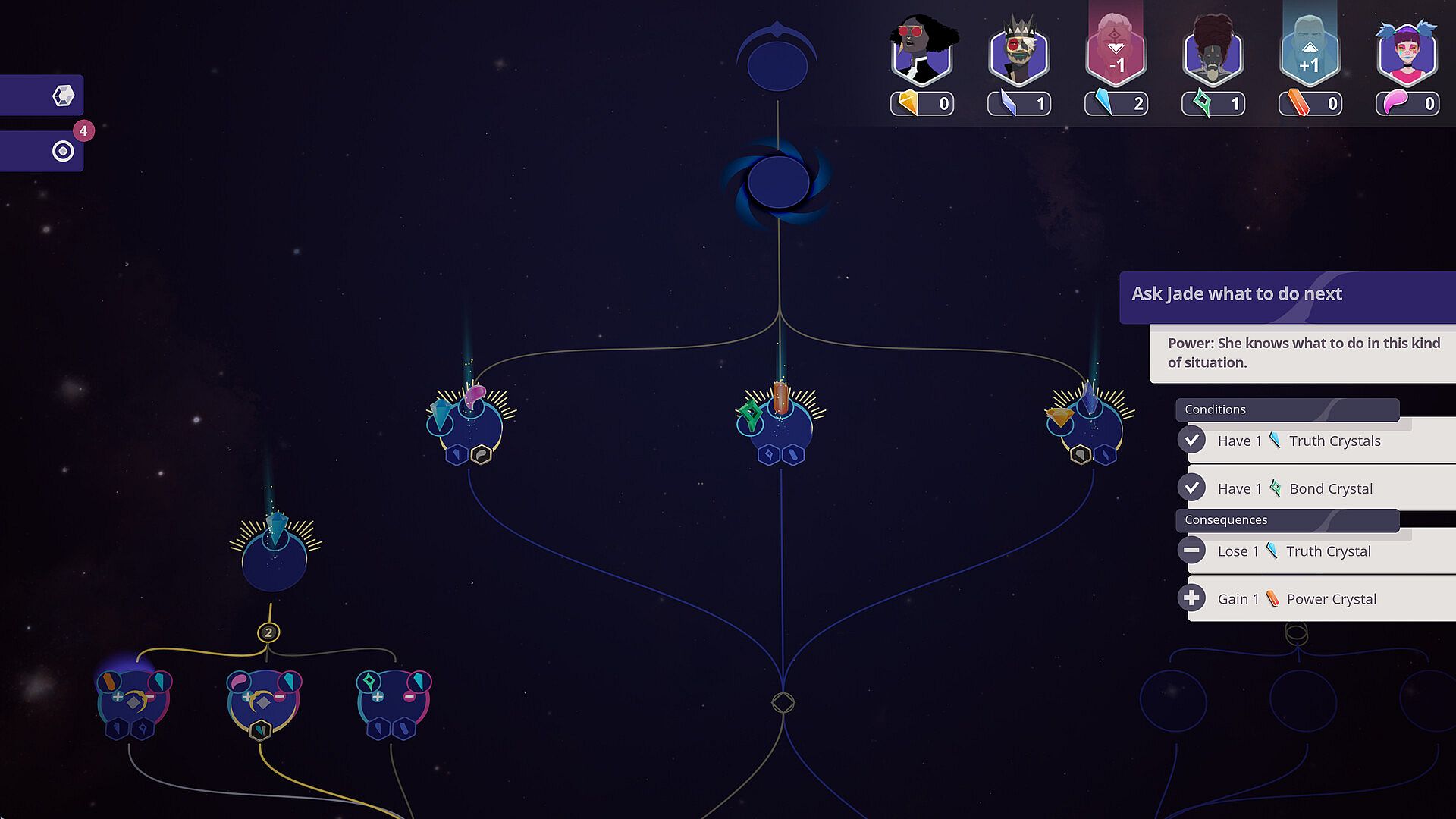
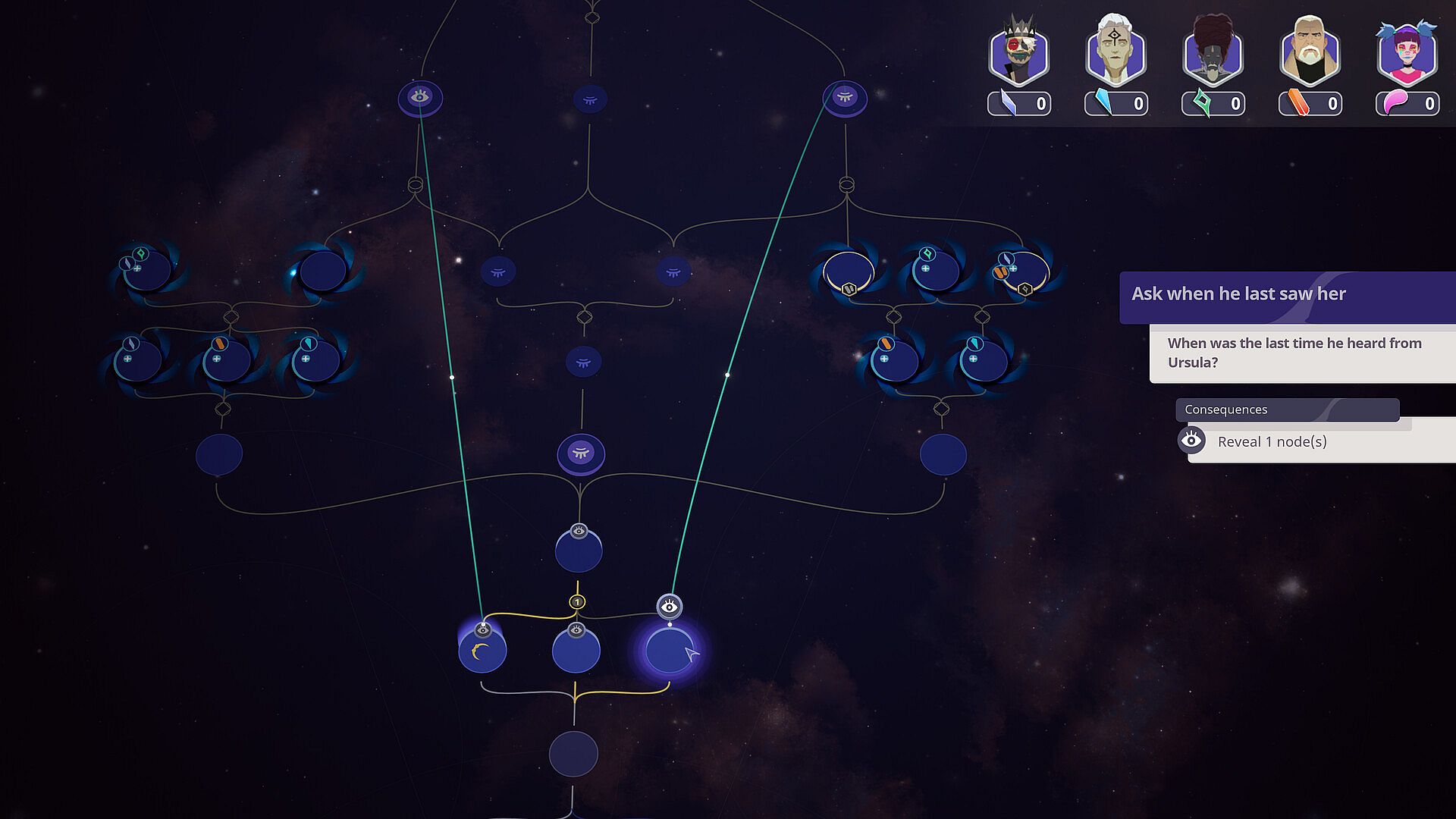
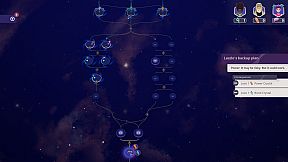
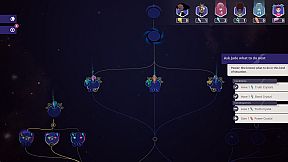
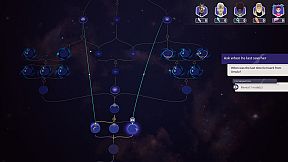
The core loop revolves around managing decisions that ripple across two interconnected worlds. As Polly navigates her hometown and investigates her mother's disappearance amid corporate influence, she enters Reverie through dreams. There, as Harmony, she interacts with six distinct Aspirations that represent core human drives. Each choice in the story can be previewed through the Augural, a visual board that maps out potential future outcomes and branching paths ahead of time.
Progression involves collecting crystals tied to specific Aspirations. These items alter available options at key story crossroads and shift alignments with the deities. Stronger bonds with certain Aspirations open unique narrative threads while limiting others, creating personalized routes through the plot. The system encourages repeated playthroughs to explore how different combinations reshape events in both the real world and Reverie.
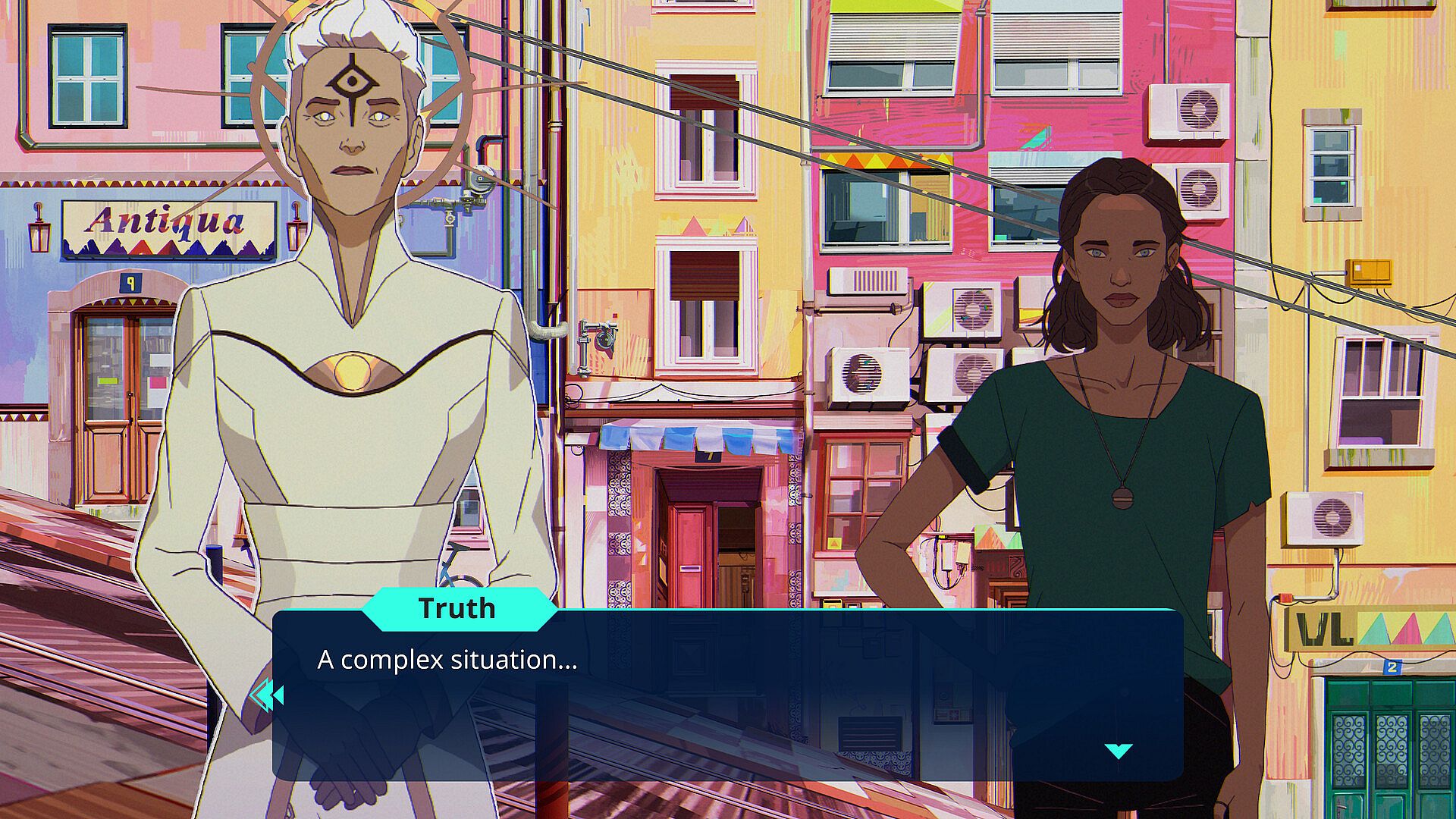
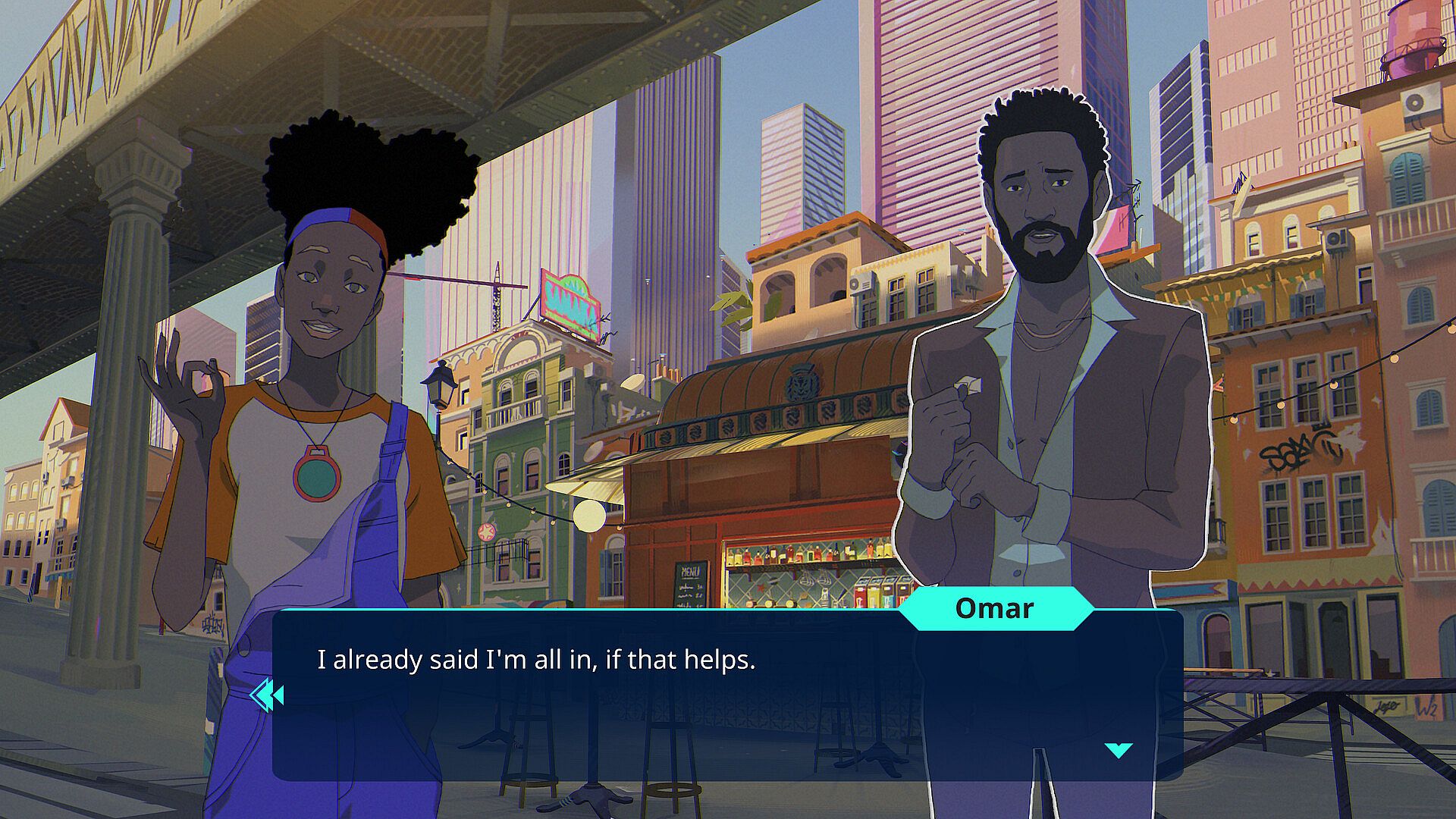
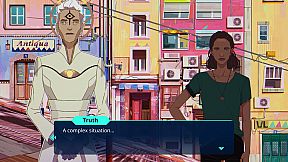
Exploration focuses on character interactions and environmental details rather than combat or resource gathering. Fully voiced dialogue and animated scenes drive the pace, with the story unfolding through conversations and dream sequences that reveal more about the Aspirations' personalities and goals.
Game Modes
The game operates as a single-player narrative experience without separate competitive or cooperative modes. All content centers on the branching story structure, where the Augural serves as the primary tool for planning and reviewing decisions. Players advance through a series of interconnected scenes that adapt based on prior choices and crystal alignments.
Multiple endings emerge from the cumulative effects of Aspiration influence. No additional modes such as time trials, challenges, or alternate campaigns exist beyond the core campaign's variable paths. The design emphasizes replayability through different crystal collections and foresight usage rather than distinct gameplay variants.
Story and Setting
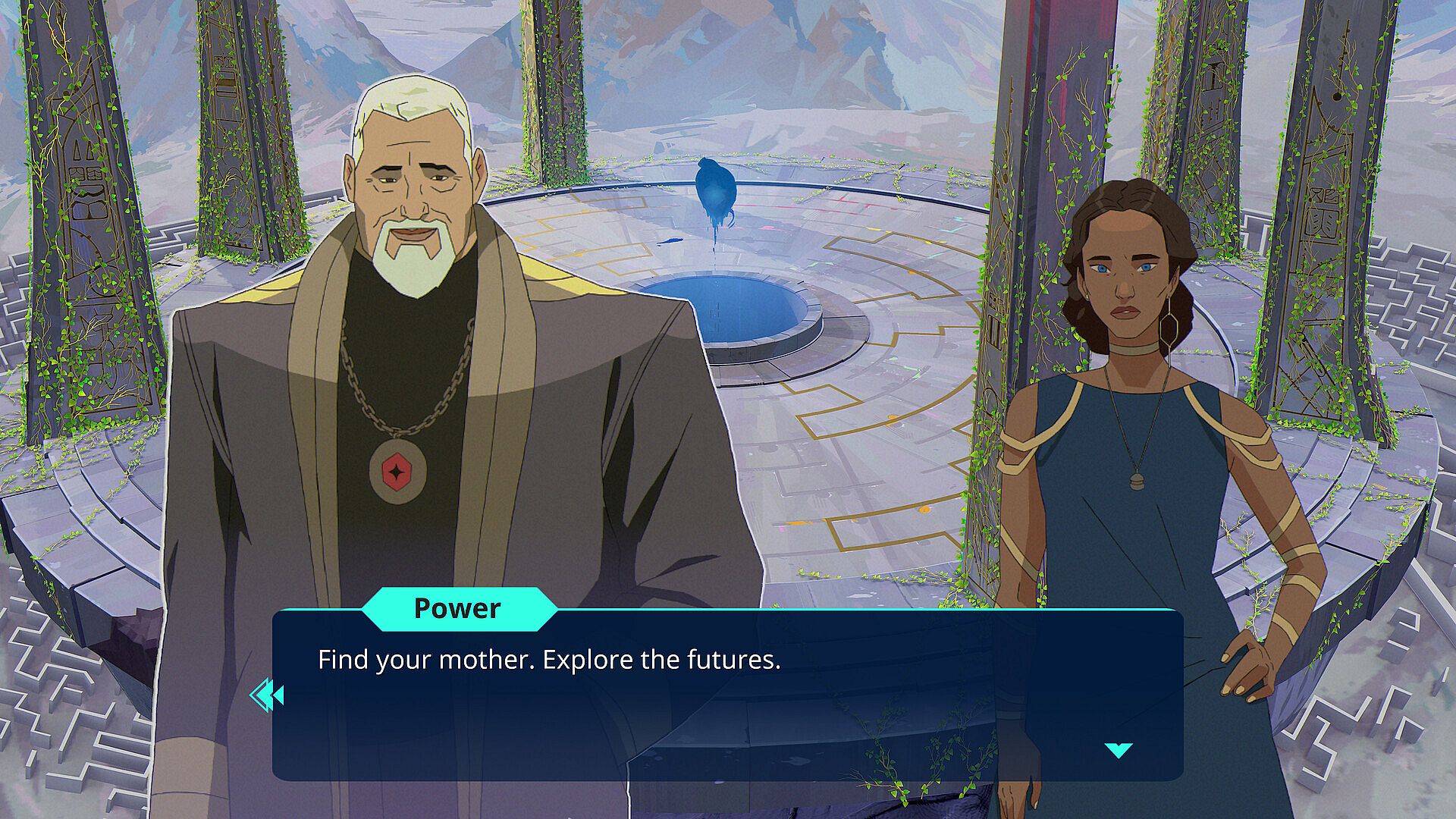
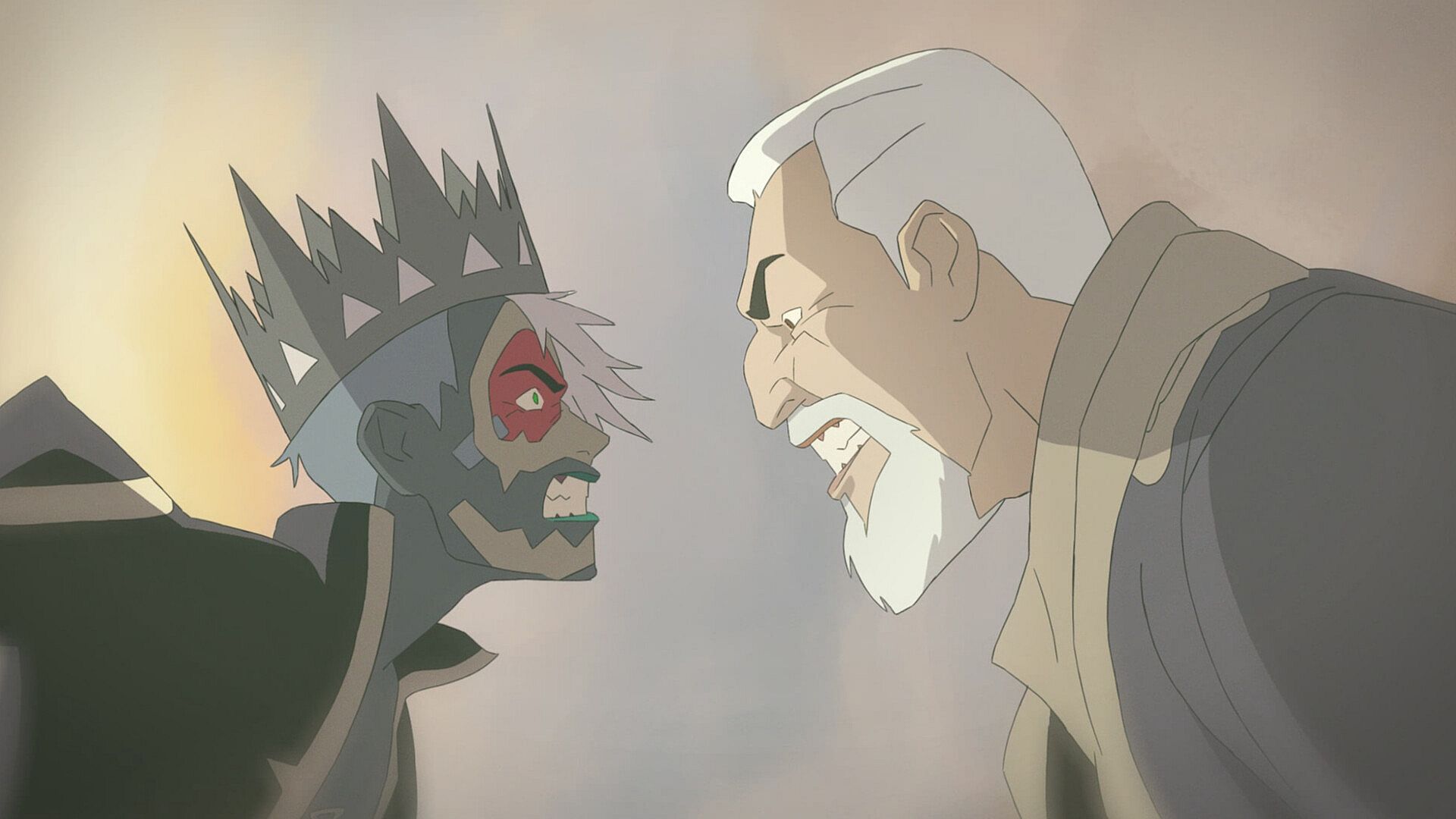
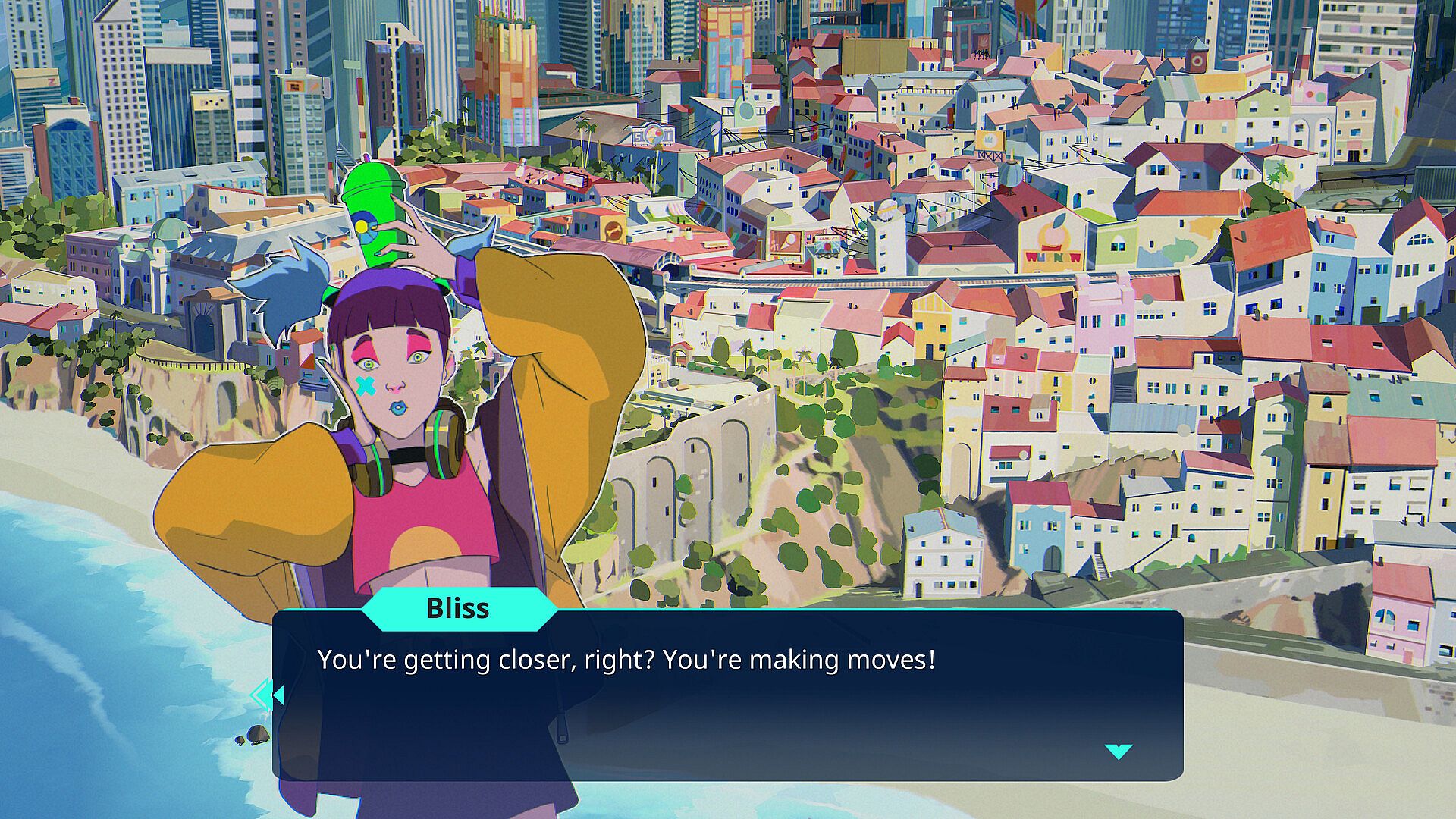
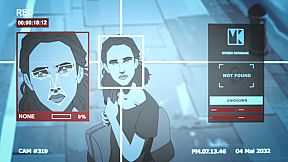
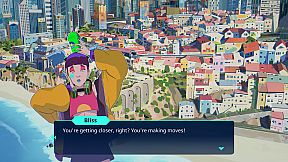
The narrative follows Polly's return to a hometown altered by a megacorporation's control. Her clairvoyance links her to Reverie, where the Aspirations Glory, Bliss, Power, Chaos, Bond, and Truth vie for dominance. As Harmony, she holds the power to tip the balance, with the chosen leader's traits then influencing both realms.
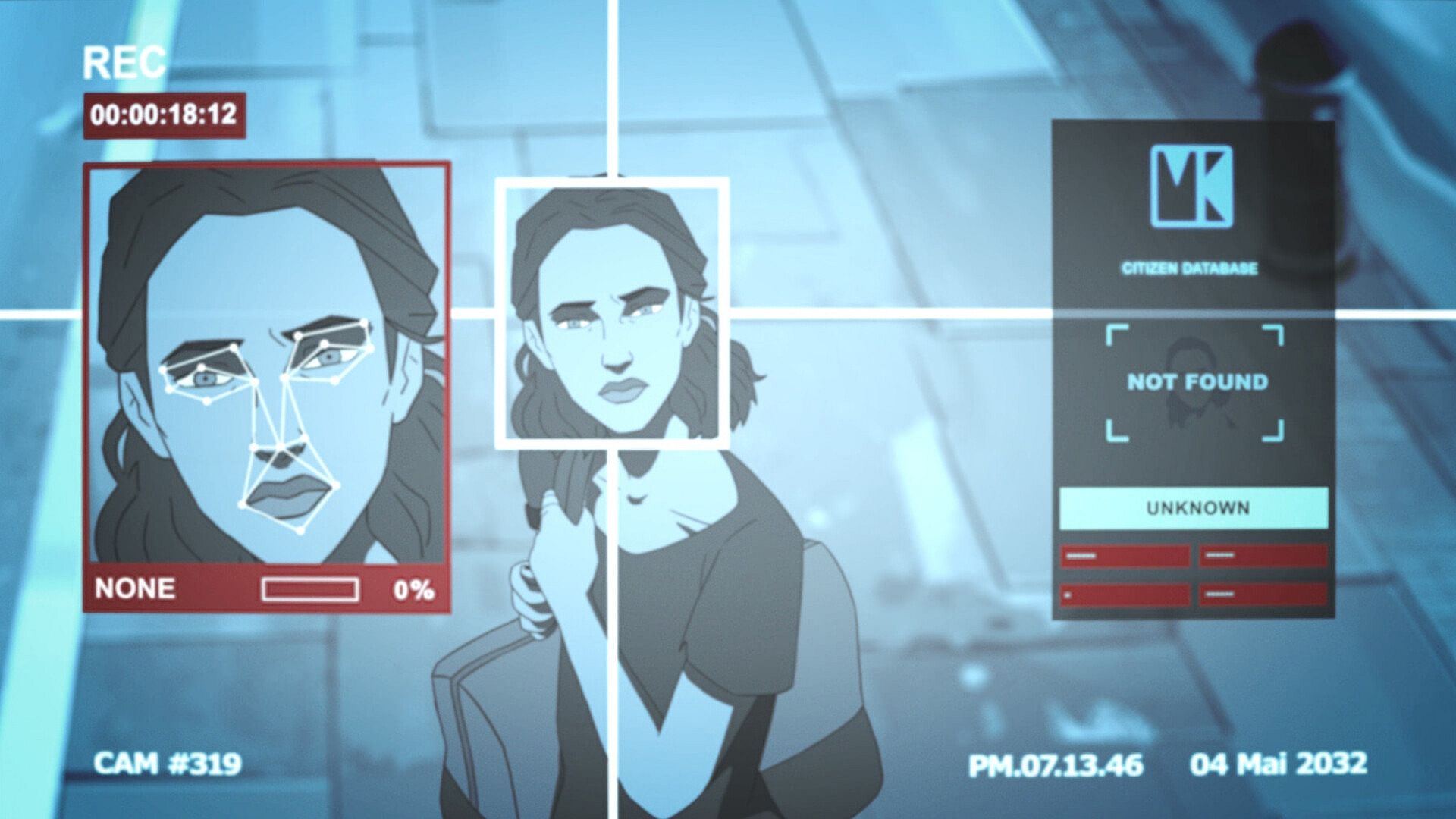
Events in Reverie affect the real world when the connection strengthens, altering community dynamics and personal relationships. The Aspirations each bring unique perspectives on improvement, requiring players to weigh their opinions against Polly's grounded view of what her world needs. This setup creates emotional stakes tied to family, community, and larger societal shifts.
Is It Worth Playing?
Harmony: The Fall of Reverie suits players who enjoy choice-driven stories with visible consequences and multiple endings. The Augural mechanic provides a distinct way to engage with branching narratives, allowing foresight before committing to paths. Those drawn to character-focused adventures with artistic presentation and a custom soundtrack will find the dual-world concept engaging.
The game delivers a complete single-player experience with no ongoing seasonal content or live-service elements. Reception highlights the emotional depth of the Aspirations and the foresight system, though some note the interface for the Augural can feel cumbersome during navigation. It appeals most to fans of narrative adventures who value replaying for alternate outcomes over fast-paced action or multiplayer features.