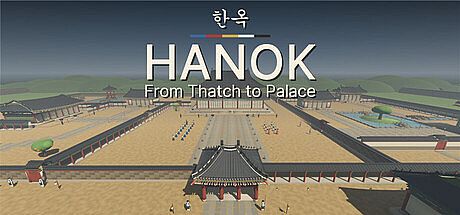


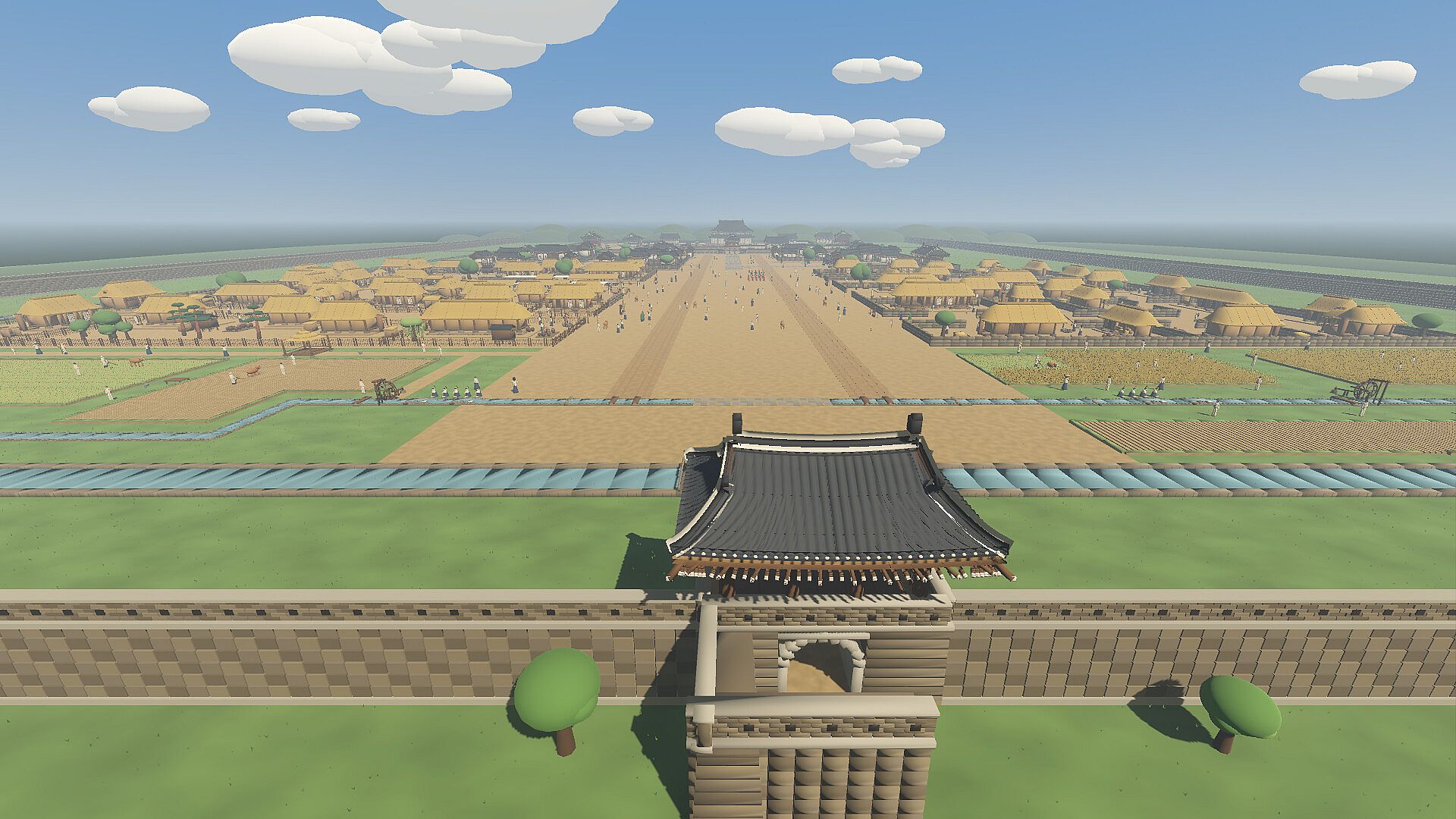
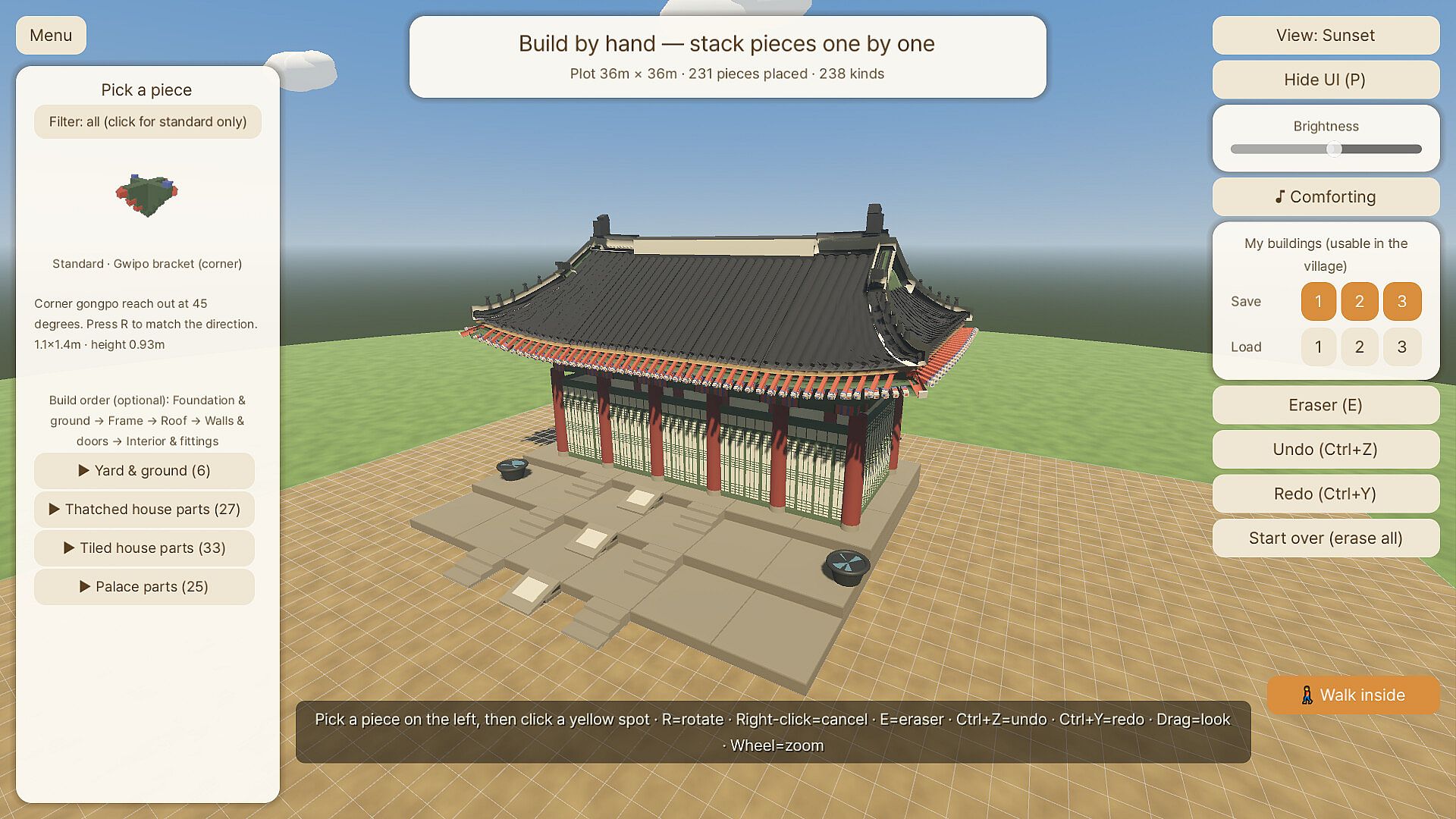
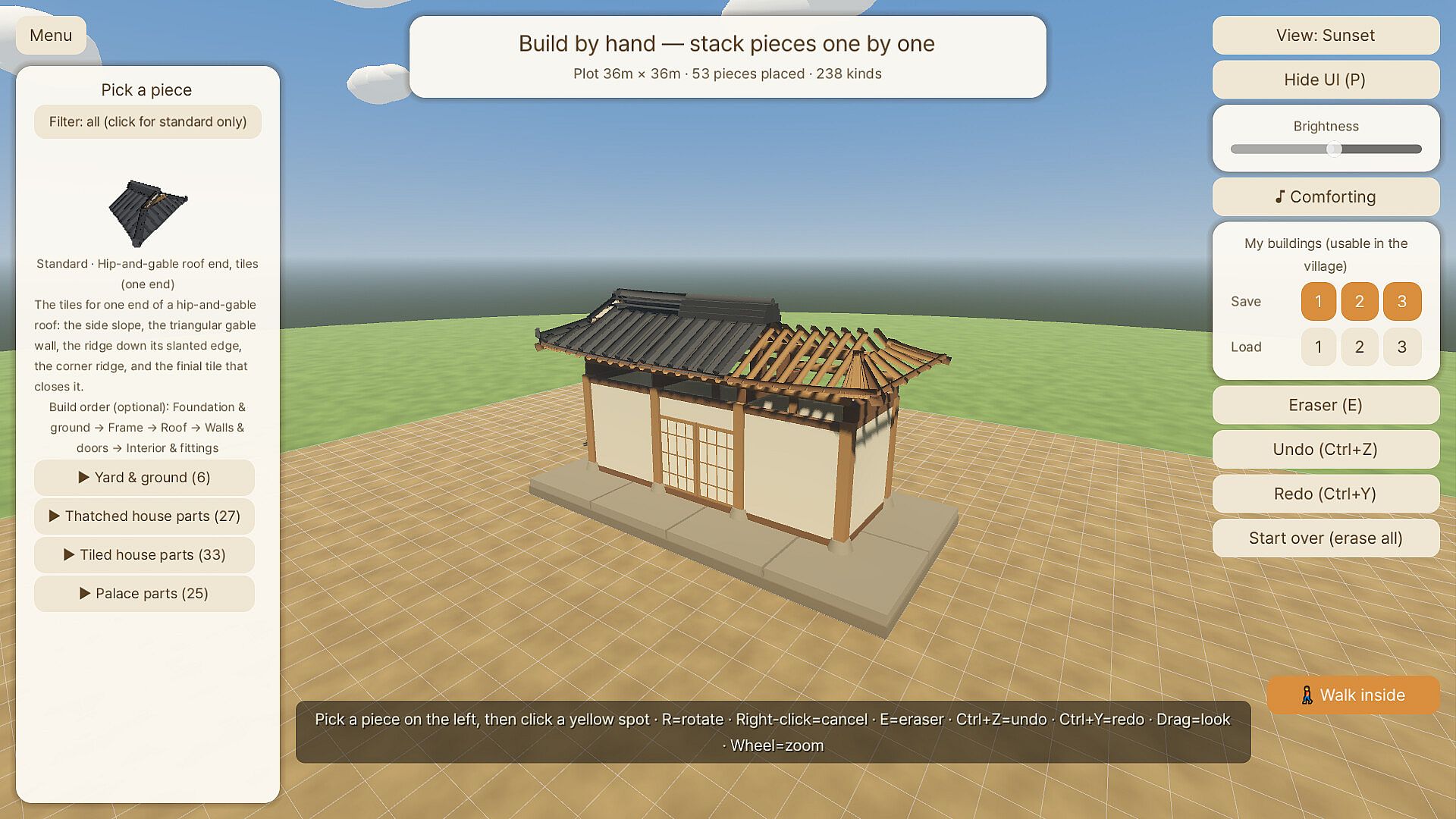
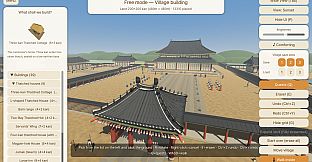
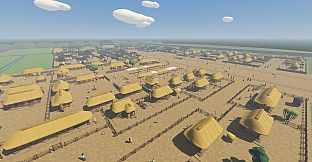
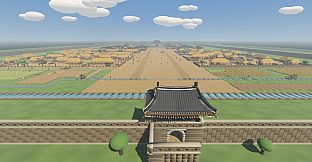
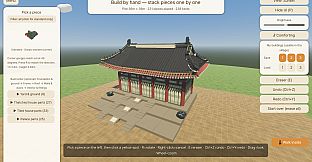
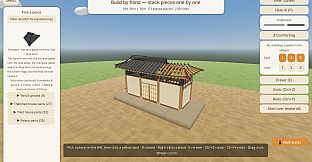
Hanok: From Thatch to Palace is an indie casual building simulation game available on PC. Players construct traditional Korean hanok structures piece by piece, following the actual sequence and methods used in historical Korean carpentry. The experience centers on accurate placement of foundation stones, pillars, beams, purlins, rafters, and roof tiles, with construction order that prioritizes framing before roofing to protect the timber from weather.
Gameplay
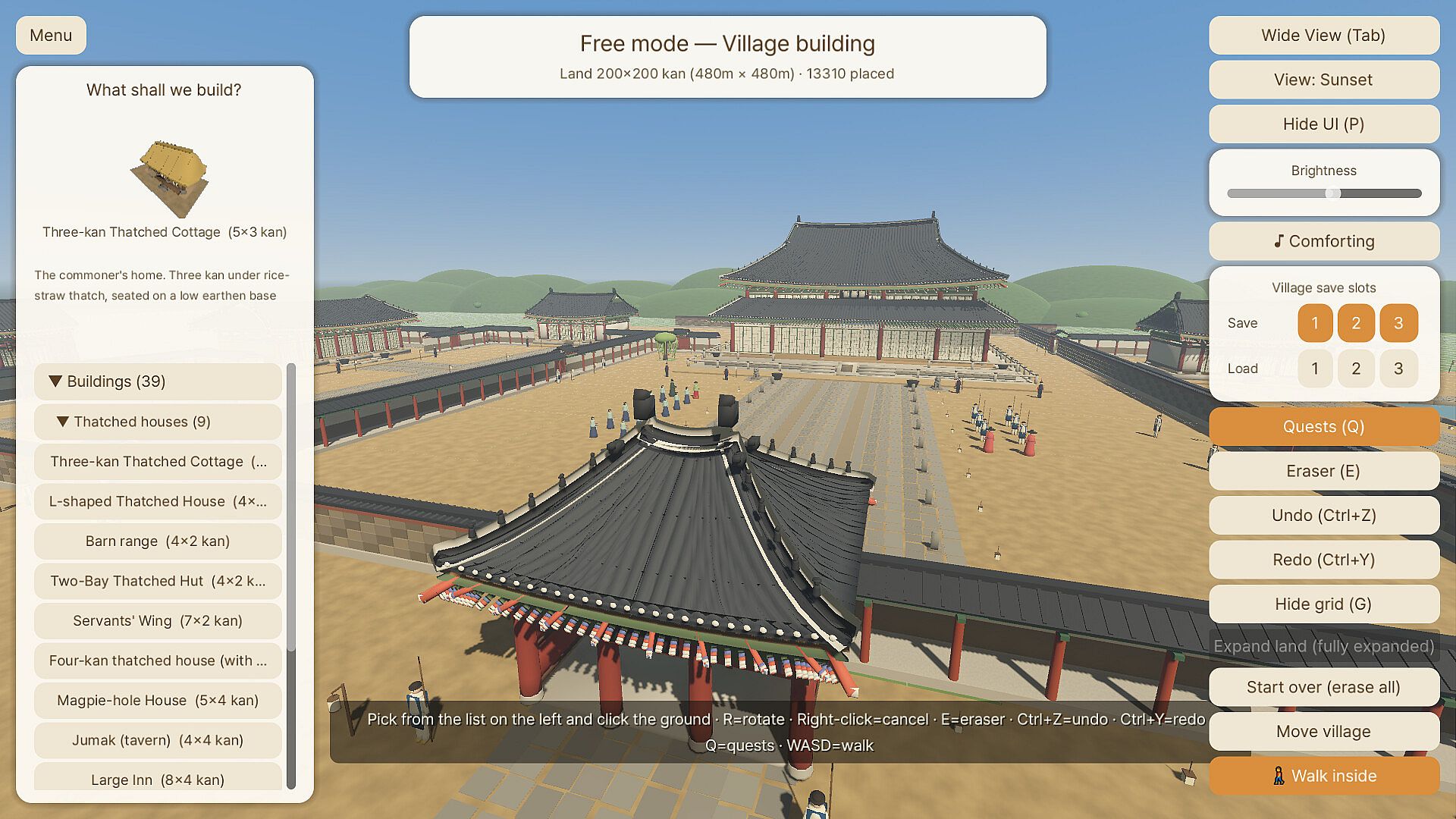
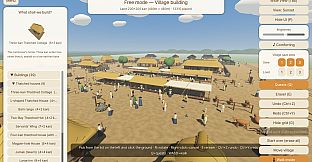
The core loop involves selecting and positioning individual architectural elements that carry their authentic Korean names along with brief explanations of their placement and purpose. Every component draws from real practices documented in Korean architectural records, and the game notes any simplifications made for gameplay directly within its interface. Players drag groups of pieces to form walls, paths, or rice paddies efficiently, while controls allow rotation of placed items through double-click or a dedicated key before final positioning.
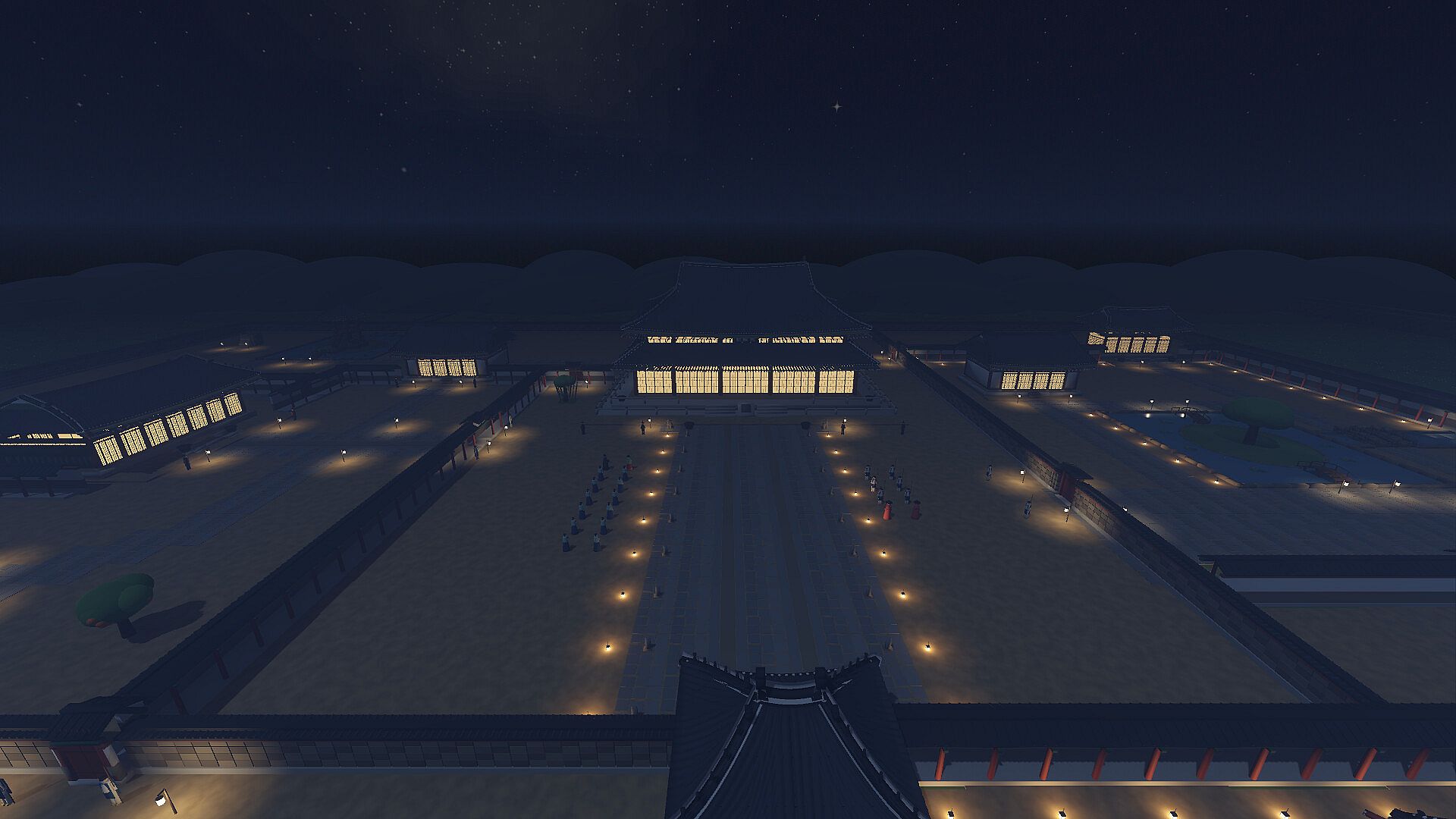
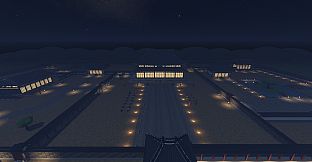
Time of day cycles through dawn mist, full daylight, sunset, and moonlit night. At night, paper windows emit interior glow while lanterns illuminate paths and structures. Players can enter their completed buildings in first-person view, moving across wooden floors and through gates as a figure in traditional royal attire. Background audio features eleven tracks of traditional Korean music that accompany building sessions.
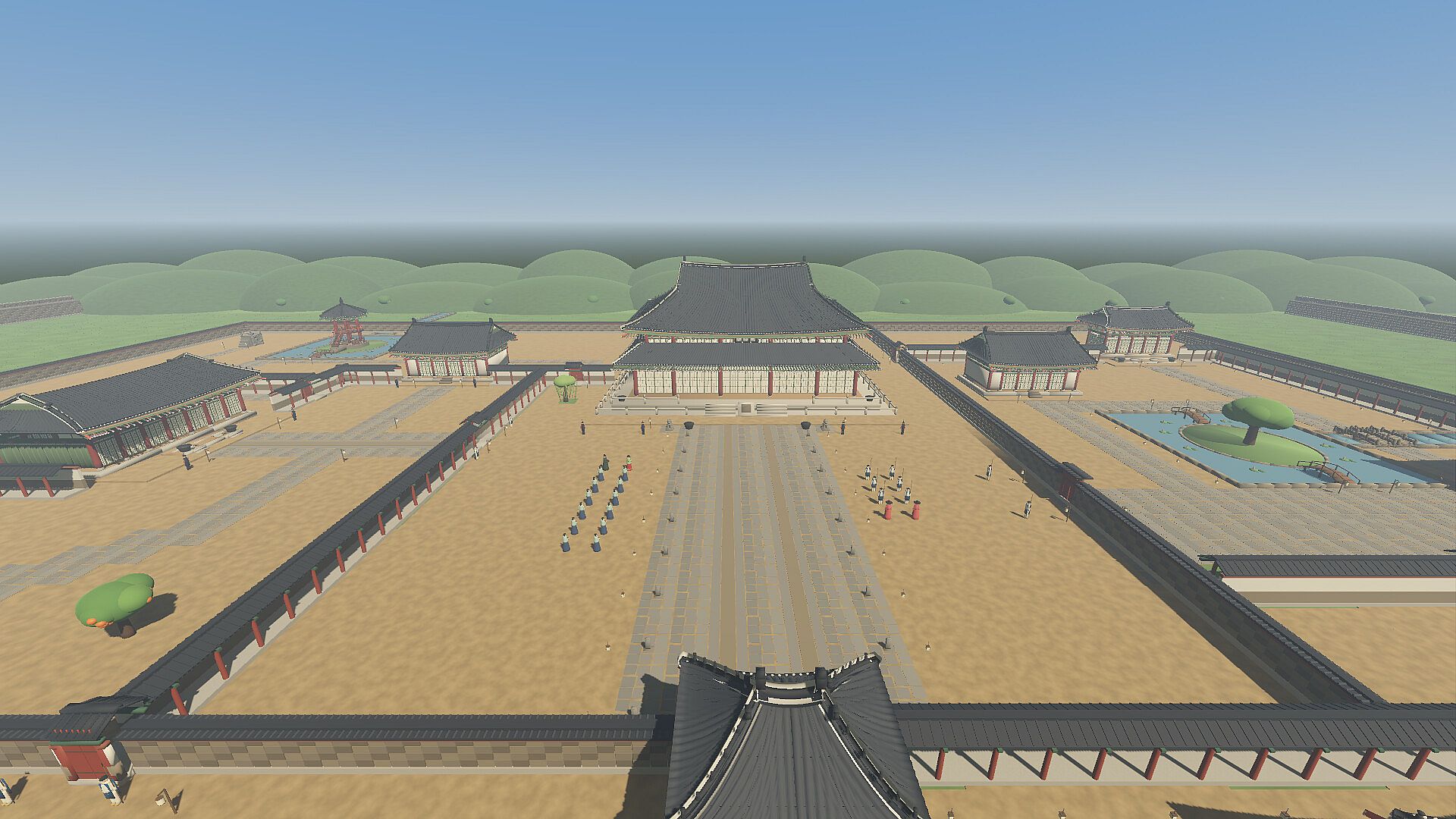
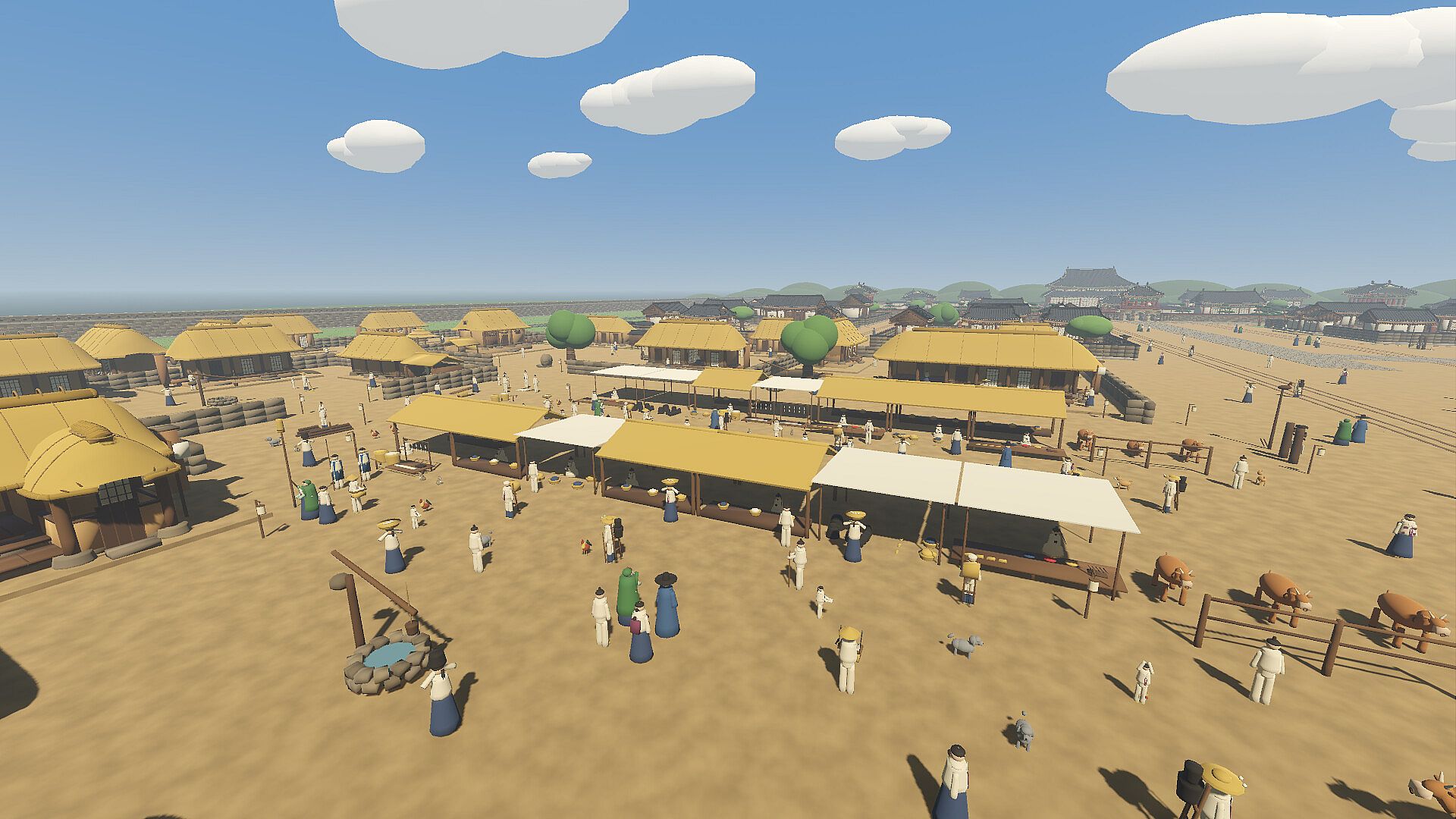
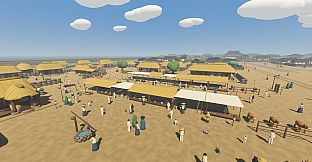
Additional elements include 210 distinct pieces covering thatched and tiled houses, palace halls, government offices, walls, gates, corridors, streams, bridges, ramparts, rice paddies, market stalls, and lanterns. Forty townsfolk figures and eight farm animals populate the scenes. These details combine to create layered environments where structural accuracy meets visual and atmospheric depth.
Game Modes
Guided construction sequences introduce players to progressive complexity. Eleven structured builds begin with a basic three-bay thatched cottage and advance through an L-shaped farmhouse, a smoke-hole house, various tiled halls with gable or hip-and-gable roofs, a lecture hall, a gatehouse, and palace-scale features such as a great hall, gate tower, two-story pavilion over a pond, and garden pavilion. Each step reinforces proper assembly order and terminology.
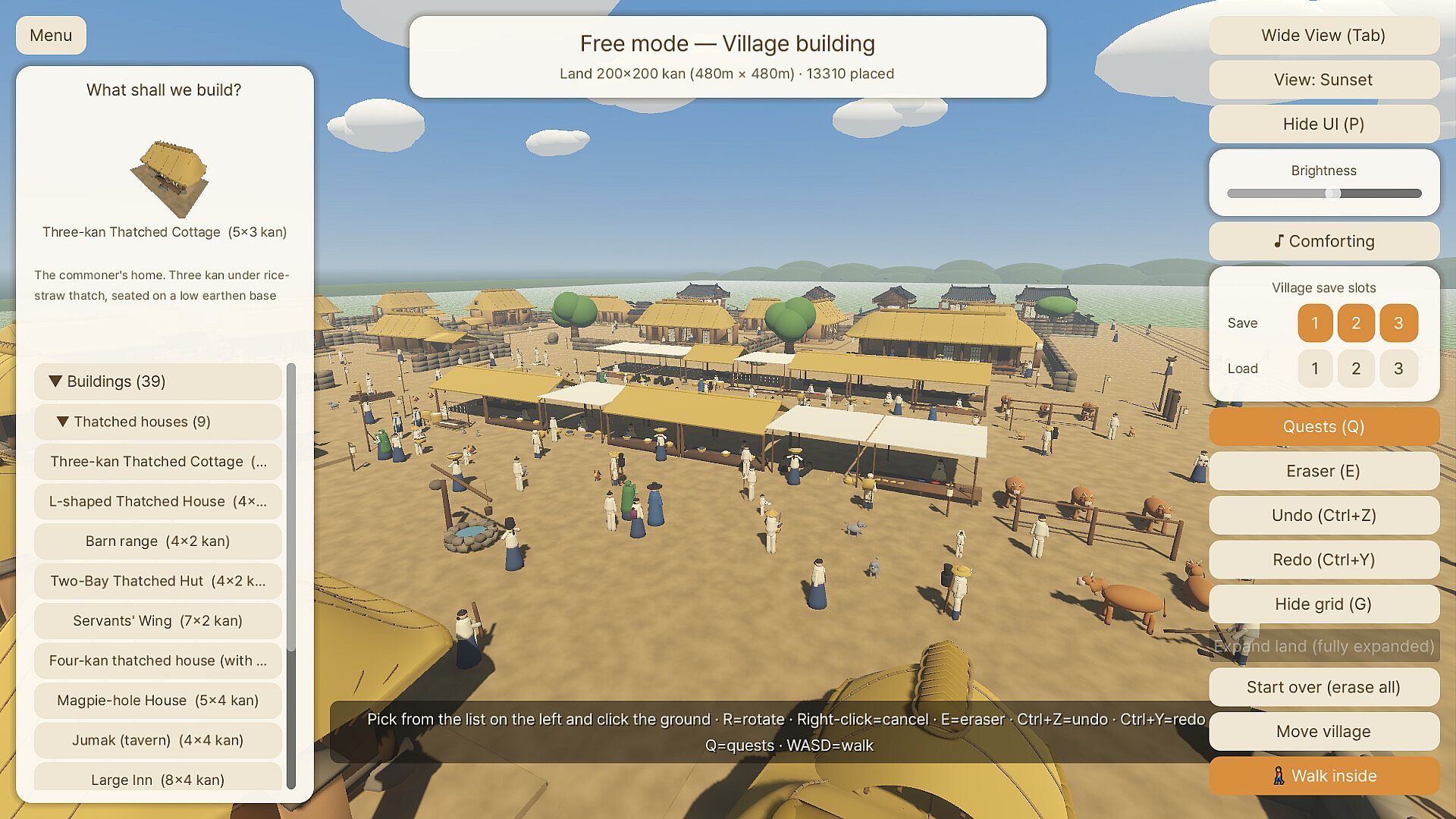
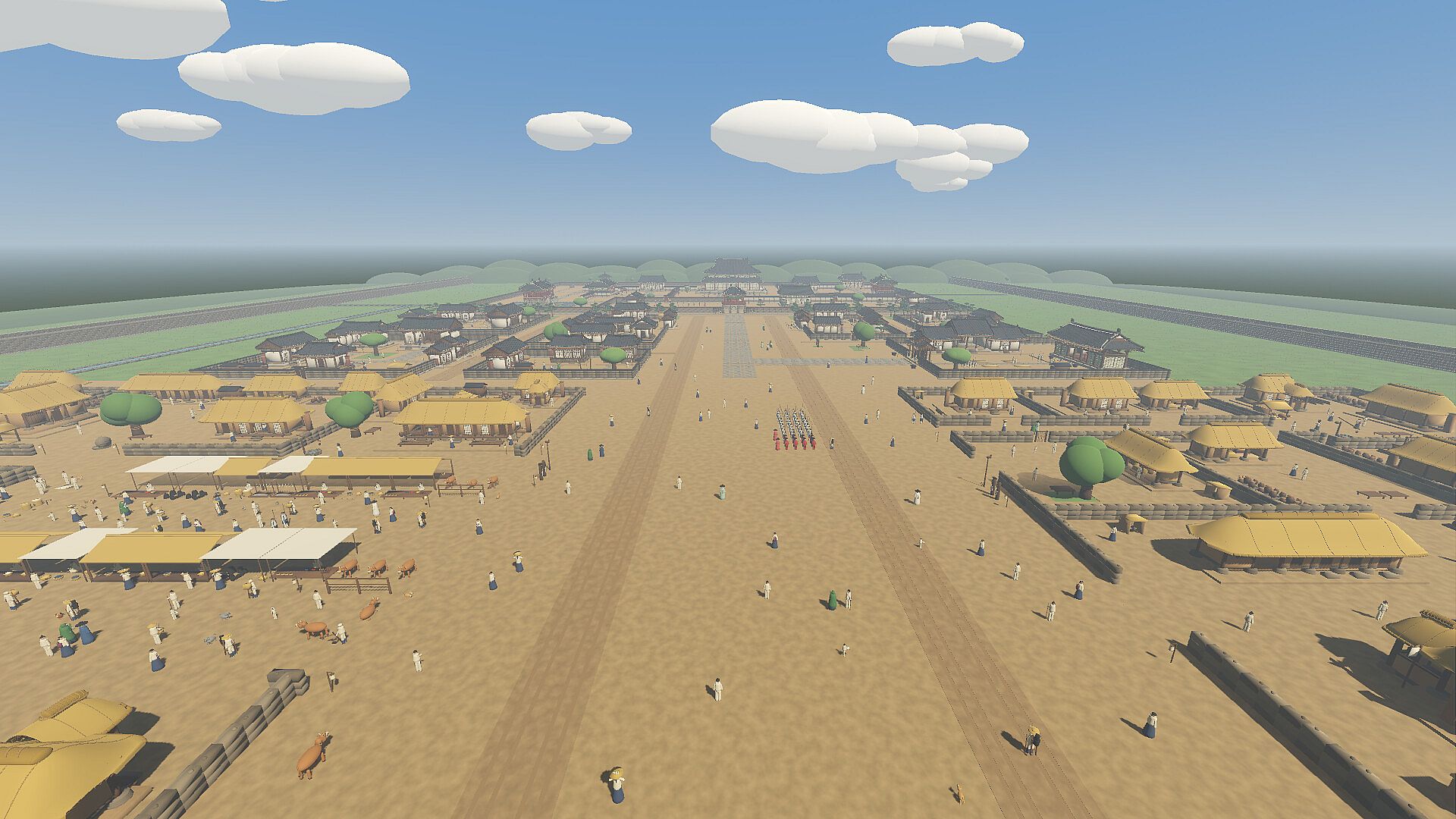
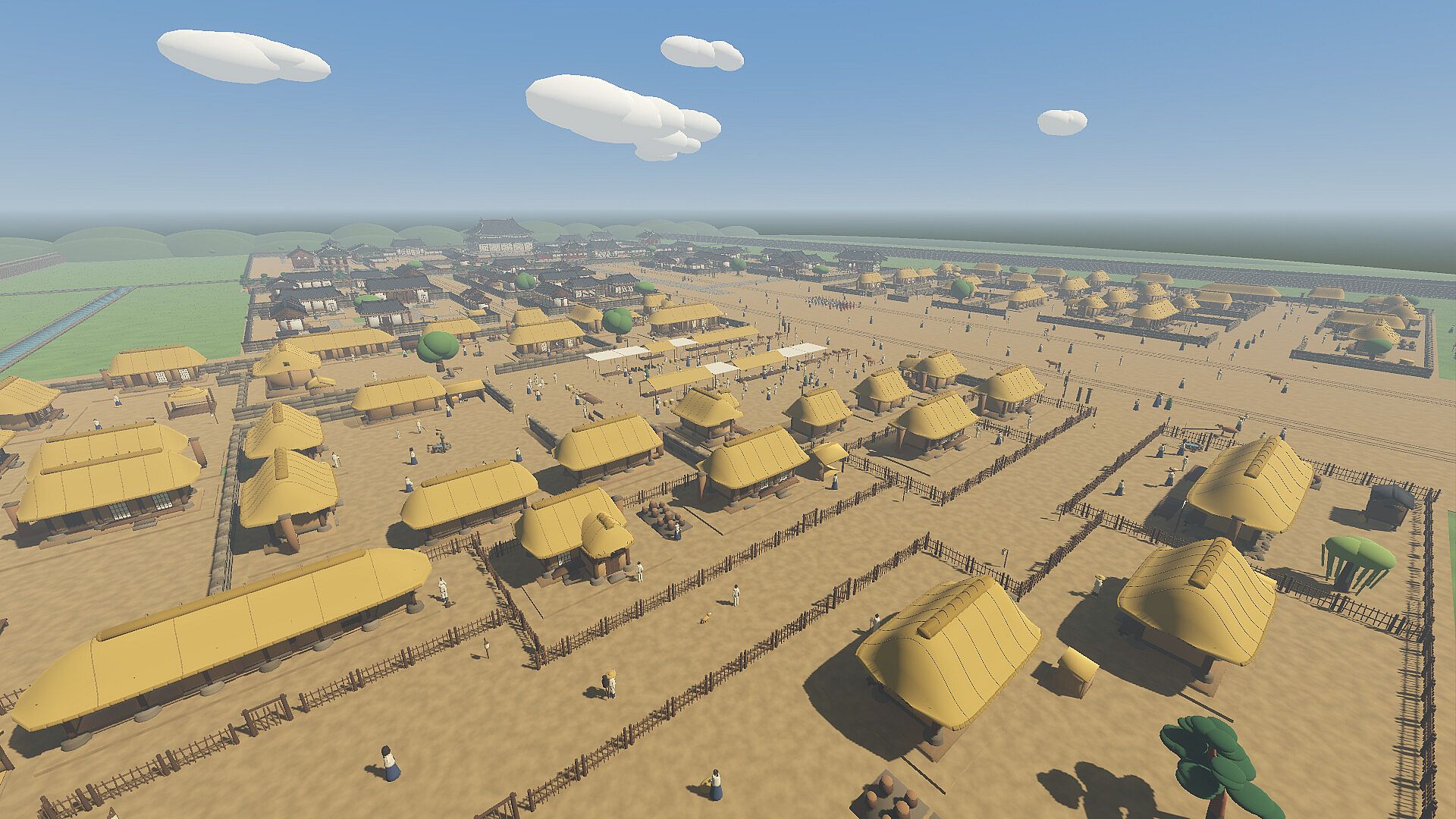
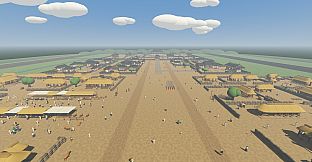
Town-building activities provide open-ended goals through six commissions. These tasks direct creation of a farming village, market street with open shops and awnings, nobleman's residence, village of nobles, palace throne-hall compound, and royal rear garden. Pieces support large-scale placement of entire streets or agricultural plots while maintaining individual component identity.
A separate free-building option removes order restrictions. Players assemble any combination the pieces allow, such as oversized thatched halls or U-shaped courtyard layouts, then transfer completed structures into the larger town environment. This mode encourages experimentation while still referencing the same physical components used elsewhere.
Historical Accuracy and Future Plans
Construction follows documented carpentry sequences from Korean heritage sources, with each piece labeled and contextualized. The game includes an in-game reference page that transparently lists elements simplified for play or left unconfirmed due to historical gaps. This approach keeps the focus on verifiable techniques without claiming completeness.
Post-release development includes free additions such as the queen's residence, crown prince's quarters, and expanded village life elements. These updates extend the existing piece library and town-building options without requiring separate purchases.
Is It Worth Playing?
This single-player title suits players who enjoy methodical, detail-oriented building experiences grounded in cultural specifics. The emphasis on real architectural order, named components, and explanatory notes rewards careful attention rather than rapid experimentation. Time-of-day lighting, ambient music, and walkable interiors add layers that enhance completed projects without complicating the central building process.
Those drawn to casual simulation games with educational undertones will find value in progressing from simple cottages to palace compounds. The transparent handling of historical details and commitment to free expansions support ongoing engagement after initial release. Availability on PC with straightforward controls makes it accessible for relaxed sessions focused on creation and exploration.
- Accurate piece-by-piece assembly mirrors traditional methods
- Progressive guided builds build familiarity with hanok forms
- Flexible town commissions and free mode support varied play styles
- Atmospheric day-night cycles and music enrich the final results