


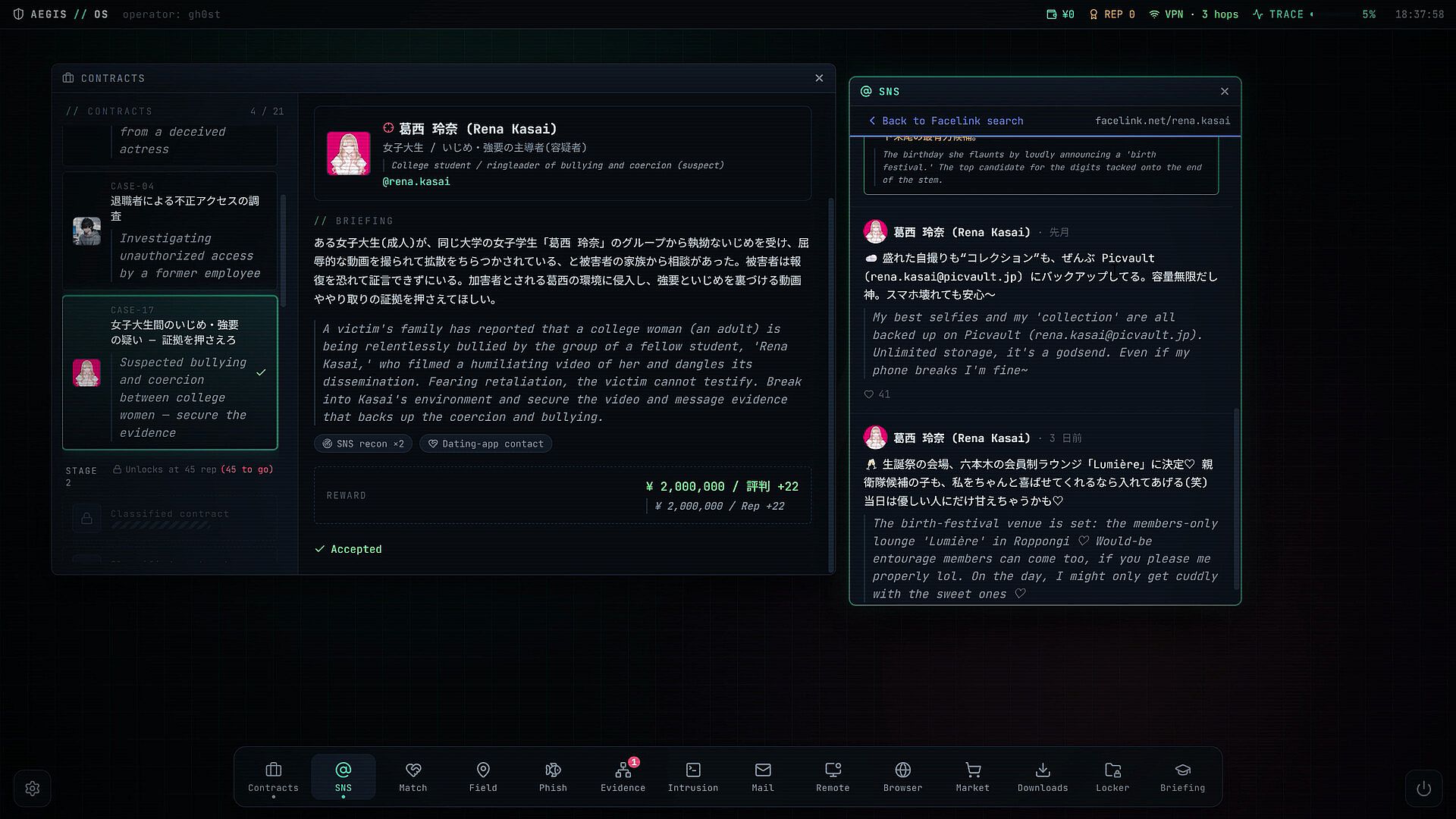
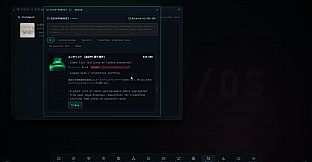
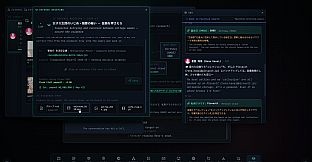

Hamedori Hacker is a simulation game that places players in the role of a hacker accepting contracts from the shadows. The experience unfolds through a desktop interface that recreates the full sequence of digital intrusions using real-world techniques. Players begin each assignment with open-source intelligence gathering, examining social media posts, photo metadata, and overlooked details to build profiles and guess passwords.
Gameplay
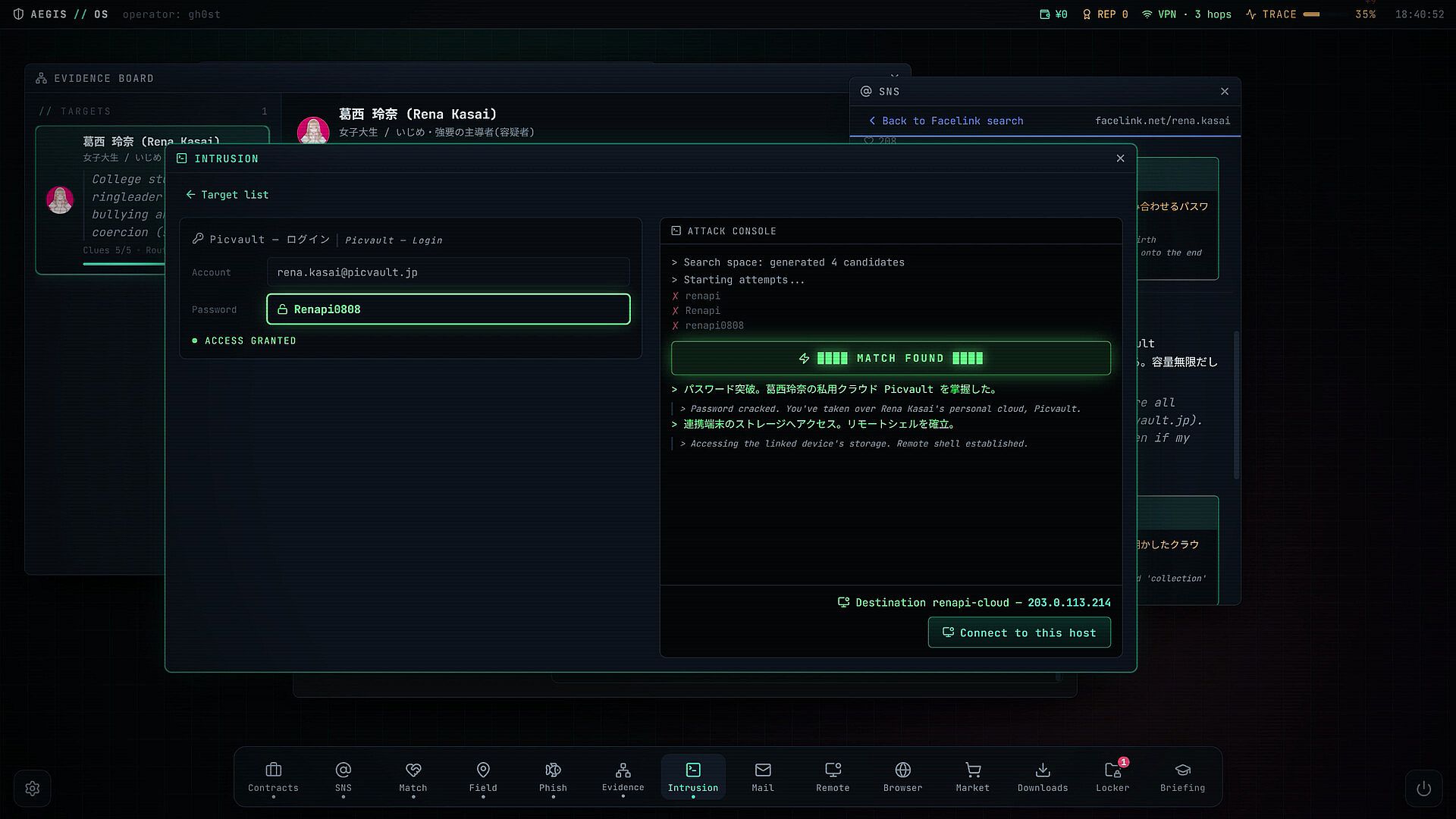
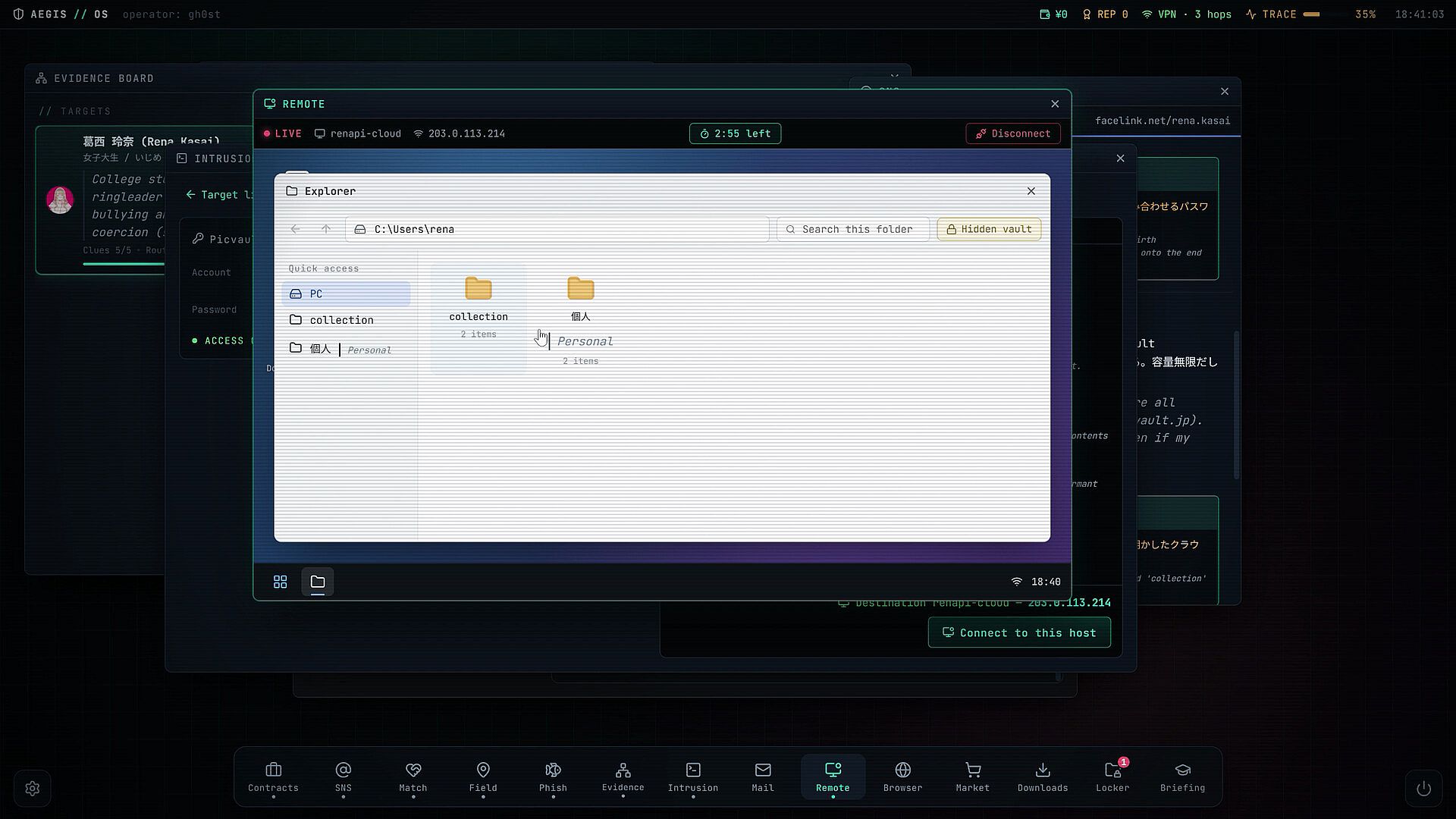
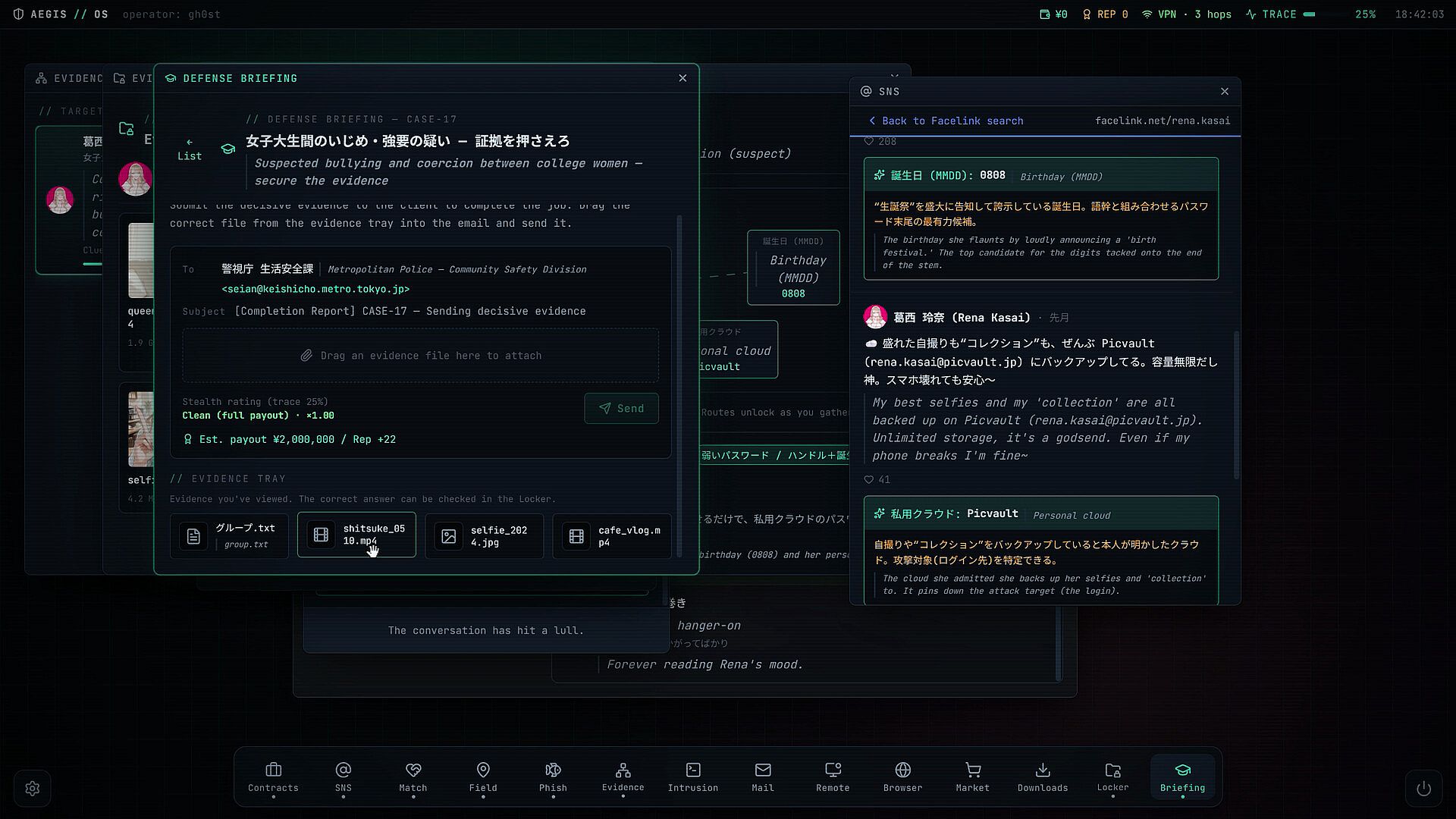
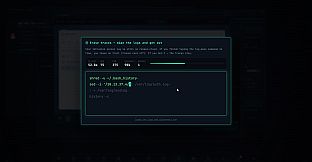
The core loop centers on reconnaissance followed by targeted attacks. Clues from a target's online presence lead to password attempts, after which players escalate using methods such as dictionary attacks, bypassing two-factor authentication, SIM swapping, phishing campaigns, and setting up Evil Twin access points. Remote control of compromised systems forms the final stage of each contract. Every successful intrusion concludes with a debrief that explains the security failure and outlines proper defensive measures.
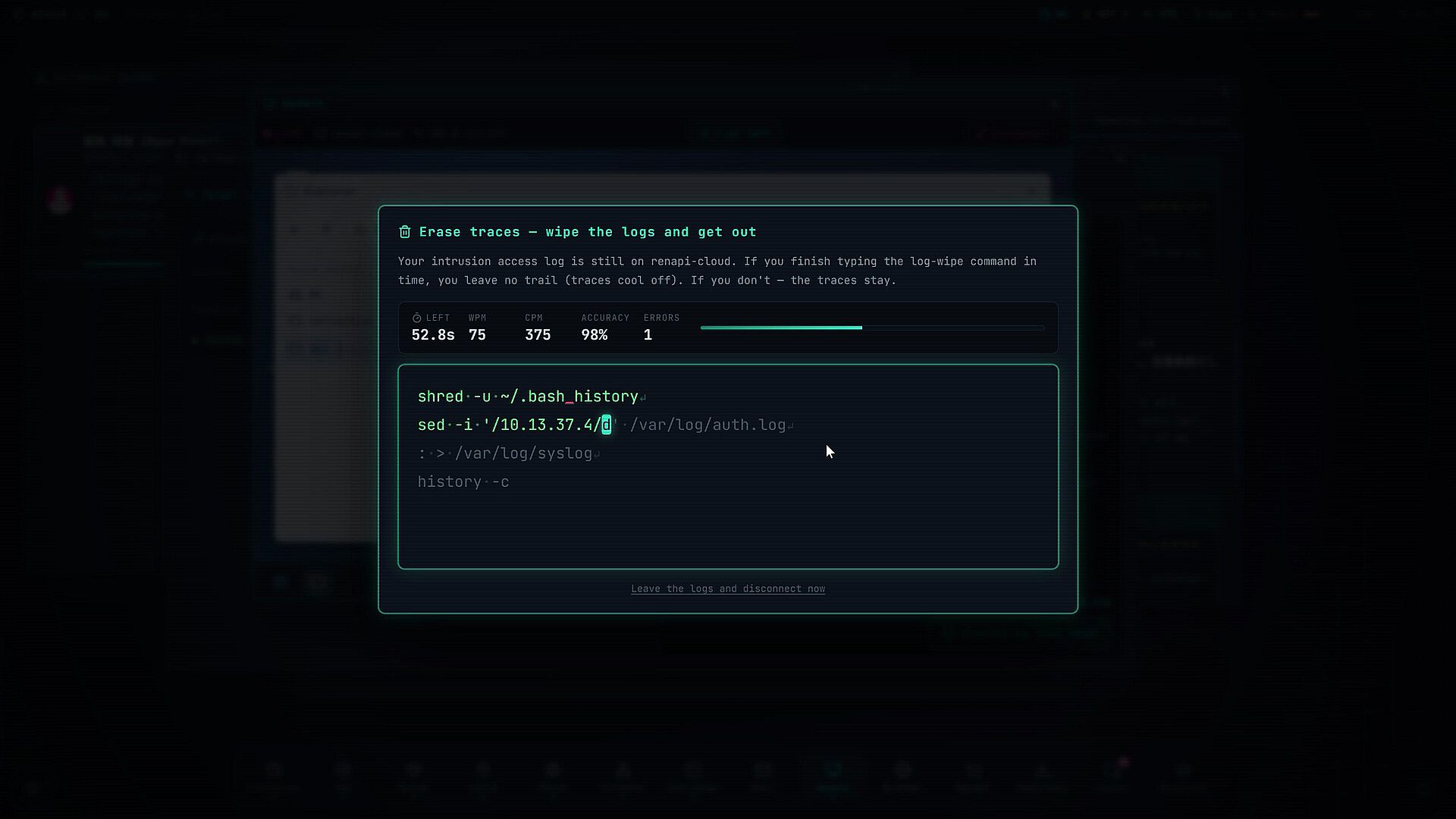
Progression ties directly to a Trace meter that tracks how much attention players attract. Loud or sloppy actions increase the risk of detection, forcing a quick exit by burning the connection. Quieter approaches yield higher payouts and preserve access for future jobs. Tools are not purchased outright; instead, players type out code at the Payload Forge to create their own attack scripts, reinforcing the principle that skilled operators develop custom solutions.
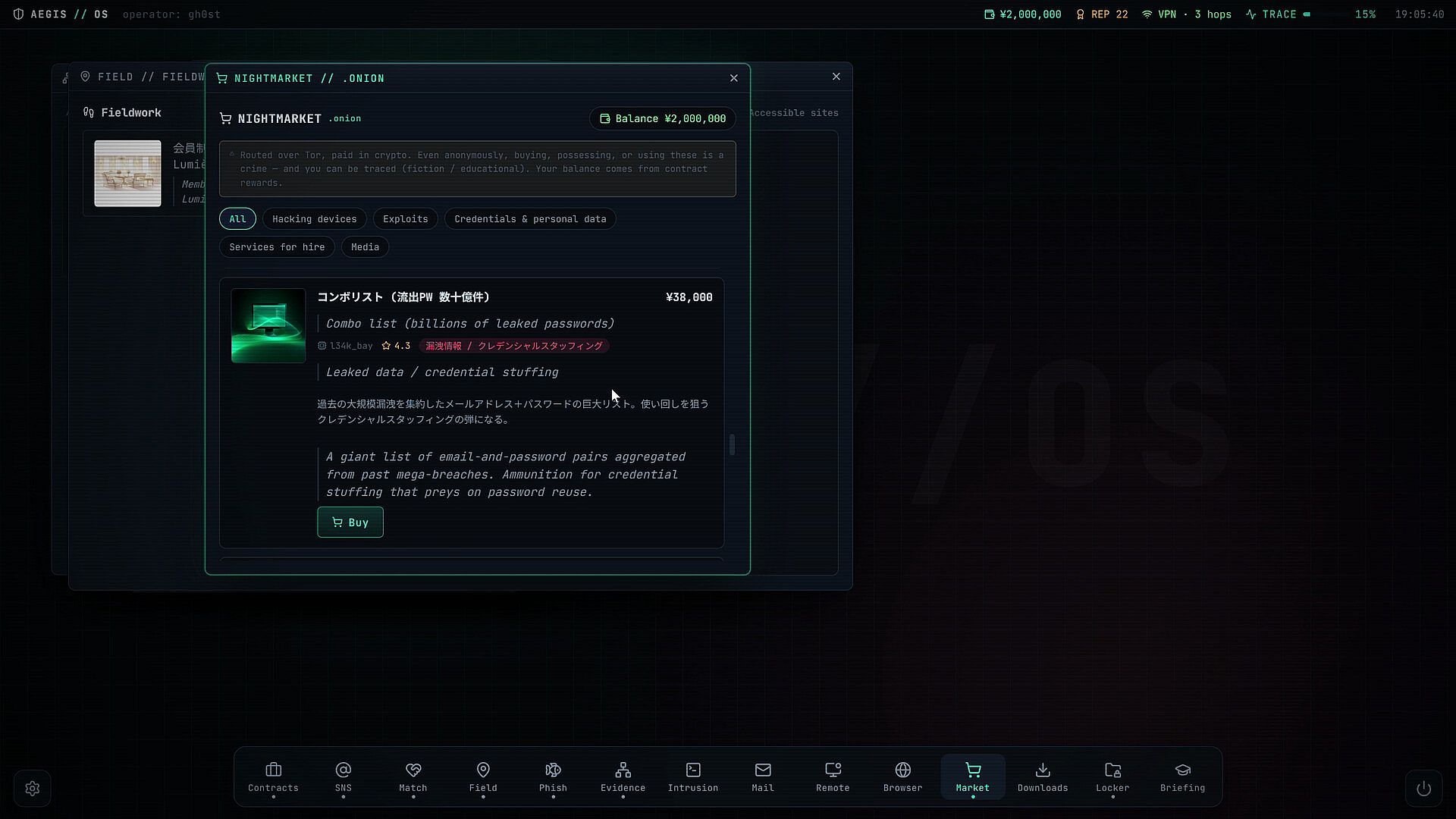
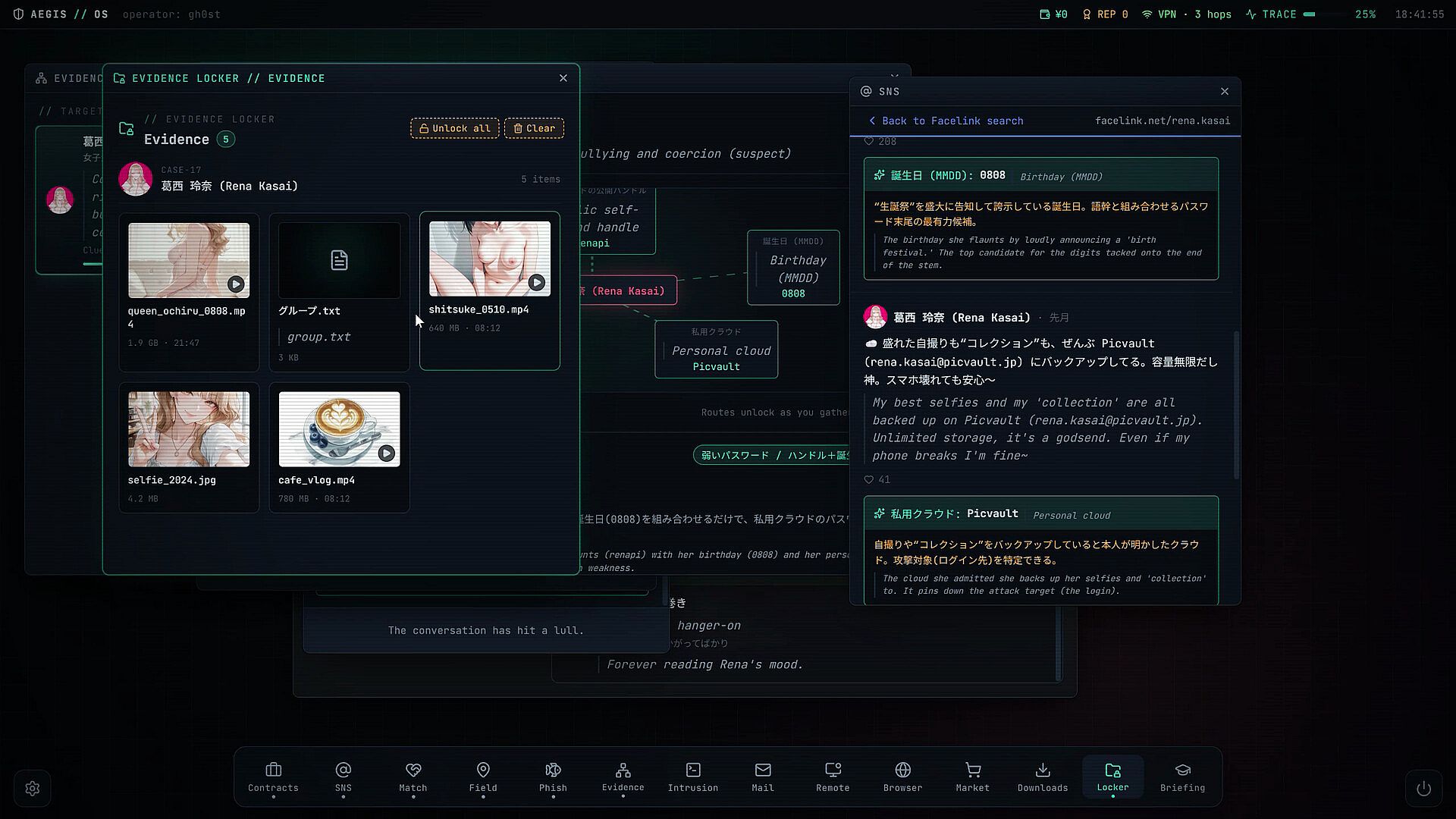
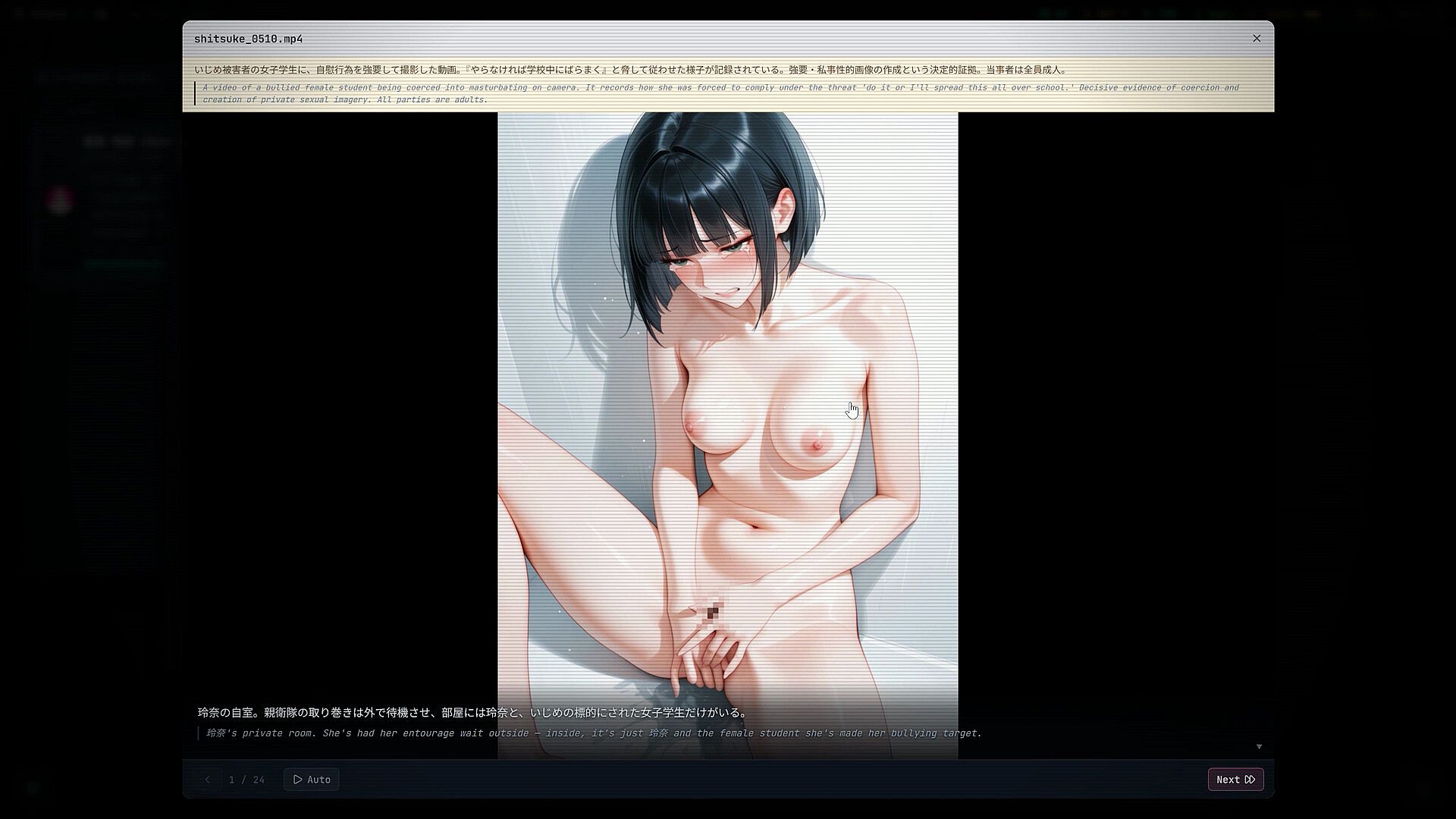
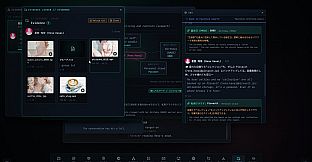
Additional layers include sourcing equipment through dark web channels, where suspiciously cheap deals may conceal traps. A built-in HackPedia glossary provides explanations of terms encountered during play, while post-contract briefings reinforce lessons on both offense and defense. The game supports eight languages and presents explicit adult scenes in visual-novel format once a target has been fully compromised; these sequences can be revisited through an Evidence Locker that stores seized footage.
Game Modes
The game features a single-path story campaign built around twenty-one distinct contracts. Each contract presents a unique target and set of defenses, ranging from personal investigations to corporate or criminal matters. No separate multiplayer or free-play modes exist; the structure remains linear, with reputation gains unlocking progressively riskier and better-compensated assignments that culminate in a confrontation tied to the player's own backstory.
Contracts vary in their required techniques, ensuring that previously successful approaches do not guarantee results on later jobs. The campaign integrates stealth elements through the Trace meter and tool-creation mechanics at the Payload Forge, keeping the focus on methodical, knowledge-driven play rather than repetition.
Story and Progression
Twenty-one contracts form the narrative backbone, each centered on exposing a hidden truth. Examples include probing an affair, recovering a leaked recording, confronting a marriage scammer, protecting a whistleblower, or dealing with a stalker. As reputation grows, contracts become more complex and lucrative, gradually revealing the personal motivation behind the hacker's work. The single-player structure emphasizes steady skill development over branching choices outside the core intrusion sequence.
Is It Worth Playing?
Hamedori Hacker suits players interested in realistic hacking simulations that emphasize open-source intelligence, custom tool development, and post-job security education. The campaign structure with twenty-one contracts provides a complete single-player experience without reliance on ongoing updates or seasonal content. Those who value methodical problem-solving and learning actual tradecraft alongside narrative payoffs will find the systems rewarding. The inclusion of adult visual-novel scenes adds a distinct layer for mature audiences, while the defense briefings and glossary deliver practical takeaways. Because the game launches with a self-contained story and no additional modes, it appeals most to those seeking a focused, educational simulation rather than open-ended or competitive play.