













Halsey Row is an indie simulation game set on PC in which players run a memory trading shop. Customers arrive with personal recollections they wish to sell, and the shopkeeper must evaluate each one before deciding where to place it on the market.
Gameplay
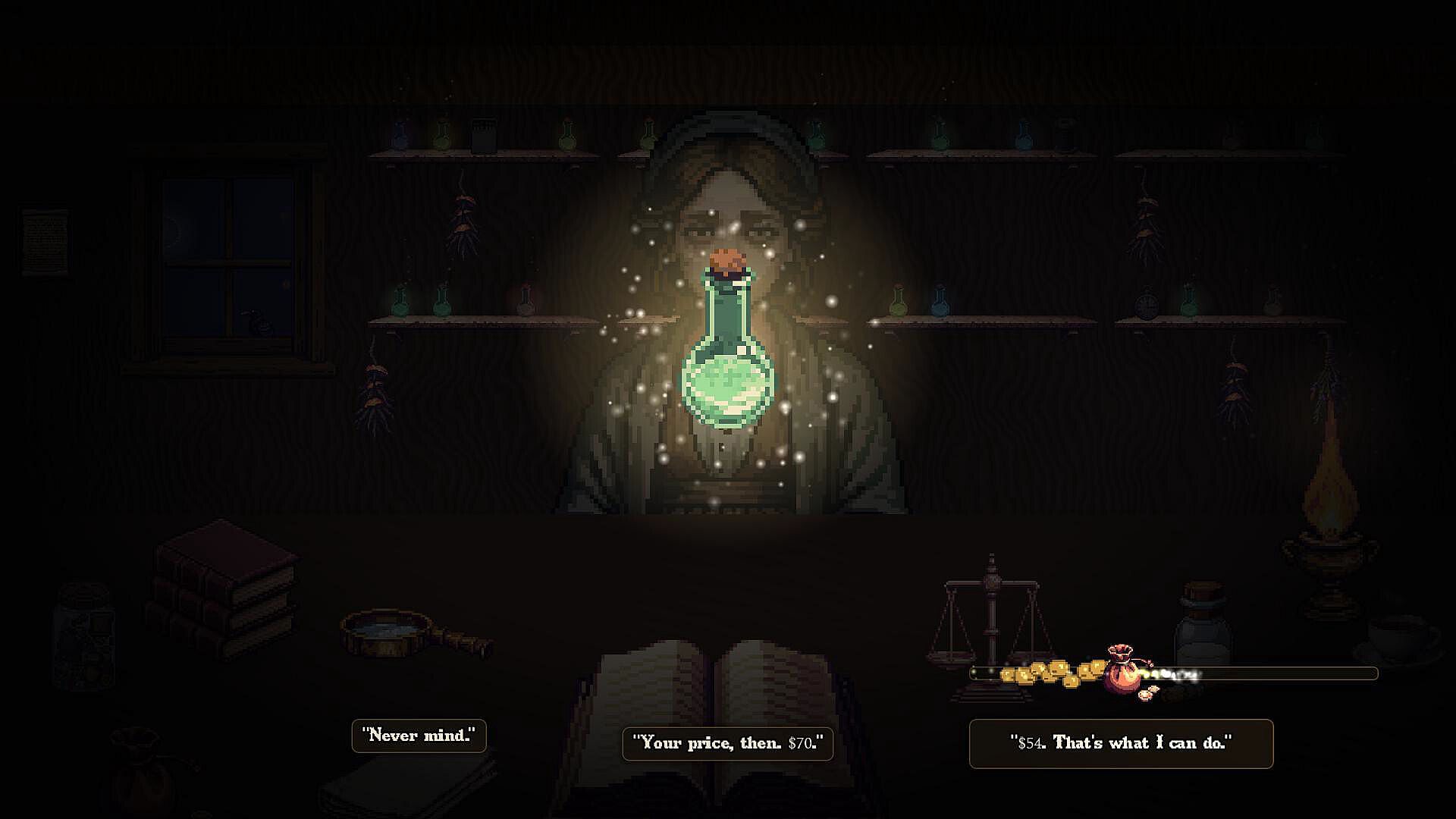
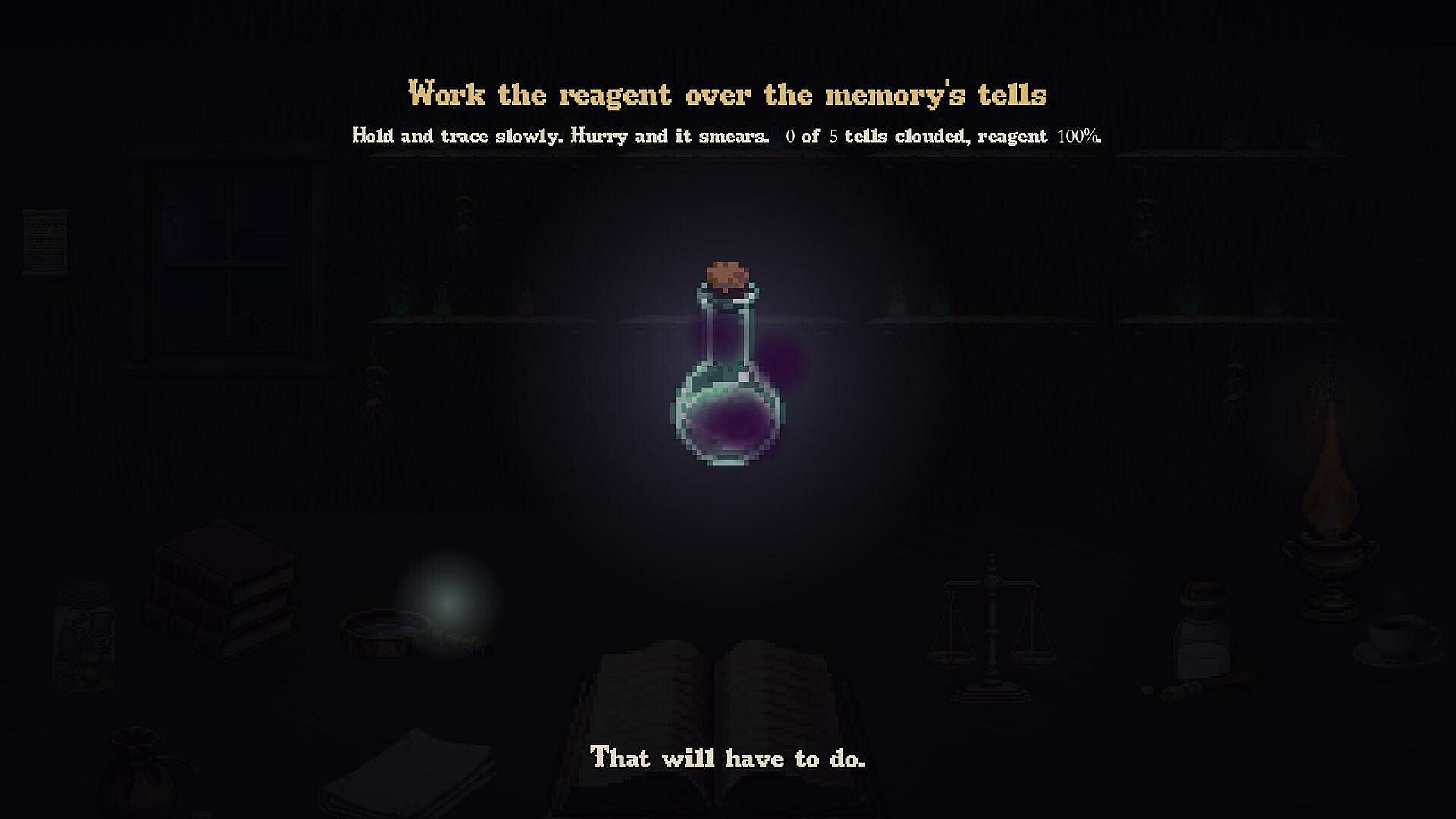
The core loop centers on appraising layered memories using a loupe and scale. Surface details often pay modest returns, while uncovering deeper layers can reveal greater value or hidden complications. Each transaction involves real haggling over coins on the counter, with options to mask certain elements or disclose others depending on the chosen path.
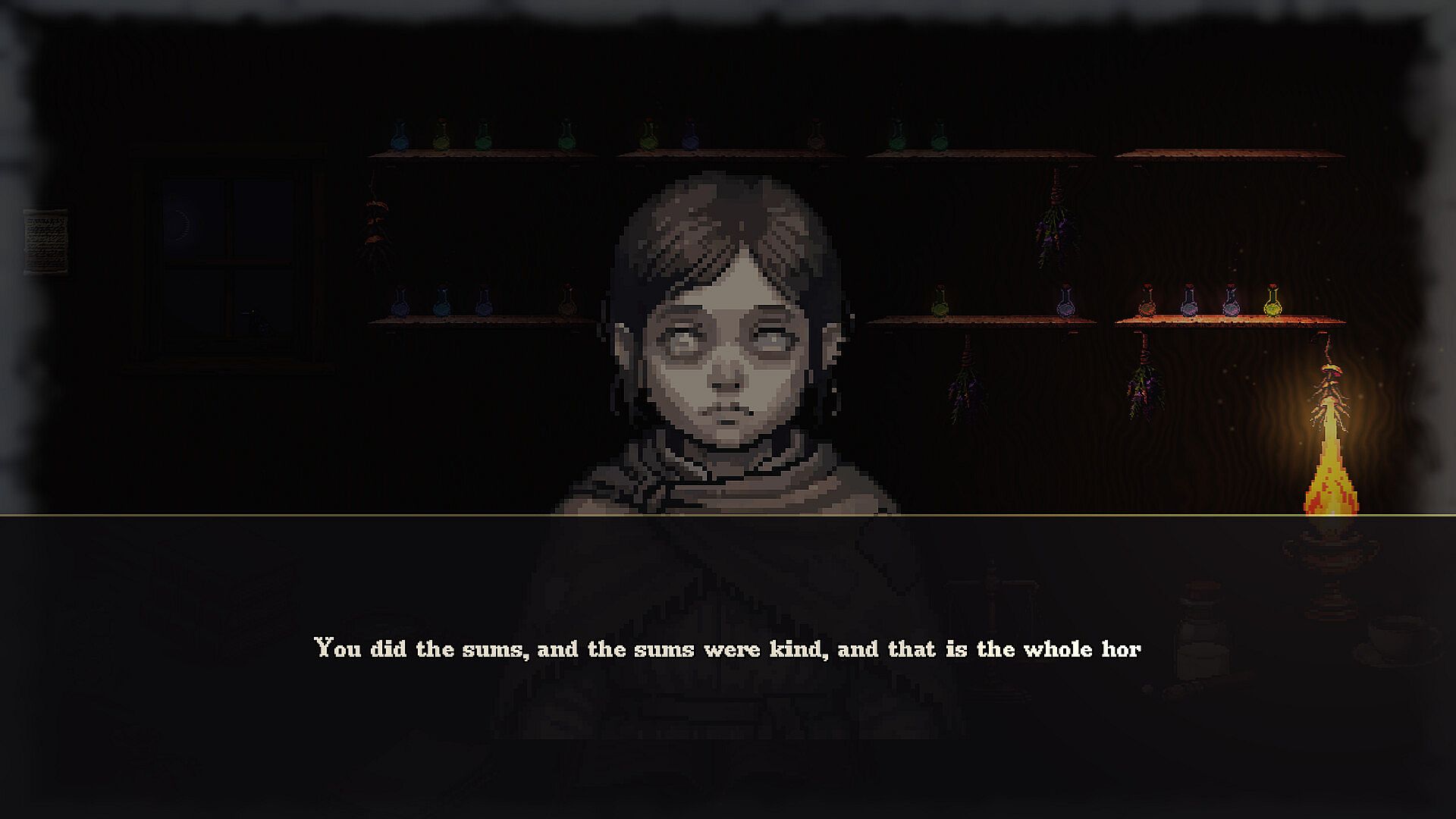
Twenty regulars visit repeatedly, each carrying their own lives and reasons for trading. Decisions made during earlier visits alter what these individuals bring back on subsequent calls, creating visible shifts in their demeanor and the stories they share. The shop itself holds clues about an unexplained event on the street, revealed through drawer labels, worn furniture, and the cautious glances of returning customers.
Fully voiced dialogue covers every seller, buyer, and ending. A single run occupies an evening, though reaching the full truth requires multiple passes through the system.
Game Modes
Halsey Row operates as a single-player experience with no separate multiplayer or competitive modes. The central activity revolves around balancing two distinct markets: the Bright Exchange, which handles open trades in cherished memories for steady but modest profits, and the Shadow Ledger, which offers higher payments for sensitive material while demanding discretion. Bureau agents monitor the latter path and intervene when lines are crossed.
Player choices determine reputation and customer flow. A clean record attracts reliable but lower-margin business, whereas a darker reputation brings larger sums alongside risks of raids and unwanted visitors. The line between these approaches forms the ongoing challenge, with outcomes tracked across repeated visits from the same set of regulars.
Narrative Structure and Endings
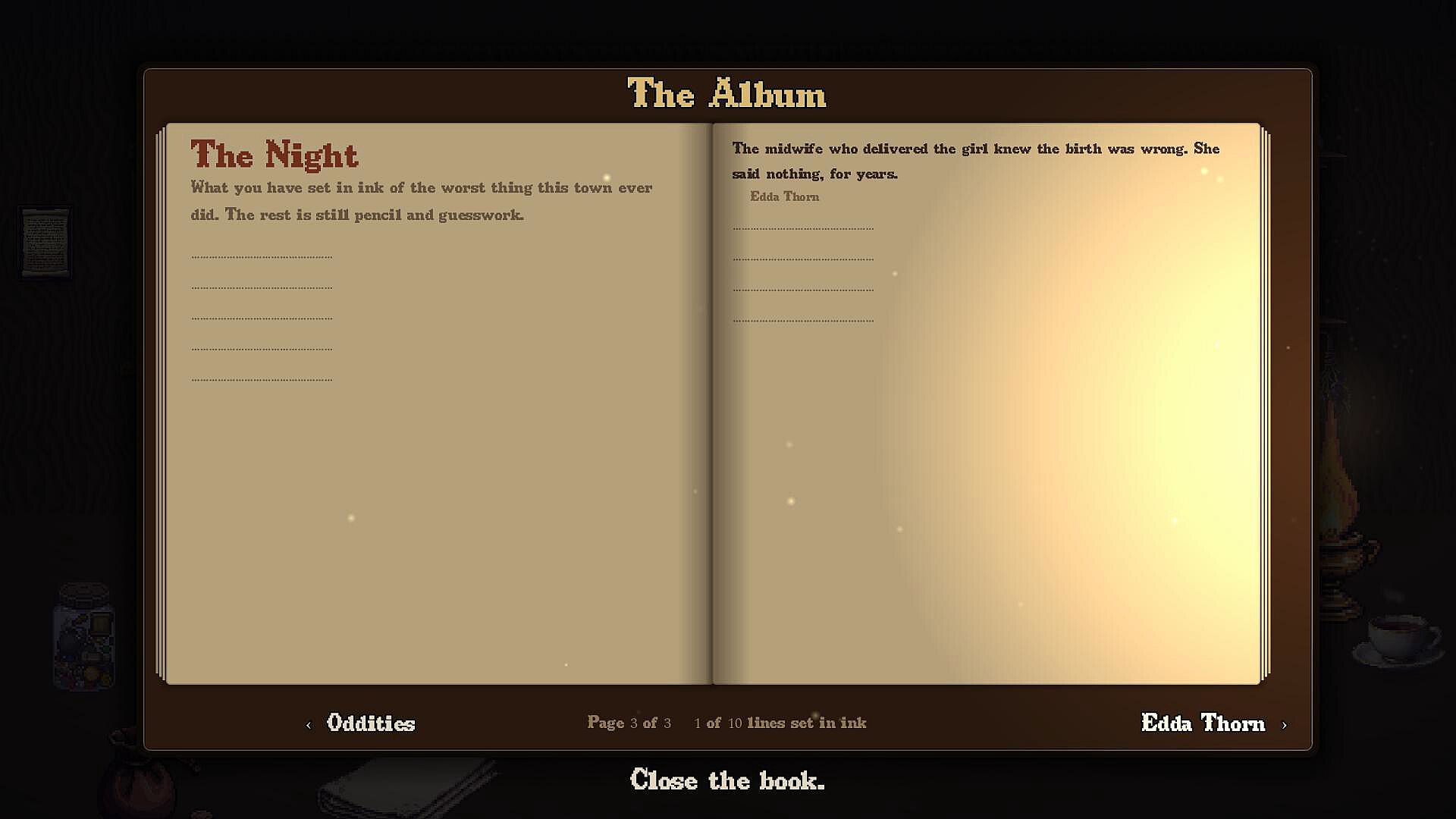
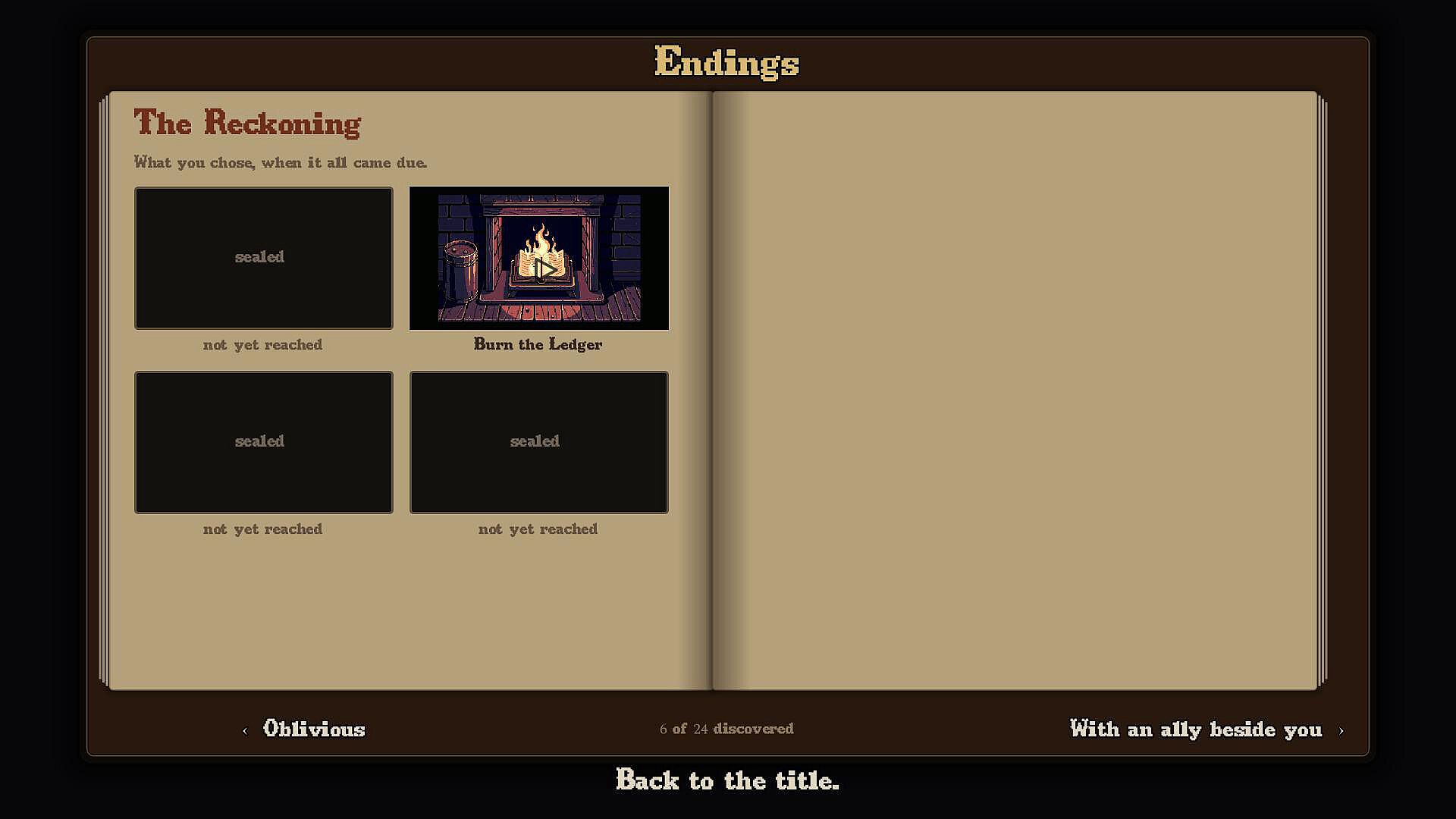
Twenty-five endings exist, one of which encompasses the complete picture of events on Halsey Row. Players piece together the street's hidden history by reading memories, noting connections, and allowing the accumulated details to settle into a coherent account. The process rewards careful observation of how individual trades affect the regulars over time.
Mechanics emphasize patience and judgment rather than speed. Handling fragile recollections too roughly can diminish their worth, while rushing appraisals risks missing the grief or secrets layered beneath brighter surfaces.
Is It Worth Playing?
Halsey Row suits players who enjoy deliberate, choice-driven simulation games focused on moral trade-offs and character observation. The fully voiced cast and branching consequences provide replay value through different market alignments and ending combinations. Because the game remains in a coming-soon state with no released reviews or player statistics available, prospective buyers should evaluate the premise against their interest in narrative shopkeeping systems that track long-term effects on recurring visitors. Those drawn to quiet, introspective experiences centered on memory and consequence will find the described systems align closely with that preference.