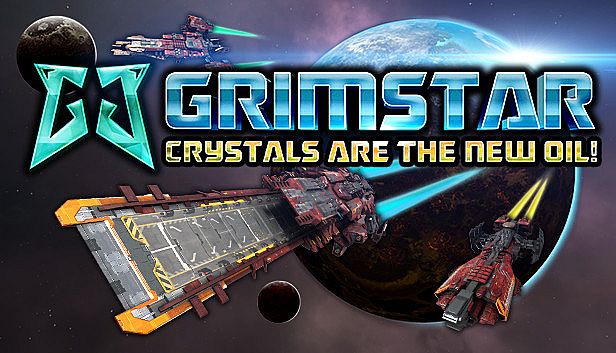


















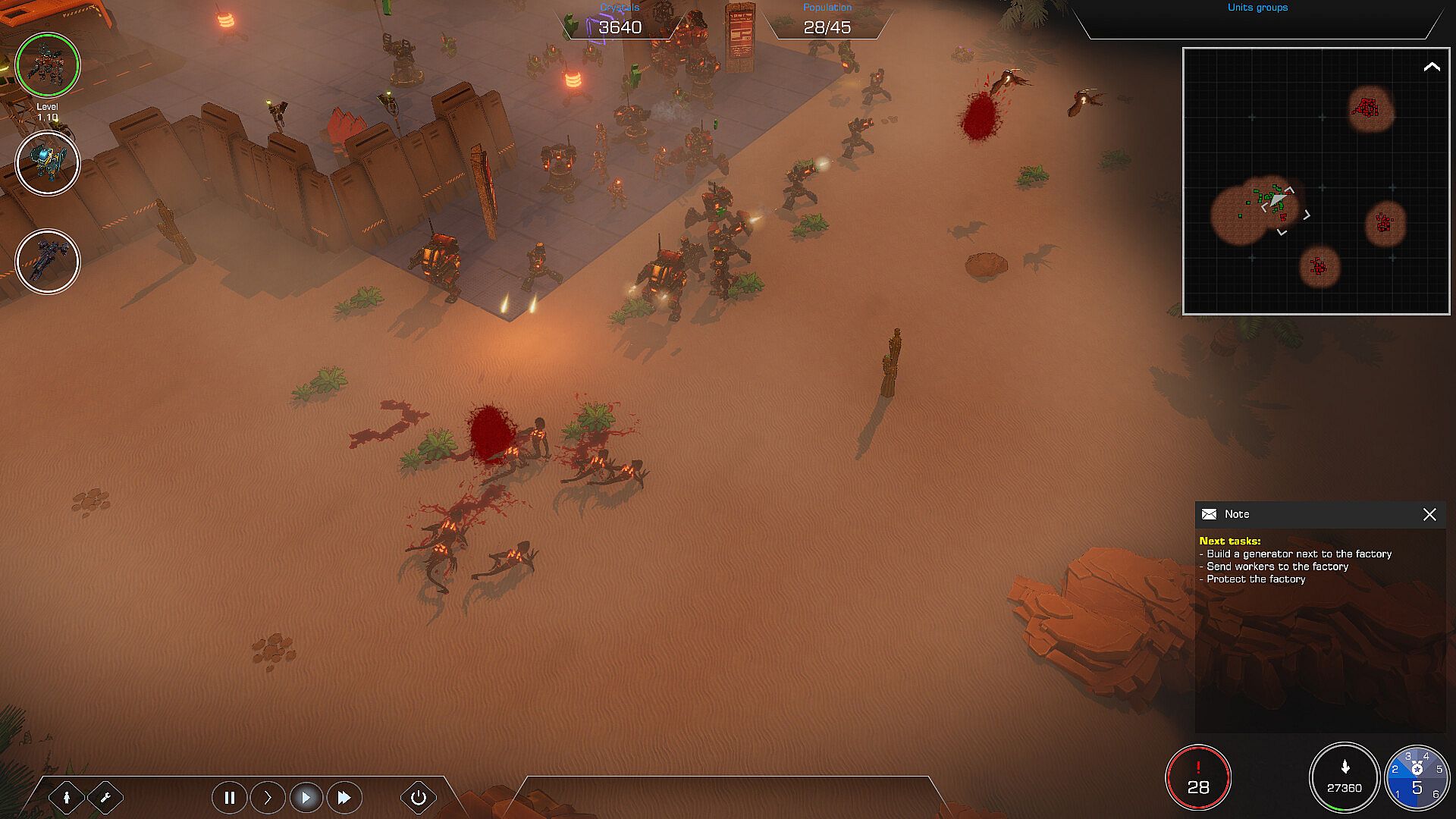
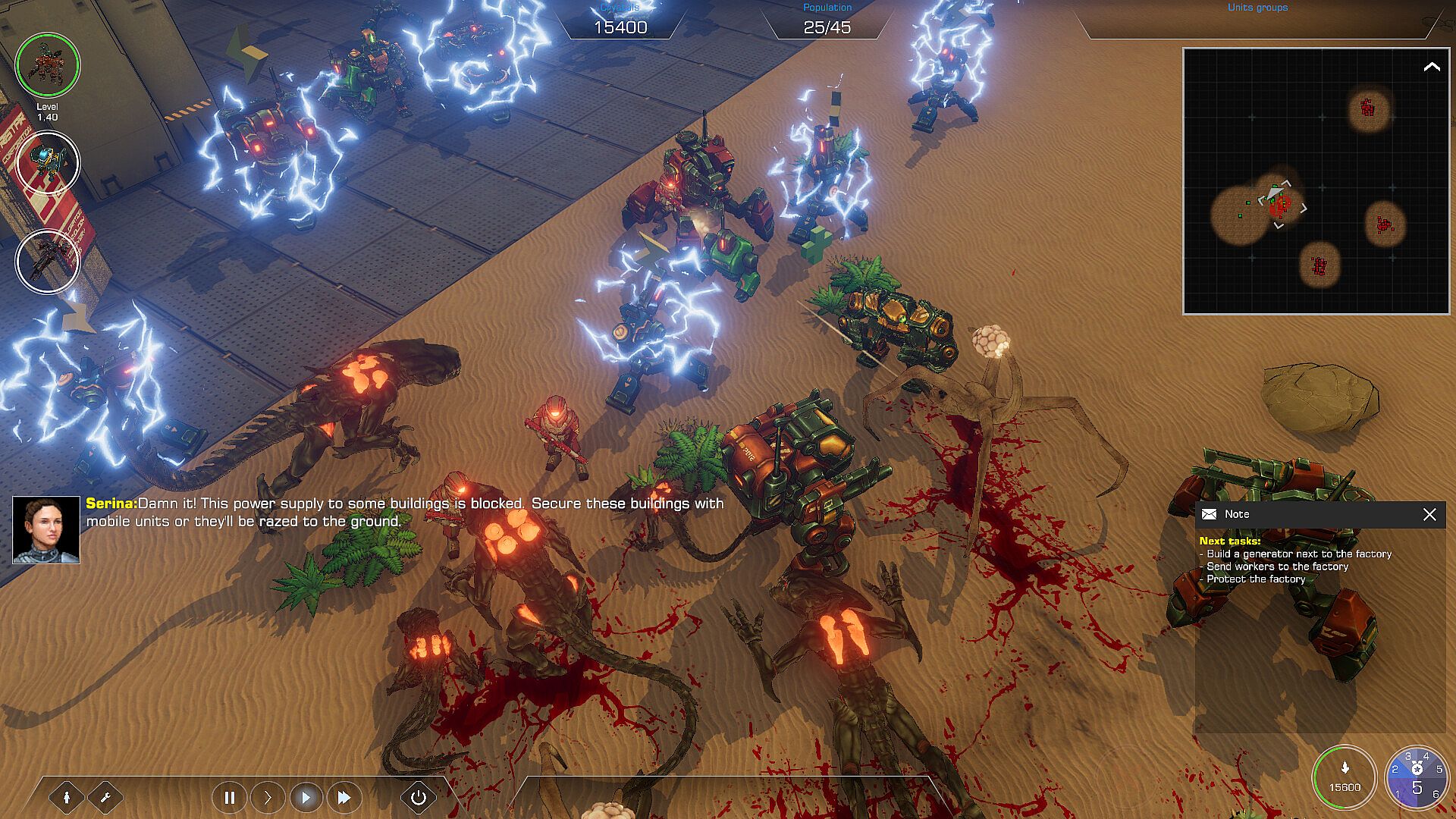
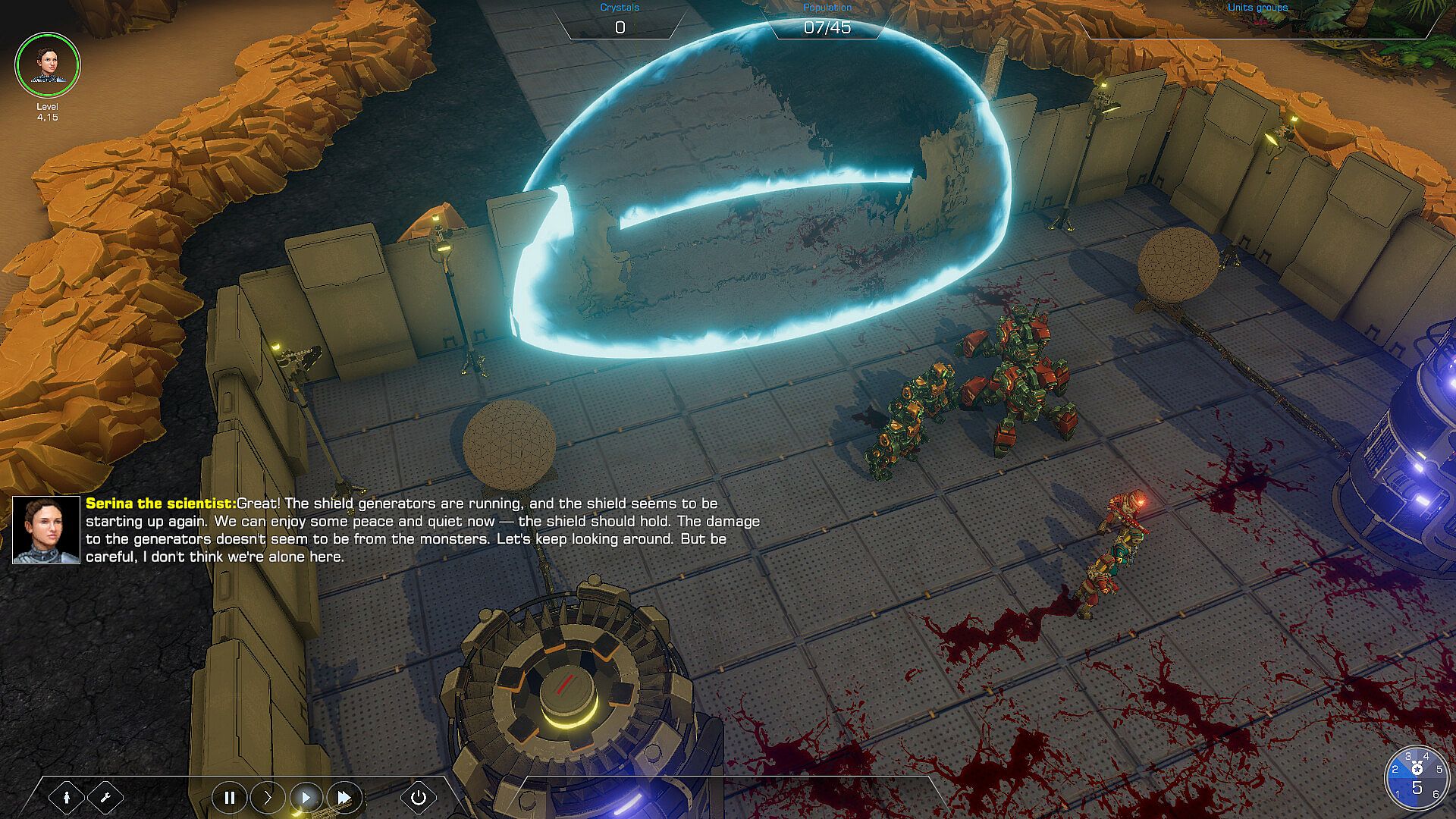
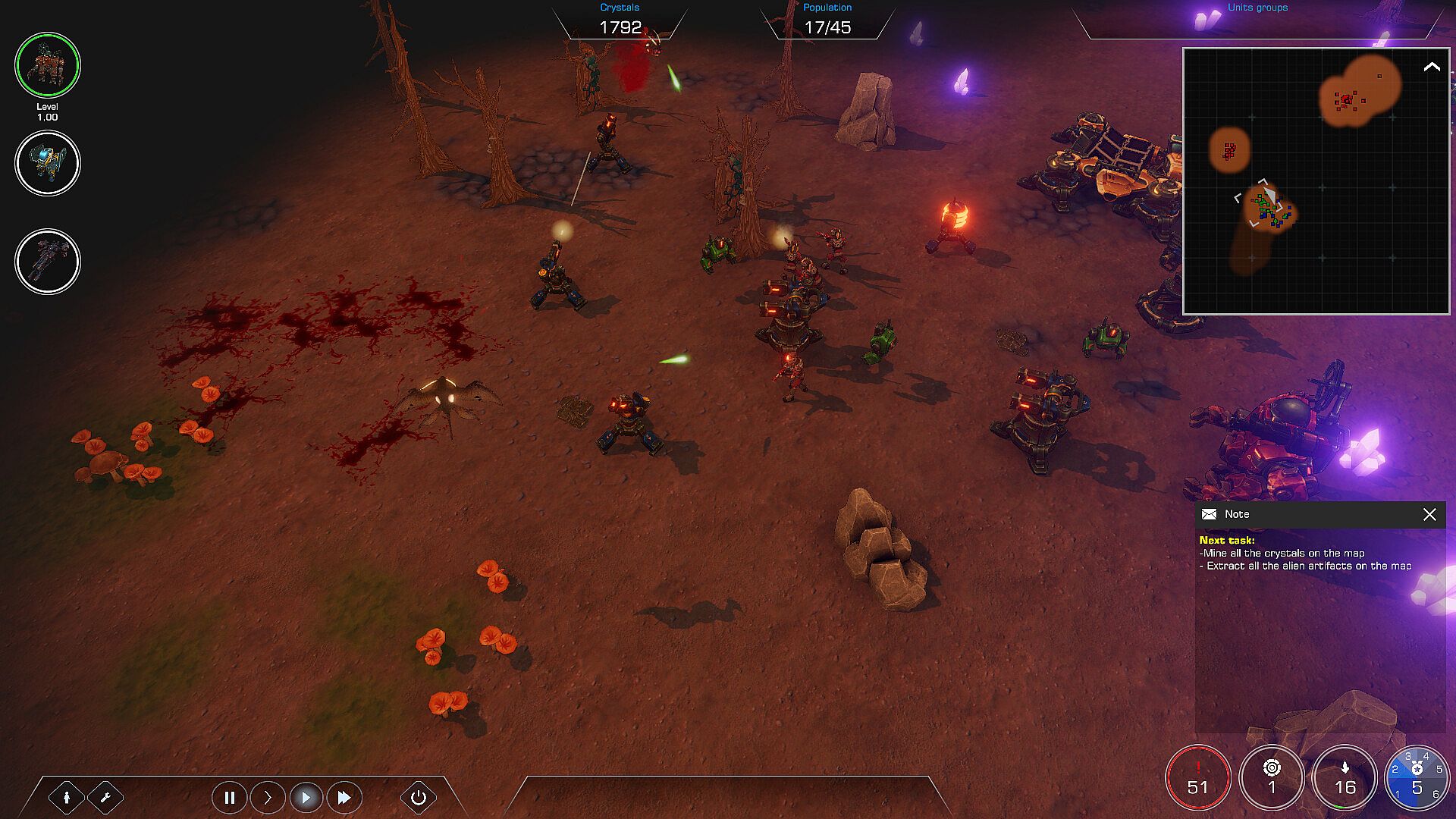
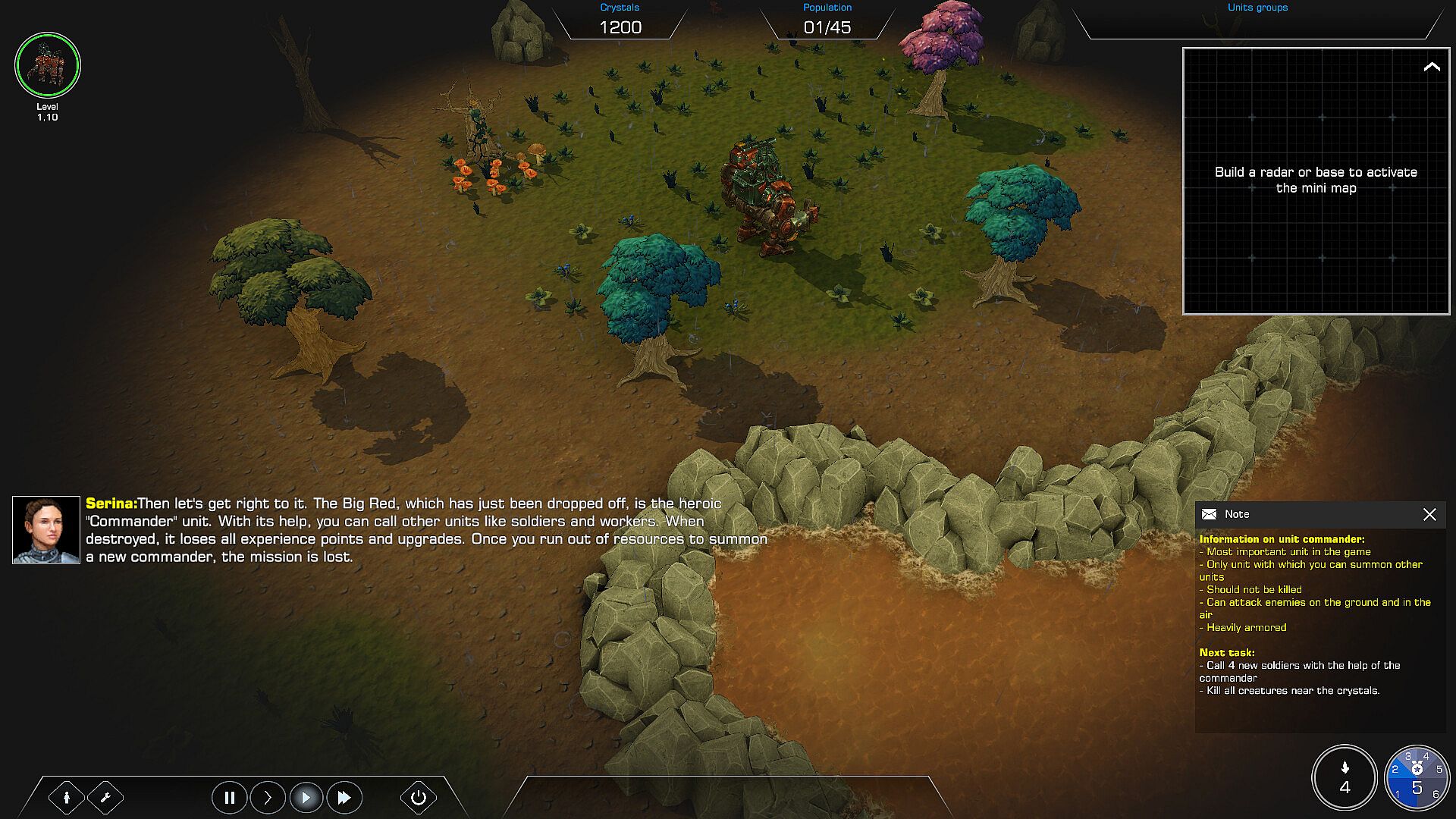
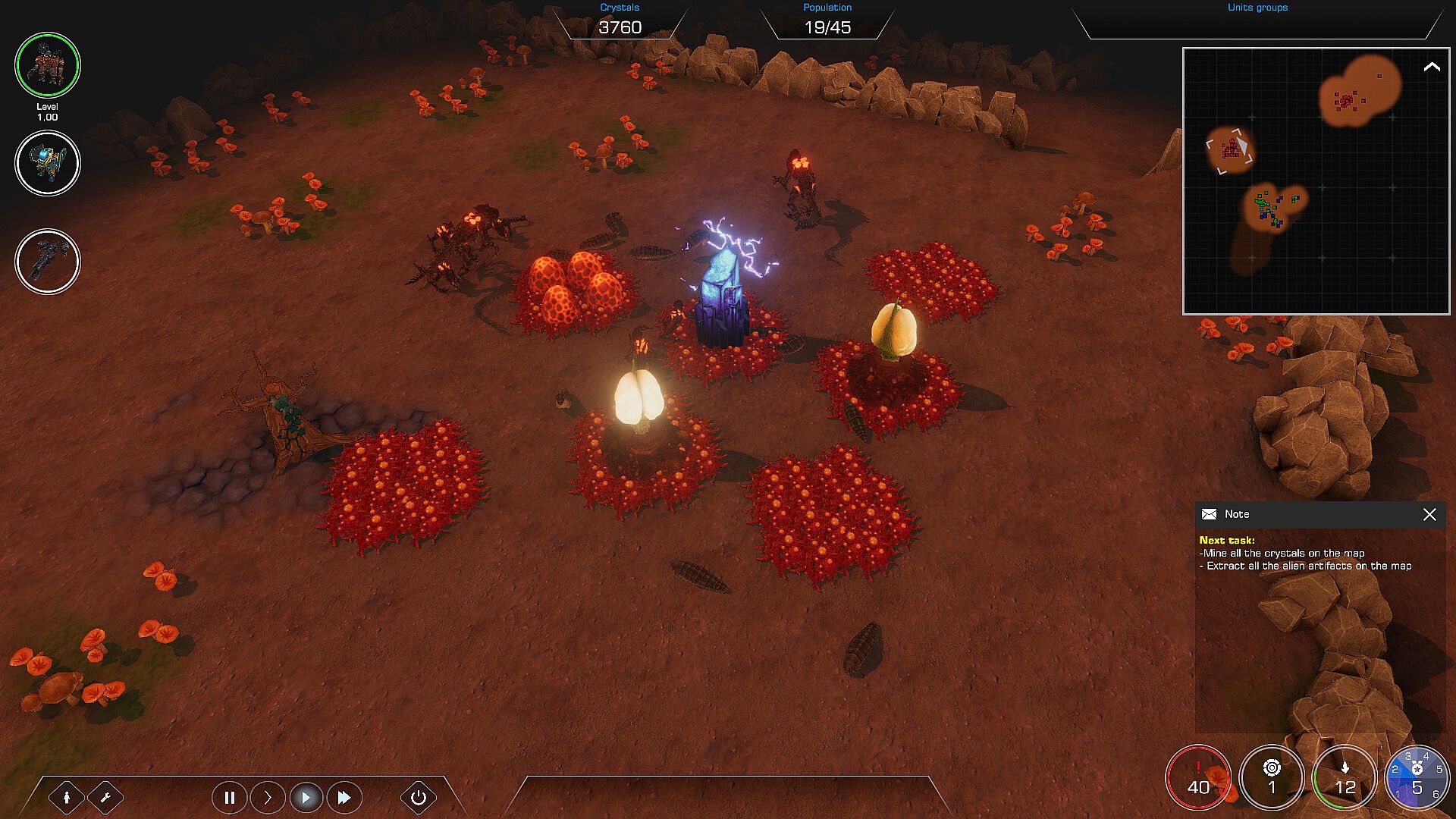
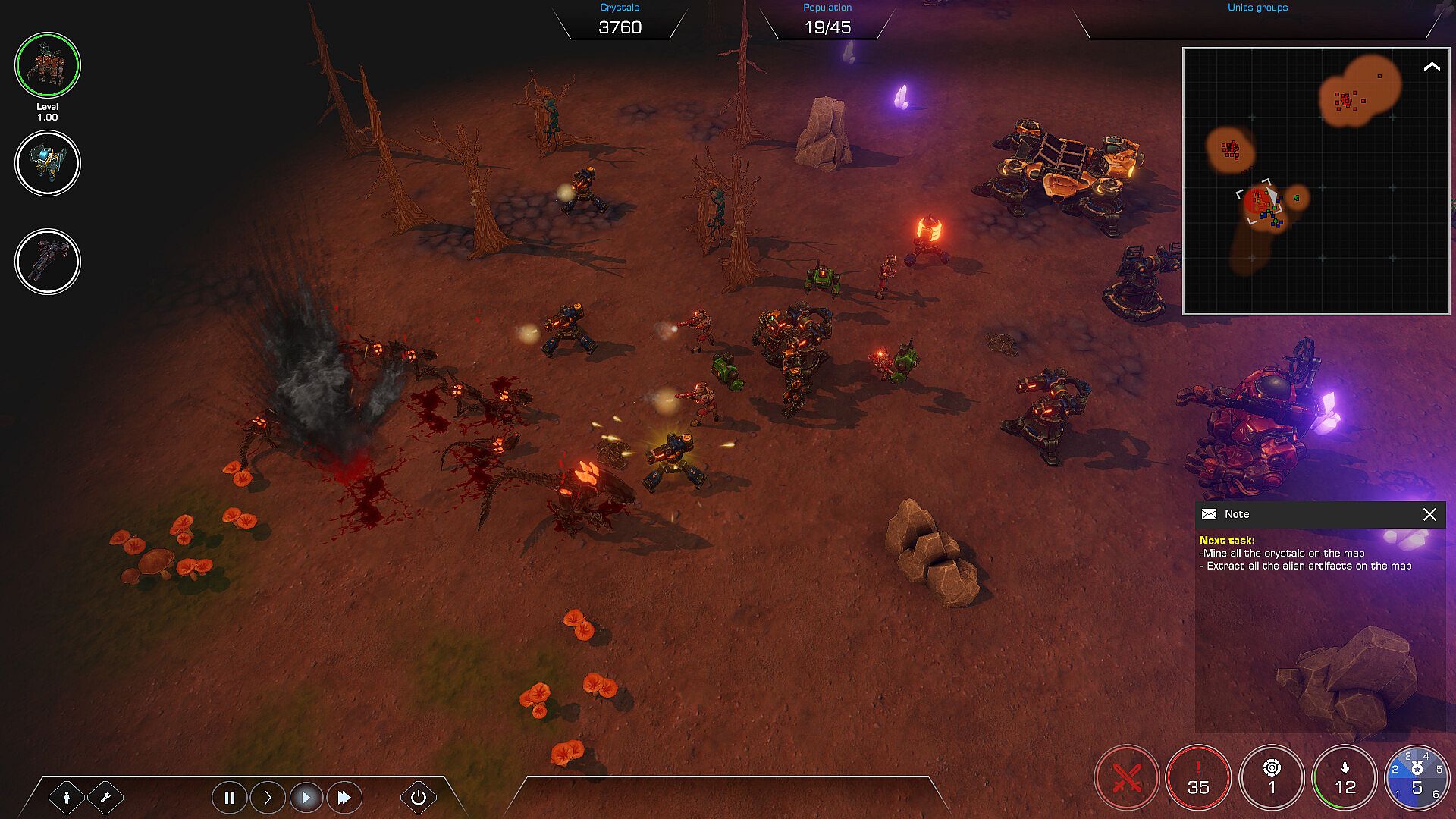
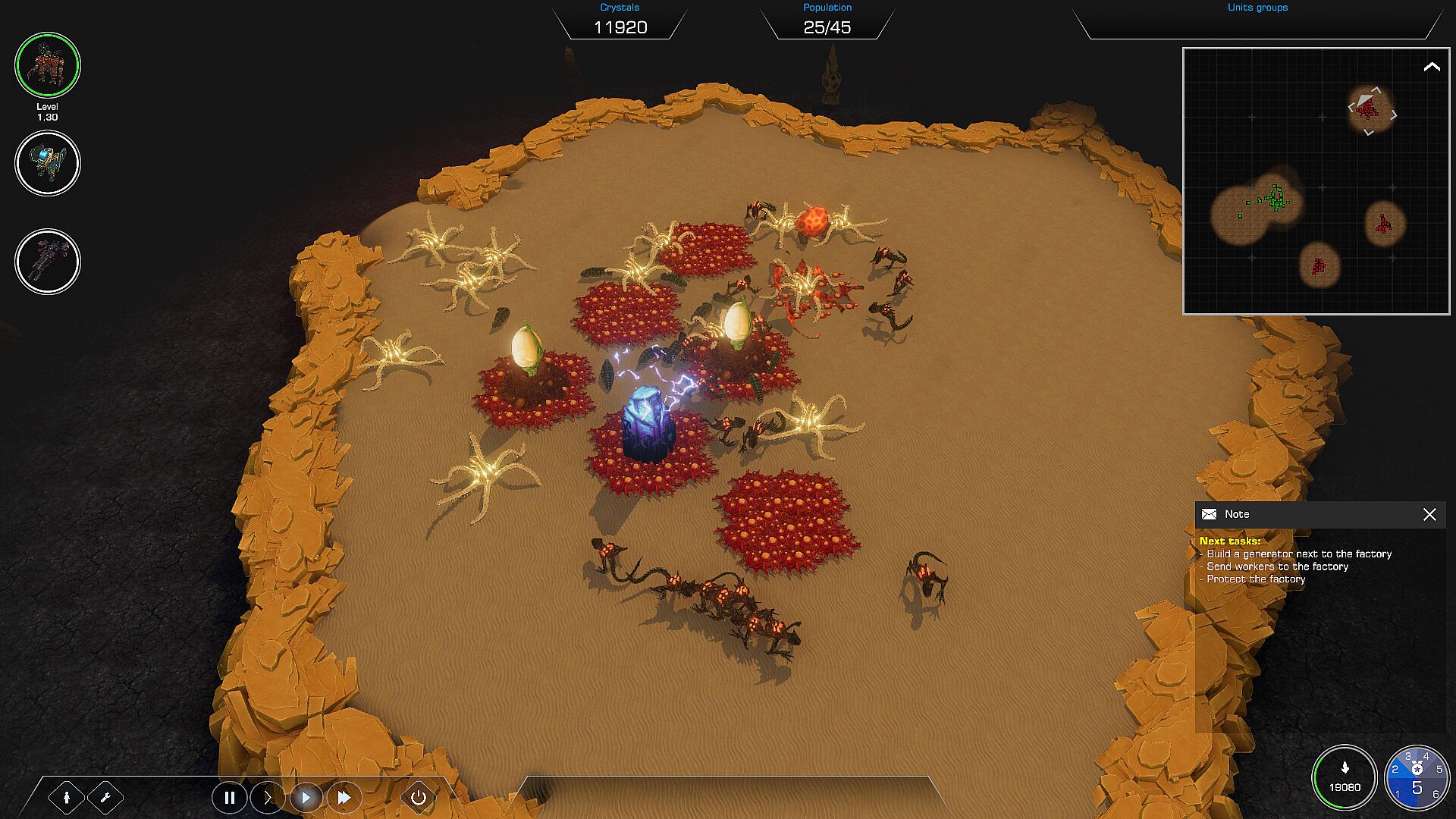
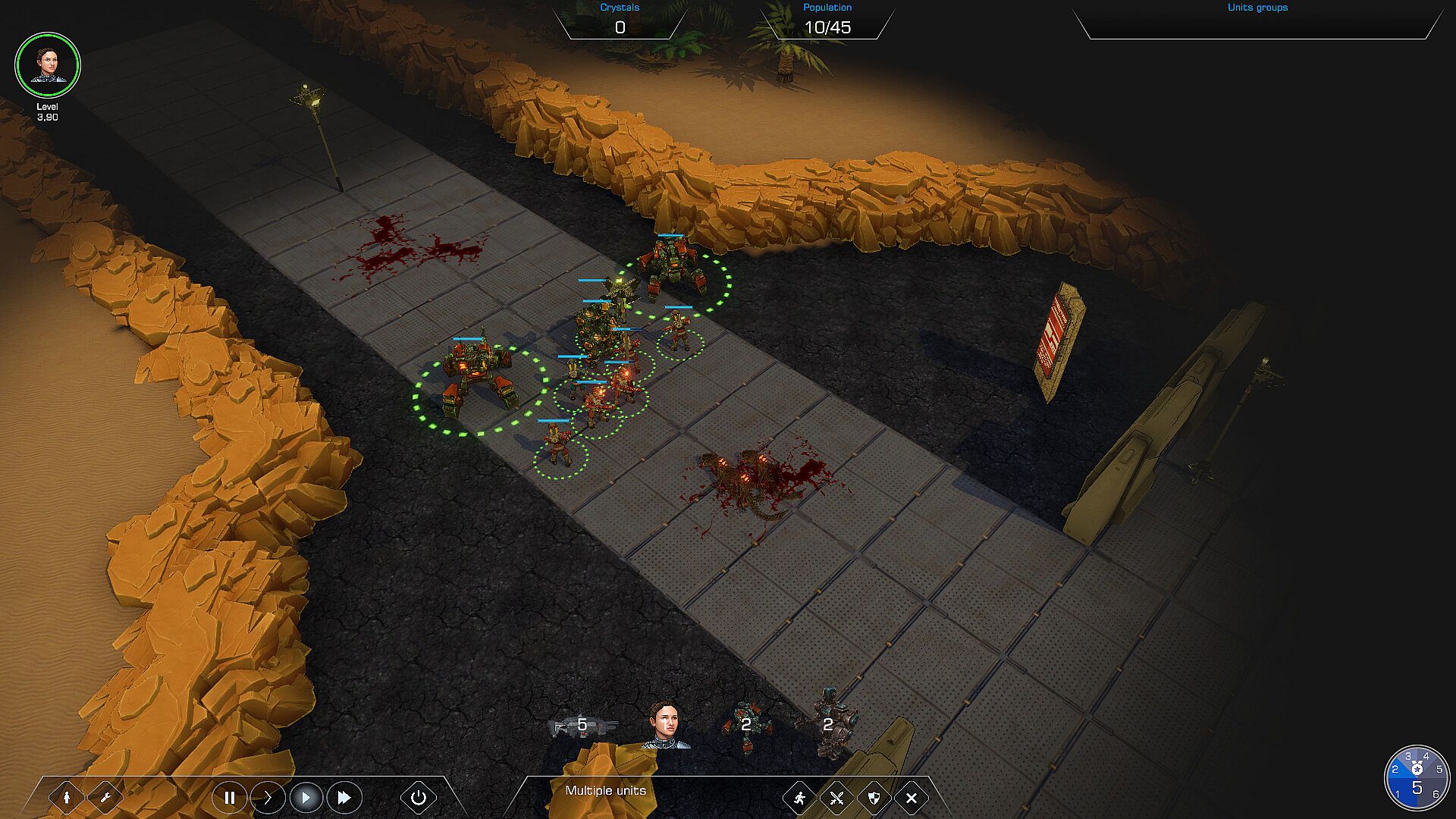
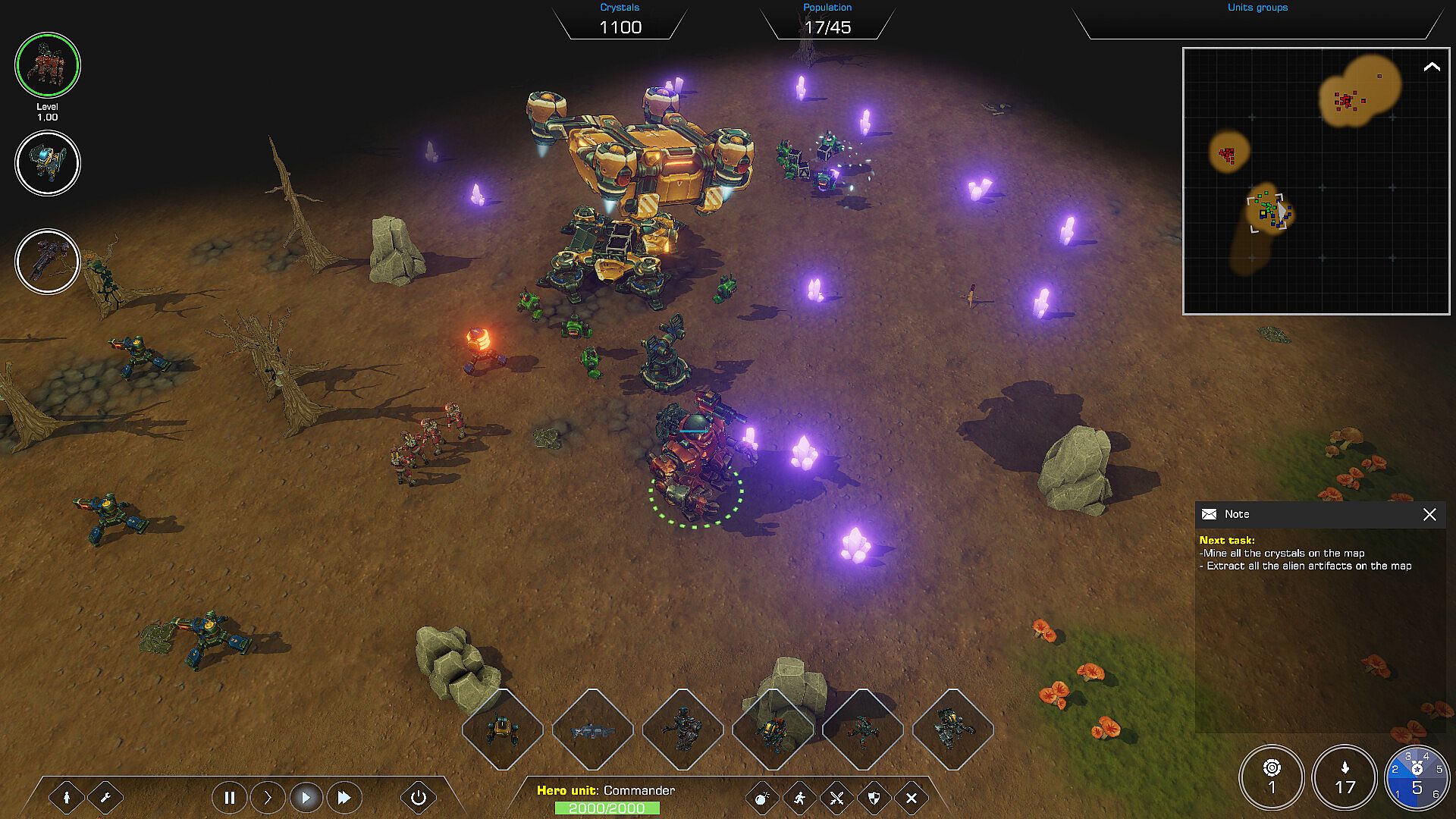
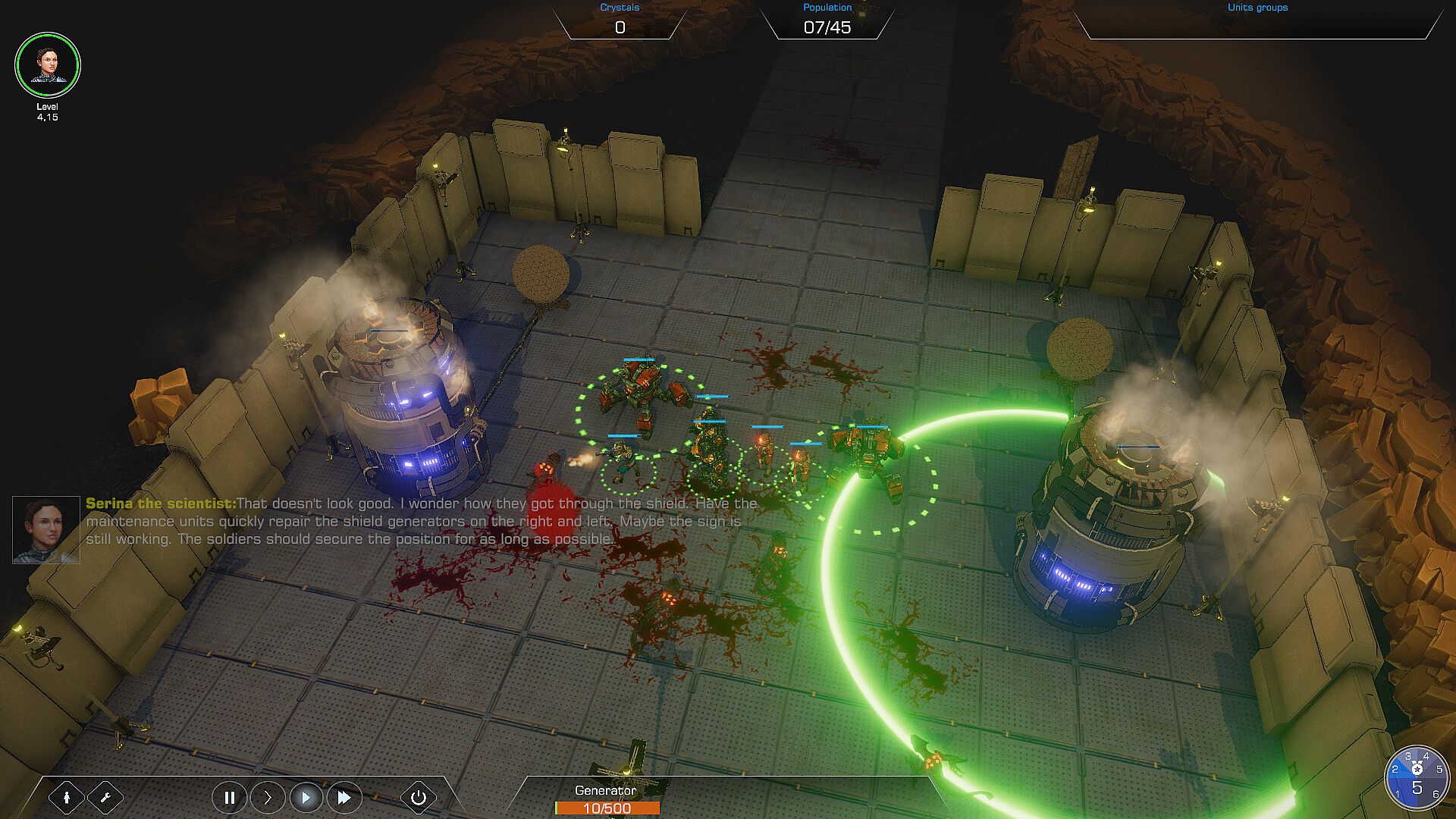
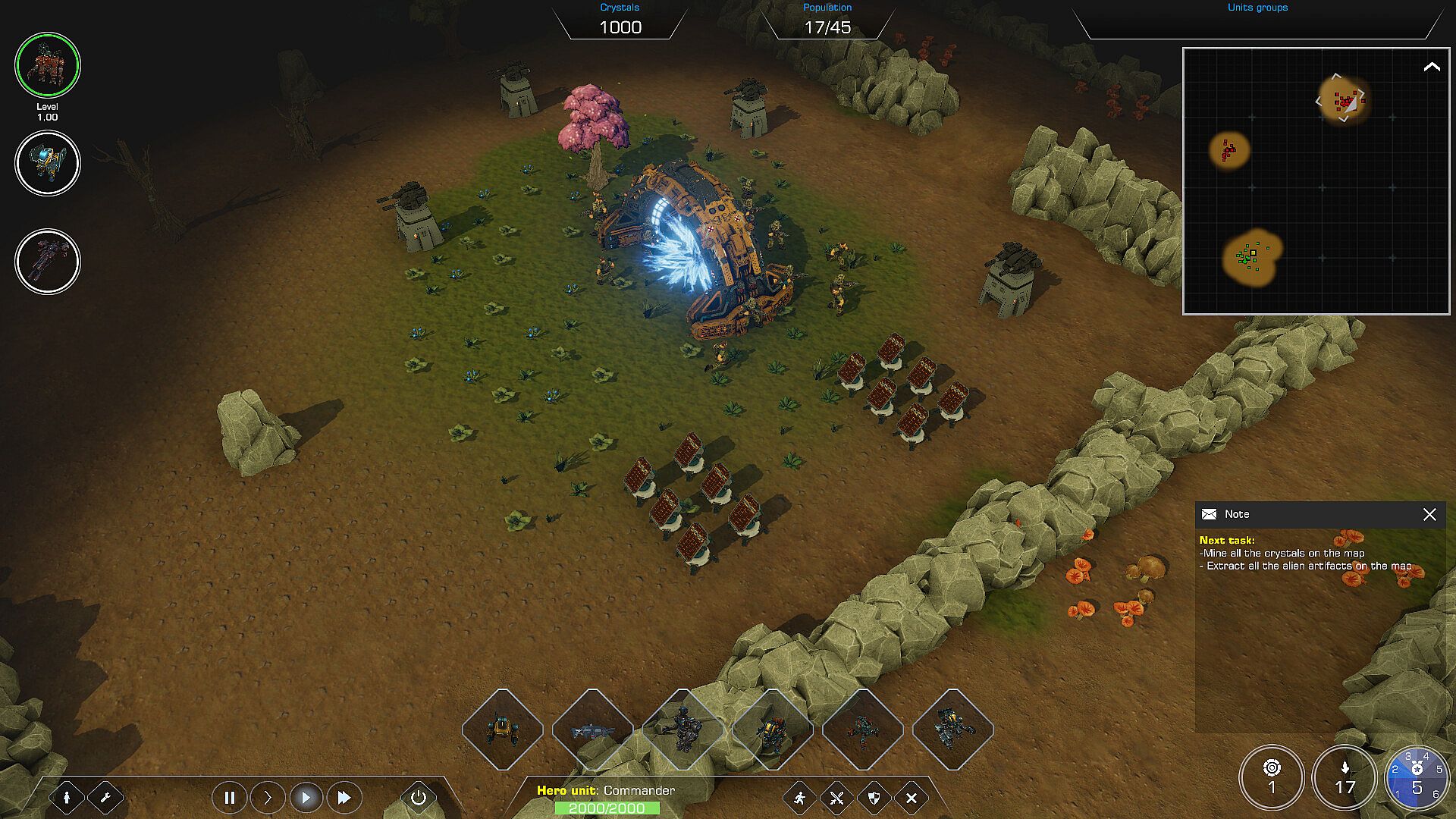
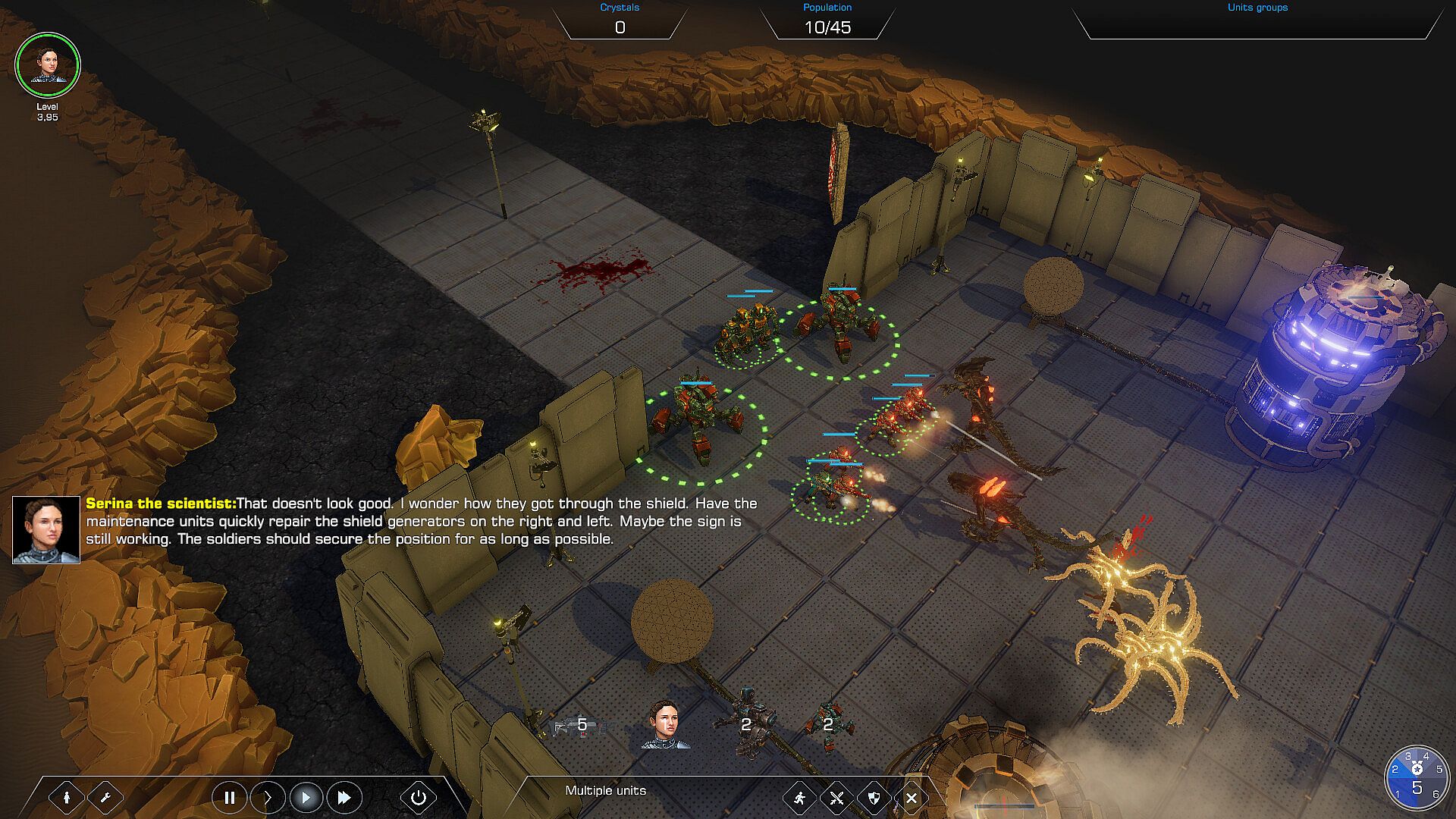
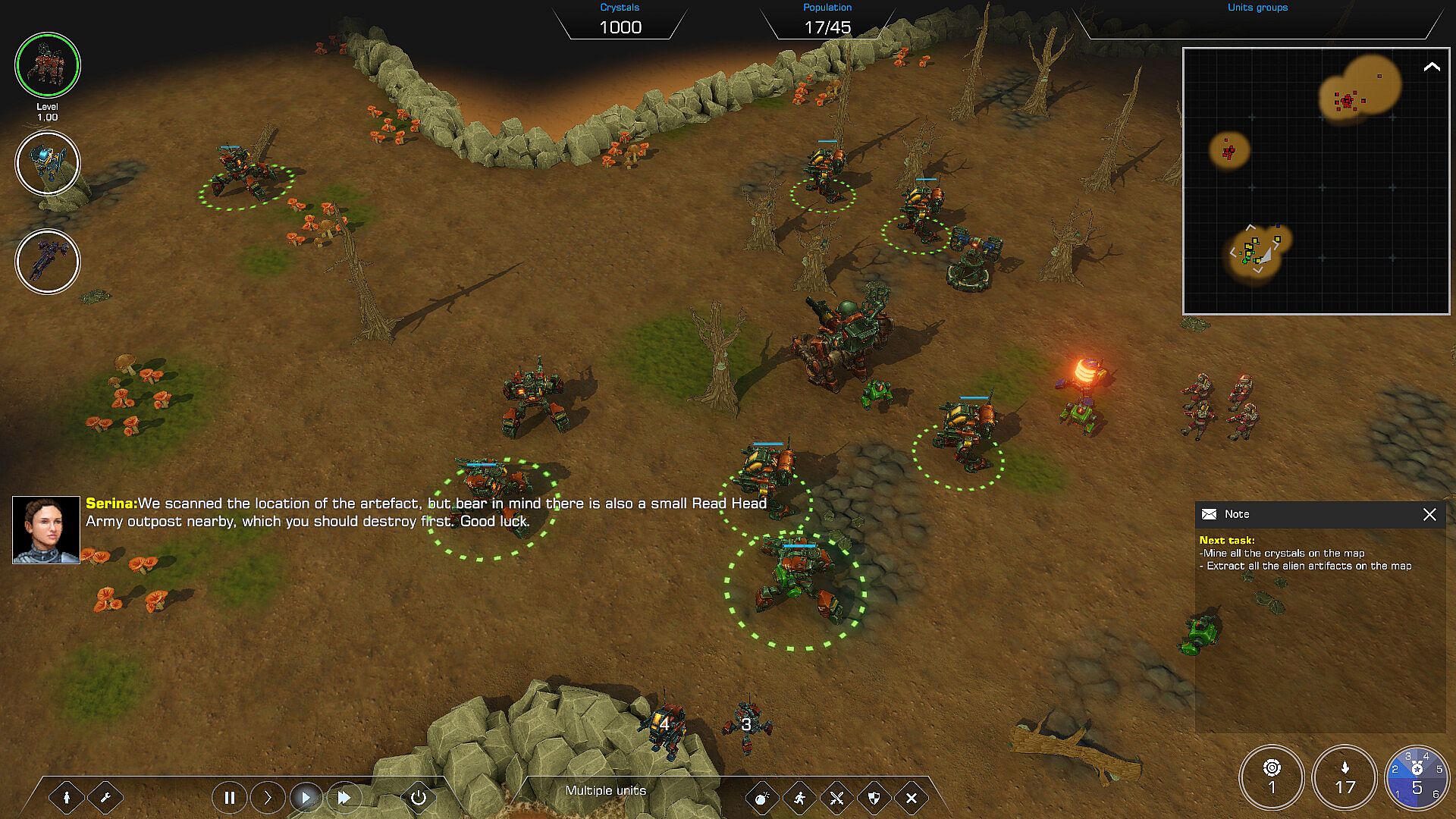
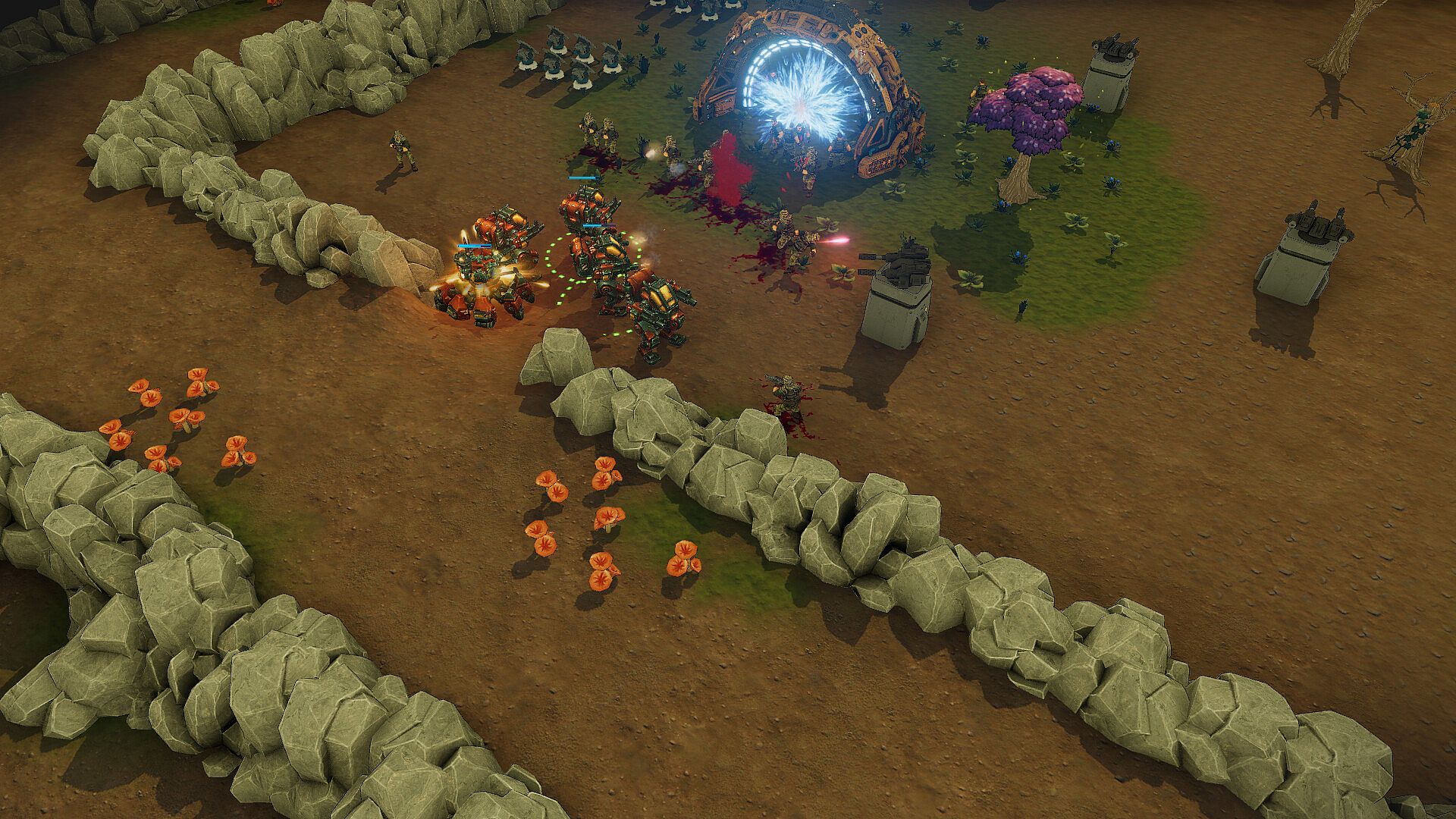
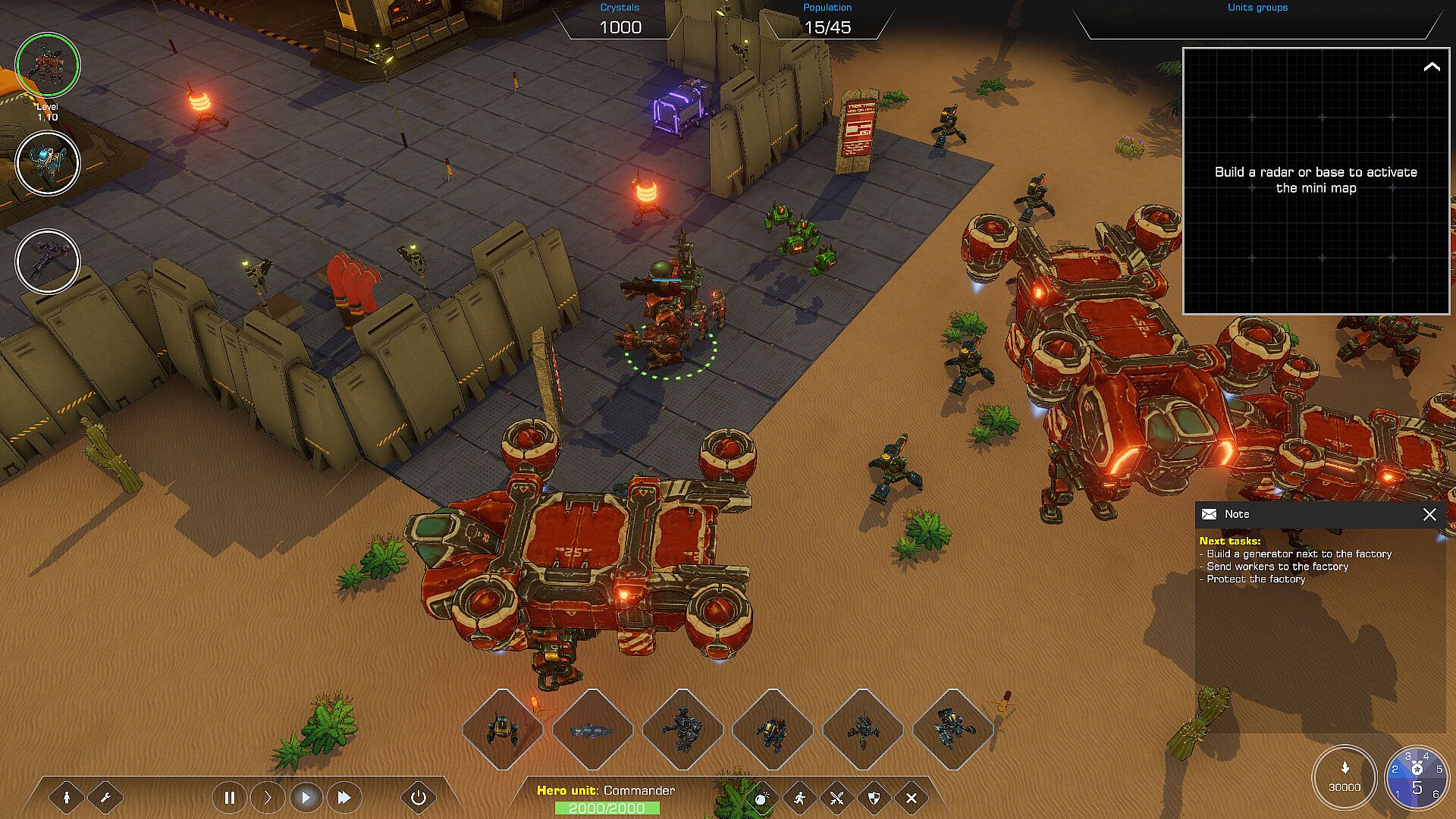
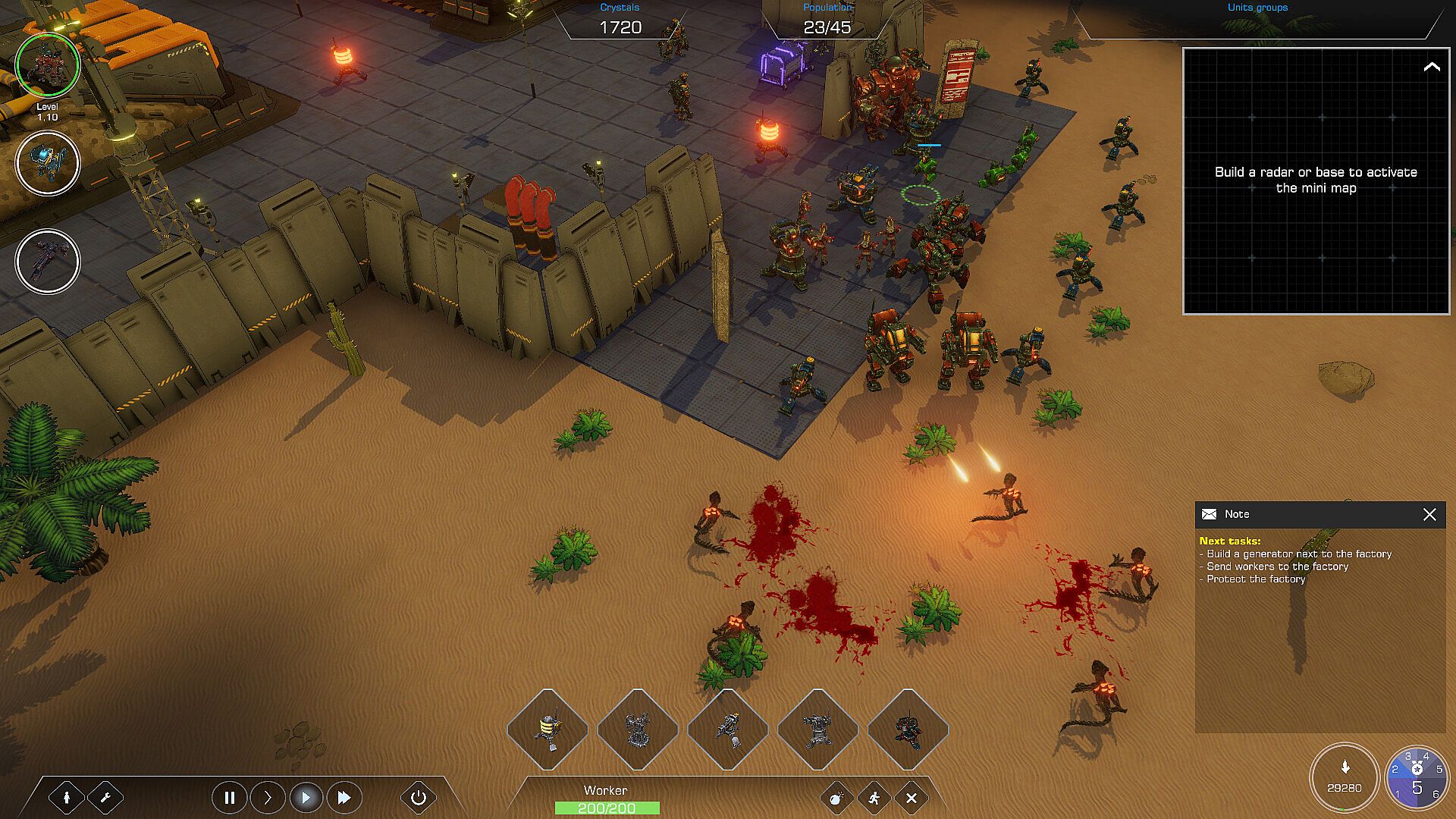
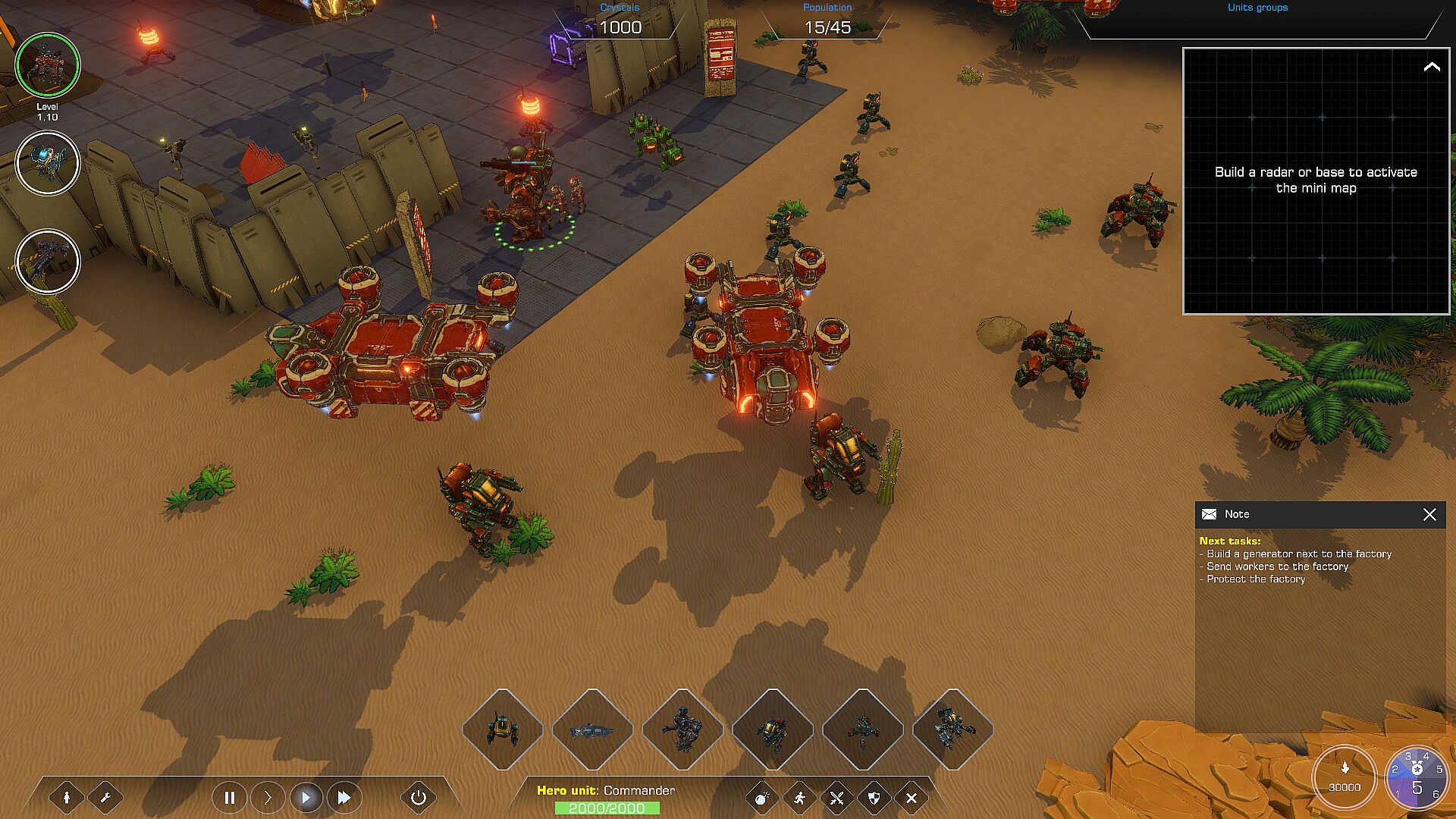
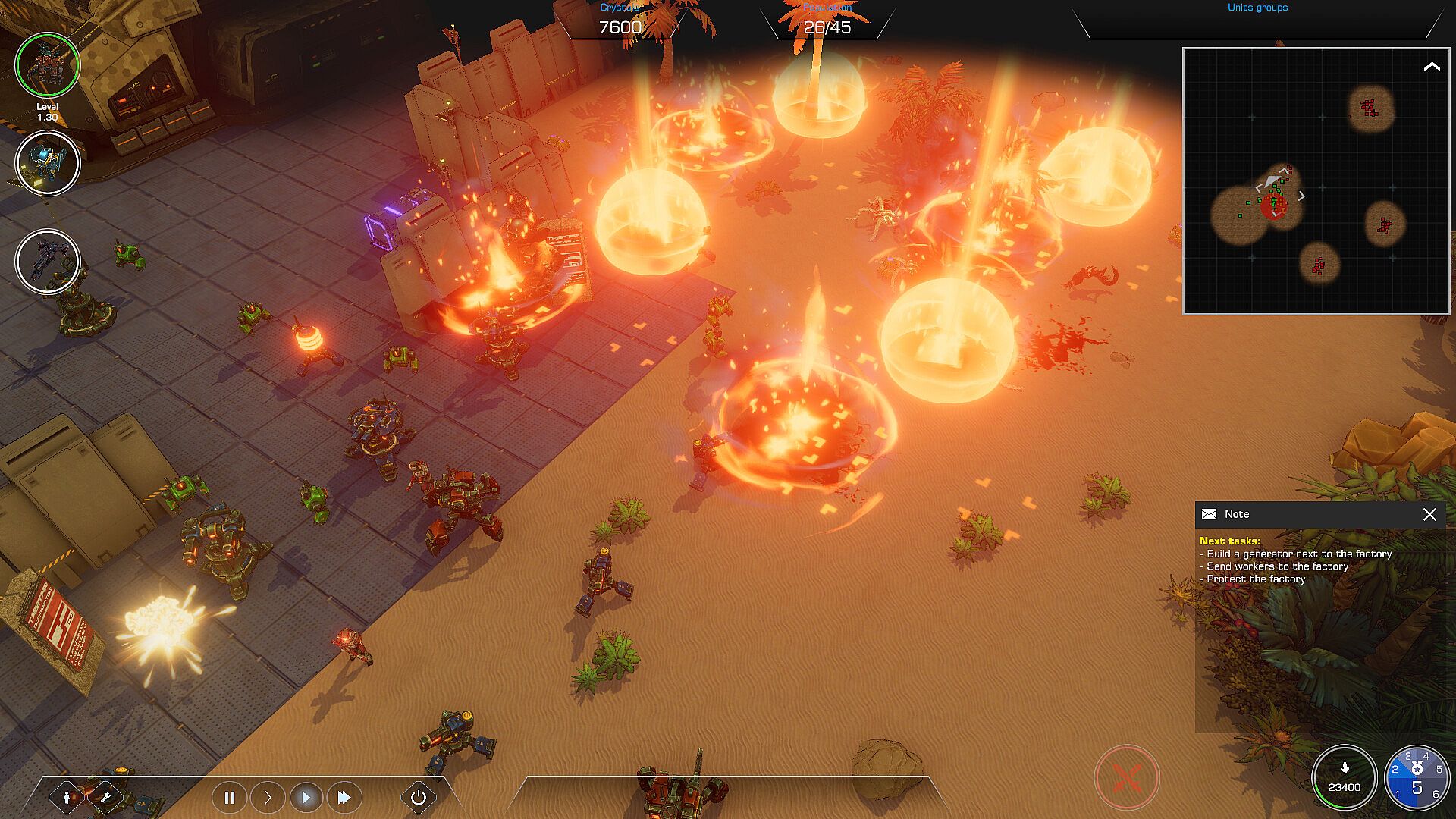
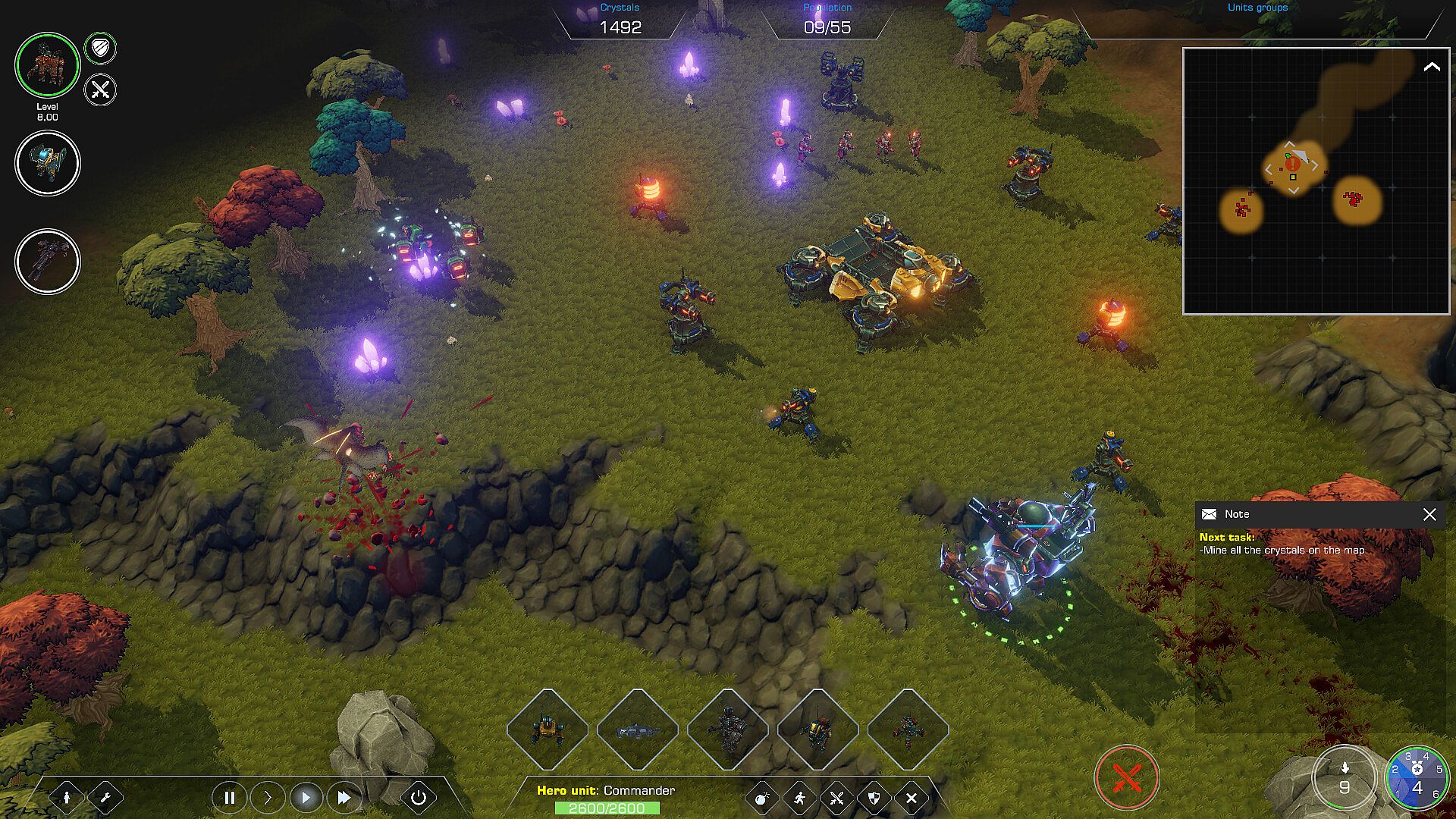
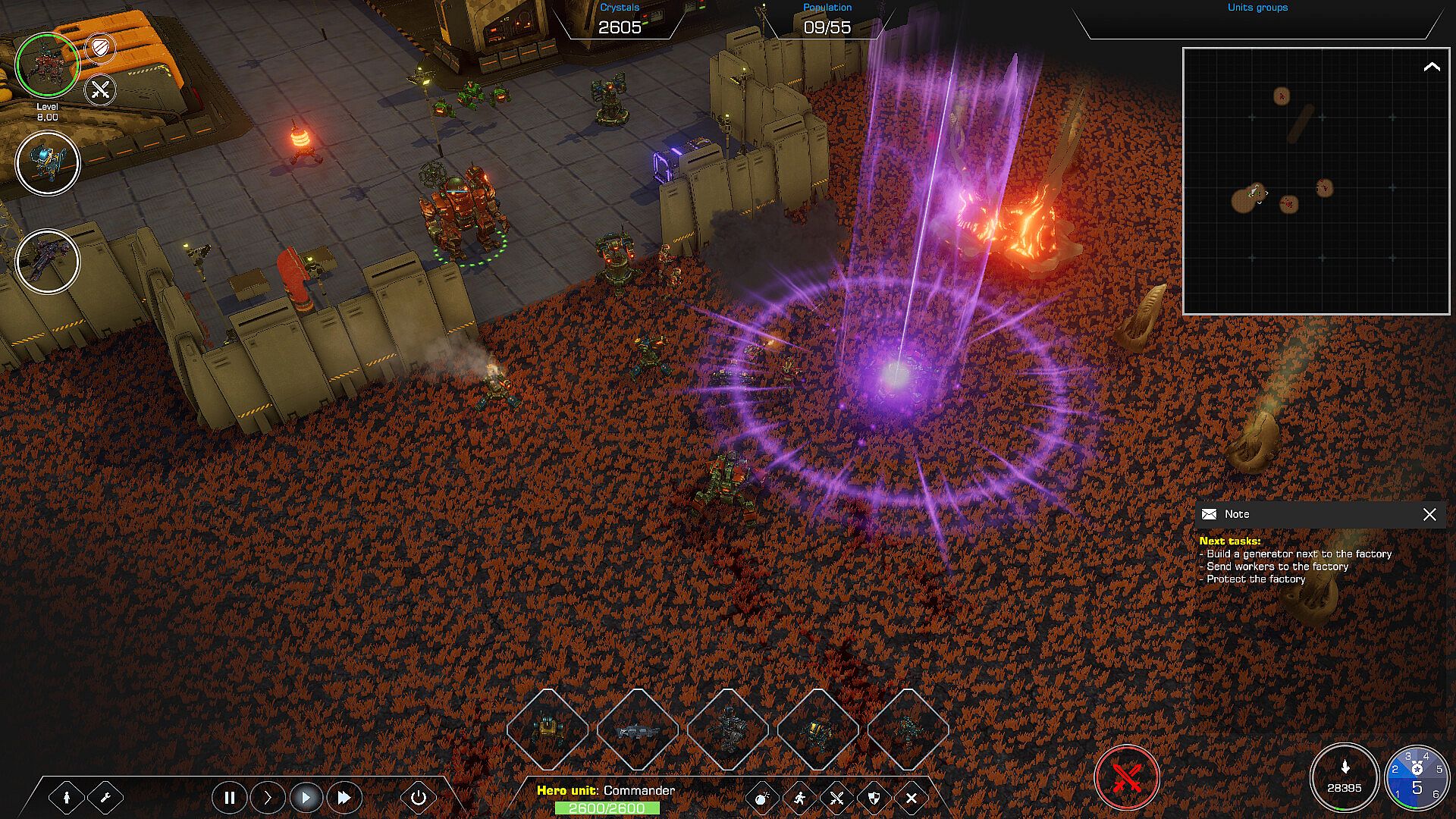
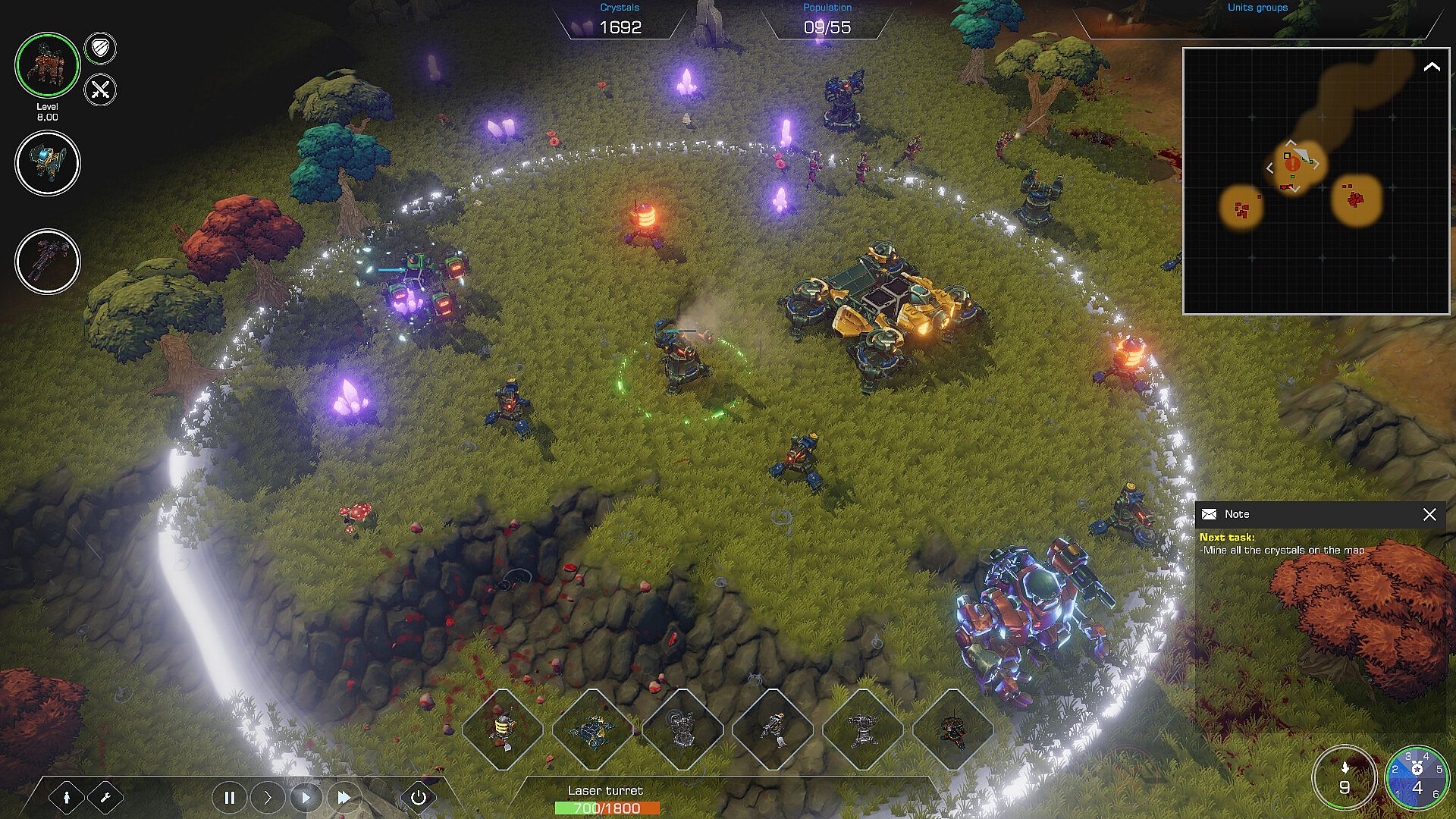
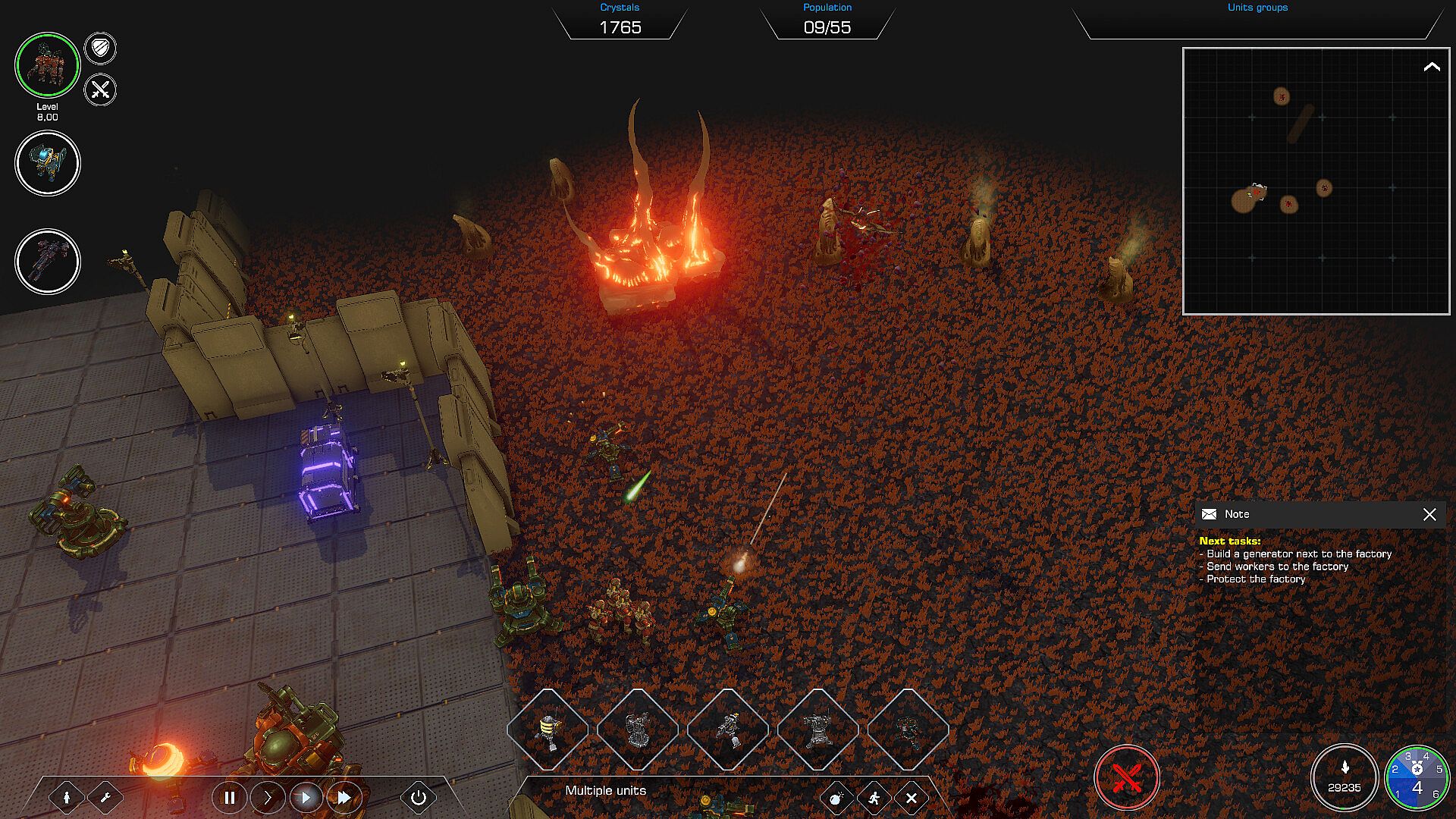
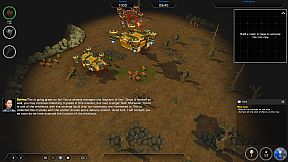
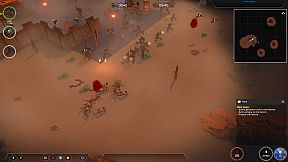
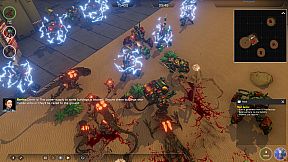
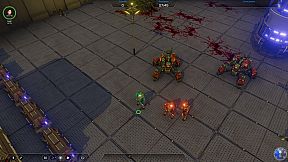
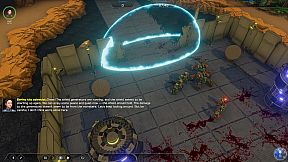
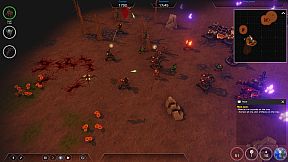
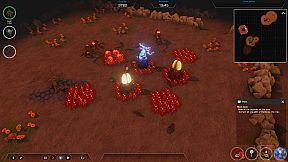
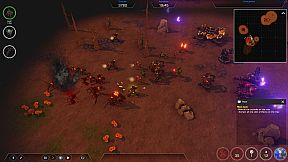
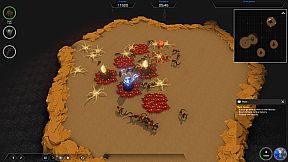
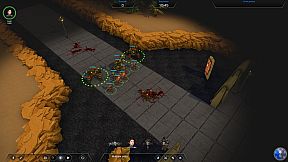
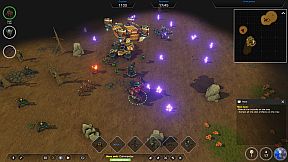
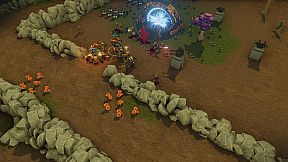
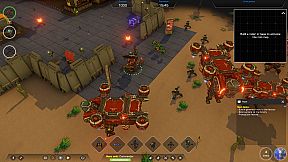
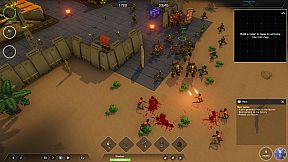
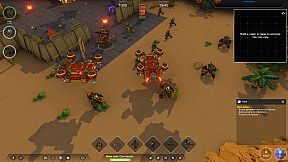
Grimstar: Crystals are the New Oil! is a real-time strategy game set on alien worlds where players manage resource extraction under corporate pressure. The story follows a protagonist who steps into a contract after a family member's death on the distant planet Grimstar, blending personal investigation with industrial goals. Developed as an indie title for PC, the experience centers on efficient planetary exploitation while fending off hostile forces.
Gameplay
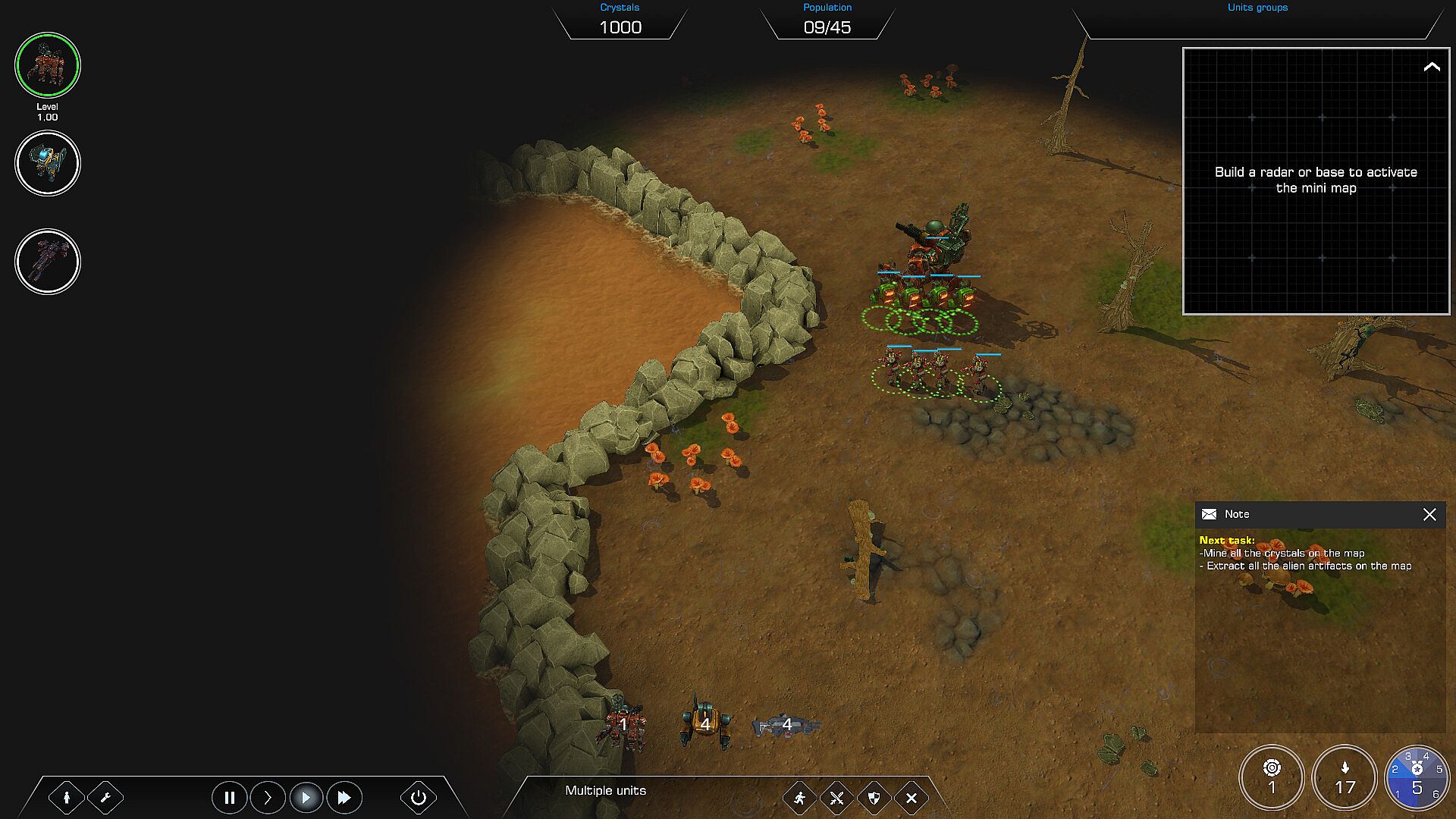
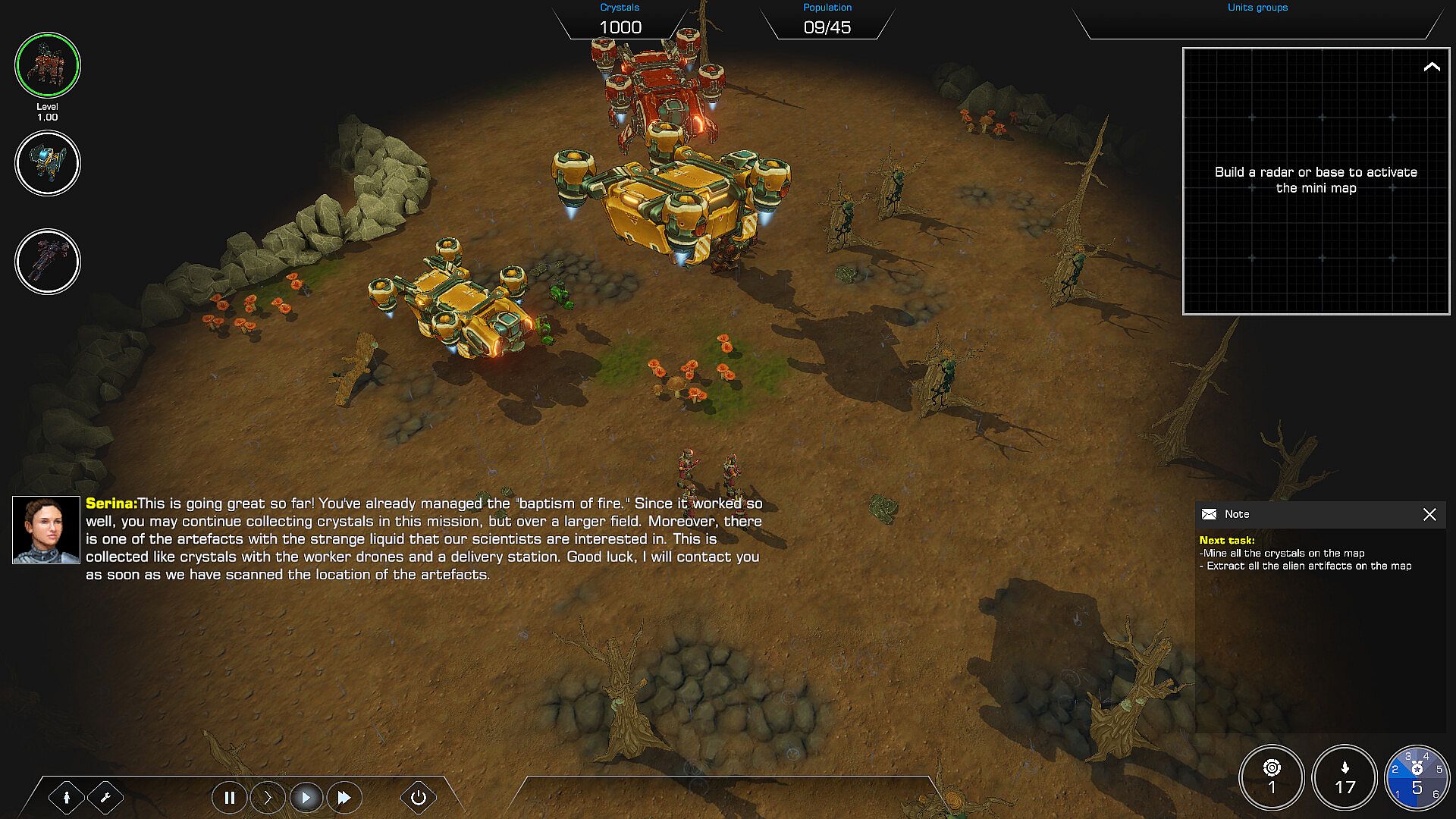
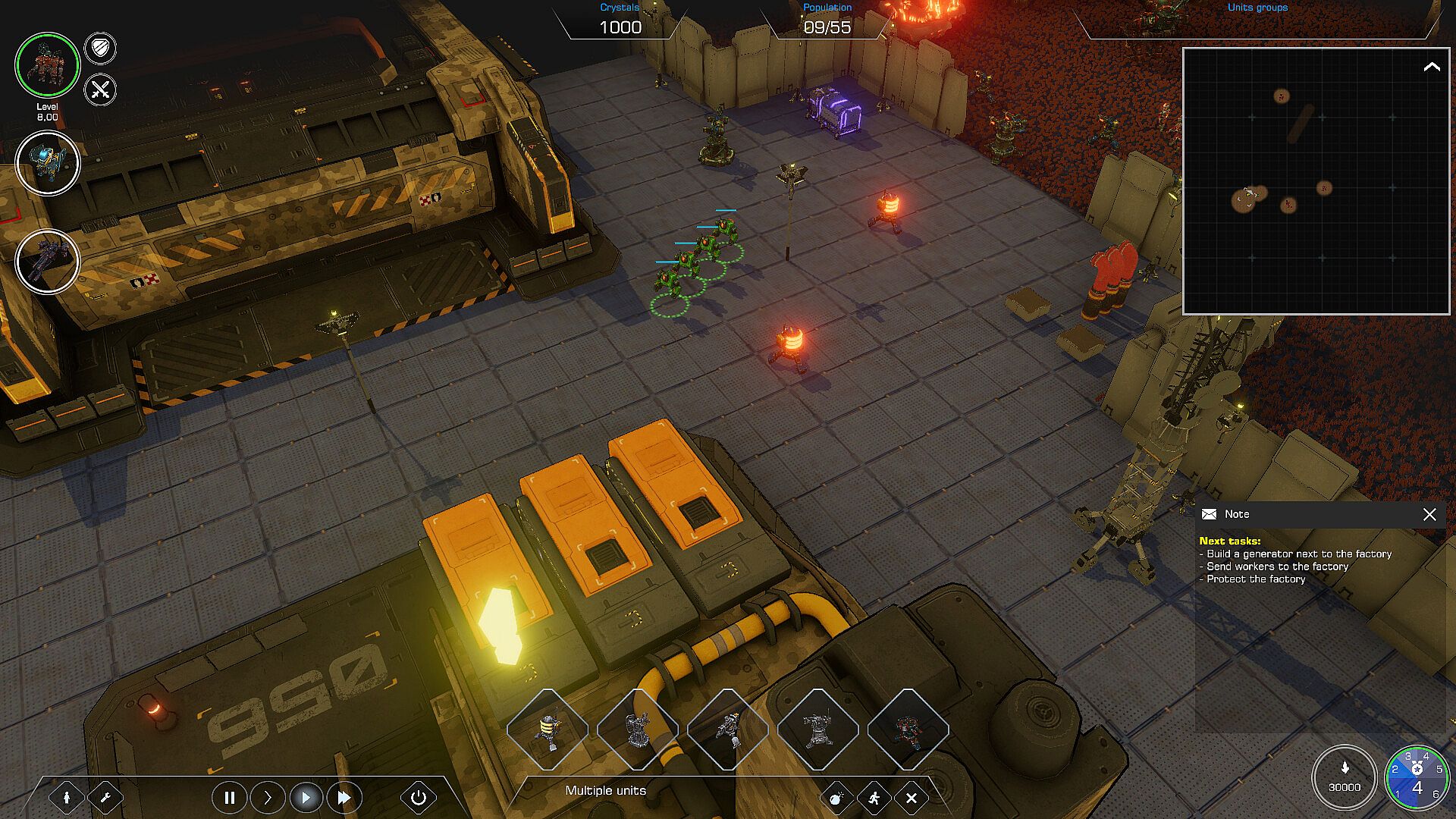
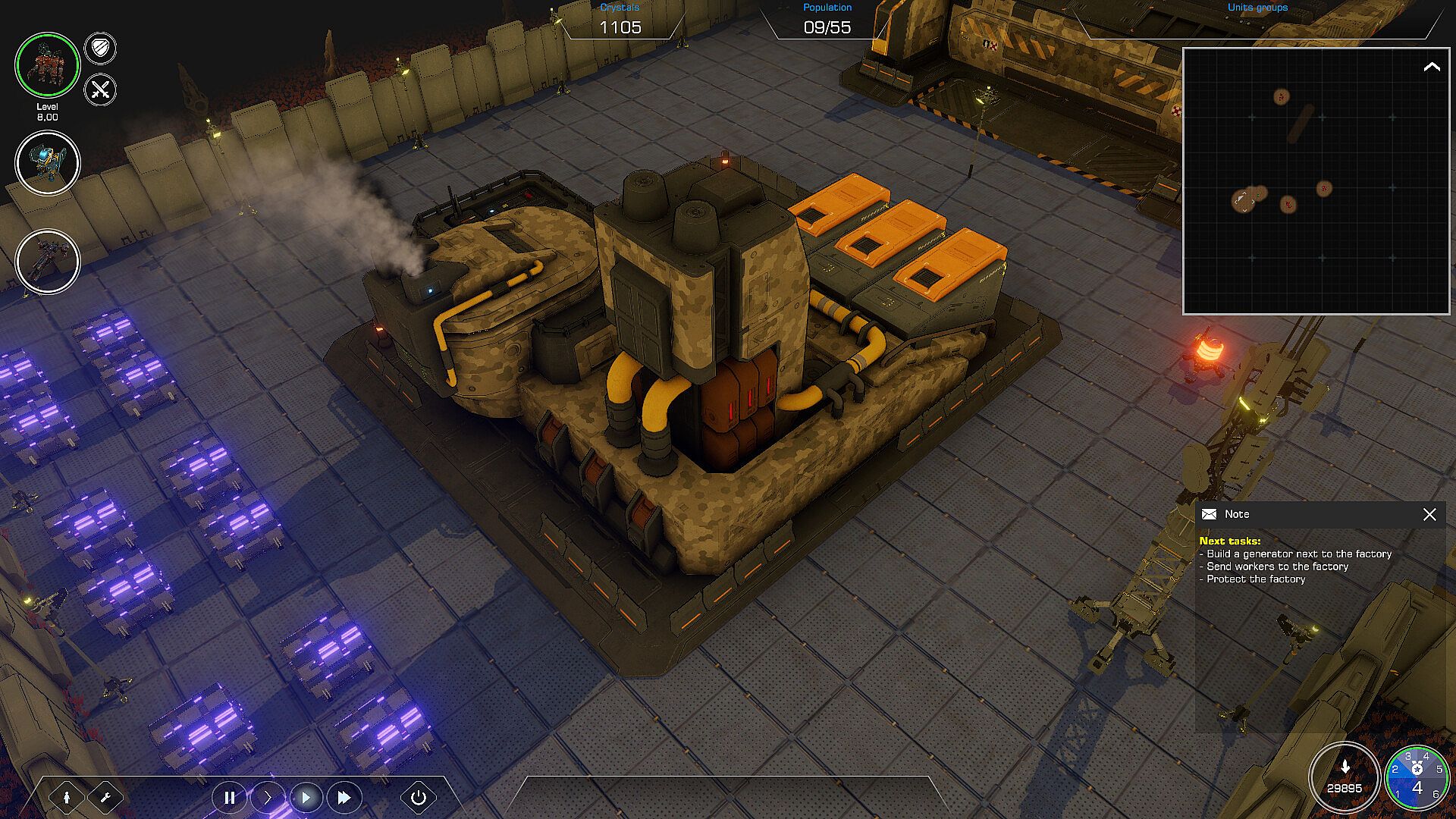
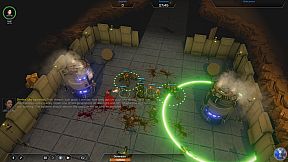
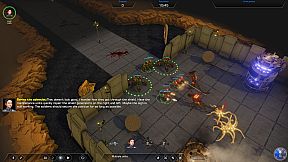
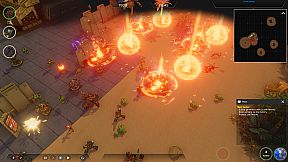
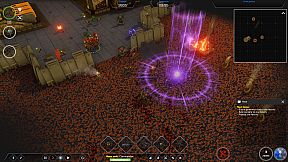
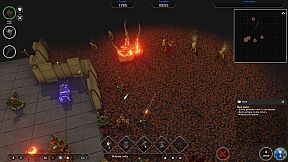
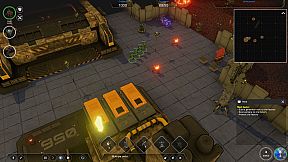
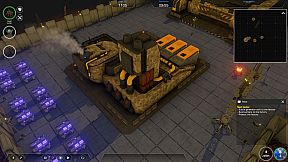
The core loop involves scouting alien terrain, establishing extraction operations, and defending against waves of native creatures. Players gather crystals as the primary energy resource while balancing unit production and building placement to minimize waste. Efficiency determines mission outcomes, with leftover resources contributing directly to overall progress.
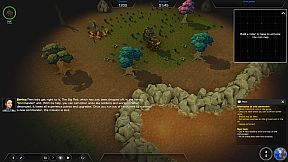
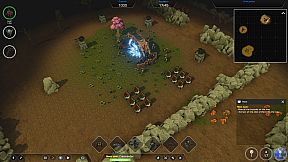
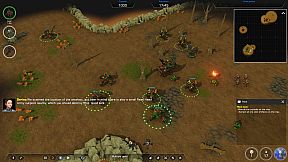
Exploration reveals map features that influence strategy, such as terrain variations across different environments. Armies must be directed carefully to secure areas without overcommitting supplies. Hero units provide persistent advantages, returning across missions with accumulated strength and access to upgraded armaments once thresholds are met.
Progression ties into a leveling system that unlocks new structures, units, and enhancements after each completed assignment. This system encourages repeated play on the same objectives to optimize performance and expand capabilities for later challenges.
Game Modes
The game operates entirely through a single-player campaign structured around sequential missions. Three planets become available as the player advances in level, each featuring distinct environmental traits that alter movement, resource distribution, and defensive considerations.
Victory on standard missions requires either complete crystal extraction or collection of scattered alien artifacts. Interspersed command missions introduce specialized tasks that demand precise execution beyond standard harvesting. These objectives rotate to maintain variety within the campaign structure.
No additional modes such as skirmish or competitive play exist. The focus remains on the narrative-driven progression through the campaign's mission sequence.
Progression and Units
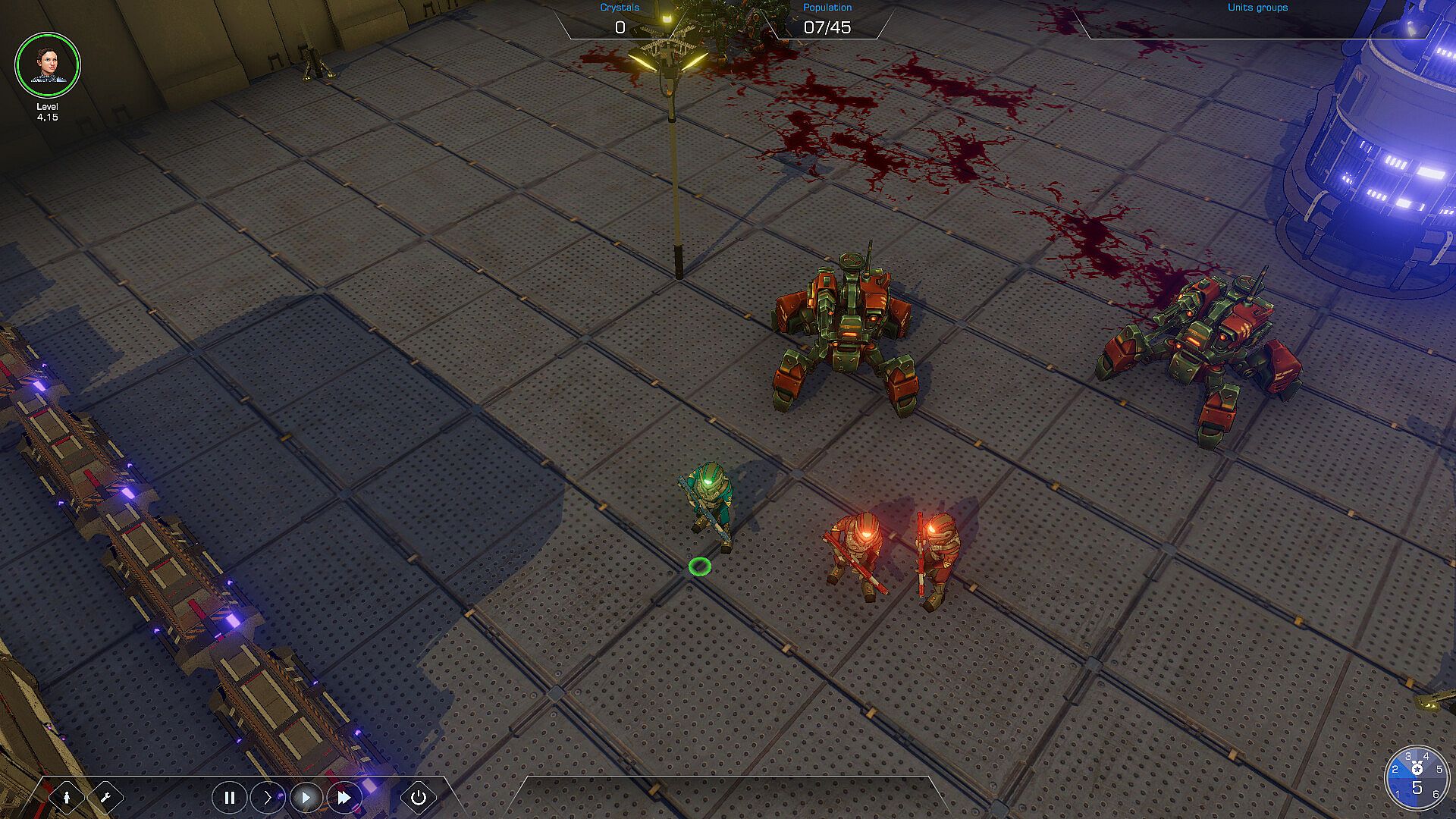
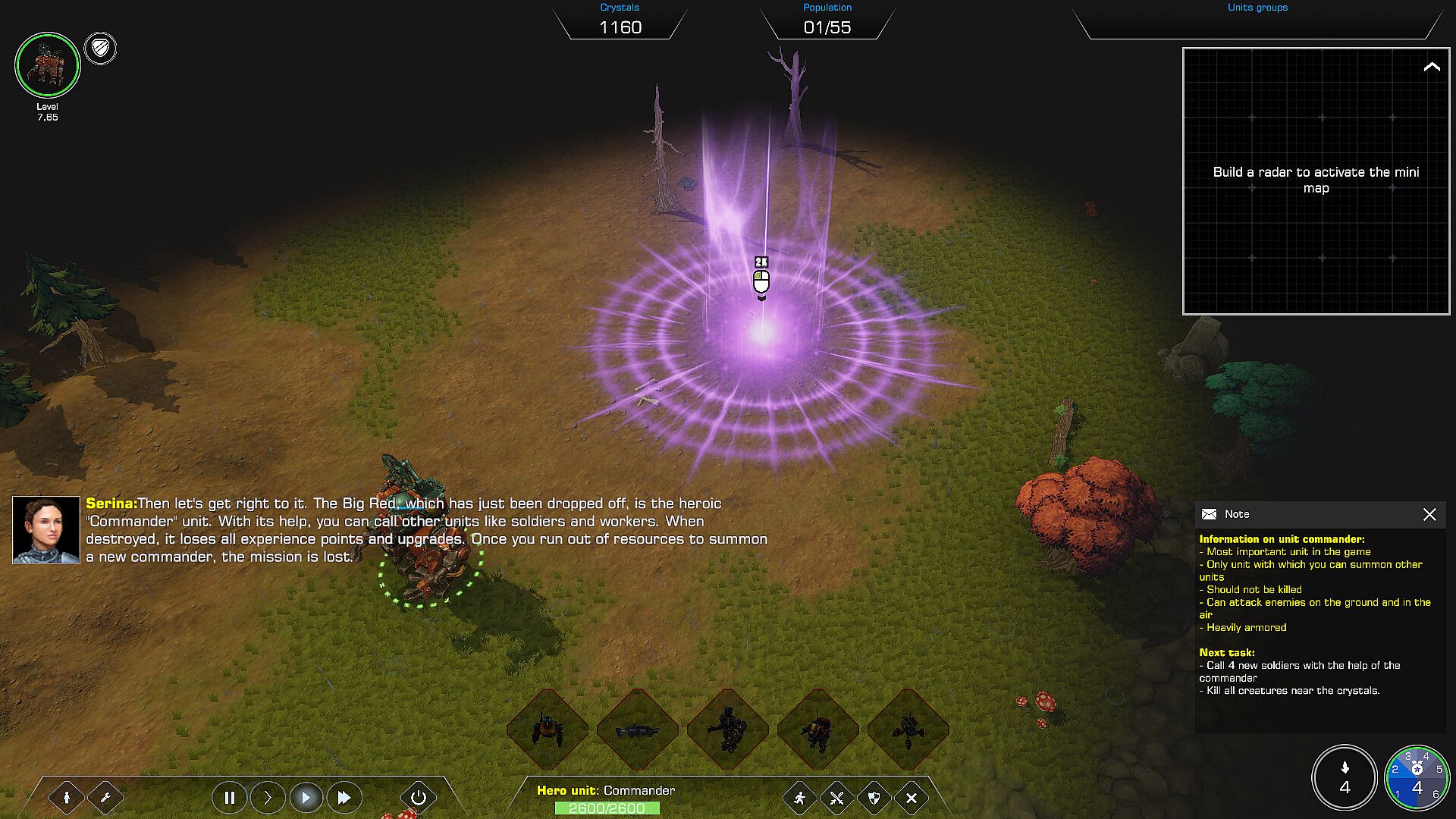
Hero units stand out because they carry forward without resource cost on subsequent missions. Each gains experience independently, improving stats and eventually equipping new weapons that expand tactical options. This persistence creates a sense of continuity across the campaign.
Regular units and buildings follow a standard real-time strategy production model, but the emphasis stays on conservation. Overproduction reduces final scores, pushing players toward leaner, more calculated approaches on every map.
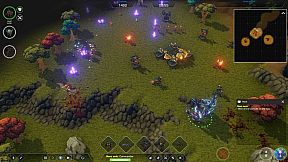
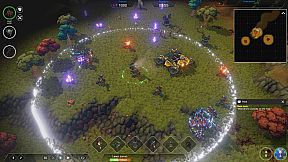
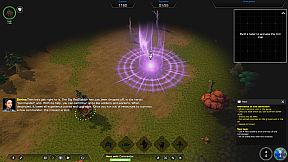
Planet-specific characteristics affect unit effectiveness and building placement, requiring adaptation when moving between environments. Vegetation and terrain differences influence line of sight, pathing, and resource node locations.
Is It Worth Playing?
With a small but established player base, the game holds a Mostly Positive rating from its initial reviews. The single-player focus suits those who prefer methodical resource management and incremental upgrades over fast-paced multiplayer competition.
Fans of story-integrated strategy titles will find the corporate intrigue and personal mystery elements add context to the extraction gameplay. The hero progression and planet variety provide enough mechanical depth to reward multiple attempts at optimization.
Players seeking expansive online features or large-scale battles may find the scope limited. The experience delivers a contained campaign that emphasizes careful planning and efficiency on PC.