






Grievance: Eye for an Eye is a single-player choice-driven interactive drama that blends action, adventure, and casual narrative elements on PC. Players take on the role of Cletus in a story centered on revenge and personal transformation, with decisions that directly influence the outcome and the character's development.
Gameplay
The core loop revolves around navigating an animated narrative where player selections at key moments alter the direction of events. Cletus begins as an ordinary man whose life ends without notice, only to receive a chance at fulfilling a long-held ambition of performing in a superhero production. This opportunity quickly reveals layers of manipulation tied to past trauma inflicted by a specific individual.
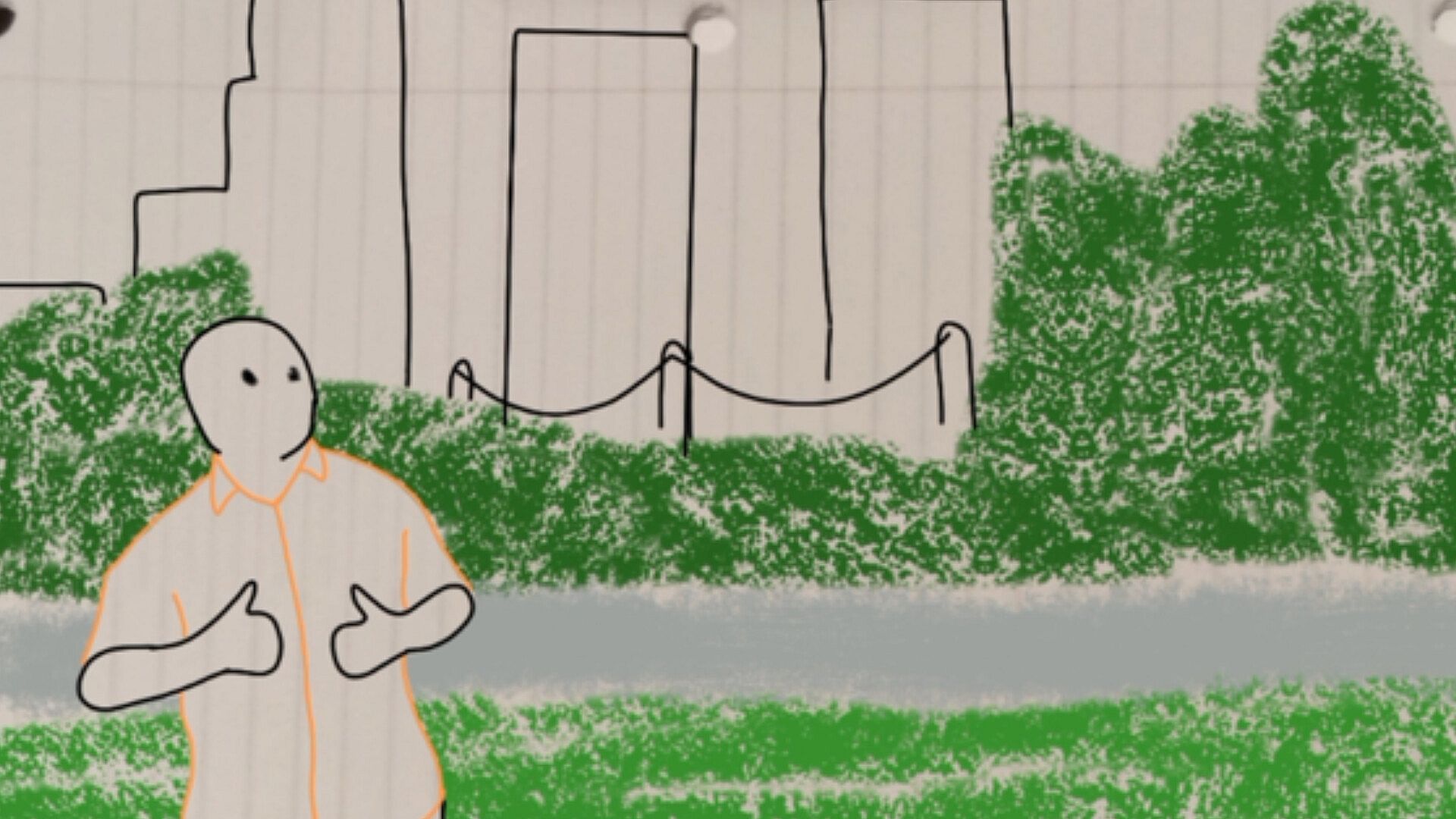
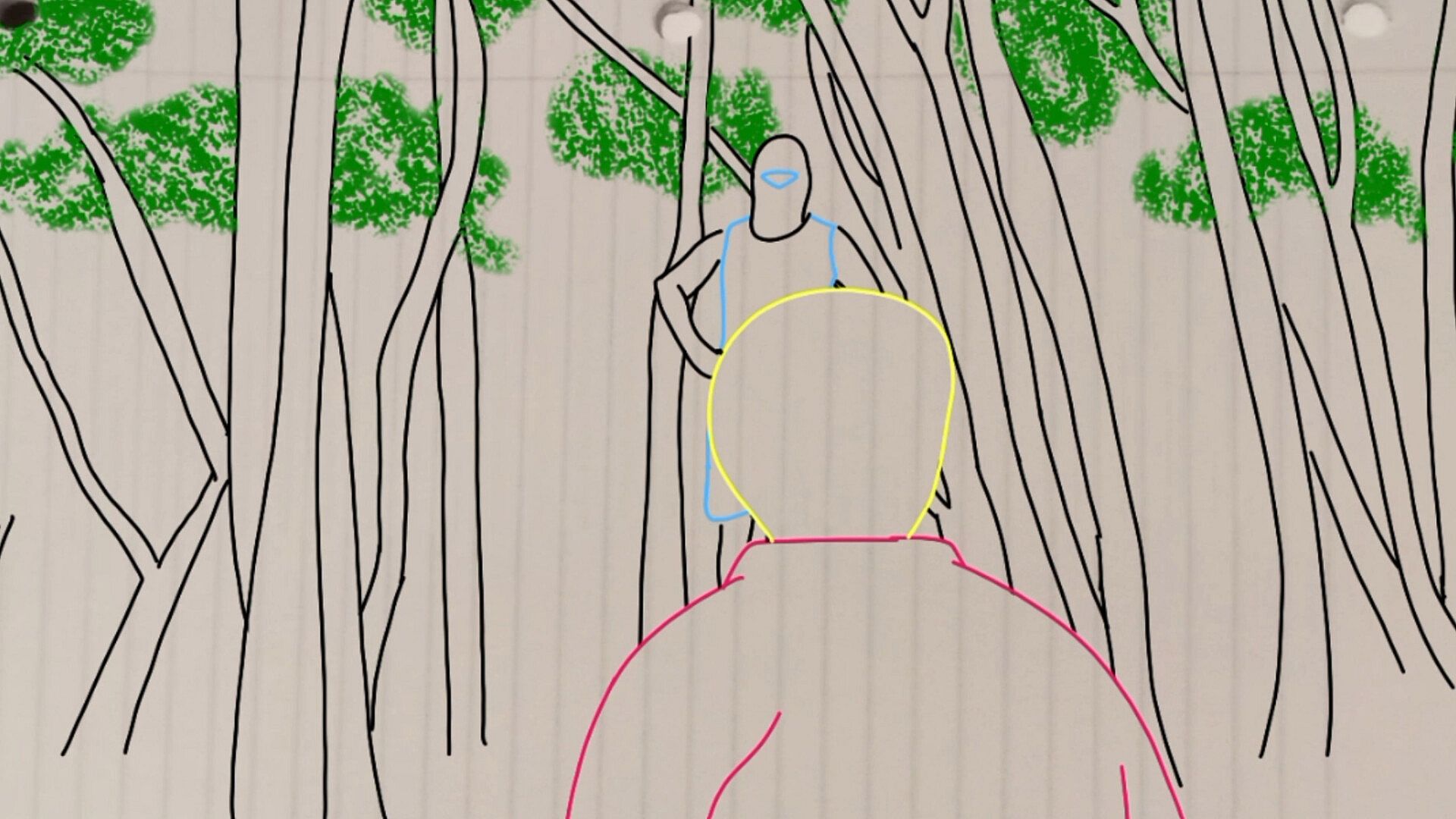
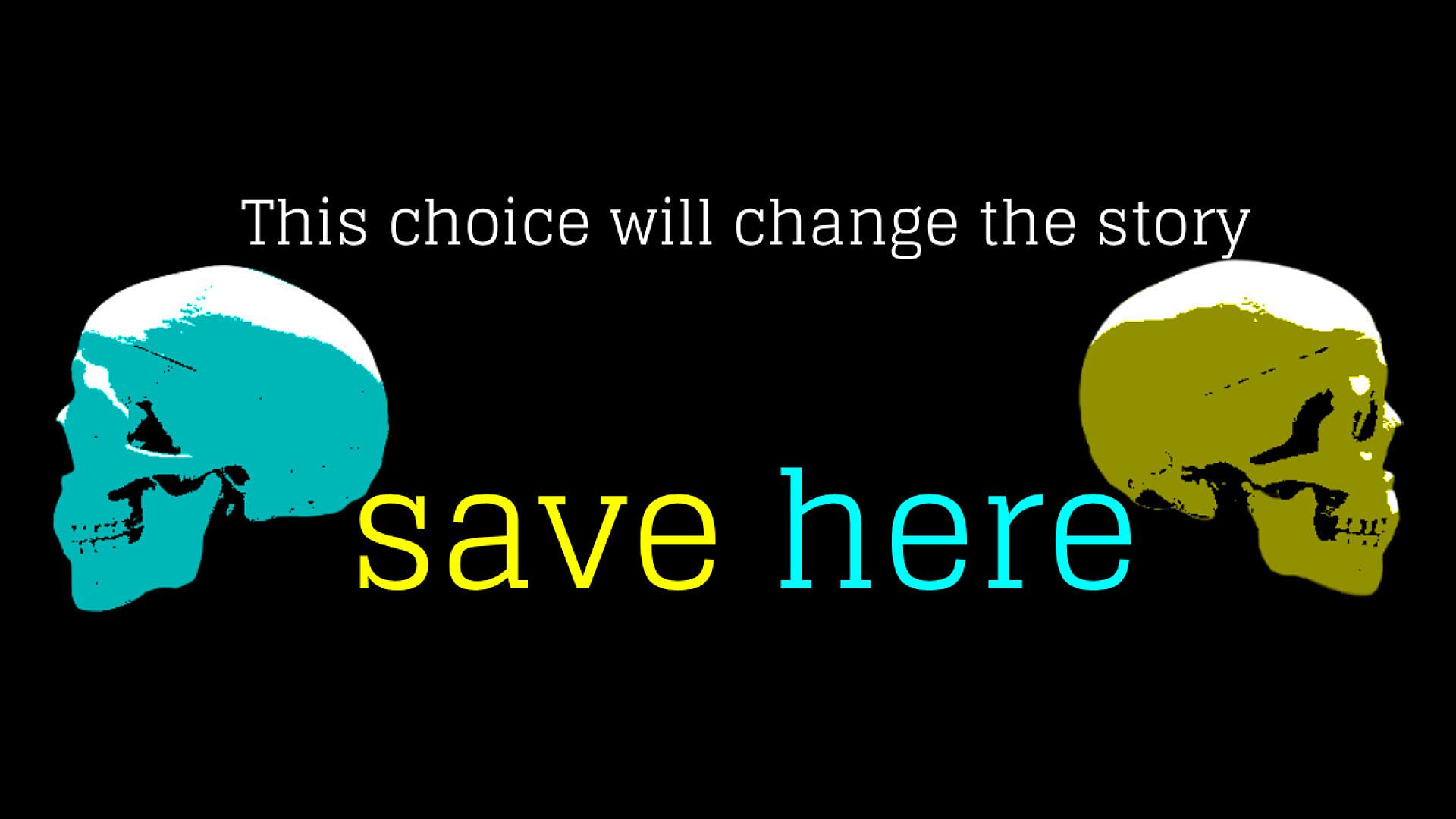
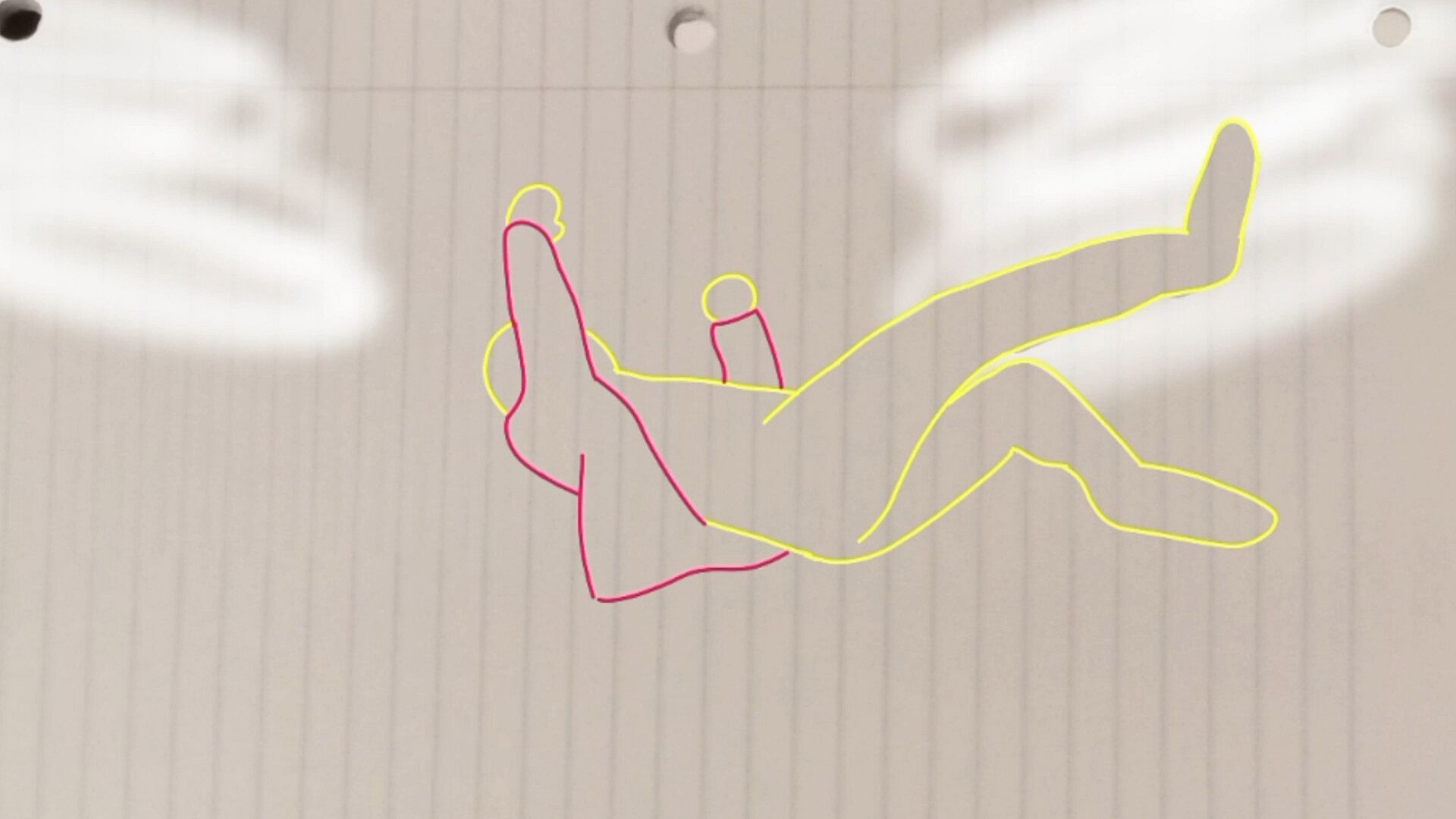
Rotoscoped animation forms the visual foundation, creating fluid motion that supports the dramatic tone. Choices appear throughout the experience and determine not only immediate consequences but also the broader arc of who Cletus becomes by the conclusion. The structure emphasizes personal agency within a tightly focused story rather than open exploration or combat systems.
Themes of the cycle of revenge surface through interactions and revelations, affecting multiple characters connected to the central conflict. Domestic abuse, violence, and loss appear as part of the mature content, integrated into the branching narrative without requiring external systems or additional mechanics.
Game Modes
The title operates exclusively as a single-player experience. All progression occurs through sequential story segments shaped by selections made during key scenes. Multiple endings and character variations emerge based on the cumulative impact of those choices, encouraging replay to observe alternate branches.
No separate competitive or cooperative formats exist. The design centers on one continuous campaign that unfolds according to individual decisions, with the superhero movie premise serving as the framework for escalating personal stakes and revelations.
Story and Themes
The narrative follows Cletus after his death, presenting an opportunity that initially appears as a dream realization. The twist introduced by the person responsible for his scarring shifts the focus toward accountability and retaliation. Every major decision contributes to the portrayal of how revenge ripples outward, touching others involved in the events.
City destruction and violent confrontations appear as part of the unfolding drama, reinforcing the consequences of the central grievance. The story avoids linear resolution in favor of paths that reflect different responses to the same initial trauma, highlighting the ways personal history dictates future actions.
Visual Style and Presentation
Rotoscoping delivers the primary visual identity, lending a distinctive hand-drawn quality to character movements and scenes. This technique supports the intimate scale of the drama while accommodating the larger spectacle elements tied to the superhero movie concept.
Audio includes full voice work in English alongside subtitles, with strong language integrated to match the mature themes. The overall presentation remains contained within the single-player format, directing attention to dialogue, animation, and choice outcomes rather than expansive environments or additional gameplay layers.
Is It Worth Playing?
This experience suits players who prefer narrative-driven adventures where selections carry lasting weight on character and plot. The single-player structure with branching paths rewards those interested in exploring different responses to themes of revenge and personal change.
With no user reviews available at present and a release date still to be confirmed, the title remains in a pre-launch state accessible via wishlist. Those drawn to rotoscoped animation and choice-based storytelling centered on mature topics may find the focused campaign aligns with their preferences, while players seeking action mechanics or multiplayer elements will encounter a more limited scope.
The emphasis on how one individual's decisions reshape an entire story arc provides a clear point of appeal for fans of interactive dramas that examine cycles of conflict without additional modes or ongoing content updates.