

















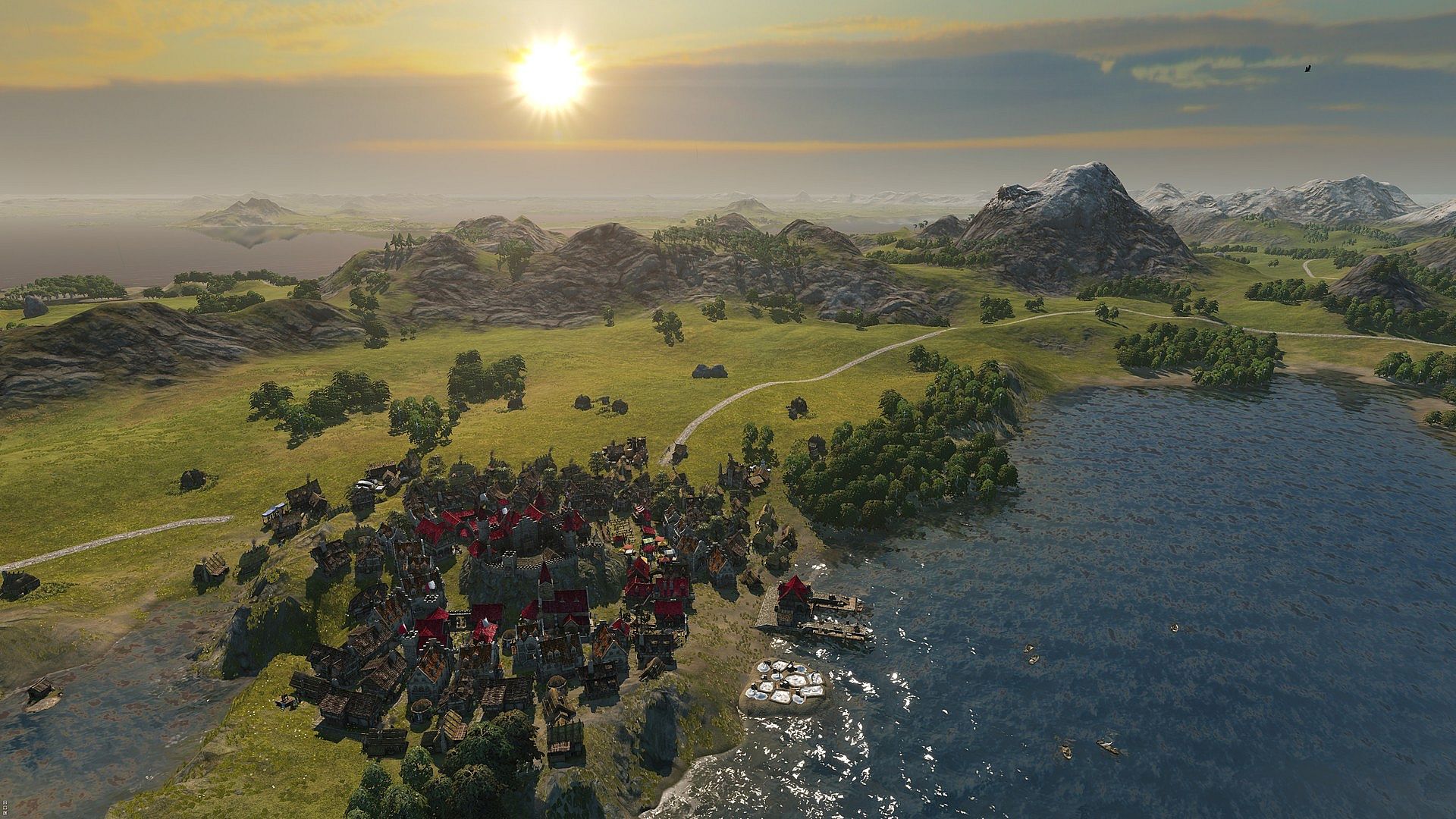
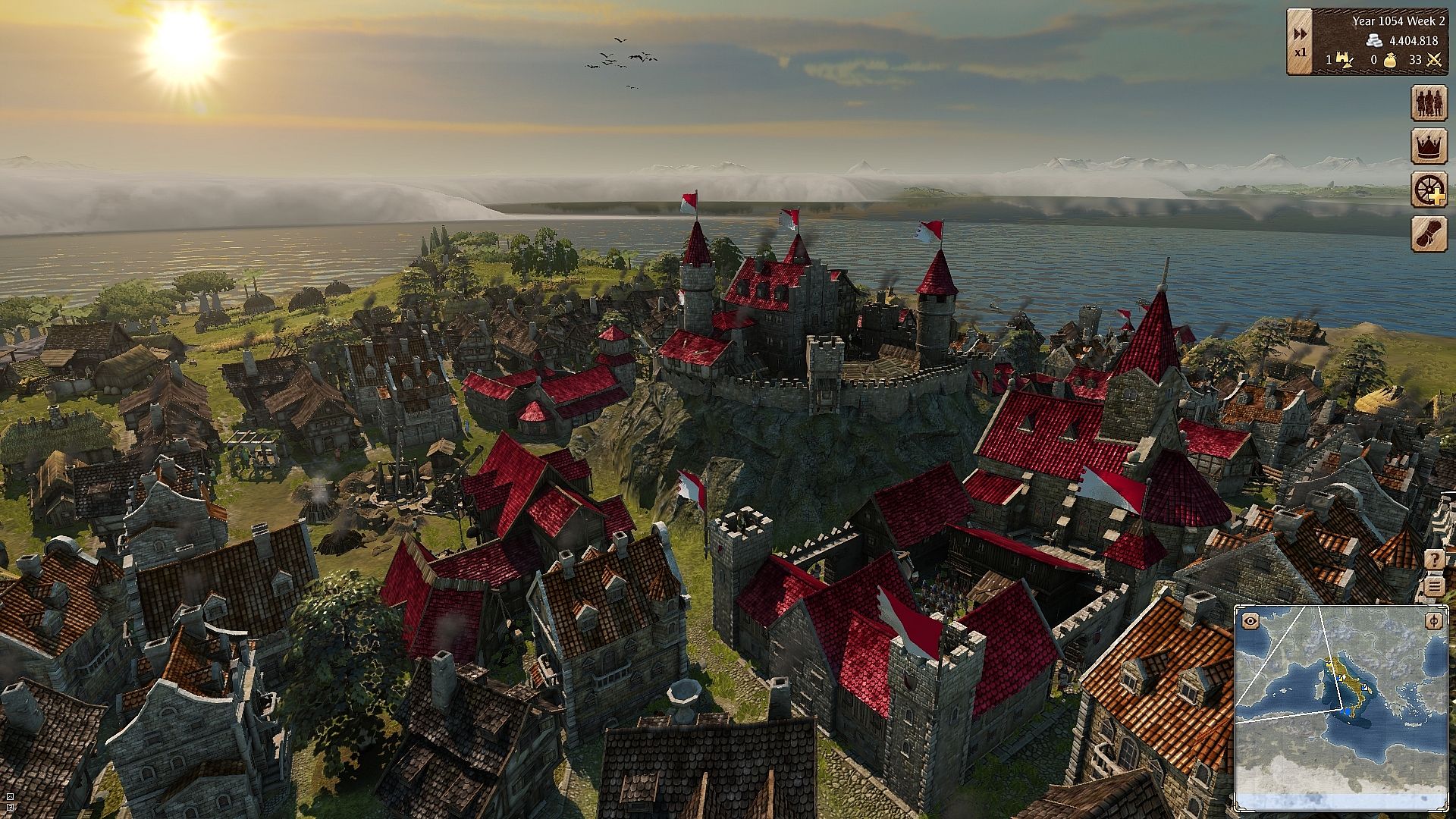
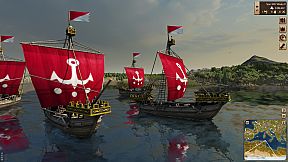
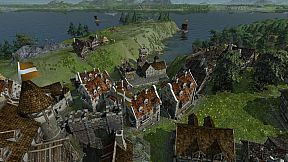
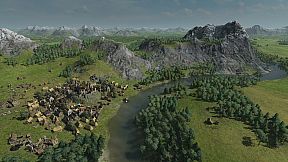
Grand Ages: Medieval stands as a real-time strategy and simulation title set in the High Middle Ages. Players begin as the leader of a small settlement in 1050 AD and work to build economic power across a vast map of Europe and surrounding regions through construction, resource management, and gradual expansion.
Gameplay
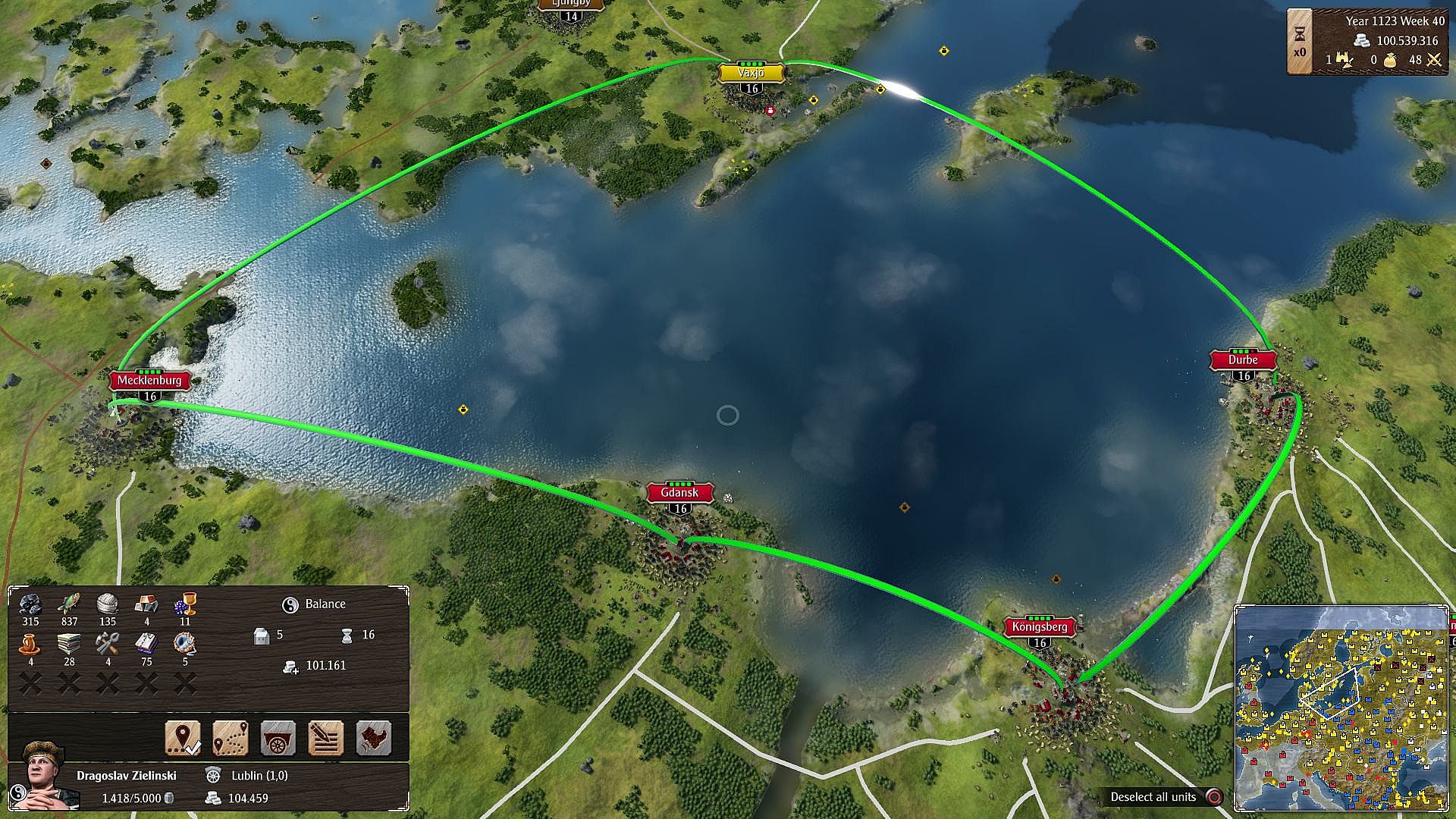
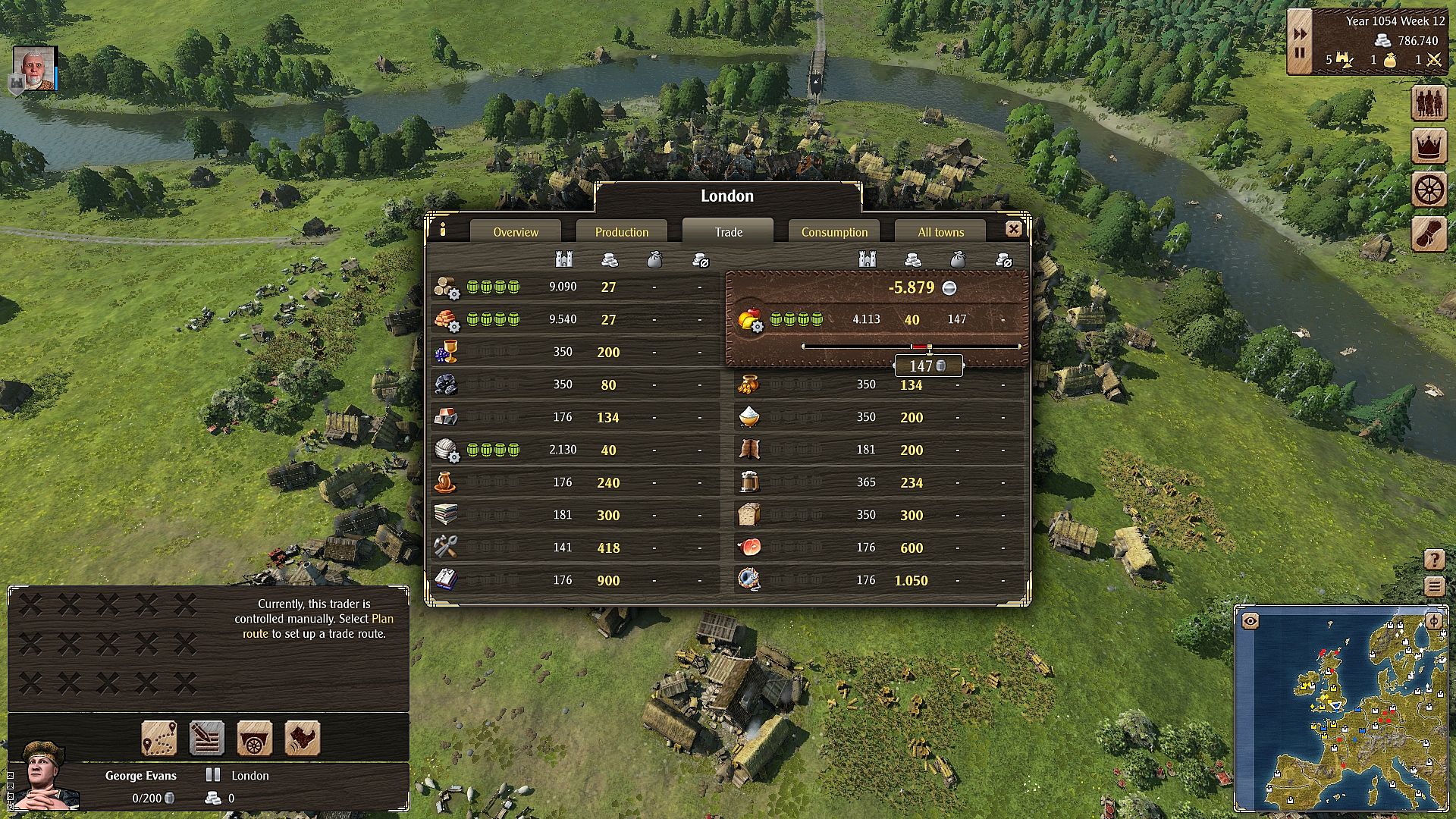
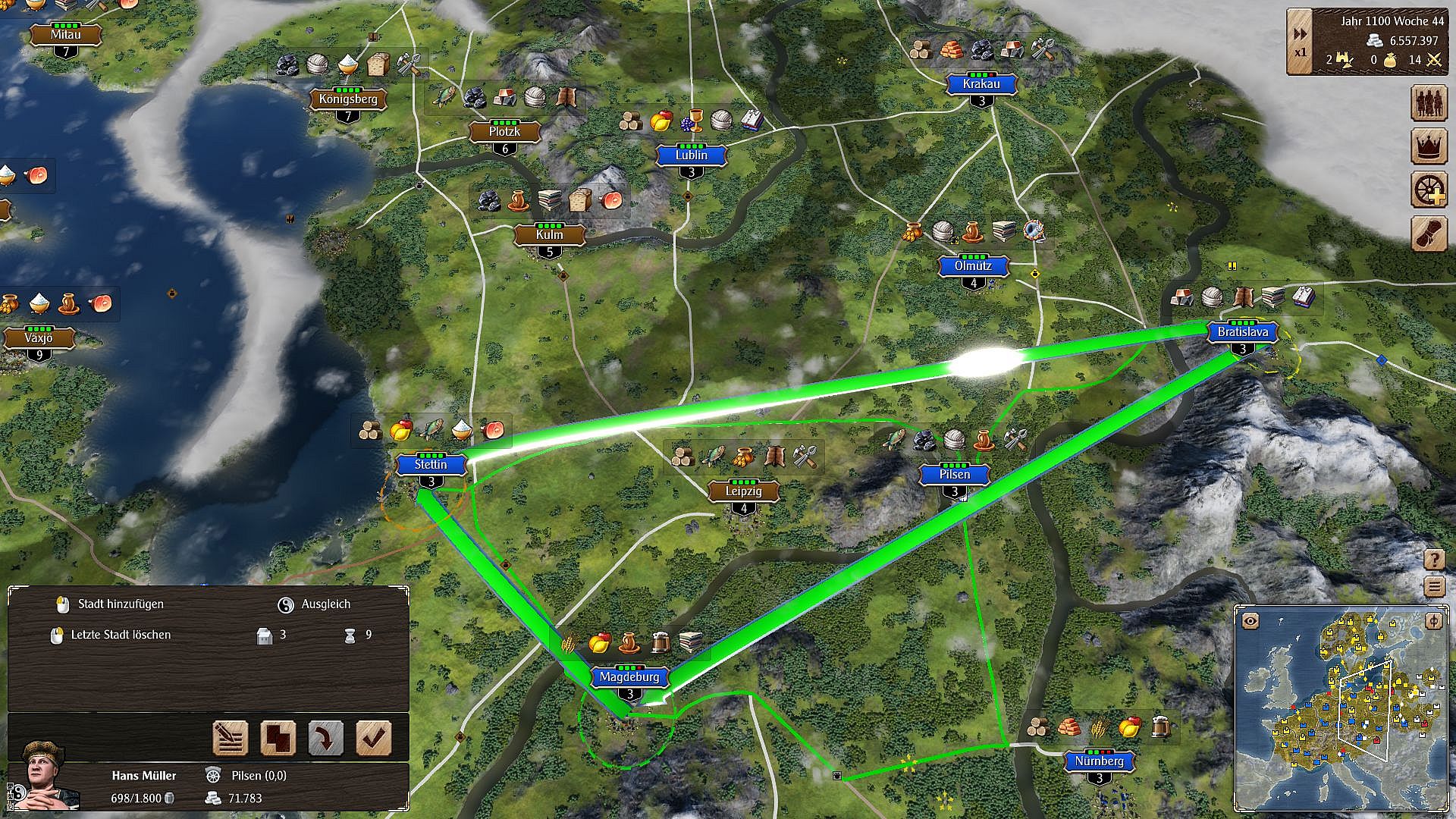
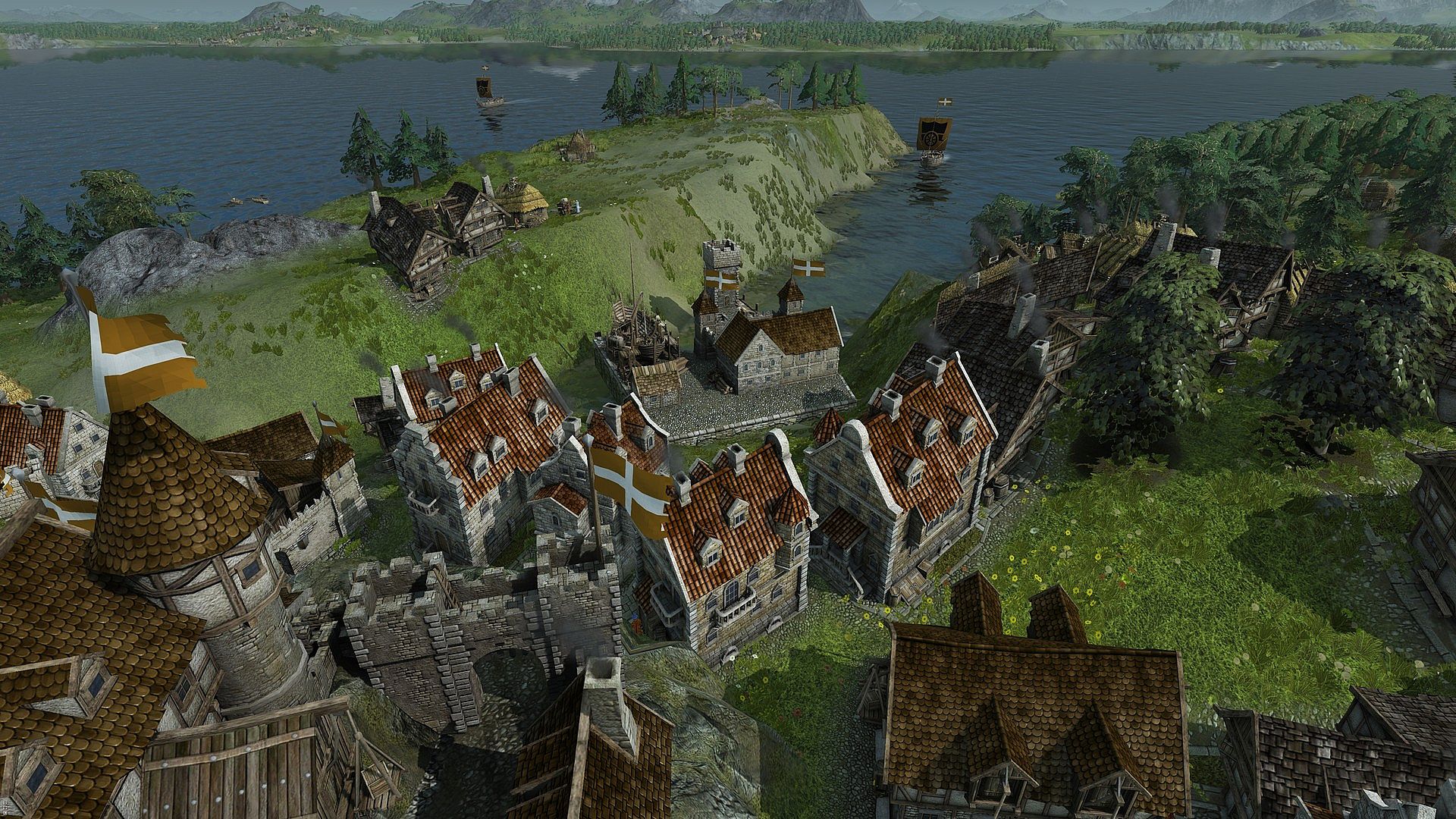
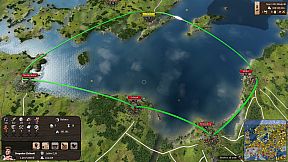
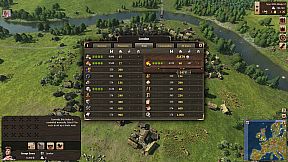
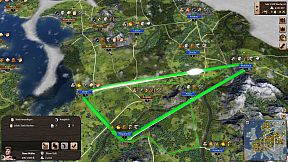
The core loop centers on founding and developing cities while balancing production chains for 20 distinct goods. These range from basic items like coal and fruits to crafted products such as pottery, all needed to satisfy growing citizen and military demands. Strategic placement of settlements matters because trade routes connect distant locations and generate income that funds further growth.
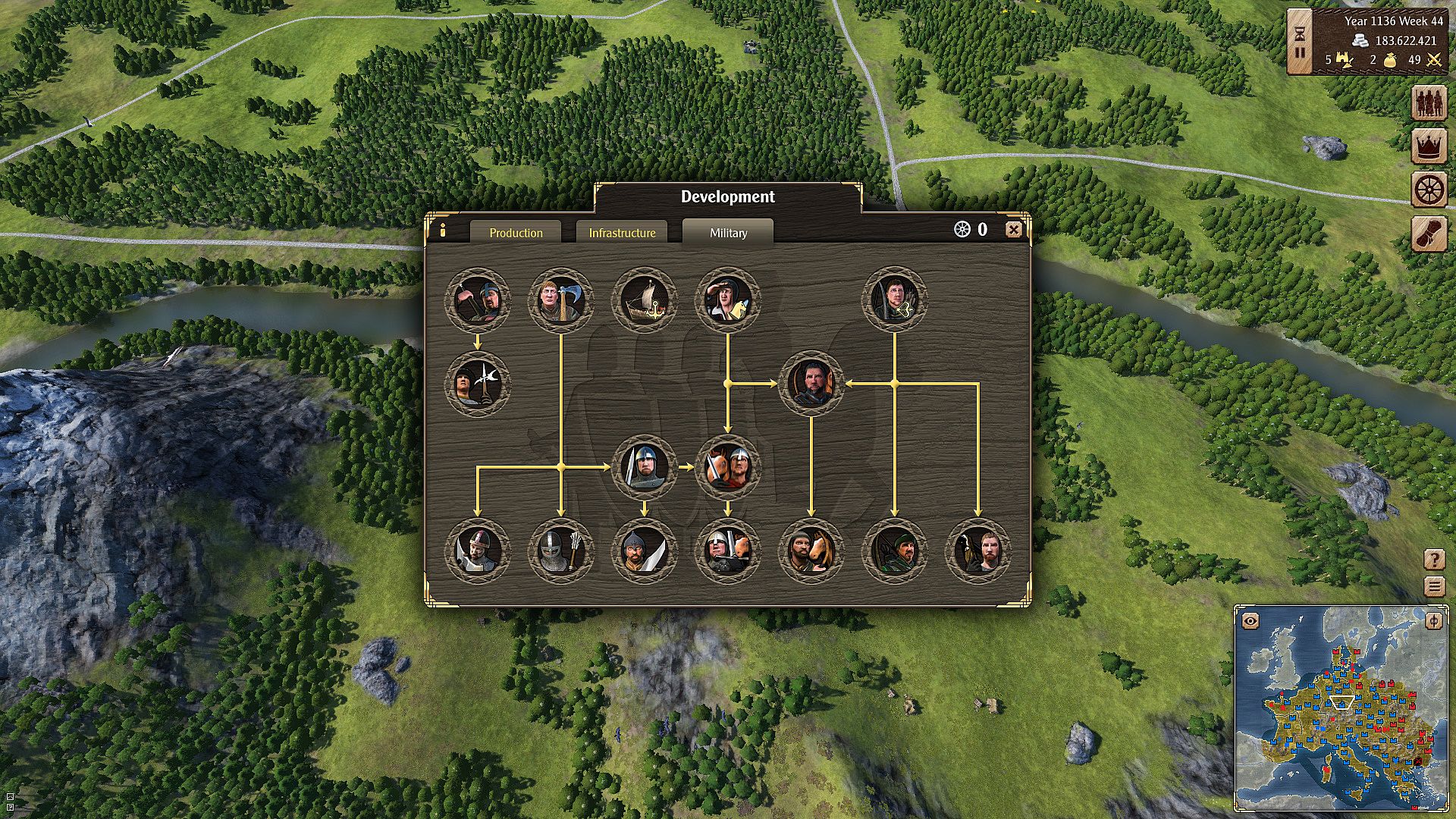
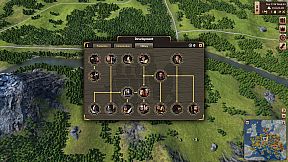
Research forms another key pillar. Fifty technological advancements from the period become available over time, with examples including three-field crop rotation for better agriculture, the low warp loom for textile efficiency, and the longbow for military advantage. Each unlock alters production rates or unlocks new unit capabilities, encouraging careful sequencing based on immediate needs.
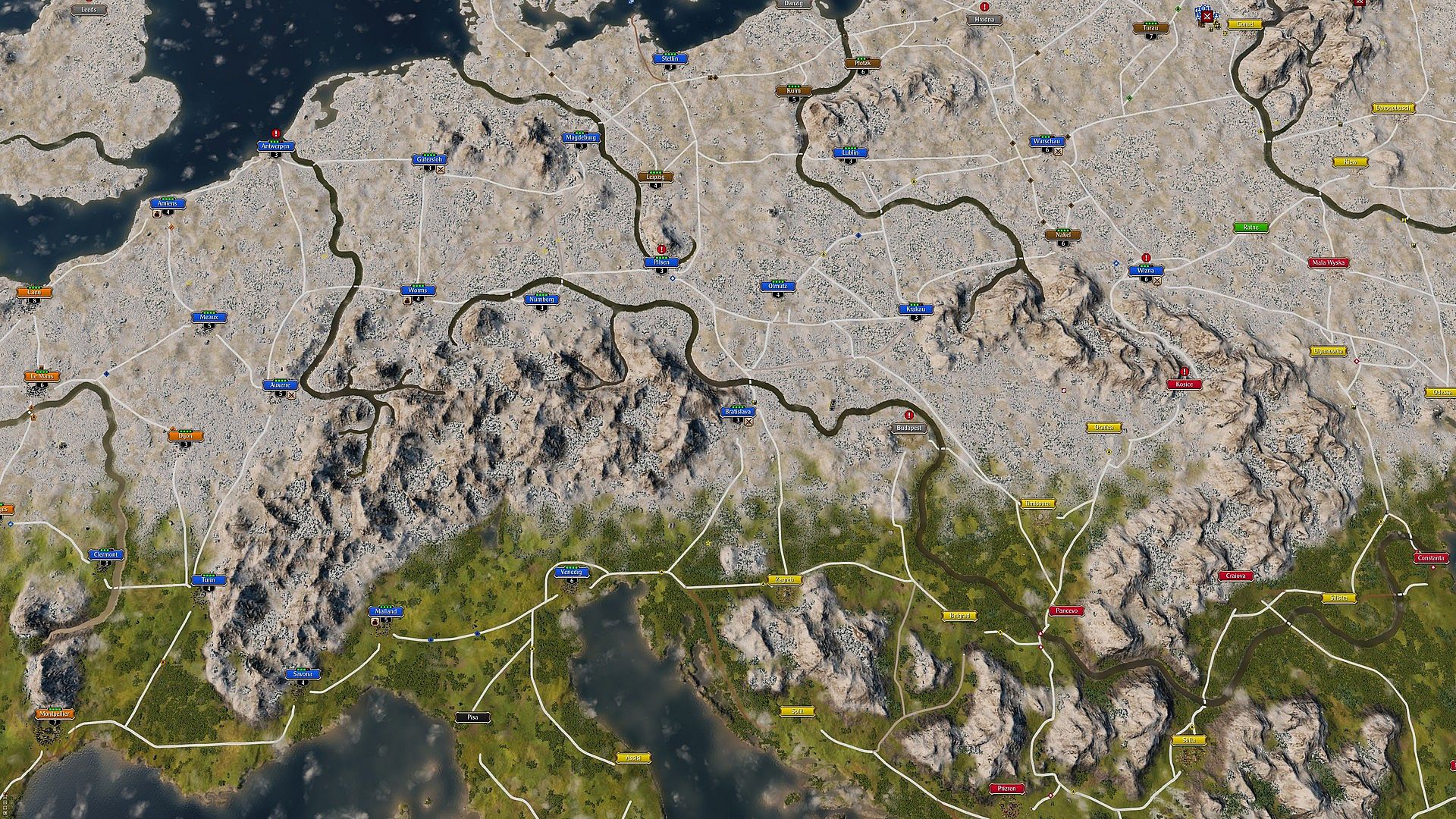
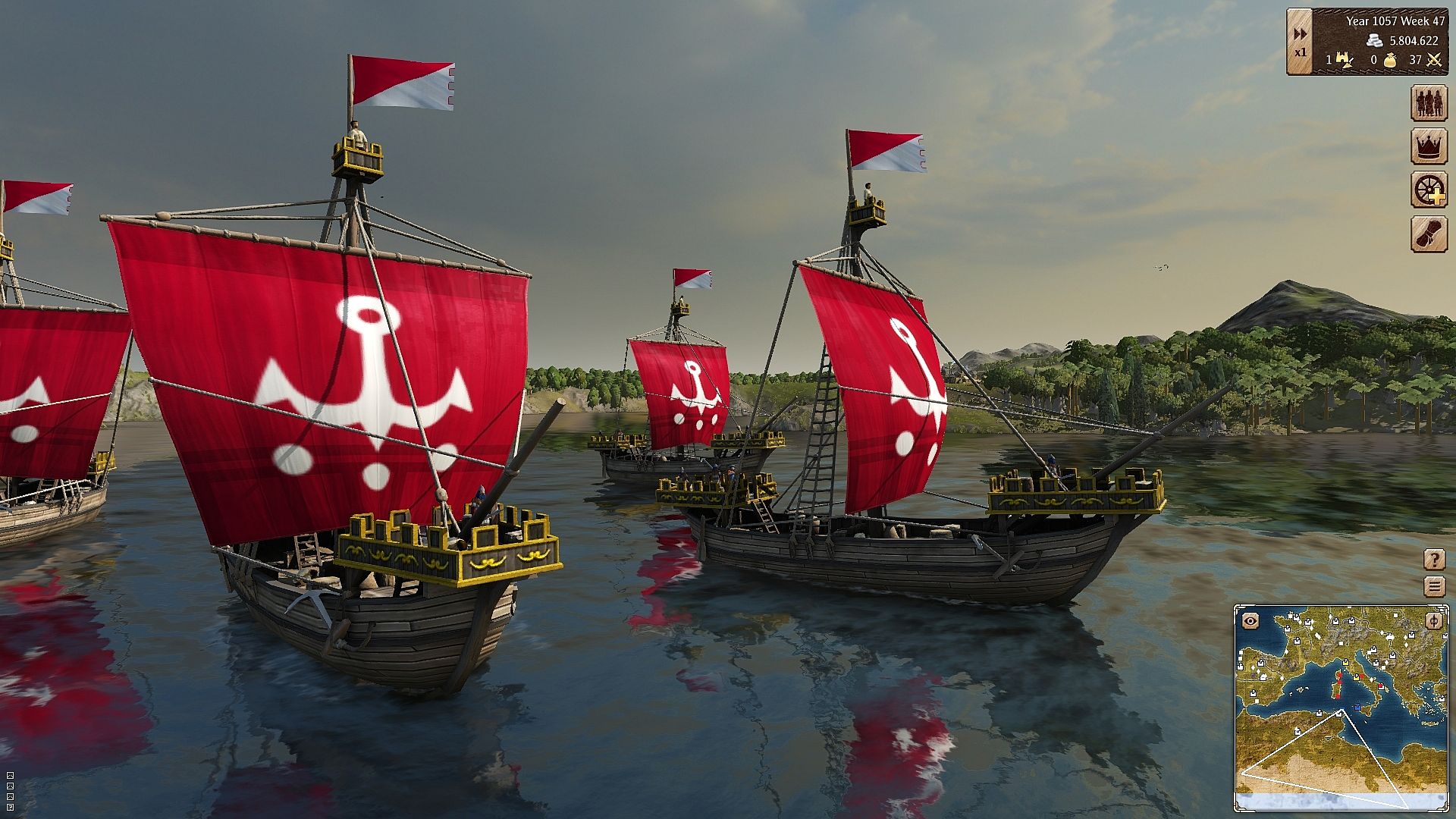
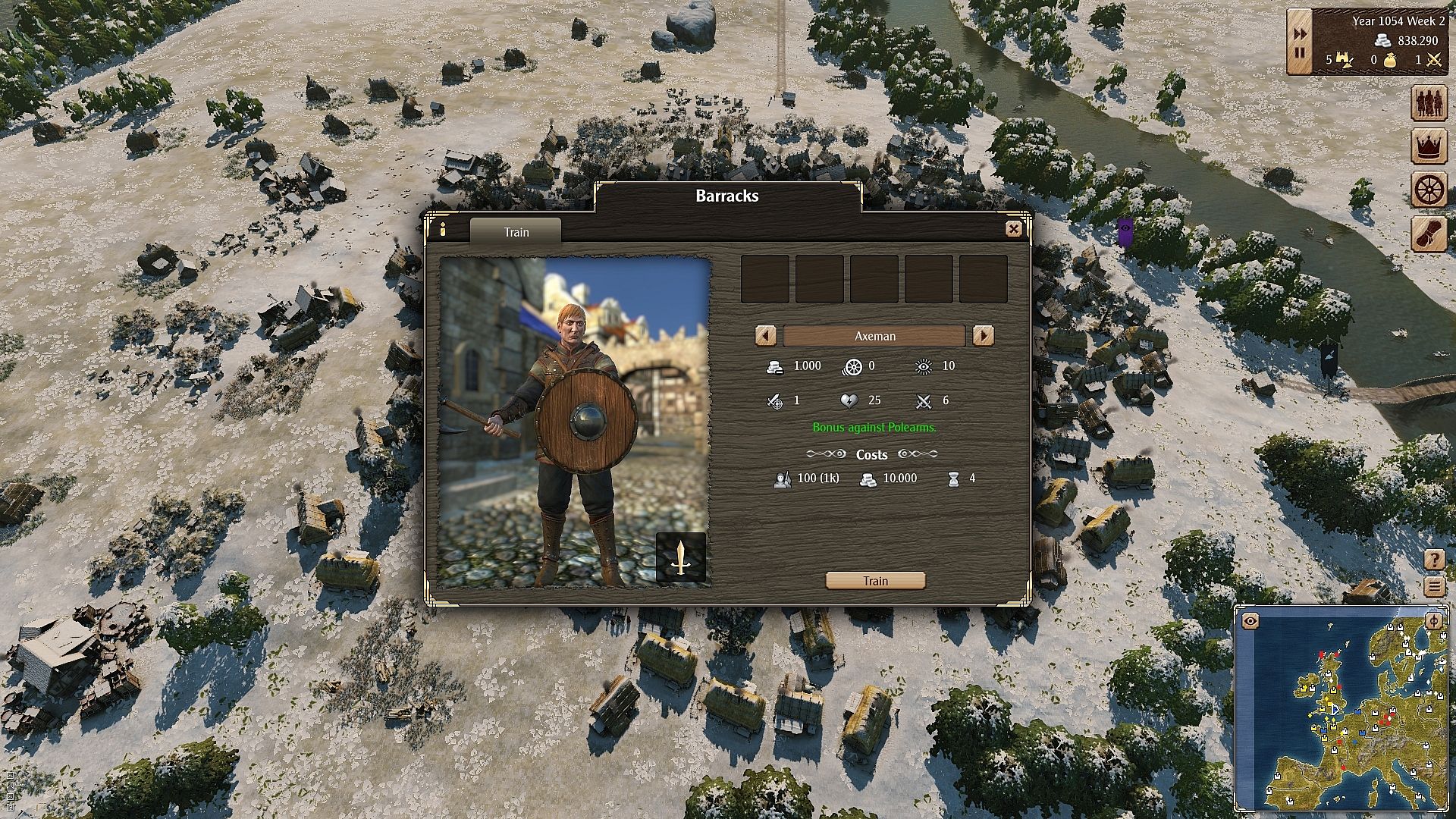
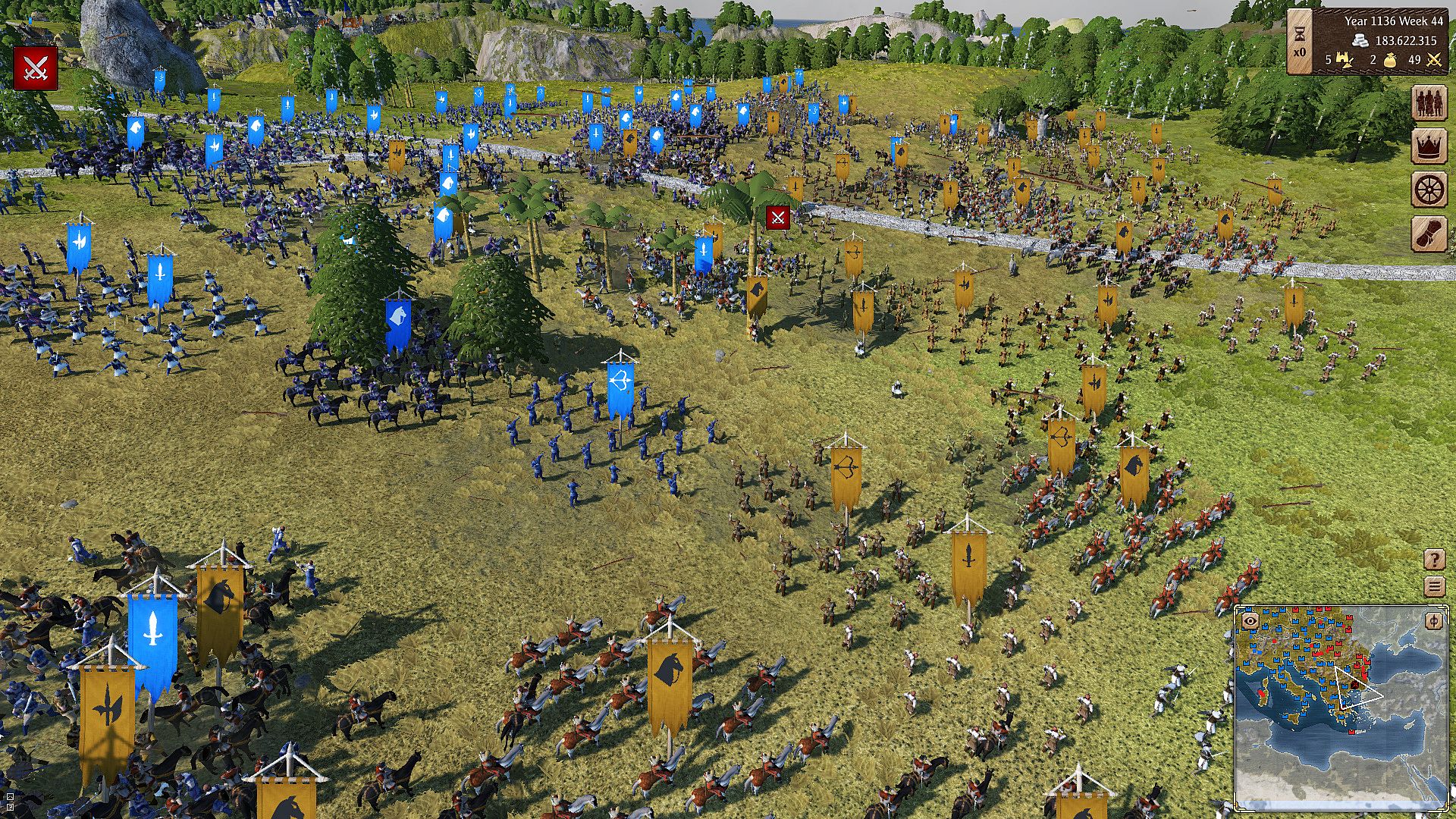
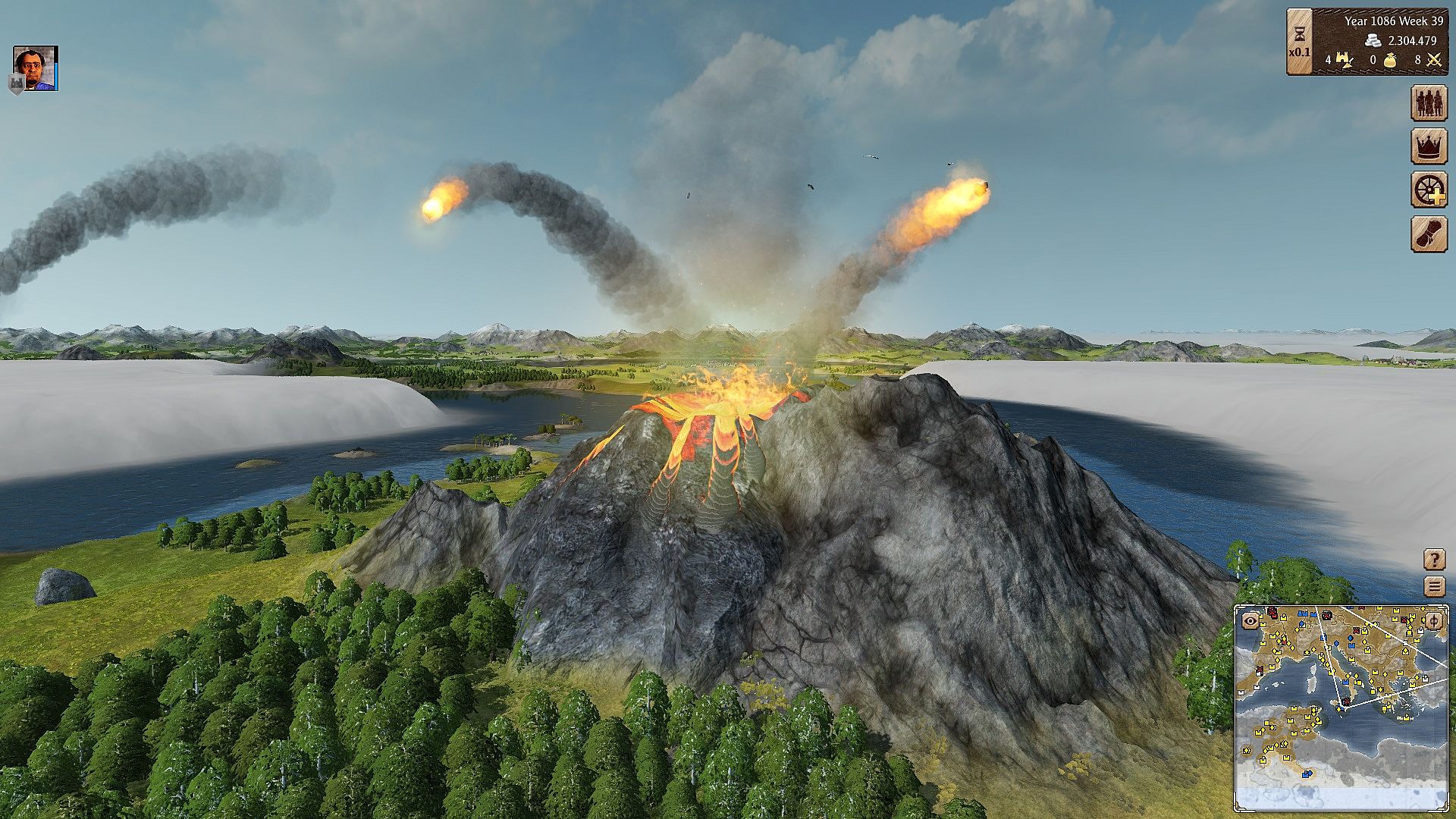
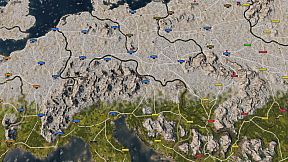
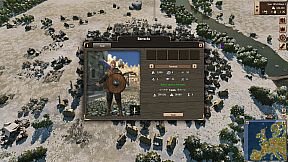
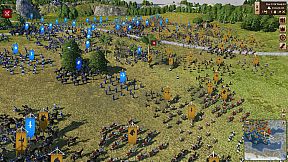
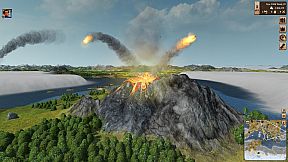
Military elements enter once resources allow. Armies composed of knights, archers, and cavalry defend routes or push into new territory. The game world spans Scandinavia to North Africa and from Portugal to the Middle East, requiring players to choose city locations that support both defense and commerce. Natural disasters add pressure, with events such as storms, fires, volcanoes, droughts, earthquakes, and the Black Death capable of disrupting entire regions.
Game Modes
Three distinct modes support different play styles. The campaign follows a structured narrative with cutscenes that advance the story of rising from a local mayor to continental ruler. Free play removes the scripted path and lets players set their own goals on the full map without time limits or specific objectives.
Multiplayer supports up to eight participants in competitive sessions where each controls their own settlement and pursues economic or territorial dominance. Matches emphasize the same trade, research, and military systems found in single-player but add direct interaction between human opponents.
World Scale and Exploration
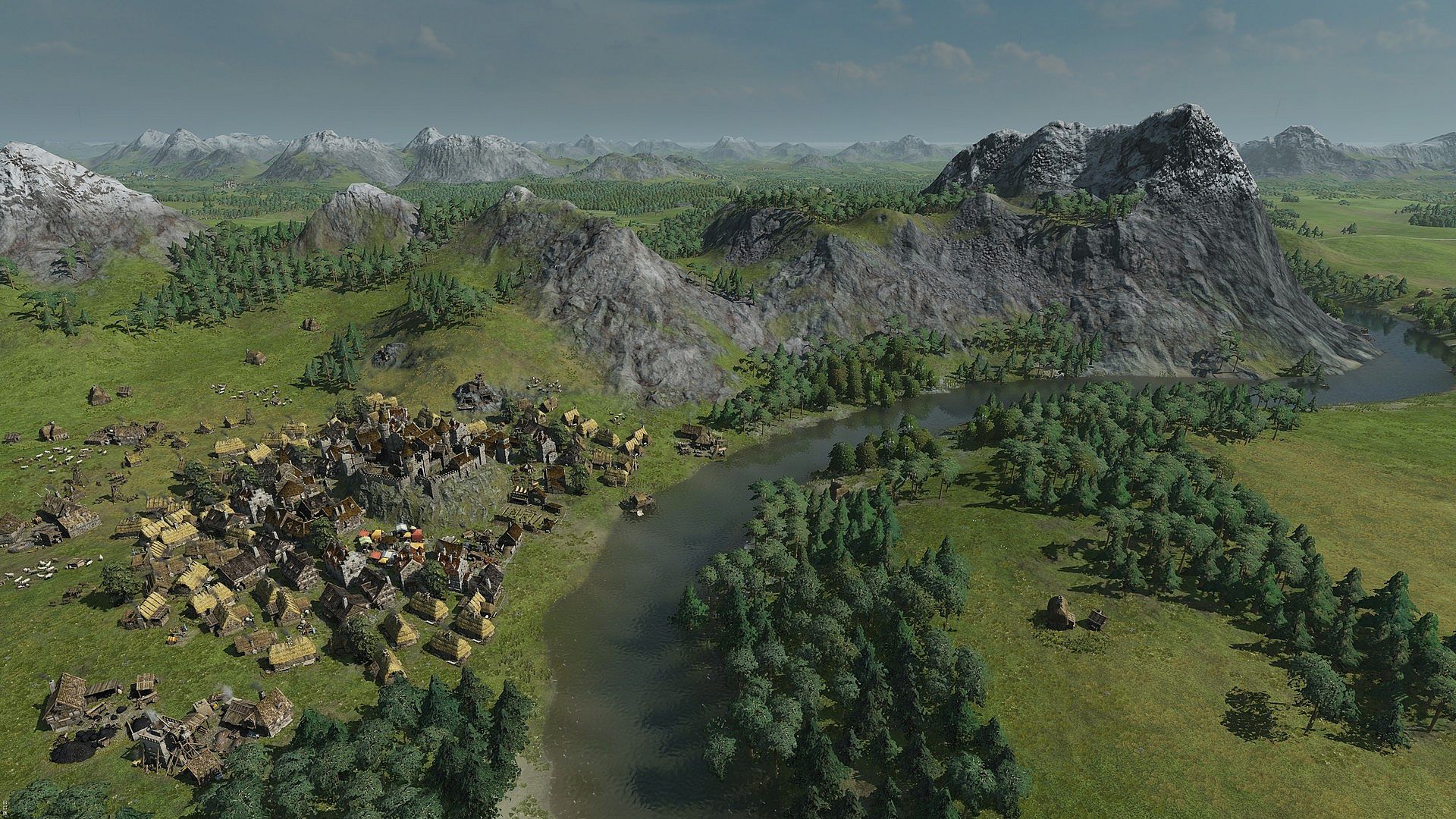
The map covers more than 20 million square kilometers, giving ample space for multiple cities and long-distance trade networks. Players scout for resource-rich sites and plan expansions while monitoring barbarian threats along routes. This scale rewards forward planning because early decisions about city placement influence later military reach and economic output.
Is It Worth Playing?
Grand Ages: Medieval delivers a focused real-time empire simulation that appeals to players who enjoy economic management layered with light military and research elements. The verified player reception on its primary distribution platform sits at Mixed, with 47 percent positive ratings from over 1,500 reviews. Those who appreciate methodical city building and trade route optimization often find satisfaction in the systems, while others note the dated presentation and occasional pacing issues.
The title remains available for single-player campaign or free-form sessions as well as multiplayer matches. It suits fans of older grand strategy experiences who value depth in production chains and technological progression over modern graphical polish or frequent content updates. Prospective buyers should weigh tolerance for 2015-era interfaces against interest in medieval economic conquest.