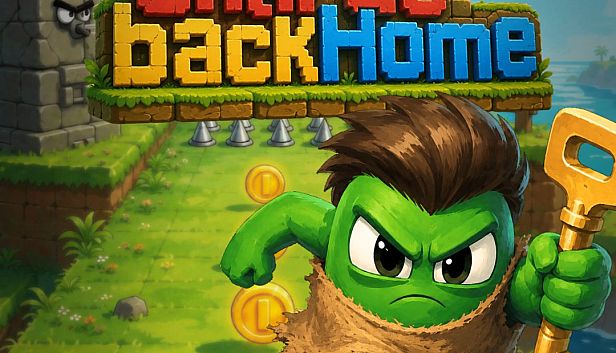


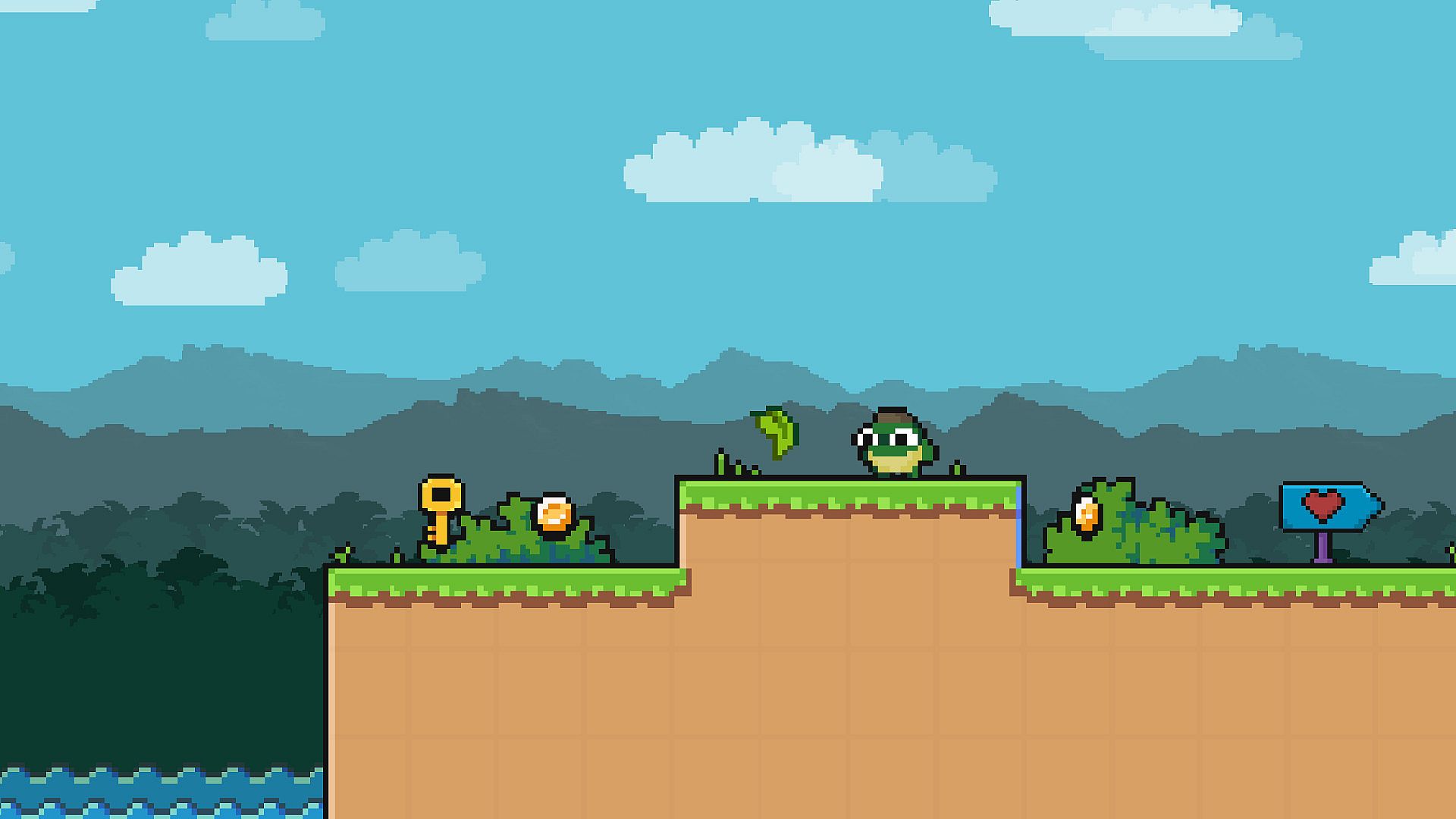
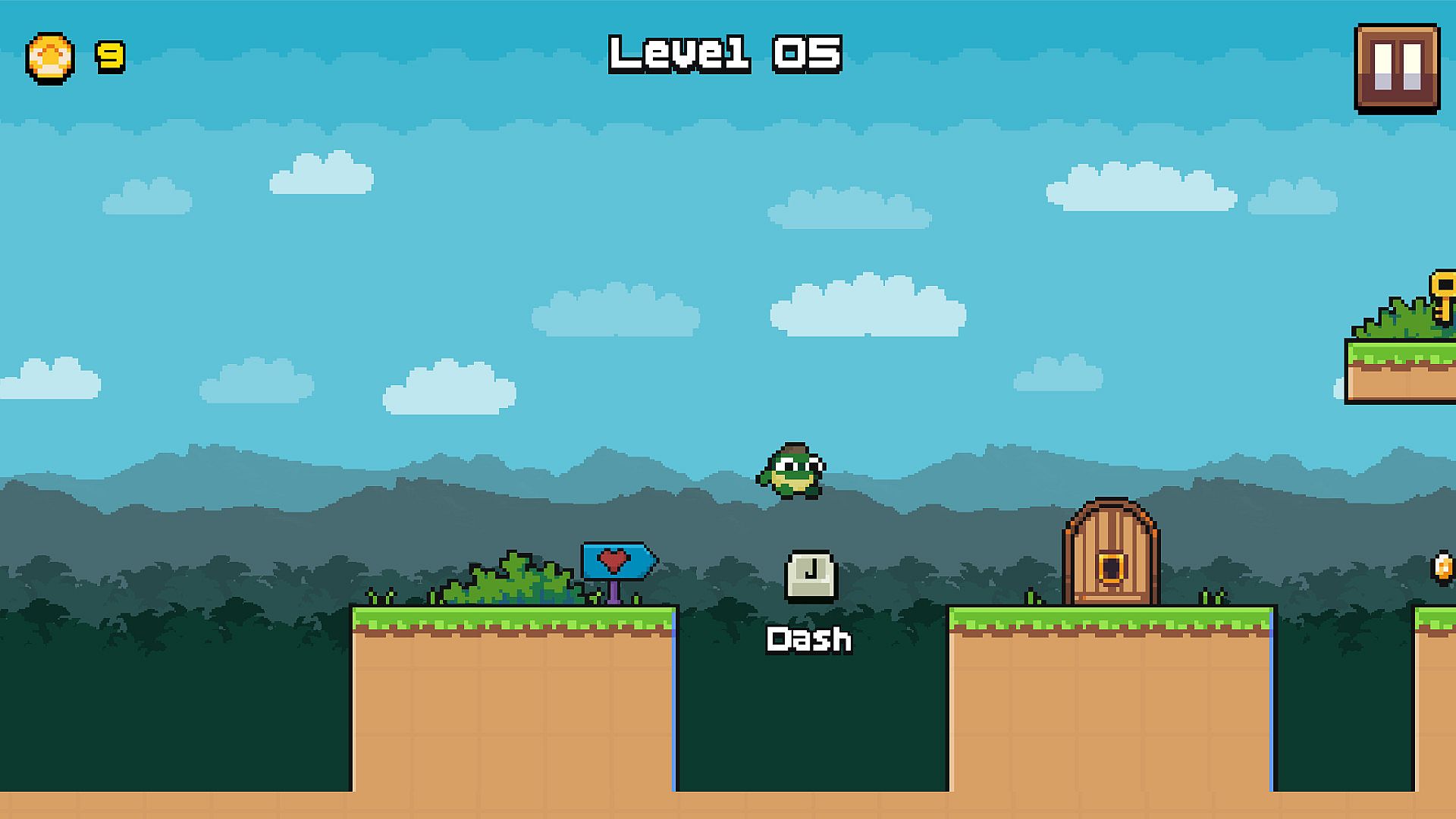
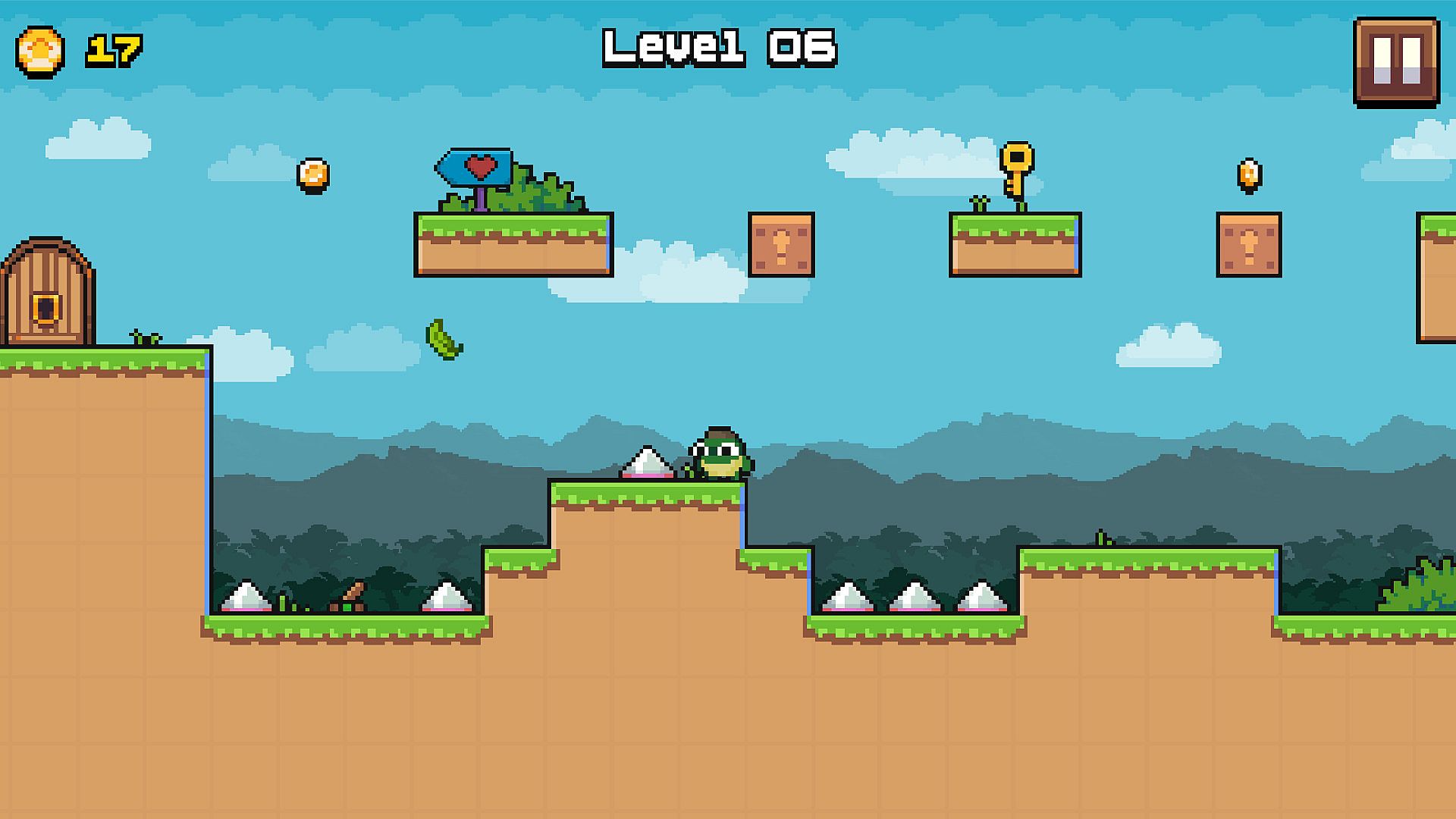
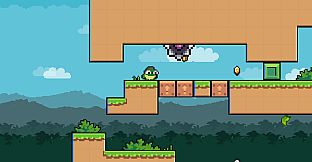
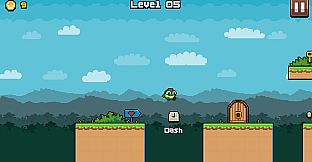
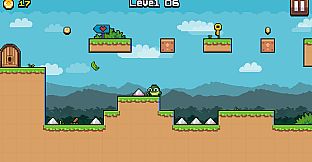
Gnardo back Home: PC Edition is a precision platformer that places full emphasis on timing, control, and deliberate movement. Players guide a grumpy old man named Gnardo through a series of obstacles as he attempts to return to his house. The game belongs to the action and casual genres and runs on PC, with every jump and dash requiring careful execution to avoid instant failure.
Gameplay
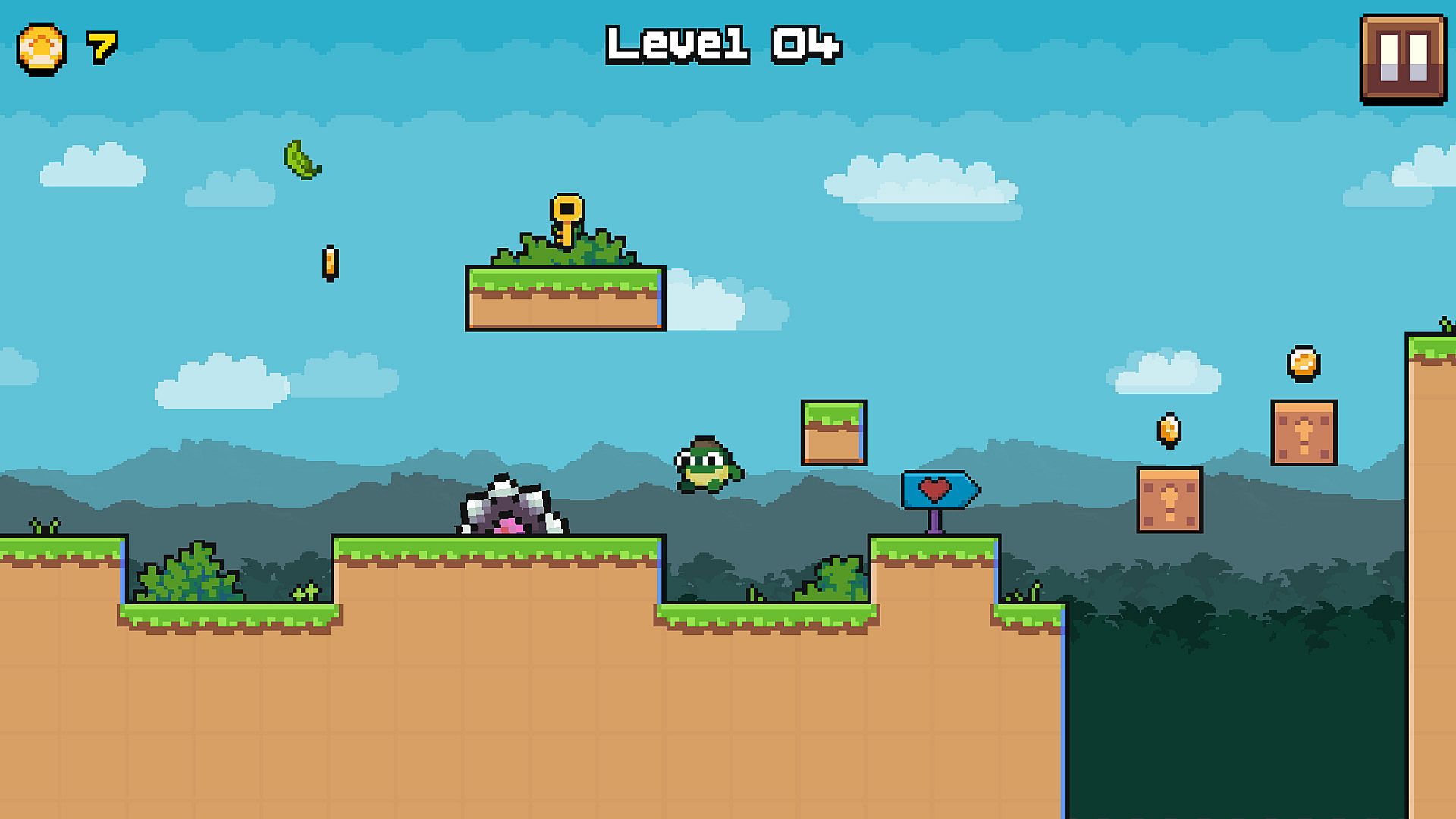
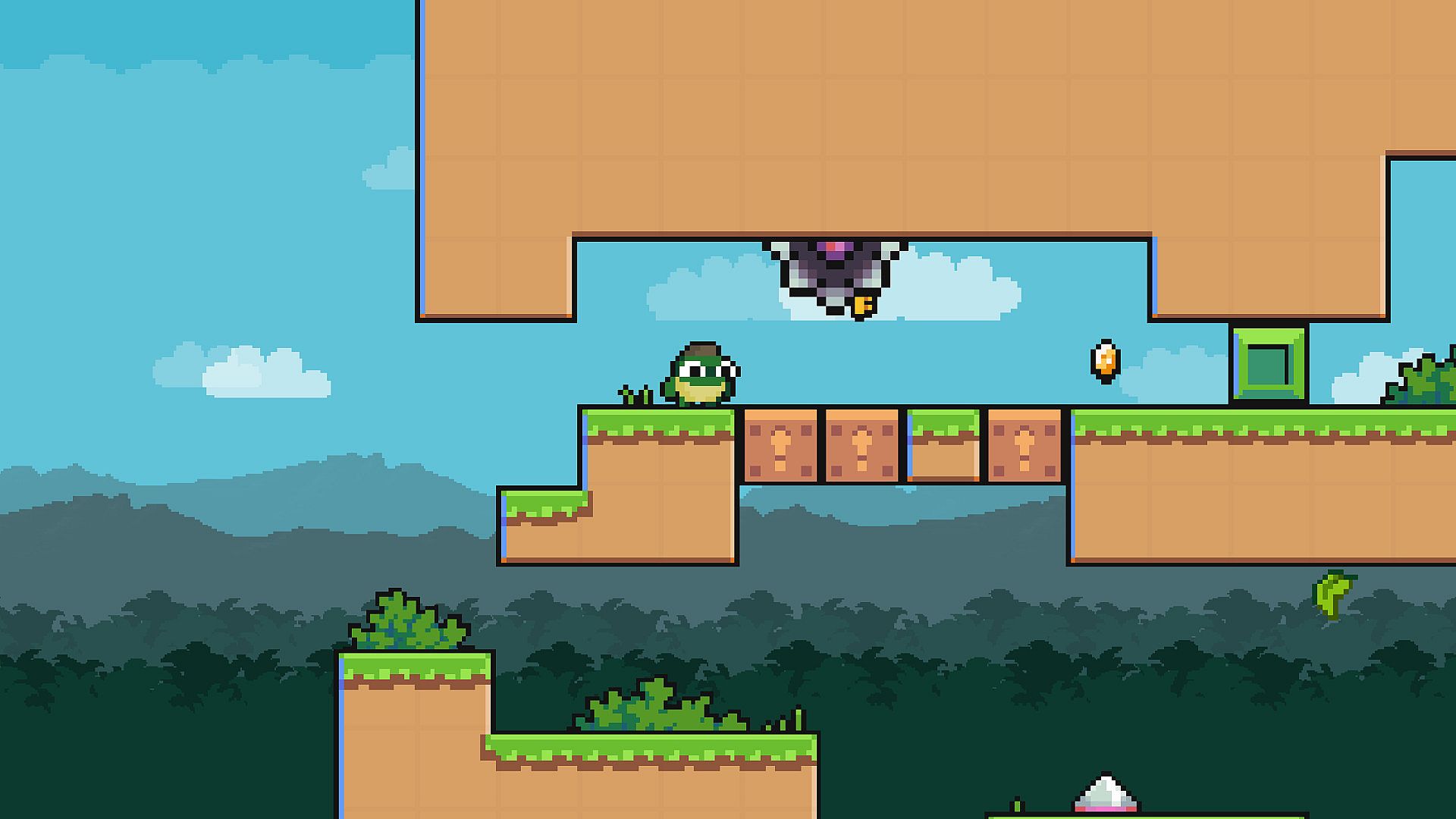
The core loop centers on navigating 40 handcrafted levels filled with spikes, collapsing floors, moving platforms, and locked doors. Gnardo has access to a dash ability at all times, which allows skilled players to chain actions quickly while casual players can pause and plan each step. The dash transforms movement options without altering the fundamental demand for precision.
Progression happens entirely through the levels themselves. No separate tutorial exists, so players learn mechanics by attempting each stage and observing what works. Early levels introduce basic jumps and timing, then layers of complexity appear, including false floors that drop under weight, levers that require activation before a jump, and falling blocks that can close off paths if triggered at the wrong moment. Spikes punish rushed decisions, forcing players to slow down and observe patterns.
Optional coins appear throughout the stages as collectibles. Gathering them encourages exploration and calculated risks without affecting the main objective of reaching the exit. The design rewards both methodical play and high-speed runs once a player masters a level's layout.
Game Modes
The experience remains single-player focused across all content. Players select individual levels and attempt to complete them under the same ruleset, with no separate competitive or cooperative options available. The structure supports repeated attempts on any stage, allowing players to refine routes or chase cleaner completions without external pressure.
Level selection follows a linear order that gradually increases difficulty, though nothing prevents returning to earlier stages at any time. This setup keeps the focus on personal improvement and mastery of the movement system rather than external rankings or team objectives.
Controls and Learning Curve
Control remains tight and responsive, with the dash serving as the primary tool for adjusting momentum mid-air or covering gaps. Players must manage timing across multiple elements simultaneously, such as activating a lever then immediately dashing to a moving platform. The absence of on-screen prompts means understanding comes from direct interaction with each hazard.
As stages advance, the combination of threats grows denser. A single mistake can reset progress, yet the short length of individual levels keeps frustration manageable. The dash mechanic stays consistent, giving players a reliable way to recover or optimize paths once they identify safe windows.
Is It Worth Playing?
Gnardo back Home: PC Edition suits players who enjoy precision platformers that test timing and observation over fast reflexes alone. The handcrafted levels and optional collectibles provide clear goals for both completion and deeper exploration. At a low price point, the game offers a focused experience without additional content layers or ongoing updates required.
Those who prefer games with explicit tutorials or multiple difficulty settings may find the direct approach challenging at first. Players comfortable with trial-and-error learning and the satisfaction of nailing a difficult sequence on repeat attempts will likely appreciate the design. The single-player structure delivers consistent challenge across the full set of levels.