










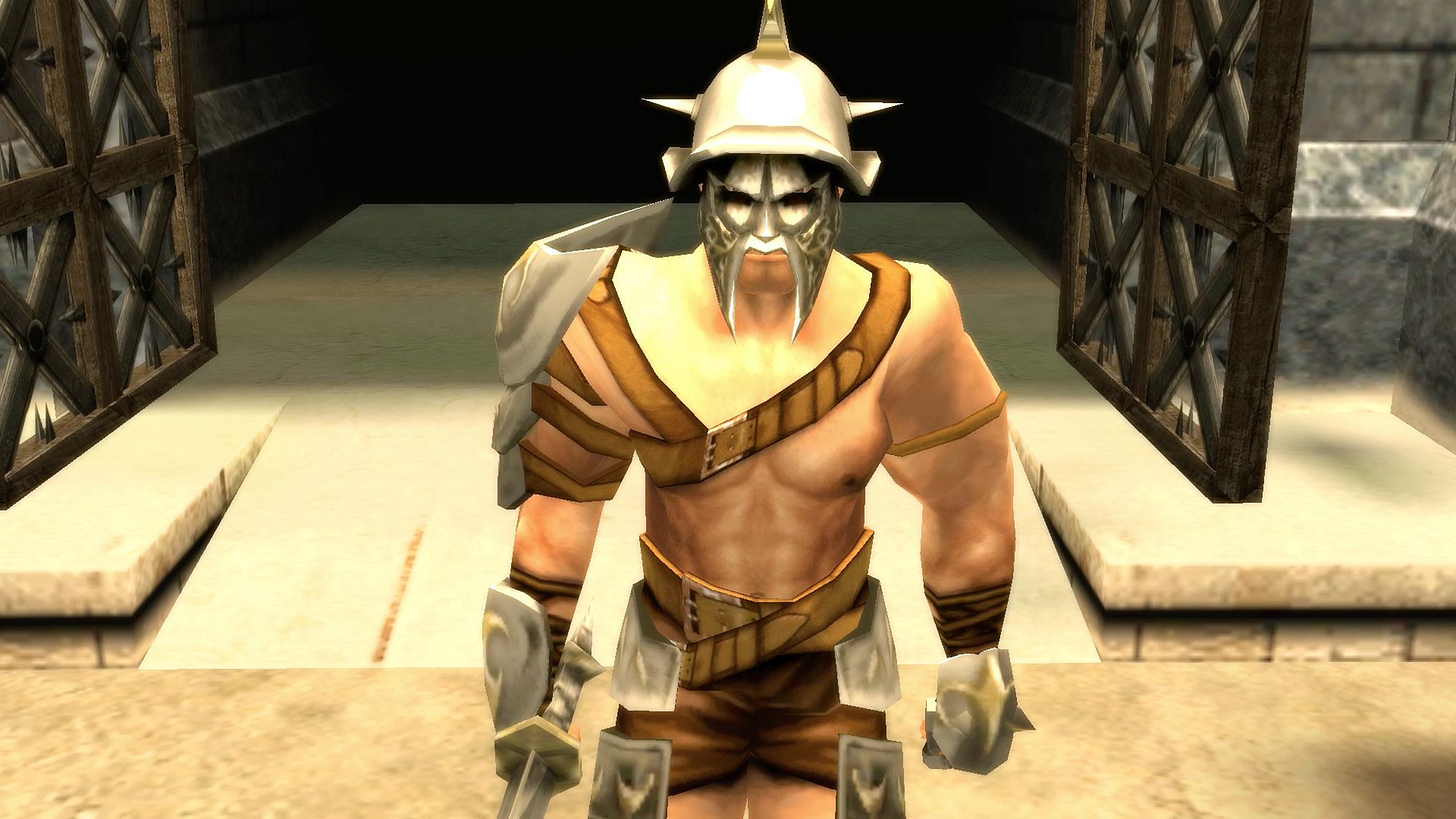

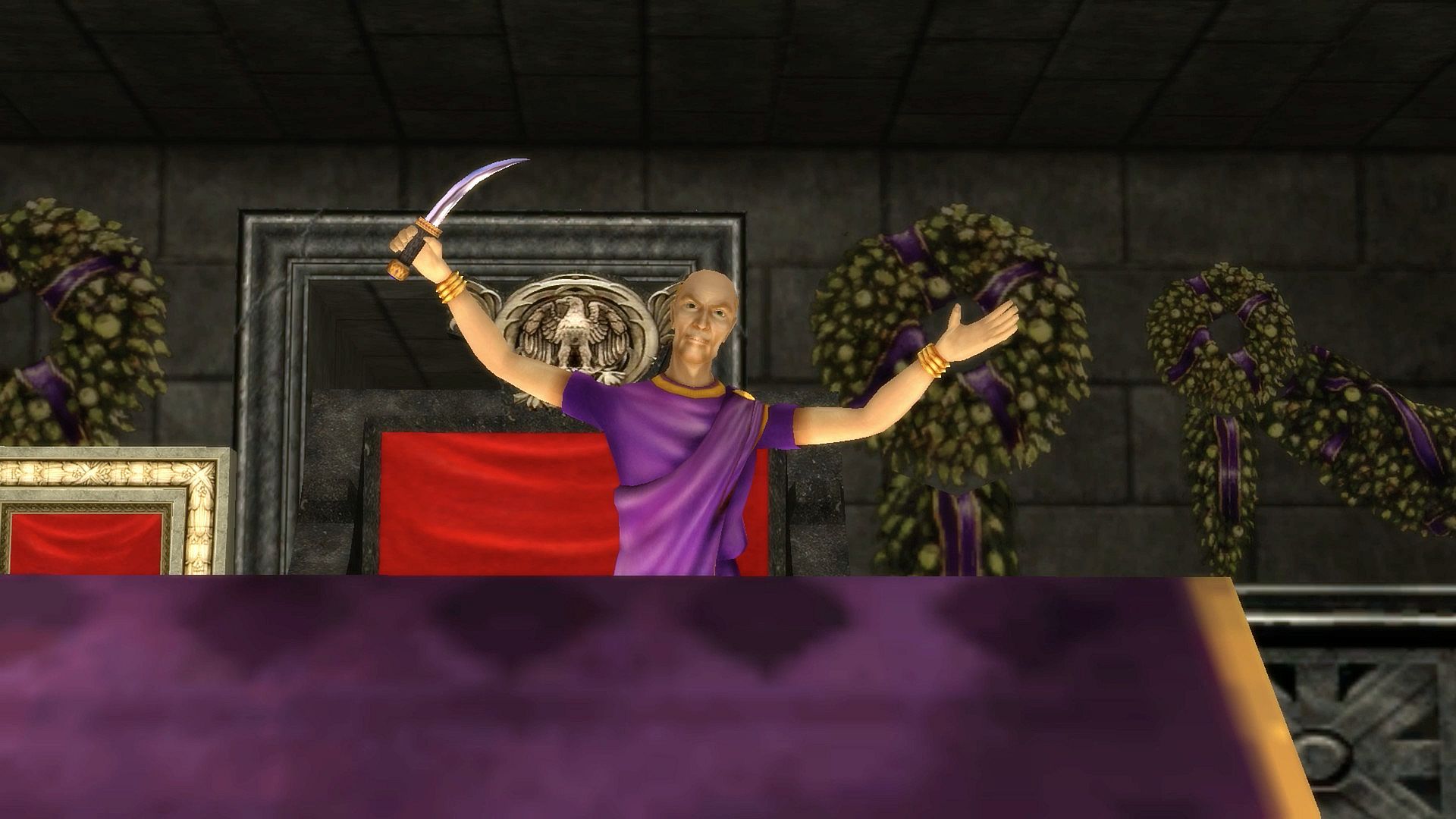

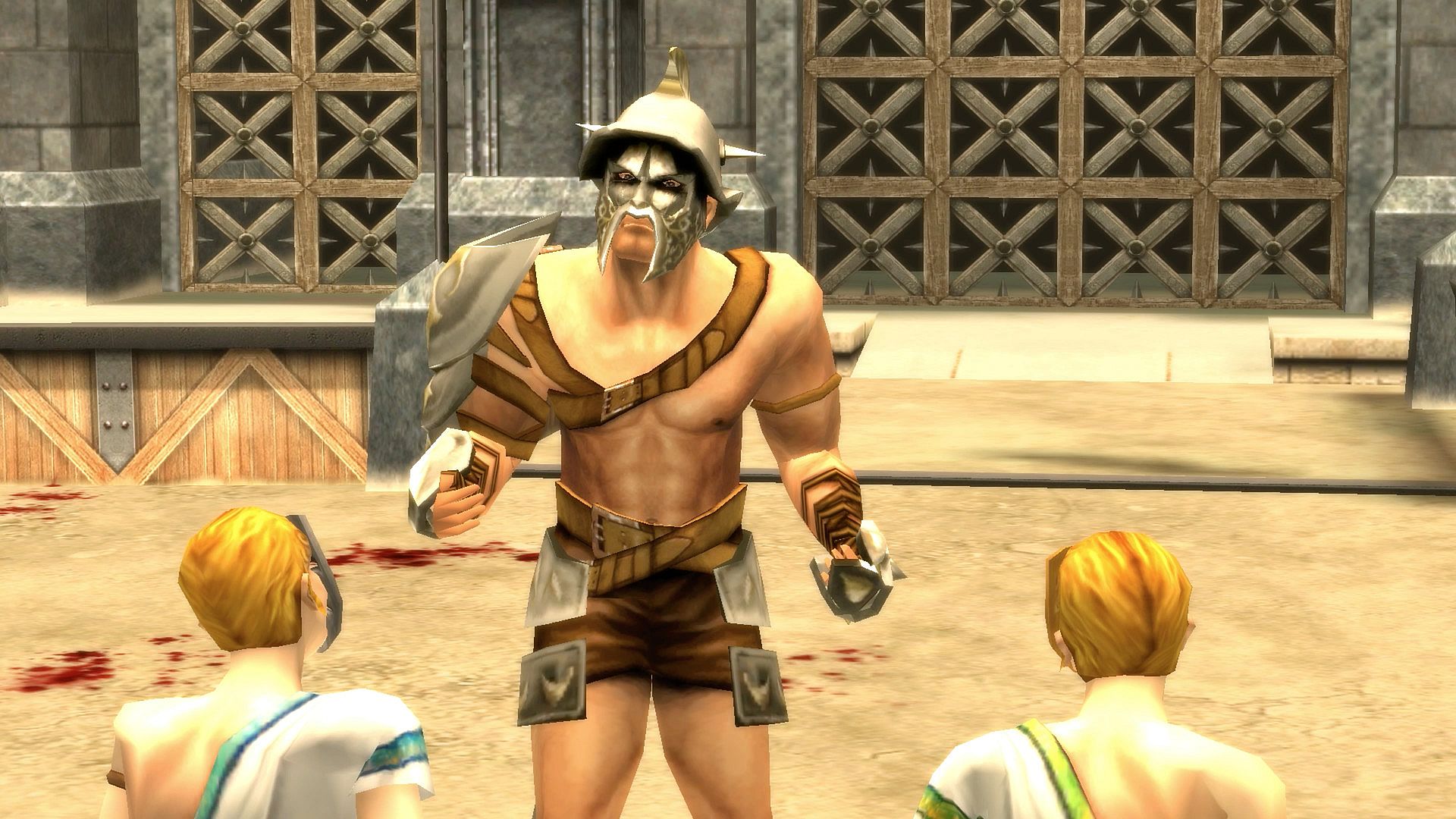



Gladiator: Sword of Vengeance is a single-player action-adventure game centered on hack-and-slash combat set in a declining Roman Empire of 106 AD. The story follows a warrior slave chosen by the gods to challenge the despotic Emperor Arruntius and restore order amid famine, plague, and excess. Players progress through a linear campaign that moves from the ruined streets of Rome into mythical realms including Elysium.
Gameplay
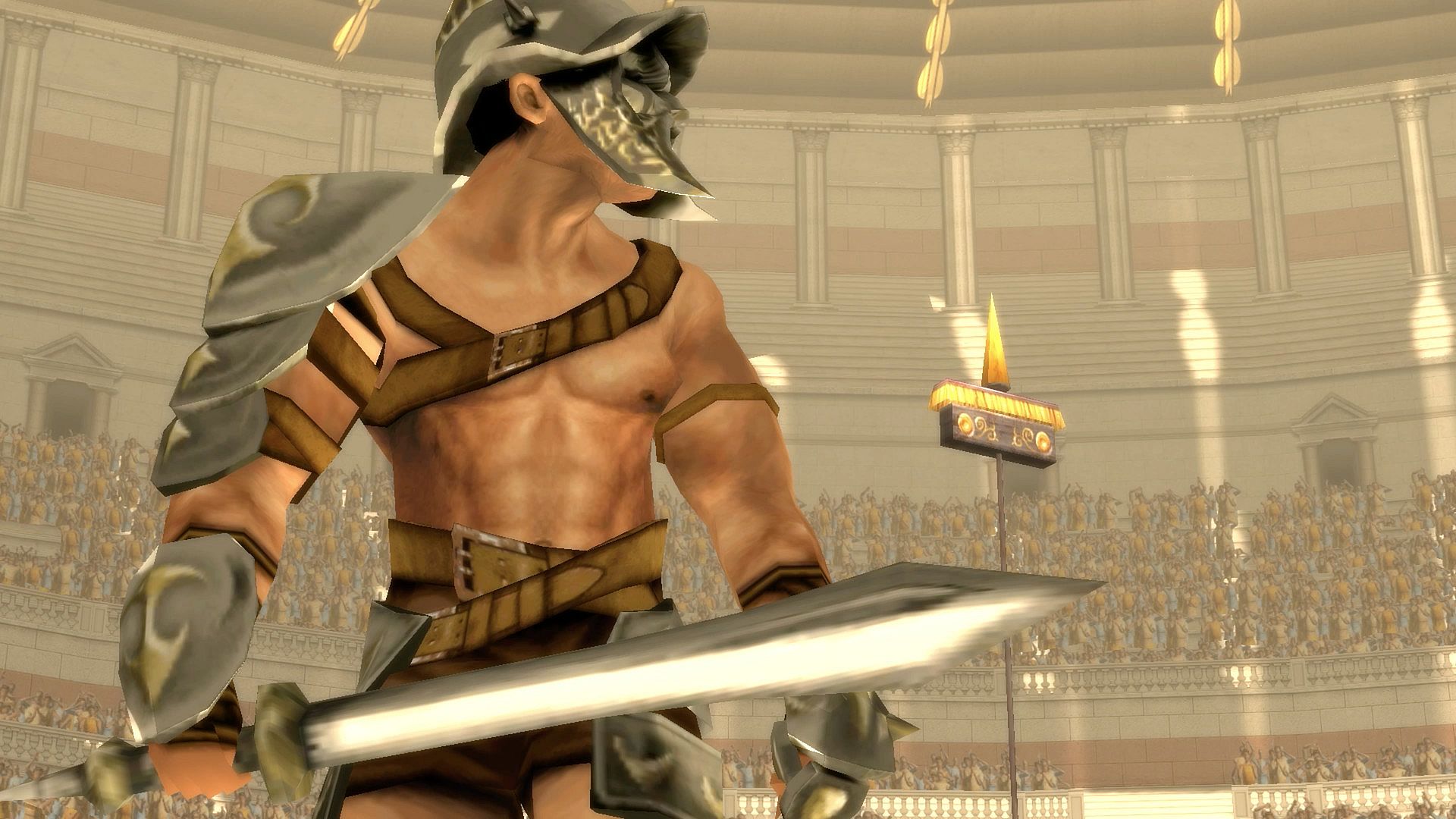
The core loop revolves around close-quarters combat against groups of enemies using authentic Roman weapons. Controls support an intuitive in-context fighting system that handles multiple opponents at once through basic attack inputs, target locking, and context-sensitive actions. Players chain attacks into combos that build toward more spectacular and violent sequences.
Combat rewards aggression. Defeating foes grants experience that unlocks new abilities over time. When an enemy is stunned, a context action triggers specialized finishers that deliver gory displays and increase the Blood Meter. Filling this meter activates Olympian talents that grant temporary boosts such as Herculean strength, the ability to raise fallen enemies as allies, or control over elemental forces.
Progression ties directly to performance in battle. The more effective the kills and combos, the faster abilities develop and the Blood Meter charges. Opponents range from human guards to fantastical creatures, requiring adaptation to different attack patterns within the same encounter.
Game Modes
The game offers a single continuous campaign mode. Players advance through a series of levels that follow the protagonist's journey from the streets of Rome to the paradise of Elysium. There are no separate multiplayer options or additional modes beyond this story-driven adventure.
Within the campaign, combat encounters form the primary activity. Exploration is limited to the linear path between fights, with occasional environmental interactions that support the narrative progression.
Combat Systems and Progression
Key mechanics include the multiple-opponent system that keeps several foes active simultaneously and the combo chain that escalates damage and spectacle. The Blood Meter serves as the central resource for special powers, encouraging players to maintain momentum rather than play defensively. Finishers provide both visual payoff and mechanical advantage by quickly removing threats while boosting the meter.
Ability unlocks occur through repeated combat, creating a sense of growth tied to player actions rather than separate skill trees. This system rewards consistent engagement with the core fighting loop across the campaign's varied enemy types.
Is It Worth Playing?
Gladiator: Sword of Vengeance suits players who enjoy straightforward hack-and-slash action with emphasis on combos, finishers, and power-ups. The campaign delivers a complete single-player experience focused on brutal melee encounters and a dark fantasy take on Roman history.
Reception on the current PC release shows mixed user feedback, with many appreciating the fluid combat and gory presentation while noting the game's age in other areas. It remains available as a budget title for those seeking classic action-adventure gameplay without modern multiplayer features or ongoing updates.
The title appeals most to fans of early 2000s action games who value direct combat systems and narrative-driven progression over open-world exploration or competitive modes. Those looking for pure melee-focused campaigns with escalating abilities will find the core loop intact.