




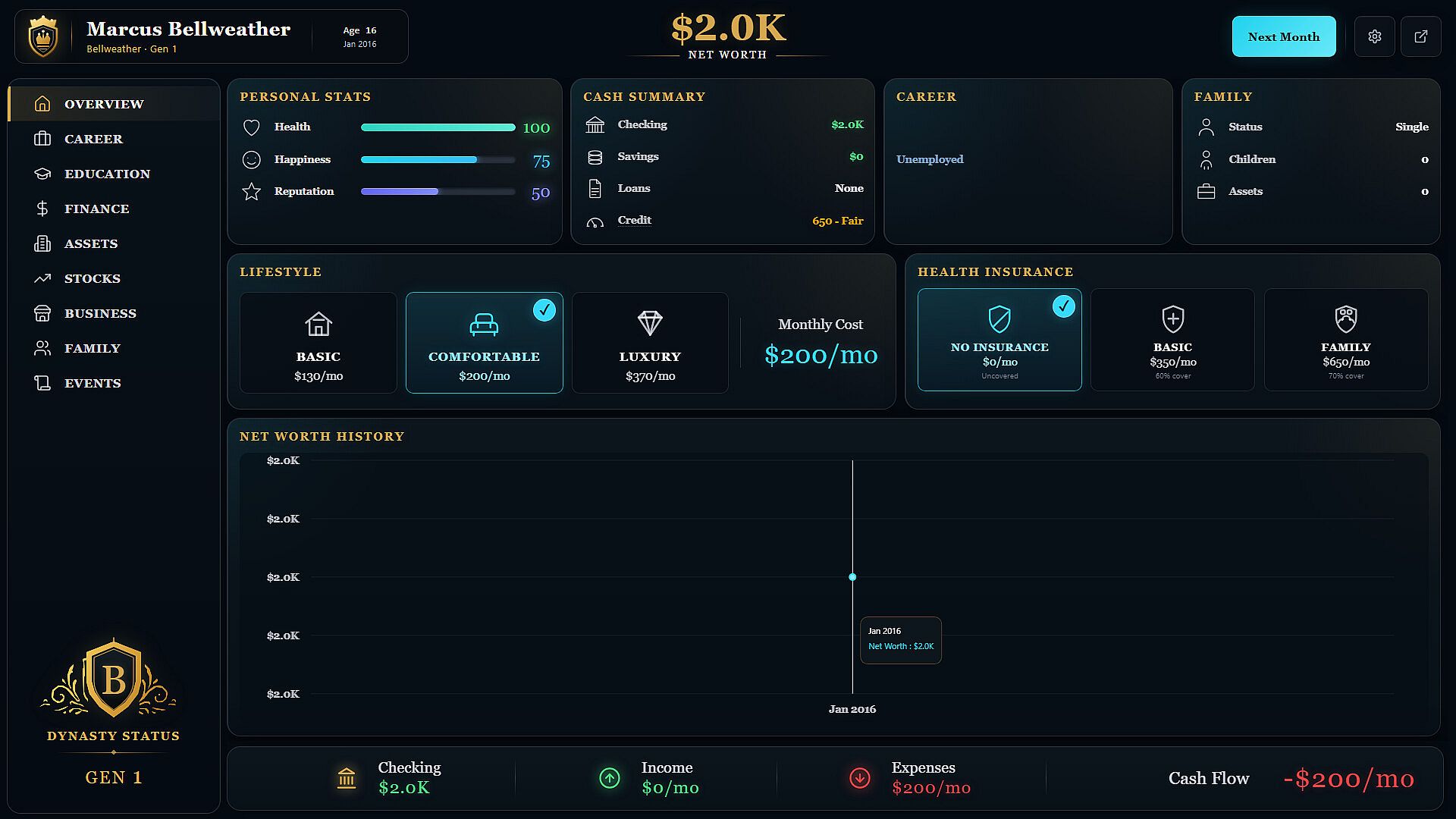



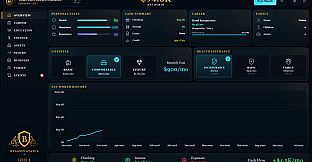
GG Life is a strategy, indie and simulation title available on PC that places players in control of a multi-generational financial dynasty. The experience begins with a single character at age sixteen who starts with limited resources and builds a life through career choices, investments and family decisions. Progress carries forward when that character passes away, allowing an heir to inherit assets, debts and opportunities. This structure creates a continuous narrative across generations rather than isolated play sessions.
Gameplay
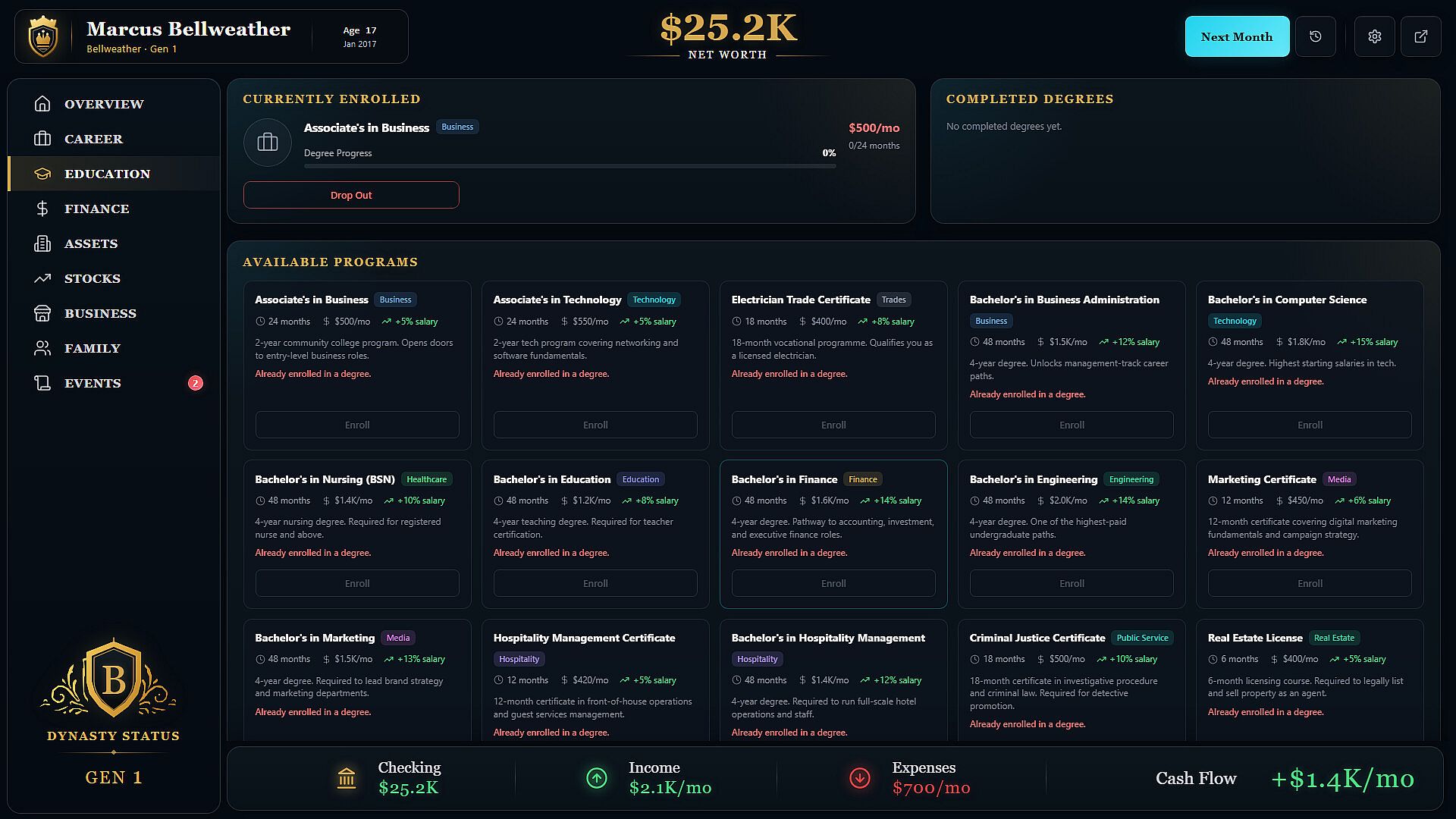
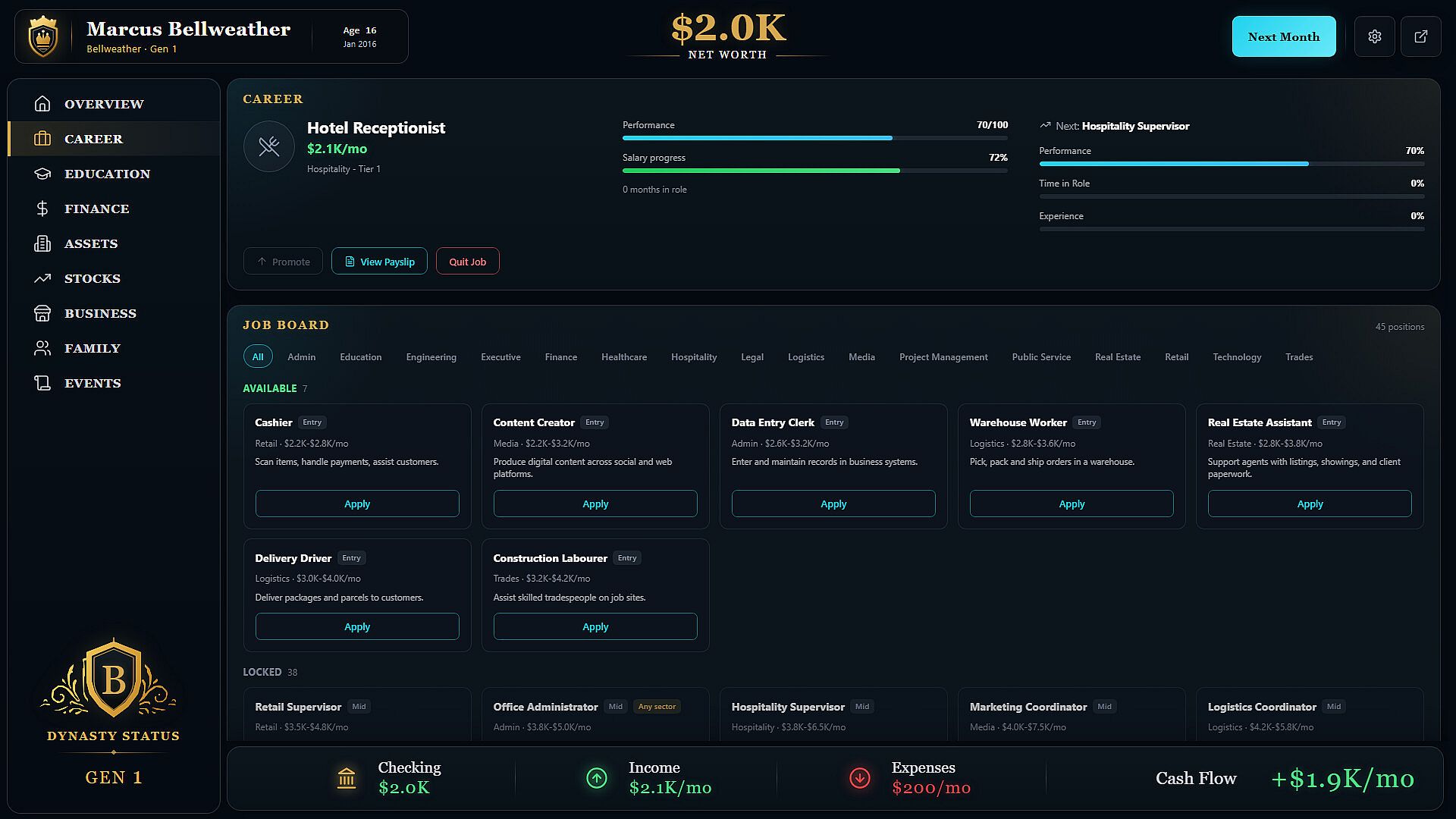
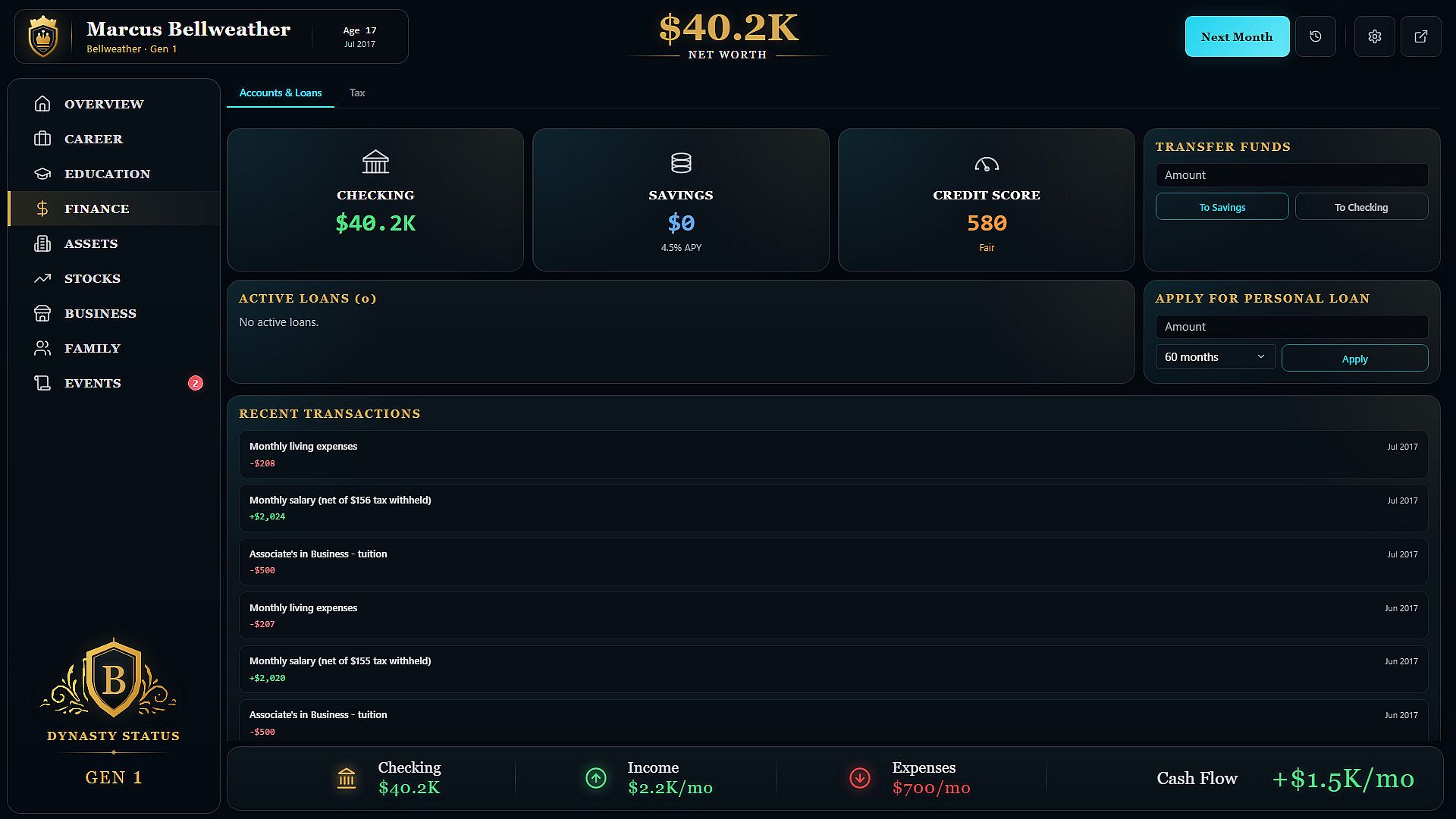
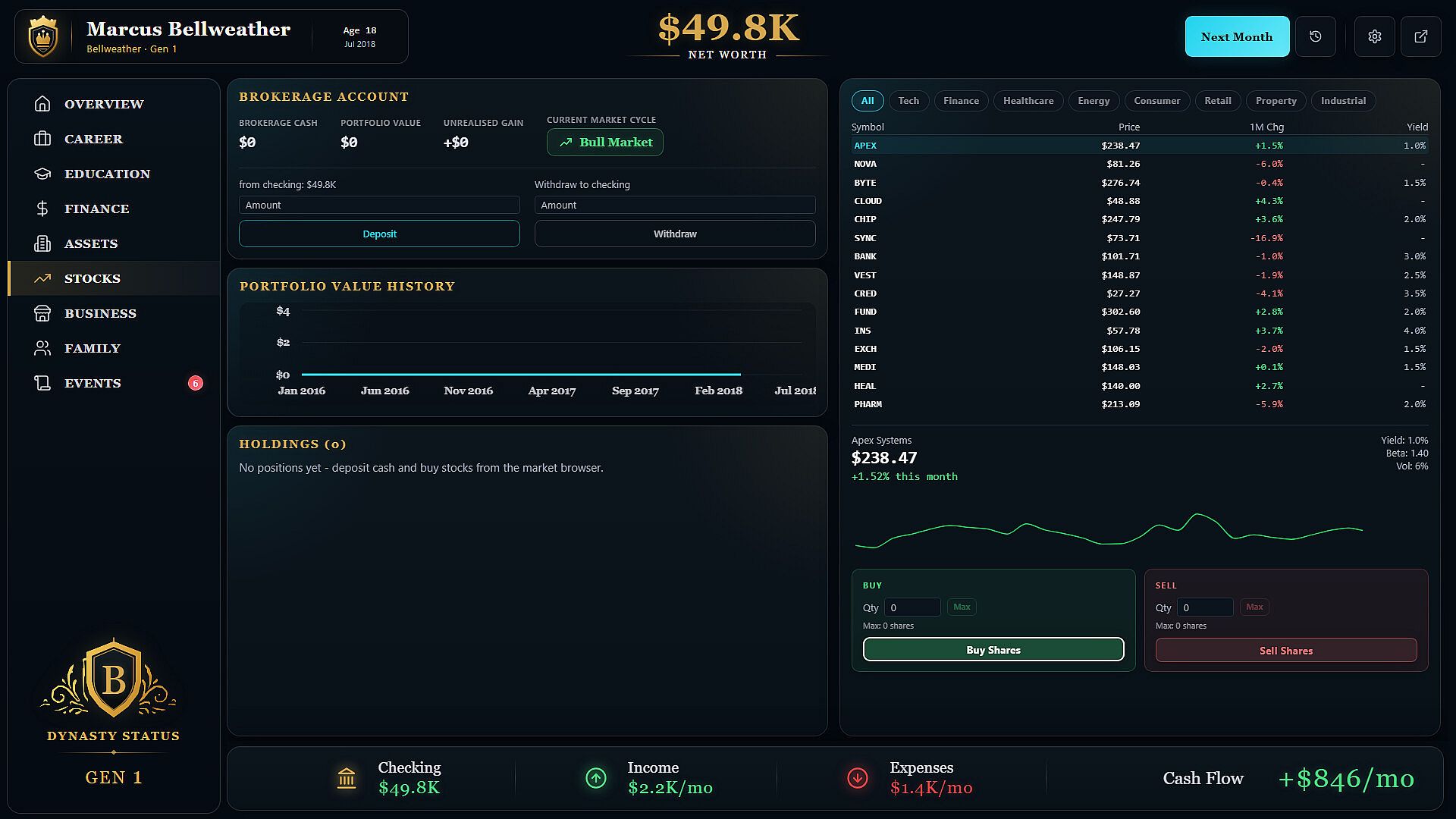
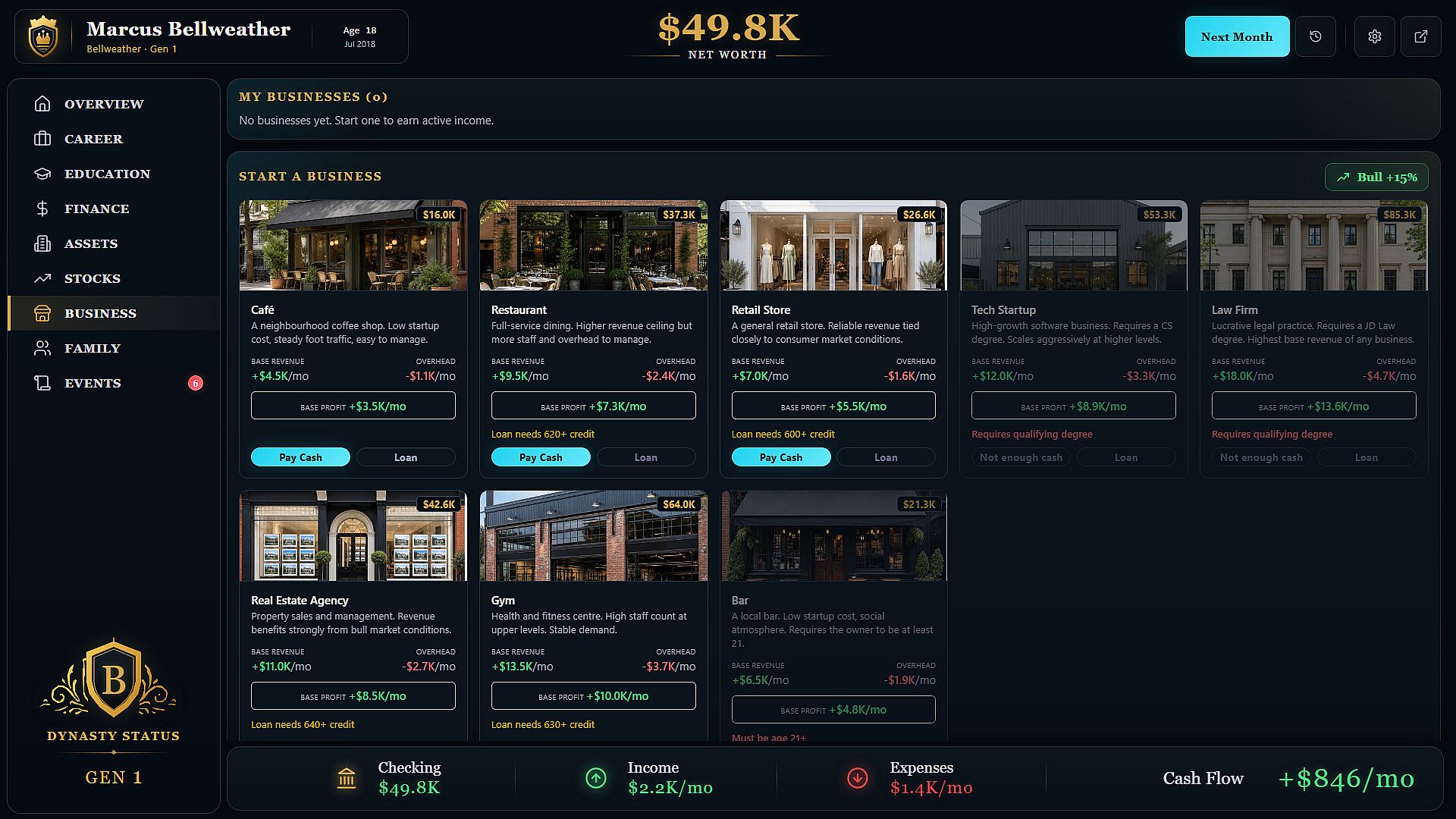
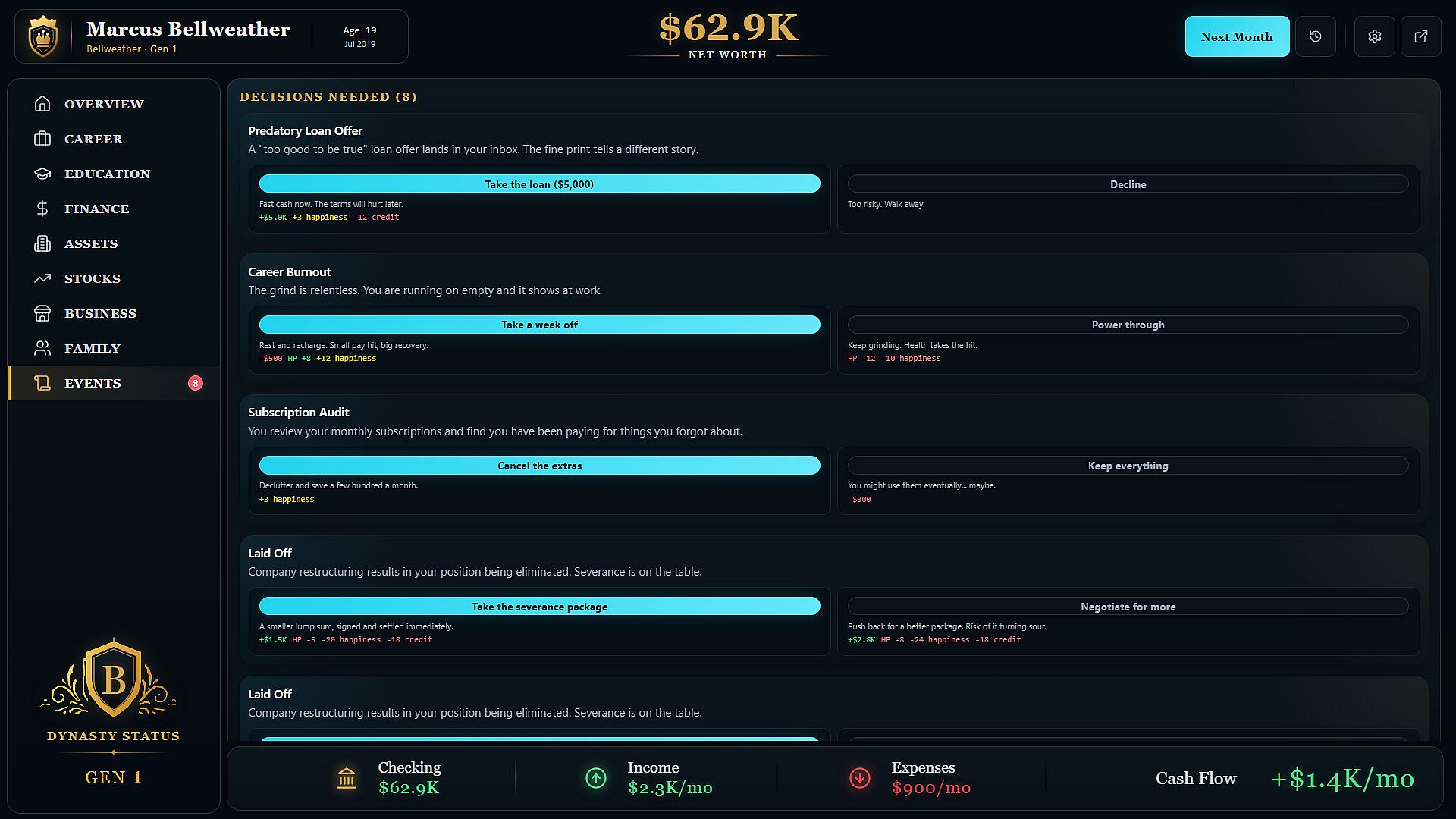
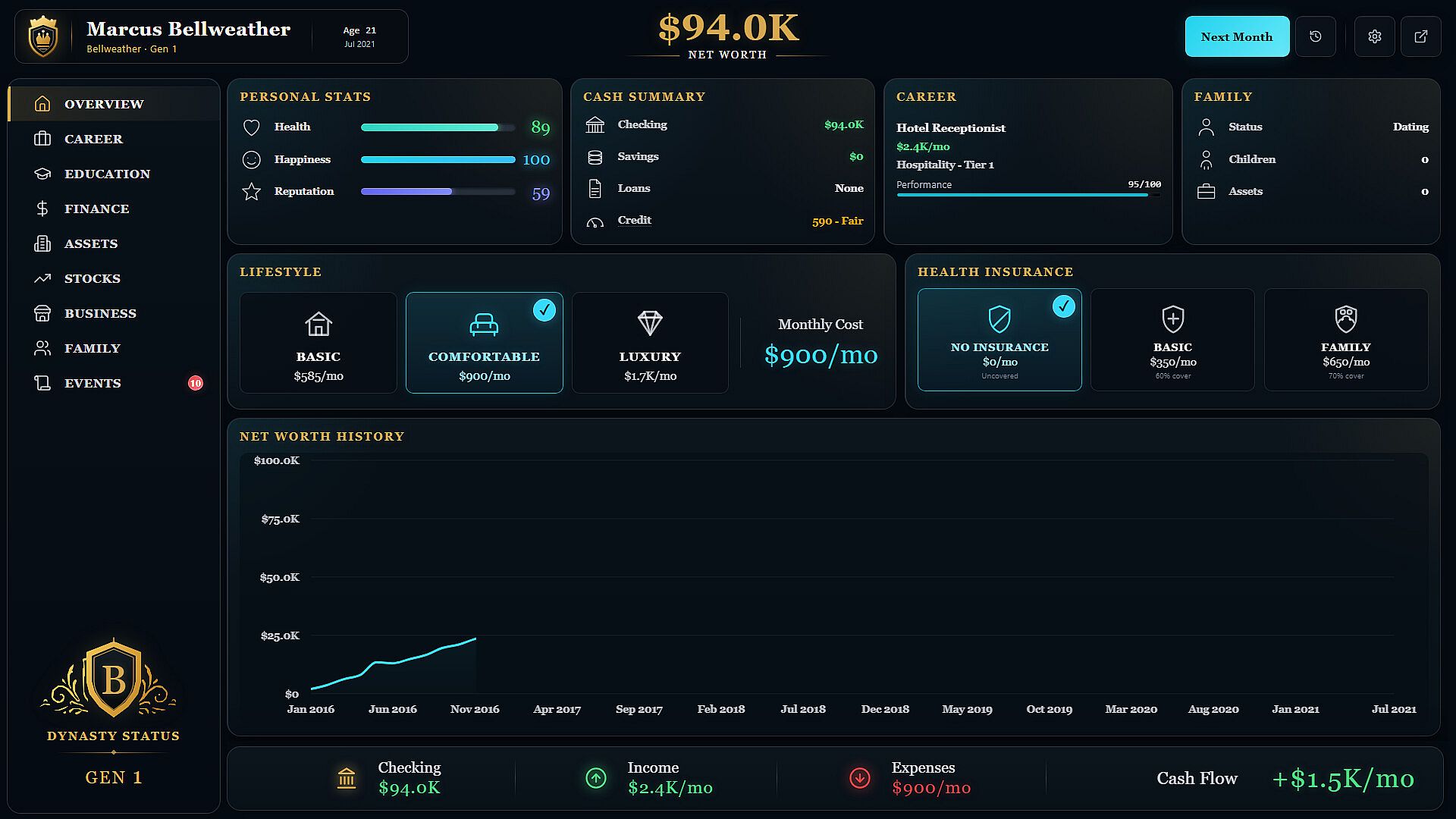
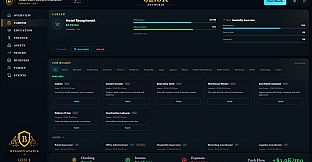
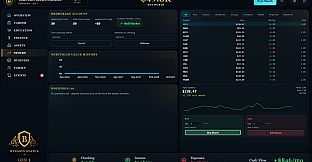
The core loop revolves around managing personal finances and long-term planning from a modest starting point. Players select entry-level employment or pursue education to unlock better positions, while tracking credit scores, loans, mortgages and living expenses. Investment options include stocks with dividends and rental properties that generate income over time. Business creation adds another layer, where hiring staff and scaling operations can eventually surpass salary earnings. Random events introduce variables that affect health, career stability and family matters, forcing adjustments to prior plans. Daily and yearly decisions compound across a full lifetime, with inflation and taxes handled automatically in the background.
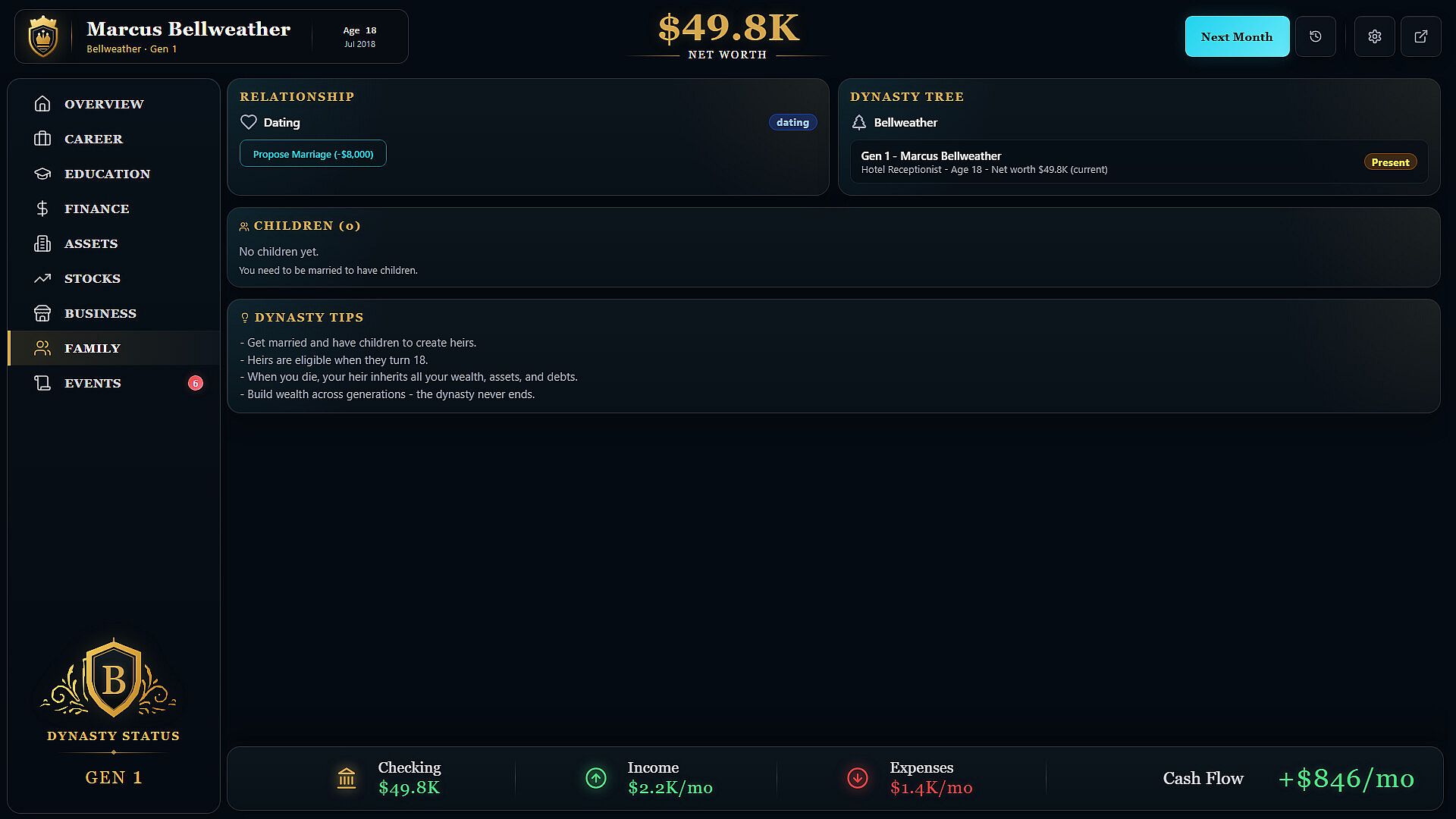
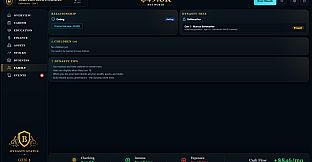
Family elements integrate directly into progression. Dating leads to marriage, which can bring additional income or new expenses, and children grow into potential heirs. Each generation inherits the cumulative results of previous choices, including property portfolios, business ownership and outstanding debts. Players review past characters through a family history view that logs careers, wealth milestones and endings. This setup rewards consistent strategy while allowing room for impulsive or high-risk moves that shape the next life.
Game Modes
GG Life operates as a single continuous simulation without separate named modes or competitive formats. All activity occurs within the same generational framework, where the player controls one character at a time before transitioning to an heir. The absence of distinct modes keeps focus on open-ended decision making rather than structured challenges or multiplayer sessions. Progression remains entirely single-player, centered on building or dismantling wealth across multiple lifetimes.
Core Systems and Progression
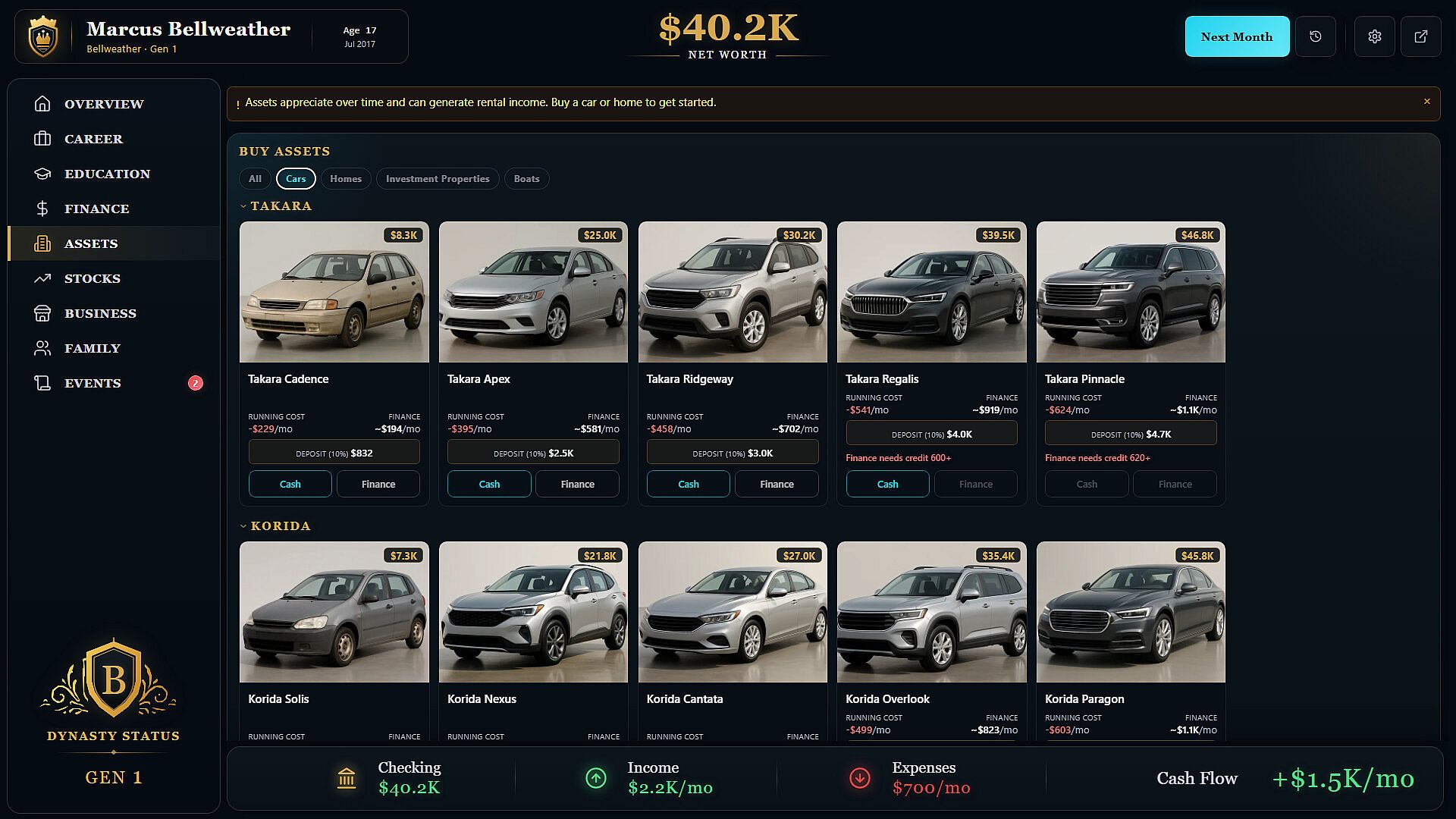
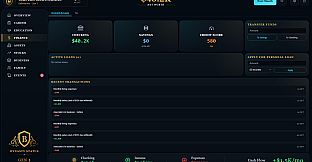
Financial management forms the foundation, covering checking accounts, savings goals, car loans, buy-to-let properties and stock portfolios. Credit building influences loan approval and interest rates, while living costs and unexpected events test reserves. Property ownership expands from a first home to larger portfolios, with rental income providing passive growth. Business mechanics allow hiring and expansion, though they introduce ongoing responsibilities such as payroll and operational decisions. Education and experience directly impact career advancement and salary potential, creating clear trade-offs between immediate spending and long-term security.
Events and choices add unpredictability to the simulation. Some produce short-term gains while others require years to resolve, and outcomes can affect multiple generations. The system tracks reputation, health and family dynamics alongside monetary metrics, ensuring that non-financial factors influence available options. This combination encourages experimentation with different approaches, from conservative saving to aggressive expansion.
Is It Worth Playing?
GG Life suits players who enjoy deliberate, long-term strategy in a life simulation setting. The generational inheritance mechanic provides a unique hook that rewards sustained engagement over many in-game years. Those interested in financial modeling, property management and career progression will find depth in the systems, while the early access status means additional careers, events and balancing updates are planned. The game appeals most to individuals comfortable with open-ended play and the consequences of both careful planning and reckless choices, as every decision carries forward to future heirs. Availability on PC supports focused sessions without external requirements.