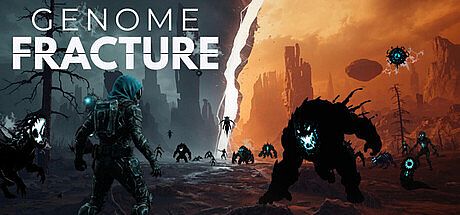


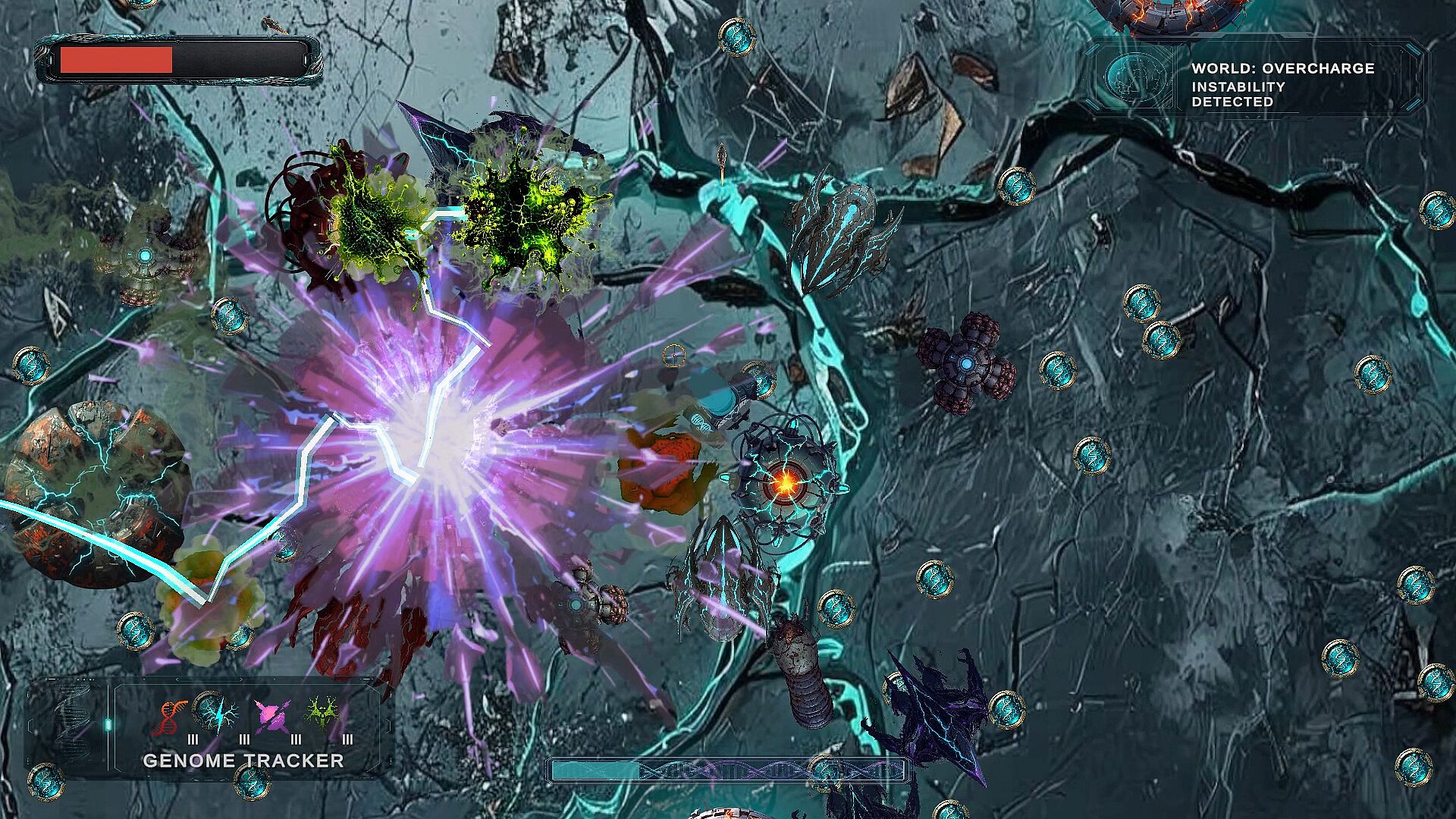
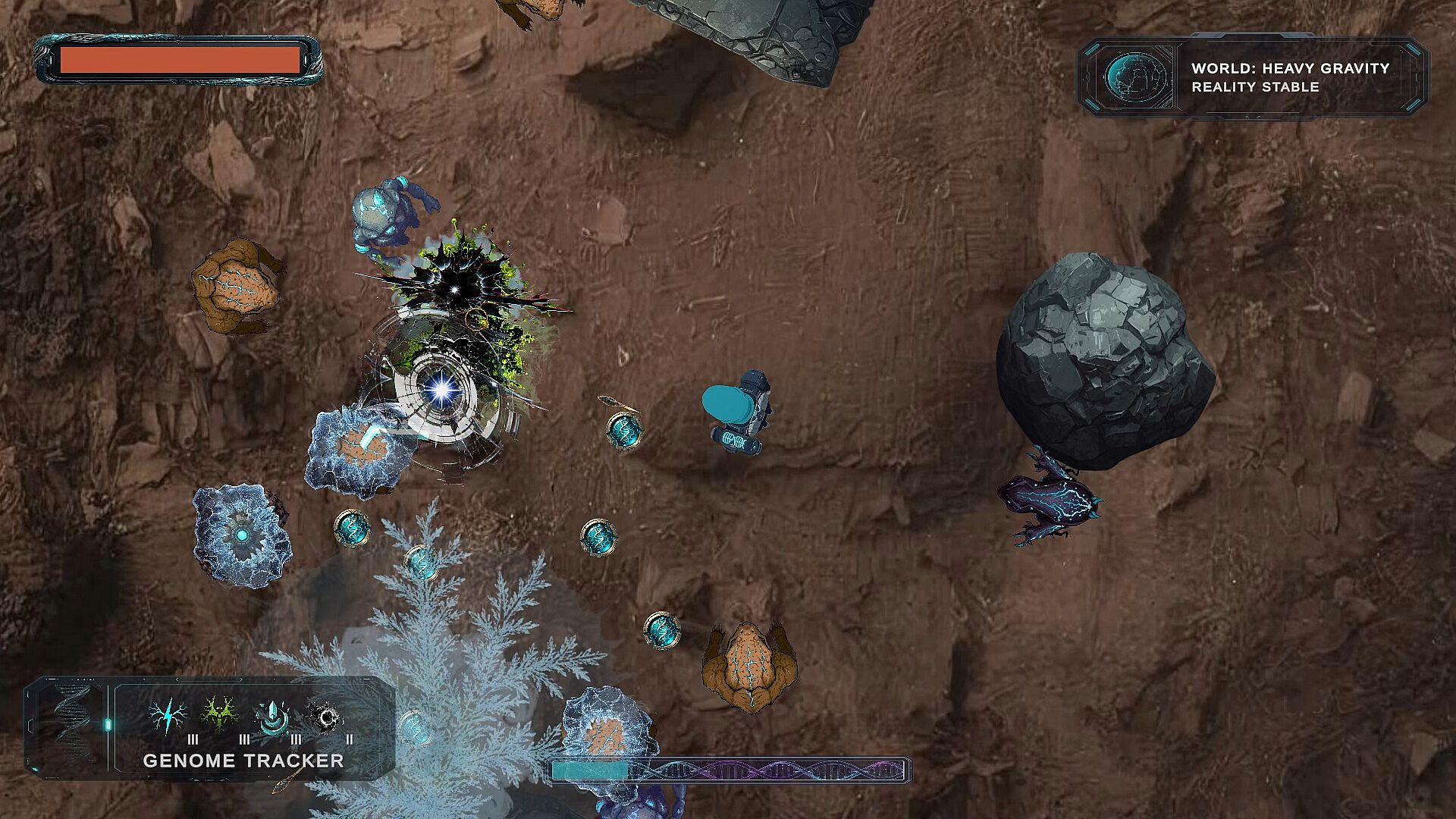
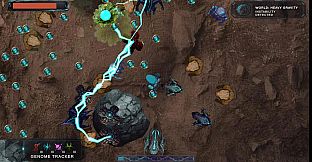
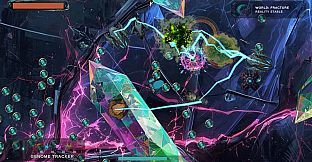
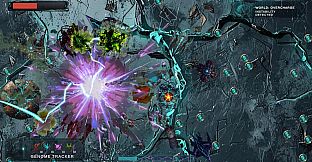
Genome Fracture is a bullet heaven action roguelite developed for PC. Players control a survivor who must endure shifting realities while building increasingly powerful mutation combinations. The core loop centers on twenty-minute runs where every two minutes the battlefield transforms, introducing new enemies, hazards, and rules that force constant adaptation.
Gameplay
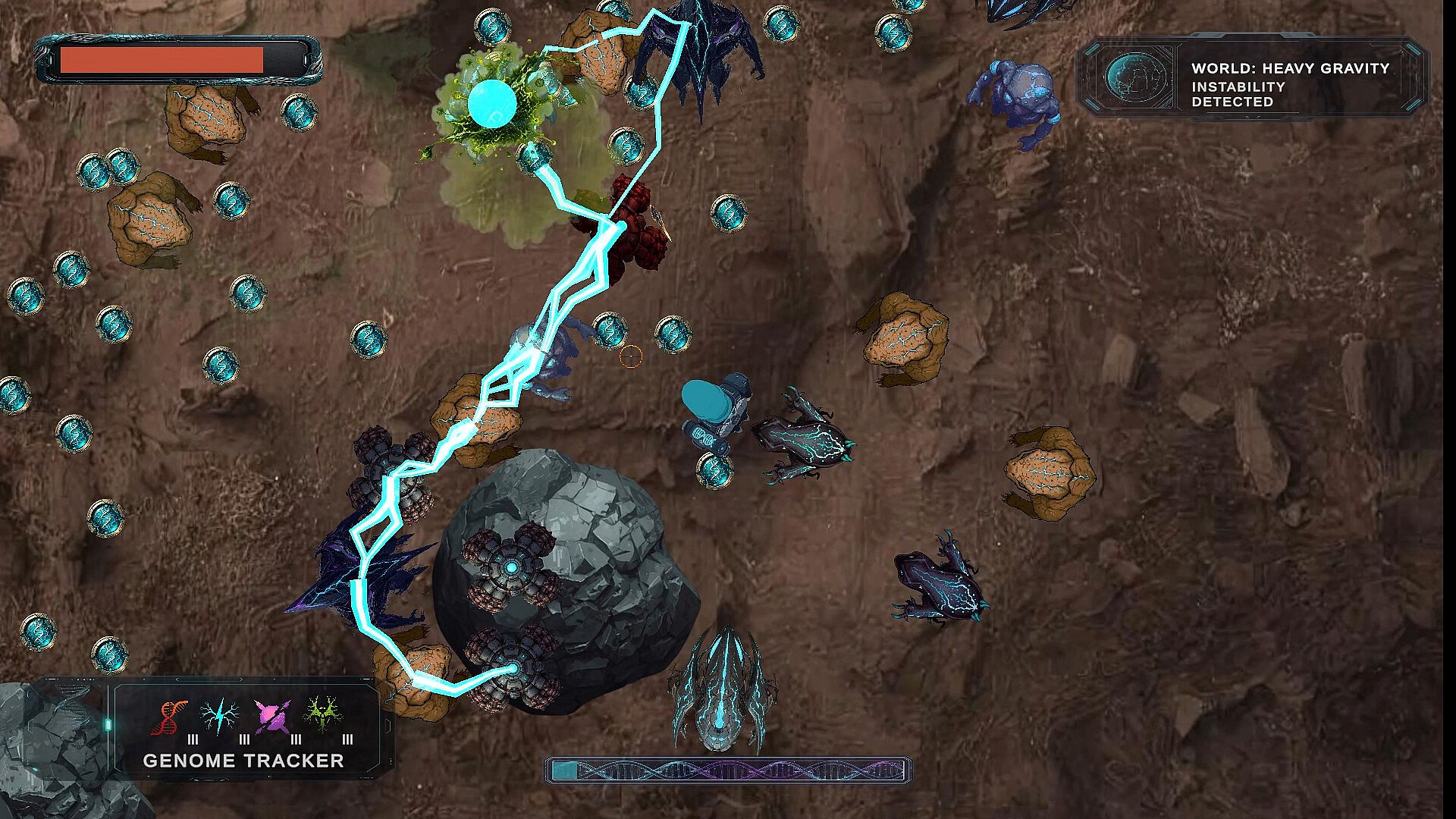
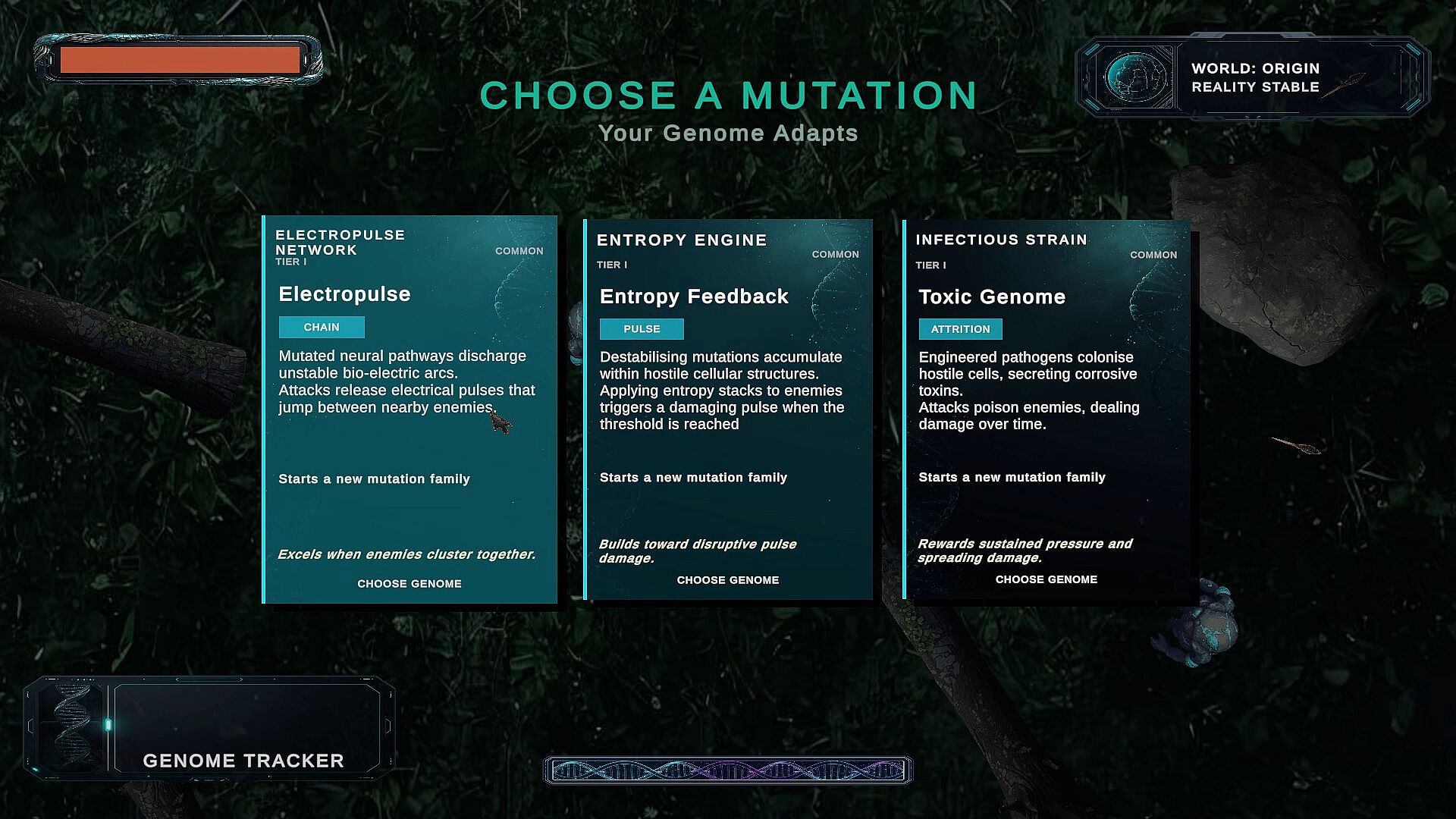
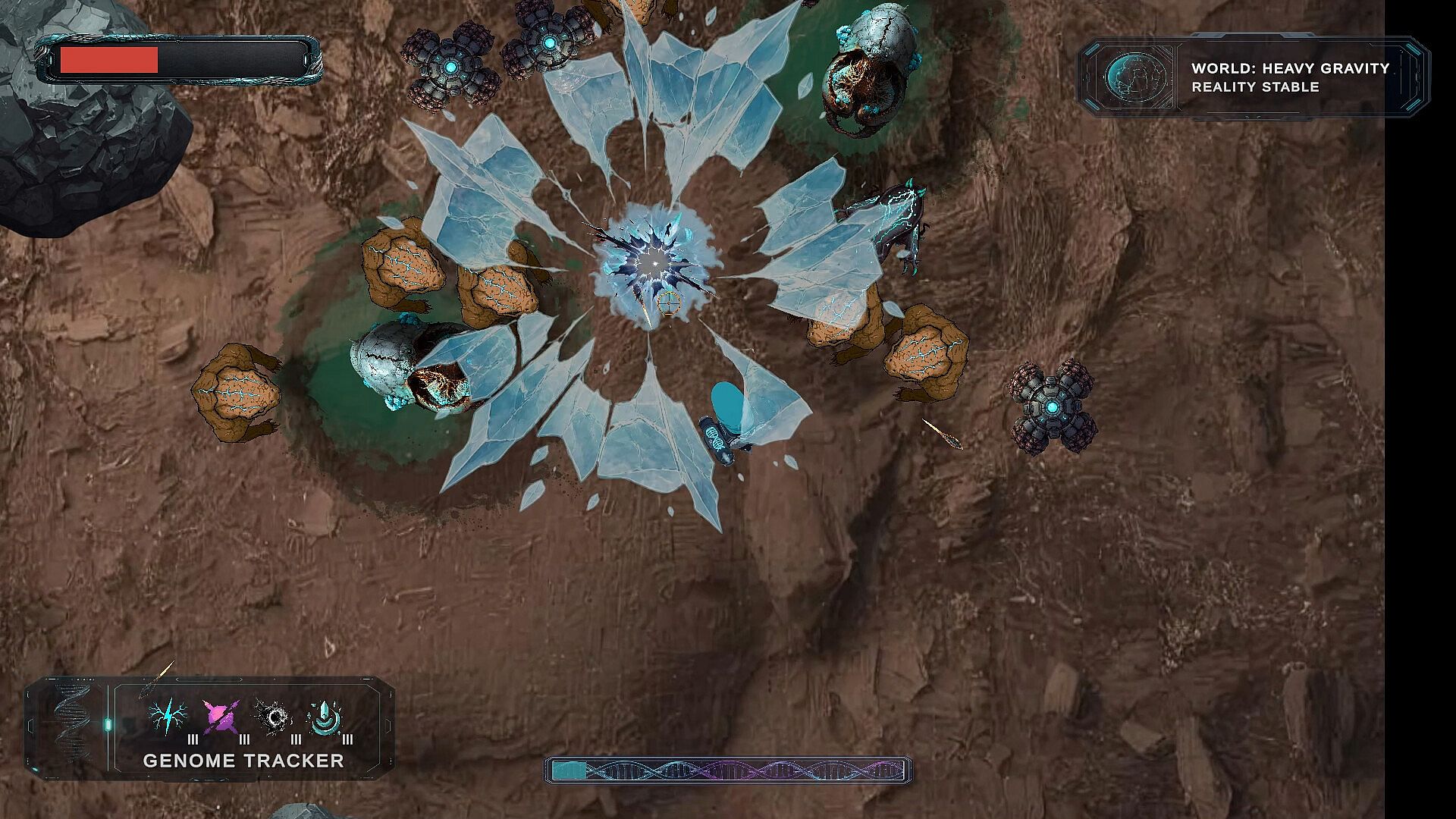
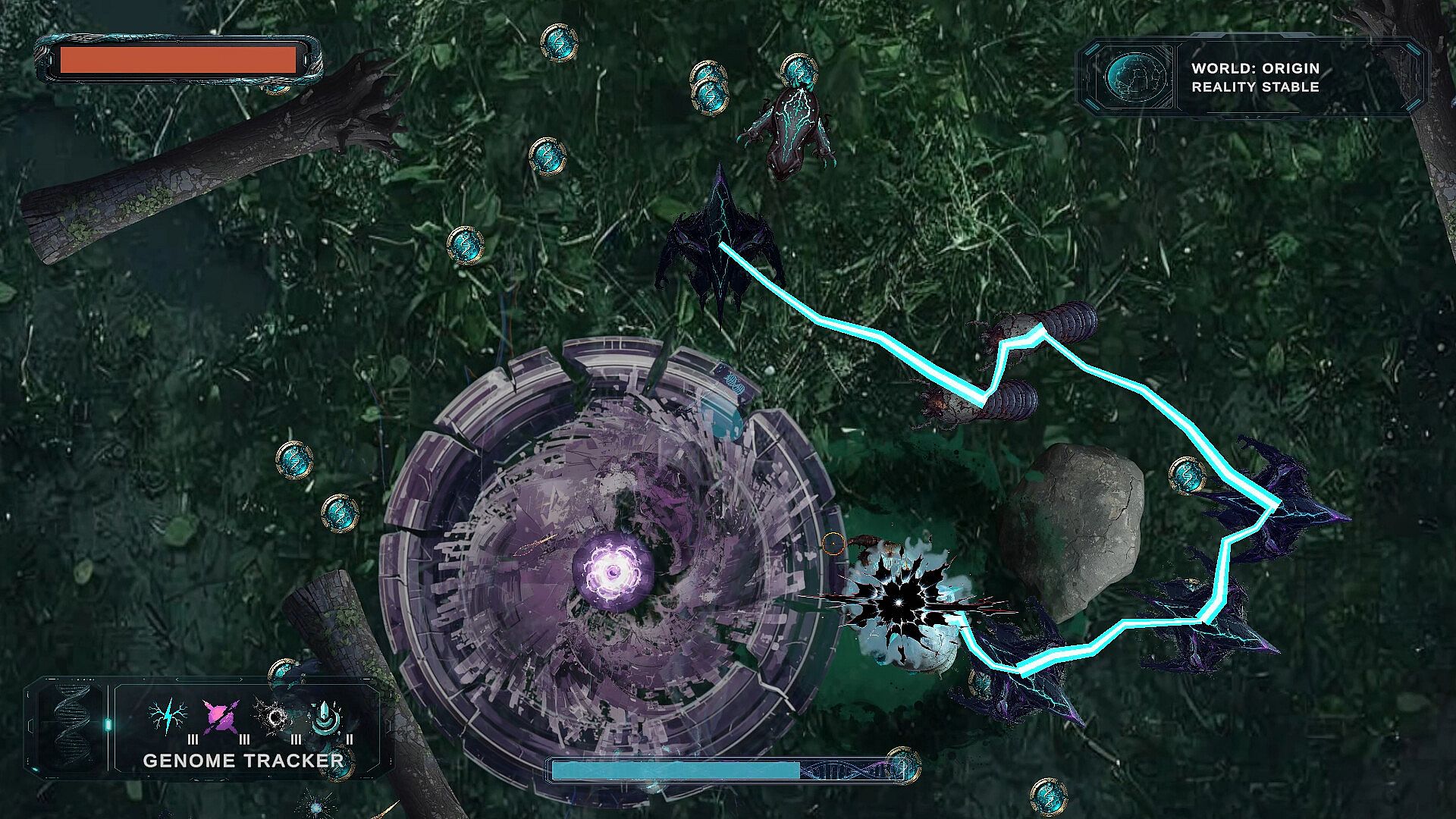
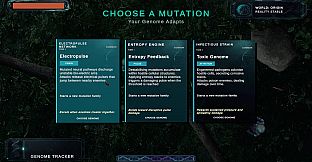
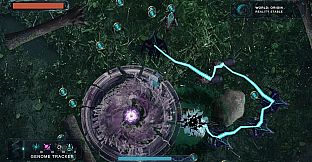
The action unfolds in fast-paced sessions focused on survival against waves of enemies. Projectiles and effects chain together through synergies that grow more destructive as mutations stack. Players collect and evolve traits from distinct mutation families, selecting branching upgrades that alter behavior rather than simply boosting numbers. One path might turn basic shots into splitting projectiles that carry secondary effects, while another spreads toxins or freezes groups for follow-up damage.
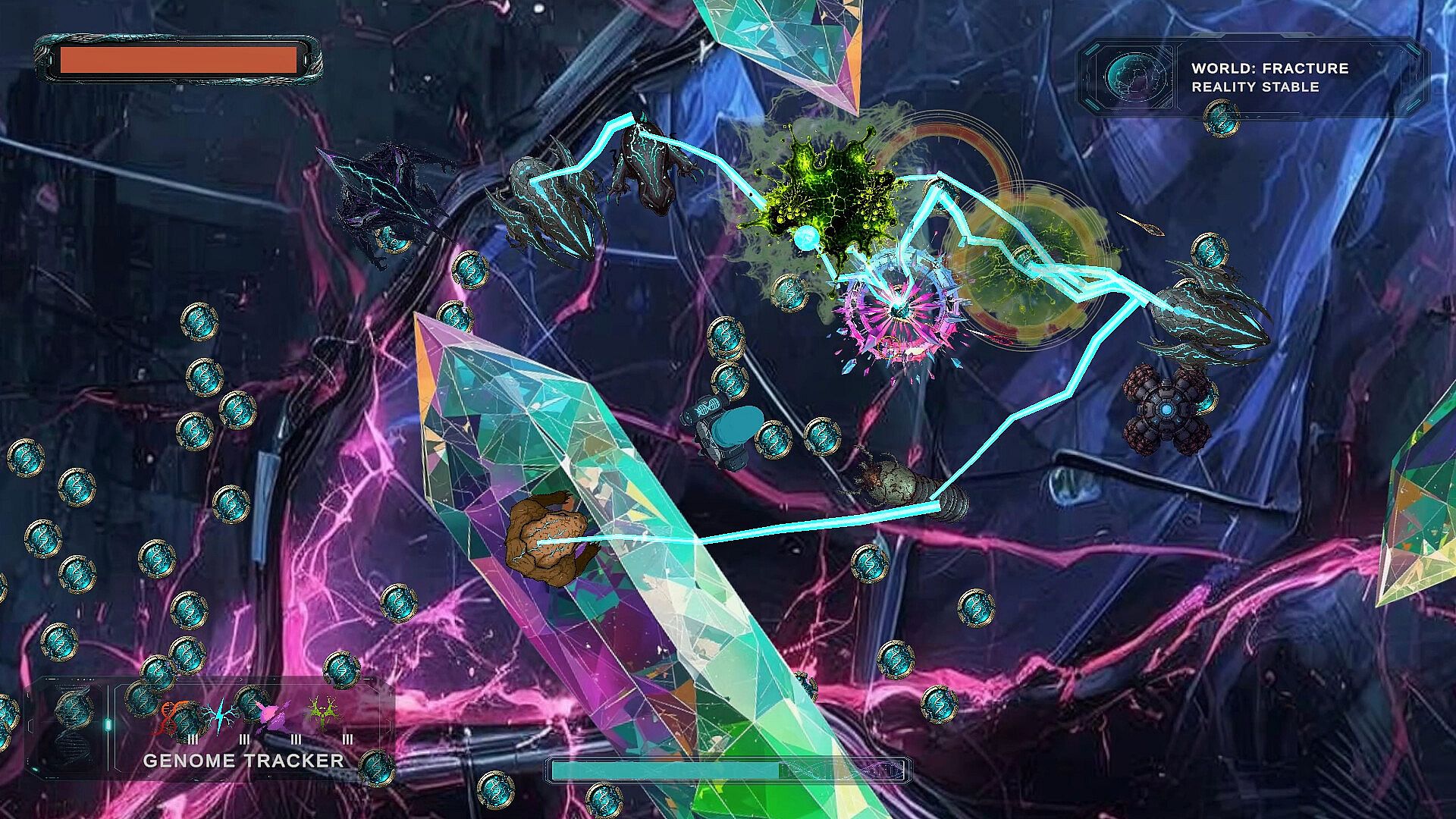
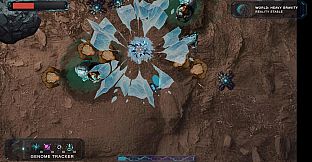
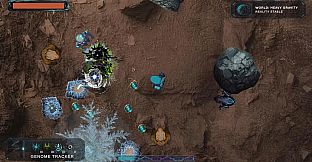
Reality fractures introduce the main twist. Every interval brings a new set of environmental rules, enemy types, and mechanics that interact with the current build. Movement speed might change, healing could be restricted, or certain mutations gain or lose power. Leftover threats from earlier realities sometimes carry over, creating unexpected combinations that test the player's setup. The run builds toward the Convergence, where multiple fractured elements merge into a final high-pressure phase that demands the full strength of the evolved genome.
Build crafting happens through repeated choices that reward experimentation. The same starting mutation can branch into entirely different tools across runs, encouraging players to explore how electrical jumps, cryogenic control, or ballistic instability combine with other families. Success depends on recognizing when a chain reaction will clear crowds efficiently or when a defensive mutation needs priority to handle the next shift.
Game Modes
Genome Fracture centers on a single core experience built around individual roguelite runs. Each attempt lasts roughly twenty minutes and follows the same structure of periodic reality shifts leading to the Convergence. There are no separate named modes or multiplayer options confirmed at this stage. The focus remains on refining mutation paths and surviving the escalating threats within one continuous session.
Progression ties directly to run performance. Stronger builds emerge from successful combinations rather than external unlocks, so players return to test new family branches or different evolution choices against the same shifting framework. This keeps the emphasis on adapting to the changing battlefield rather than switching between distinct game types.
Key Mechanics
Mutation families form the foundation of power progression. Each family offers branching upgrades that fundamentally reshape how an ability functions, allowing the same base trait to support crowd control, area denial, or rapid single-target damage depending on the path taken. Combinations matter more than individual strength, as projectile splits can inherit toxin spread or lightning jumps can exploit frozen targets.
The world-shift system ensures no two minutes feel identical. Hazards, enemy compositions, and even build restrictions rotate regularly, preventing reliance on a single strategy. When realities bleed into one another, the resulting overlaps create fresh challenges that reward flexible builds over rigid ones. The final Convergence phase compresses these elements into one intense test of everything assembled during the run.
Is It Worth Playing?
Genome Fracture suits players who enjoy bullet heaven roguelites with layered buildcraft and environmental changes that keep each run distinct. The mutation system and reality fractures provide consistent variety without requiring external content or seasonal updates. Those who prefer methodical planning around synergies and quick adaptation to new rules will find the core loop engaging across multiple attempts.
The game remains in active development on PC, with its description and visuals confirming a focused single-player experience centered on the described systems. Anyone drawn to fast action paired with meaningful choice in how abilities evolve should consider trying it once it reaches a playable state.