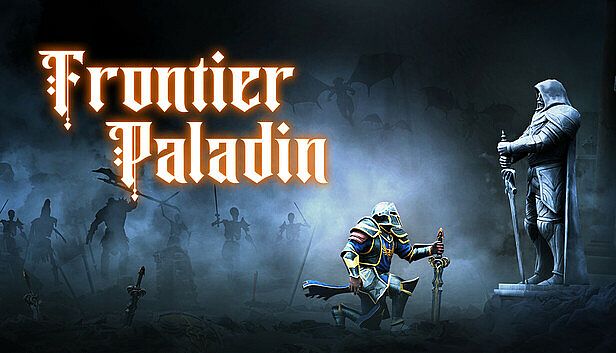













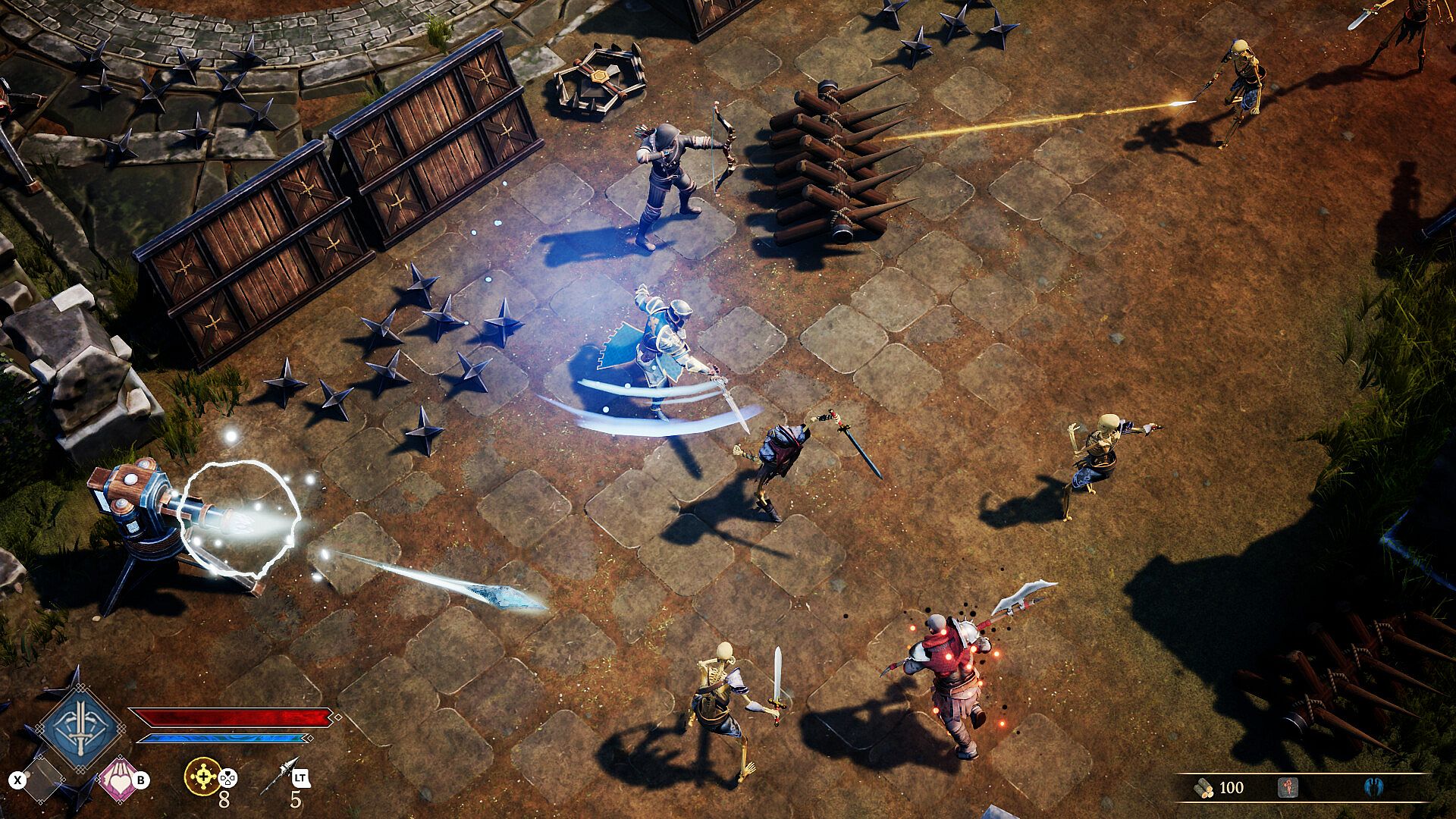
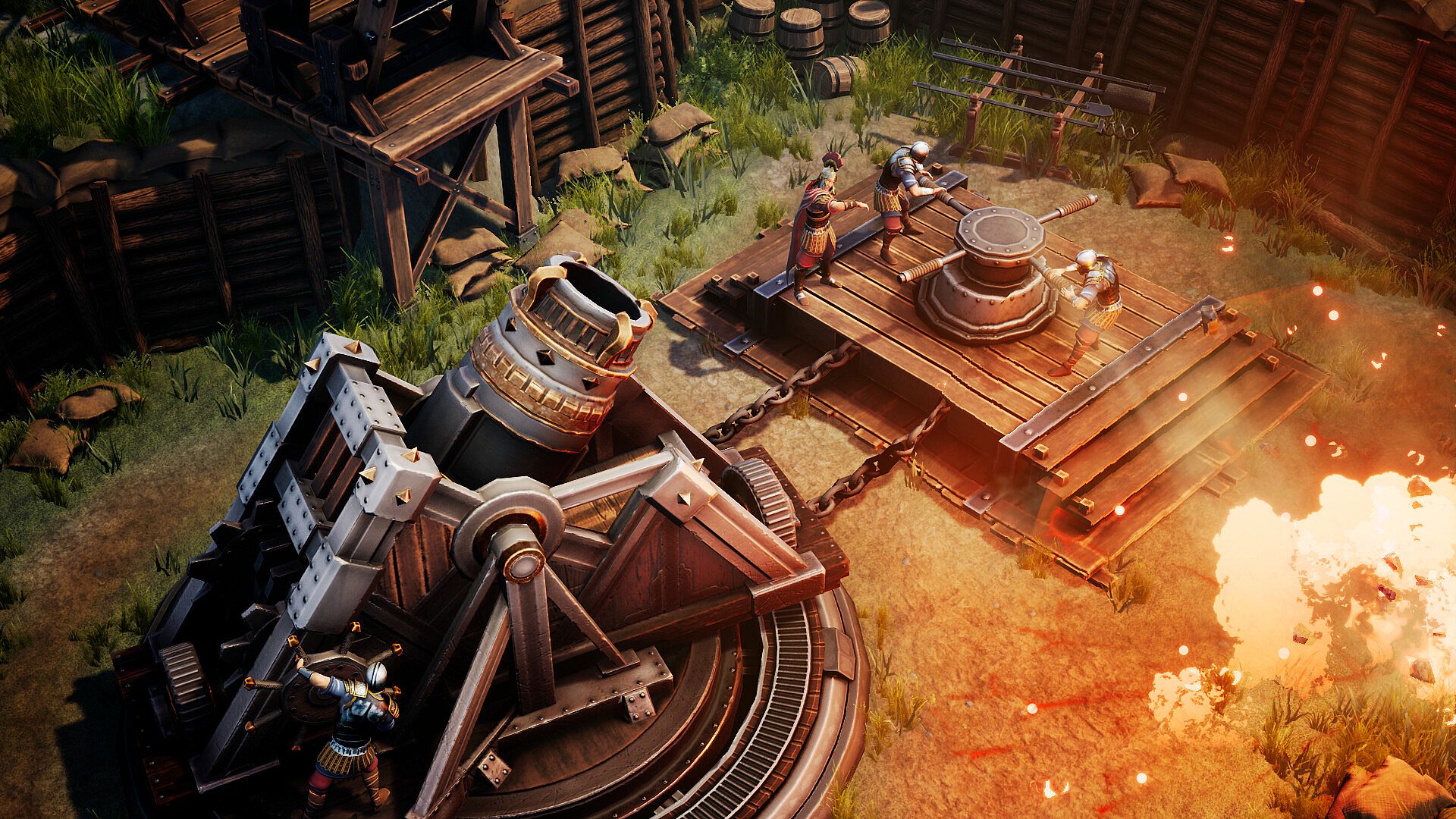

Frontier Paladin is an isometric action RPG that combines stamina-based combat with tower defense mechanics on PC. Players take on the role of Titus, a Paladin acolyte who joins a fledgling order descending into the Crater, a hazardous scar left in the Old Empire. The experience centers on managing resources, directing allies, and choosing paths that shape both individual power and the order's defenses.
Gameplay
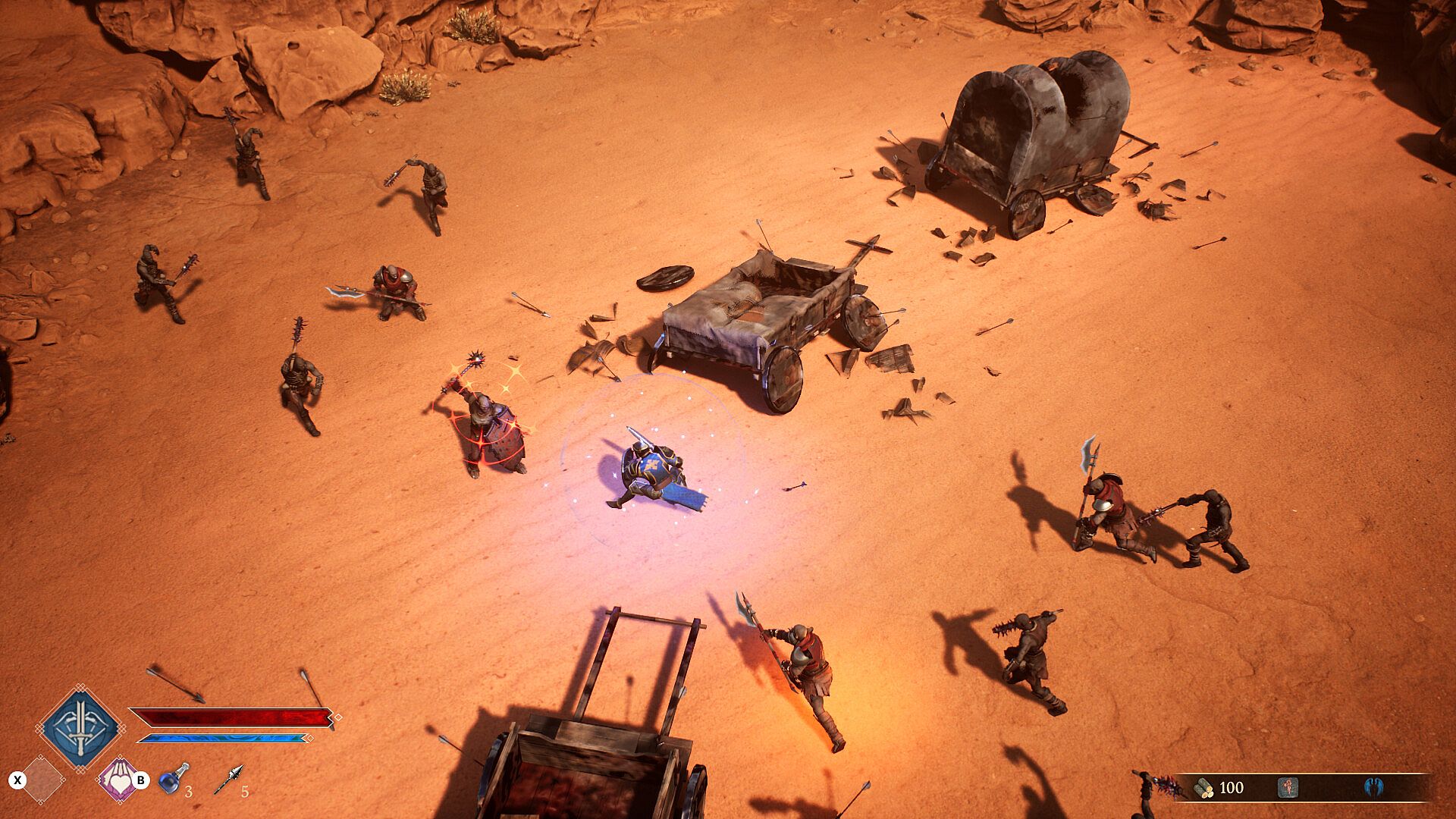
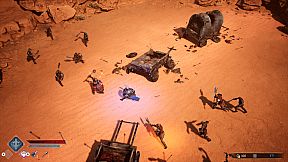
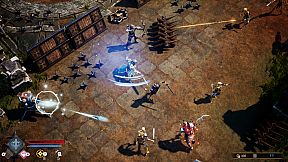
The combat system emphasizes weight and timing through stamina management. Attacks and abilities consume stamina, forcing players to balance aggression with recovery periods during fights against dark forces. Exploration takes place in an isometric perspective where Titus ventures deeper into dangerous areas to recover divine relics. These relics grant temporary or lasting powers that alter combat approaches.
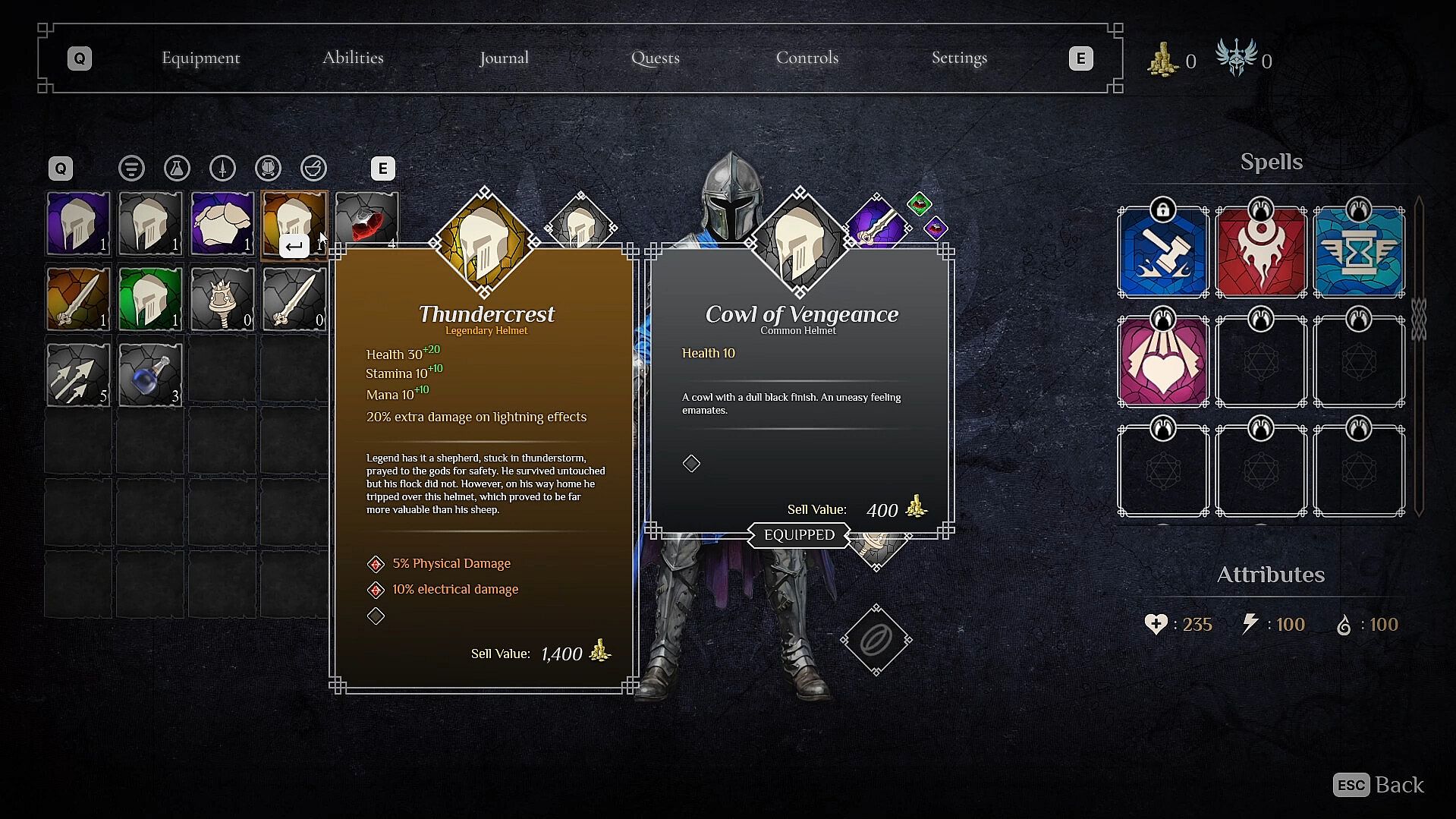
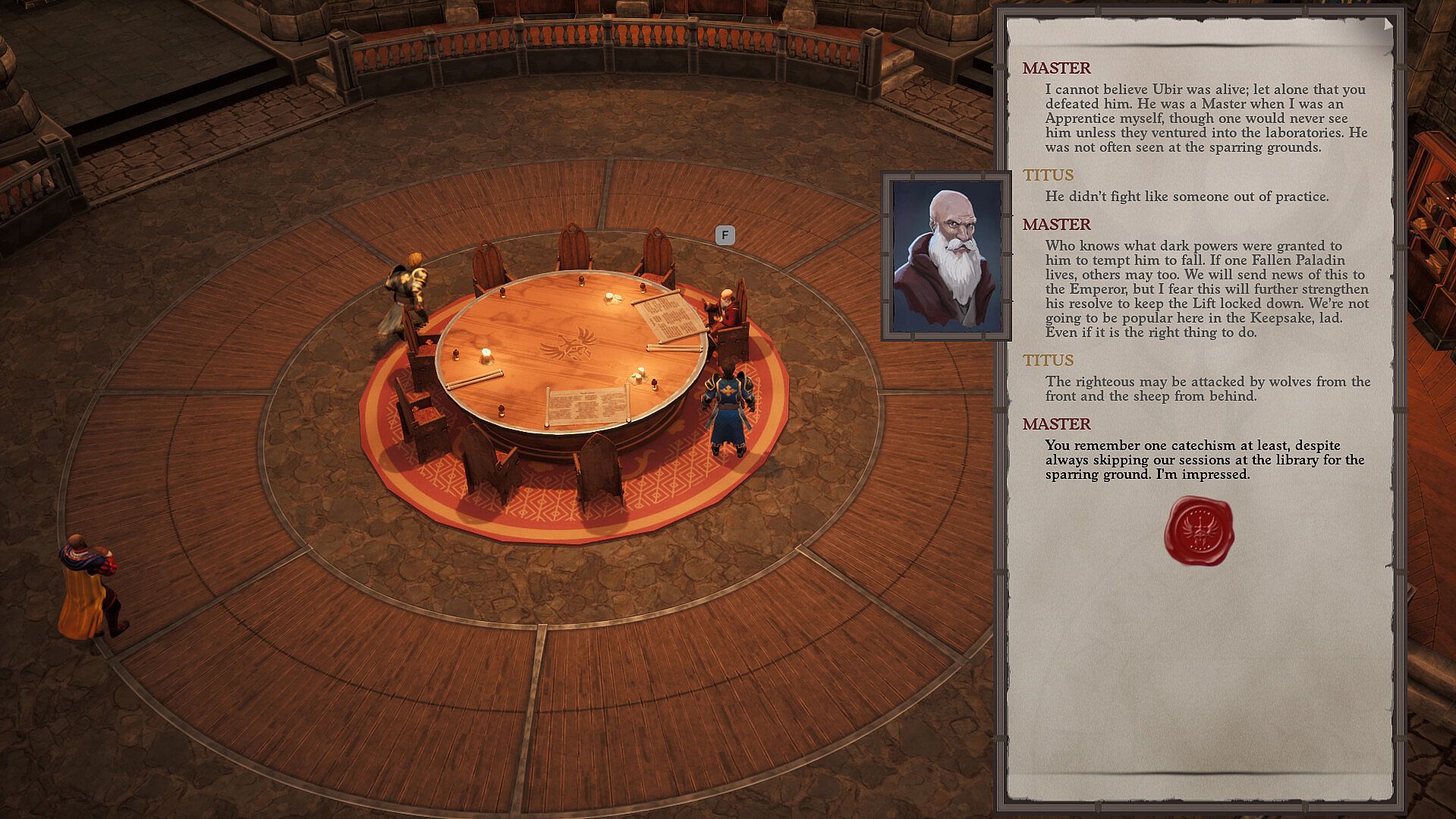
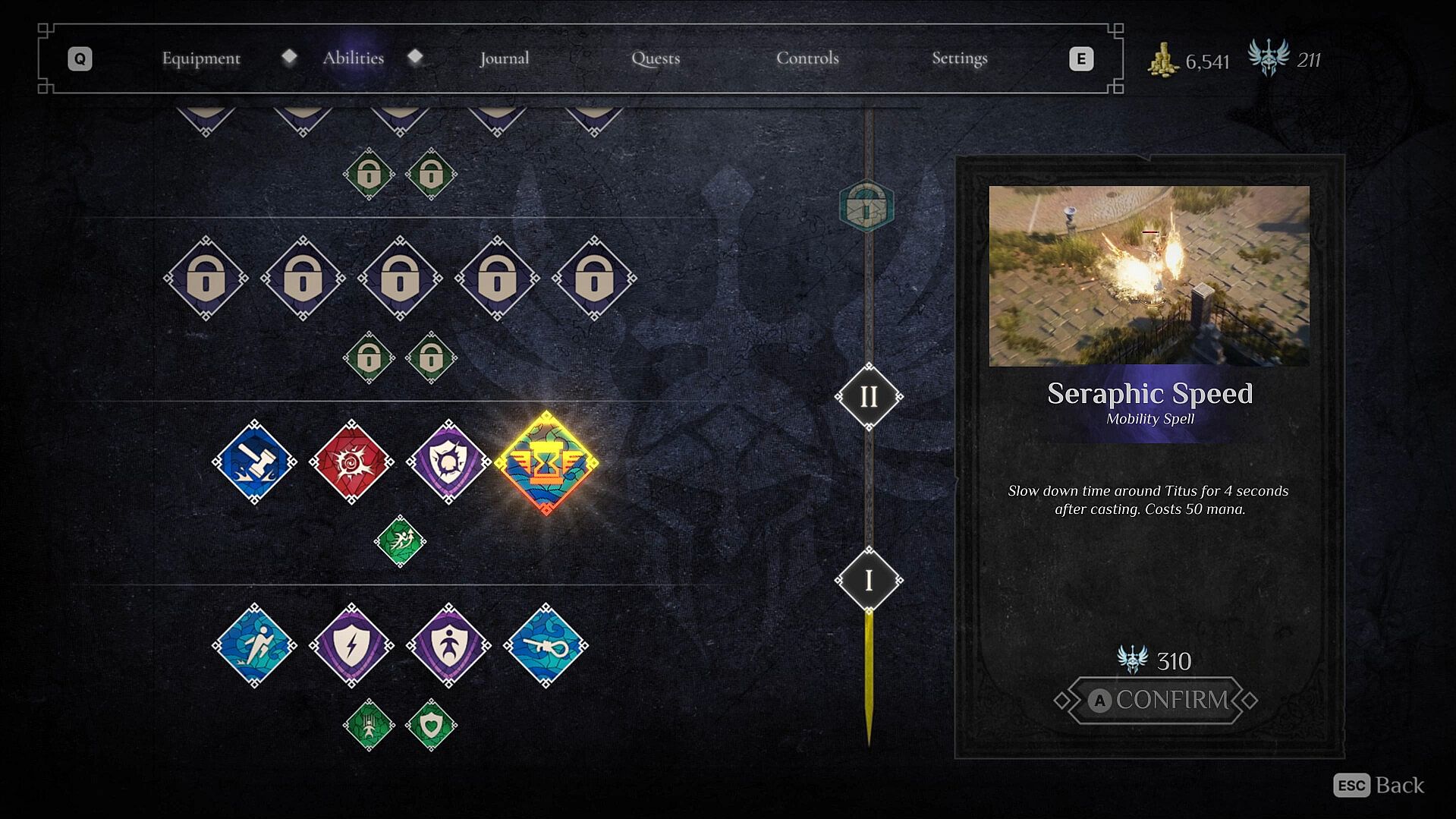
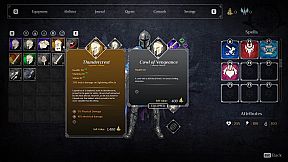
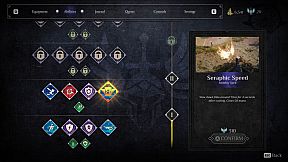
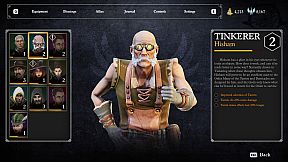
Success in quests allows dedication to the Pantheon, which provides blessings that enhance abilities or grant new options. Players can pursue different specializations, such as the heavy-hitting Sanctified Juggernaut or the defensive Unyielding Stalwart. Recruitment expands the order by adding members with unique skills that support battlefield efforts. Stronger recruits follow direct orders while others contribute through prepared defenses.
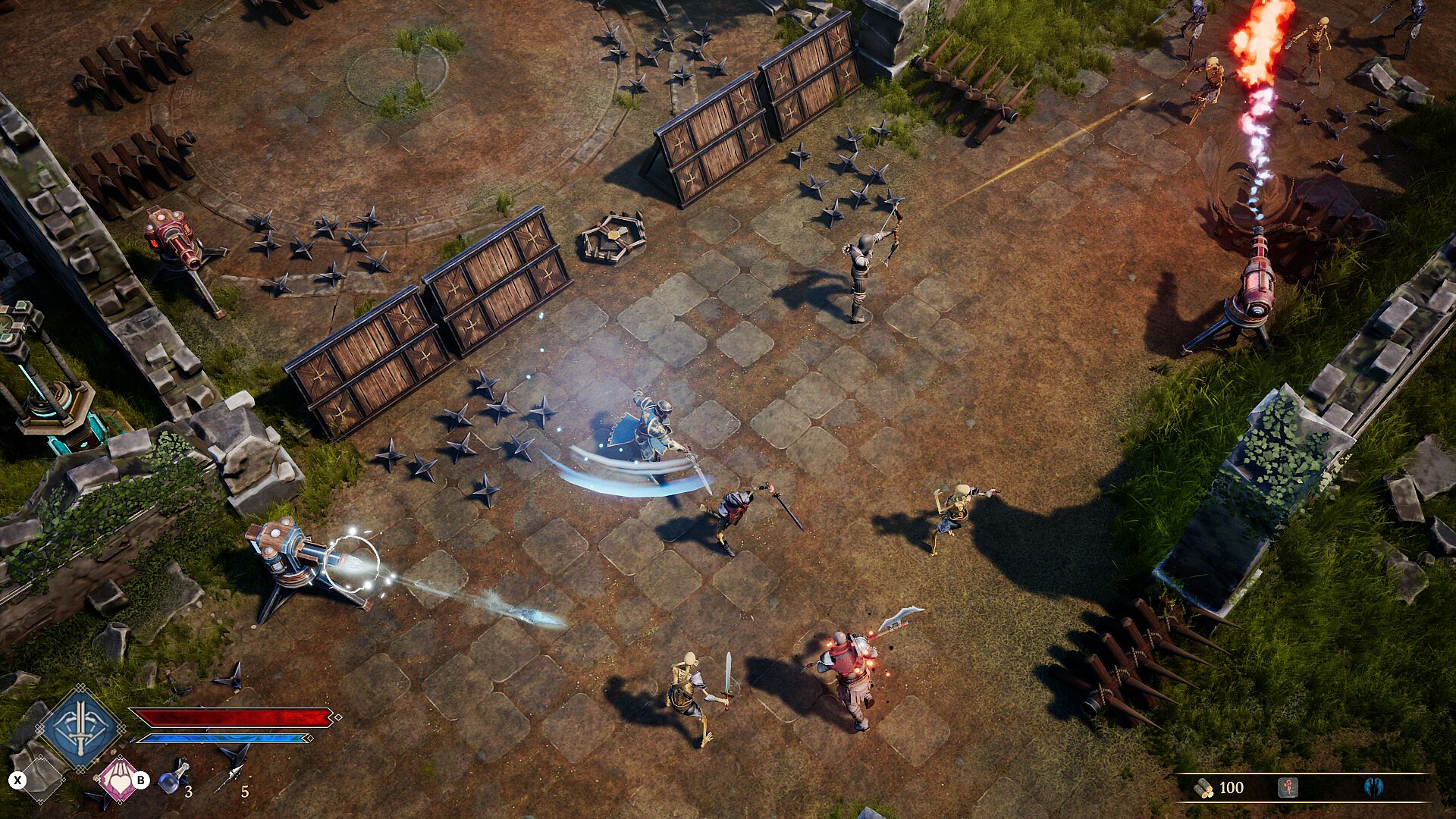
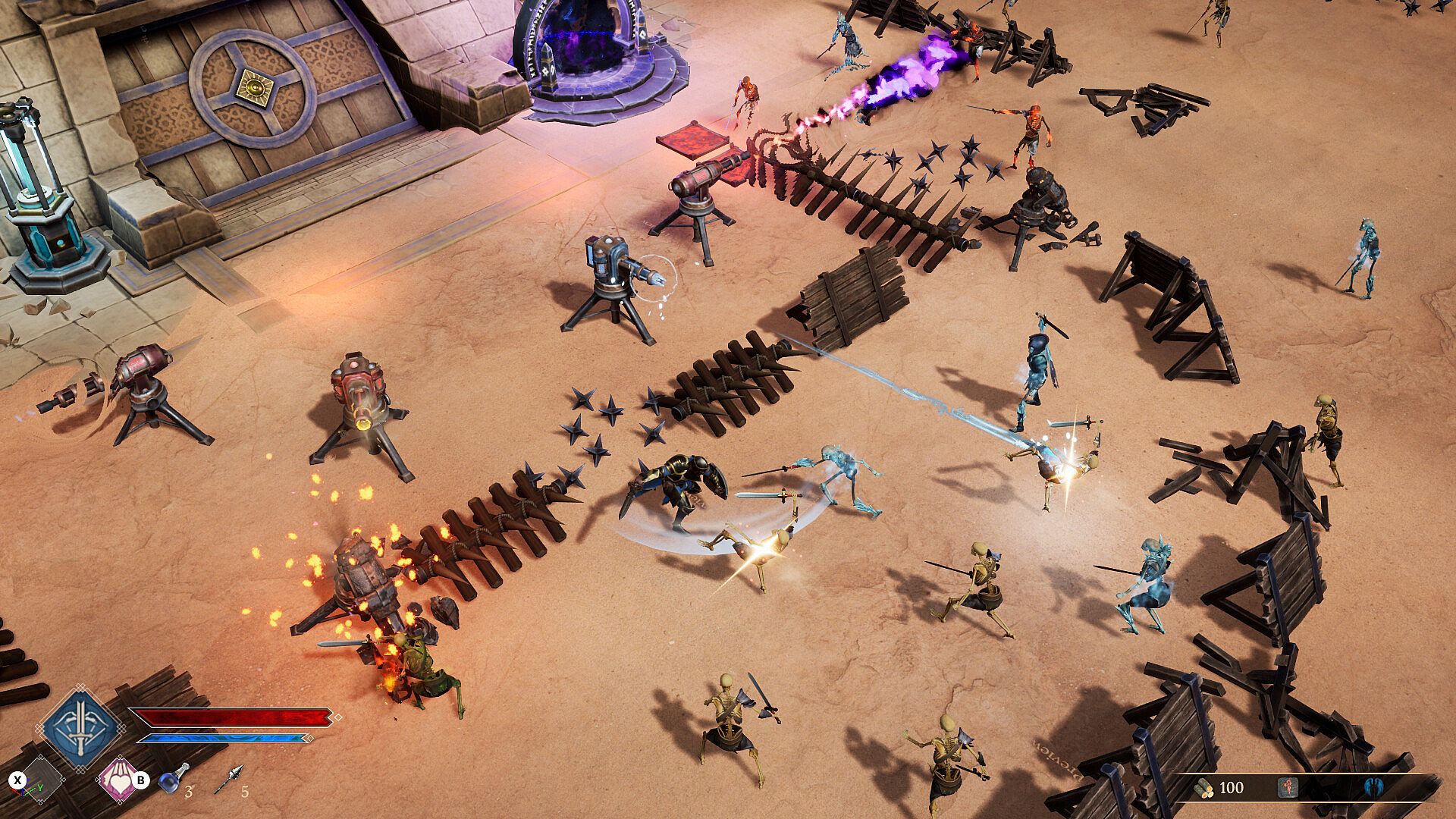
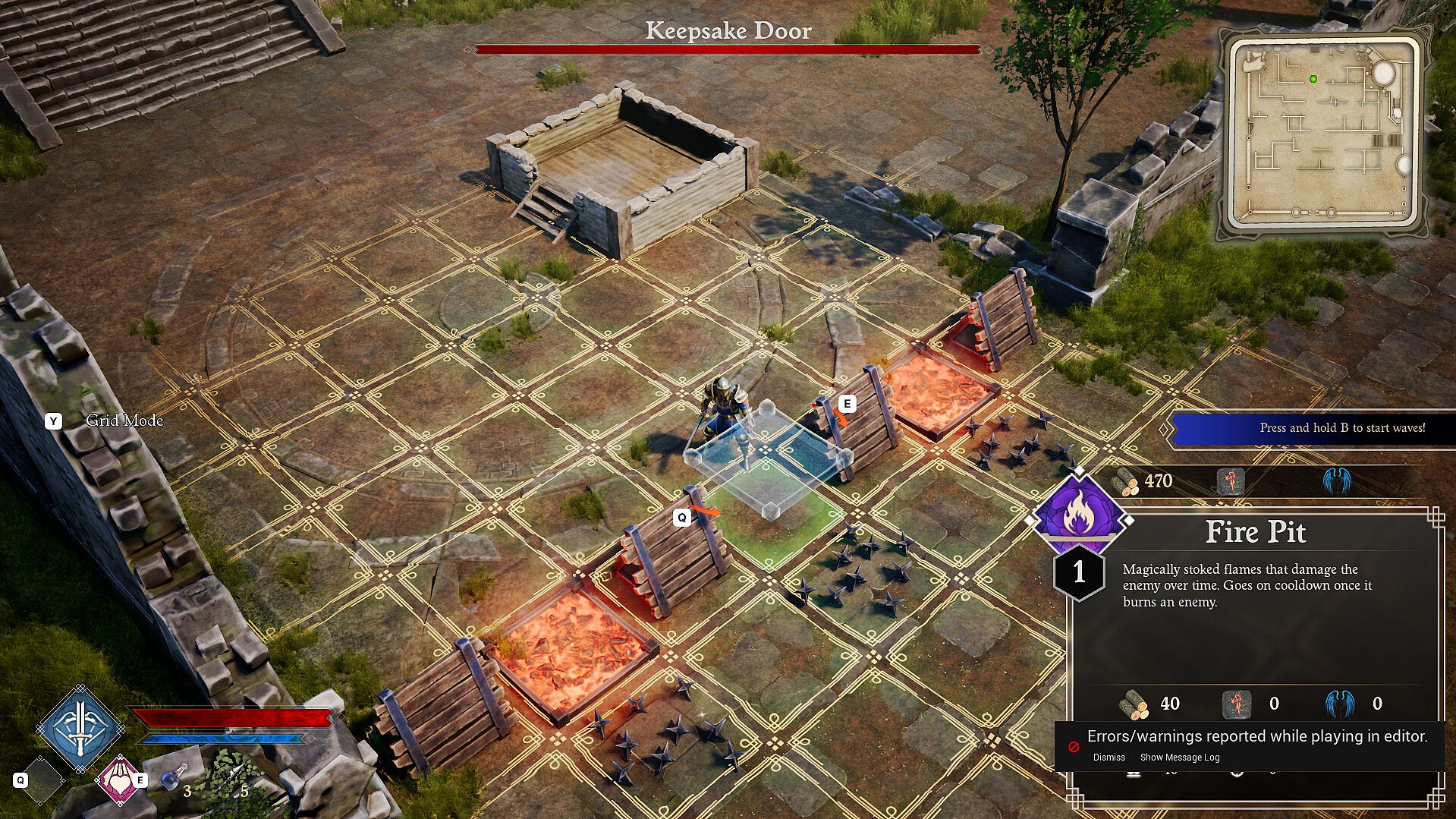
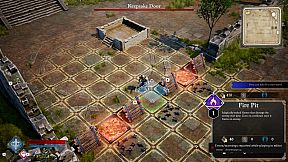
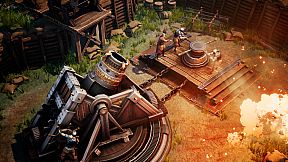
Base protection forms a core loop alongside personal combat. When Warlords send armies against the Paladin Order's Fort, players deploy traps, turrets, and barricades designed by order members. Positioning these elements and coordinating with recruited allies determines survival against larger assaults. The system rewards preparation from prior quests and careful resource allocation during waves.
Game Modes
Frontier Paladin operates as a single-player experience without separate multiplayer modes. The primary structure blends quest-driven progression with defensive encounters. Quests focus on exploration, relic collection, and Pantheon dedications that build character strength and order capabilities. These feed directly into fort defense sequences where players must hold positions against organized enemy forces.
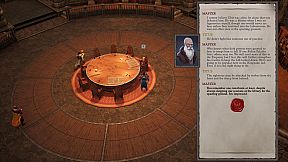
Recruitment and persuasion mechanics add variety within the single-player framework. Different allies bring distinct advantages that influence both quest outcomes and defense setups. The overall flow encourages repeated runs through the Crater to gather more relics and refine strategies for later defensive challenges.
Core Systems and Progression
Stamina management extends beyond combat into movement and ability use, creating a consistent layer of decision-making. Relics collected during quests offer powers that can shift combat from direct confrontation to more tactical approaches. Blessings from the Pantheon provide further customization, allowing players to lean into aggressive or resilient builds over time.
The order grows through recruitment, rescue, or persuasion of new members. These additions improve both offensive options on quests and defensive tools at the fort. Warlord challenges escalate in response to player progress, requiring stronger combinations of personal skills, relics, and prepared fortifications to overcome.
Is It Worth Playing?
Frontier Paladin suits players who enjoy isometric action RPGs that incorporate strategic defense elements. The stamina-driven combat and fortification mechanics create a loop where quest rewards directly impact survival during larger assaults. Those interested in building a small order of allies and experimenting with different specializations will find depth in the recruitment and blessing systems.
The game remains in active development with updates focused on quality-of-life improvements such as camera controls and map navigation. Availability on PC makes it accessible for those seeking a focused single-player title that mixes personal combat with base defense without requiring multiplayer coordination. Fans of deliberate pacing and preparation over fast reflexes will likely appreciate the fair yet challenging encounters described in the core design.