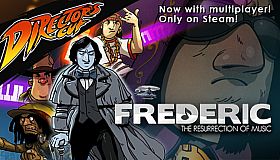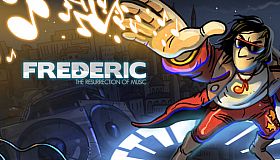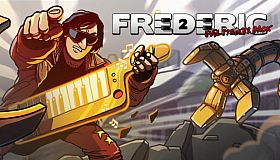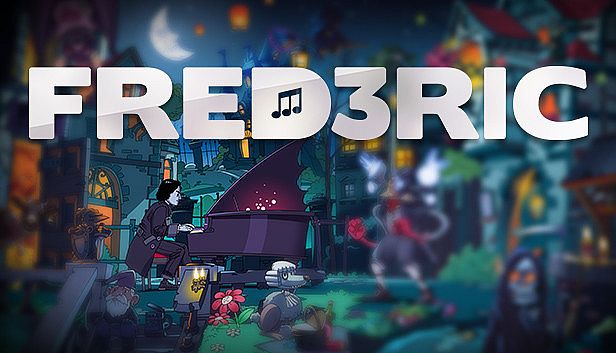


















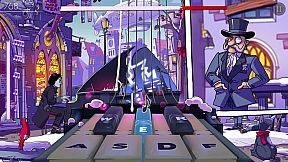
Fred3ric is a rhythm action game that combines elements of indie adventure and casual simulation on PC. Players take control of Frederic Chopin in a story driven experience where piano skills become the key to battling mechanical threats. The title continues a music focused series with reinterpreted classical pieces serving as the core of its gameplay loop.
Gameplay
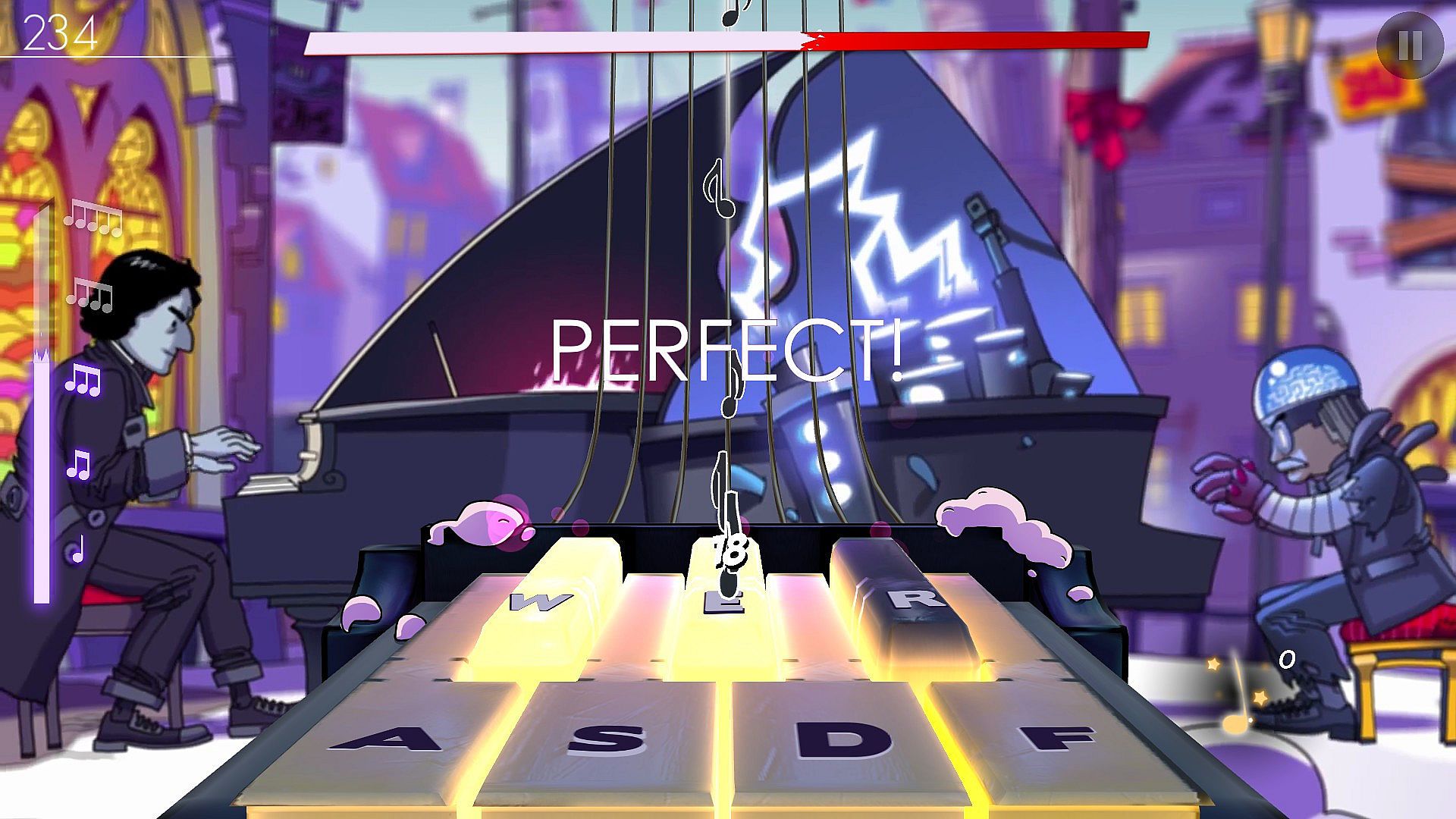
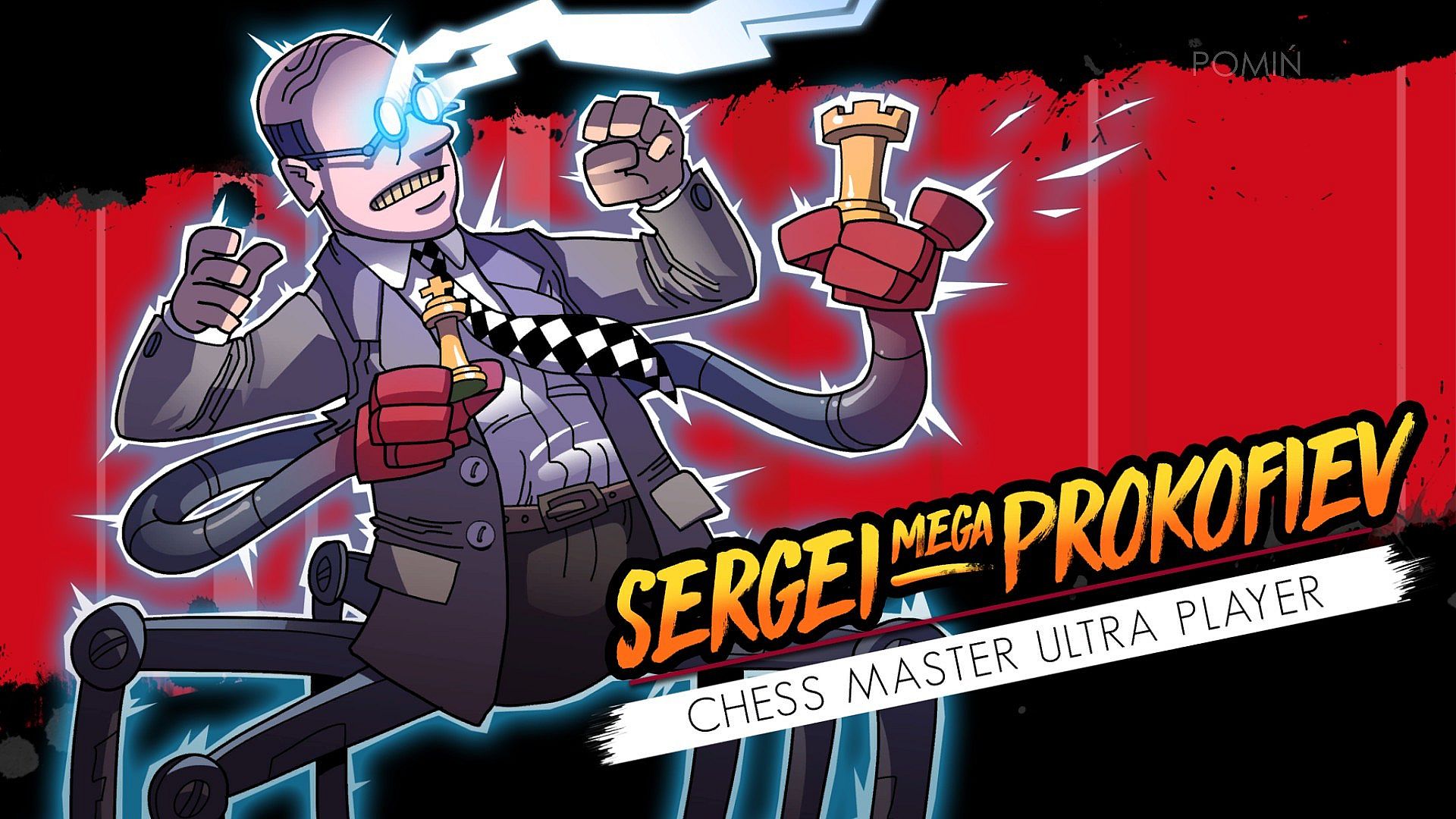
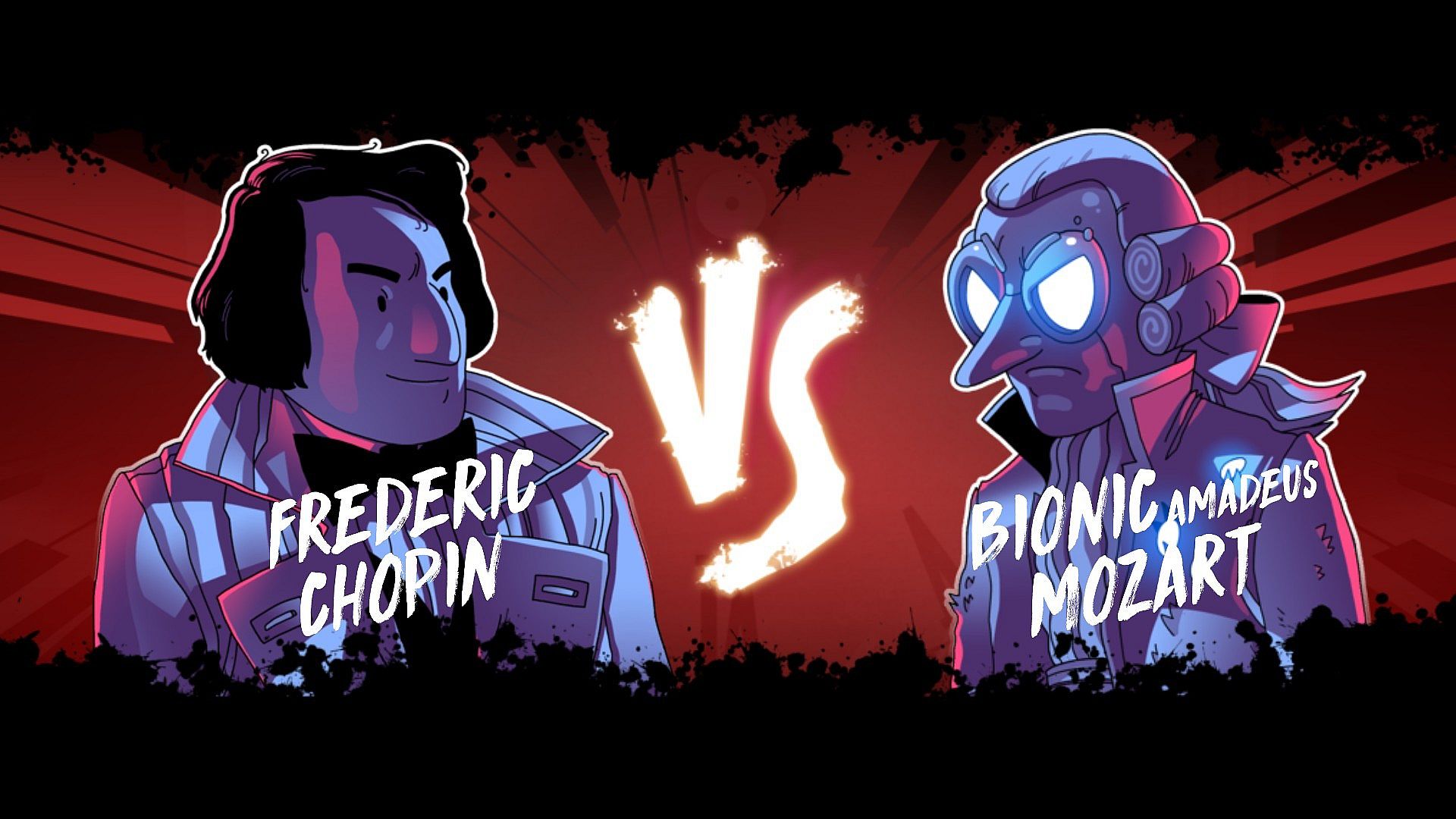
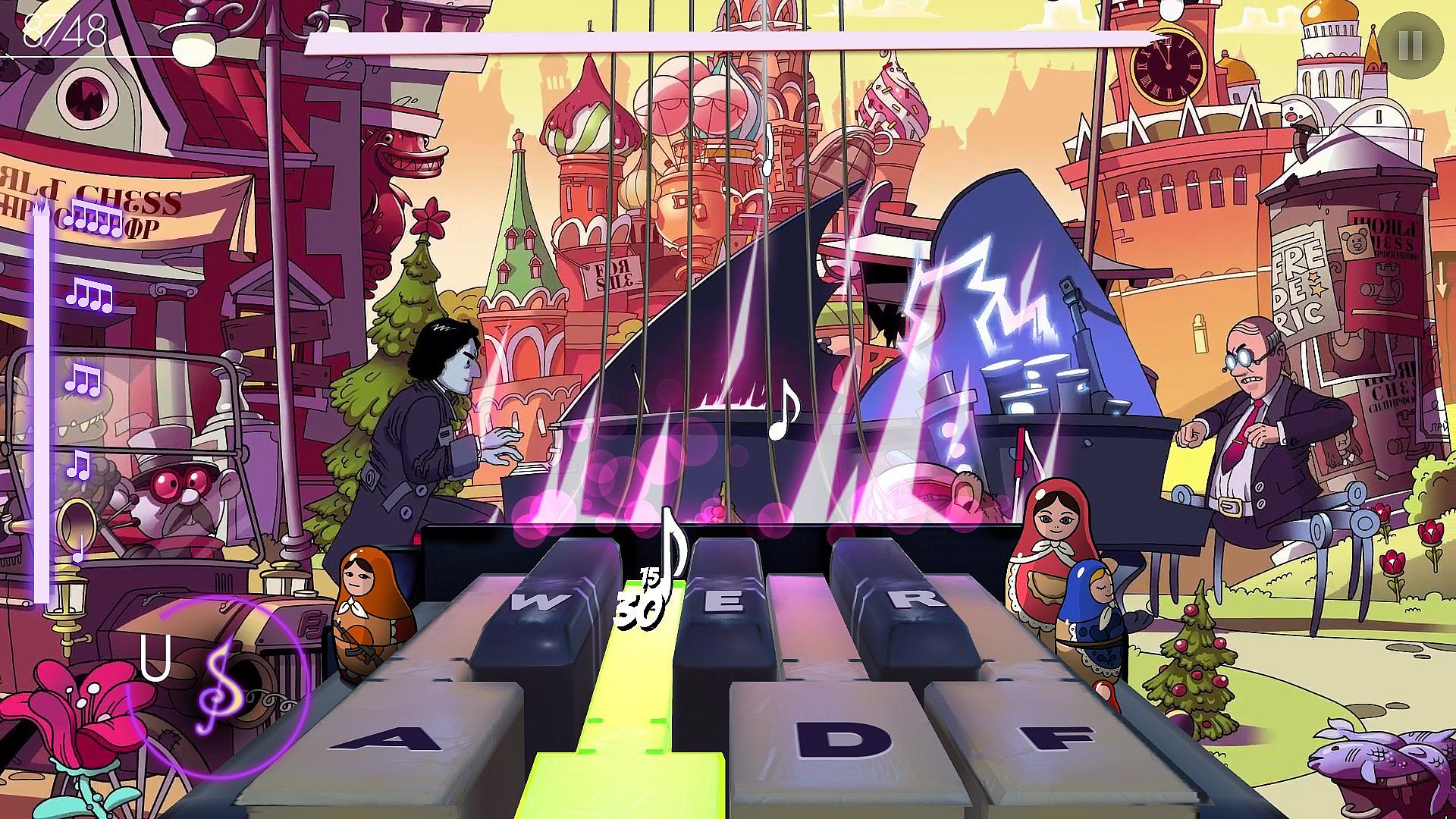
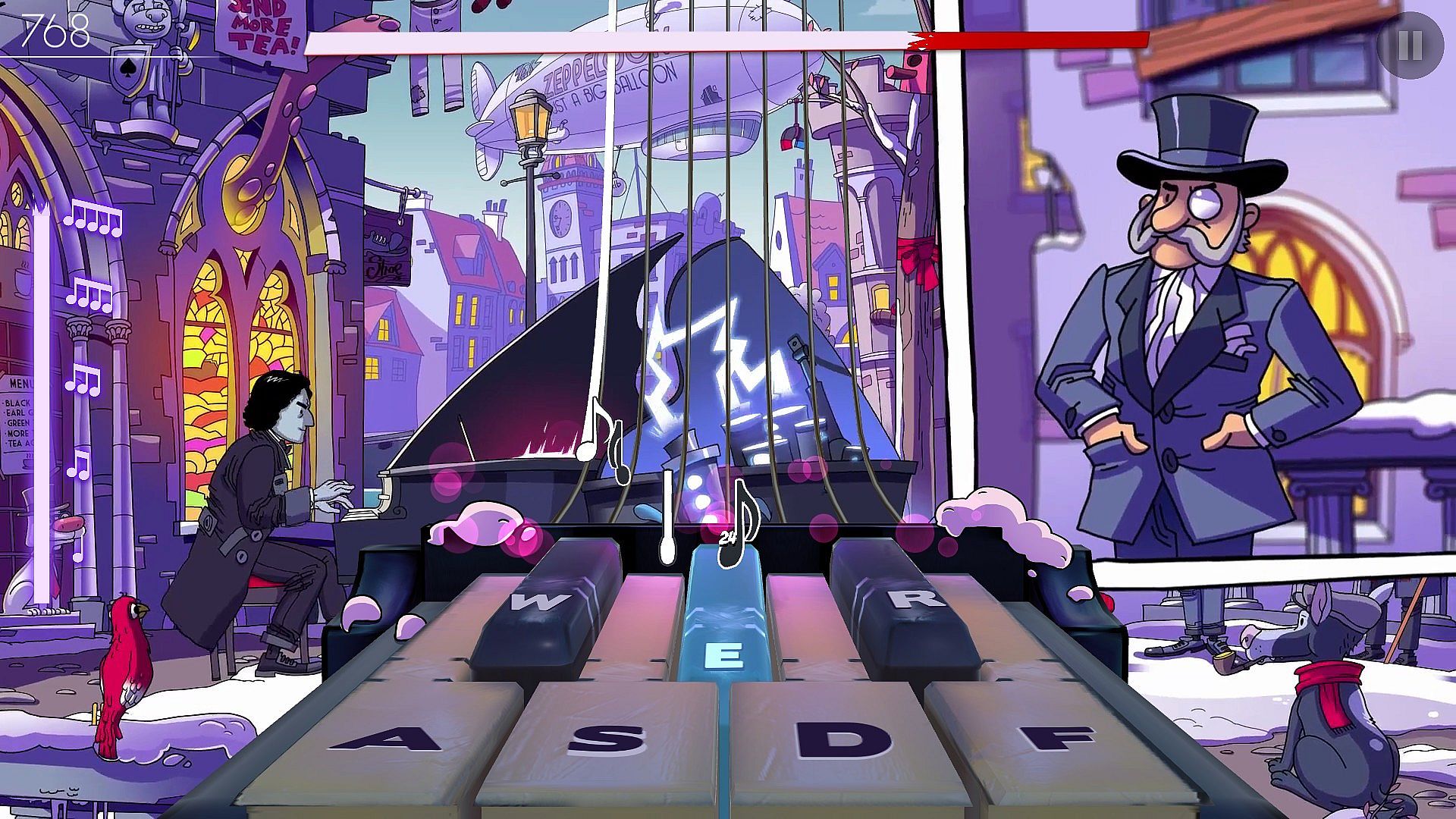
The core loop centers on timing button presses or key inputs to match the rhythm of classical music tracks. Each stage pits Frederic against steel bound versions of historical composers who have been infected by an antagonistic force. Success depends on accurate hits that build combos and clear waves of enemies while the soundtrack plays in the background. Difficulty settings scale the speed and complexity of note patterns to suit different skill levels. The presentation uses detailed 2D visuals that highlight the piano performances and the humorous tone of the narrative without overwhelming the screen.
Mechanics emphasize precision and musical familiarity rather than complex resource management or exploration. Players progress through encounters by maintaining rhythm accuracy, which directly influences combat outcomes and story advancement. The system rewards repeated play on the same tracks to improve scores and unlock variations in the music arrangements.
Game Modes
Fred3ric offers a single player campaign structured around eight distinct levels. Each level builds on the previous one with escalating challenges tied to specific classical compositions. The experience concludes with an extended final confrontation that incorporates multiple phases and heightened rhythmic demands. No separate multiplayer options or additional modes appear in the game structure, keeping the focus on the linear story progression and personal skill improvement.
Within the campaign players can select from adjusted difficulty tiers before starting any level. This allows for a tailored approach where beginners handle slower note streams while advanced users face faster sequences and stricter timing windows. The mode selection remains straightforward with the campaign serving as the primary way to experience the full narrative and musical content.
Story and Presentation
The narrative follows Frederic after an earlier victory as a new threat emerges in the form of Zeitgeist, a cybernetic entity intent on disrupting time and stripping away personal connections. This leads to confrontations with possessed composers from history, each encounter framed with light humor that contrasts the mechanical invasion theme. The story unfolds across the eight levels without branching paths or multiple endings.
Visuals maintain a consistent 2D style rich in small details that bring the piano battles and character designs to life. Music forms the centerpiece with arrangements drawn from well known classical works that players recognize and perform through the rhythm system. The combination creates a focused package where audio and visuals support the central piano combat without additional layers of simulation or open world elements.
Is It Worth Playing?
Player reception on the platform stands at mixed with 64 percent positive from a modest number of reviews. The game suits those seeking a short rhythm experience centered on classical music reinterpretations and straightforward timing challenges. Its campaign length fits casual sessions rather than extended play, and the difficulty options make it accessible for newcomers to the genre.
Those who enjoy music rhythm titles with a narrative twist and historical composer references will find the verified features align with their interests. The absence of ongoing updates or seasonal content means the package remains as released in 2020, delivering a complete but contained single player adventure. Potential buyers should consider their tolerance for precision based gameplay and preference for shorter campaigns when deciding on purchase.