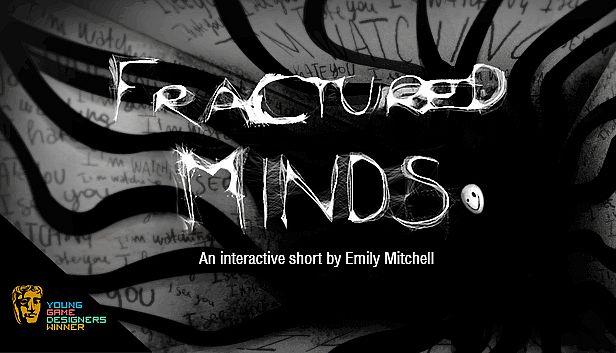















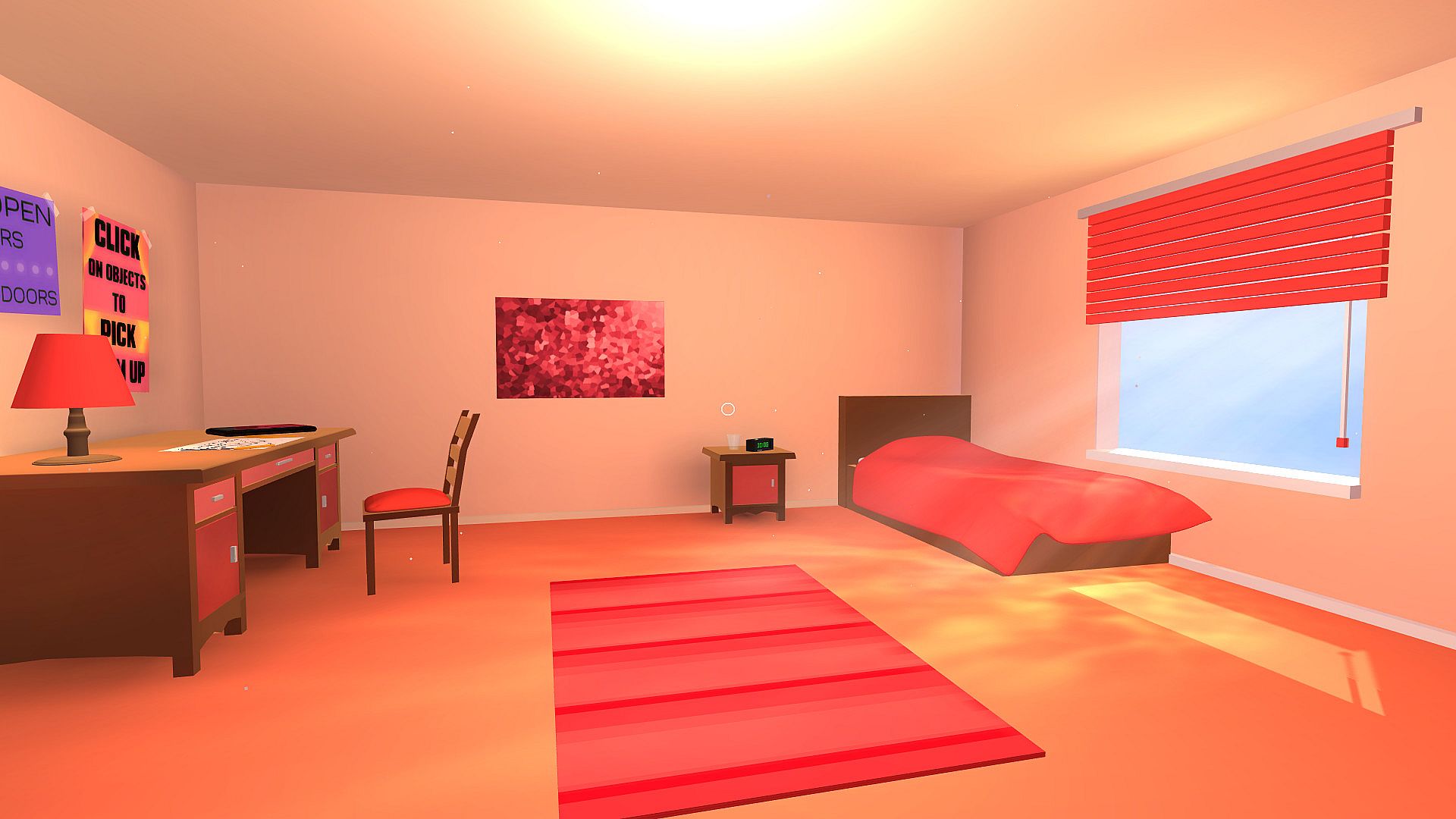
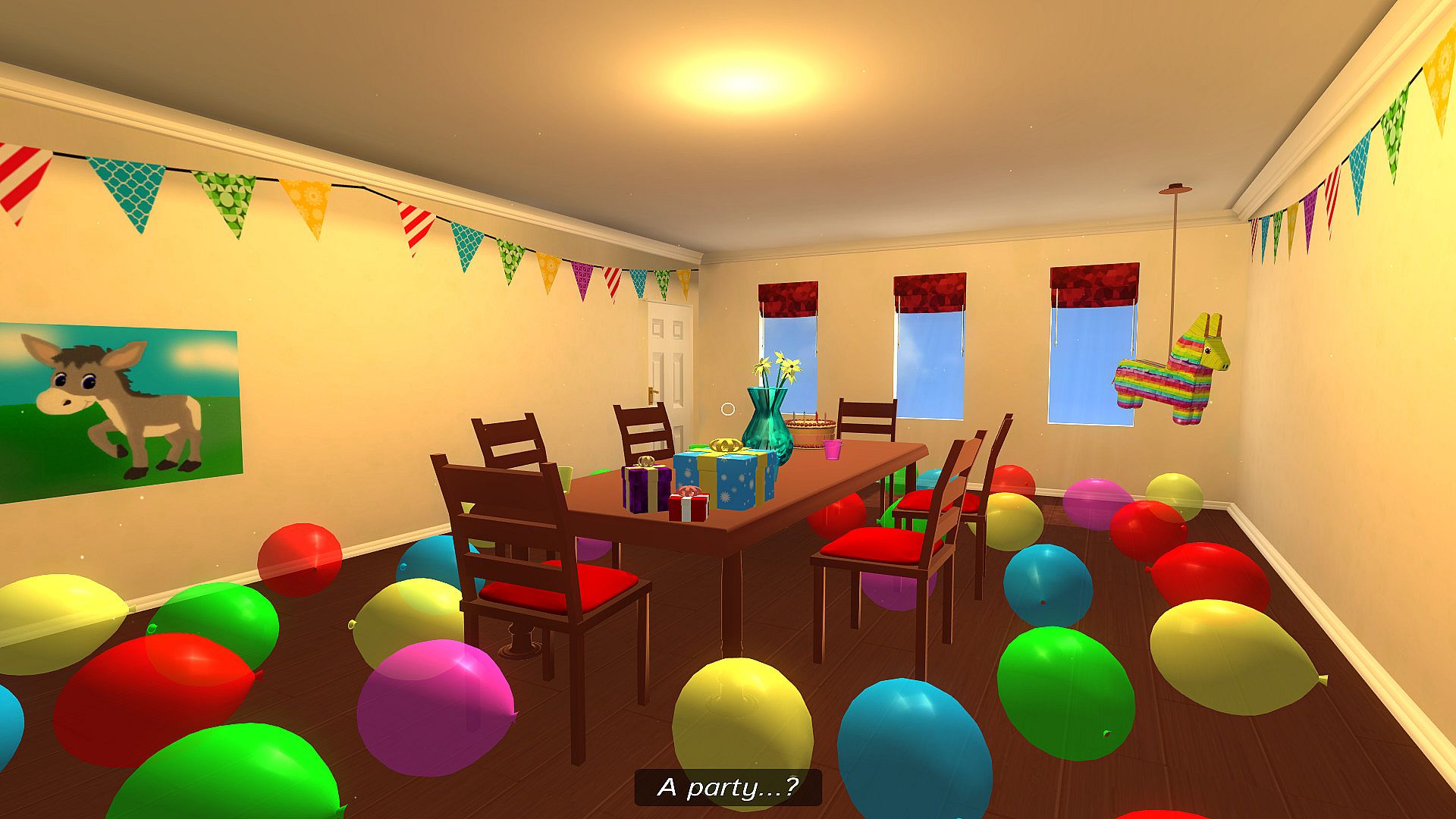
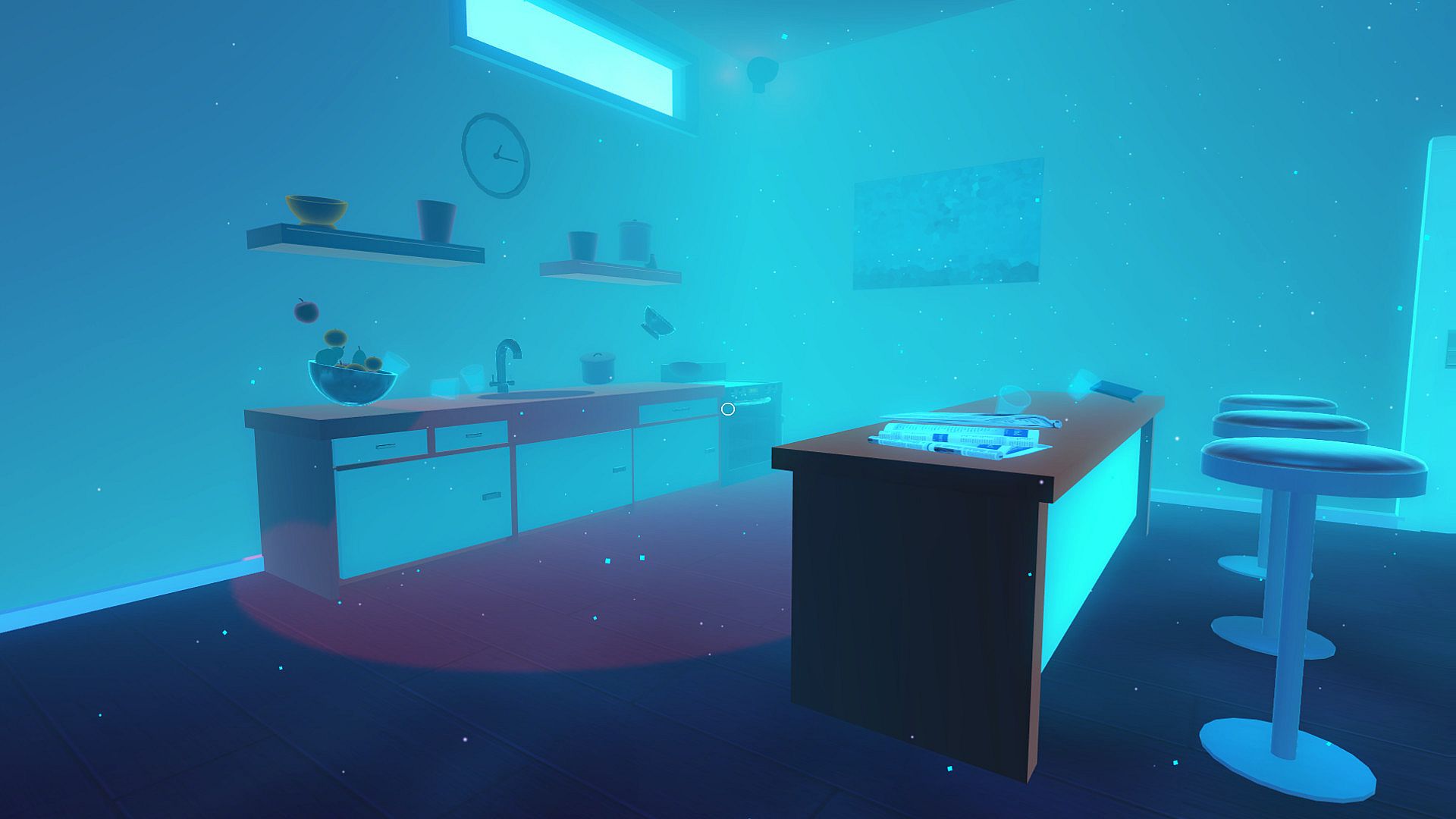
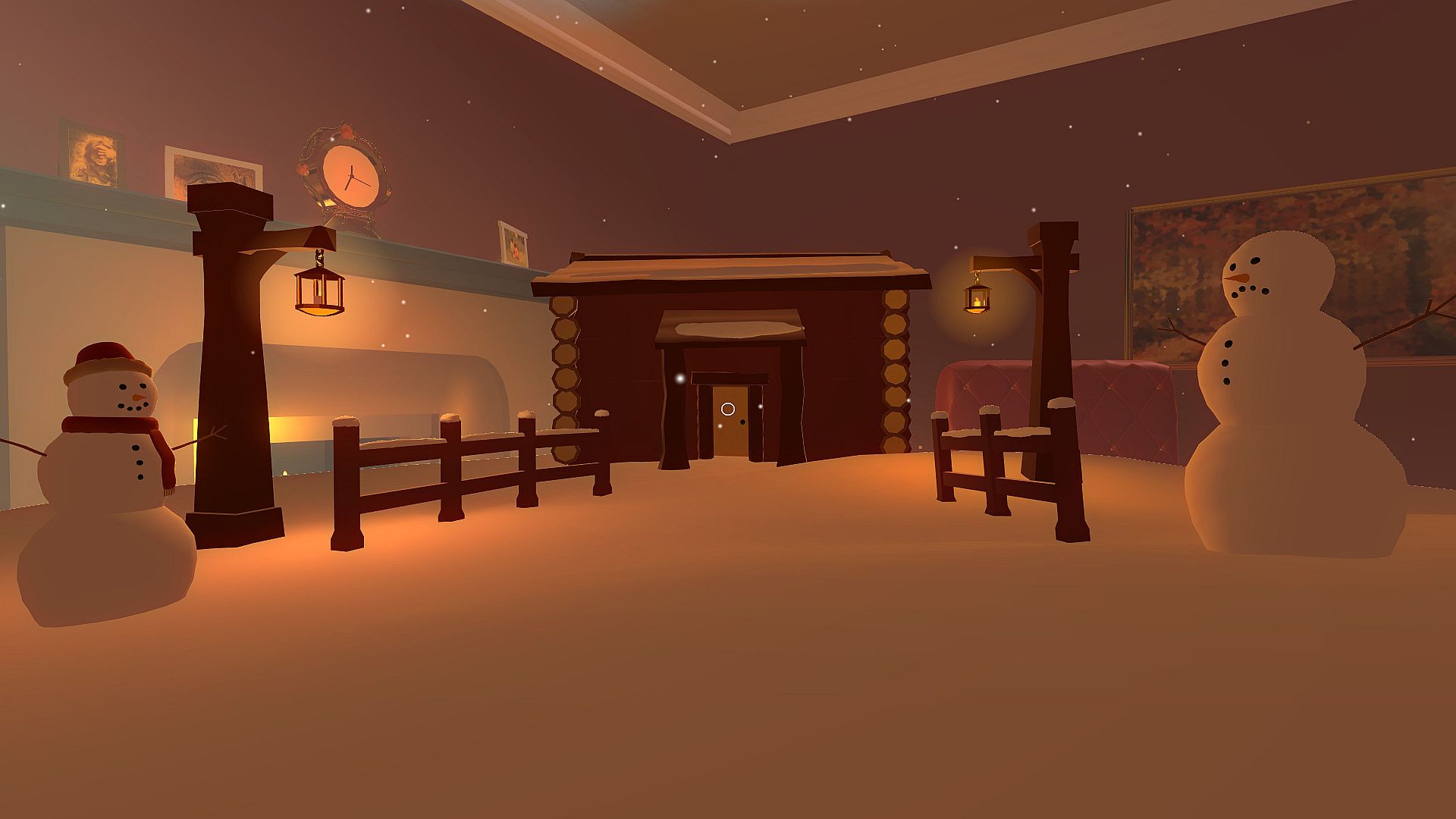
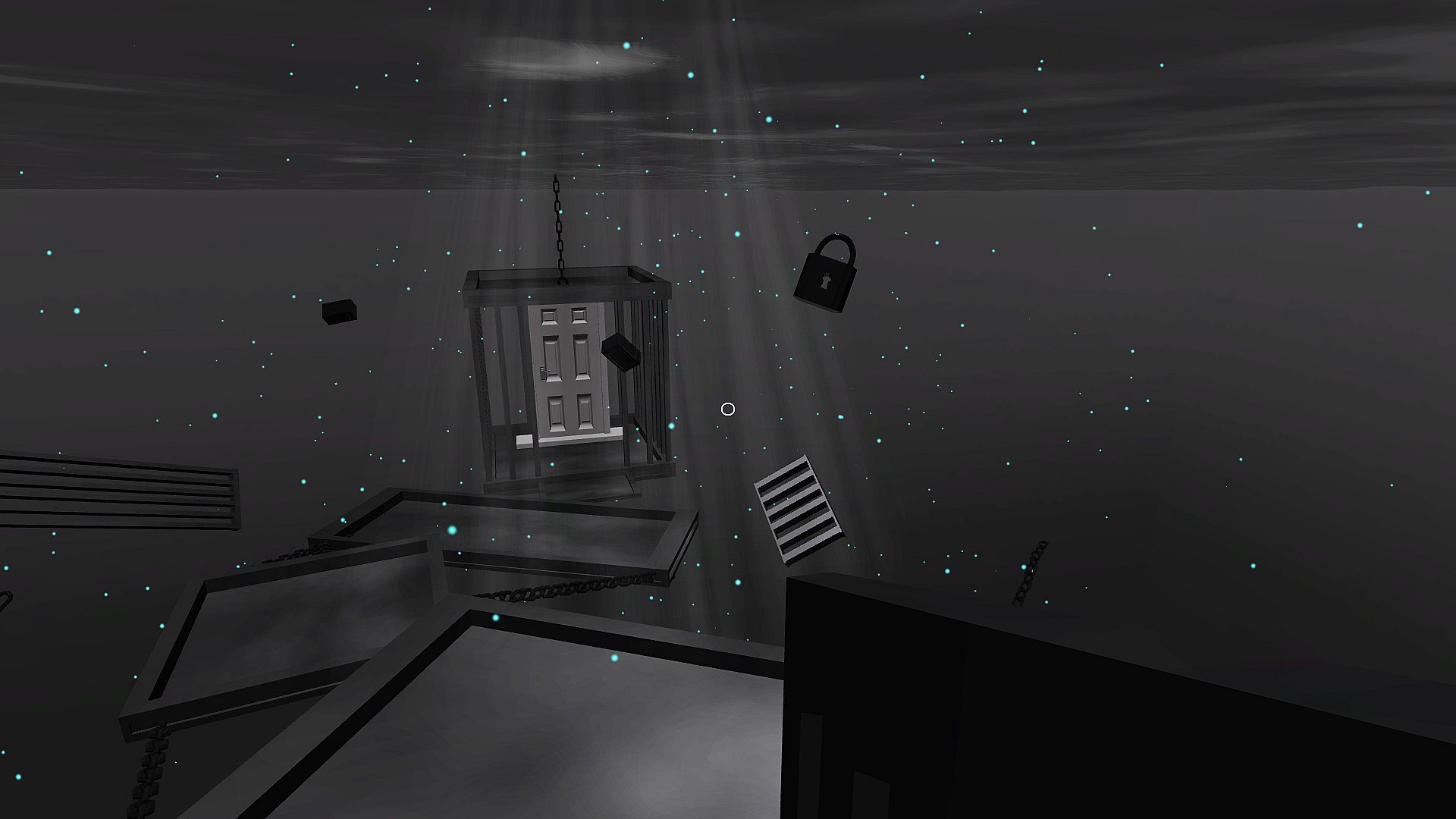
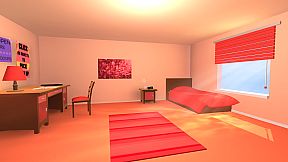
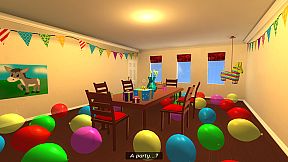
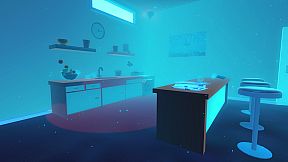
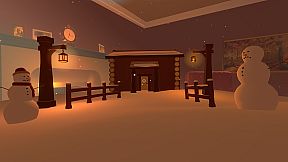
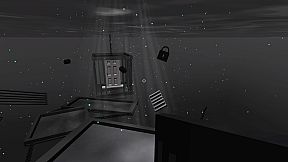
Fractured Minds stands as a distinctive indie puzzle game developed for PC that presents players with a focused exploration of anxiety and mental health challenges. Created by Emily Mitchell at age 17, the title earned the BAFTA Young Game Designers Award in the 15-18 category. It unfolds across six atmospheric chapters, each representing distinct aspects of mental health experiences such as isolation, emptiness, depression, and paranoia. Everyday settings become altered in ways that reflect internal struggles, encouraging interaction with objects and spaces to progress through puzzles.
Gameplay
The core loop centers on first-person navigation through compact, symbolic environments where players examine surroundings and manipulate elements to resolve obstacles. Each chapter functions as a self-contained space that distorts familiar scenarios, requiring observation and logical steps to advance. Puzzles draw directly from real-life mental health hurdles, emphasizing subtle environmental changes rather than complex controls or combat systems. A supportive soundtrack, featuring tracks like Silence by Kai Engel, accompanies the sessions and reinforces the introspective tone without overpowering the visual and interactive elements.
Progression remains linear yet deliberate, with achievements available for those who complete specific interactions across the six levels. The experience avoids lengthy tutorials, instead relying on intuitive discovery to mirror the themes of navigating uncertainty. System requirements stay modest, supporting a broad range of PCs with basic graphics capabilities.
Game Modes
Fractured Minds operates exclusively as a single-player experience with no multiplayer options or additional modes. The structure consists of the main narrative journey divided into the six chapters, allowing players to move sequentially through the symbolic representations of mental health challenges. There are no separate difficulty settings, competitive elements, or post-completion content beyond the core sequence and its nine Steam achievements. This focused format suits sessions of shorter duration, typically completed in one or two sittings depending on individual pacing with the puzzles.
Themes and Narrative
The narrative draws from the developer's personal encounters with anxiety, presenting an honest portrayal that includes moments of discomfort to highlight the realities of living with mental illness. Chapters symbolize specific challenges, transforming ordinary rooms and situations into representations of isolation or distorted perceptions. The approach prioritizes empathy and discussion over entertainment, using artistic visuals and sound design to convey feelings of being trapped or overwhelmed. Support for mental health awareness extends through proceeds benefiting related initiatives, aligning the game's release with broader conversations in the gaming community.
Is It Worth Playing?
Player reception on Steam registers as Very Positive based on hundreds of reviews, reflecting appreciation for its concise yet impactful delivery of sensitive topics. The game appeals particularly to individuals seeking narrative-driven puzzle experiences centered on mental health awareness rather than action or extended campaigns. Its short length makes it accessible for those interested in a one-time reflective playthrough, while the BAFTA recognition underscores its value in educational and empathetic contexts. Availability remains steady on PC since its 2019 release, with no major updates altering the original structure. Those drawn to artistic indie titles that prioritize message and atmosphere over traditional gameplay loops will find it a worthwhile, thought-provoking option.