






For My Kingdom is a strategy RPG adventure game on PC in which players rule a medieval realm and guide a dynasty across multiple generations. The core experience centers on managing a kingdom through constant pressures from advisors, neighbors, and internal needs while expanding territory and population to create the largest empire of the Middle Ages.
Gameplay
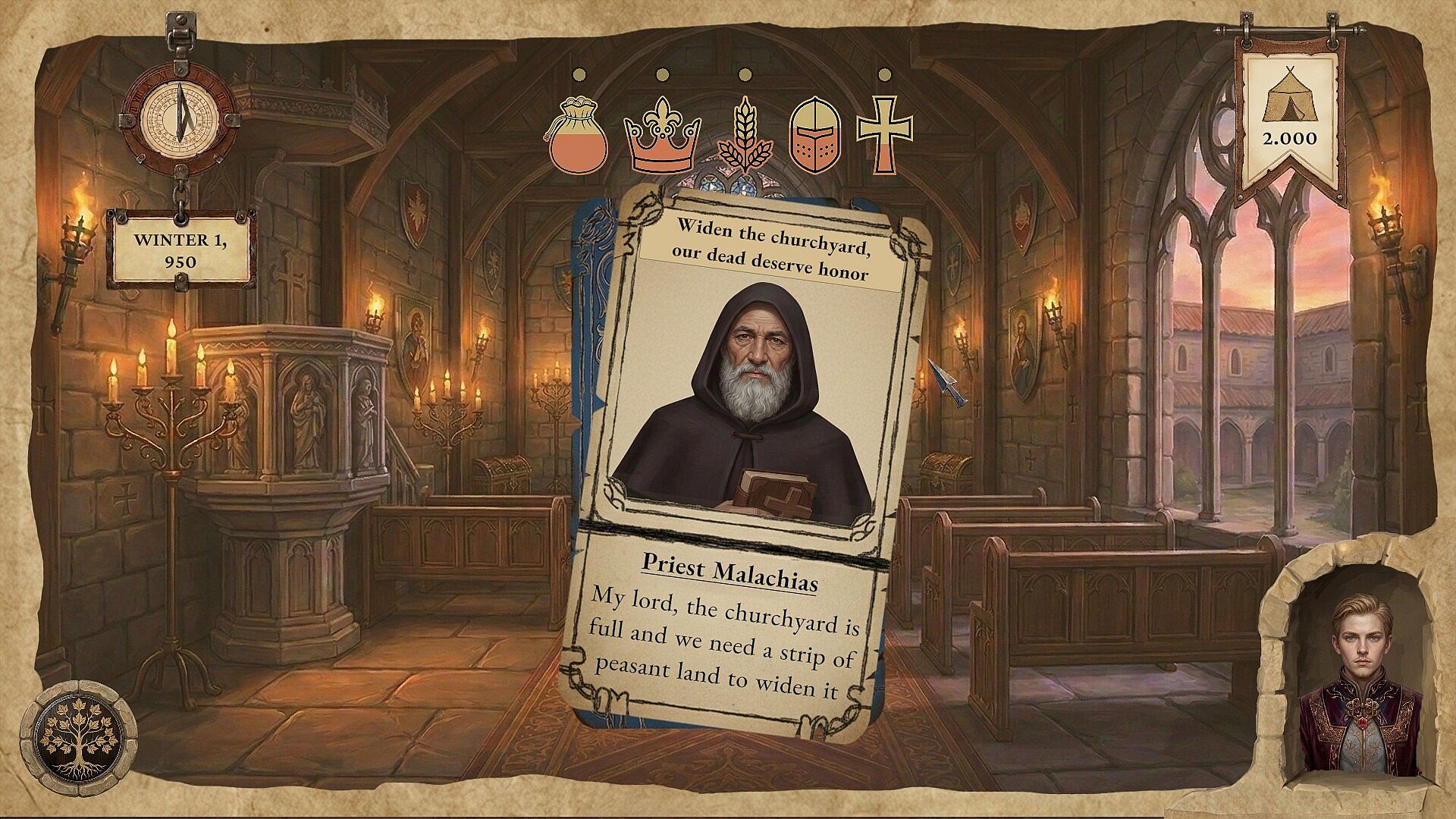
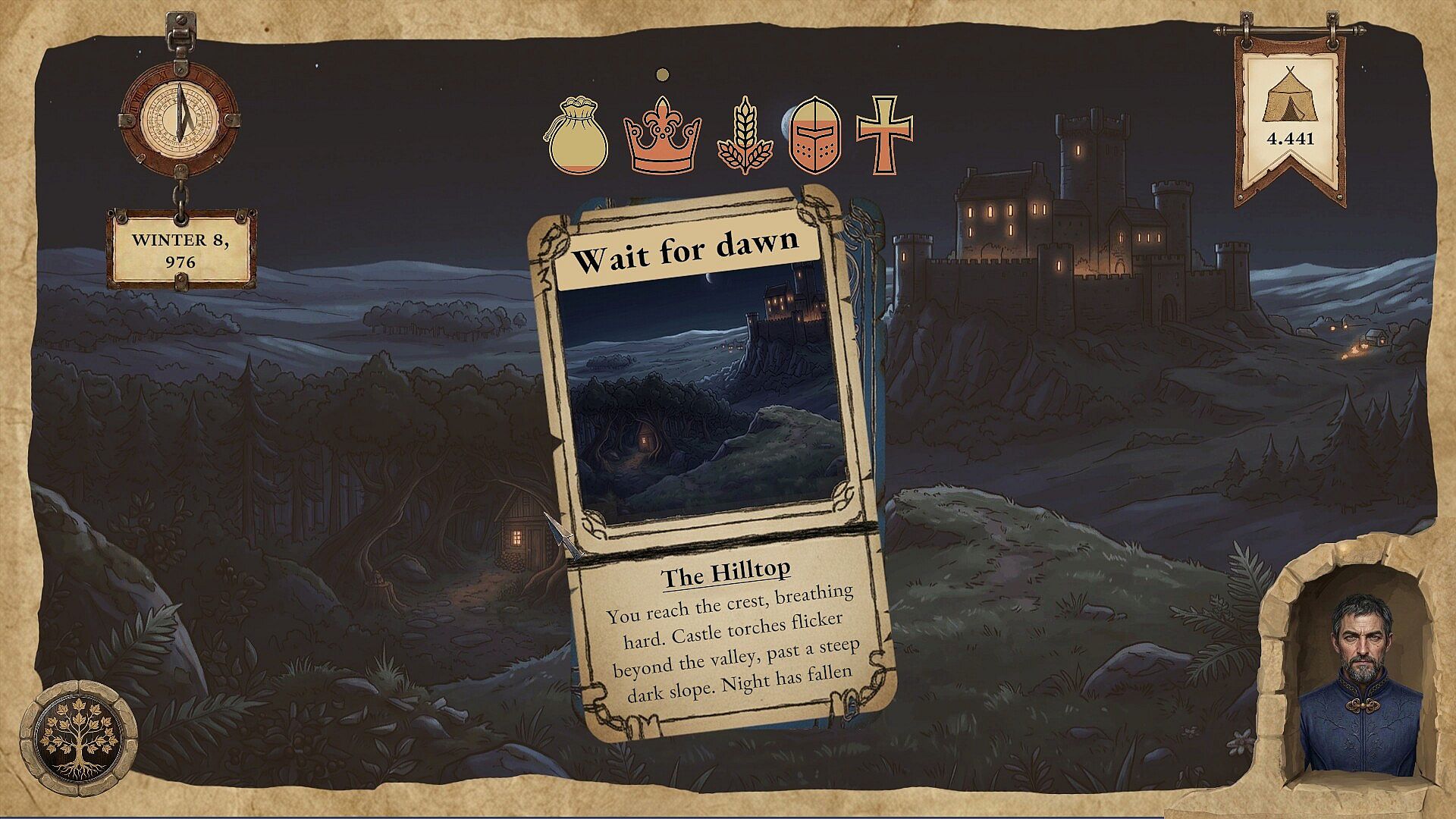
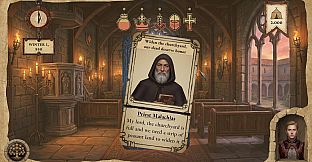
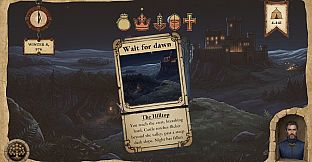
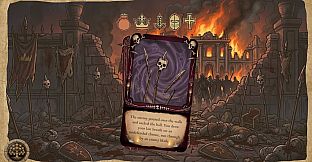
Players oversee five critical areas that must remain balanced at all times: treasury, authority, granary, army, and church. Each decision affects these bars, and allowing any one to reach zero ends the current reign. Choices arrive through more than 350 decision cards involving over 40 distinct characters, each presenting a dilemma without simple solutions. Favoring the church by banning wine sales might strengthen religious standing but reduce income, while selling grain boosts the treasury yet risks starvation among the people.
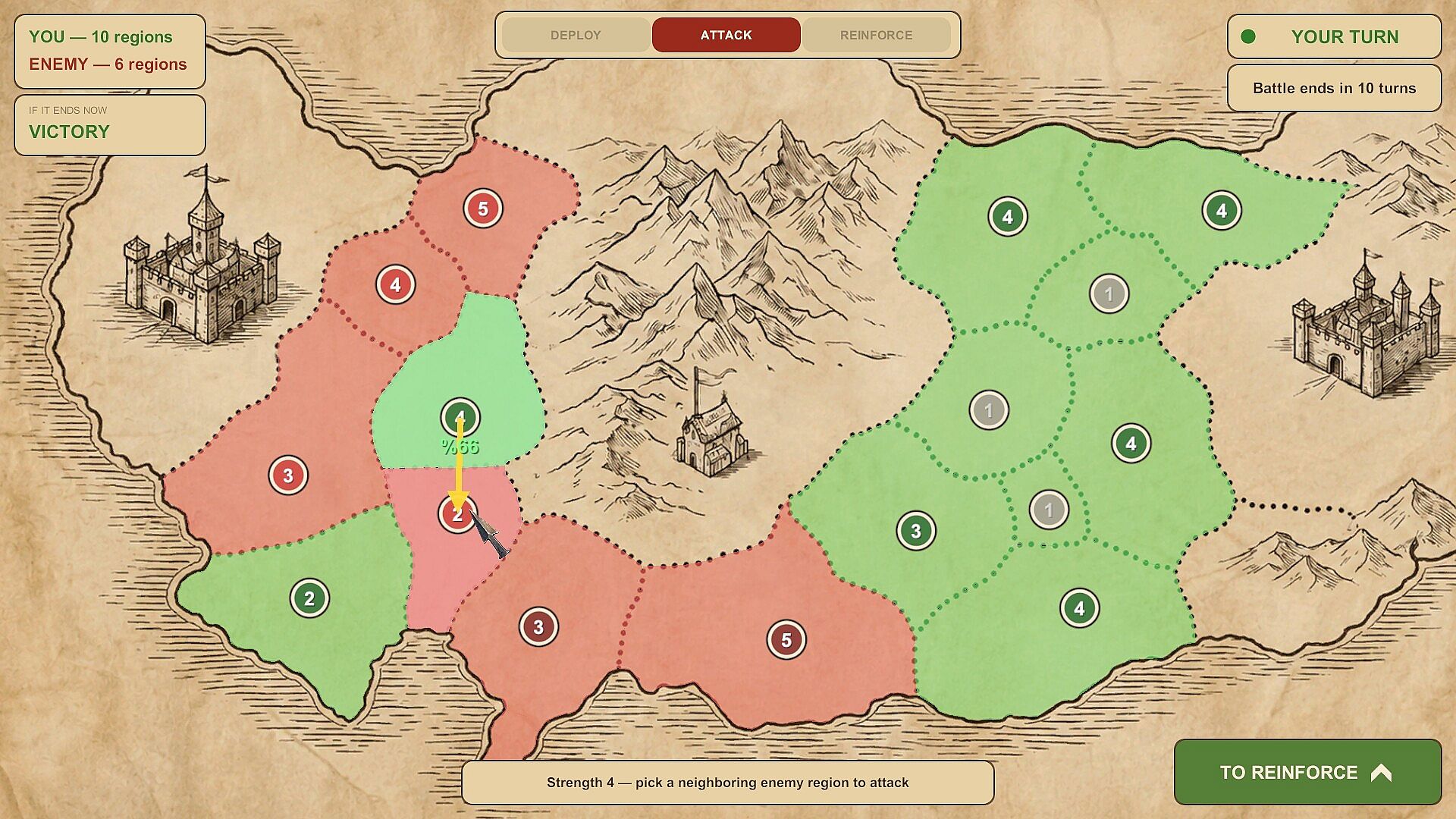
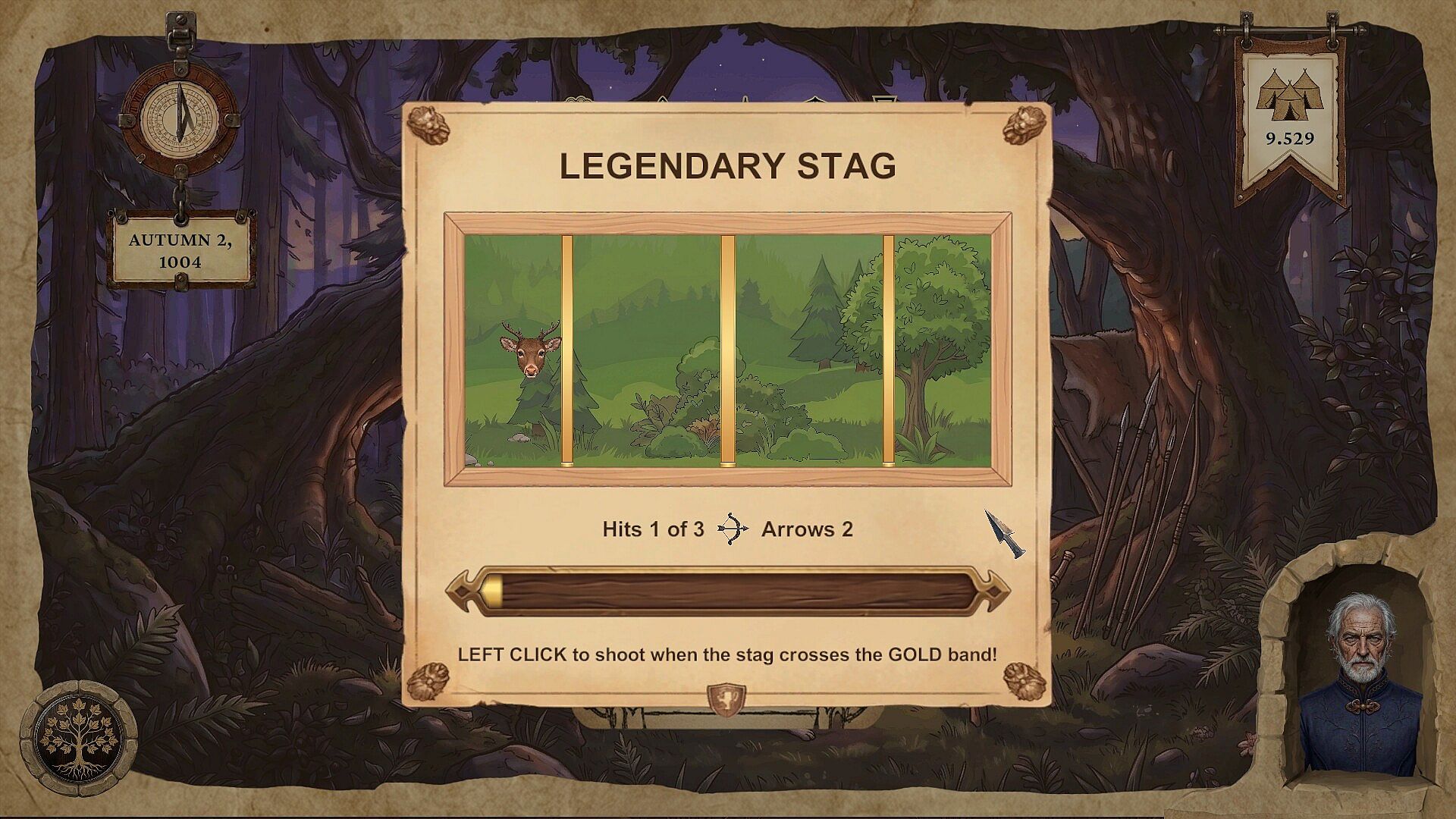
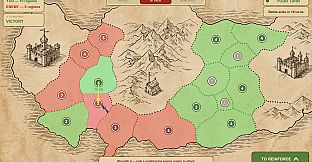
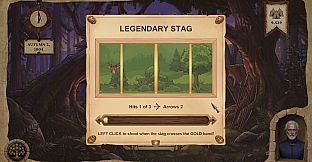
War adds another layer when borders come under threat. Players gather troops, select regions to defend or reclaim, and dispatch reinforcements to repel invaders or expand holdings. Court life includes minigames such as feasts, hunts, and arm wrestling contests where personal strength can settle disputes when words alone fall short. These elements keep the kingdom stable while the ruler ages, falls ill, or faces assassination.
The dynasty system ensures continuity. A king or queen eventually passes away, and the player selects an heir, names children, and builds a family tree. Each new reign introduces fresh cards, crises, and opportunities. Permanent upgrades purchased with resources earned in one generation carry forward to strengthen subsequent rulers, creating long-term progression across the family line.
Game Modes
The game operates as a single-player experience focused on generational kingdom management. The primary loop involves responding to events through card-based decisions while monitoring the five resource bars. War phases interrupt regular play when external threats arise, requiring direct command of military actions to secure or expand borders.
Court minigames provide occasional breaks from high-level strategy, testing personal skills in arm wrestling or other activities during feasts and hunts. The generational structure functions as an ongoing campaign where each reign builds on the previous one through upgrades and family choices, leading to varied outcomes based on accumulated decisions.
Kingdom Management Systems
Resource balancing forms the heart of every session. Treasury grows through taxes or sales but drains with forgiveness or military spending. Authority rises with popular choices yet drops when harsh measures are taken. Granary levels depend on farming decisions, army strength requires ongoing recruitment and supply, and church influence shifts with religious policies. Maintaining all five simultaneously demands careful prioritization across hundreds of unique scenarios.
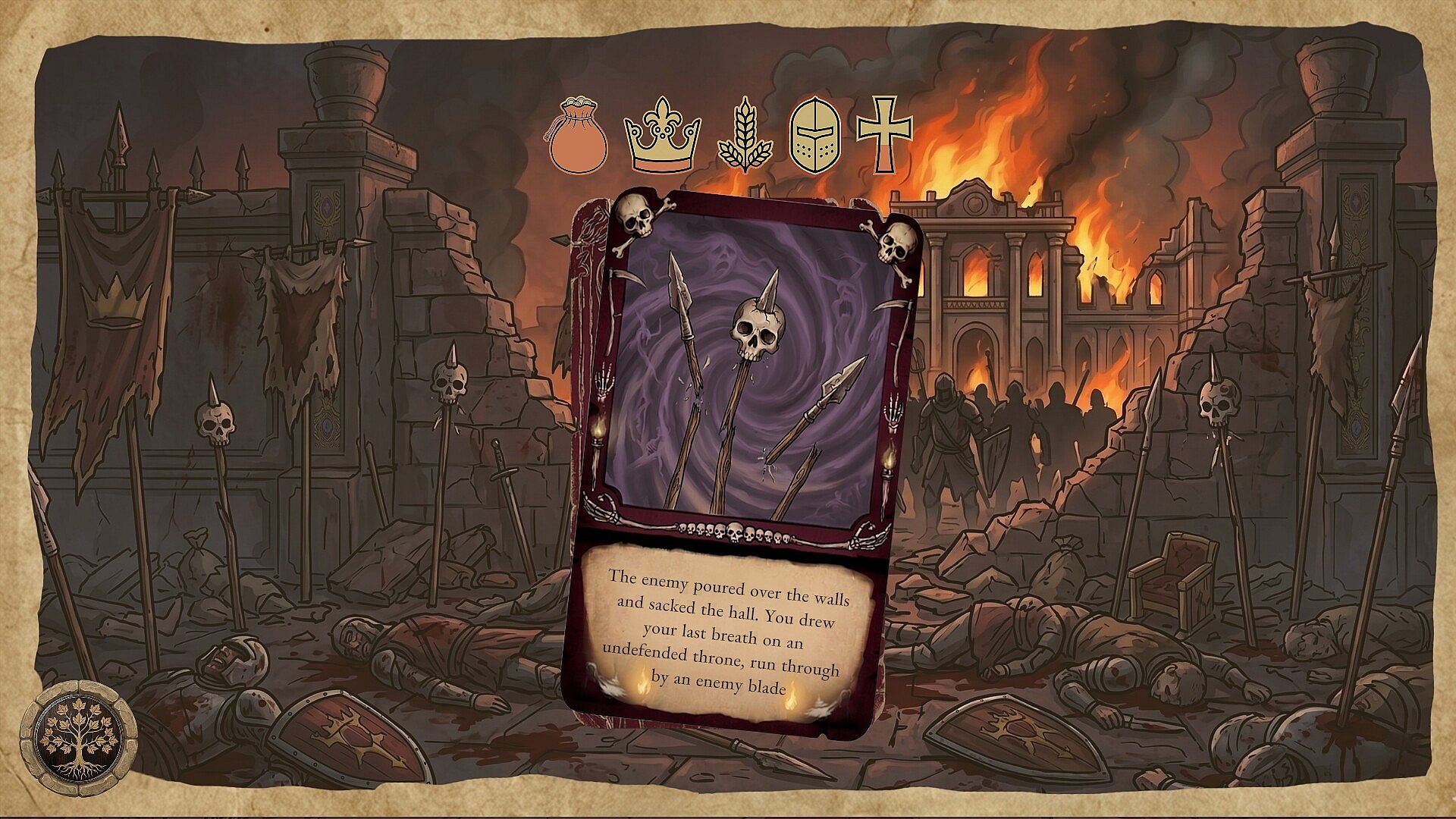
Expansion goals tie directly into population growth and territorial control. Successful defense and conquest increase the realm's size and citizen count, moving the dynasty closer to becoming the dominant medieval power. Failures in any bar trigger an immediate end to the current ruler's story, though the dynasty continues with the chosen successor.
Is It Worth Playing?
For My Kingdom suits players who enjoy detailed resource management combined with narrative choices and long-term generational progression. The card-driven decisions create repeated tension as every option carries trade-offs across the five bars, while the dynasty mechanics encourage multiple playthroughs to explore different heirs and upgrade paths. Court minigames and personal combat elements add variety to the strategic focus.
Those seeking a pure medieval strategy experience with RPG elements of family legacy and adventure through crises will find the systems rewarding. The emphasis on balancing competing demands without easy answers rewards thoughtful planning over many reigns. Availability on PC makes it accessible for extended sessions where players can develop their empire across generations.











