






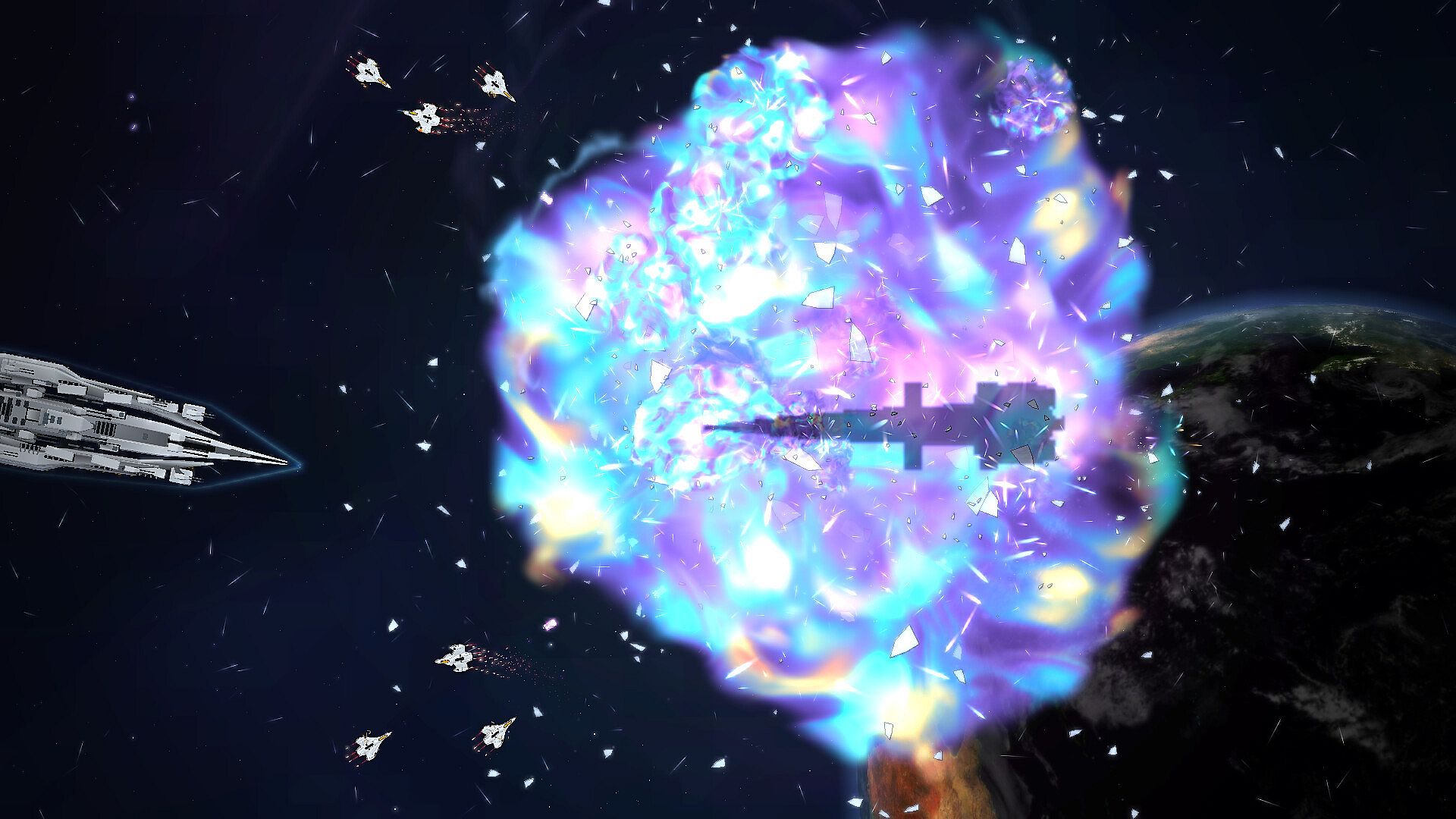
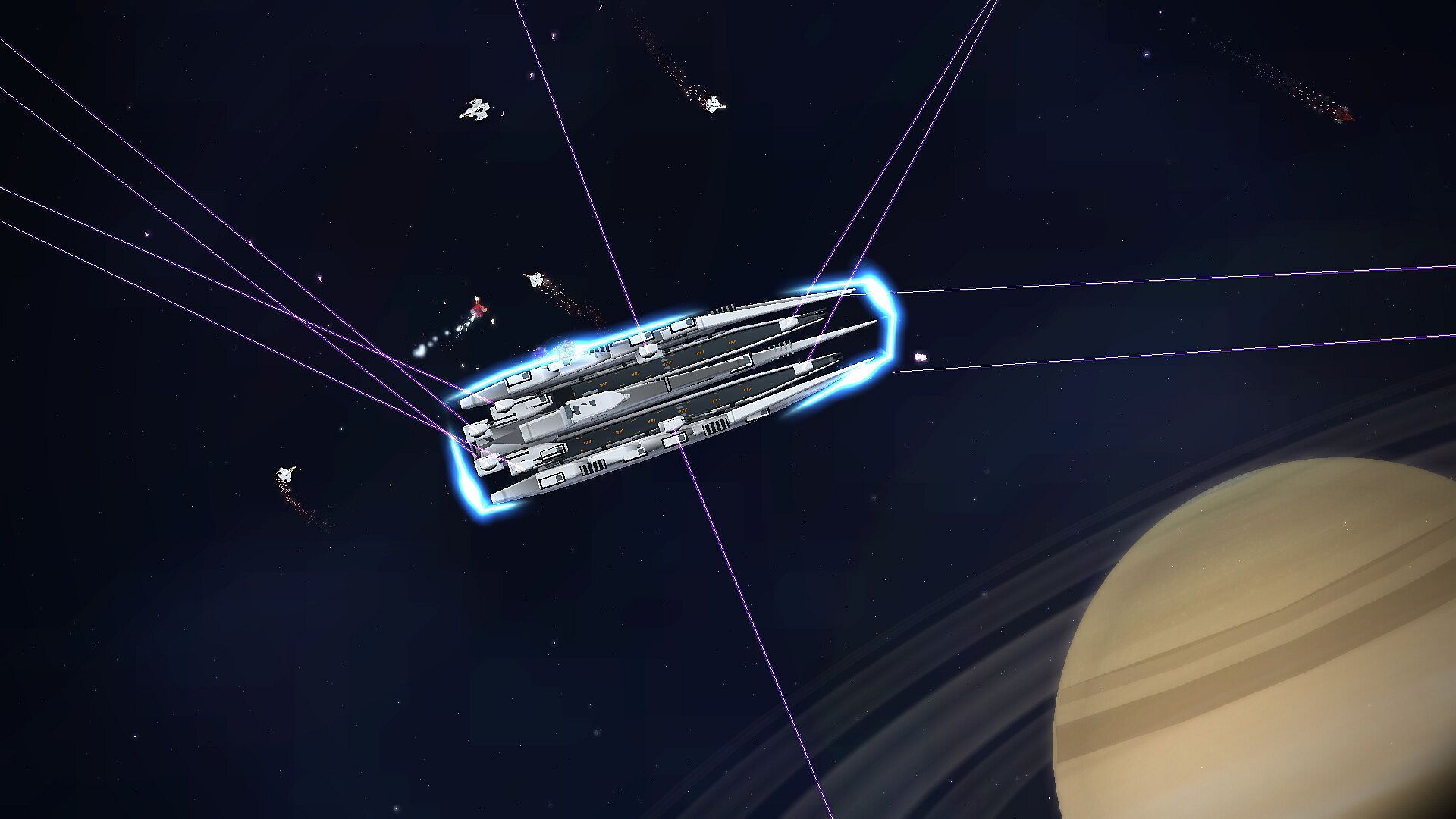

Fleets of Calder is a single-player space combat strategy game for PC in which players construct custom battles before taking direct control of ships within them. The title places emphasis on fleet design and real-time command decisions across opposing forces of Astronauts and Cosmonauts contesting the 1,600 worlds of the Calder cluster.
Gameplay
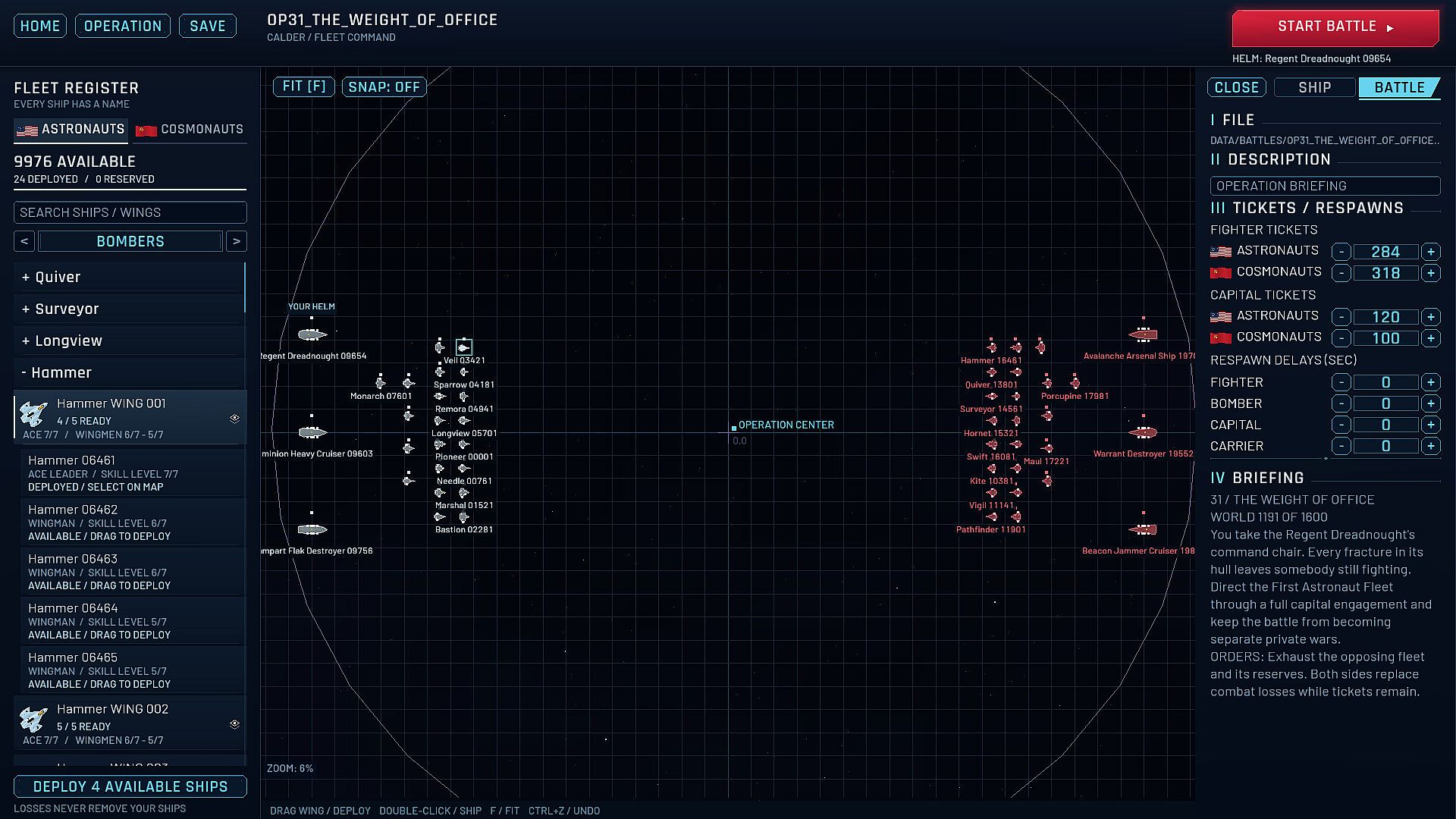
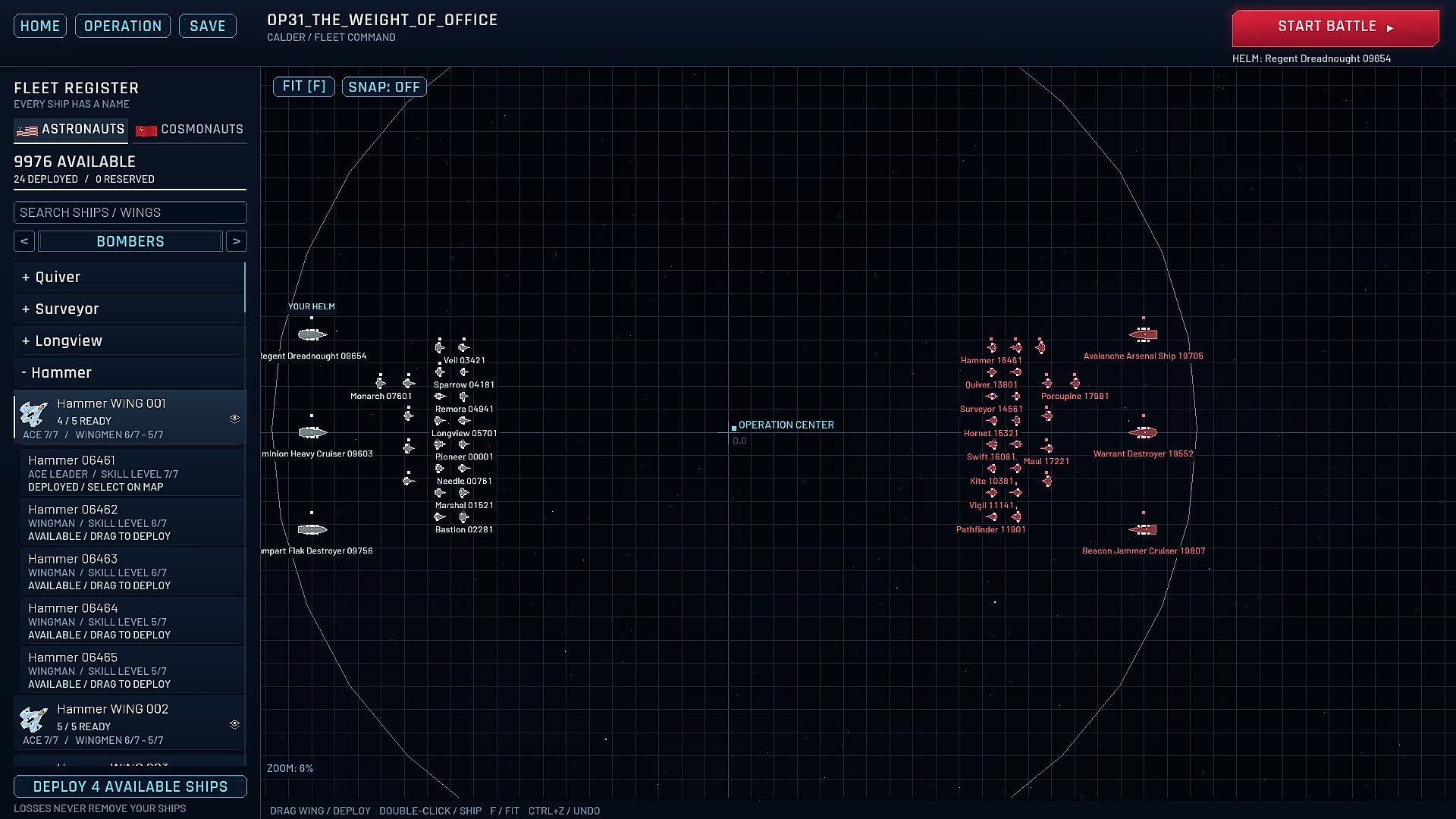
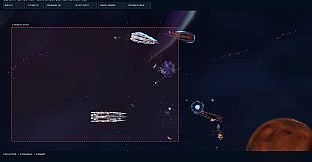
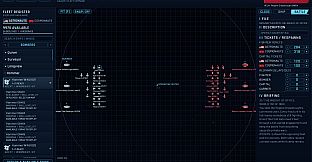
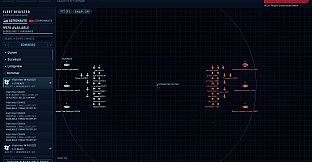
Core play centers on a builder phase followed by combat execution. Players drag complete fighter wings, bomber formations, capital ships, and carriers onto a battle map, then adjust formations, positions, patrol routes, starting damage levels, and replacement reserves. Once the deployment is set, a ship is selected to pilot from either faction before launching into the fight.
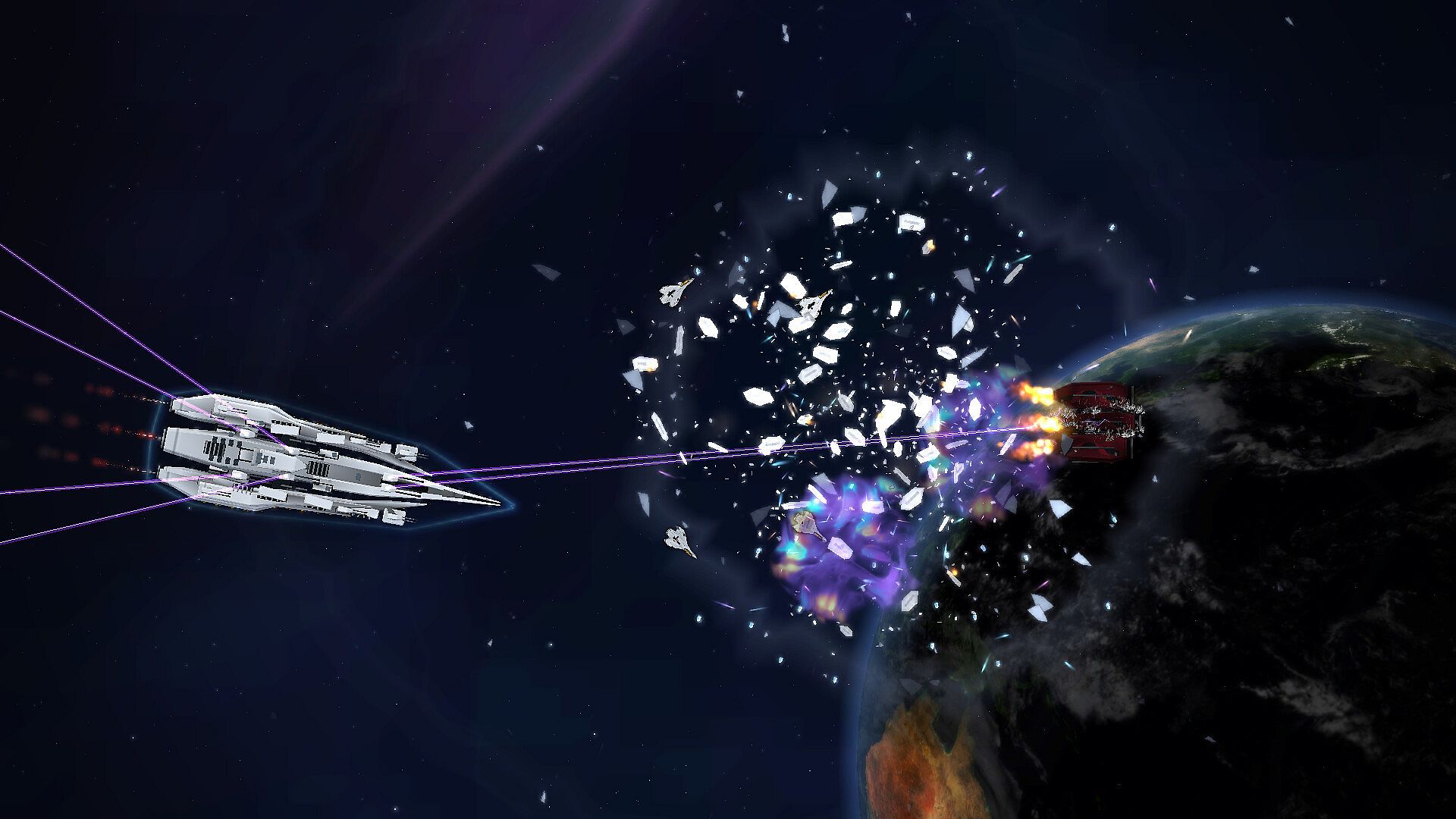
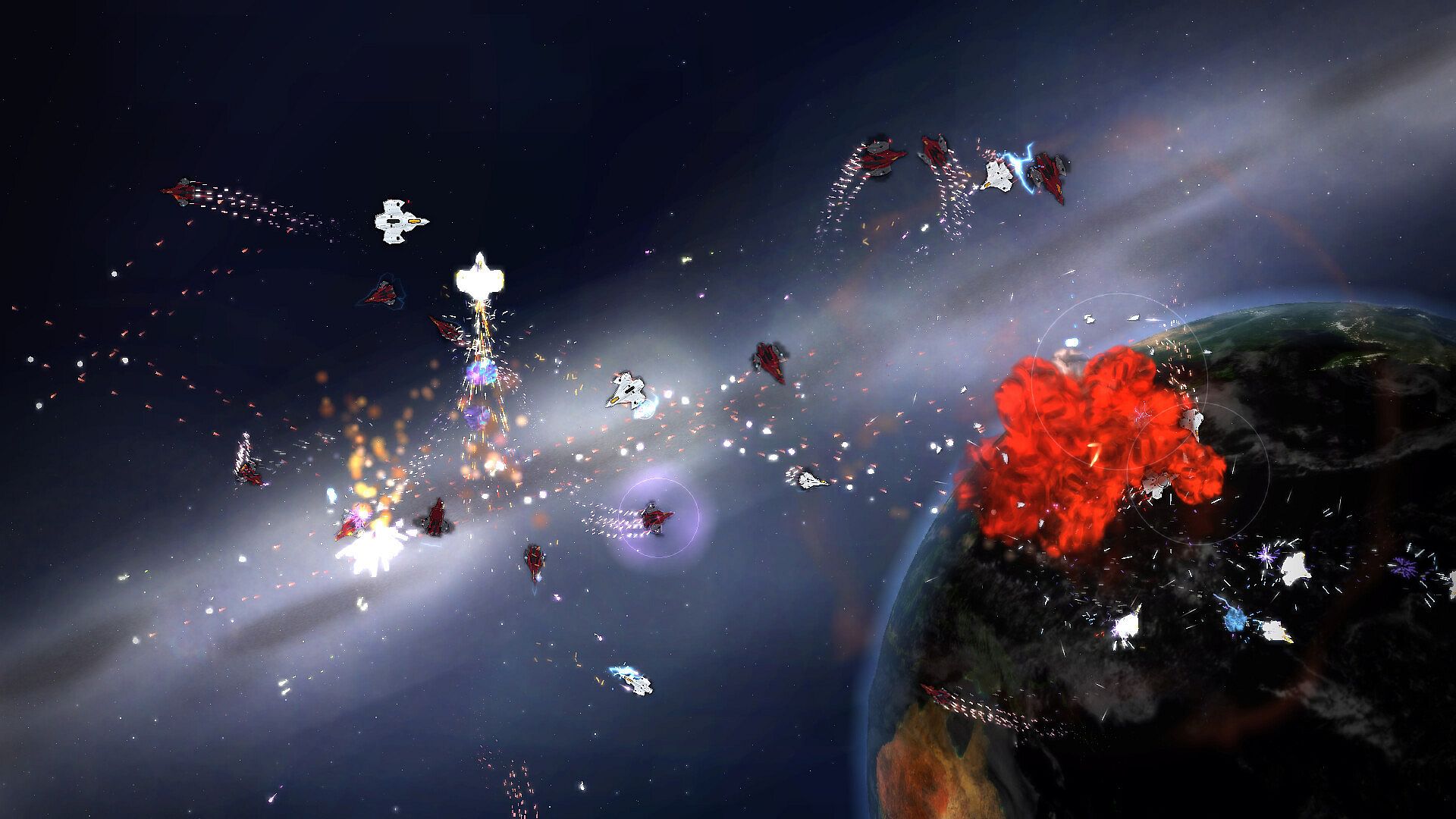
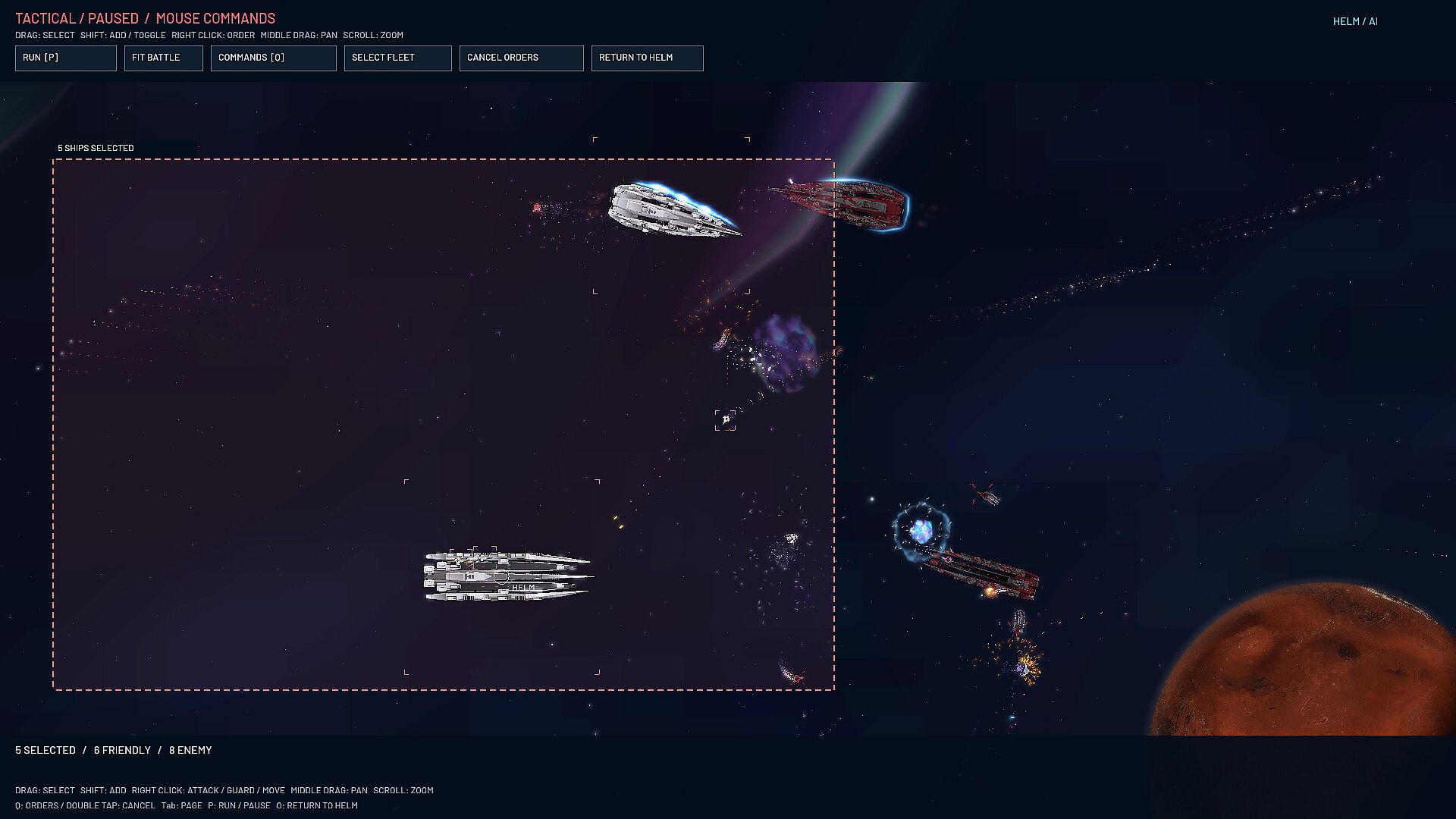
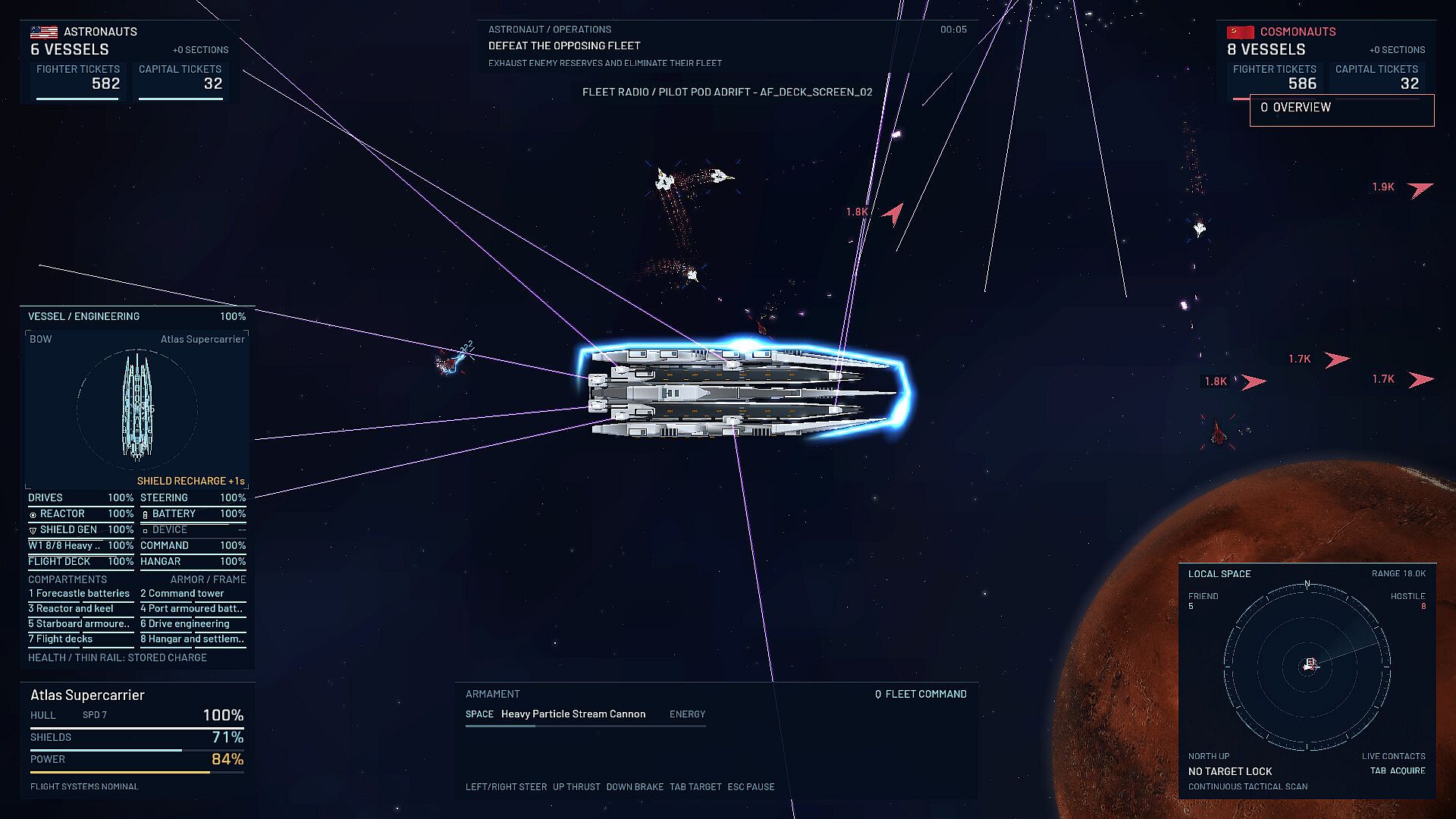
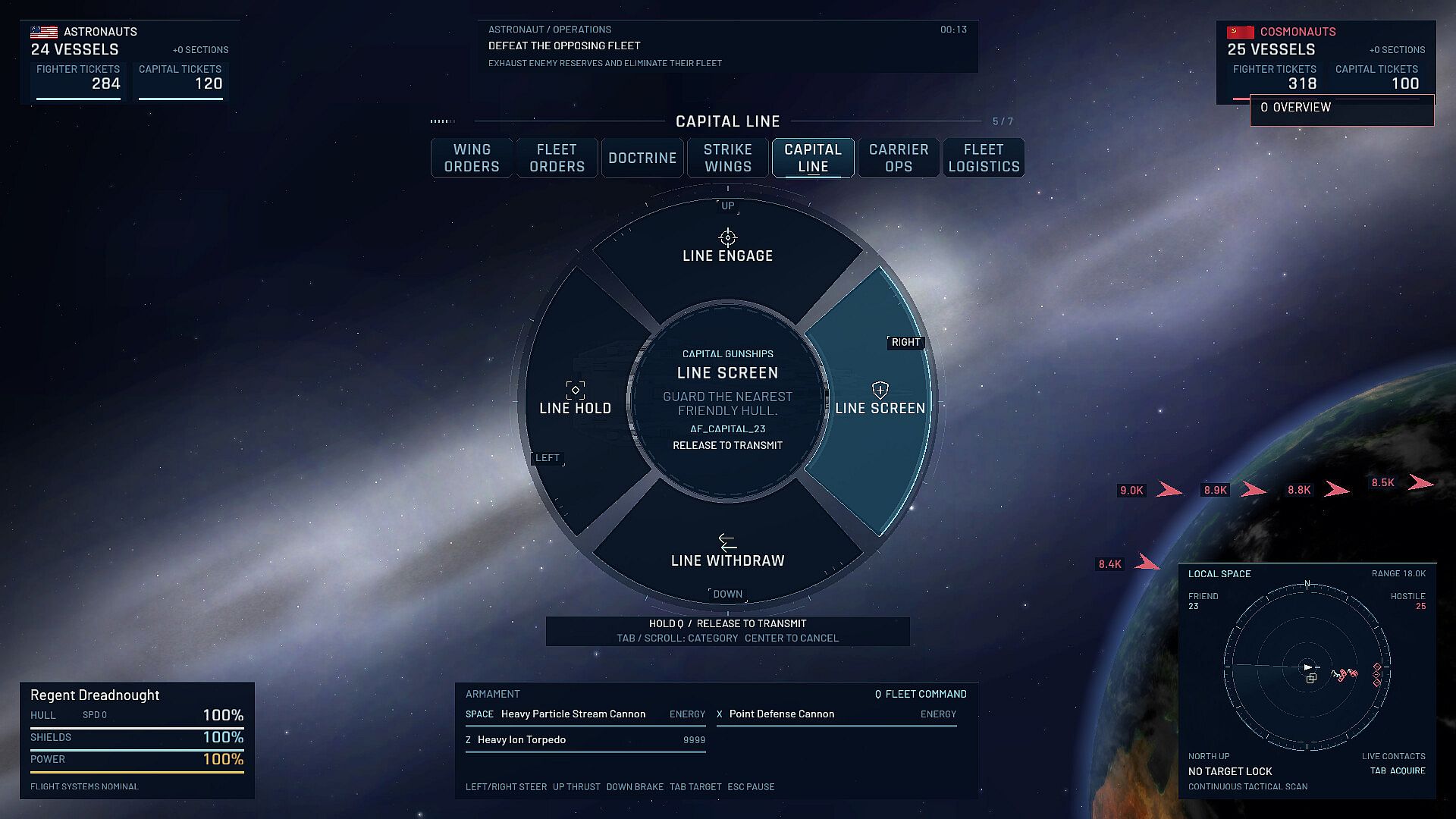
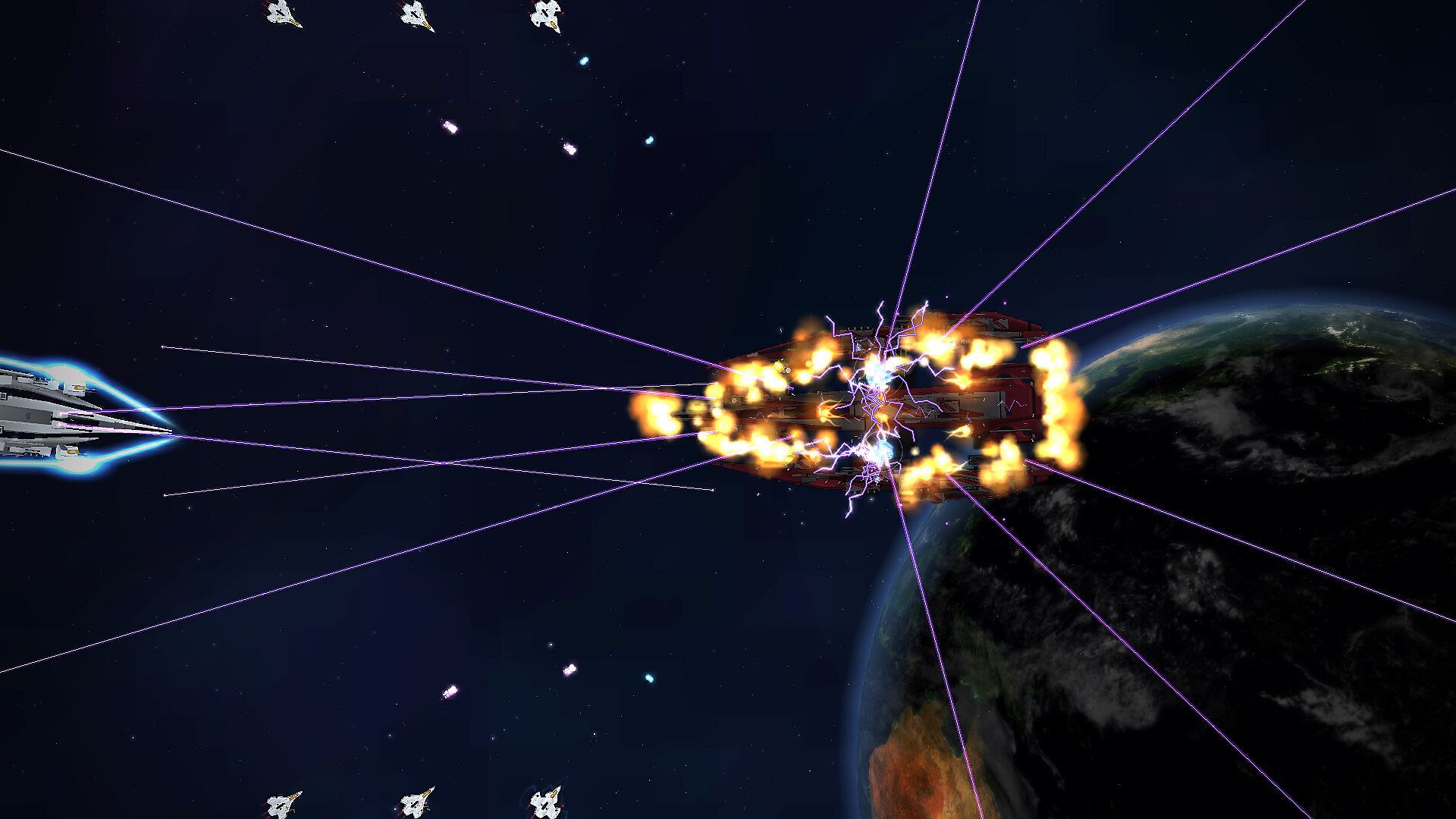
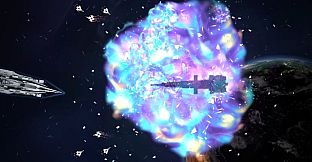
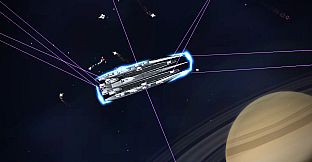
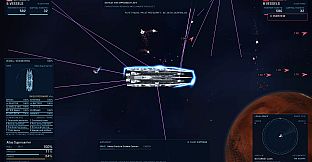
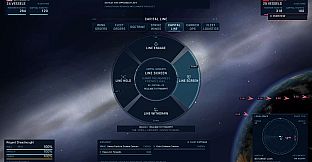
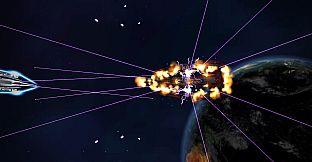
During combat, direct control is available over fighters, bombers, capital ships, or carriers. Wings can be ordered to attack, provide cover, regroup, or rearm while the player continues flying. Switching to the tactical overview pauses the action to issue group commands such as attack, guard, or movement before resuming. The shared fleet roster includes 25 small-craft classes, eight capital classes, three carriers, and two stations. Heavy ships feature individual structural compartments and working systems that can be disabled by damage, including engines, shields, flight decks, or entire armed sections.
Detached sections continue firing with surviving weapons and ammunition. Friendly facilities allow repair of surviving systems and resupply, though lost sections remain gone. Both sides operate with finite fighter and capital replacement pools, so victory requires exhausting an opponent's opening forces plus its reserves. Controls support keyboard and mouse or gamepad, and eight original electronic tracks accompany the action.
Game Modes
Three primary entry points exist for battles. The first is a selection of 41 editable operations that are available immediately. Each operation can be loaded, flown, and then returned to the builder for adjustments or entirely new plans. The second option is a ready 28-ship Quick Battle that provides an immediate engagement without prior setup. The third is Random Battle generation, where players choose the type and size of the encounter before it begins.
Every authored operation remains accessible from the start, allowing repeated play with different ship selections or revised deployments. The loop of building a scenario, flying it, and revising the plan forms the central experience across all modes.
Command and Damage Systems
Seven command categories supply 28 distinct orders covering fighter screens, bomber strikes, capital lines, carrier operations, and fleet recovery. These orders function from the tactical overview and integrate with direct piloting. Damage modeling extends beyond simple hit points: individual compartments and systems can fail independently, altering ship performance mid-battle. This creates opportunities for continued fighting with partial hulls or for targeted strikes that disable key capabilities without total destruction.
Replacement reserves add a resource-management layer. Depleting an enemy's initial fleet is insufficient; the remaining pools must also be exhausted to secure victory. Players therefore balance aggressive pushes against preservation of their own reserves while directing strikes at high-value targets.
Is It Worth Playing?
Fleets of Calder suits players who enjoy single-player space combat that combines pre-battle fleet construction with in-action command. The detailed damage system on larger vessels and the requirement to manage finite reserves reward careful planning and adaptive tactics during fights. Those who prefer designing scenarios and testing multiple approaches will find repeated value in the editable operations and random generation options. The game offers no multiplayer component, so it appeals most to solo strategists seeking depth in fleet-level space battles rather than fast-paced arcade action or competitive play. Availability is limited to PC, and the experience remains focused on the core loop of deployment, piloting, and revision without additional content layers.











