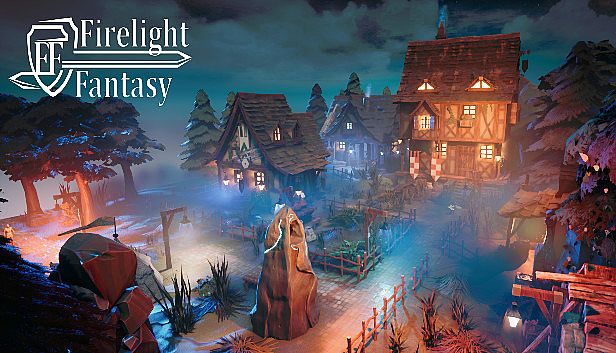










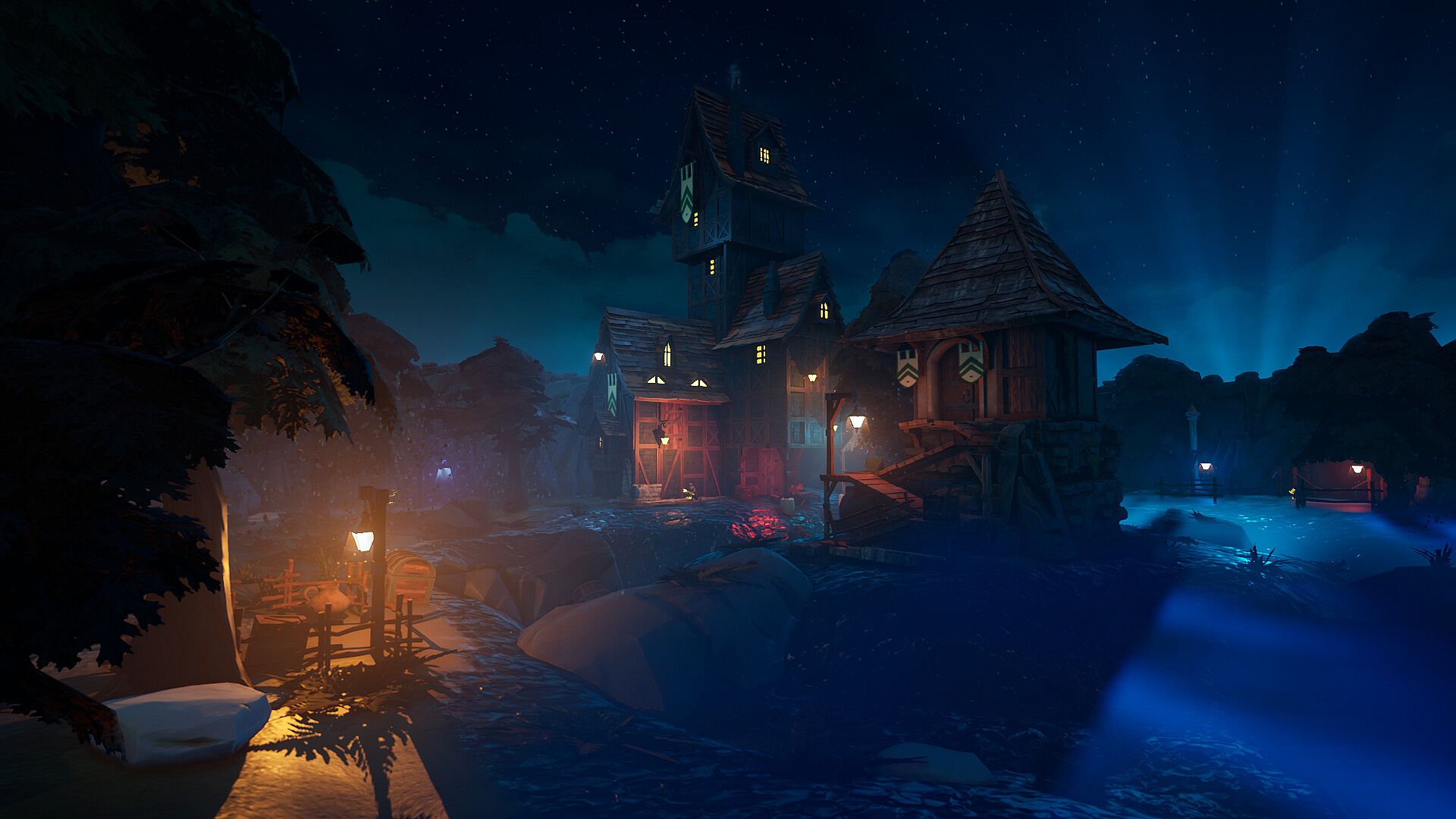
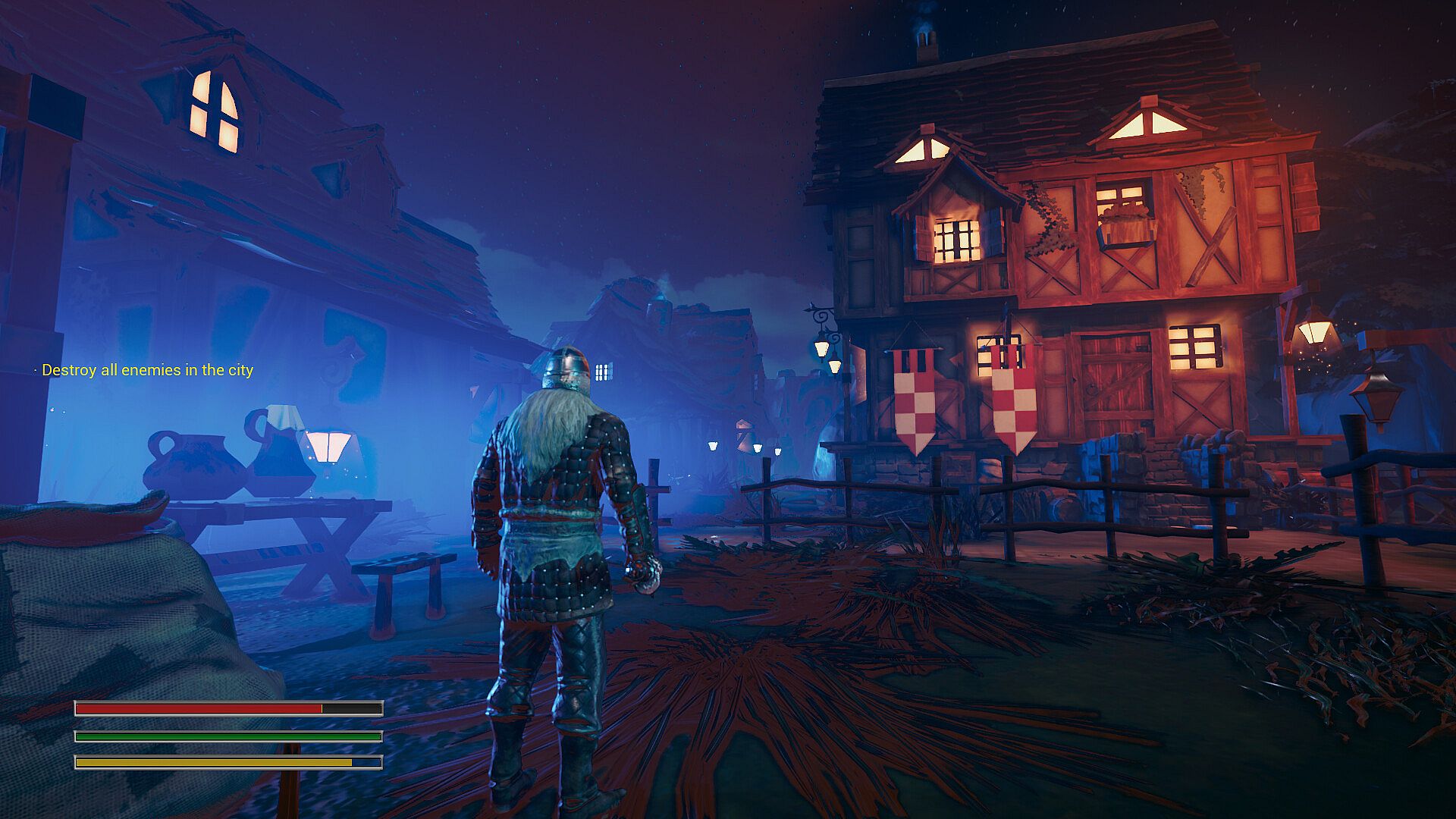
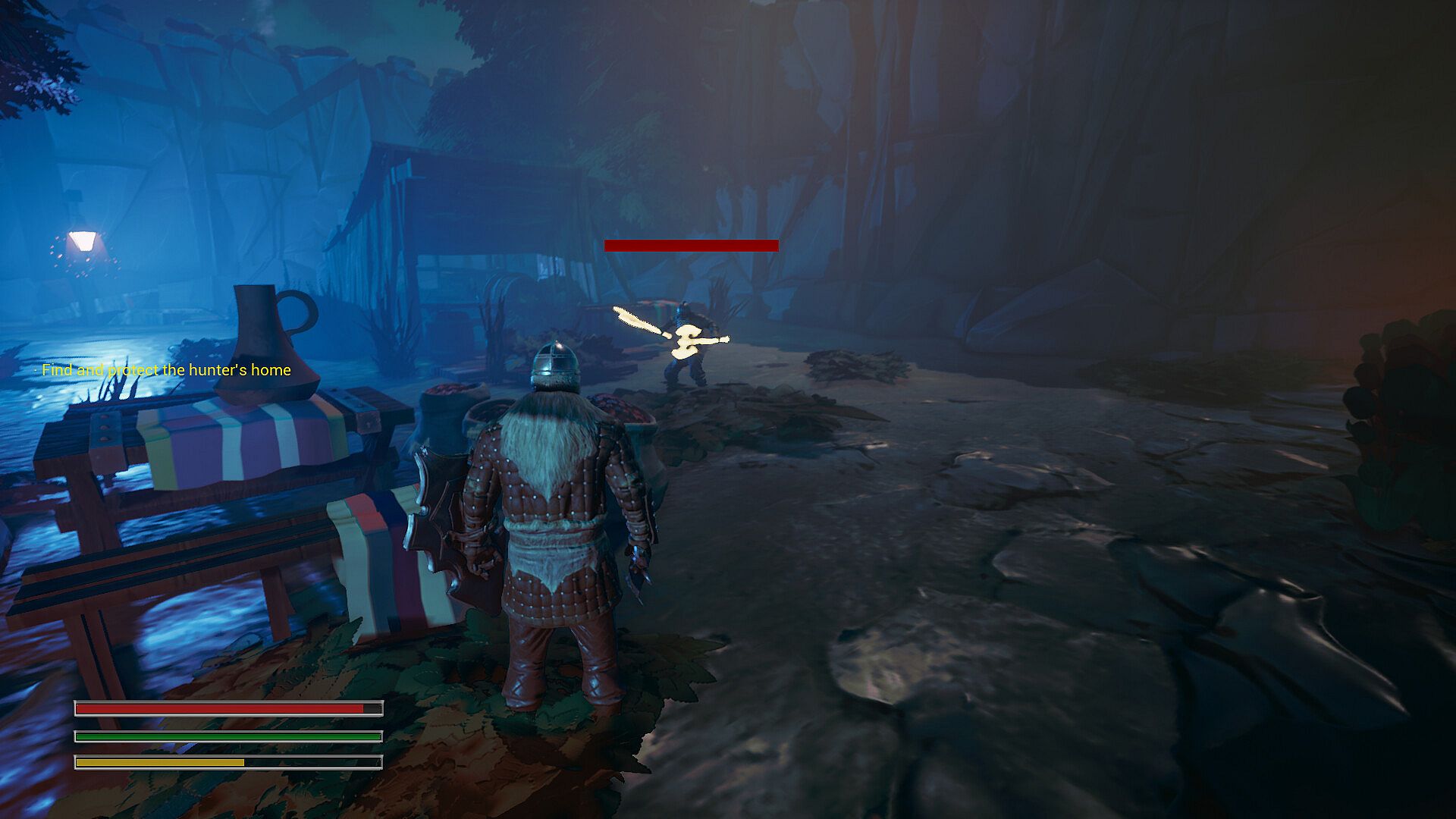
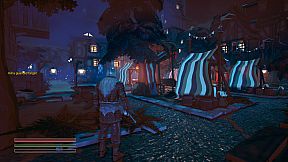
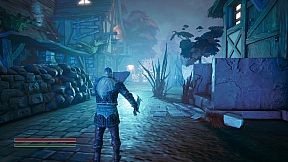
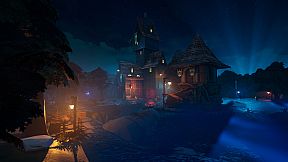
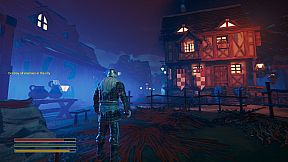
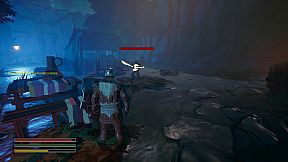
Firelight Fantasy: Force Energy stands as a third-person action title that incorporates indie RPG and adventure elements through its focus on sword combat and mythological themes. Players take on the role of characters navigating conflicts drawn from Scandinavian lore, emphasizing direct engagement in battles rather than broad exploration or resource management systems.
Gameplay
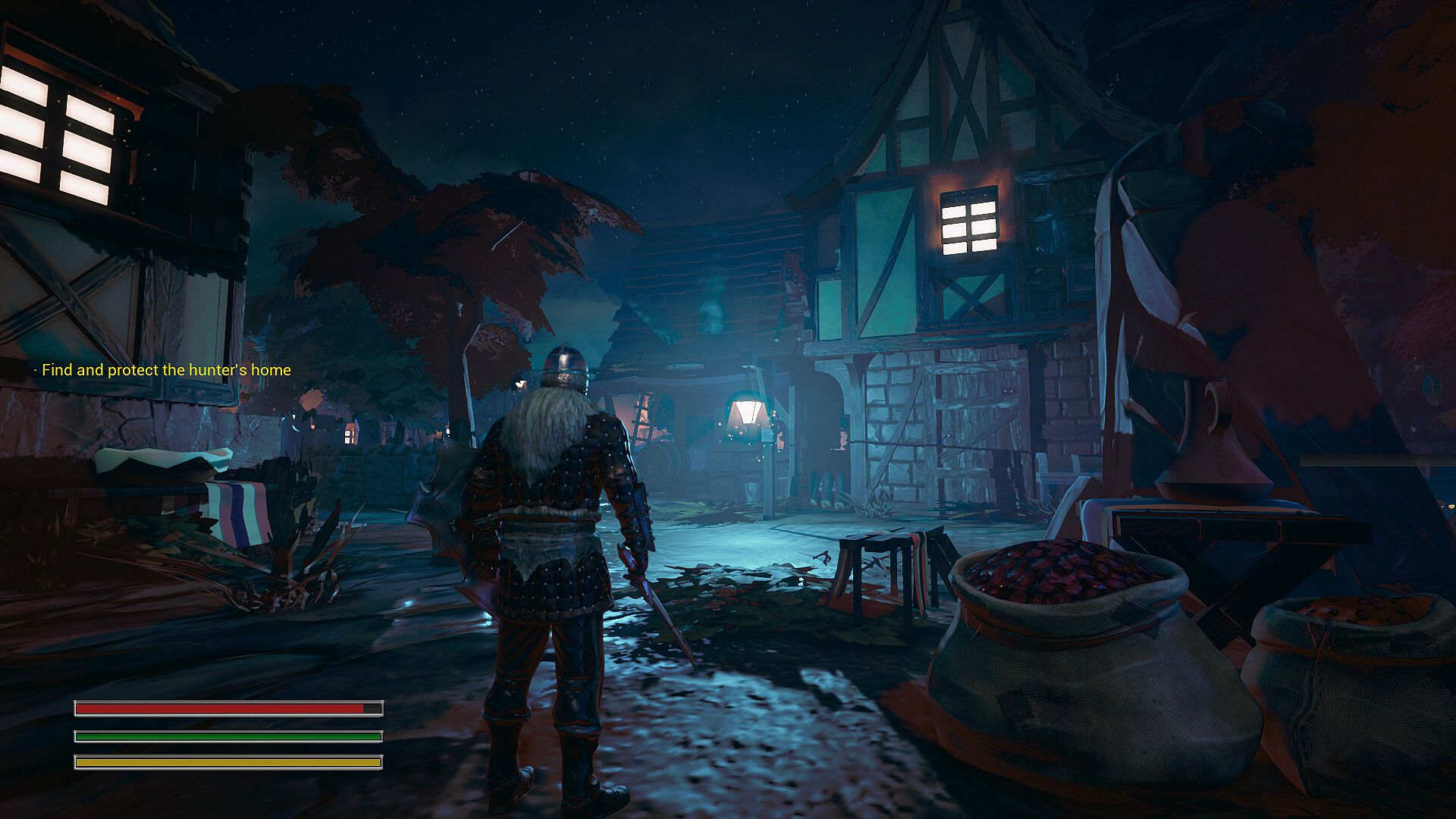
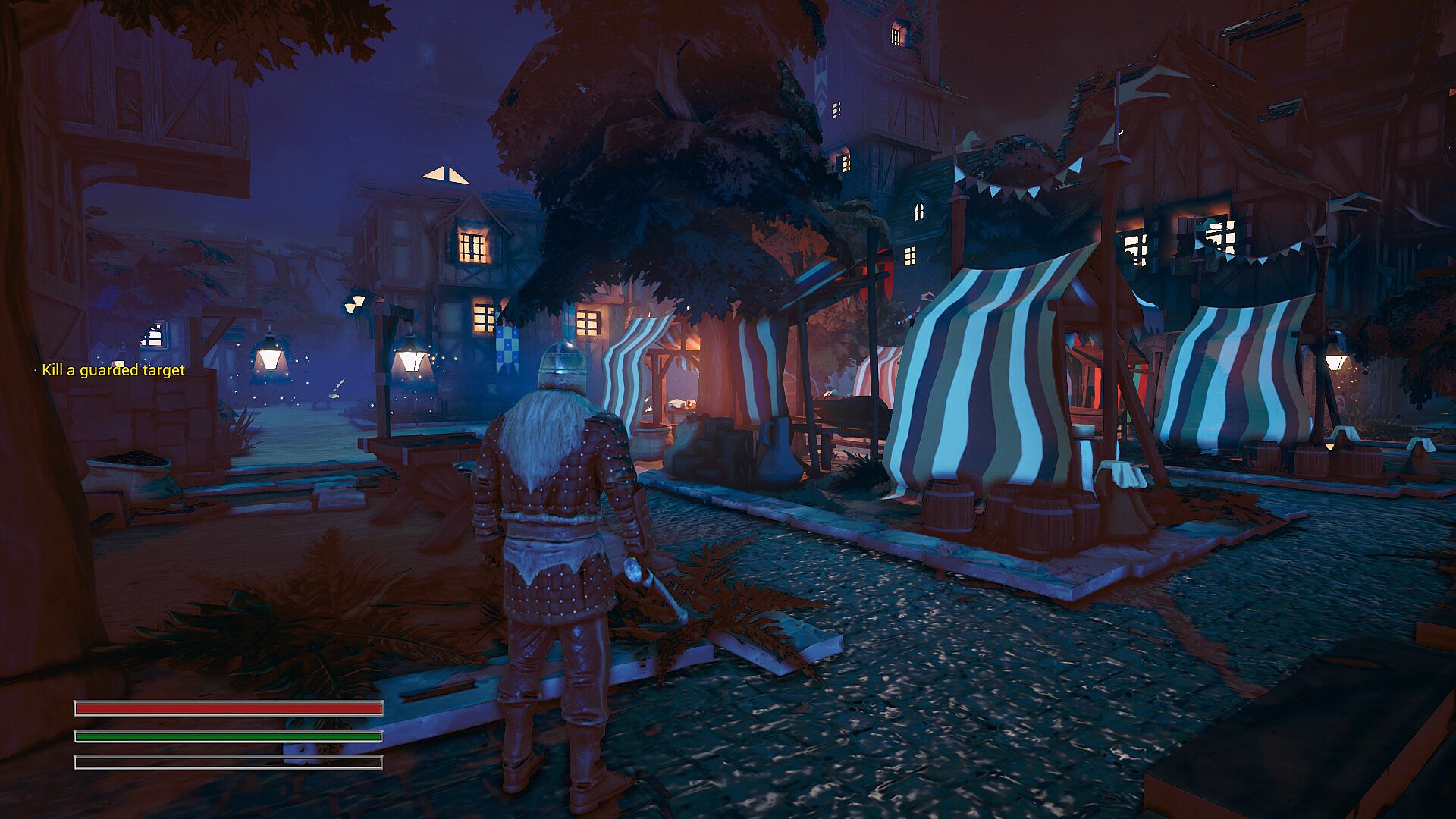
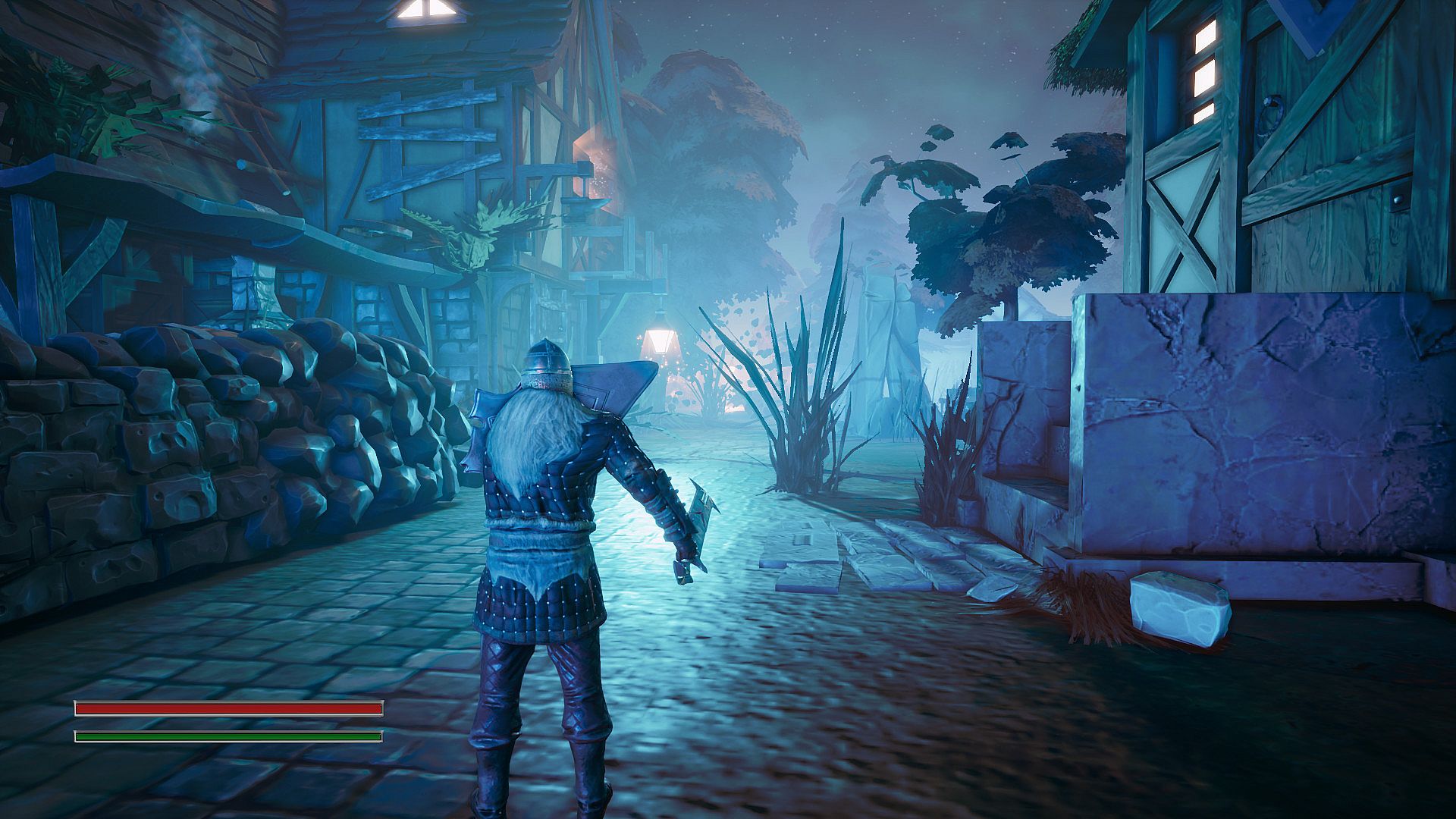
The core loop revolves around third-person sword fighting across nine stylized maps. Combat involves selecting from different weapon types and executing varied attack patterns against opponents scaled by difficulty levels. Worlds generate procedurally, which introduces variability in layout and enemy placement during repeated play sessions.
Sound design plays a central role with its dedicated soundtrack that underscores the pace of encounters. The experience remains grounded in melee sequences without layered progression trees or extensive character customization beyond basic weapon choices. Maps feature designed locations that support the narrative beats tied to the central myth.
Game Modes
The game operates as a single-player experience centered on a story campaign. This structure follows the events involving Odin, Sleipnir, Grungnir, and the eventual confrontation with Thor through horse races and feast confrontations that lead into combat sequences.
Procedural generation adds replay value within the fixed story framework, allowing different paths and enemy distributions on each run. No separate competitive or cooperative modes exist, keeping the focus on individual progression through the mythological tale and its associated battles.
Story and Setting
The narrative draws directly from the myth of Thor's duel with Grungnir. It begins with Odin riding Sleipnir to survey the realms and extends into a chase between Odin and the giant Grungnir that escalates into a confrontation at the gods' palace. The story culminates in a feast where Grungnir takes Thor's usual seat, setting up the central conflict.
Environments reflect the domains mentioned in the source material, such as the Stone Mountains of Jotunheim and the halls of the gods. This keeps the adventure concise and tied to key mythological events rather than expanding into original subplots.
Is It Worth Playing?
Player feedback on Steam shows mostly positive reception from 150 reviews, with praise directed at the combat visuals and atmosphere for those drawn to stylized sword fighting. The title suits players seeking a short, focused experience built around mythological combat rather than expansive open worlds or ongoing content updates.
Its niche appeal appears in limited concurrent player numbers years after the 2022 release, which aligns with an indie production that prioritizes specific mechanics over broad accessibility. Those interested in third-person action combined with RPG adventure tags and Scandinavian mythology themes will find the verified features match their expectations without additional layers.