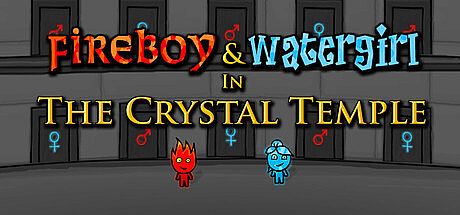




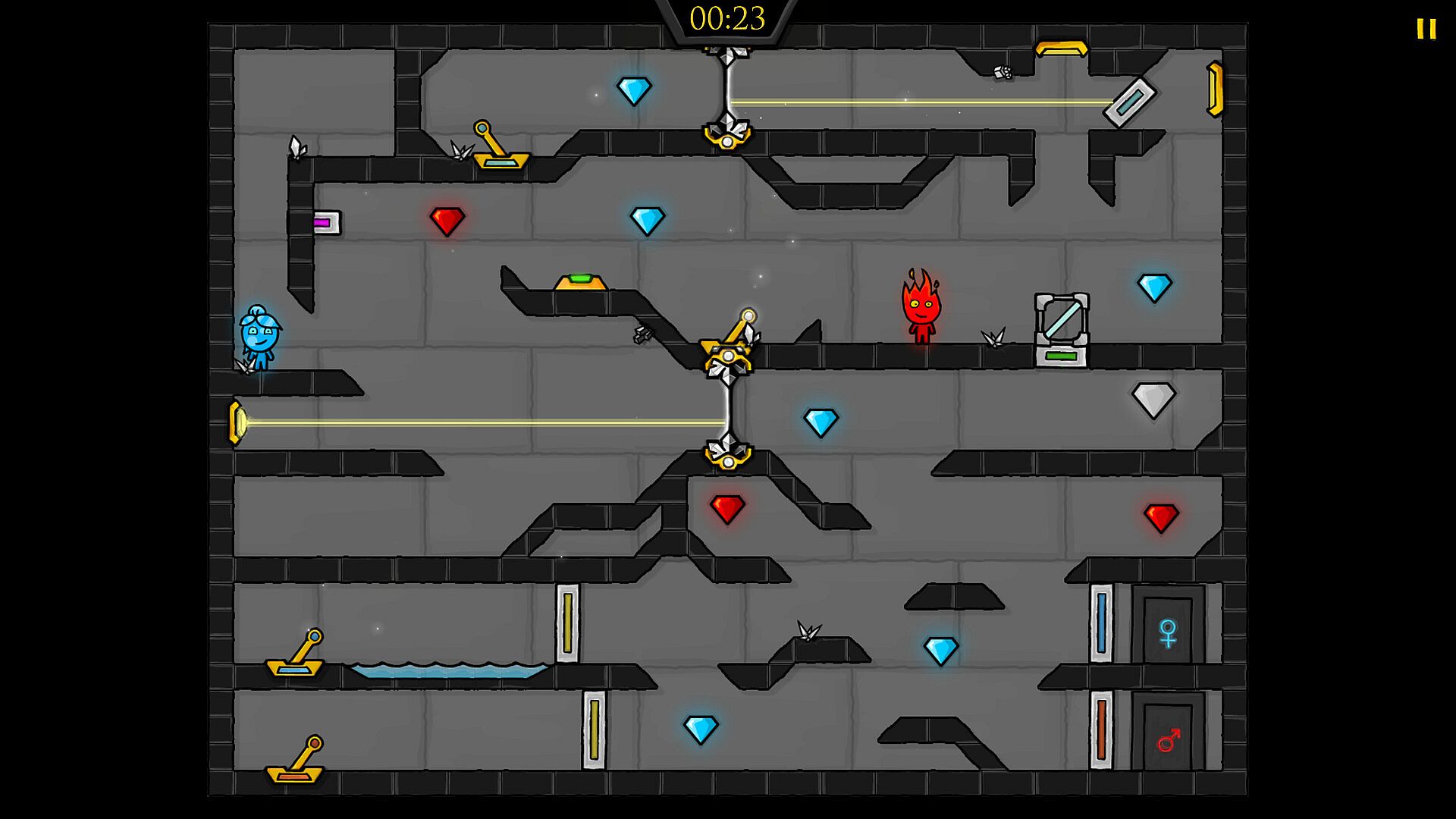
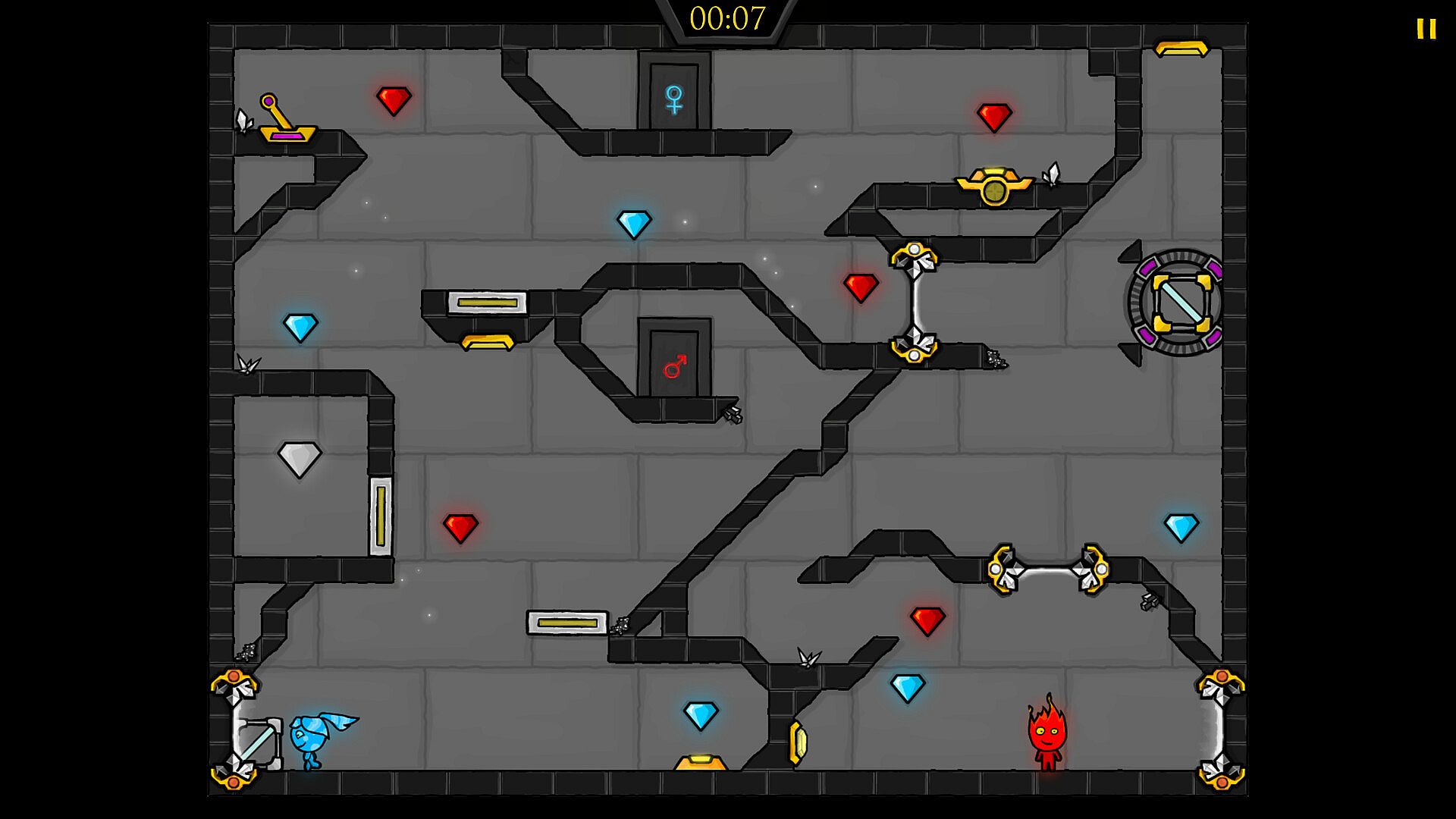
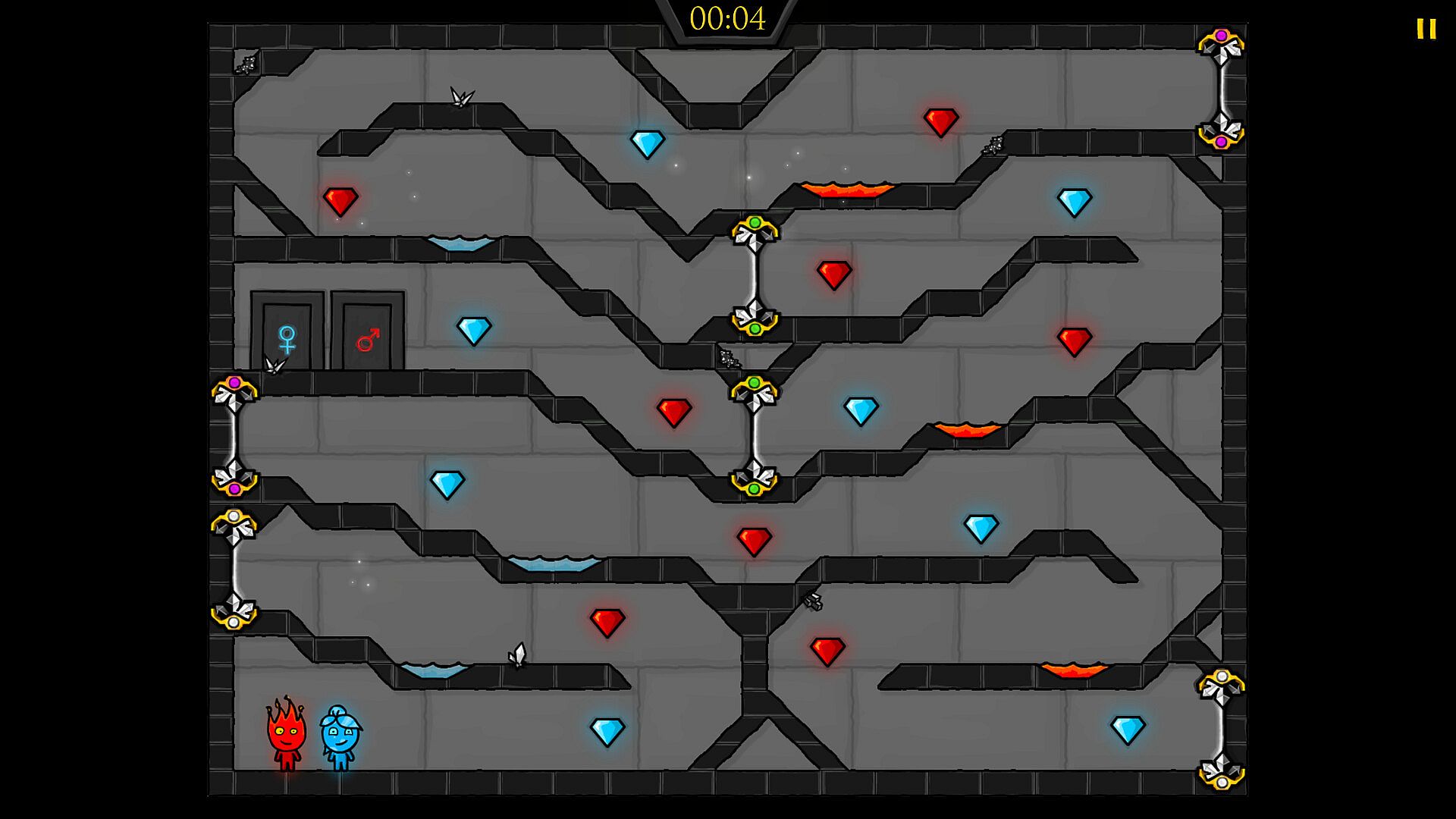
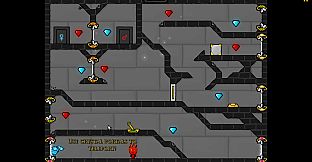
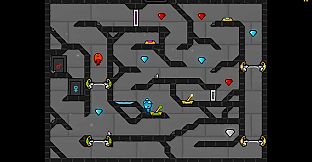
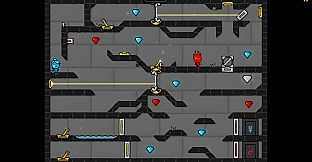
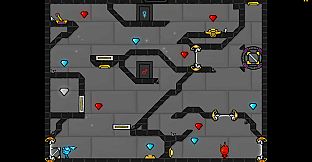
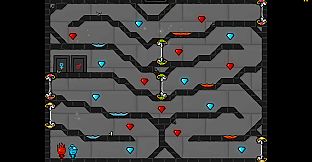
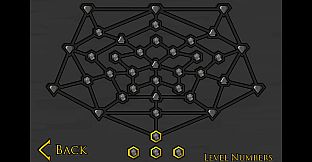
Fireboy & Watergirl 4: The Crystal Temple is a puzzle-platformer that places two elemental characters in a temple filled with crystal-powered mechanisms. Players guide Fireboy and Watergirl through interconnected chambers where timing, coordination, and environmental awareness determine success. The game emphasizes careful navigation around hazards while gathering collectibles and completing stages within time limits.
Gameplay
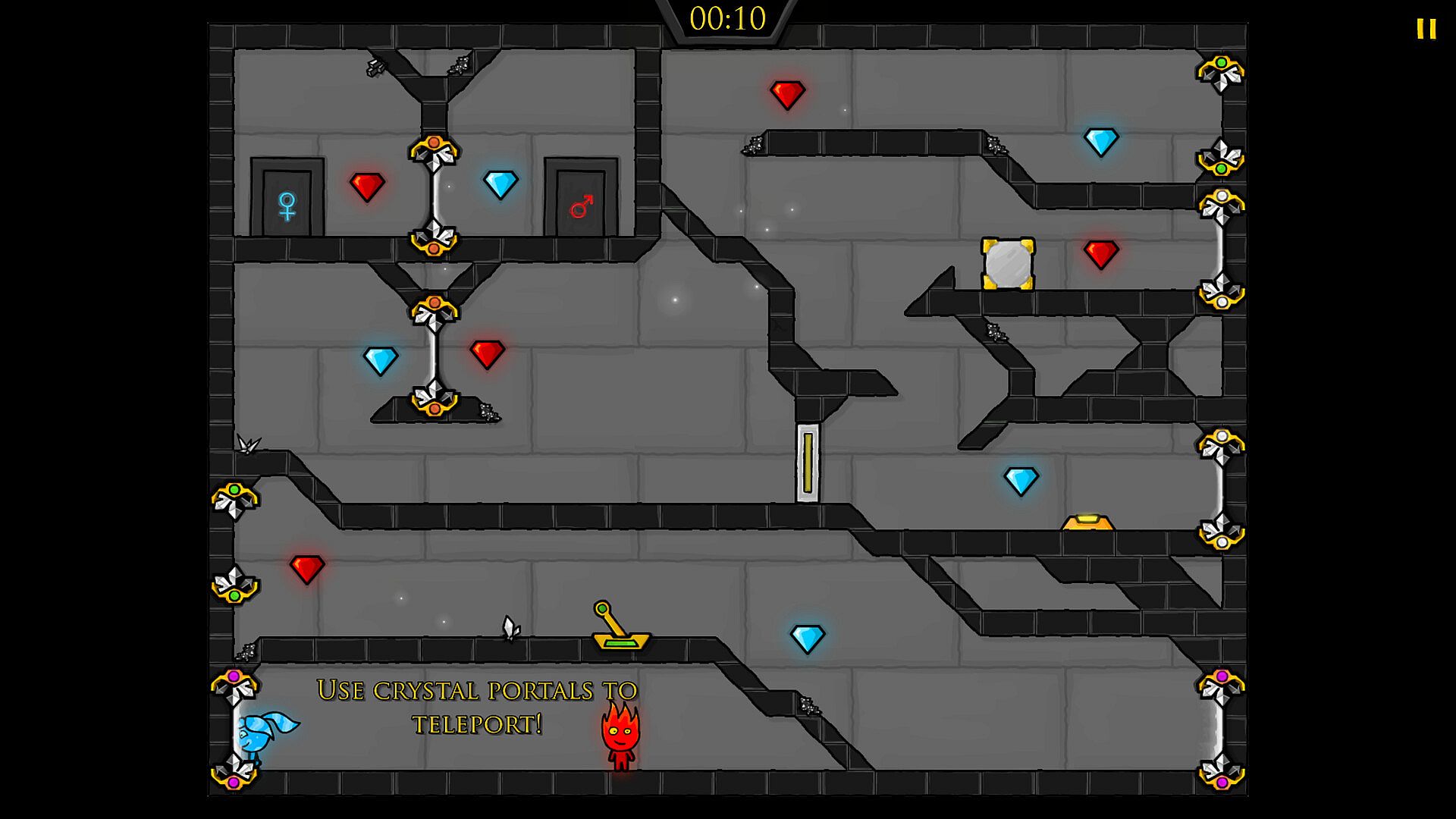
Fireboy moves across lava safely but cannot enter water or green goo without harm. Watergirl traverses water without issue yet must avoid fire and lava. Both characters slide on icy surfaces and react differently to certain light-based elements. Crystal portals serve as the central new feature, allowing instant relocation between linked points when activated in sequence.
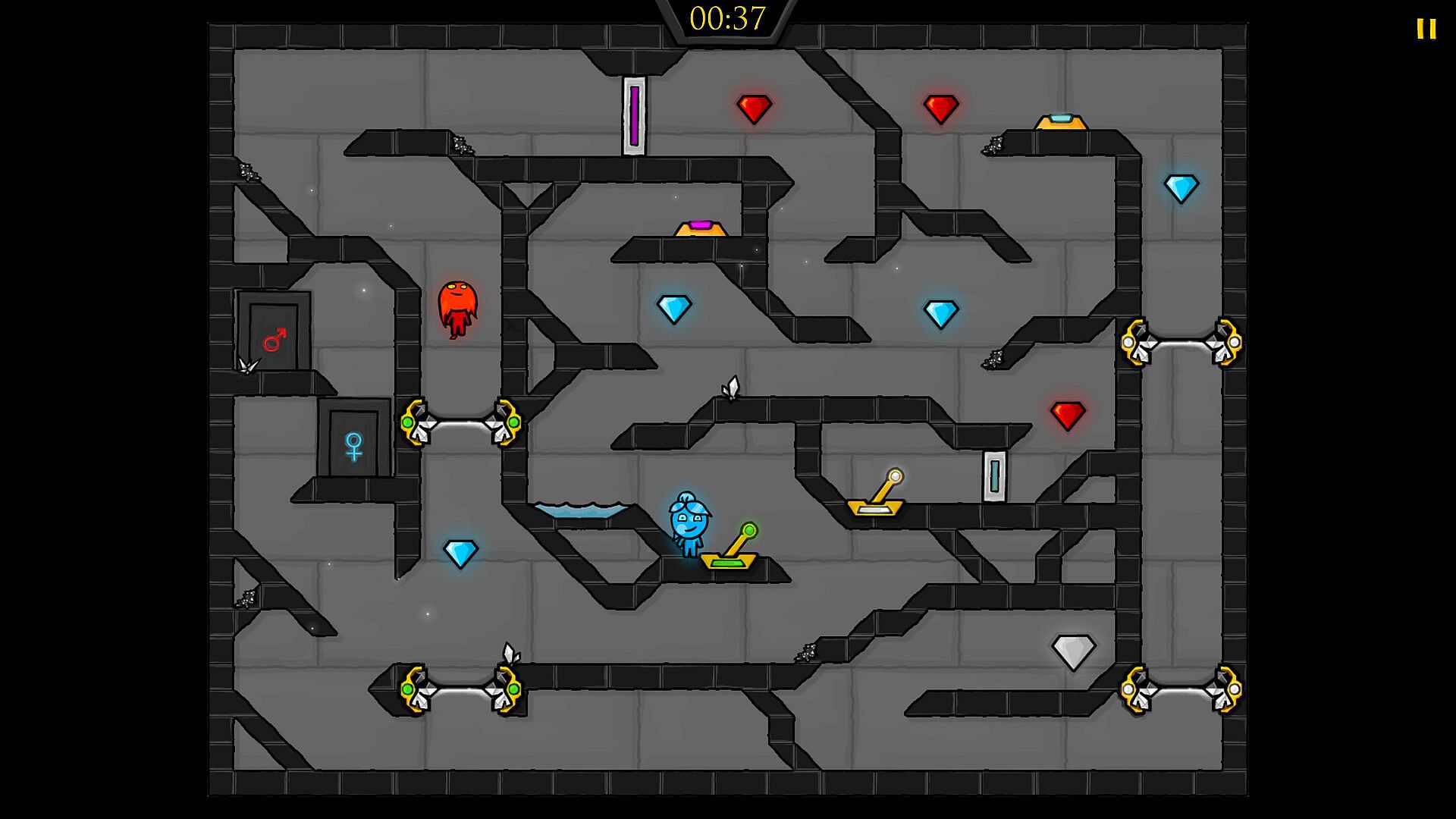
Stages require simultaneous control of both characters in most cases. One player can manage both figures alone by switching focus or using separate key sets. Pressure plates, moving platforms, and reflective surfaces appear throughout to create layered obstacles. Diamonds scattered in each level reward thorough exploration, while a visible timer adds urgency to every run.
Progression follows a linear path through the temple, with later chambers combining multiple mechanics at once. Players learn to position one character to hold a switch while the other advances, or to time portal entries so both reach the exit door together. The core loop centers on observation, experimentation, and repeated attempts until the optimal sequence emerges.
Game Modes
Single-player mode lets one person control both Fireboy and Watergirl using dedicated keyboard controls for each. This setup demands constant attention shifts between the two figures and works well for those who prefer solving everything independently.
Local co-op supports two players on the same device, with each handling one character through separate inputs. The shared screen keeps both participants engaged in real time as they communicate routes and timing. Remote Play Together extends this option to online partners without requiring additional hardware beyond a Steam connection.
No separate competitive or versus options exist. All available play styles focus on cooperative puzzle resolution rather than direct confrontation.
Controls and Accessibility
Keyboard input forms the primary control scheme, with arrow keys or WASD handling movement and jumping for each character. On-screen prompts appear during play to clarify which keys affect which figure. The interface remains minimal, displaying only the timer, collected diamonds, and exit indicators.
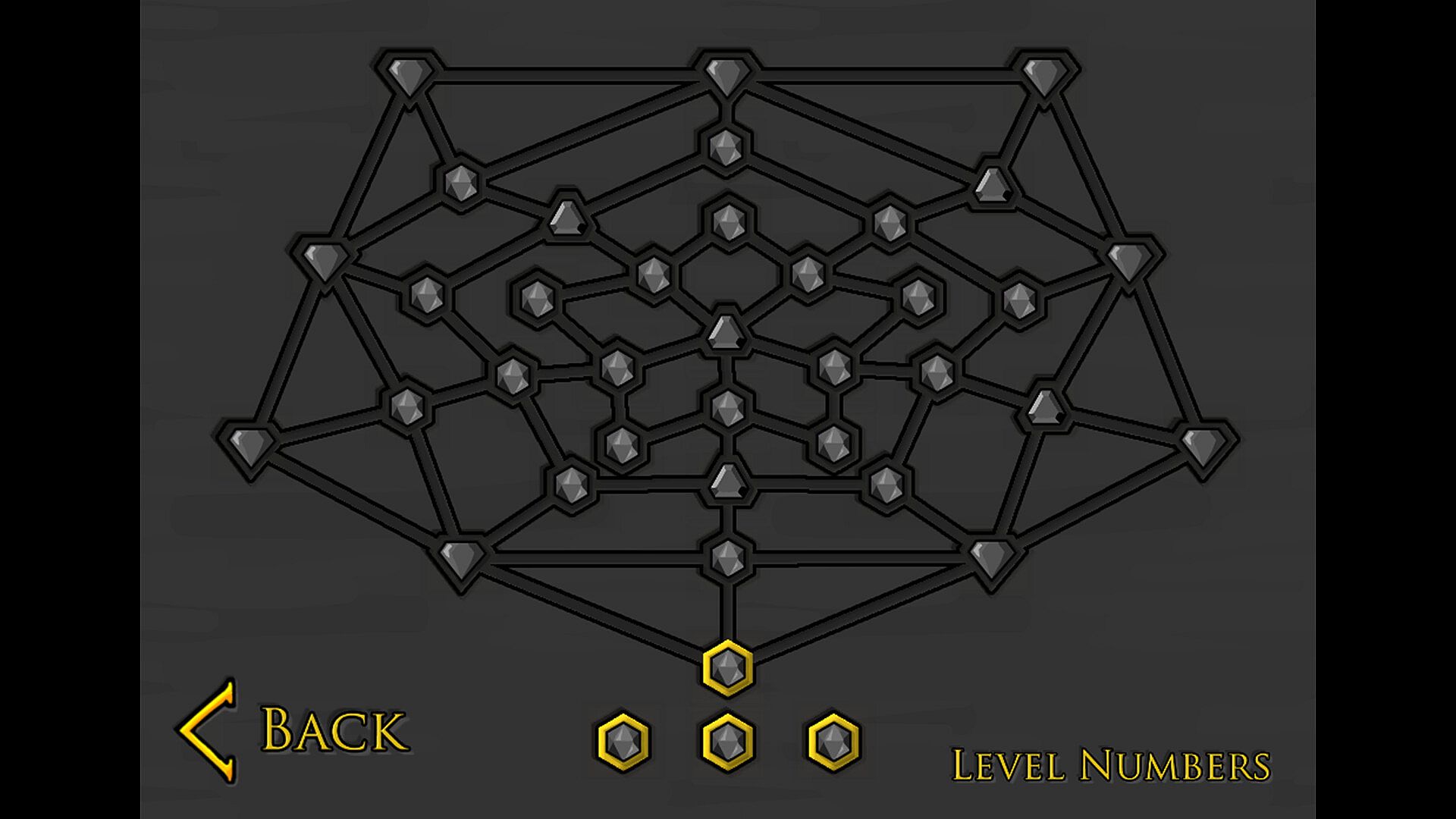
Stages scale in complexity gradually, beginning with simple portal introductions before layering additional hazards. This structure allows new players to build familiarity without overwhelming early attempts. Restart options reset individual levels quickly, supporting iterative practice.
Is It Worth Playing?
The game suits anyone seeking a focused puzzle experience built around elemental differences and spatial reasoning. Its straightforward premise delivers consistent challenge across dozens of stages without requiring prior series knowledge.
Co-op sessions highlight teamwork through shared problem solving, while solo runs test multitasking and planning. The absence of ongoing updates means the content remains fixed as originally released, preserving the original design intent.
Players who enjoy precise platforming combined with light strategy will find repeated value in optimizing routes and diamond collection. Those preferring fast action or narrative depth may find the deliberate pace less engaging. Overall, the title remains a reliable choice for short sessions or longer cooperative evenings when the goal is clear puzzle completion.