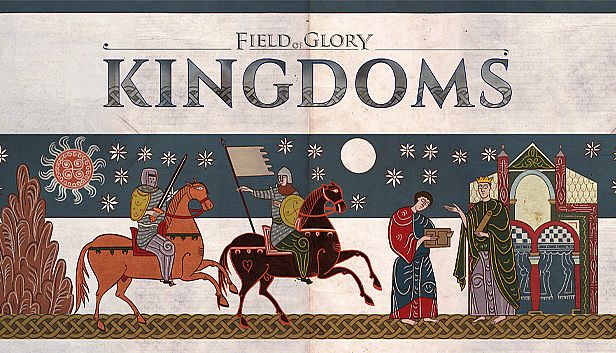



















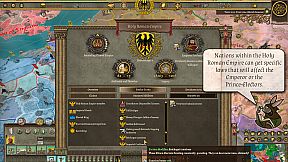
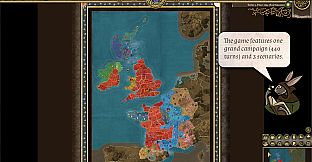
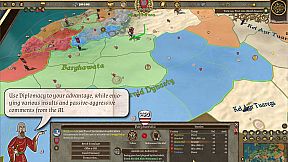
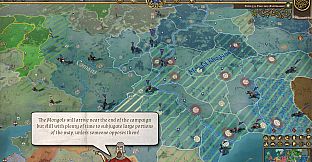
Field of Glory: Kingdoms is a grand strategy game developed by AGEOD that places players in command of medieval realms starting from 1054. The title covers more than two centuries of history across Europe, Africa, and the Middle East, with a focus on managing kingdoms through political, religious, and military challenges.
Gameplay
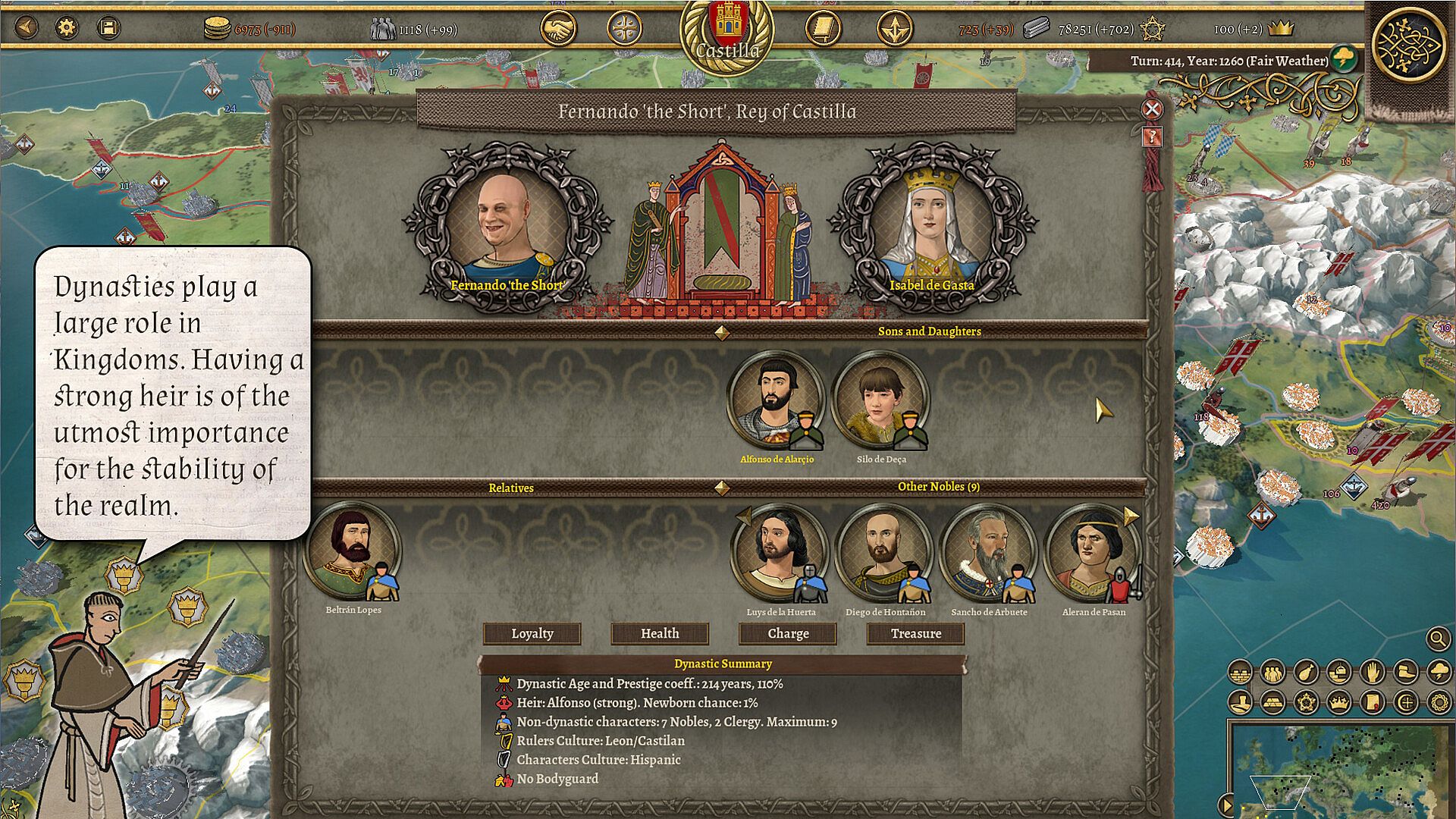
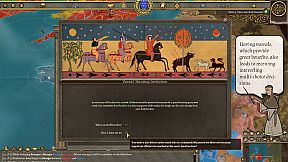
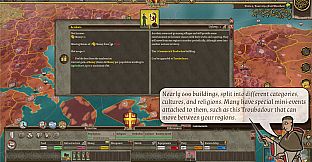
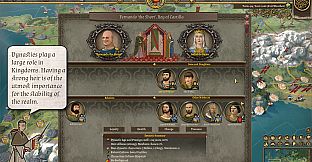
Core systems revolve around authority and disorder mechanics that govern control over populations and vassals. Rulers issue edicts to construct buildings while balancing internal stability and external threats. Dynastic succession requires planning heirs through marriages or other arrangements, though smooth transitions remain uncertain due to competing claims and ambitions.
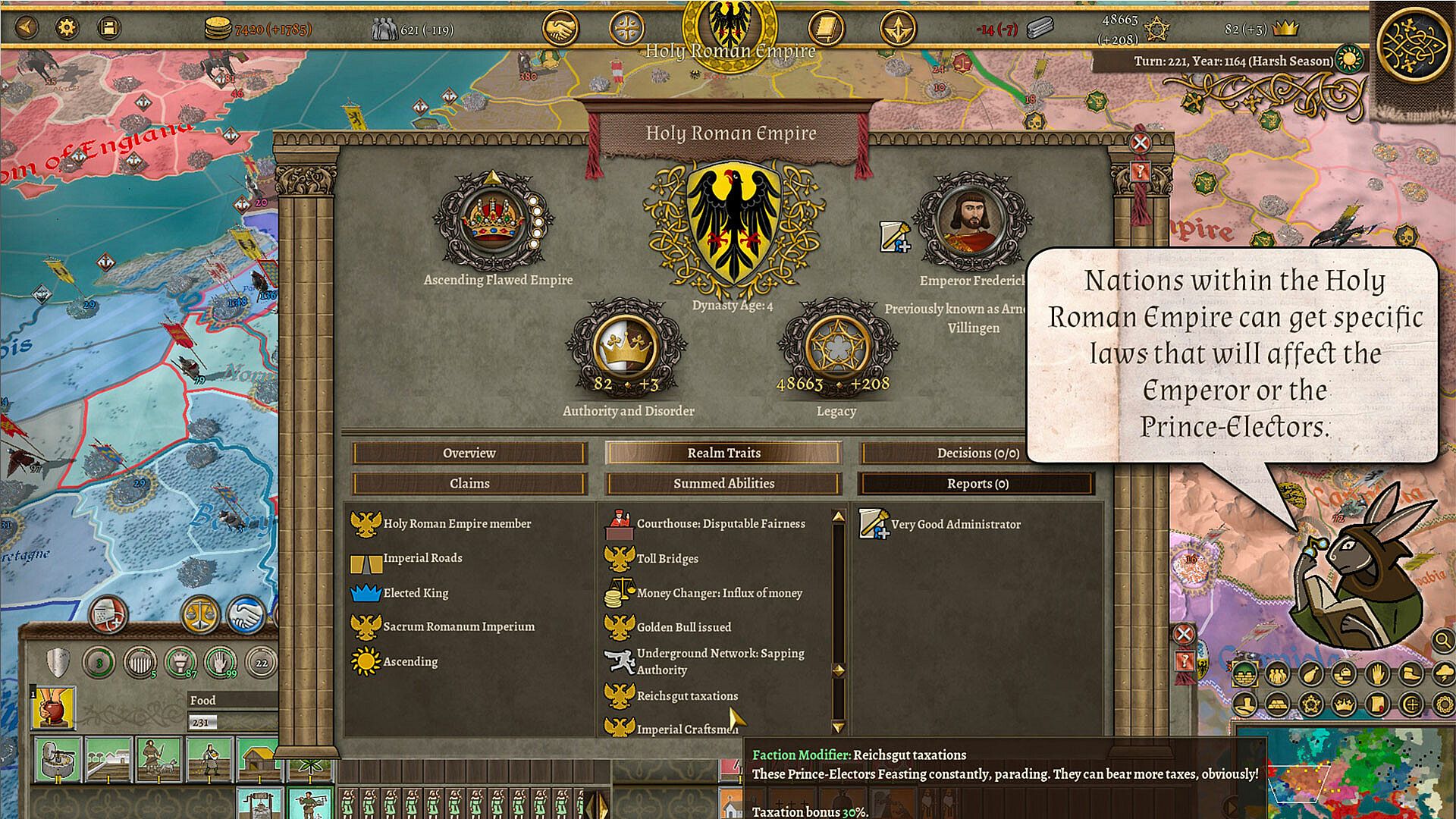
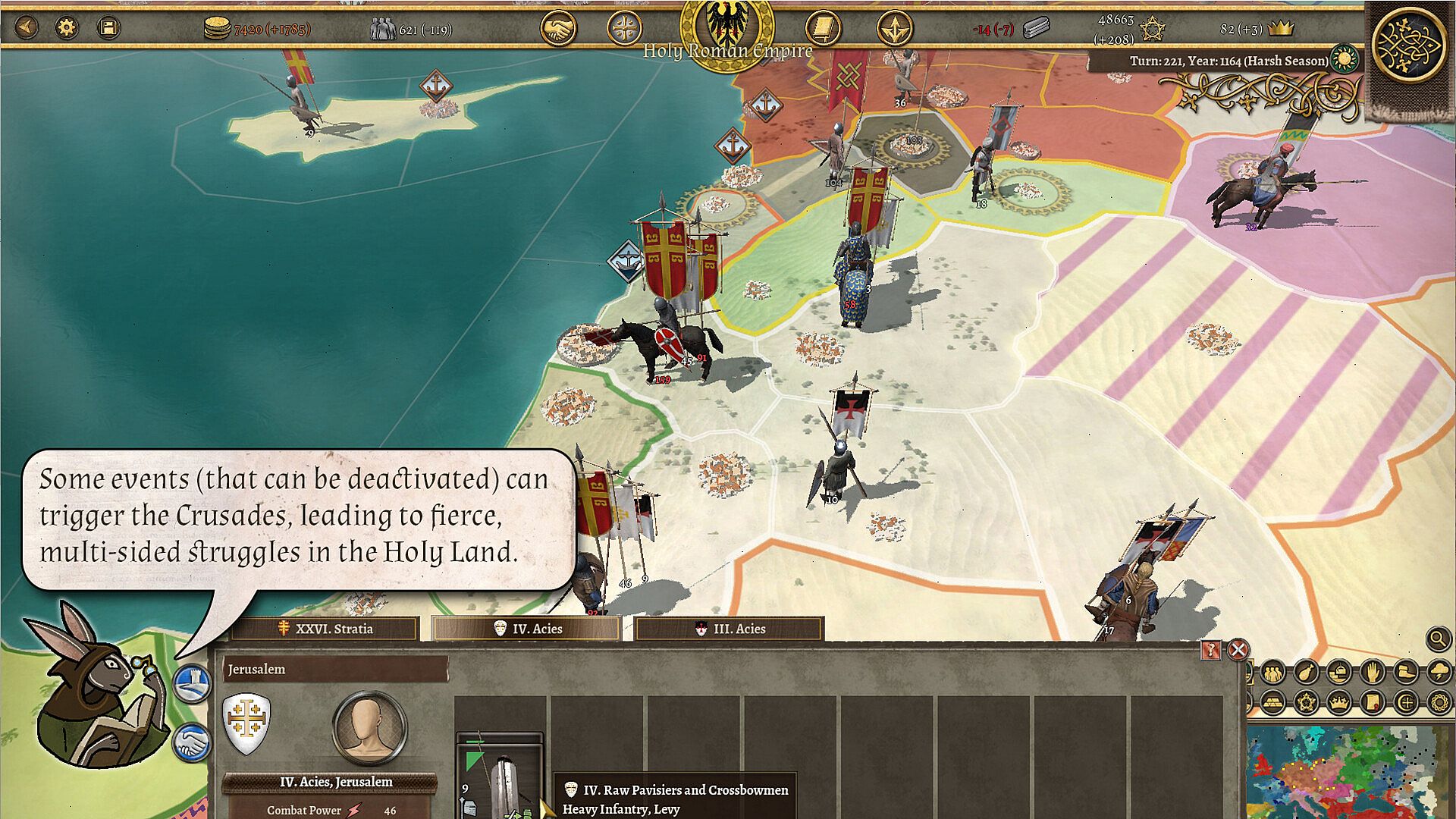
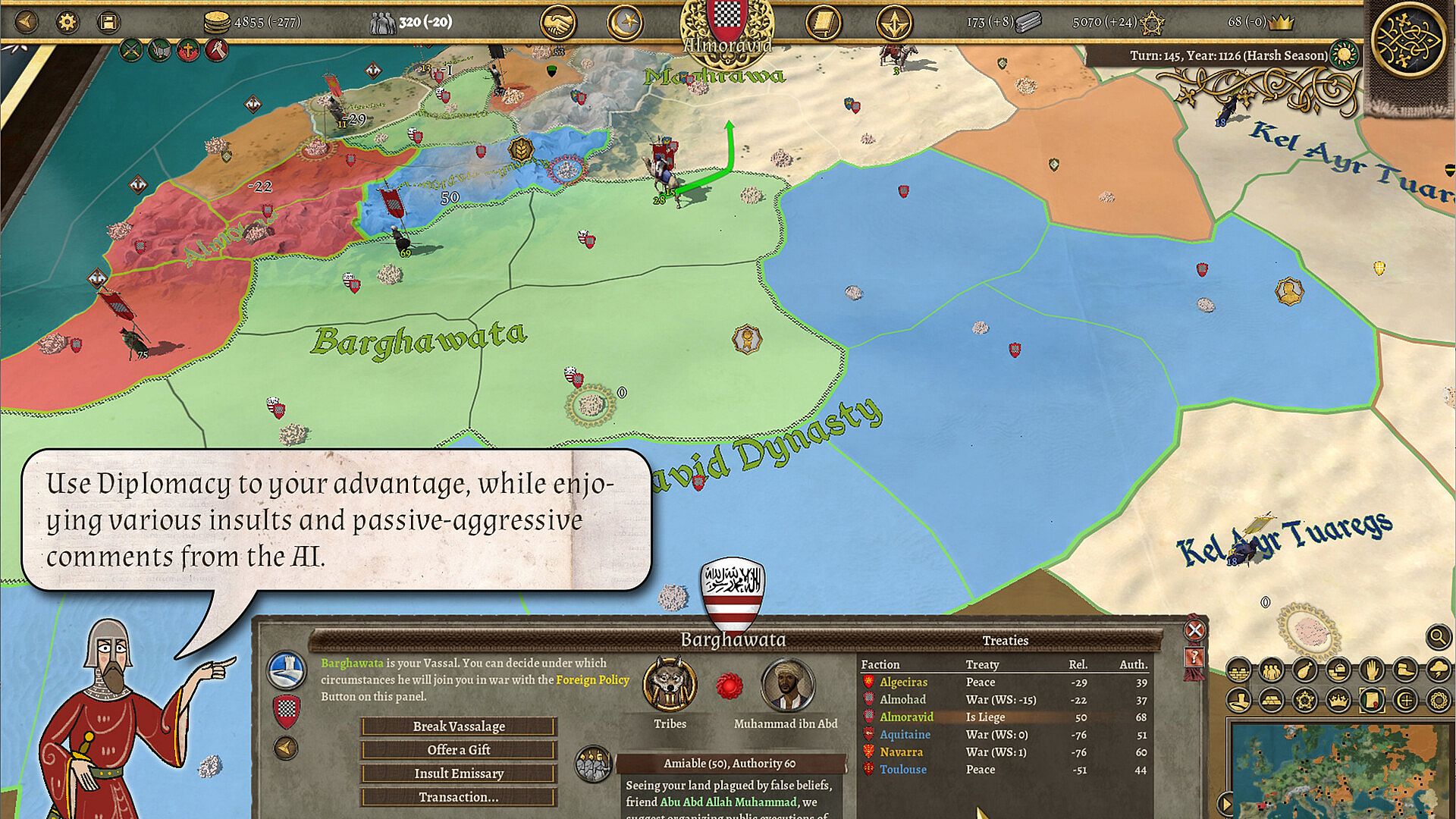
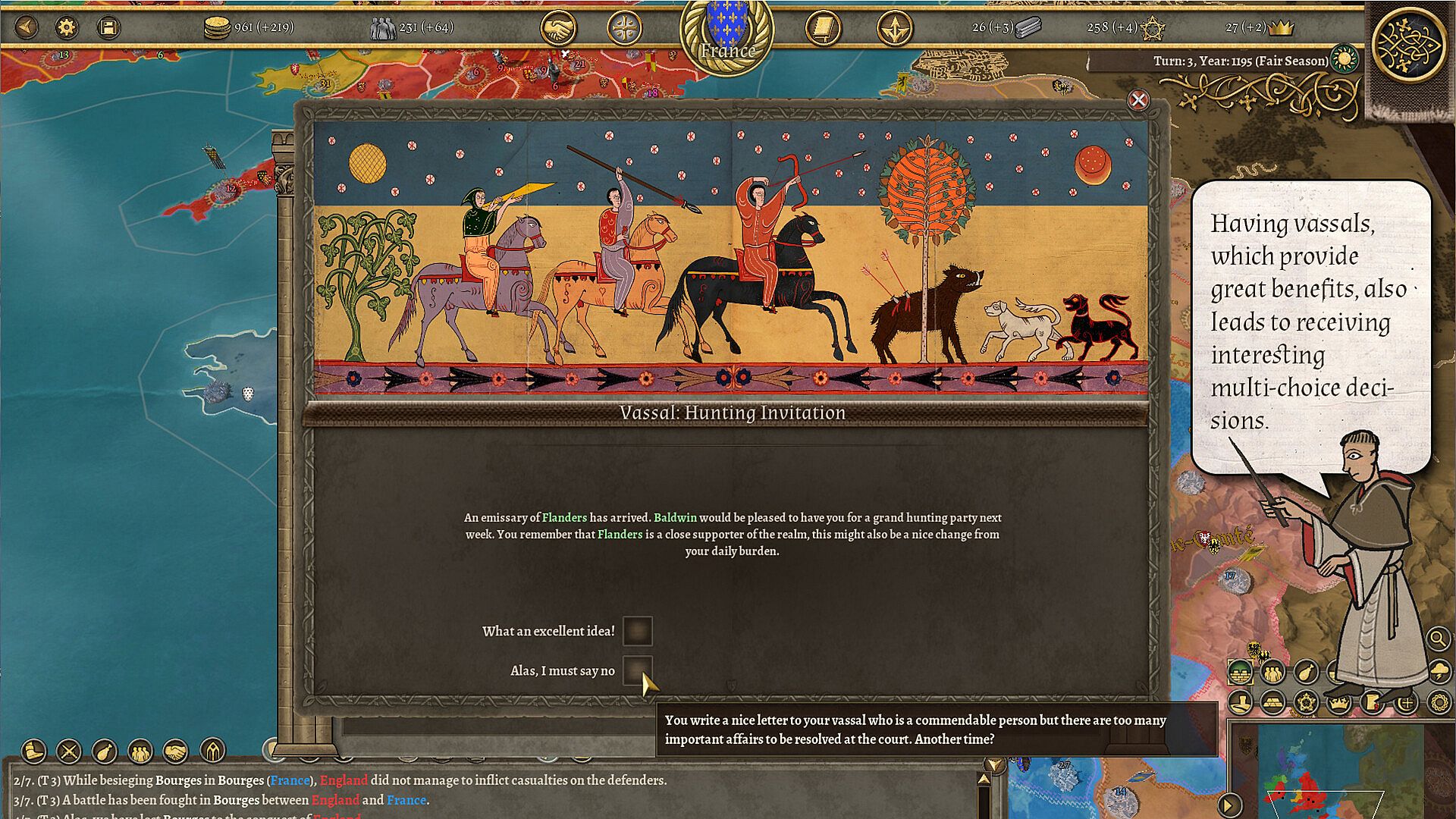
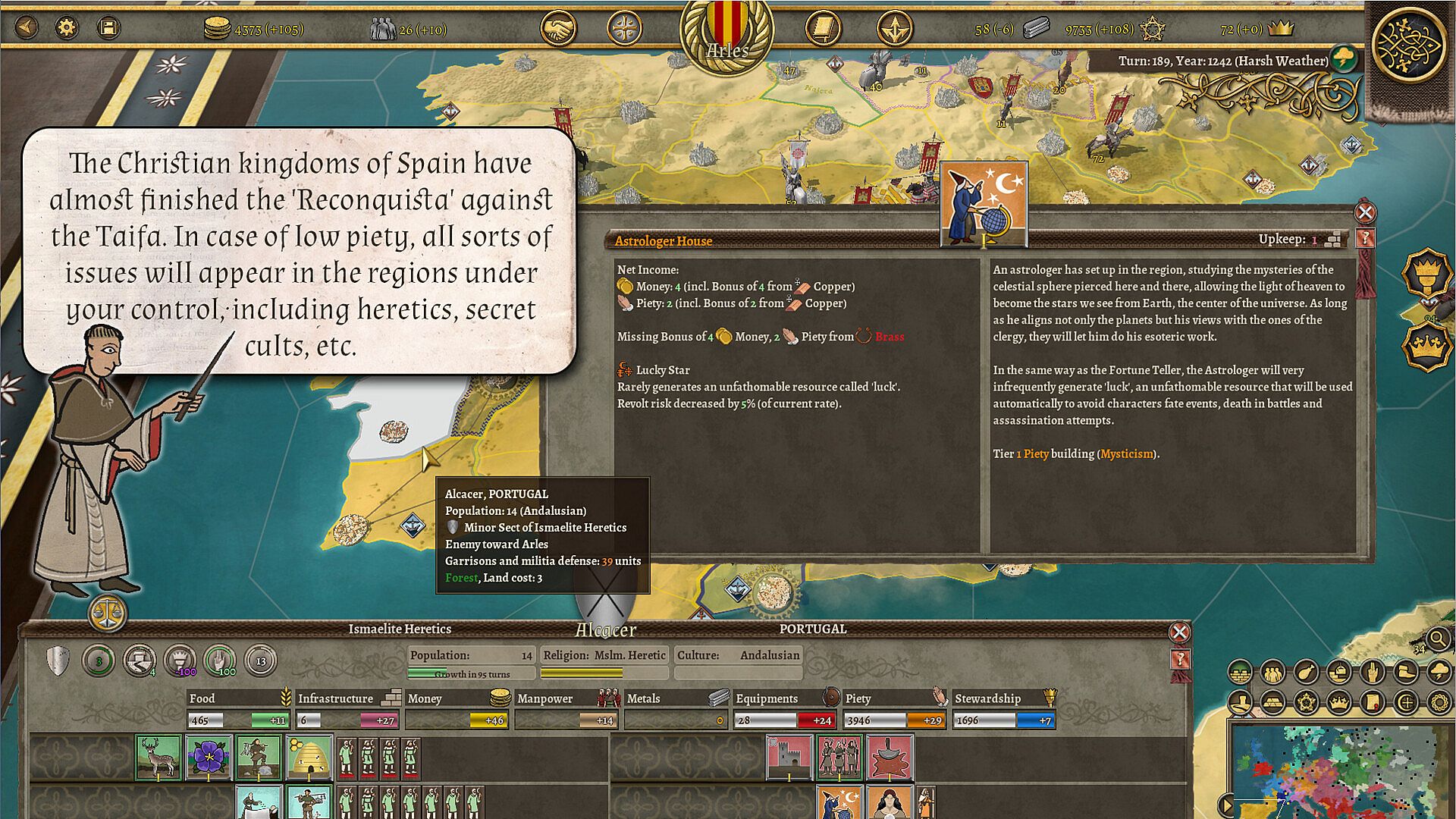
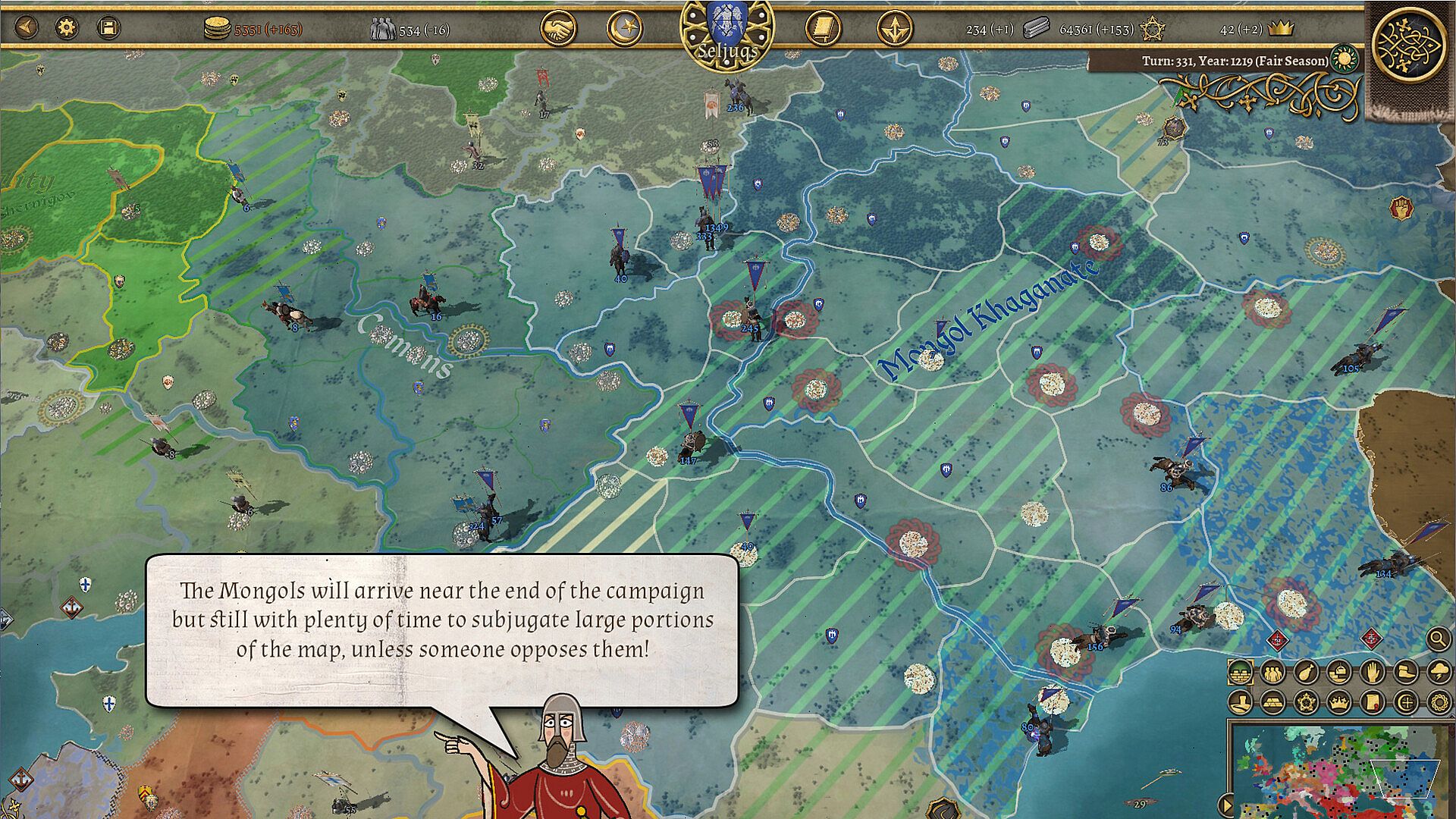
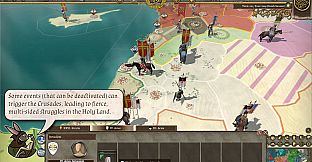
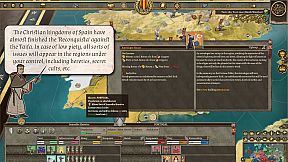
Religion plays a central role as neighboring faiths generate tensions that can escalate into conflict. Strong imbalances reduce diplomatic options and may trigger large-scale events such as crusades or jihads when holy sites fall under opposing control. Population management spans social classes from peasants to nobles, where maintaining order across the hierarchy determines long-term stability.
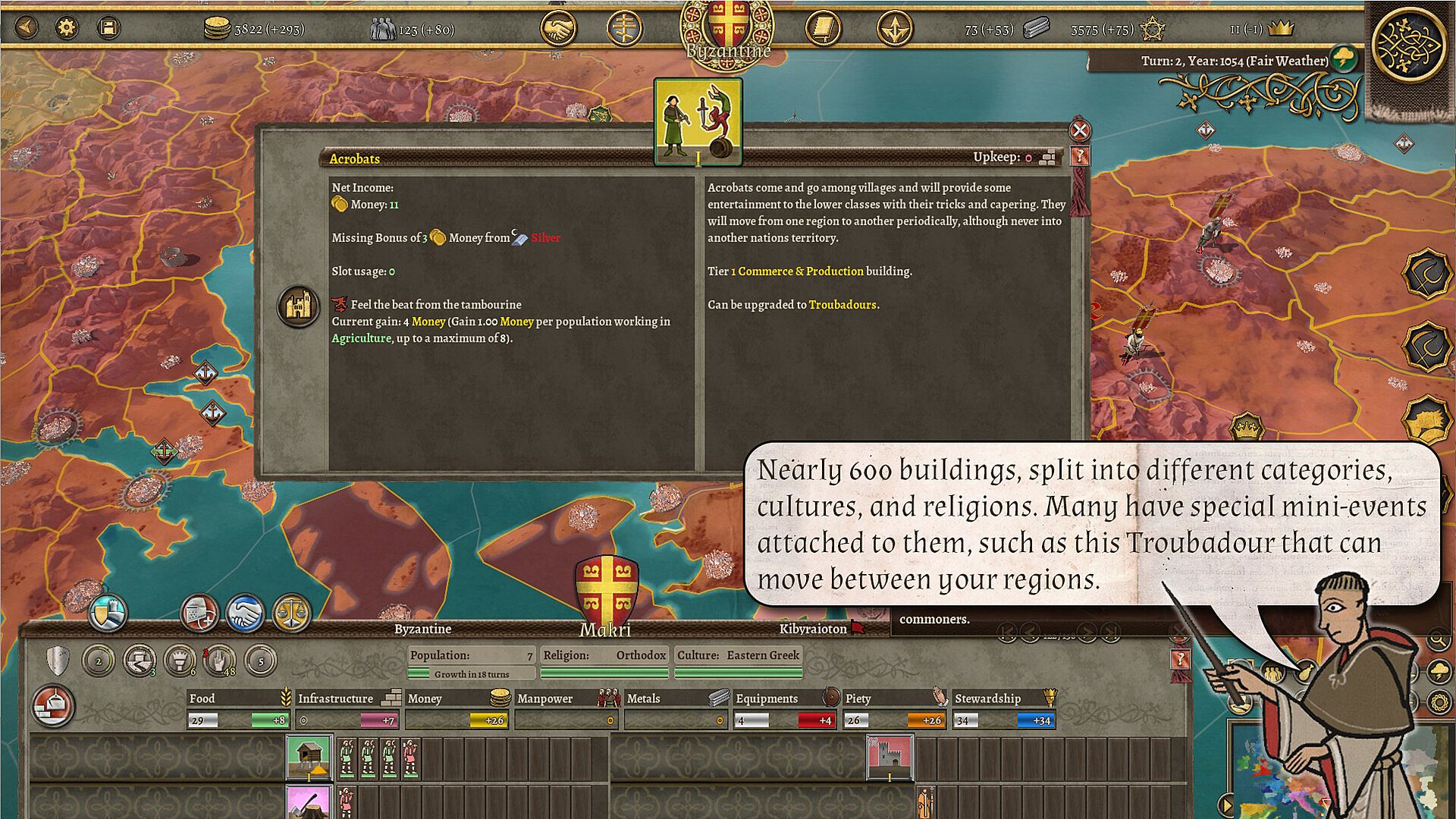
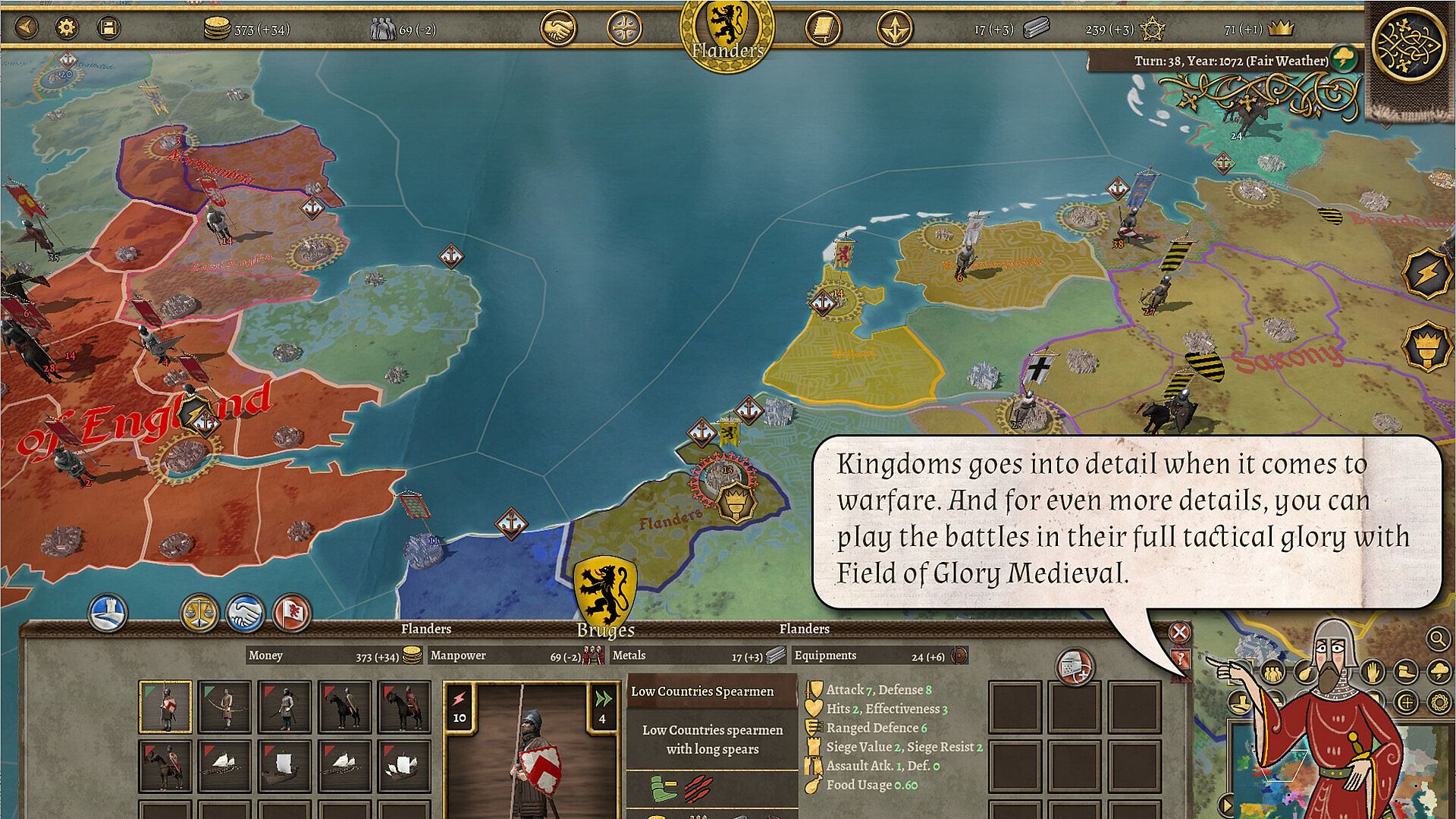
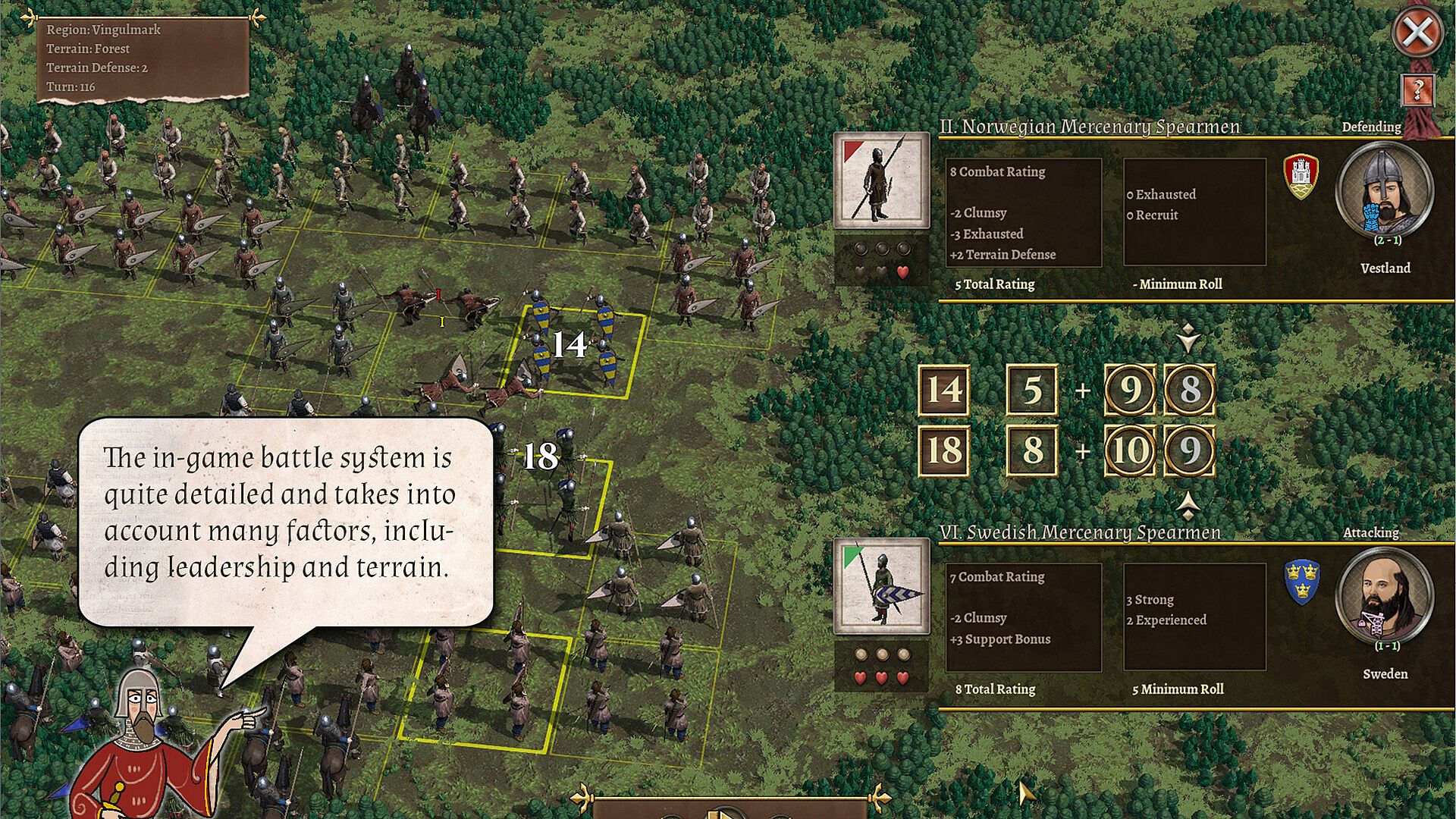
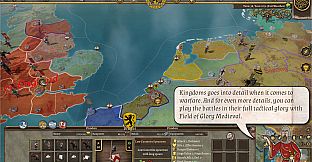
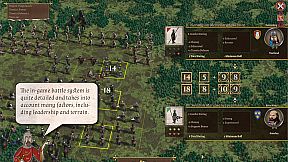
Warfare involves raising and deploying diverse unit types including knights, sergeants, spearmen, and crossbowmen to secure borders and achieve objectives. The game tracks 450 factions, 400 units, 600 buildings, 14 religions or heresies, and 90 cultural traits that shape faction behavior and capabilities. Battles can export to Field of Glory II: Medieval for detailed tactical resolution before results return to the campaign map.
Game Modes
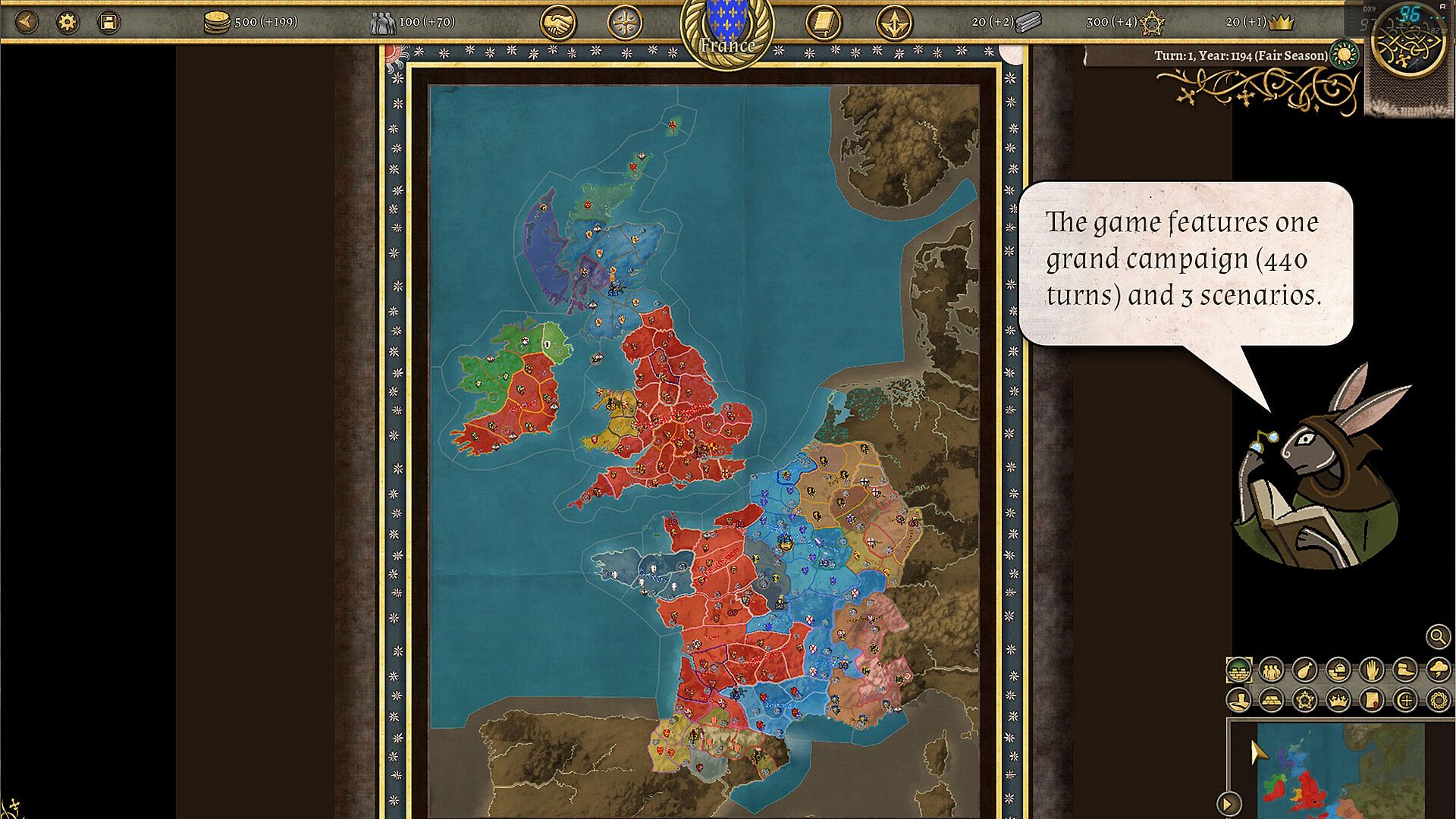
Single-player campaigns allow full control over one faction across the historical timeline with AI opponents handling the rest of the world. Turn-based WEGO resolution handles simultaneous actions across multiple regions.
Multiplayer supports asynchronous play against up to 16 human opponents through a large-scale system that accommodates varied schedules. Traditional PBEM options exist alongside the asynchronous framework, enabling campaigns where participants manage their realms independently between turns.
Key Mechanics and Features
Regional administration requires attention to population distribution and noble influence, as social mobility and class tensions directly affect productivity and loyalty. Cultural traits introduce variety in how different factions approach governance, warfare, and diplomacy.
Religious dynamics extend beyond simple alliances, influencing internal policies and external relations through holy city control and faith-based events. The integration with tactical combat software provides an optional layer of depth for players seeking more direct battlefield command without altering the grand strategy focus.
Is It Worth Playing?
The game received very positive reviews on its primary distribution platform, with 82 percent approval from hundreds of user submissions. Ongoing patches continue to refine mechanics, and a major expansion released in 2026 extends the timeline into the late medieval and early Renaissance periods with new economic and political options.
Players who enjoy detailed grand strategy titles centered on medieval politics, religion, and warfare will find substantial depth here. The combination of campaign management and optional tactical export suits those who prefer strategic oversight with the choice for finer control in key engagements. Regular updates and multiplayer support indicate sustained development interest following the 2024 release.