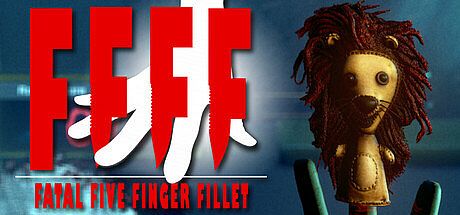


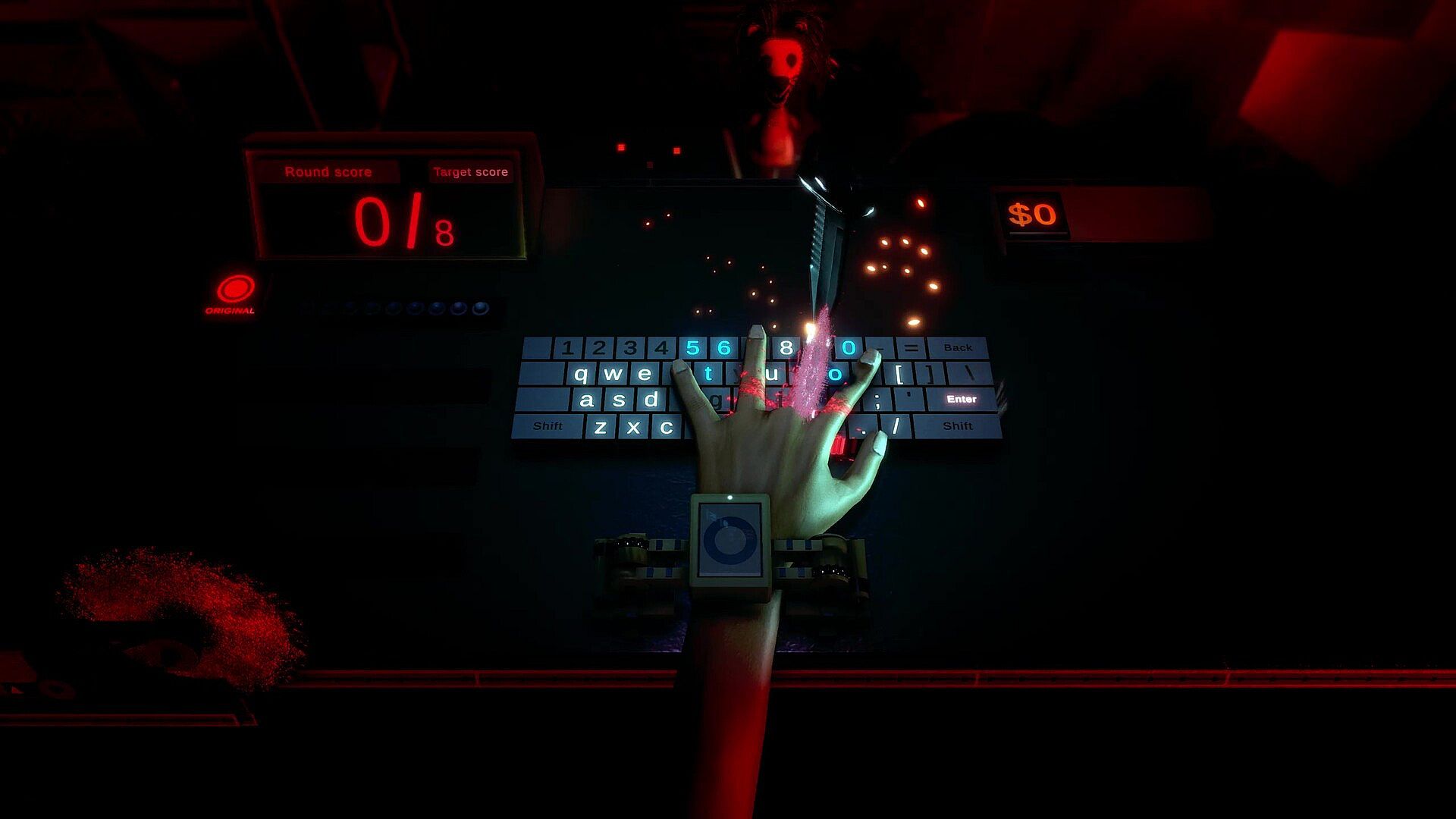
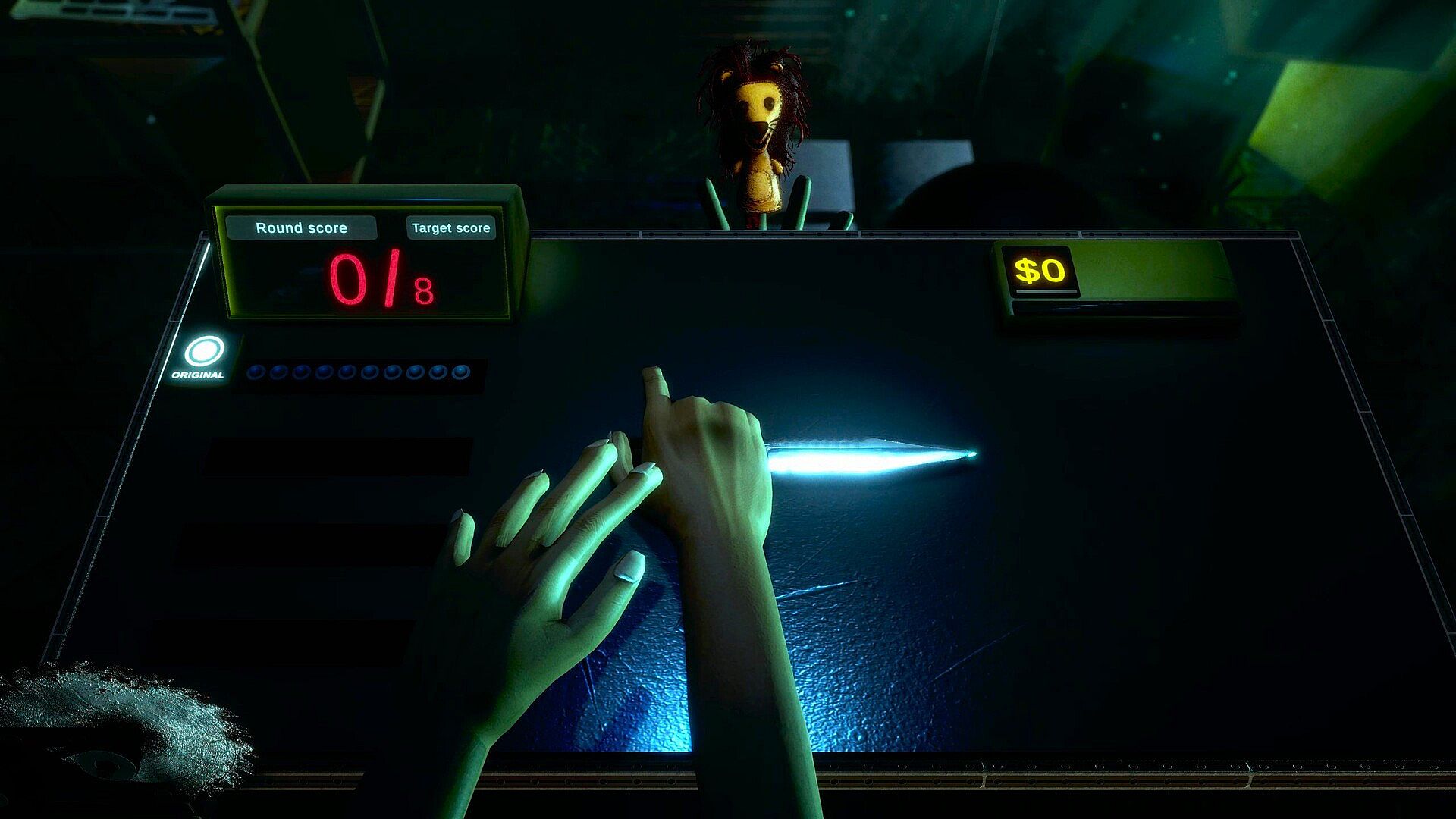
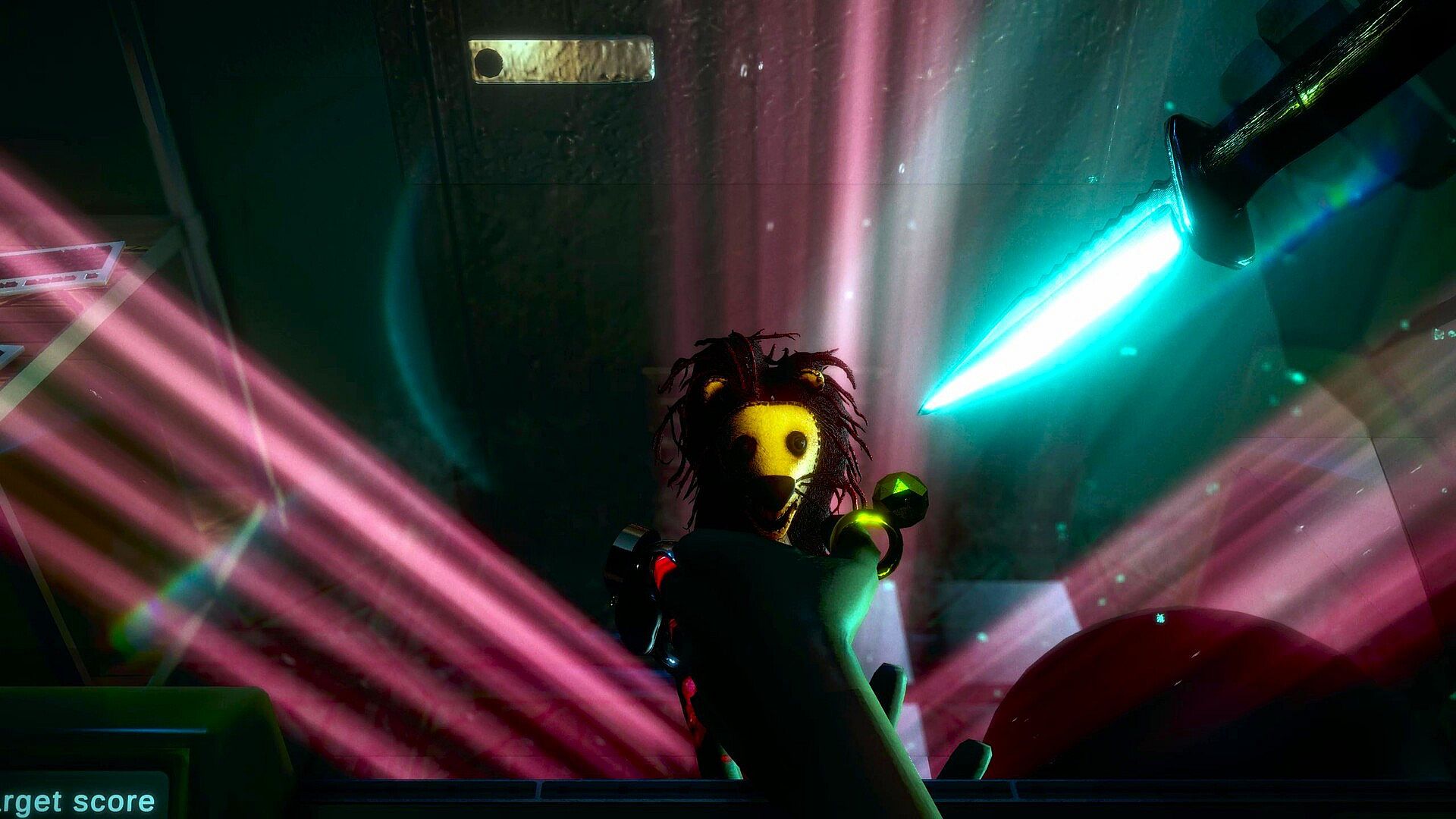








FFFF : Fatal Five Finger Fillet is a single-player roguelike that blends action and casual elements through a high-stakes knife game mechanic. Players position four fingers on the keyboard as their lives while repeatedly driving a blade between them in timed sequences. The setup draws directly from the classic five finger fillet challenge but layers roguelike progression on top, creating short, repeatable sessions focused on precision and quick decisions.
Gameplay
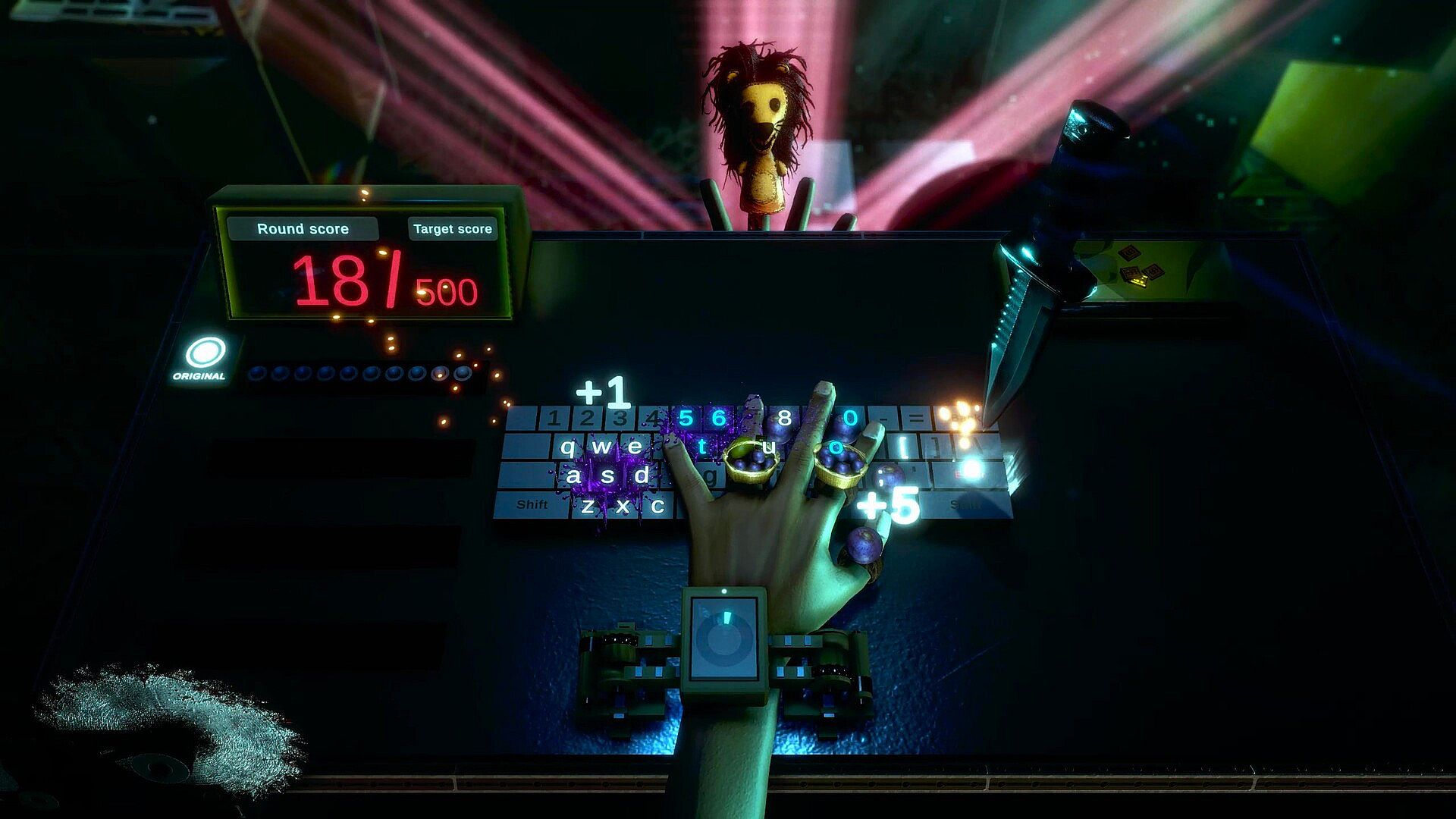
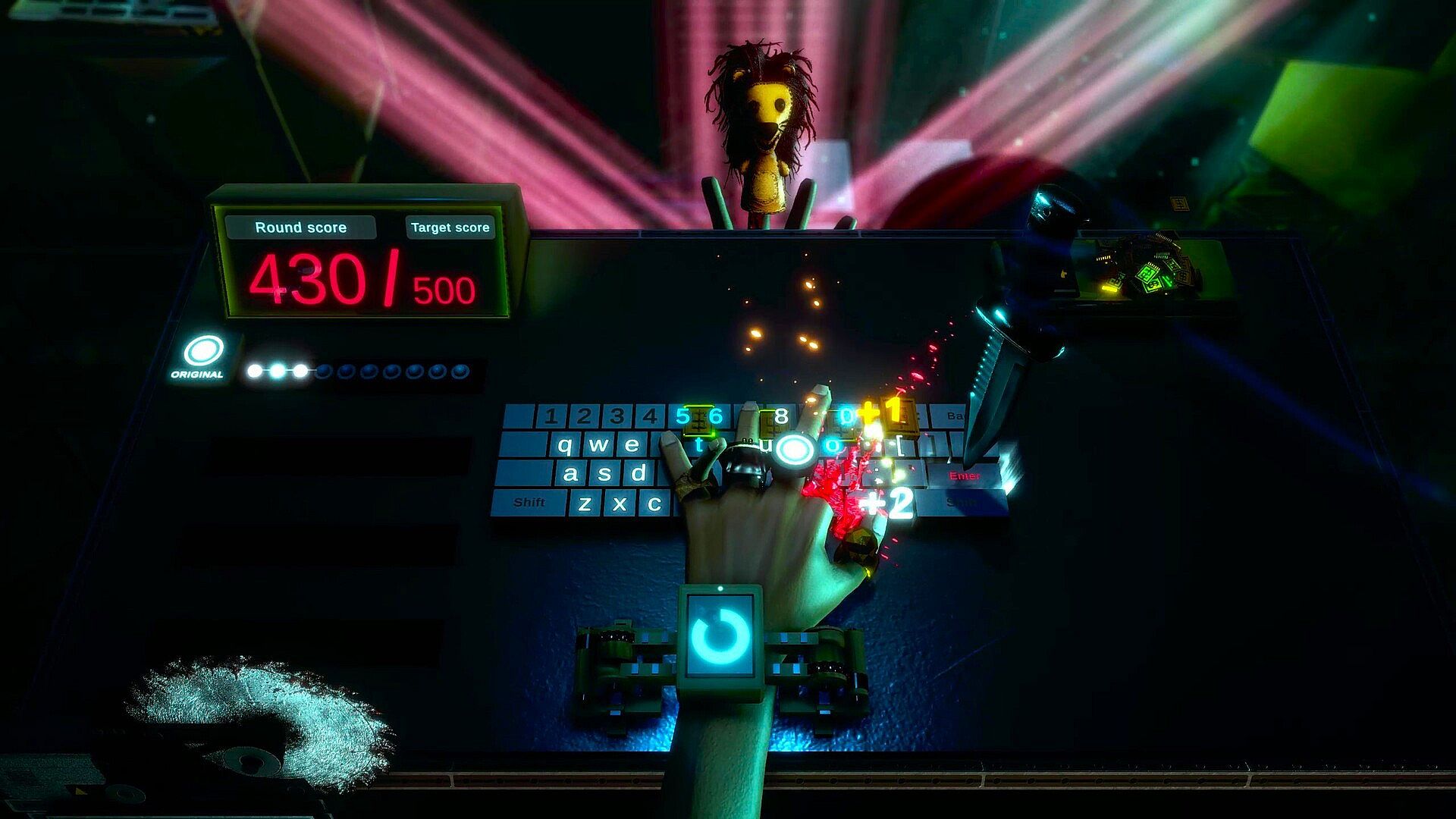
The core loop centers on placing fingers in designated spots and executing knife plunges at increasing speeds. Each successful stab between the fingers keeps the run alive, while a miss costs one life and triggers blood-like visual effects. Runs emphasize steady rhythm combined with growing pressure as blades spin closer over time. The keyboard input requires players to keep their hand steady while reacting to the pattern of strikes.
Failure ends the current attempt when all four fingers are lost, sending the player back to the start with a fresh setup. Success builds score through chains of accurate moves, and the tension rises naturally from the physical positioning required to maintain control. This creates a loop where each attempt feels distinct due to the randomized elements in item placement and sequence timing.
Game Modes
The experience operates entirely in a single-player format with no multiplayer components. Runs follow a roguelike structure where each attempt generates new combinations of challenges and upgrades. Players progress through sequences of knife work, collecting elements that alter future runs without carrying over permanent progress between attempts.
Every session resets upon death, encouraging repeated tries to improve score and reach further into the content. The absence of separate modes keeps the focus on mastering the central knife mechanic across varied procedural layouts.
Power-Ups and Builds
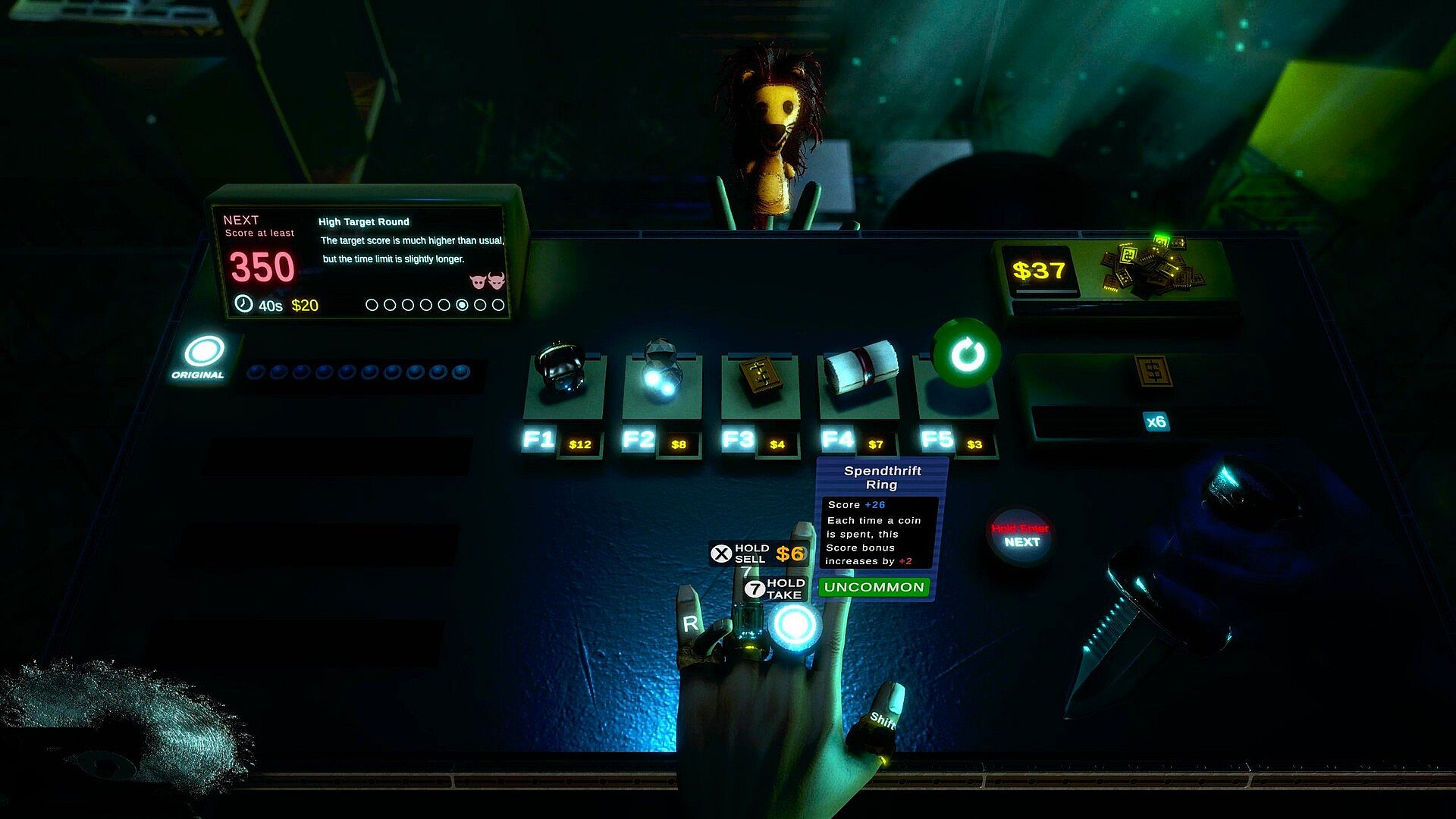
Rings and knife point items serve as the main tools for customization during a run. These appear as pickups that modify how the knife behaves or how the score accumulates. Players select combinations that create synergies, such as effects that extend safe windows or multiply points from consecutive successes.
Build variety comes from mixing these items across attempts, leading to different strategies for handling faster sequences or higher risk patterns. The system rewards experimentation because synergies can snowball scores when aligned well, while poor choices increase the chance of early failure.
Boss Encounters
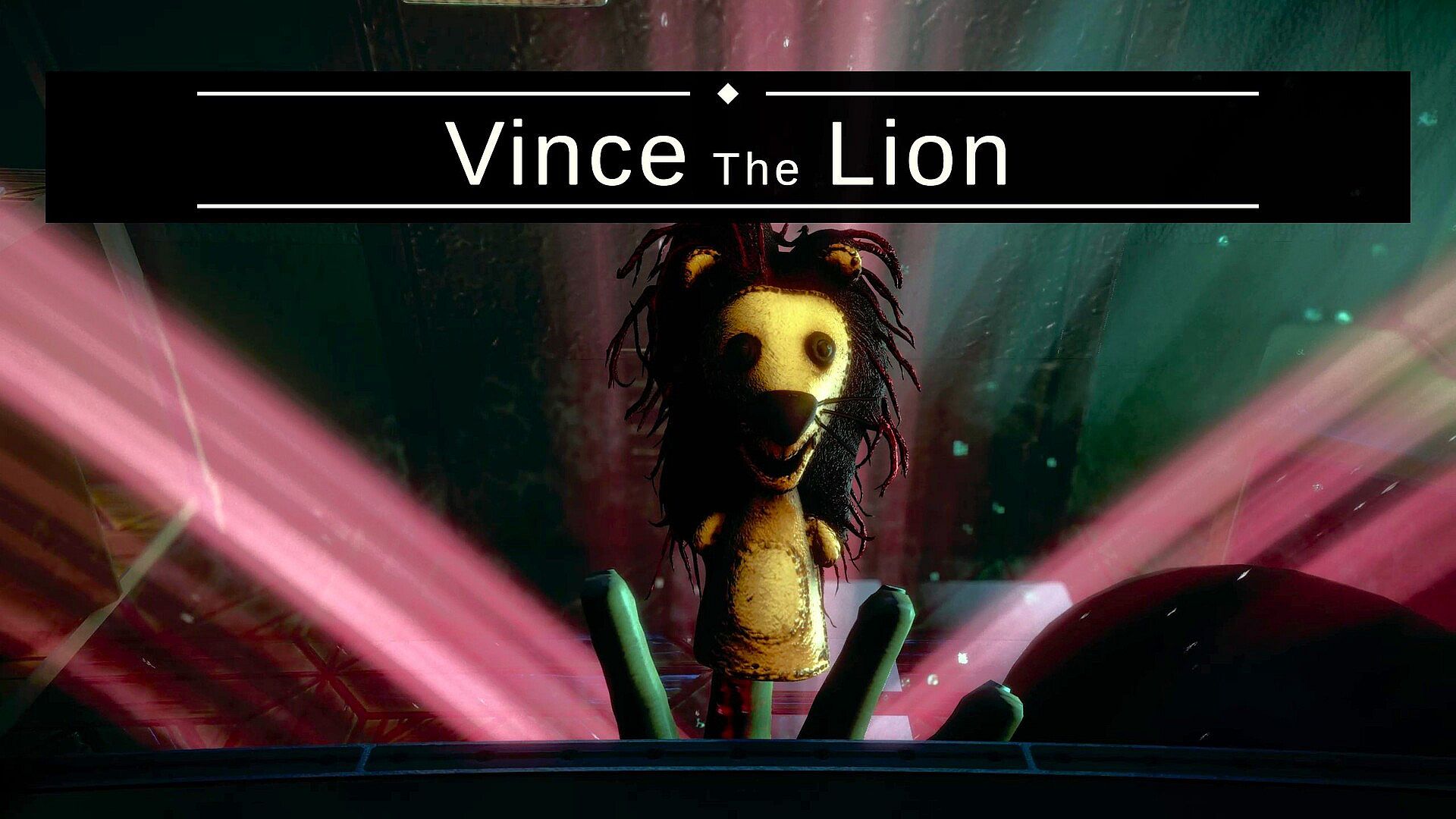
Five distinct bosses appear as the Maniacal Finger Puppets, each tied to one of the fingers. These encounters test the accumulated upgrades from prior stages and introduce new patterns that demand precise timing adjustments. Defeating all five reveals the story behind the mastermind controlling the deadly game.
The bosses maintain the same core stabbing action but scale the difficulty through tighter timing windows and additional visual distractions. This structure gives runs a clear endpoint while preserving the roguelike randomness in how players arrive at each fight.
Is It Worth Playing?
The game suits players who enjoy roguelike runs built around a single, demanding skill test rather than broad exploration or combat systems. Its short session length and immediate restart mechanic make it accessible for quick play, while the item synergies add depth for those who want to optimize scores over multiple attempts.
With no user reviews available ahead of its Q4 2026 release and a demo already present for testing the core loop, interested players can evaluate the tension and build crafting firsthand. Those drawn to tense, precision-focused indie titles with casual accessibility will find the most direct match in its straightforward yet layered knife gameplay.