



















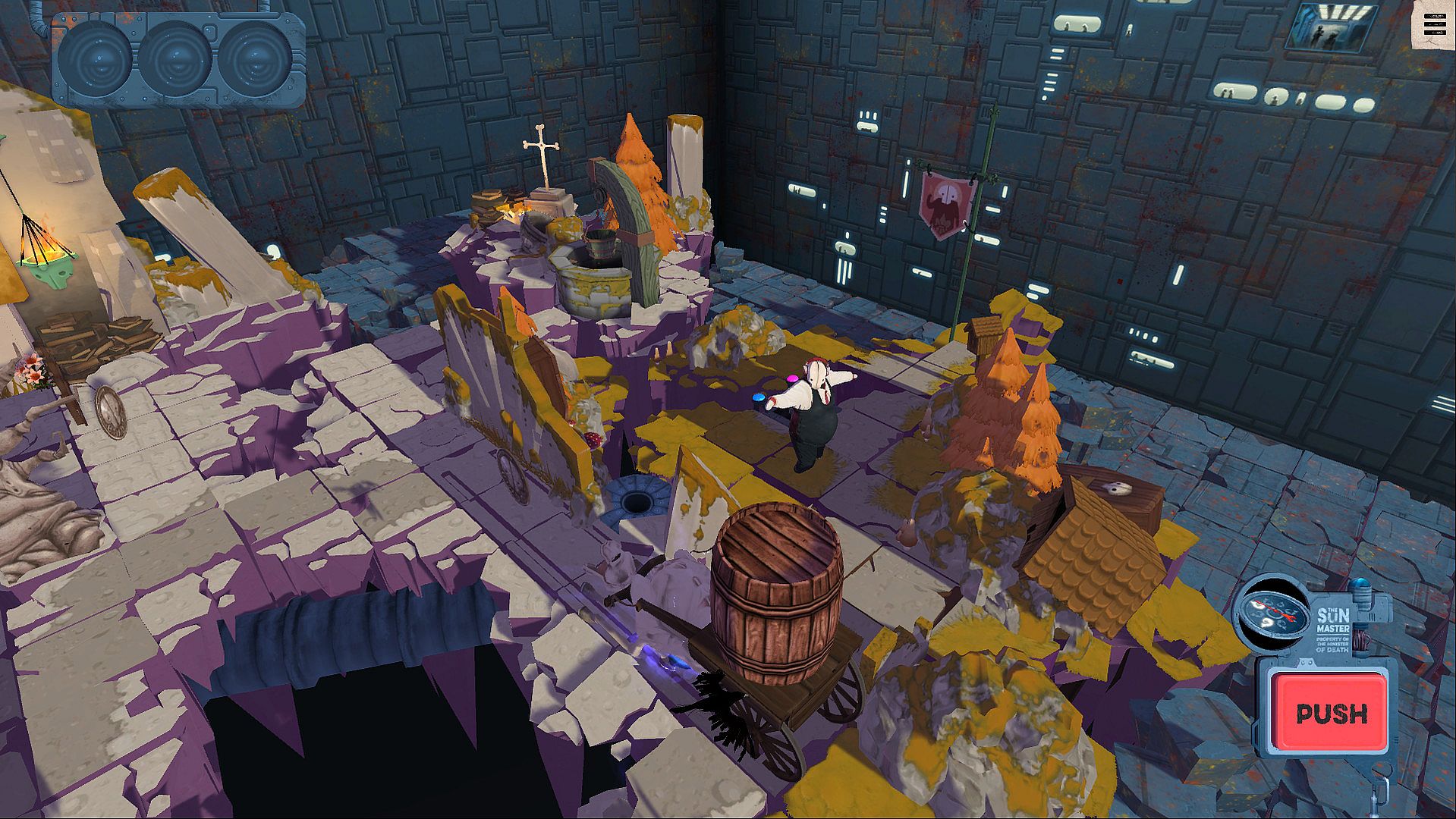
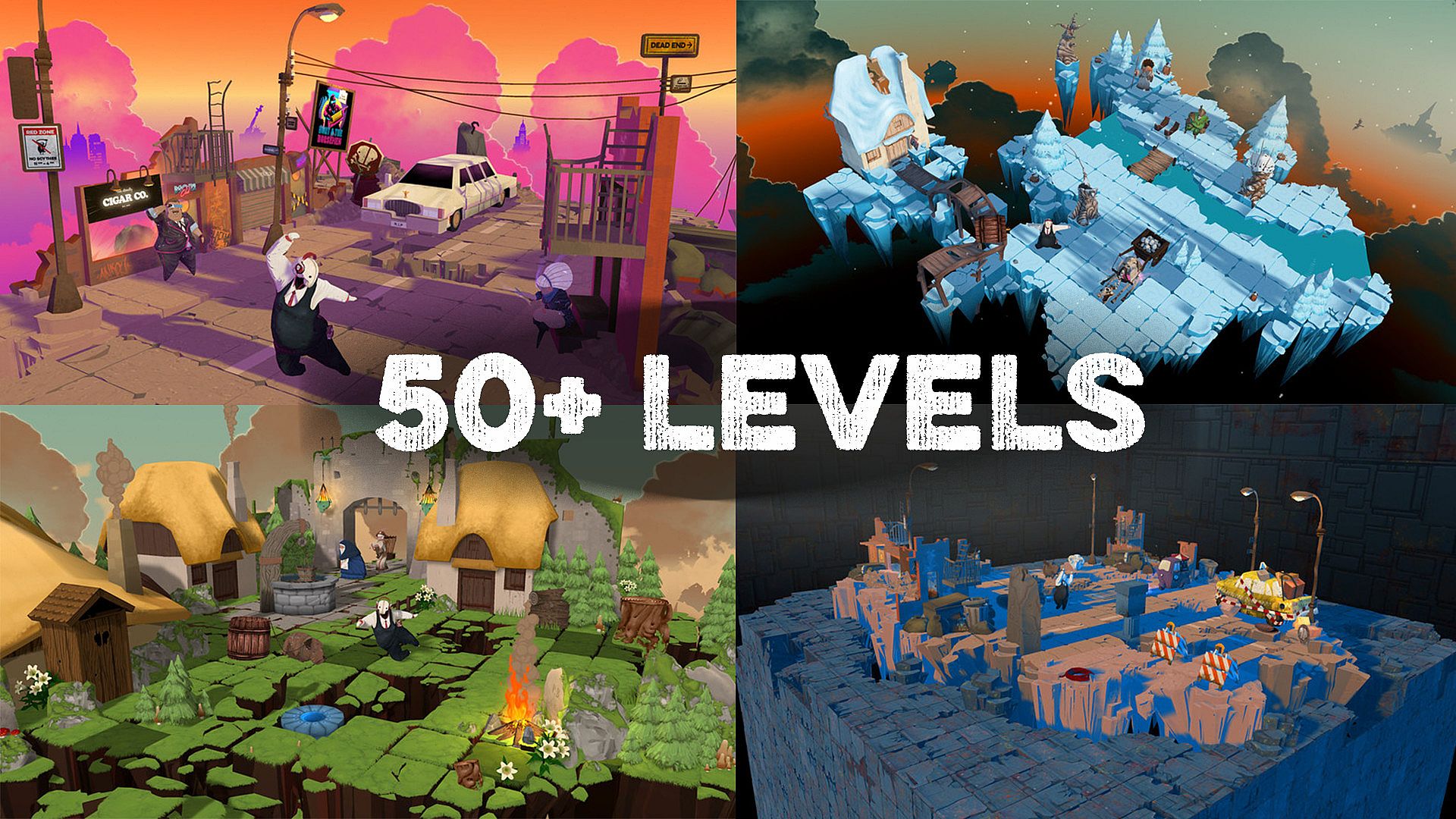
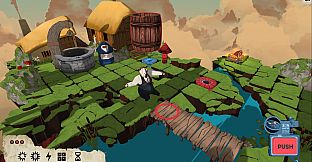
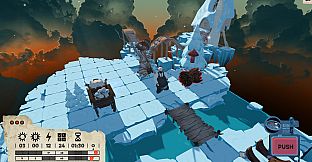
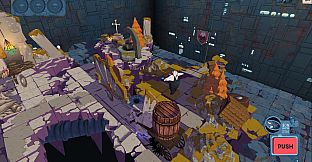
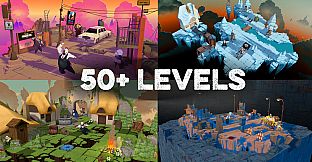
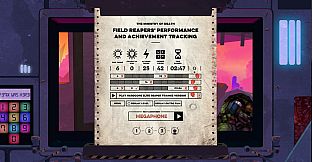
Felix The Reaper stands as a distinctive indie puzzle adventure released in 2019 for PC. Players step into the shoes of Felix, a dancing reaper tasked with ensuring specific deaths occur through careful environmental manipulation. The experience centers on single-player spatial challenges where light and shadow dictate every move, blending precise puzzle solving with a whimsical yet macabre tone drawn from historical art motifs.
Gameplay
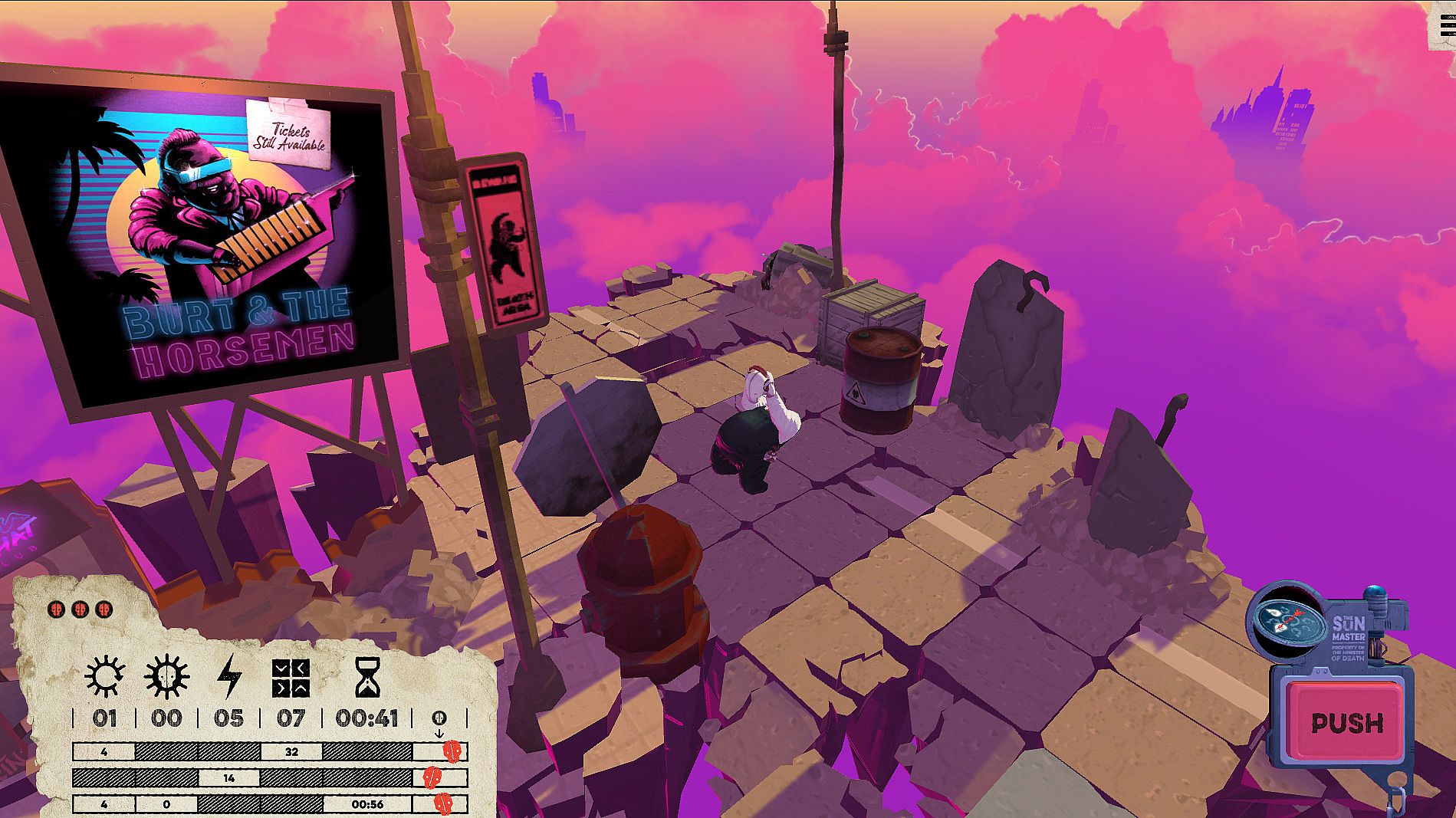
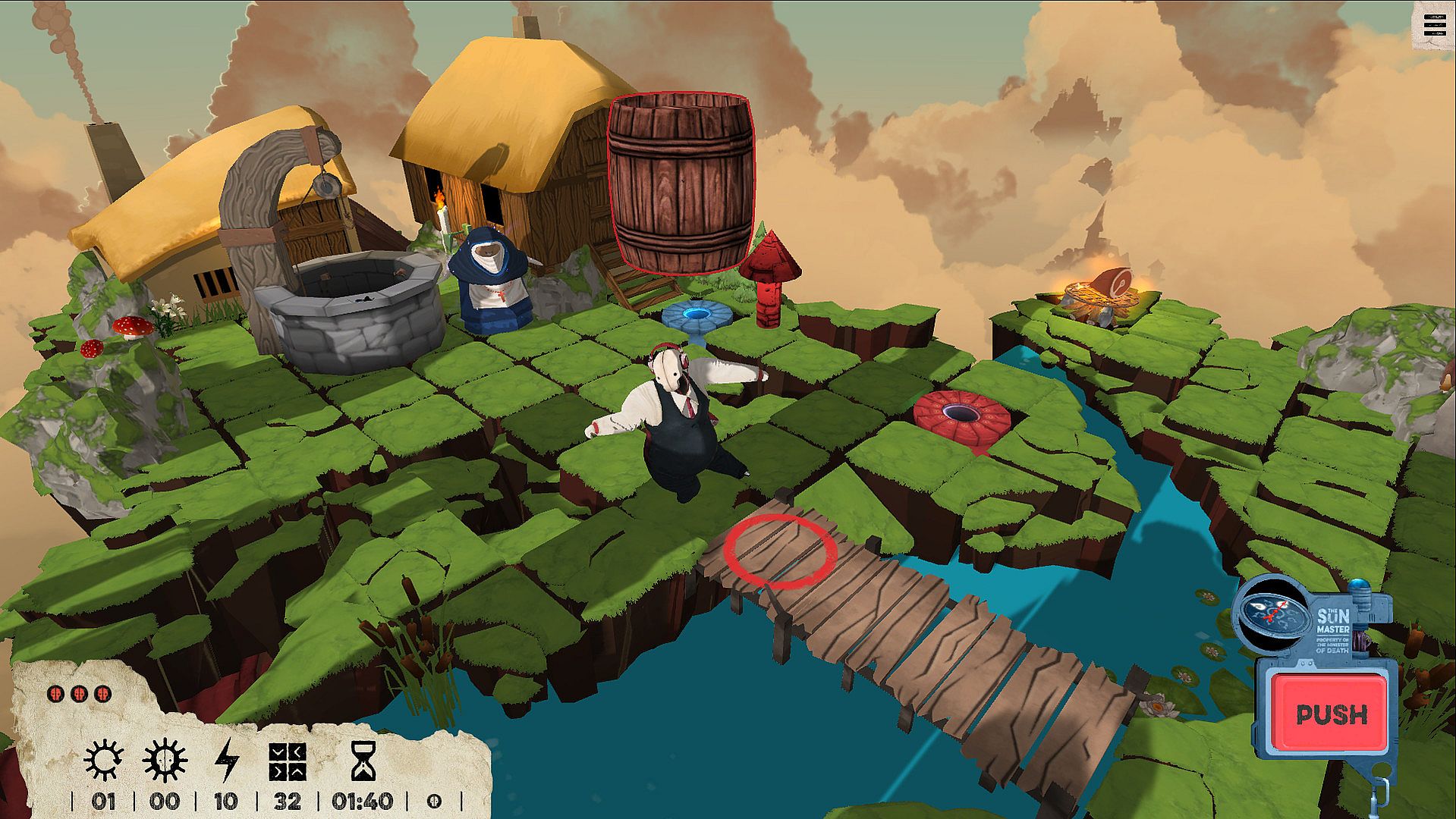
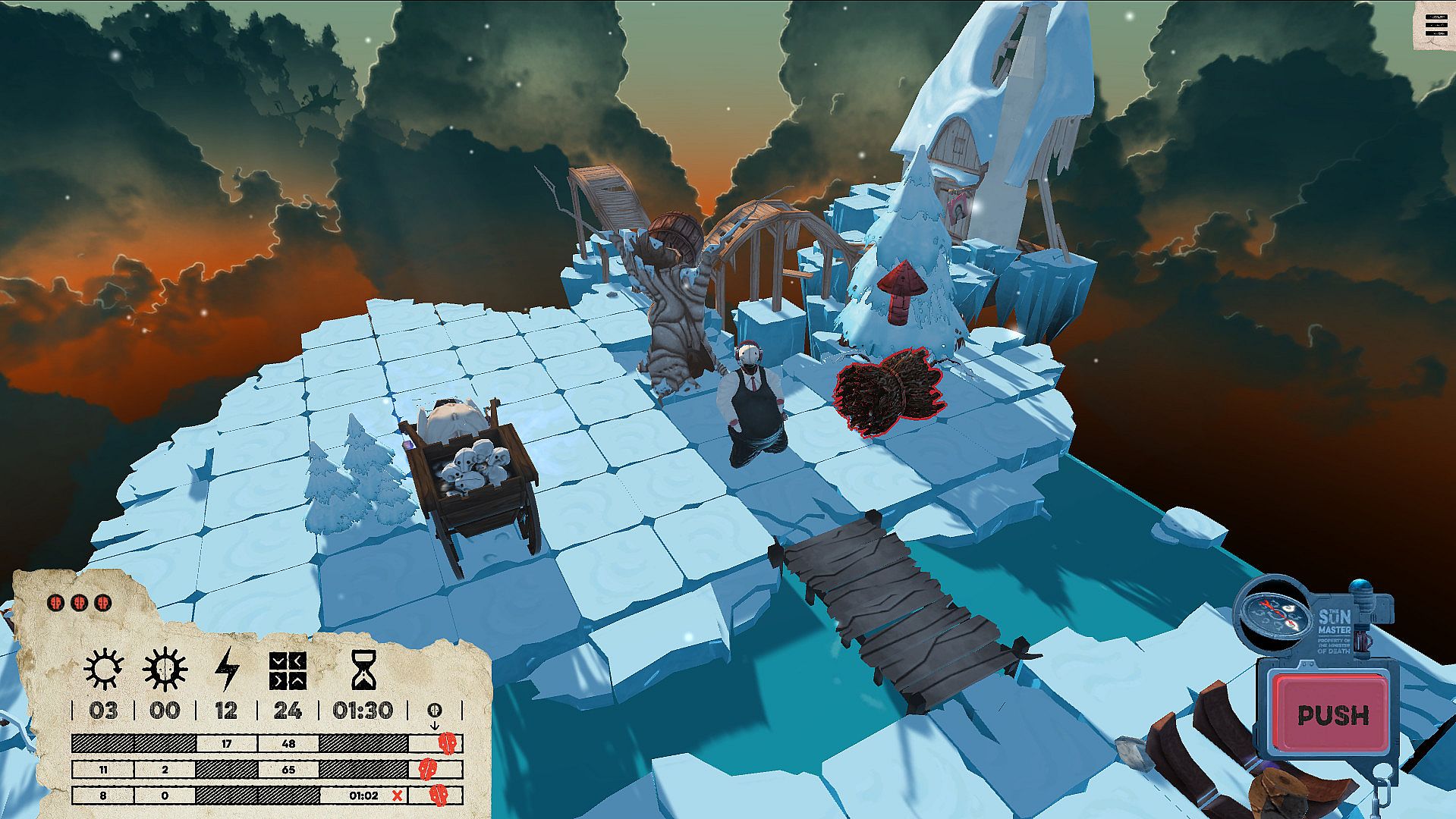
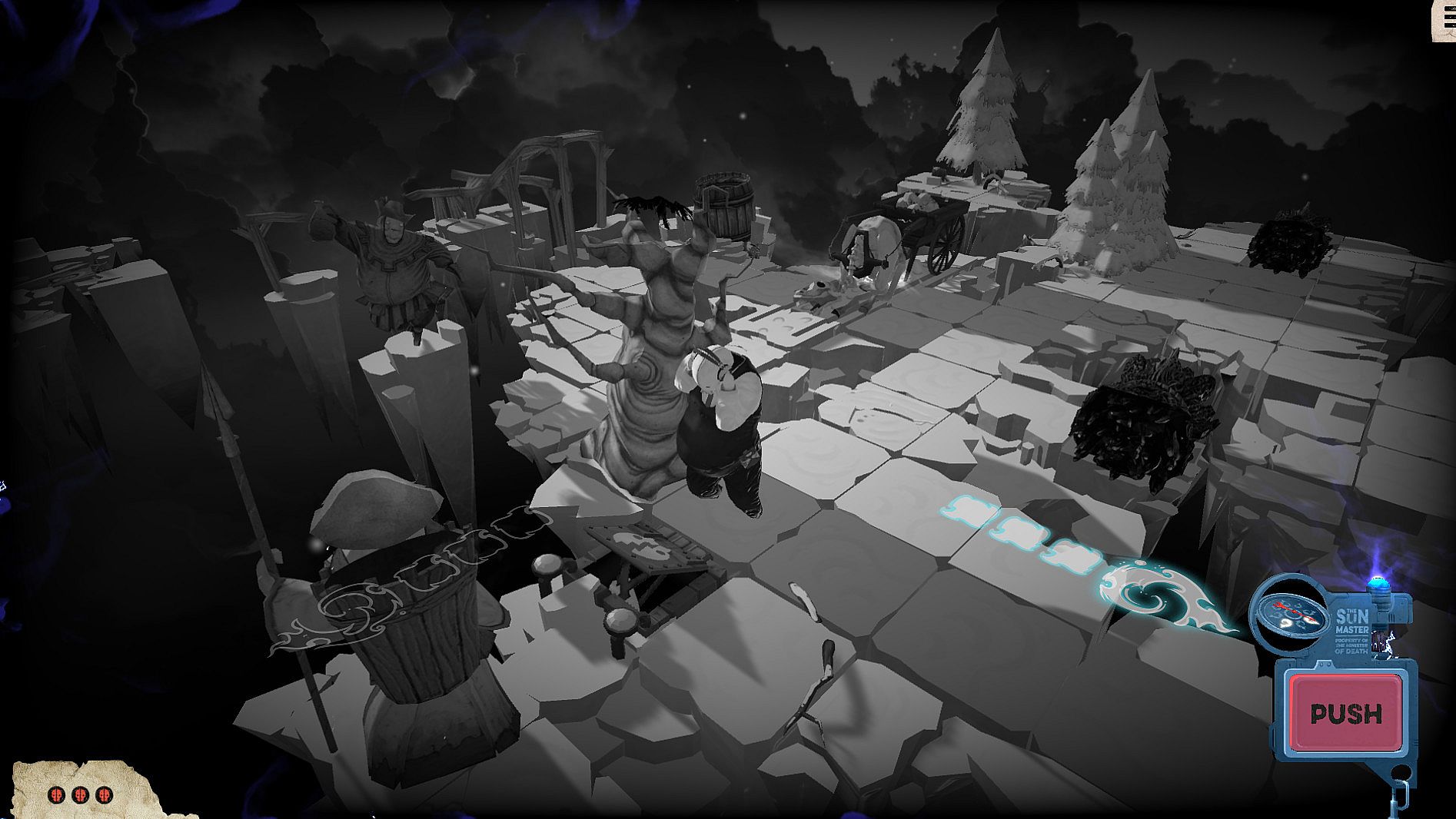
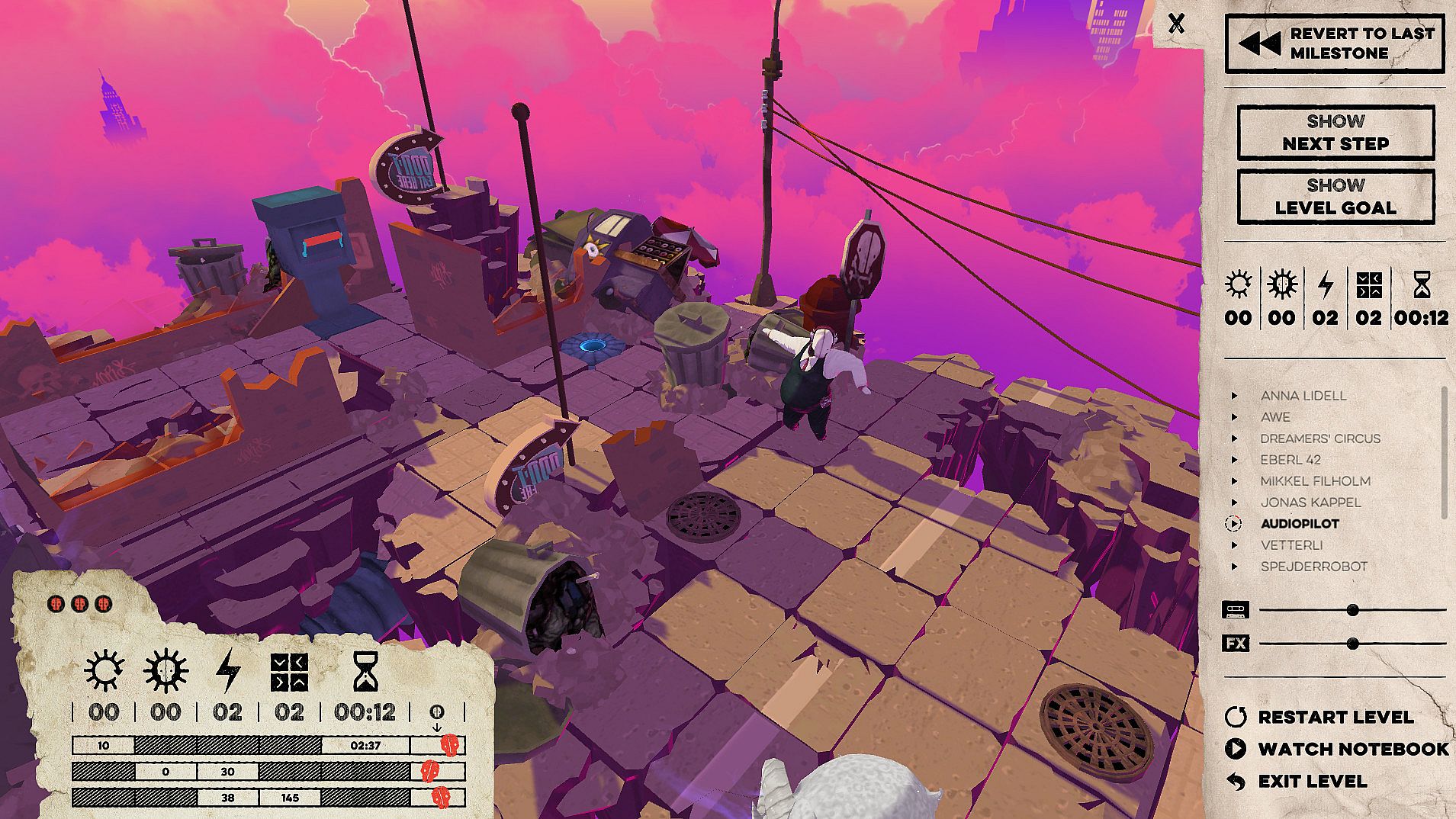
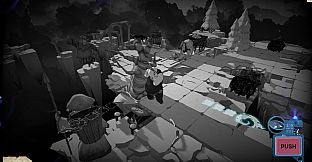
Core mechanics revolve around navigating grid-based stages while remaining strictly in shadow. Felix cannot step into illuminated areas, as light belongs to the living. Each level presents a fixed layout of lit and dark squares, requiring players to plan paths that avoid exposure at all times.
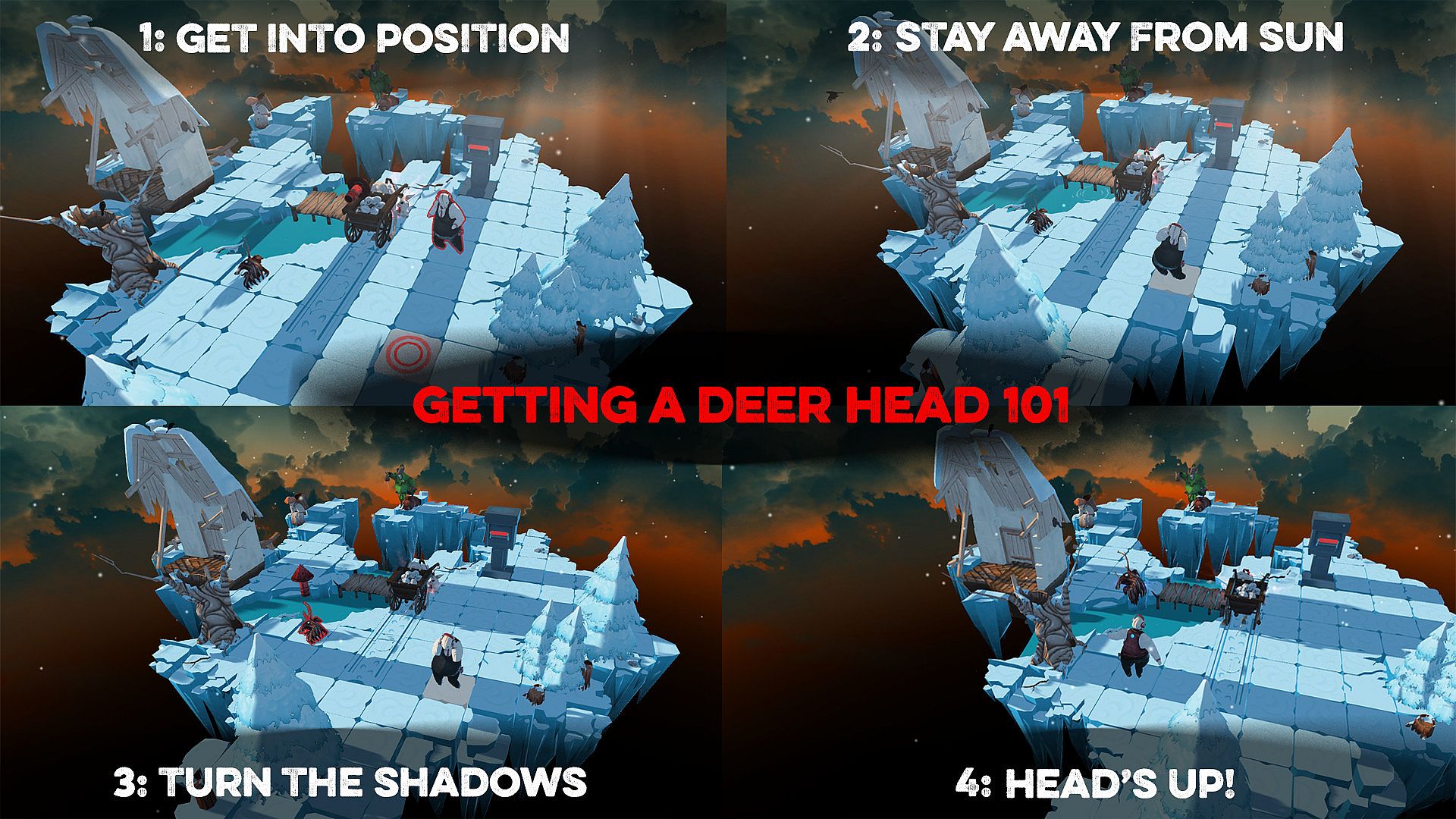
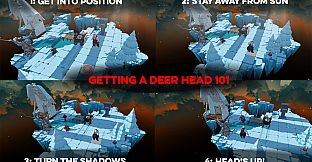
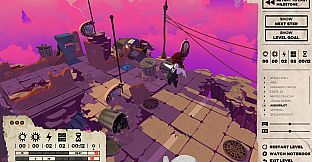
Shadow control forms the central loop. Players rotate the sun in 90-degree increments to shift light patterns across the grid. Objects scattered throughout levels can be moved or repositioned to cast new shadows or block rays, opening routes that would otherwise remain inaccessible. Later stages introduce perspective shifts that demand mental mapping of multiple angles before committing to a sequence of actions.
The three foundational rules guide progression. First, Felix must always stay in shadow. Second, the environment itself becomes the tool for path creation through sun rotation and object placement. Third, every successful run ends with the target meeting a predetermined fate, often through a chain of contrived accidents set in motion by Felix's positioning.
These systems produce puzzles that start approachable yet scale into intricate spatial problems. Movement feels deliberate and methodical, rewarding observation over speed. The non-stressful pace allows attention to shift between puzzle logic and the surrounding artistic details without pressure.
Game Modes
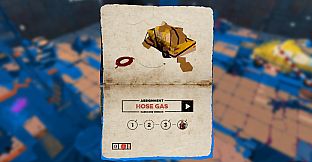
The primary experience unfolds across a single-player campaign structured in five chapters. Each chapter contains multiple levels that introduce new mechanics gradually while reinforcing the shadow rules. Completion unlocks additional challenges tailored for replayability.
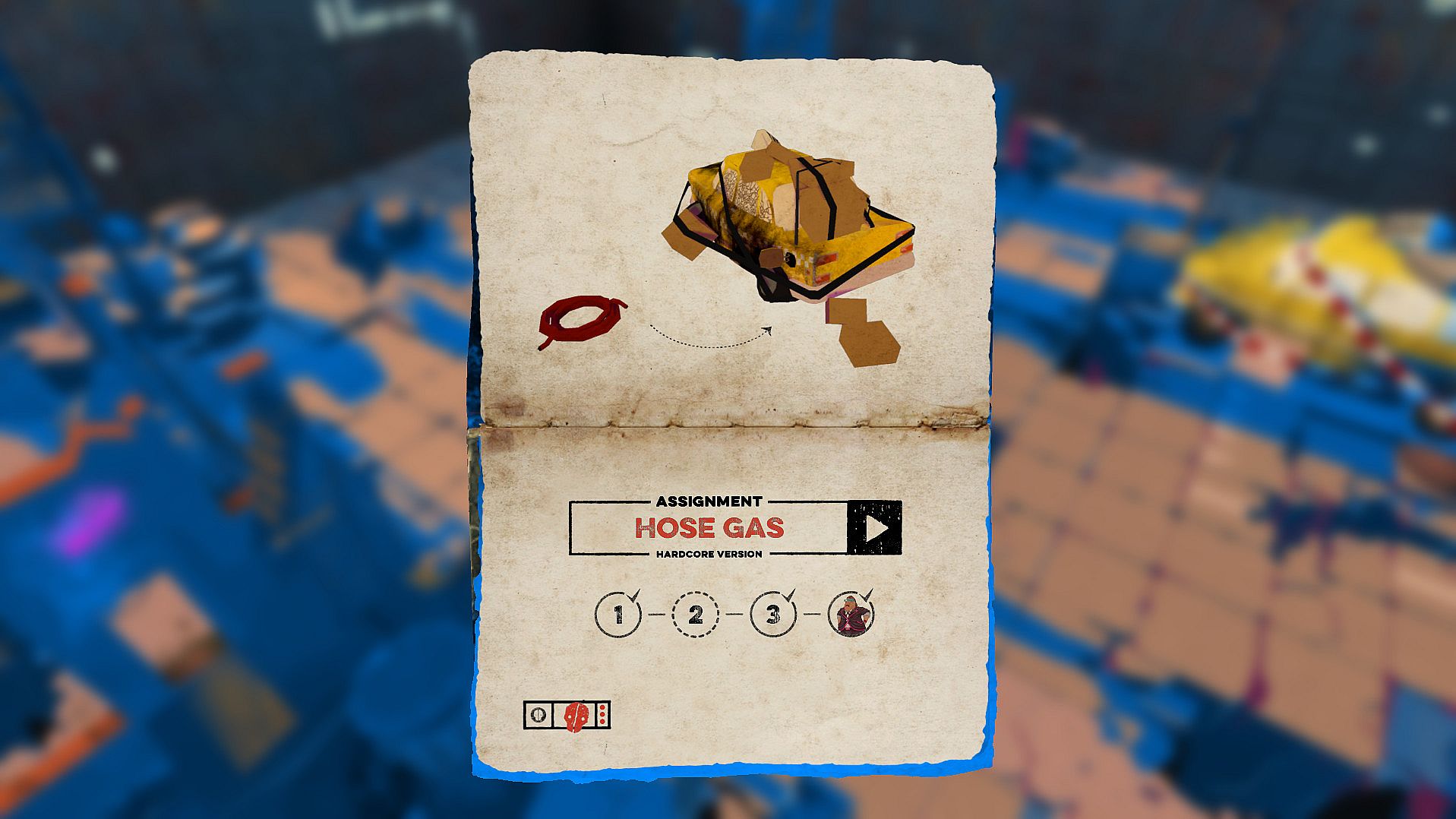
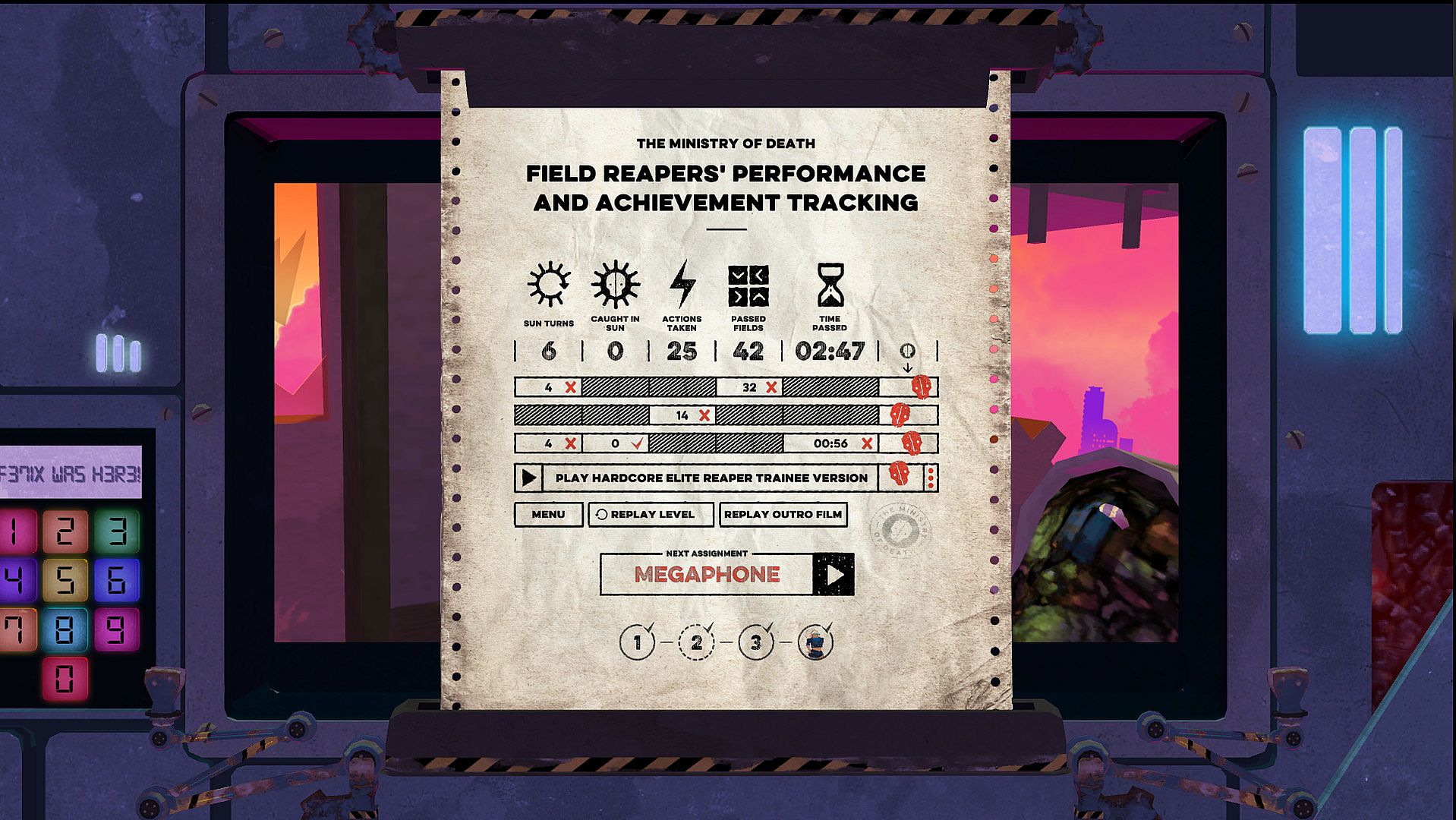
Time trial levels appear once the main campaign advances. These variants impose strict time limits on the same puzzle structures, testing efficiency in shadow manipulation and path optimization. Hardcore levels further increase difficulty by removing certain assists or tightening constraints on movement and object interaction.
Both extra modes integrate directly into the existing level designs rather than creating separate content. Players return to familiar stages with heightened demands, encouraging mastery of the rotation and repositioning systems. No multiplayer elements exist, keeping all focus on solitary puzzle refinement.
Narrative and Artistic Elements
A framing story weaves through the levels, centering on Felix's dangerous affection for Life amid his duties at the Ministry of Death. Peculiar characters populate the world, delivering moments of comedy and tenderness between puzzle sequences.
Dance serves as a recurring motif. Felix performs original moves between stages, accompanied by a soundtrack featuring contributions from more than ten independent music artists. The tracks vary widely in style, matching the game's eclectic tone and giving players time to absorb the audio during slower puzzle solving.
Art historical references inform the visual and thematic layers. Themes of the Danse Macabre and Death and the Maiden appear alongside influences from medieval painters, classic television anthology series, and animated works. Five unlockable articles by historian Søren Hein Rasmussen expand on death imagery across centuries, discovered progressively through campaign play.
Is It Worth Playing?
Player reception on major platforms registers as very positive, with 80 percent approval from over two hundred reviews. Reviewers frequently highlight the charm of the presentation, the depth of the shadow-based puzzles, and the integration of dance and music as standout features.
The game suits those who enjoy methodical single-player puzzle experiences that reward careful planning and repeated attempts. Its strict rules create satisfying moments of insight once solutions click, while the artistic wrapping adds personality without overshadowing the core challenge.
Time trials and hardcore variants extend the lifespan for completionists seeking extra difficulty. The complete package from 2019 remains unchanged, offering a self-contained adventure focused on spatial reasoning and thematic consistency rather than ongoing content additions.
Anyone drawn to grid-based manipulation puzzles with a distinctive visual and auditory identity will find a focused, memorable title here. The emphasis on staying in shadow while orchestrating elaborate outcomes delivers consistent engagement across its chapters and optional modes.