




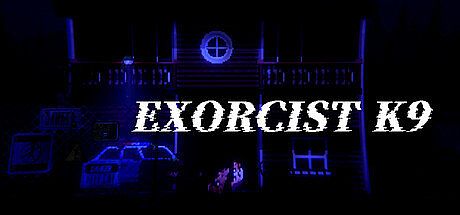









EXORCIST K9 is an action indie game set on PC in which a rookie paranormal investigator teams up with an exorcism hound to navigate a haunted house overtaken by a sinister cult. The story follows traces left by a veteran exorcist agent who has gone silent, with guidance from a radio handler, as players confront a dark tragedy filled with paranormal events.
Gameplay
The core loop centers on exploration and stylish action inside a single haunted location. Players move through creaking floors, flickering lights, and ringing phones while encountering brutal jump scares and other phenomena. The experience supports two main approaches: stopping to observe hauntings or pushing forward aggressively to confront ghosts directly. Choice of pace remains entirely with the player.
Extrasensory perception activates upon touching the entrance door. This ability foreshadows deaths that occur inside the house. Rather than ending the run, death functions as a preview that players can immediately rewind from, returning to the front door to attempt a flawless execution of the same sequence.
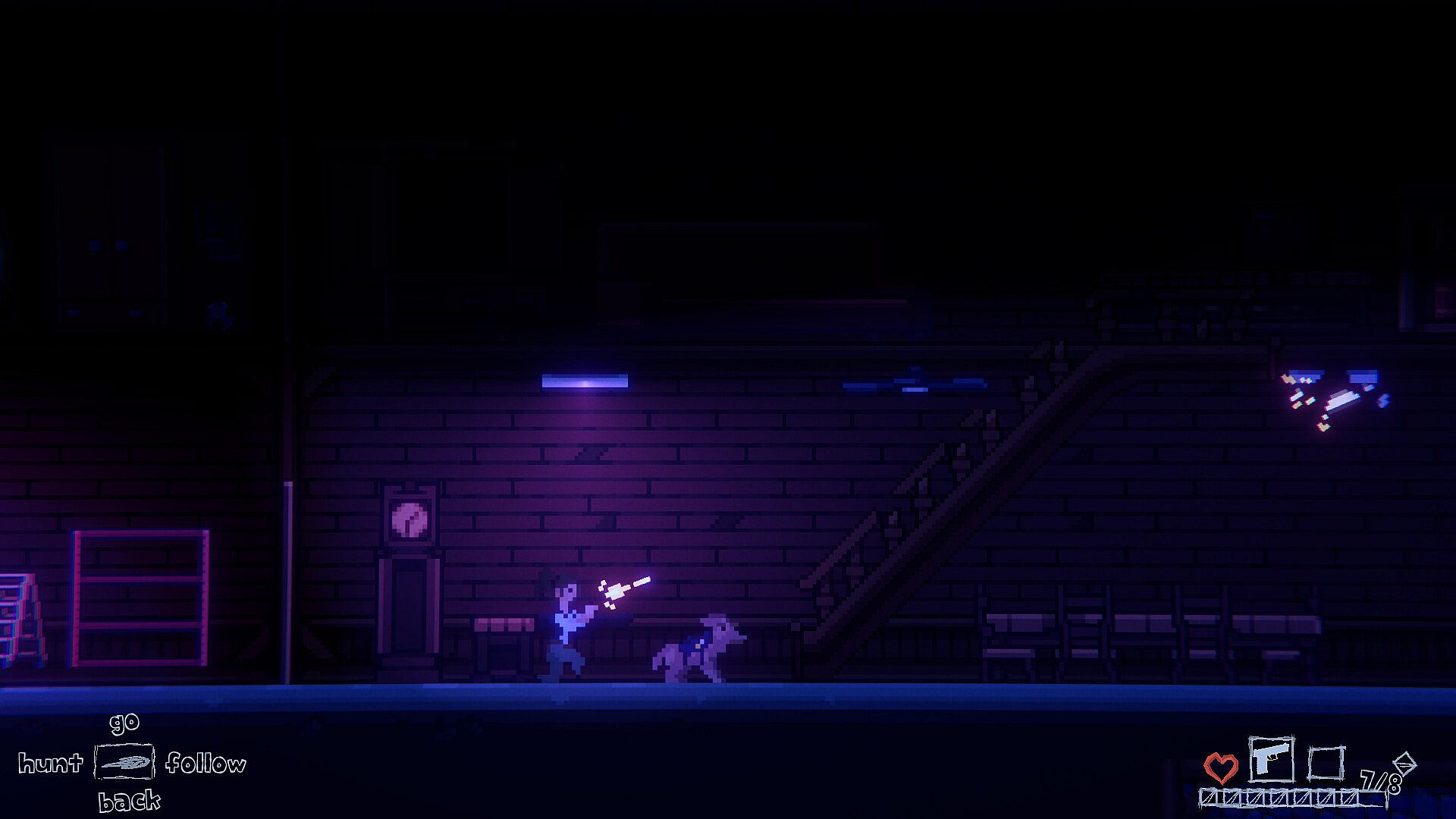
Combat involves gunplay against tricky ghosts that dodge bullets, raise shields, or possess shadows and objects. Success requires combining gunfire with environmental interactions, using nearby items to gain advantages. Hiding behind cover triggers a sensory boost that slows time, allowing players to outmaneuver threats before emerging again. Overuse of the boost requires a cooldown period.
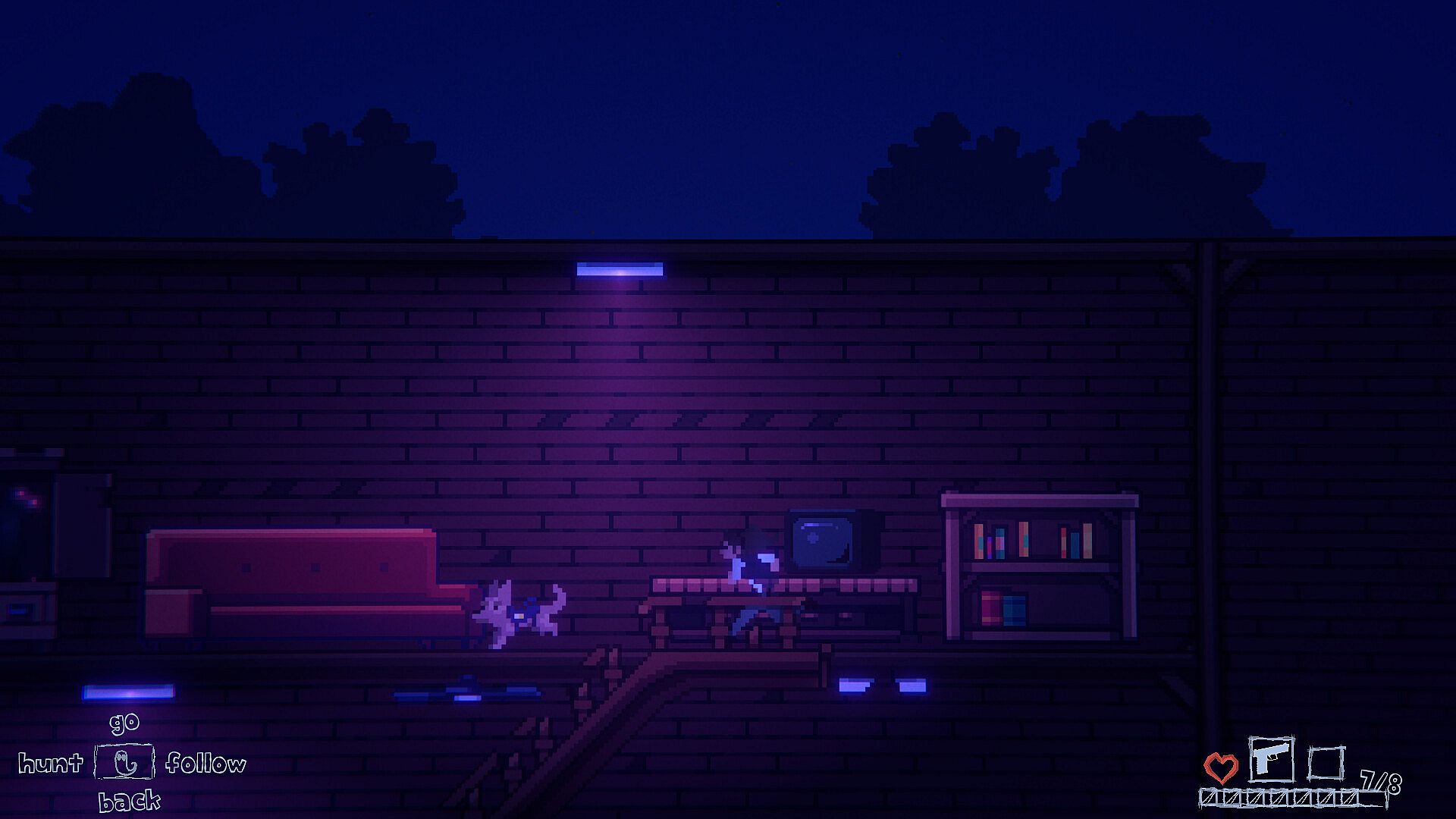
The exorcism hound serves as a constant companion. Intuitive commands direct the dog to bark and draw enemy attention or track scents that reveal hidden mechanisms. Positive reinforcement through patting the hound is built into the interaction system.
Game Modes
EXORCIST K9 operates exclusively as a single-player experience. No separate multiplayer modes or additional variants appear in the available details. The entire session unfolds within the haunted house setting, blending adventure-style exploration with action sequences that players can approach at their own rhythm.
The structure emphasizes replay attempts through the rewind mechanic. Each run builds on the foresight gained from previous deaths, encouraging repeated entries into the same environment to refine movement and combat decisions without permanent setbacks.
Key Mechanics and Features
Paranormal phenomena serve as both obstacles and optional spectacles. Players decide whether to engage with flickering lights or ringing phones or bypass them to focus on ghost encounters. This flexibility shapes the overall tension and pacing of each attempt.
Buddy commands with the exorcism hound add layers to both combat and puzzle-solving. Barking distracts foes while scent tracking uncovers paths or objects that would otherwise remain concealed. These interactions integrate directly into the flow of movement and gunplay.
Environmental objects become tools rather than mere scenery. Ghosts that possess items force players to adapt by manipulating the surroundings instead of relying solely on direct attacks. The combination keeps encounters varied across multiple runs.
Is It Worth Playing?
EXORCIST K9 targets players who enjoy single-player action games that mix deliberate exploration with fast-paced combat and a companion system. The rewind feature removes frustration from repeated failures while still rewarding precise execution and adaptation to ghost behaviors.
The blend of horror elements like jump scares with mechanical depth from sensory boosts and environmental use creates a focused experience suited to those who appreciate indie titles with clear risk-reward loops. Availability on PC aligns with standard hardware requirements for smooth performance during slowed-time sequences and detailed interactions.
Those drawn to buddy-action elements and the ability to experiment with playstyles inside a contained haunted setting will find the described systems consistent with that preference. The upcoming release in Q4 2026 means the full scope will become clear upon launch, but the core loop already centers on repeatable, skill-based runs rather than one-time progression.











