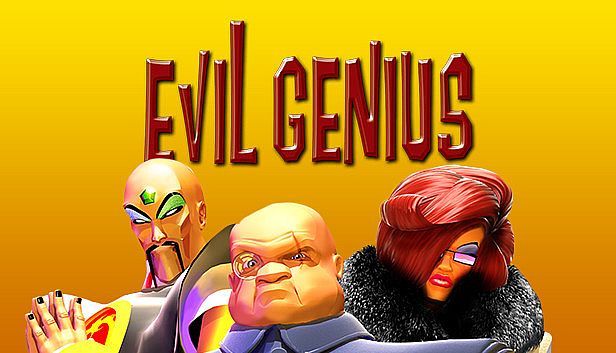


















Evil Genius is a single-player real-time strategy and simulation game focused on world domination. Players take on the role of a cartoonish villain who constructs and defends a hidden island lair while carrying out schemes to build a doomsday device and force global surrender. The experience blends base management with external operations across a world map, all presented with tongue-in-cheek humor drawn from spy thriller tropes.
Gameplay
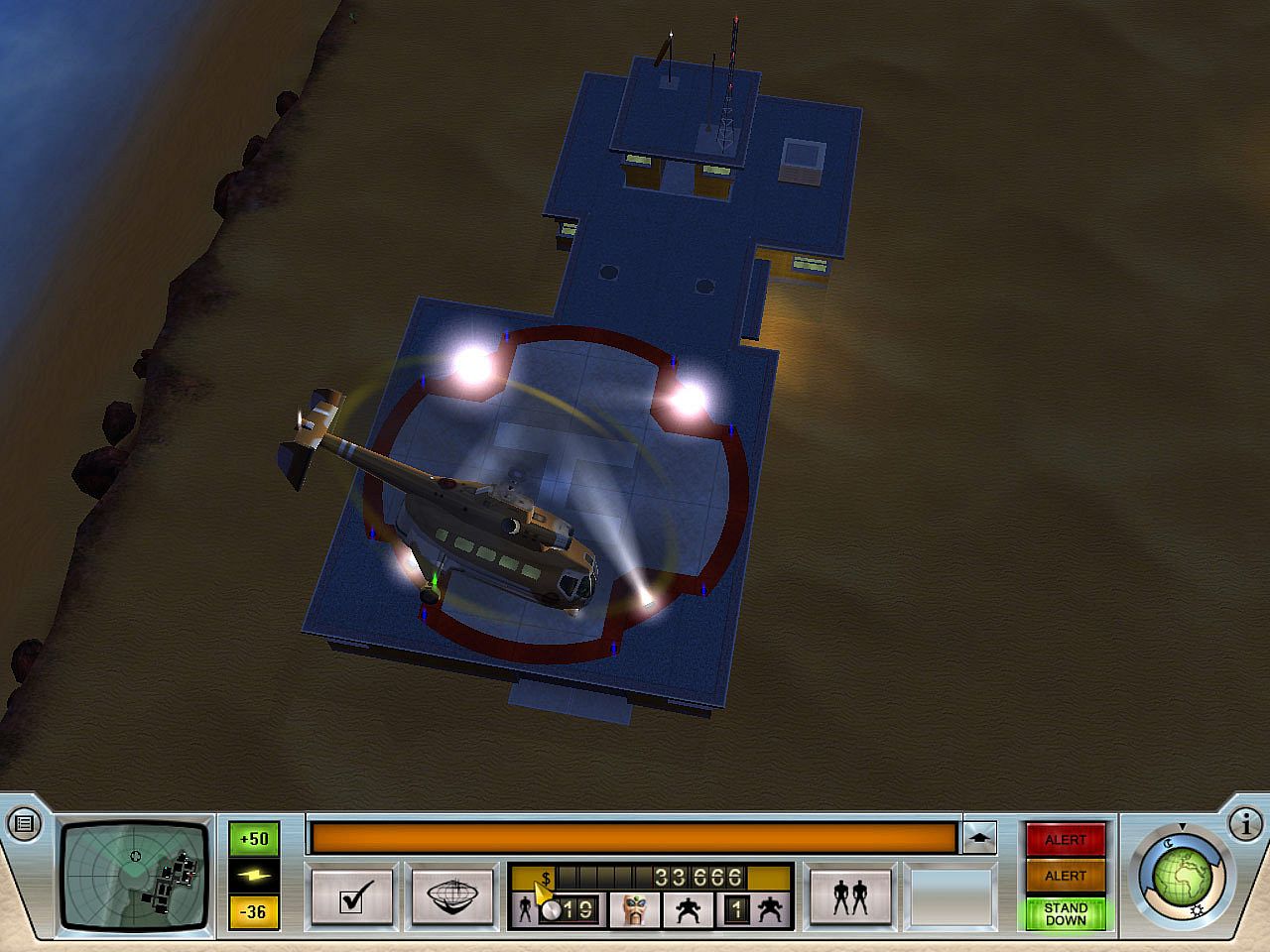
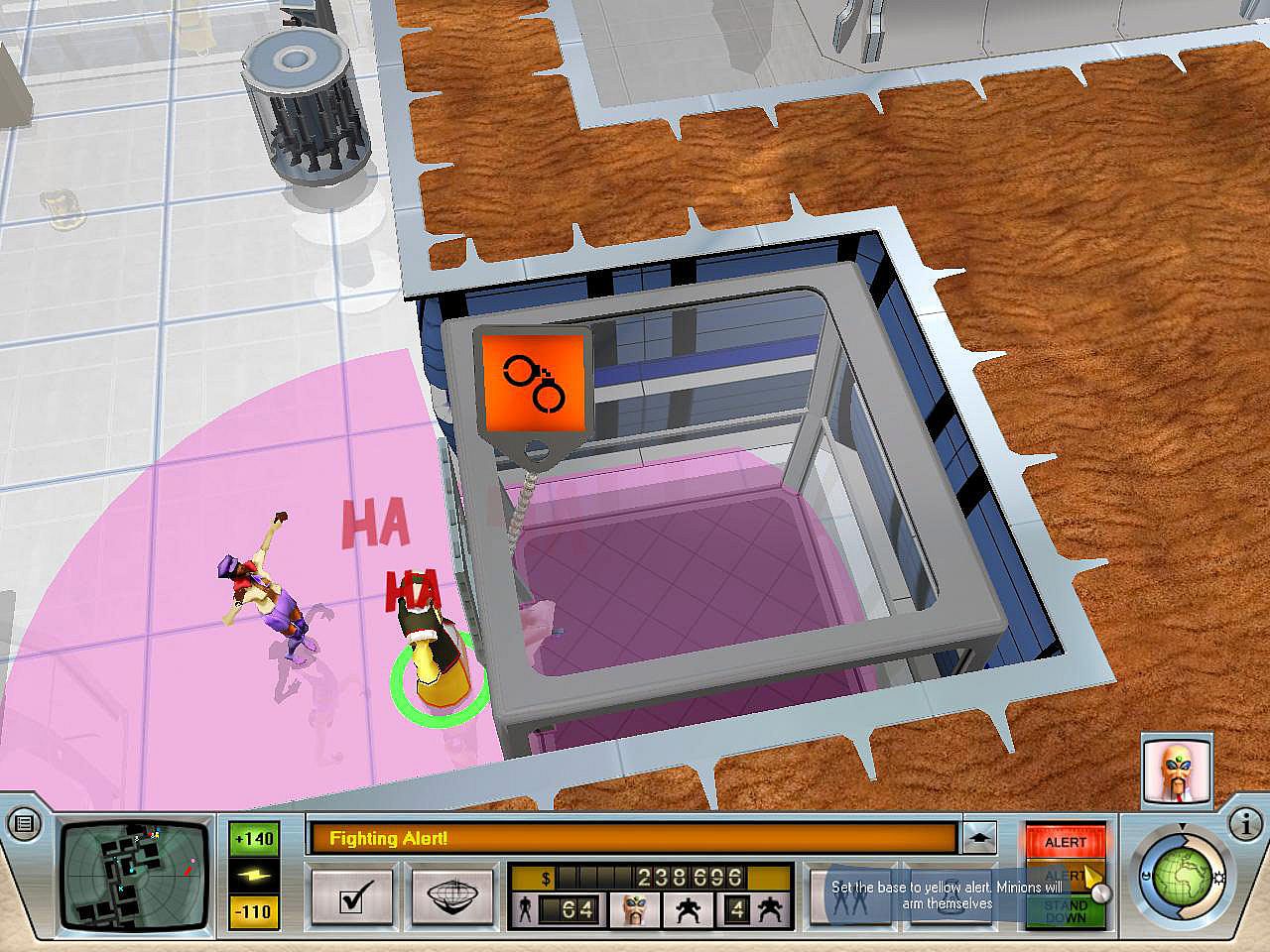
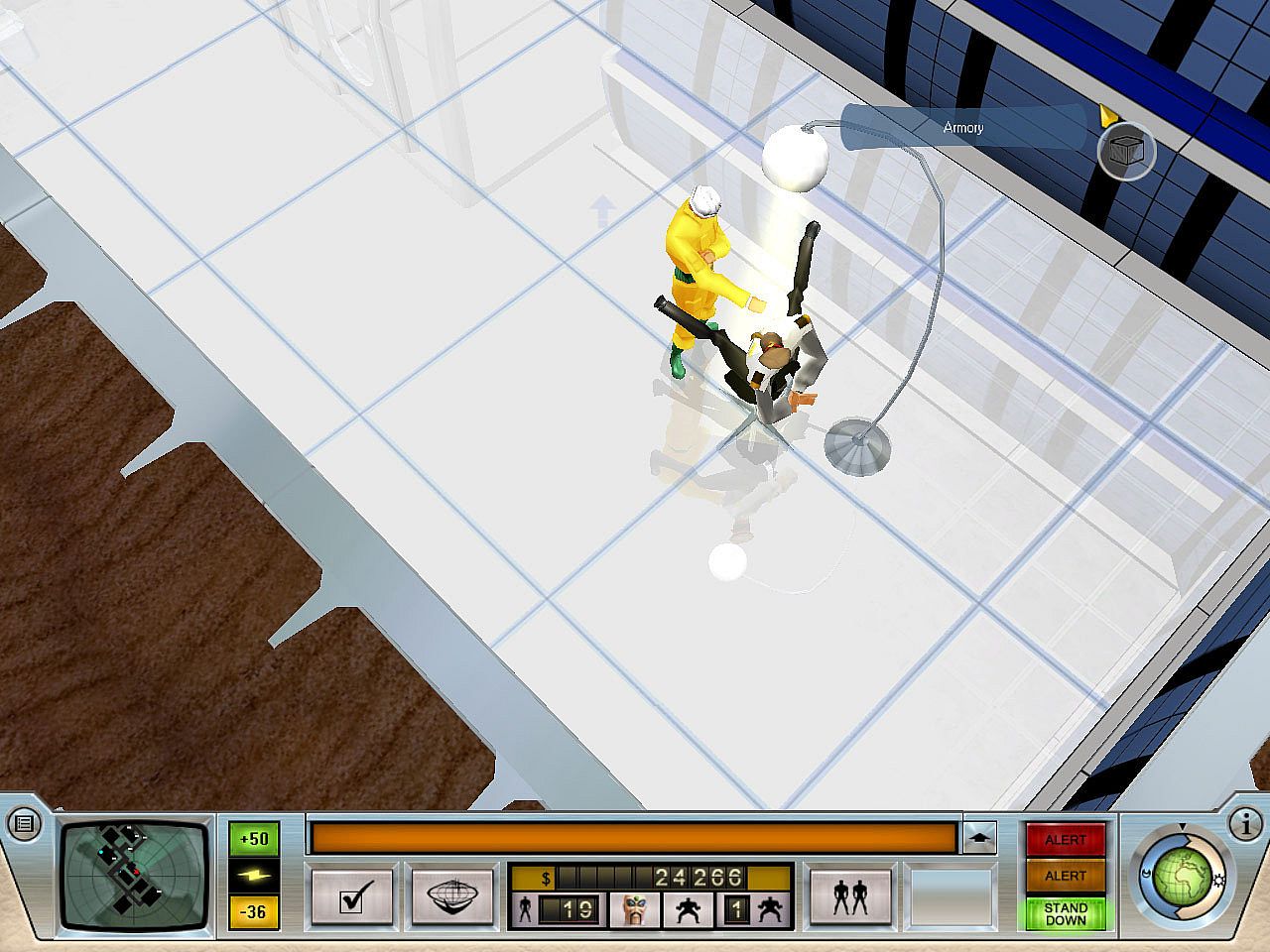
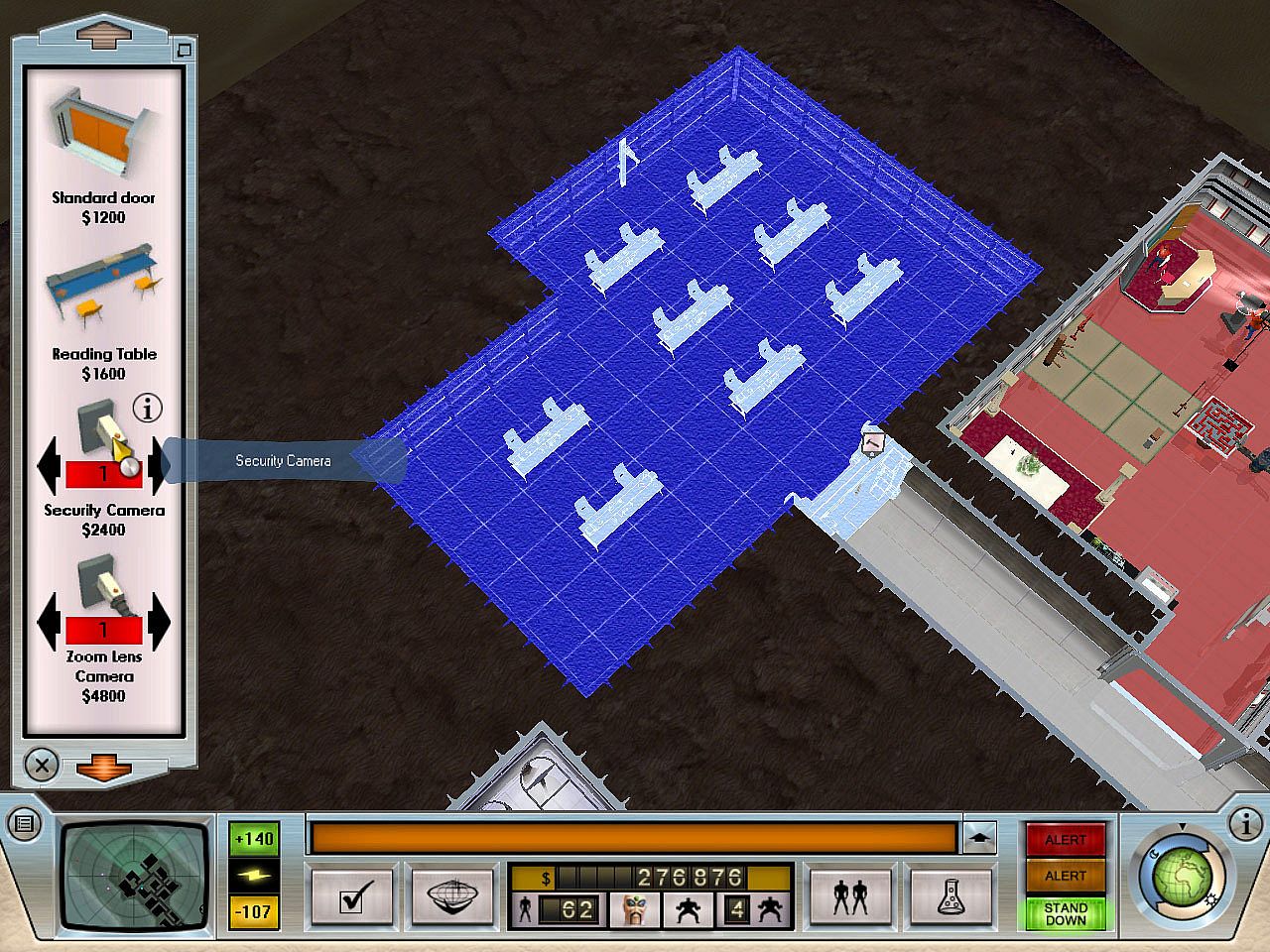
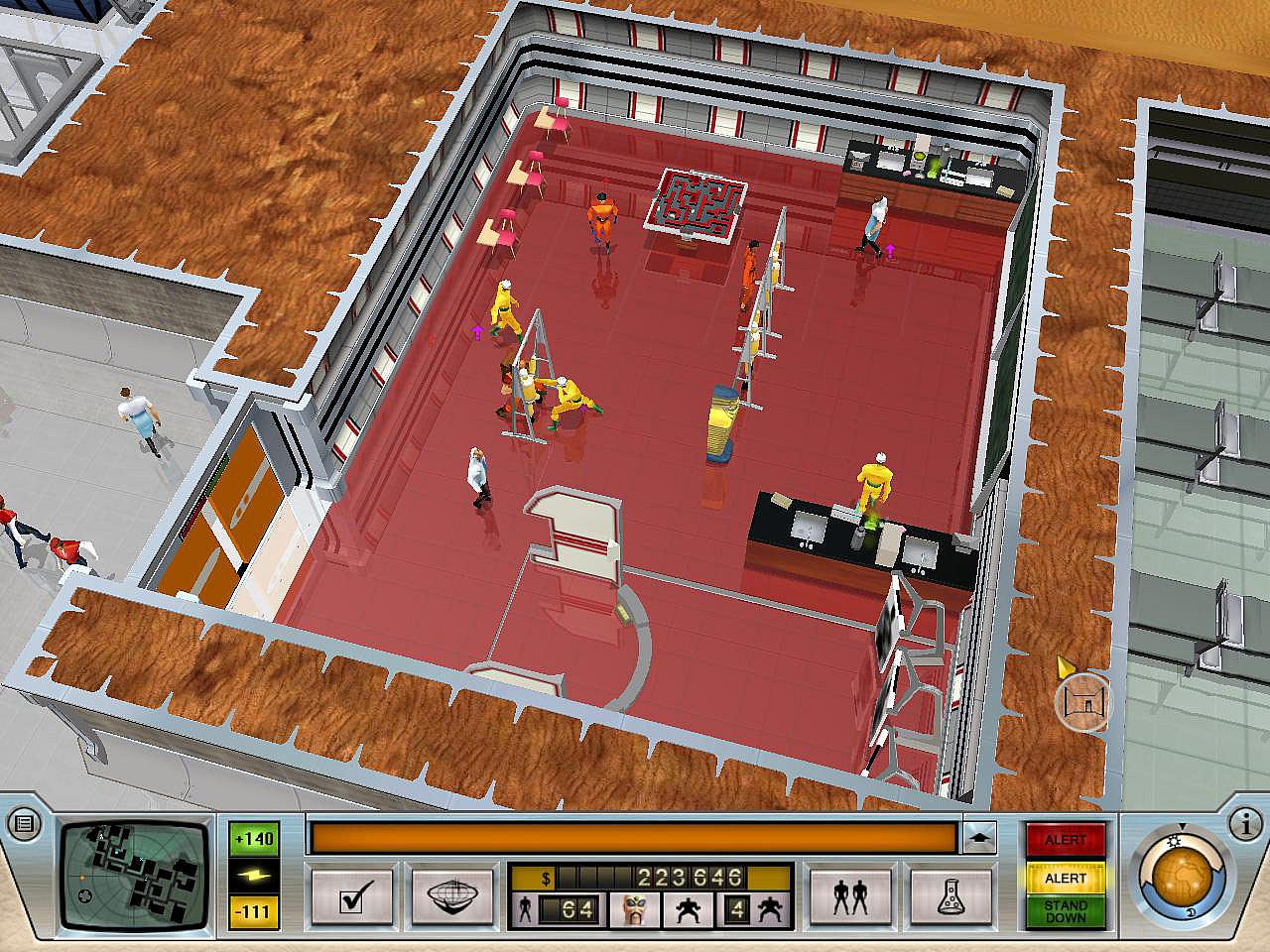
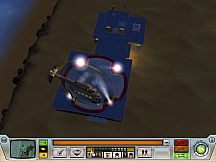
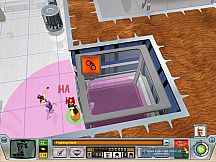
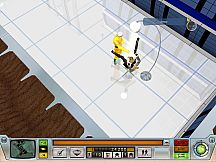
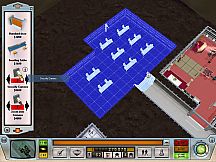
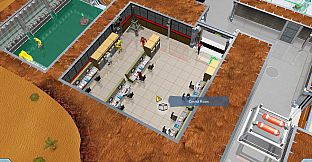
Core gameplay revolves around two interconnected layers. Inside the lair, players design layouts using hundreds of rooms and objects such as laboratories, training facilities, and specialized chambers. Minions handle daily tasks including research, construction, and maintenance, while henchmen provide direct combat support and lead missions. Traps and interrogation devices serve as the primary defenses against waves of government agents who attempt to infiltrate and sabotage operations.
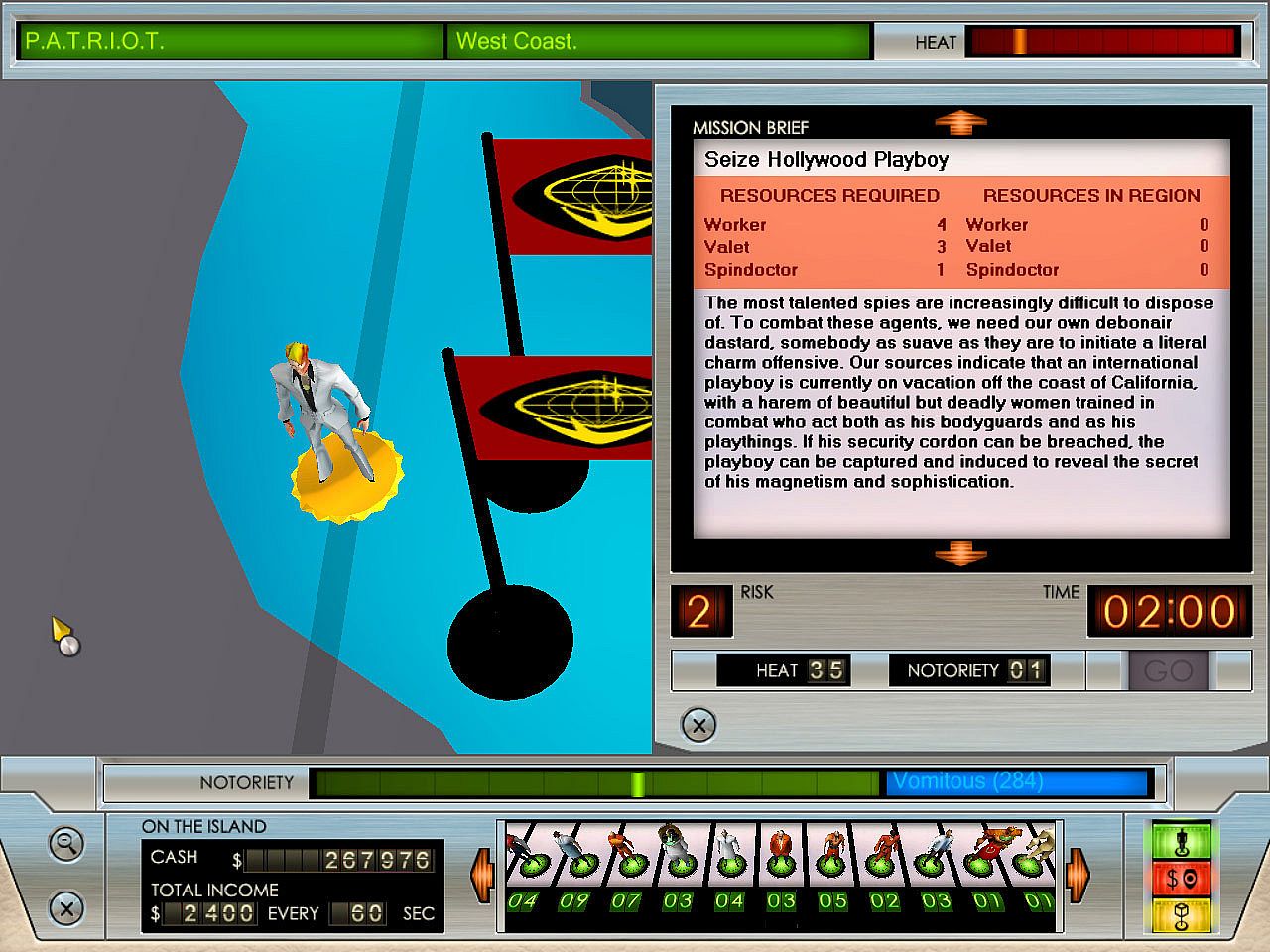
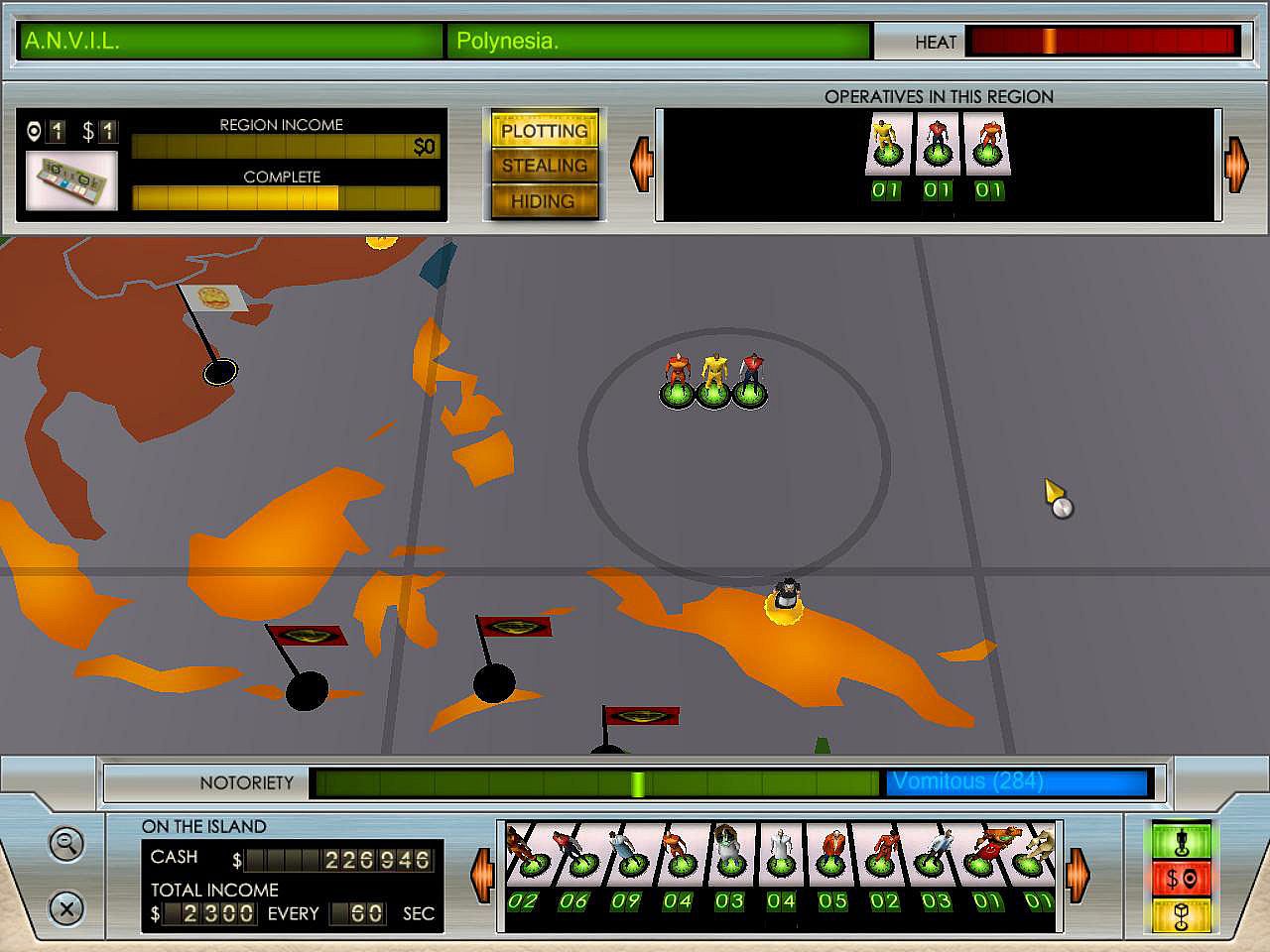
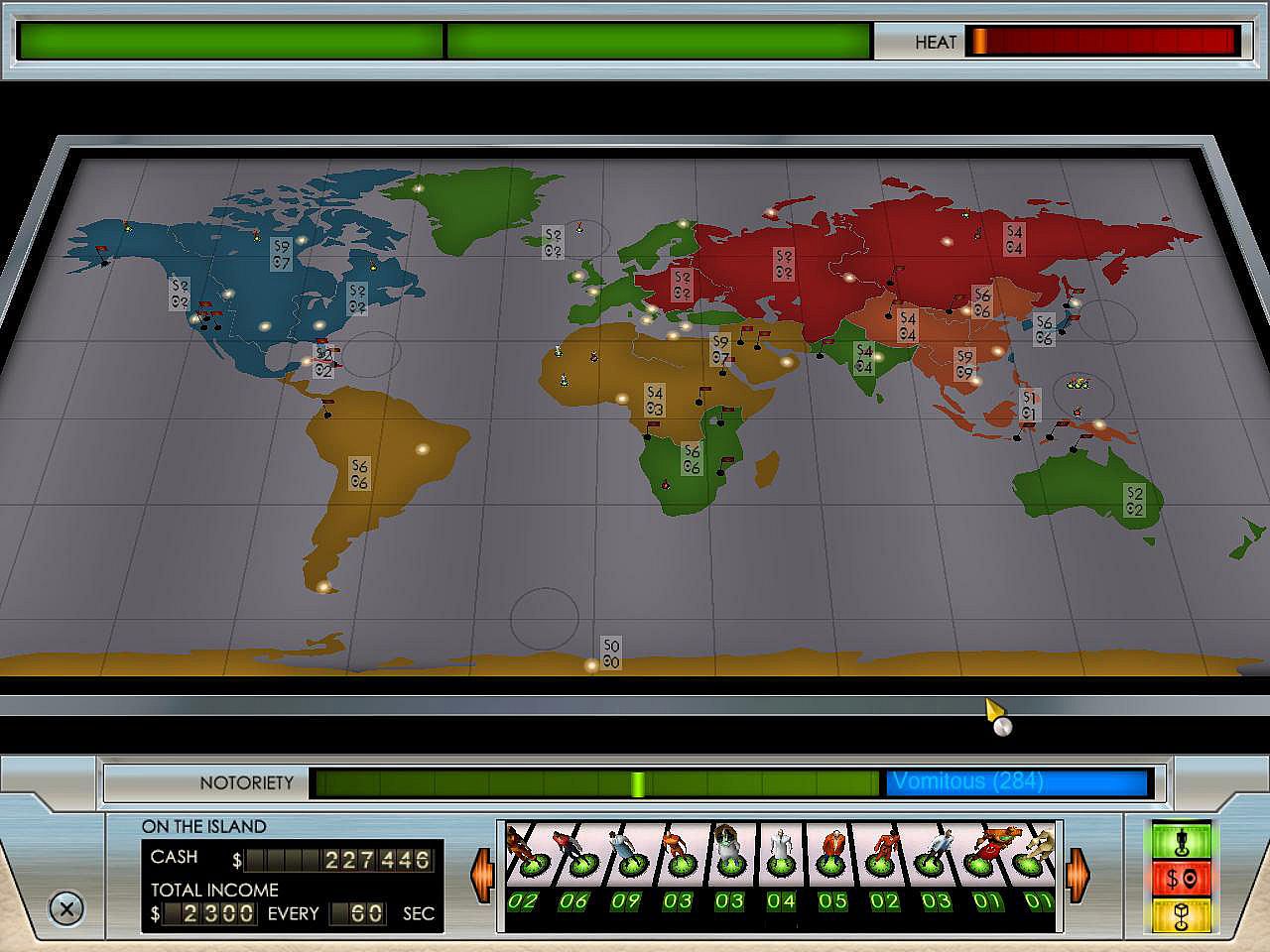
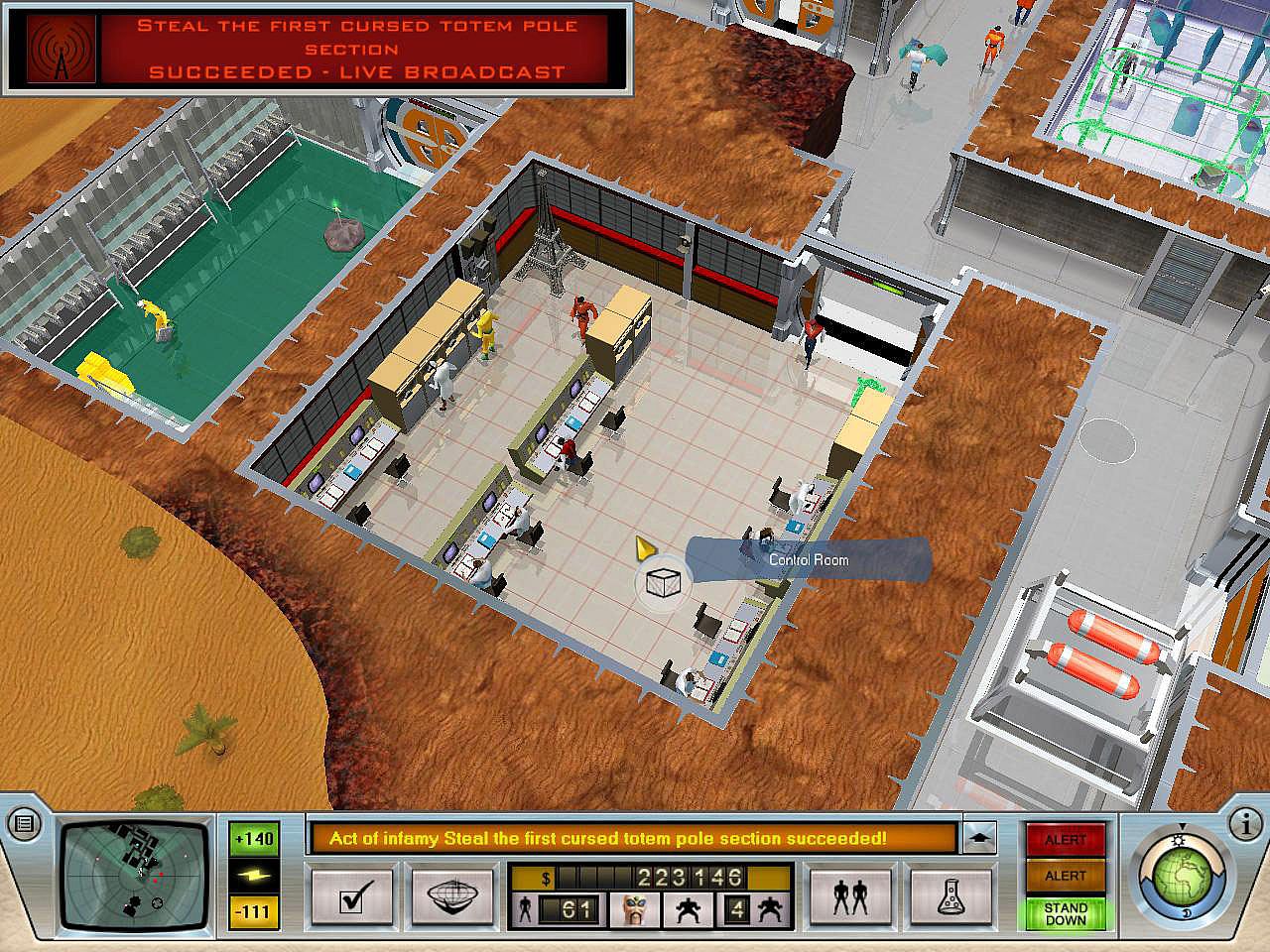
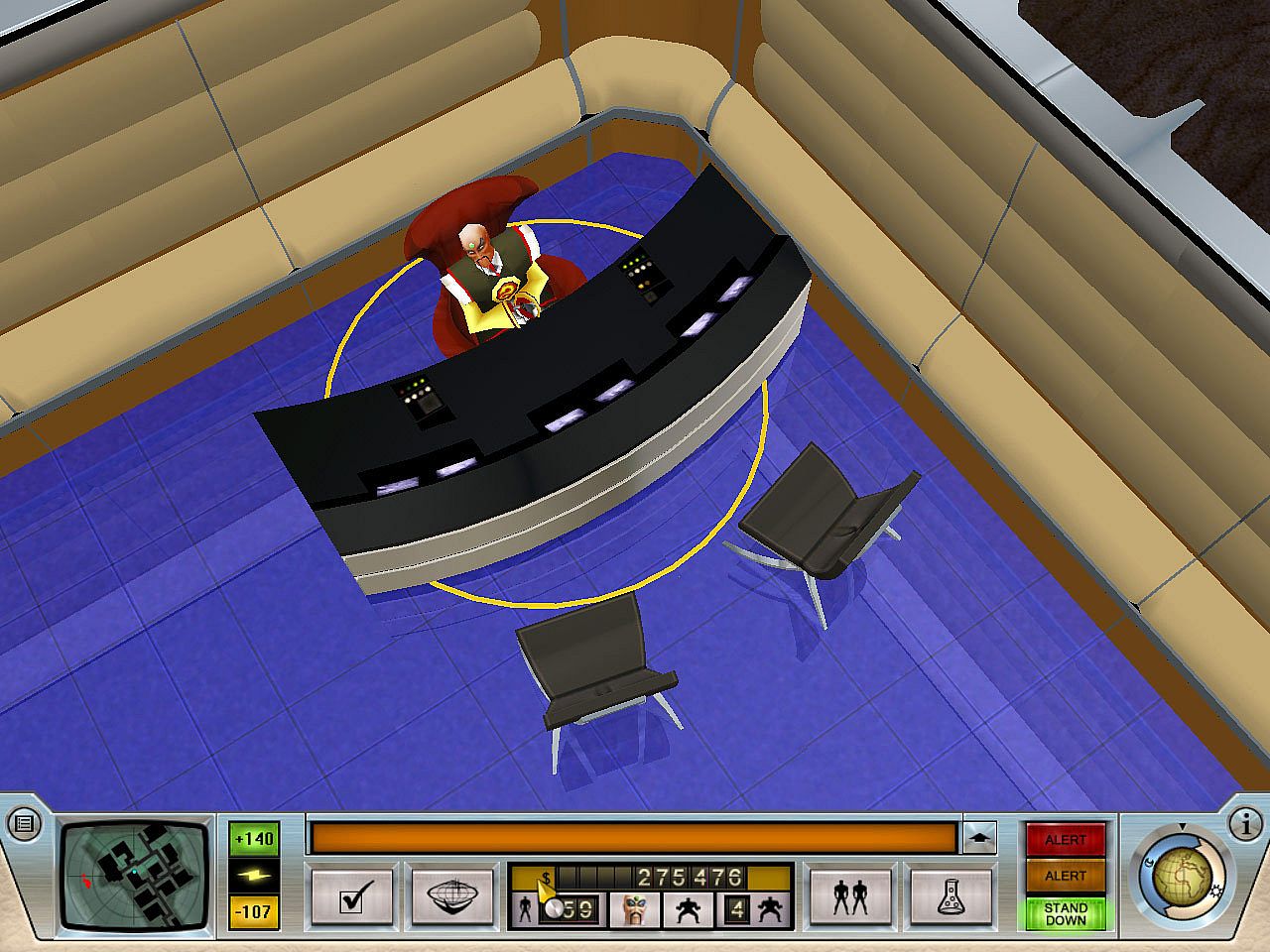
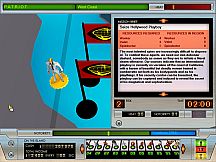
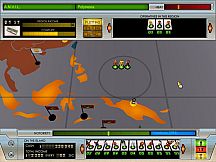
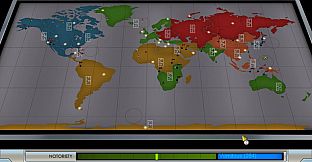
Outside the base, a separate world map screen tracks global notoriety. Players direct minions and henchmen on acts of infamy to generate funds, unlock technology, and advance the central objective of constructing the ultimate super-weapon. Resource management requires balancing income from criminal enterprises against the costs of expanding the lair and training staff in skills like heavy weapons or sabotage. Three distinct Evil Genius characters are available at the start, each influencing minion behavior and strategic options through unique abilities.
Progression follows a linear campaign structure where lair expansion and external missions feed into one another. Agents grow more sophisticated over time, forcing players to adapt trap placements and minion assignments. The cartoon visuals and satirical tone keep the focus on creative base design rather than realistic simulation.
Game Modes
The game offers a single continuous campaign mode. There are no separate multiplayer, skirmish, or challenge modes. All gameplay occurs within one overarching scenario that begins with lair construction and ends only when the doomsday device is completed and world leaders capitulate. Difficulty adjustments come through the choice of starting genius and island layout rather than dedicated mode selections.
Within the campaign, players manage both defensive base-building phases and offensive world operations simultaneously. The absence of branching campaigns or alternate scenarios keeps the experience tightly focused on the central domination loop.
Key Mechanics and Systems
Minion management forms the backbone of daily operations. Workers perform basic construction and cleaning, while higher-tier specialists conduct research and operate advanced equipment. Training programs improve minion efficiency and unlock new capabilities. Henchmen function as elite units that patrol, fight intruders, and undertake high-risk missions that boost overall notoriety.
Trap placement demands careful planning because agents follow predictable paths but increase in number and skill. Interrogation rooms extract information that reveals agent weaknesses or advances story objectives. The world map requires strategic timing, as missions consume time and resources that could otherwise support lair growth.
Technology trees unlock through successful acts of infamy and research. These upgrades improve trap effectiveness, minion productivity, and the final doomsday device components. The system rewards experimentation with room layouts and trap combinations to handle escalating threats efficiently.
Is It Worth Playing?
Evil Genius delivers a distinctive mix of base-building and global strategy that appeals to fans of management simulations with a villainous twist. Its single-player campaign provides a complete experience without requiring ongoing updates or additional purchases. The game remains available on PC and runs reliably on modern systems through compatibility layers or native support.
Players who enjoy overseeing minion workflows, designing defensive layouts, and executing timed external operations will find substantial depth in the core loop. Those seeking multiplayer competition or frequent content additions may find the fixed campaign structure limiting. The satirical presentation and clear progression toward world domination give the title lasting appeal for strategy enthusiasts comfortable with older interface conventions.
Overall, the game suits individuals interested in creative lair design and long-term planning within a self-contained story. Its mechanics reward patient management and tactical trap placement, delivering a focused villain simulator that stands apart from typical hero-centric strategy titles.