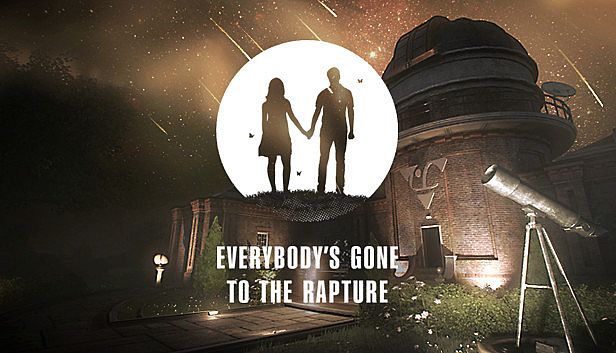




















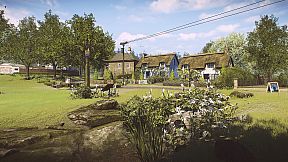
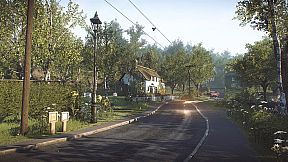
Everybody's Gone to the Rapture is a single-player adventure game developed by The Chinese Room. Set in the fictional village of Yaughton in Shropshire during 1984, the title places players in an empty rural landscape where an unexplained event has removed the entire population. The experience centers on exploration and narrative discovery rather than action or combat.
Gameplay
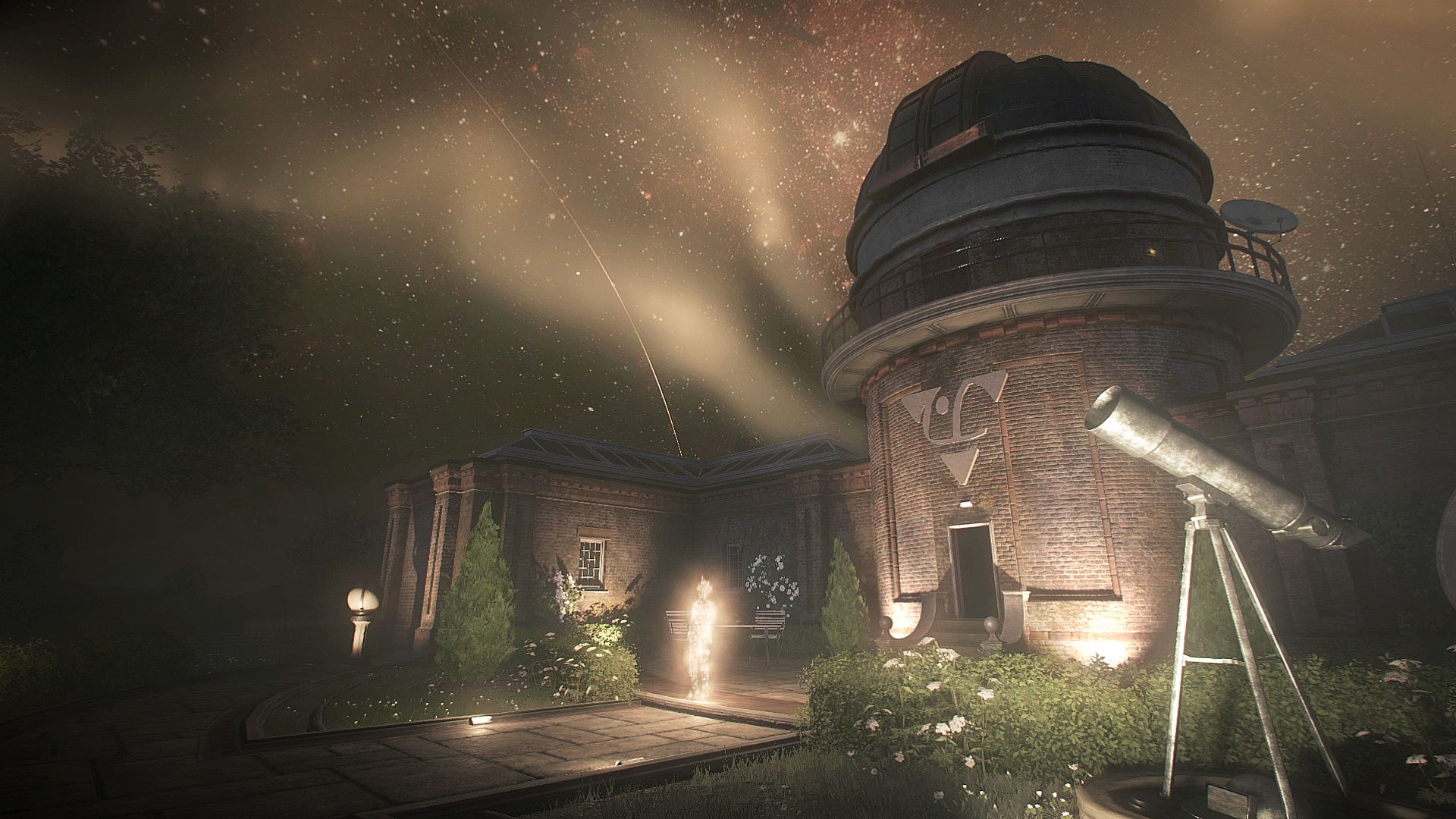
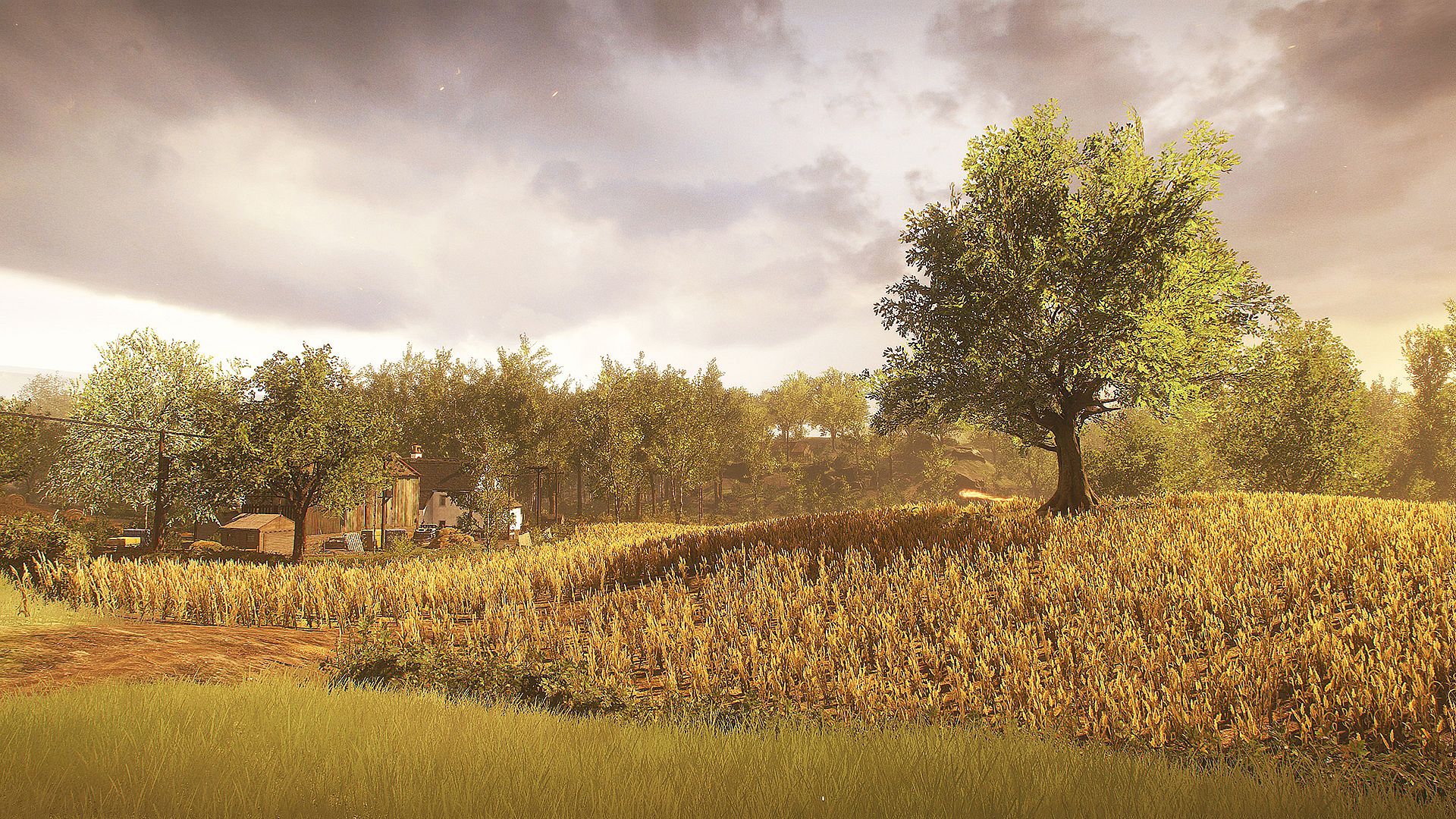
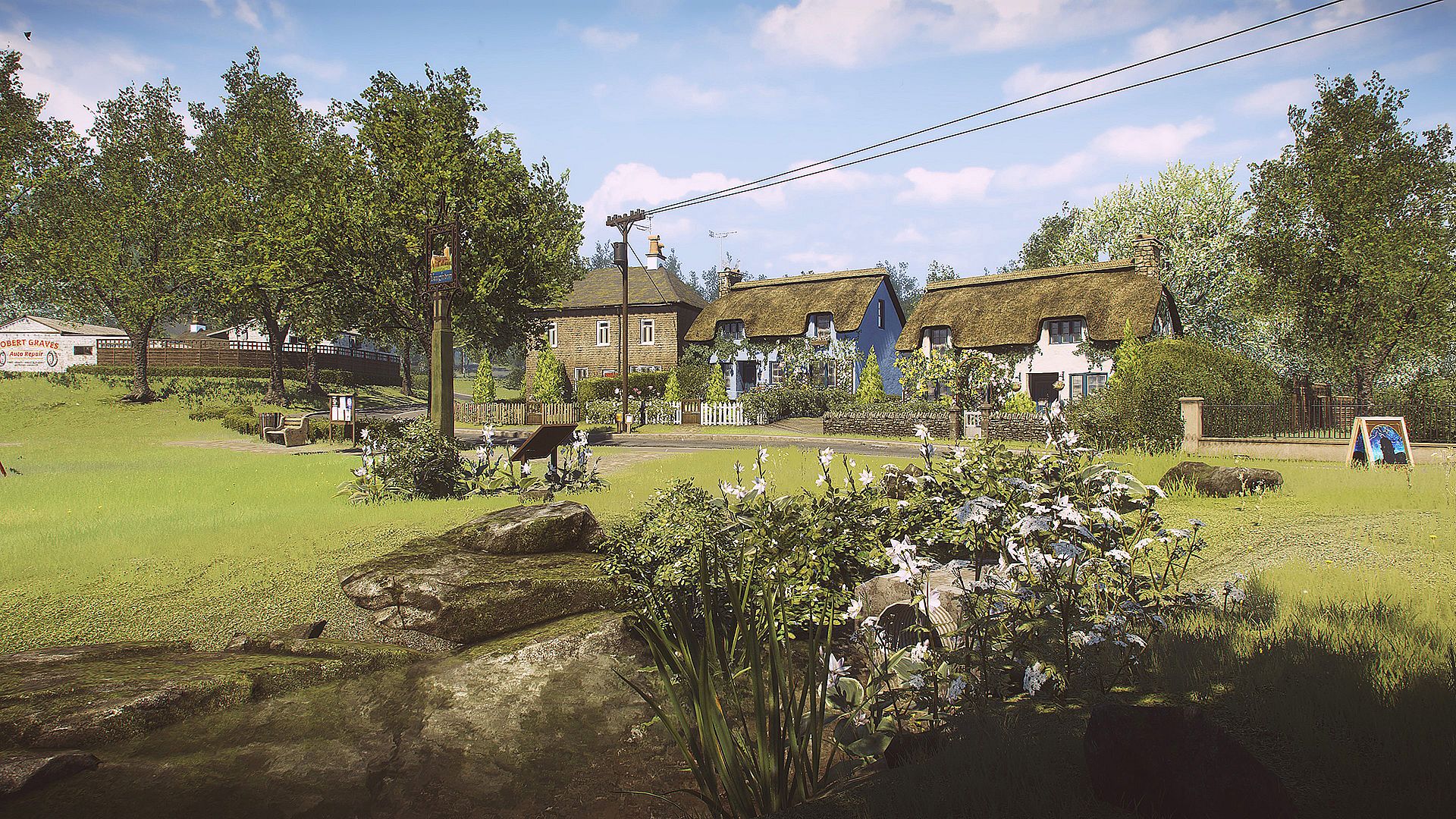
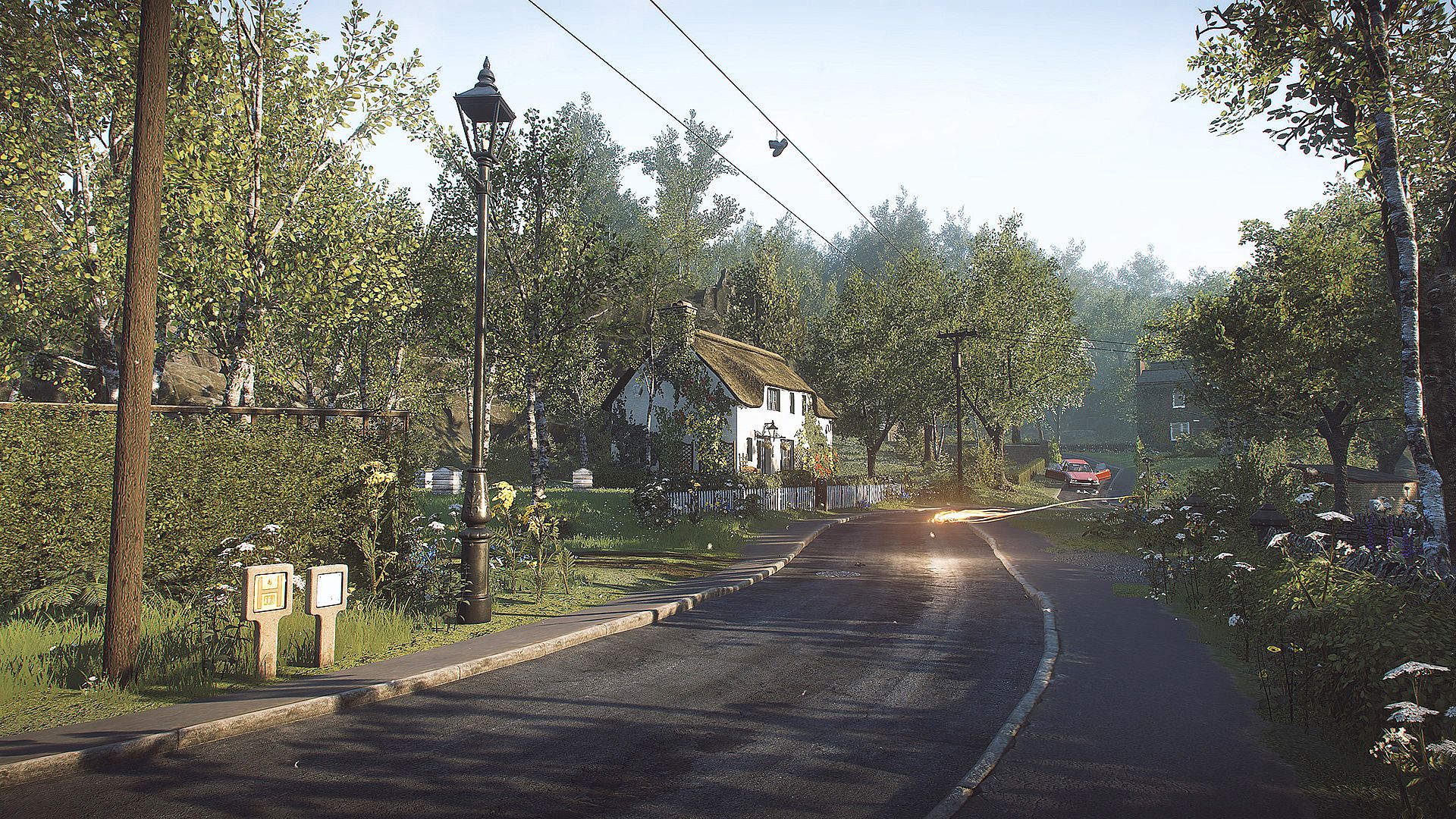
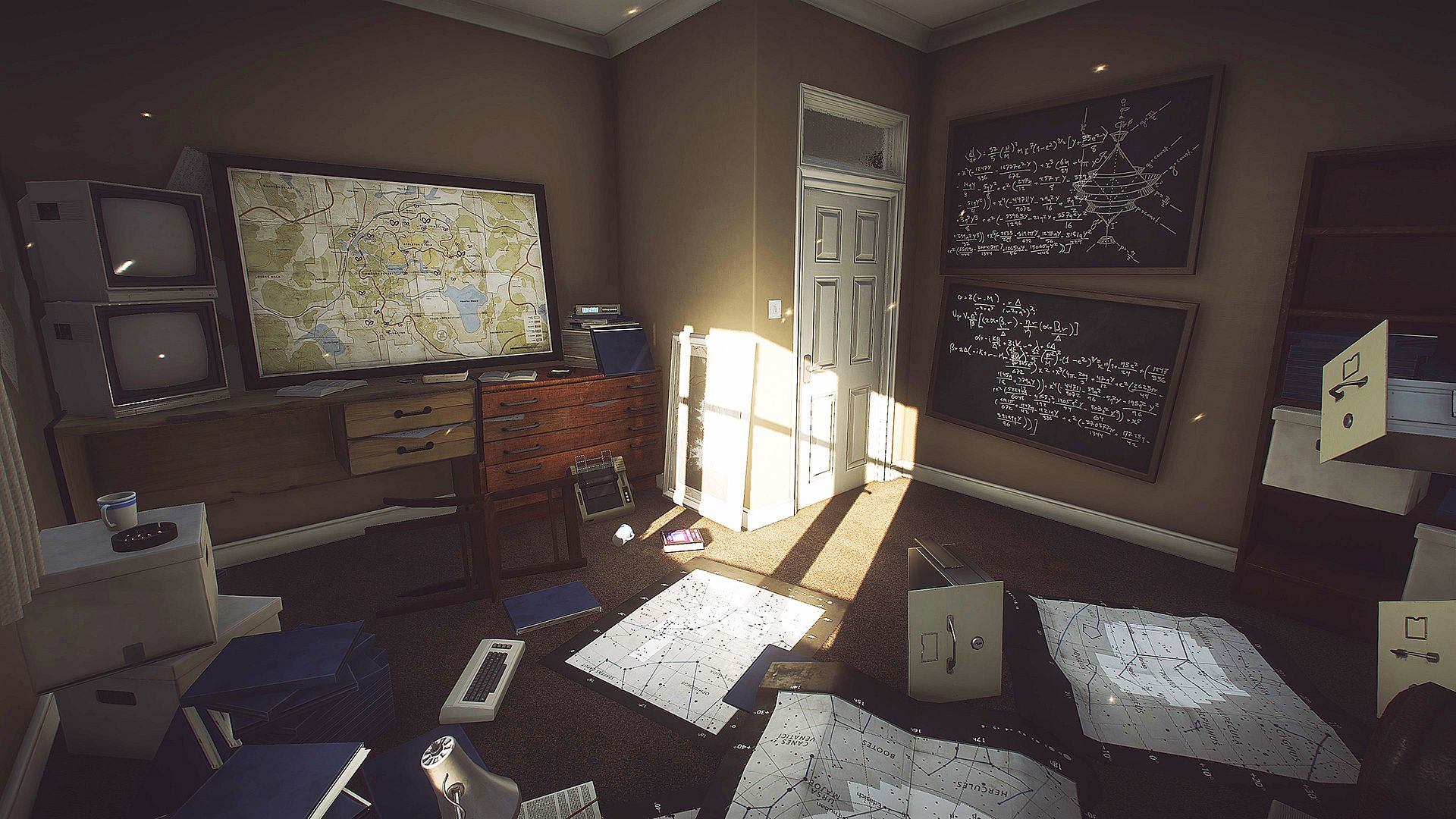
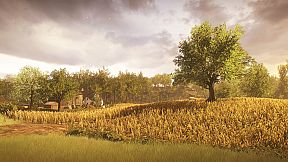
The core loop involves walking through detailed environments that include farms, a churchyard, a playground, and an observatory. Players move freely across the valley without time limits or fail states. Audio fragments play automatically when approaching certain locations, revealing conversations and memories from the days leading up to the event. These pieces appear out of sequence, encouraging repeated visits to different areas to connect the story threads. The environment shows signs of sudden abandonment, such as untended crops and scattered personal items. A soundtrack composed of orchestral and ambient elements underscores the atmosphere without direct player control over music playback.
Navigation relies on visual cues and the natural layout of the countryside. No inventory system, dialogue choices, or skill progression exists. Progress comes solely from uncovering new audio segments and observing the static world. The design supports non-linear movement, allowing players to choose their own order of exploration across connected zones.
Game Modes
The game offers only a single-player mode. There are no multiplayer options, competitive elements, or cooperative features. The entire experience unfolds in one continuous session focused on story reconstruction. No alternate modes such as time trials, challenges, or separate difficulty settings appear in the title.
Story and Setting
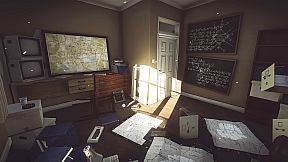
The narrative unfolds through environmental storytelling and recorded voices rather than cutscenes or on-screen text. Events center on the final hours of the village residents, touching on personal relationships, scientific work at the local observatory, and the broader implications of the disappearance. The setting draws from real British countryside details, with period-appropriate objects and architecture from the mid-1980s. Players piece together the sequence of events by visiting homes, public spaces, and isolated locations in any order they prefer.
Is It Worth Playing?
This title suits players who prefer slow-paced, story-driven experiences over fast action or complex systems. Critics described the presentation and soundtrack positively, noting the emotional weight of the audio fragments and the careful construction of the empty world. Some players have pointed out the limited interactivity as a drawback for those expecting traditional gameplay loops. The game remains available on PC with no further updates or seasonal content since its original release. Those interested in narrative adventures that emphasize atmosphere and discovery may find the focused single-player structure rewarding, while others seeking mechanical depth or replayability through different modes may prefer other options.