





















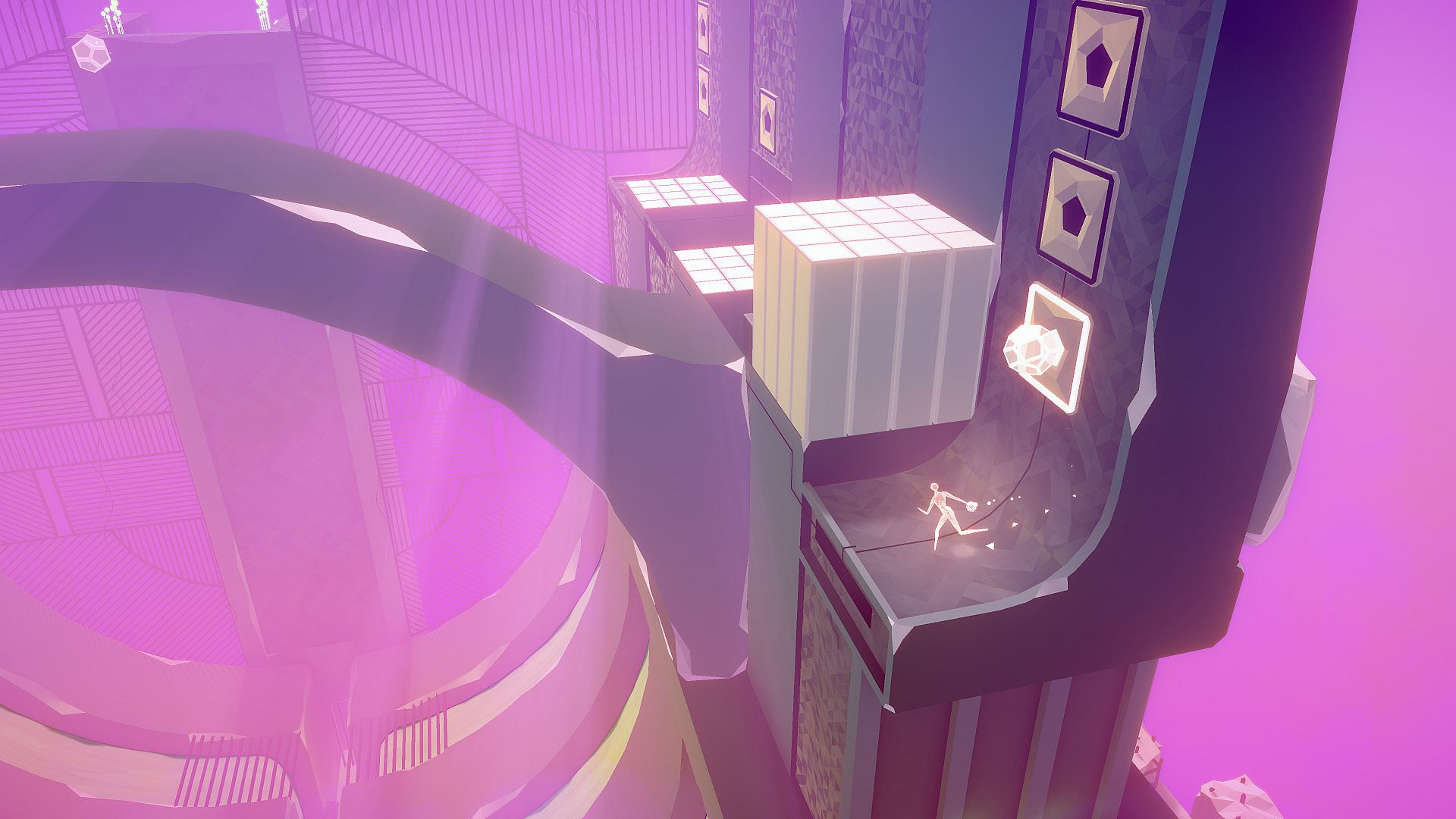
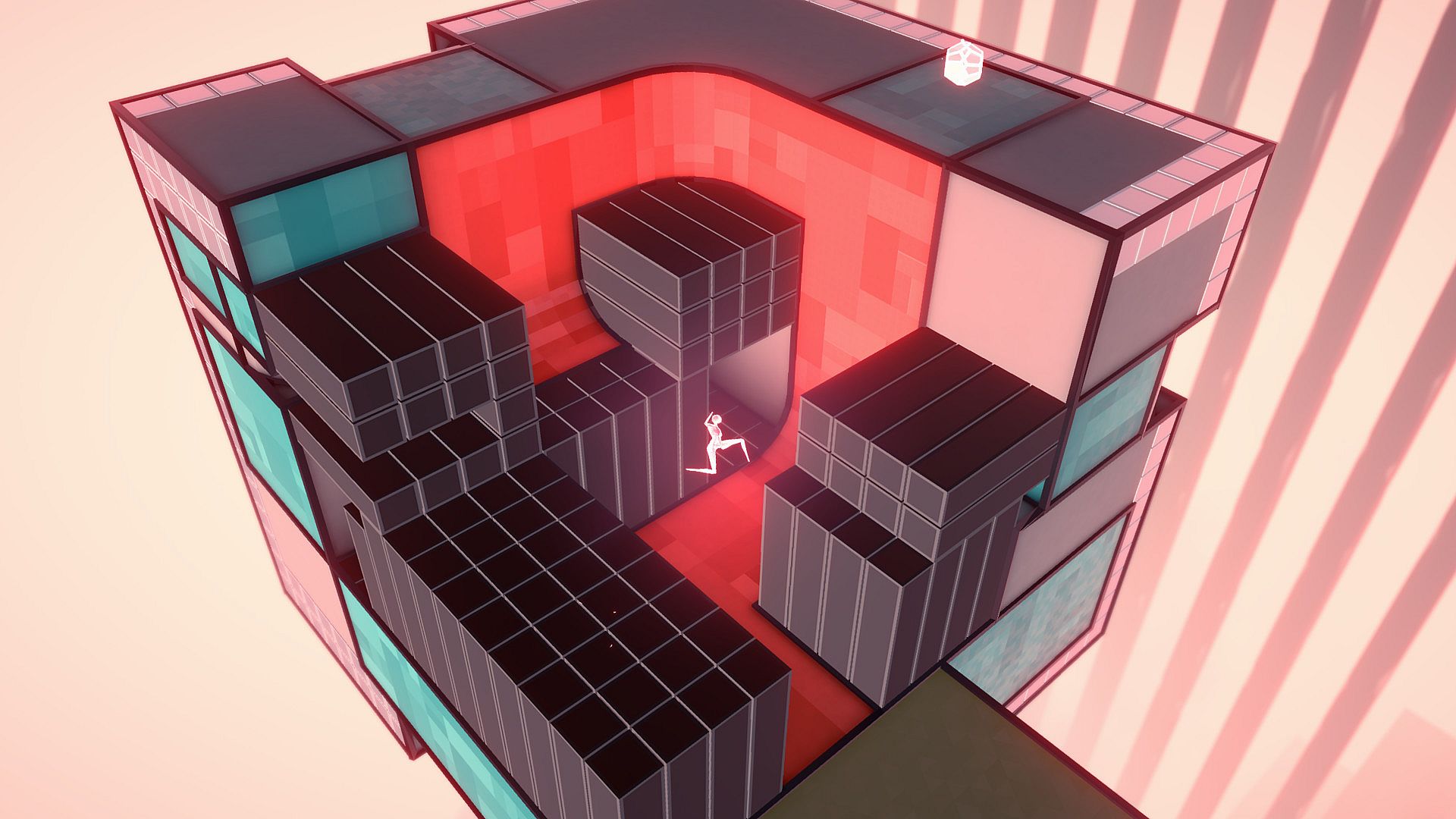
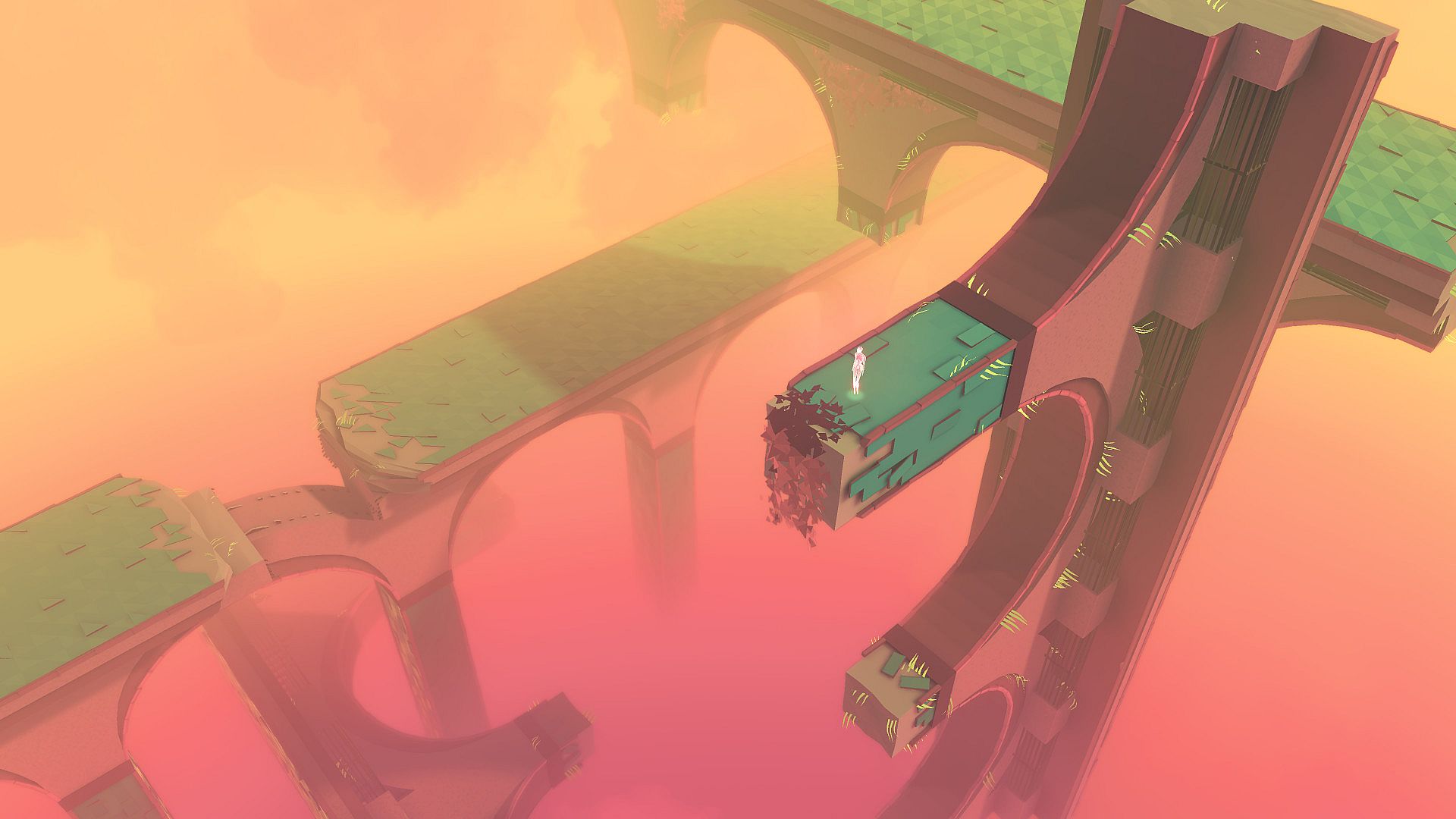

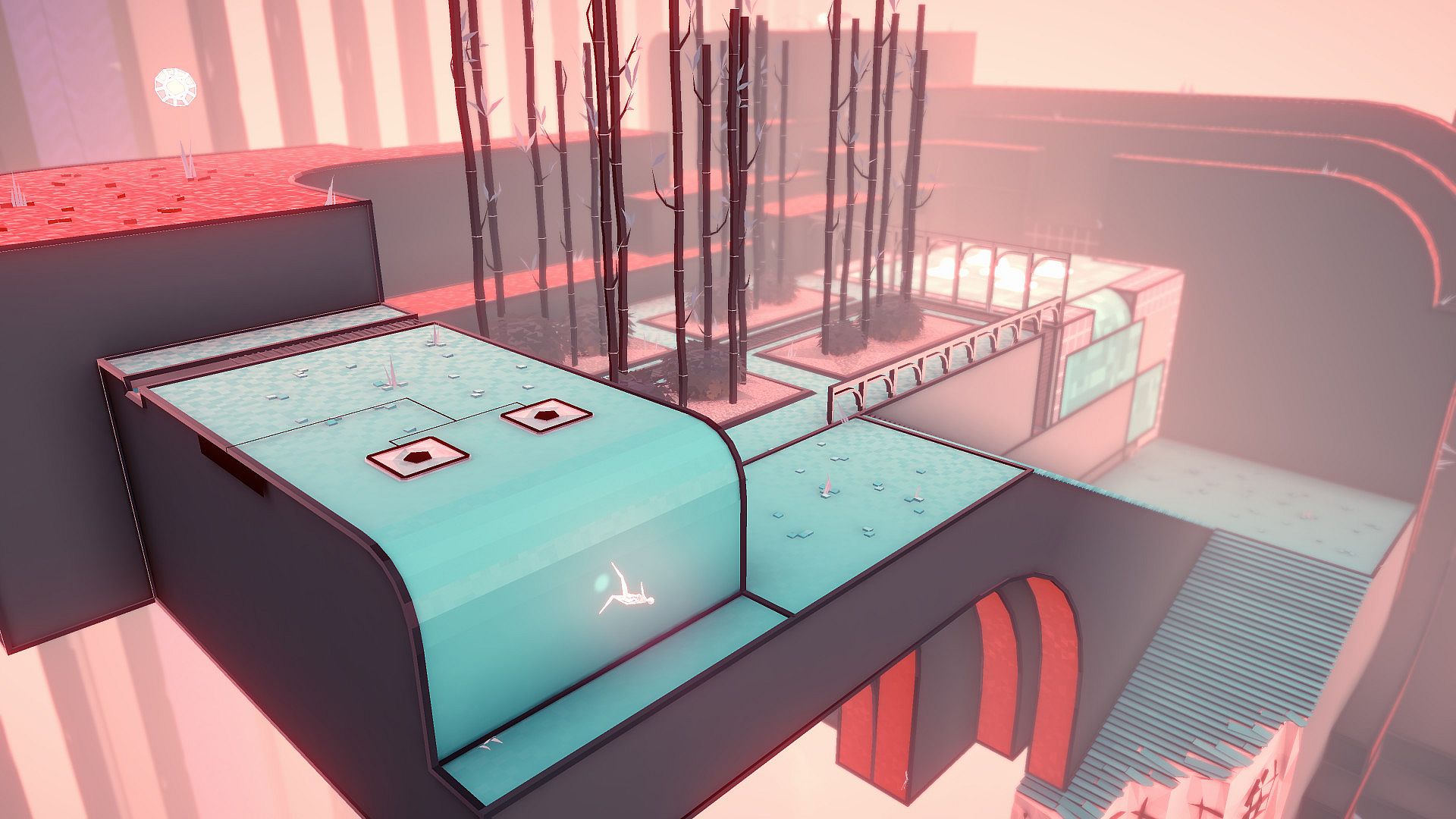
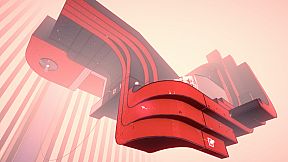
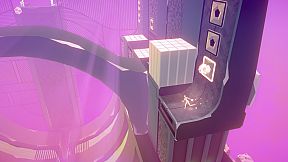
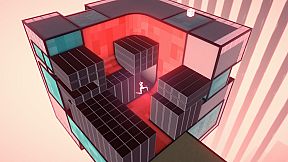
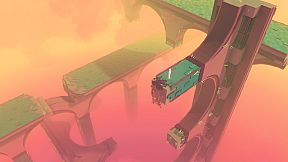

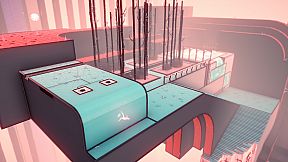
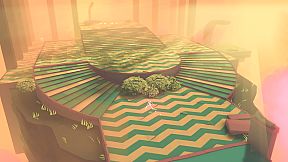
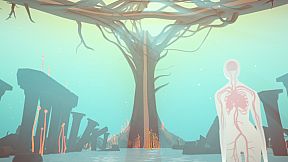
Etherborn is a single-player indie adventure game that stands out as an environmental puzzle platformer centered on gravity manipulation. Players control a voiceless protagonist navigating surreal structures where gravity pulls perpendicular to the surface underfoot. The experience unfolds through carefully designed levels that require shifting orientation to find paths forward, all while following the pull of a distant ethereal voice that represents the character's emerging sense of purpose.
Gameplay
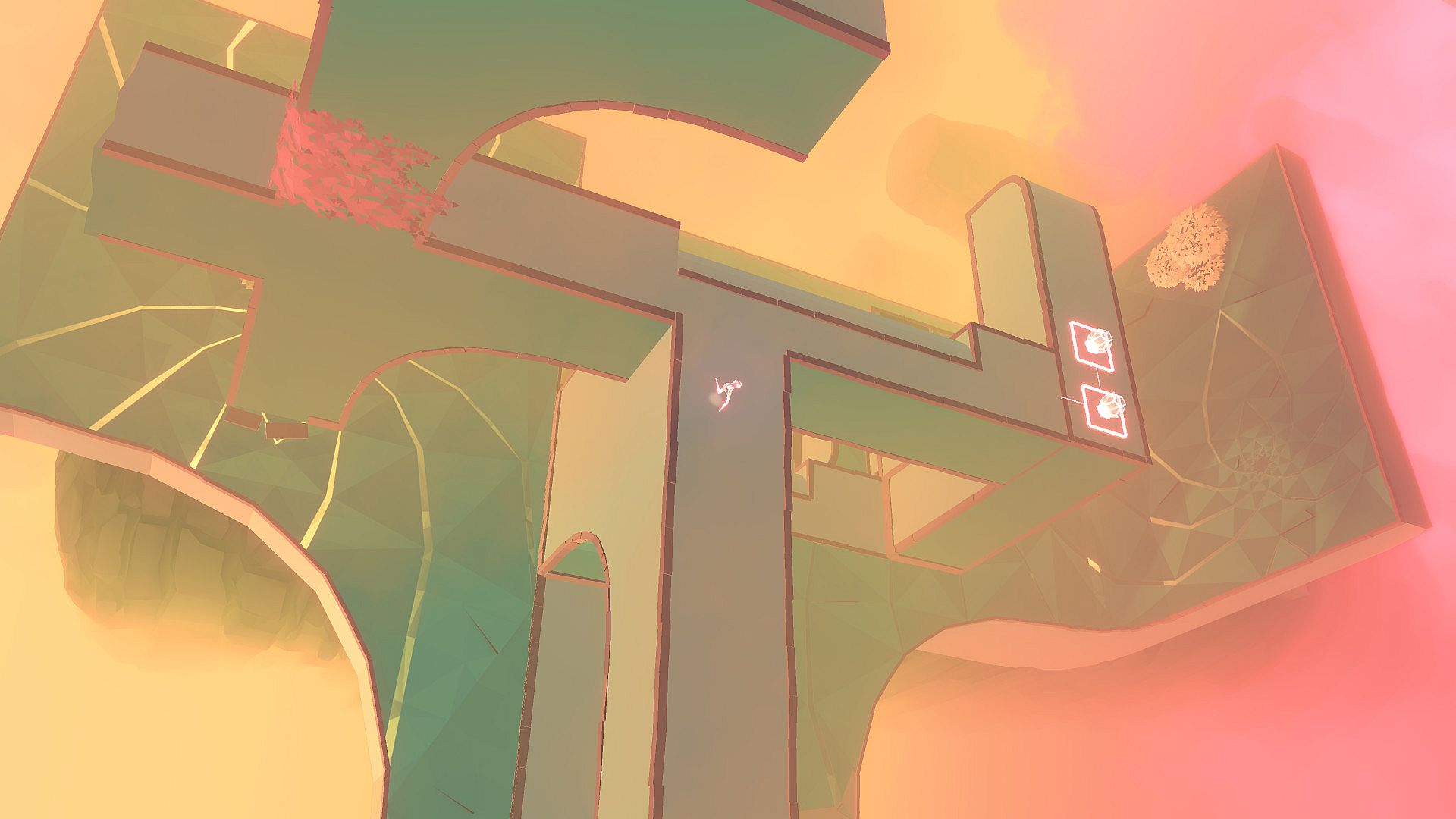
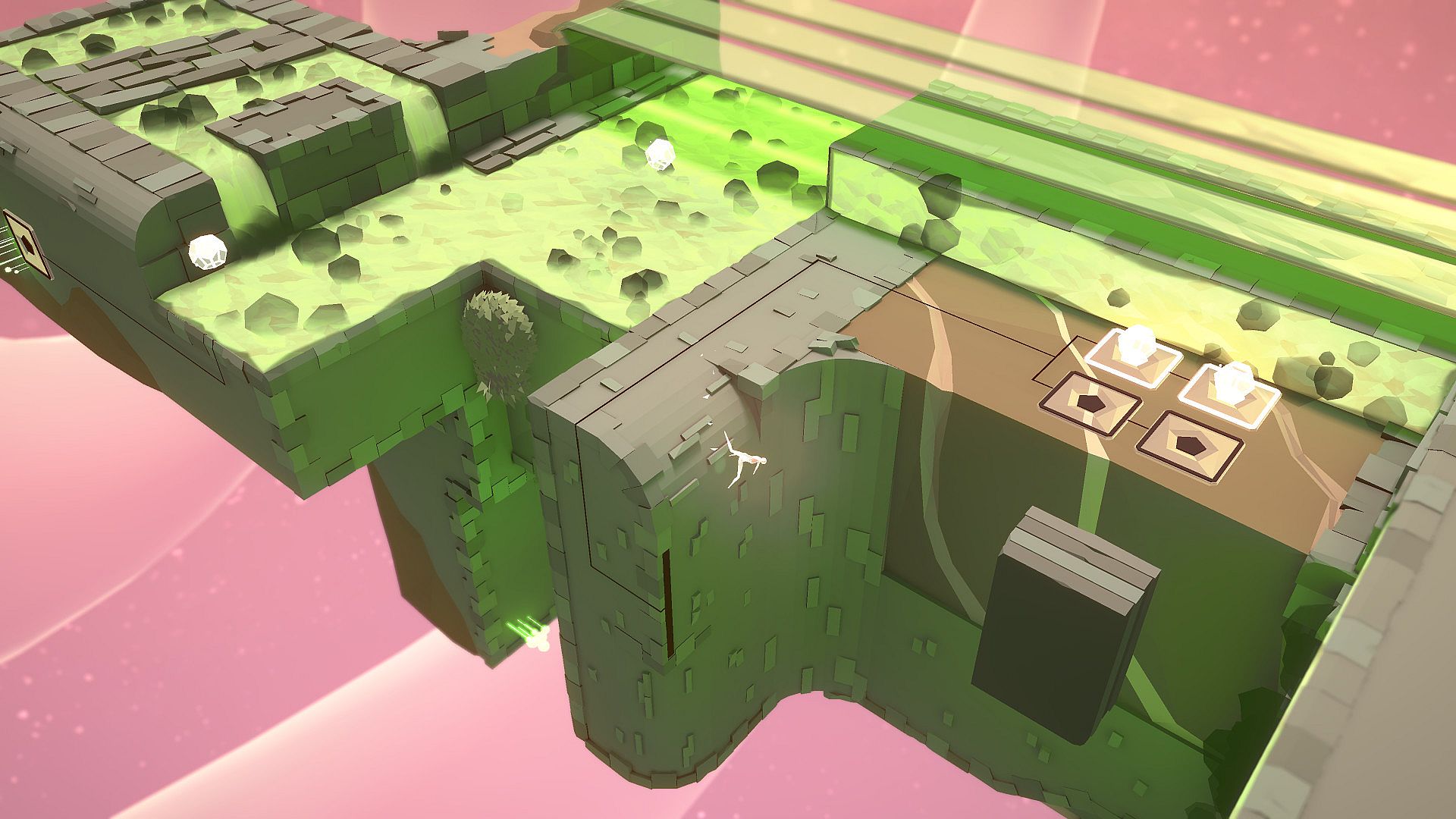
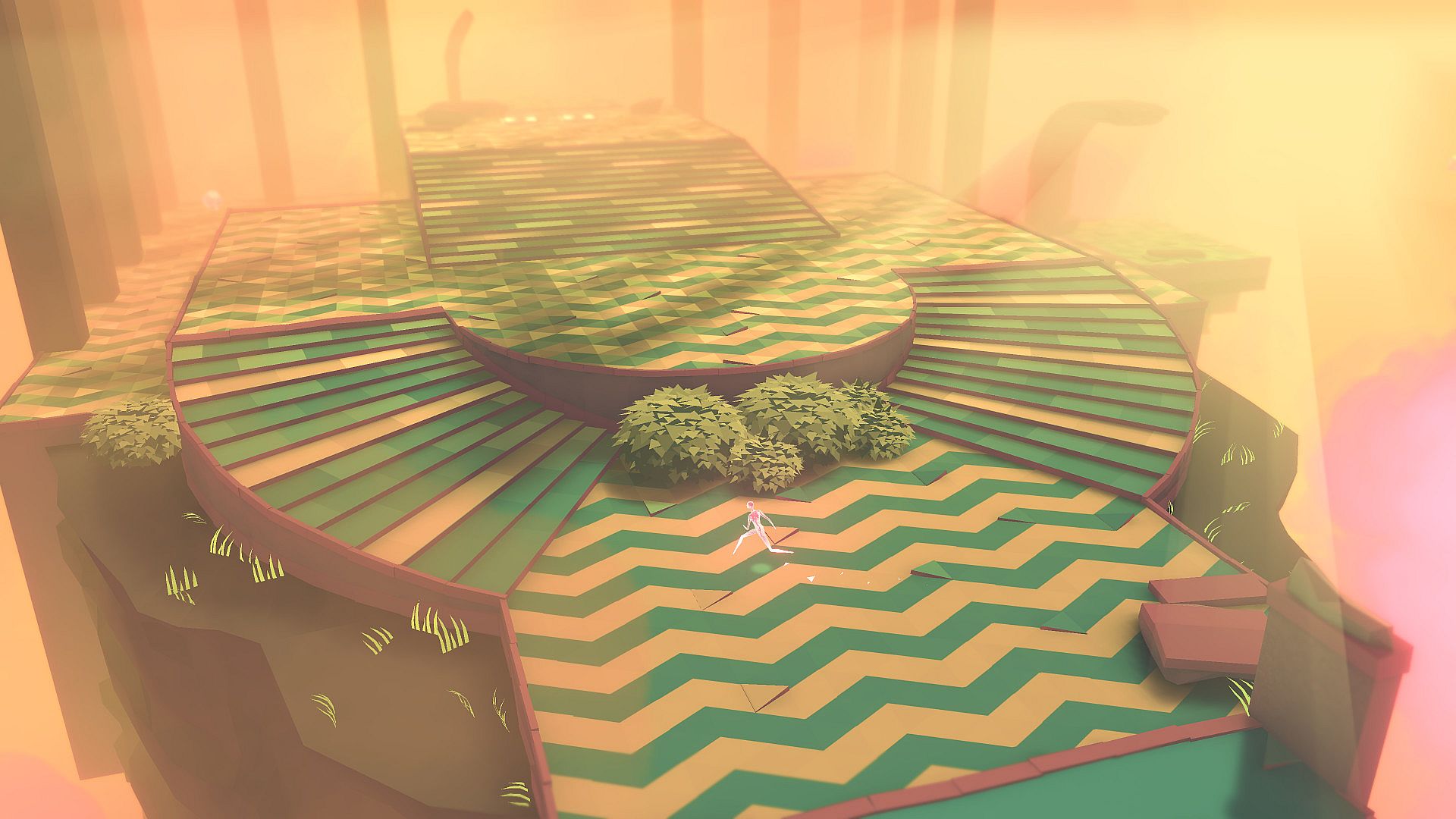
The core loop revolves around exploration and problem-solving in three-dimensional spaces that defy conventional physics. Movement consists of walking, running, and jumping, with the key twist that each surface redefines down. This allows traversal across walls, ceilings, and angled planes as if they were floors, turning every environment into a navigation puzzle that demands observation and experimentation.
Levels present organic challenges where players must manipulate their gravity alignment to connect platforms, avoid drops into voids, and uncover hidden routes. The design emphasizes understanding spatial relationships rather than combat or resource management, creating a meditative pace suited to careful progression. Controls feel precise on a gamepad, which the developers recommend for the most intuitive handling of directional shifts.
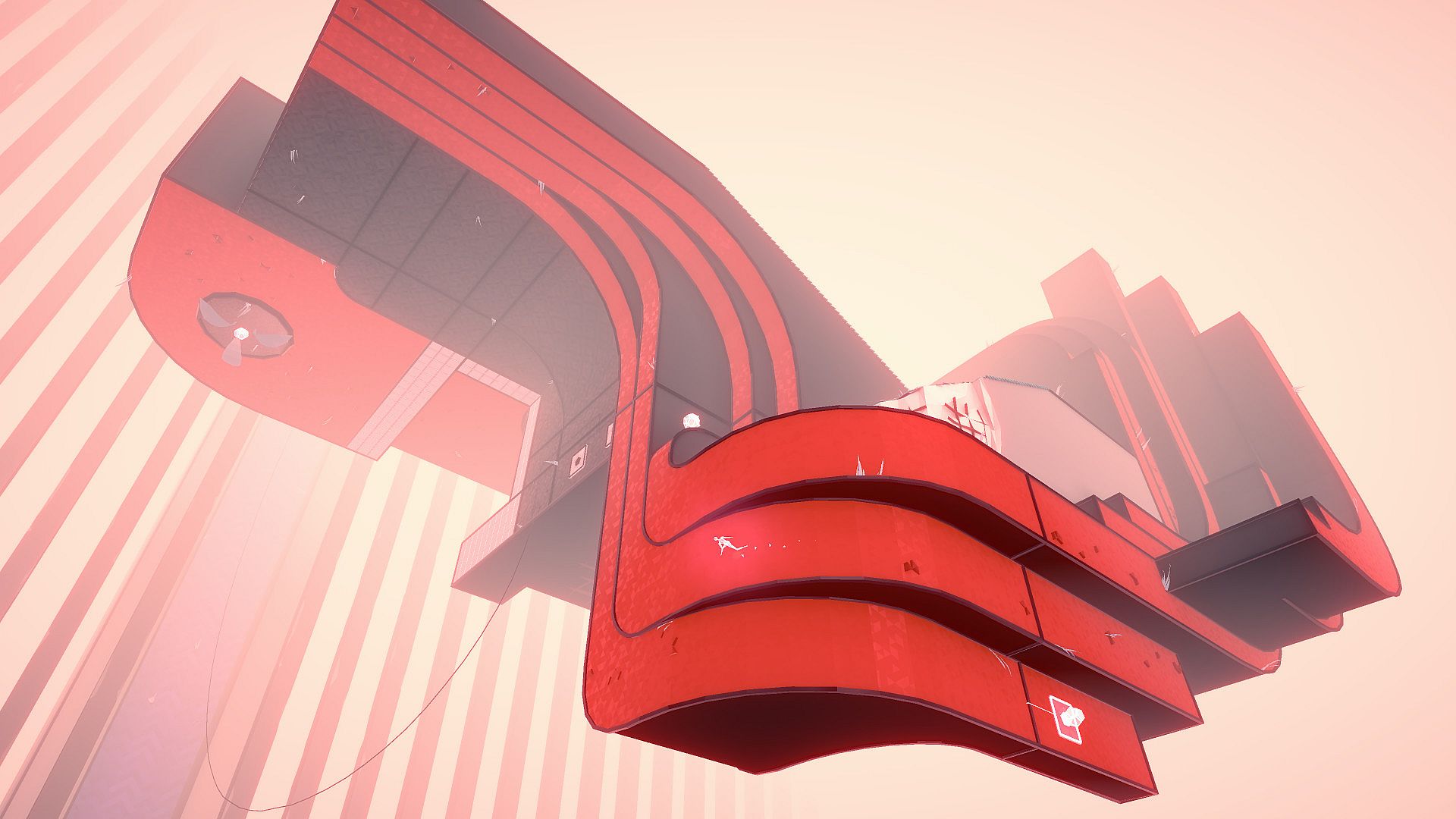
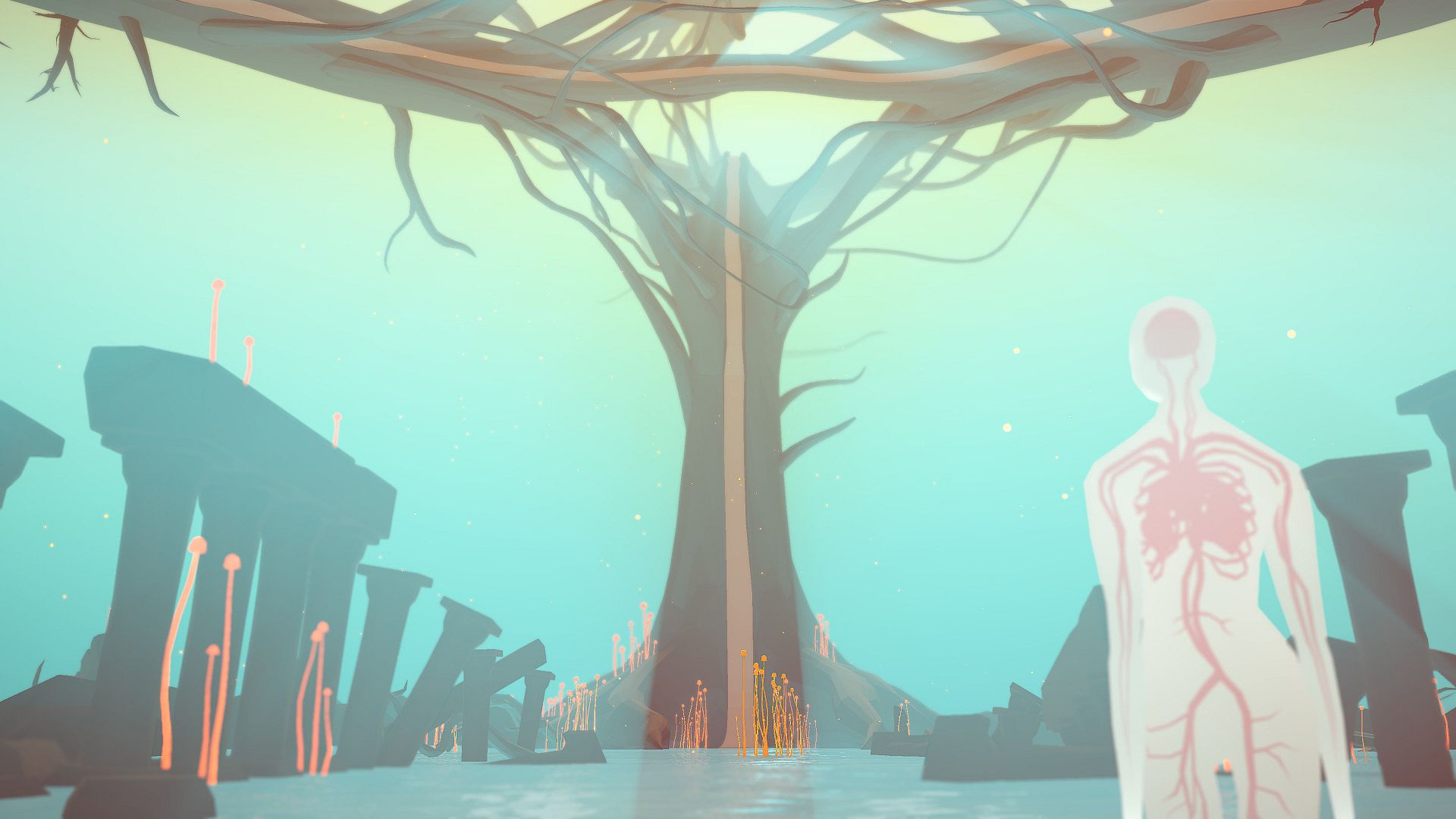
Visuals feature exotic, dreamlike sceneries inspired by impossible architecture, with each area offering distinct color palettes and structural motifs that reinforce the sense of discovery. A dynamic original soundtrack adapts to the atmosphere of individual levels, providing an understated accompaniment that enhances focus without distraction.
Game Modes
Etherborn operates entirely as a single-player experience with no multiplayer components. The main campaign guides players through a sequence of interconnected puzzle environments that build in complexity as the narrative thread advances toward the guiding voice.
Upon completing the primary journey, a challenge mode becomes available. This post-game option introduces additional replayability by presenting refined or alternate versions of existing levels that test mastery of gravity shifts under tighter constraints or with fresh objectives.
Story and Atmosphere
The narrative remains minimal and atmospheric, delivered through environmental storytelling and the pursuit of the bodiless voice. As the protagonist gains awareness, the journey itself serves as the central thread, with no voiced dialogue or complex character interactions to interrupt the focus on spatial puzzles.
World-building draws from surreal influences, creating a cohesive sense of otherworldliness across floating structures and abstract landscapes. This approach keeps attention on the mechanical satisfaction of solving each navigation challenge while evoking quiet curiosity about the larger context.
Is It Worth Playing?
Etherborn suits players who appreciate deliberate puzzle platformers that prioritize unique mechanics over action or narrative depth. Its gravity-shifting system delivers consistent novelty across a compact campaign, with levels that reward patience and spatial reasoning.
Reception among reviewers highlights the strength of the level design and visual presentation, describing the game as a polished entry in its niche. User feedback on Steam reflects mostly positive responses, with many citing the satisfying core loop and atmospheric presentation as standout elements.
The game launched in 2019 and exists today as a complete, self-contained title with no ongoing seasonal content or major updates required. Those seeking a focused single-player experience built around creative traversal will find it aligns well with that preference, particularly if they enjoy titles that bend familiar physics in service of exploration.
Availability on PC includes support for multiple languages in text and select audio tracks, broadening accessibility for a range of players. The emphasis on gamepad play further refines the experience for those who prefer controller input in puzzle contexts.