




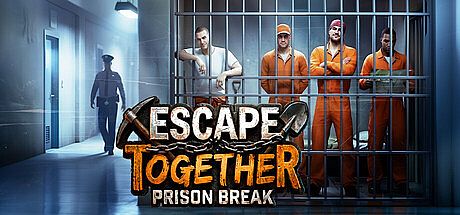


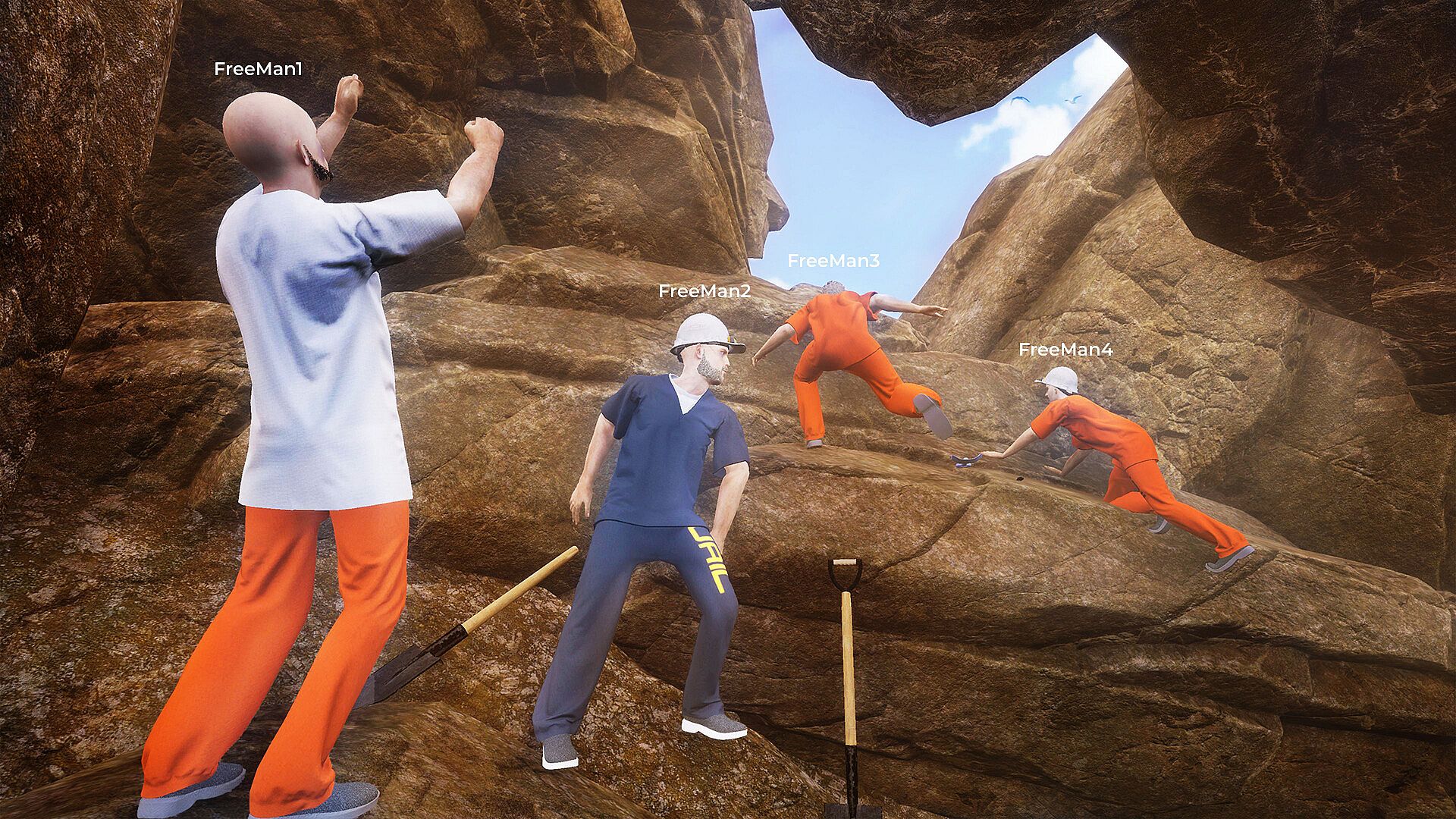
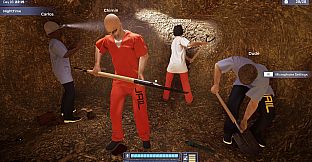

Escape Together: Prison Break is an indie simulation and adventure game centered on planning and executing a prison escape through underground tunneling. Players manage resources, avoid detection, and coordinate efforts in a confined environment that blends stealth, resource management, and light social interaction.
Gameplay
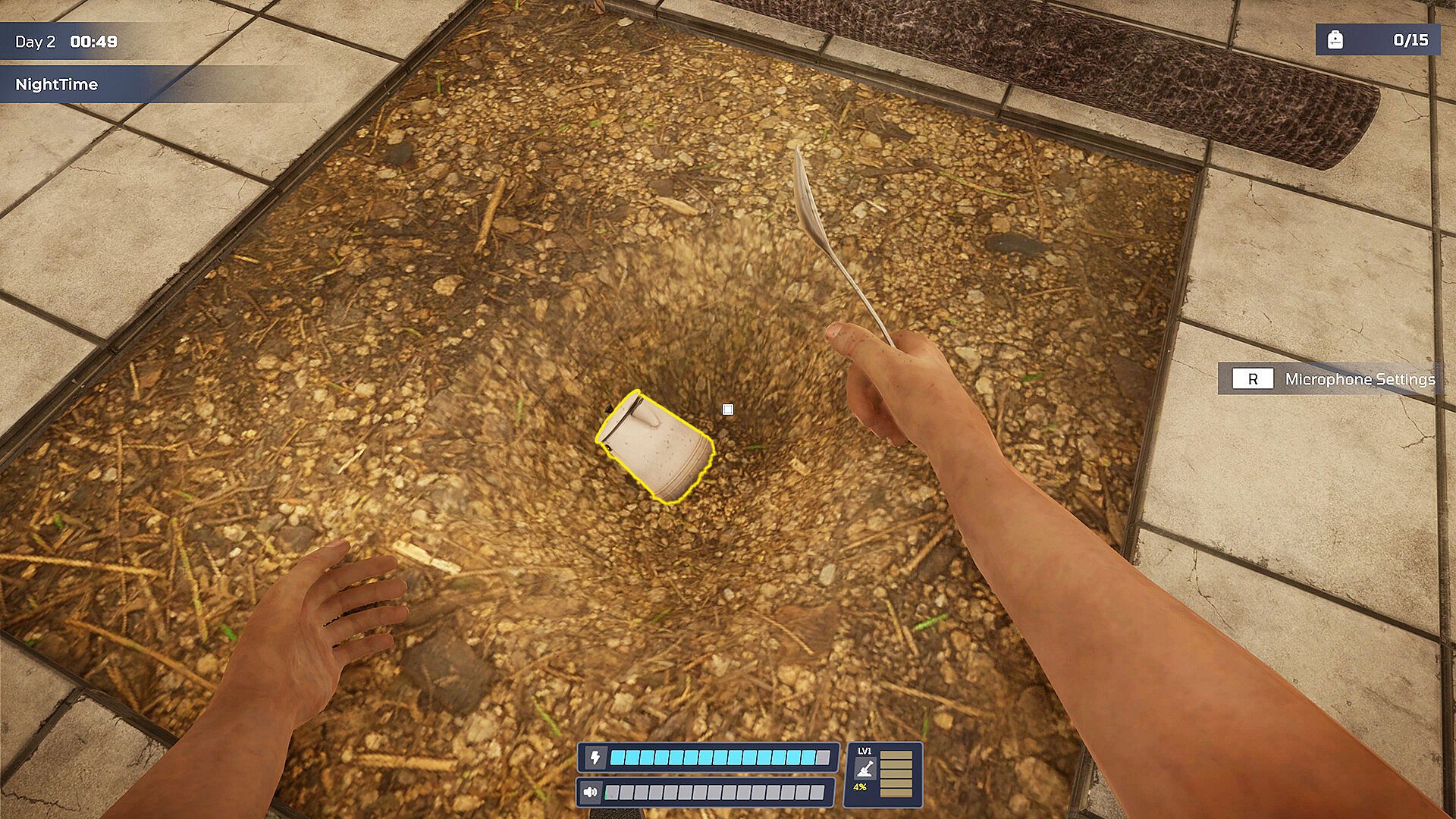
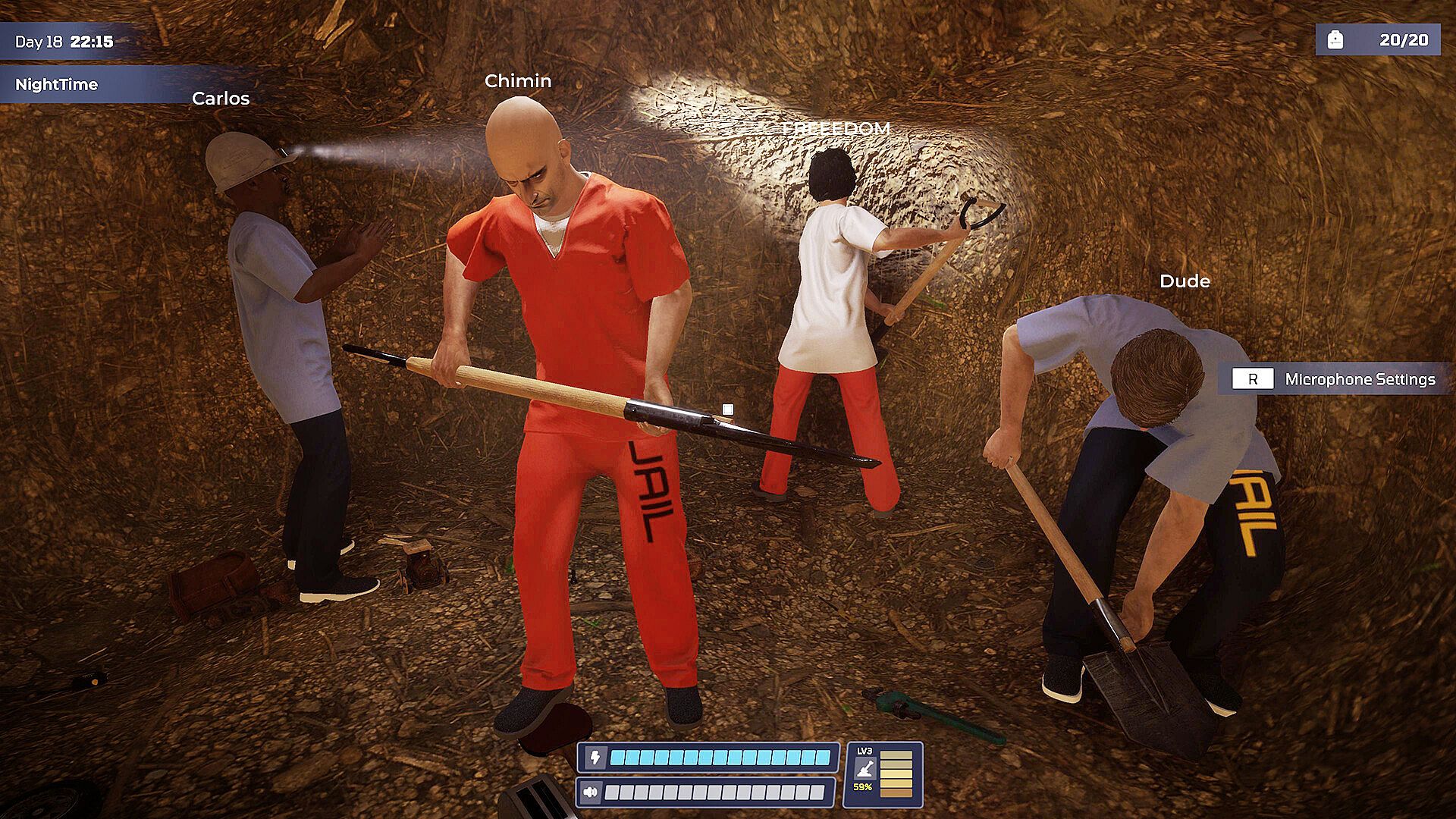
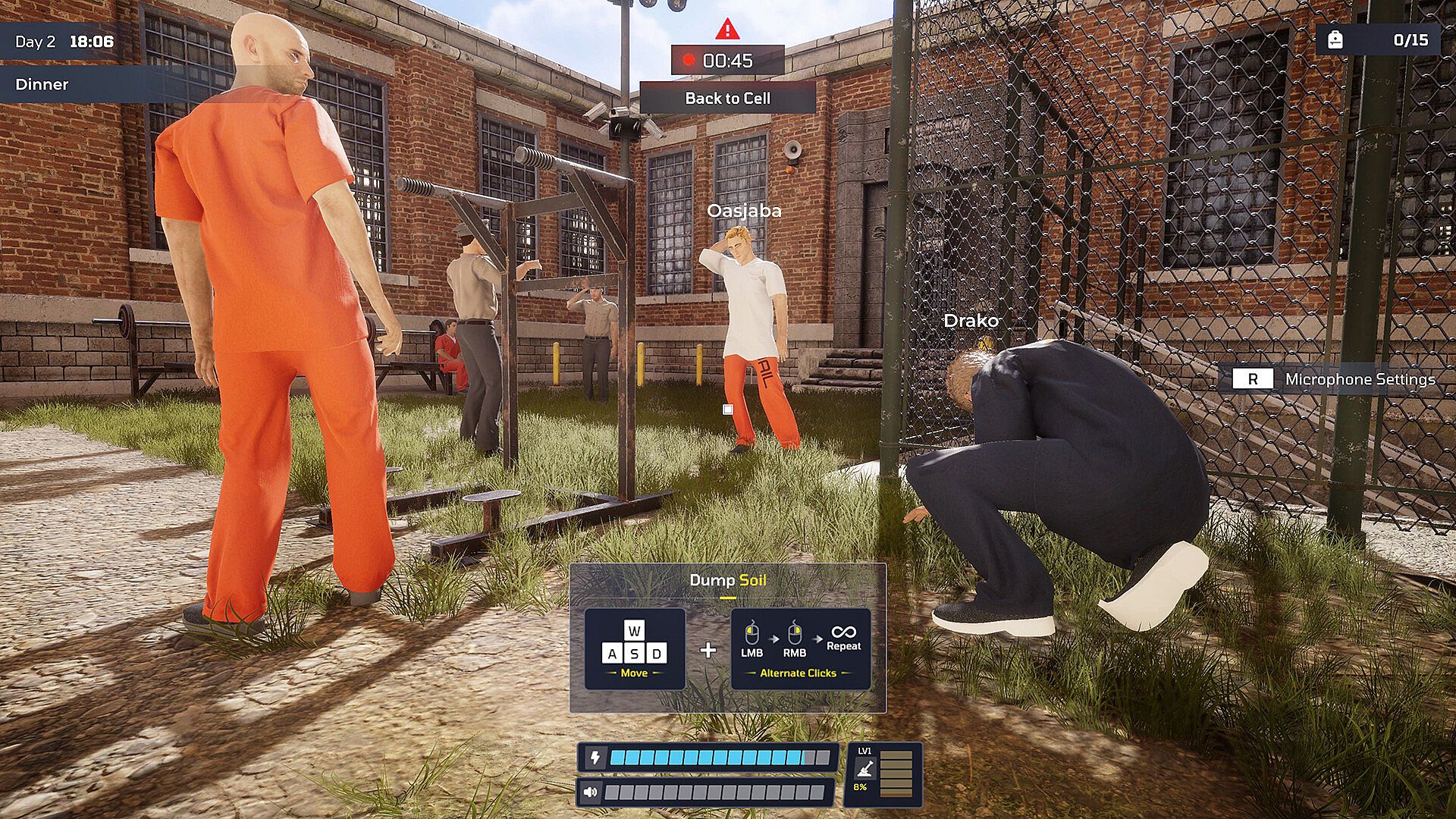
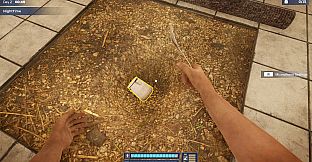
The core loop revolves around excavating a hidden tunnel from within a prison cell while maintaining secrecy from guards. Players dig through soil layers, collect any valuables uncovered during the process, and handle the constant need to remove and dispose of dirt piles to prevent suspicion. Inspections require quick concealment of the tunnel entrance under a cell carpet, adding tension to each session.
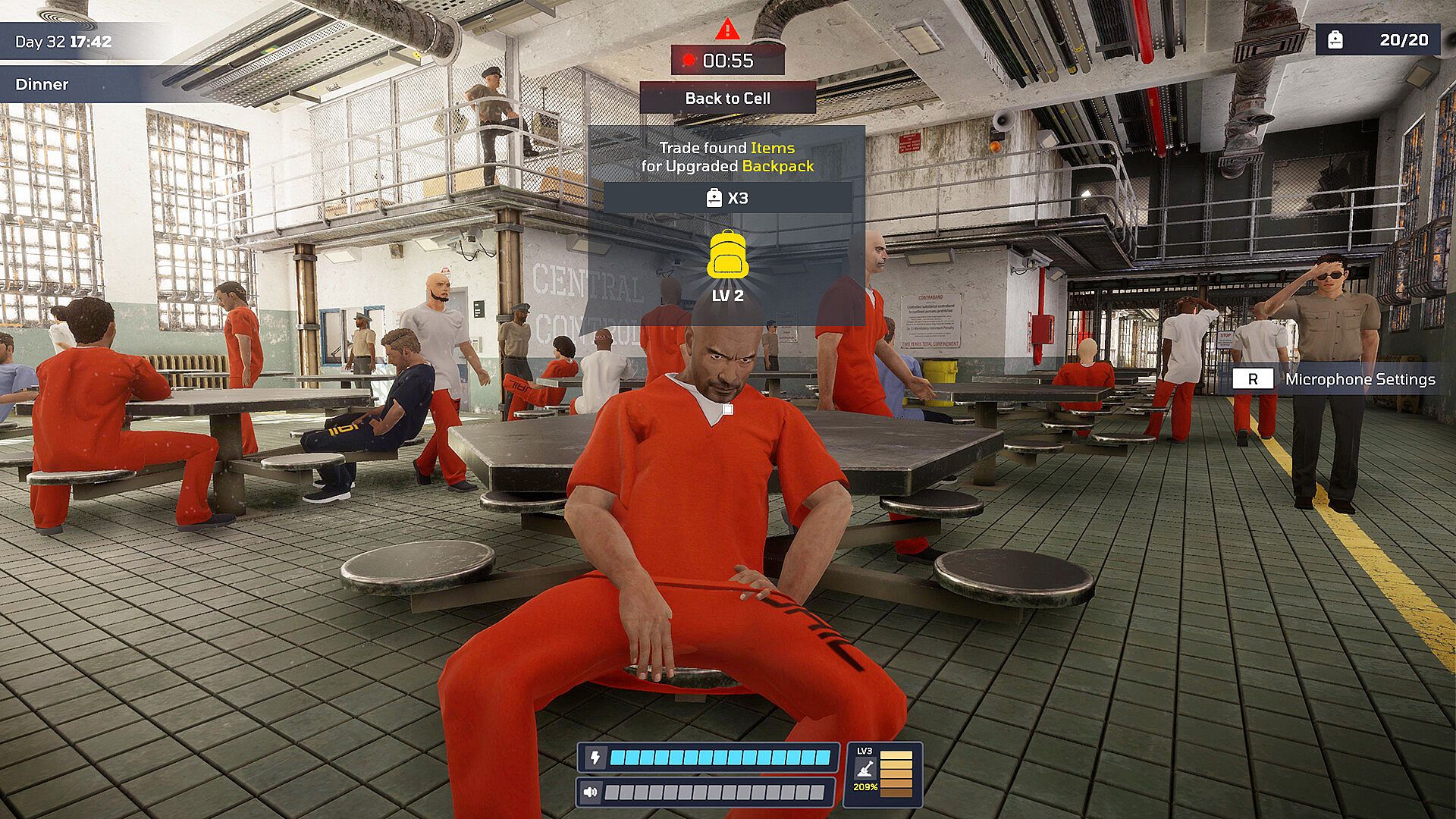
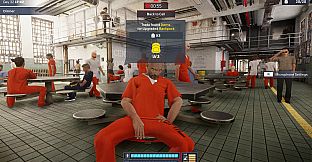
Tool upgrades form a key progression element. Found items can be traded among participants to acquire better digging equipment, larger inventory space, and improved carrying capacity for dirt and resources. Proximity voice chat supports real-time coordination, allowing players to call out guard movements or plan dirt disposal routes without drawing attention.
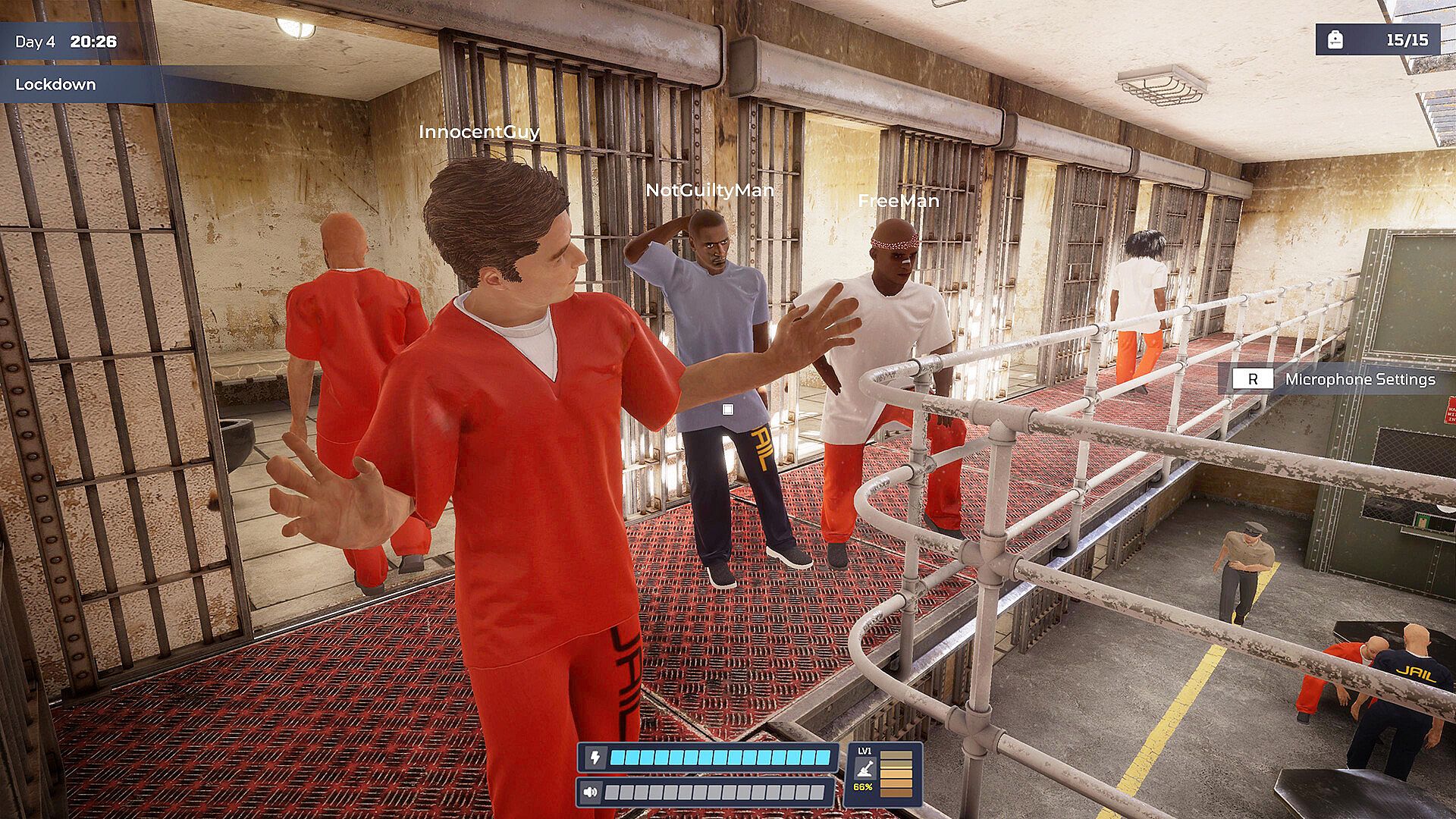
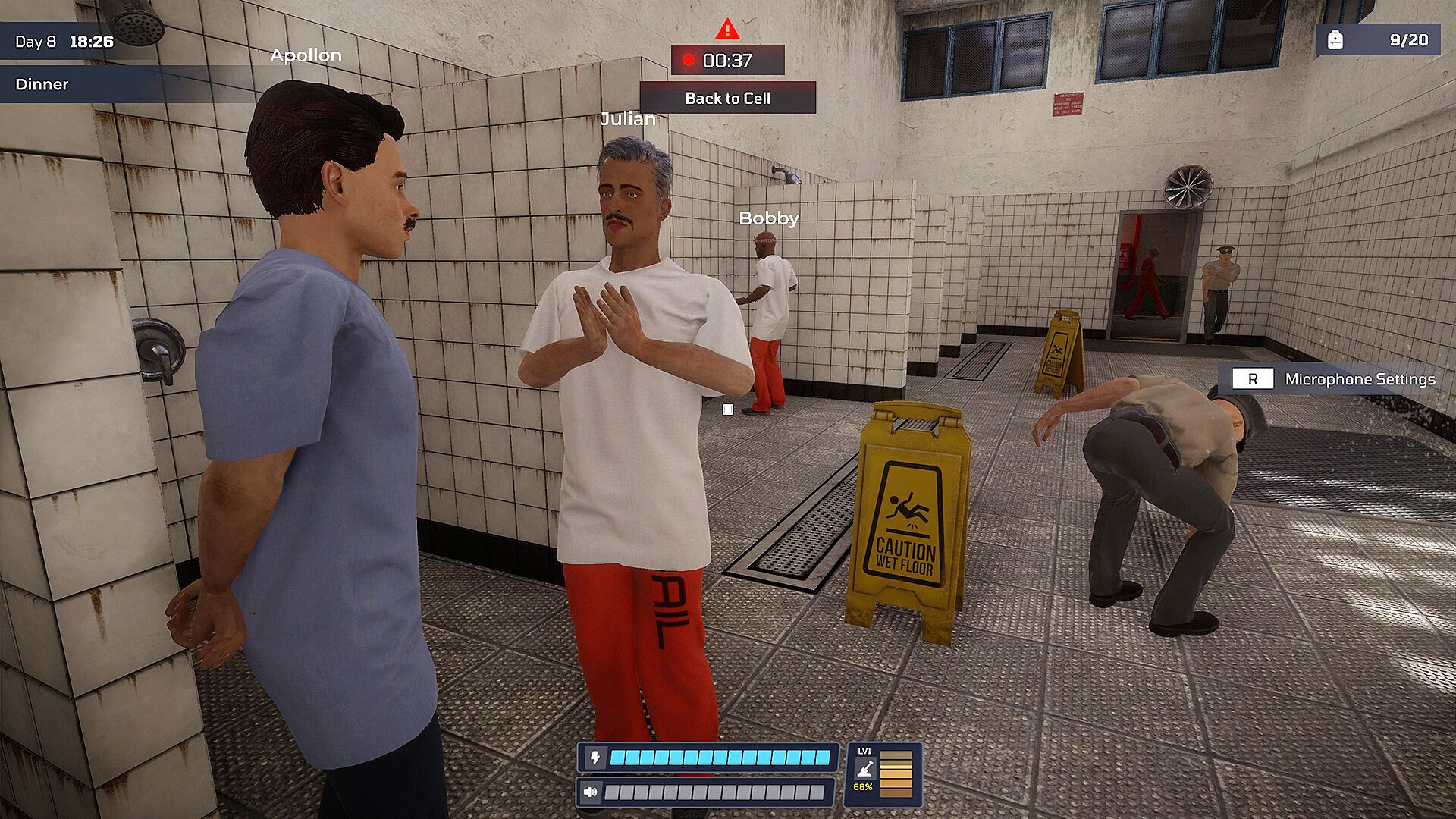
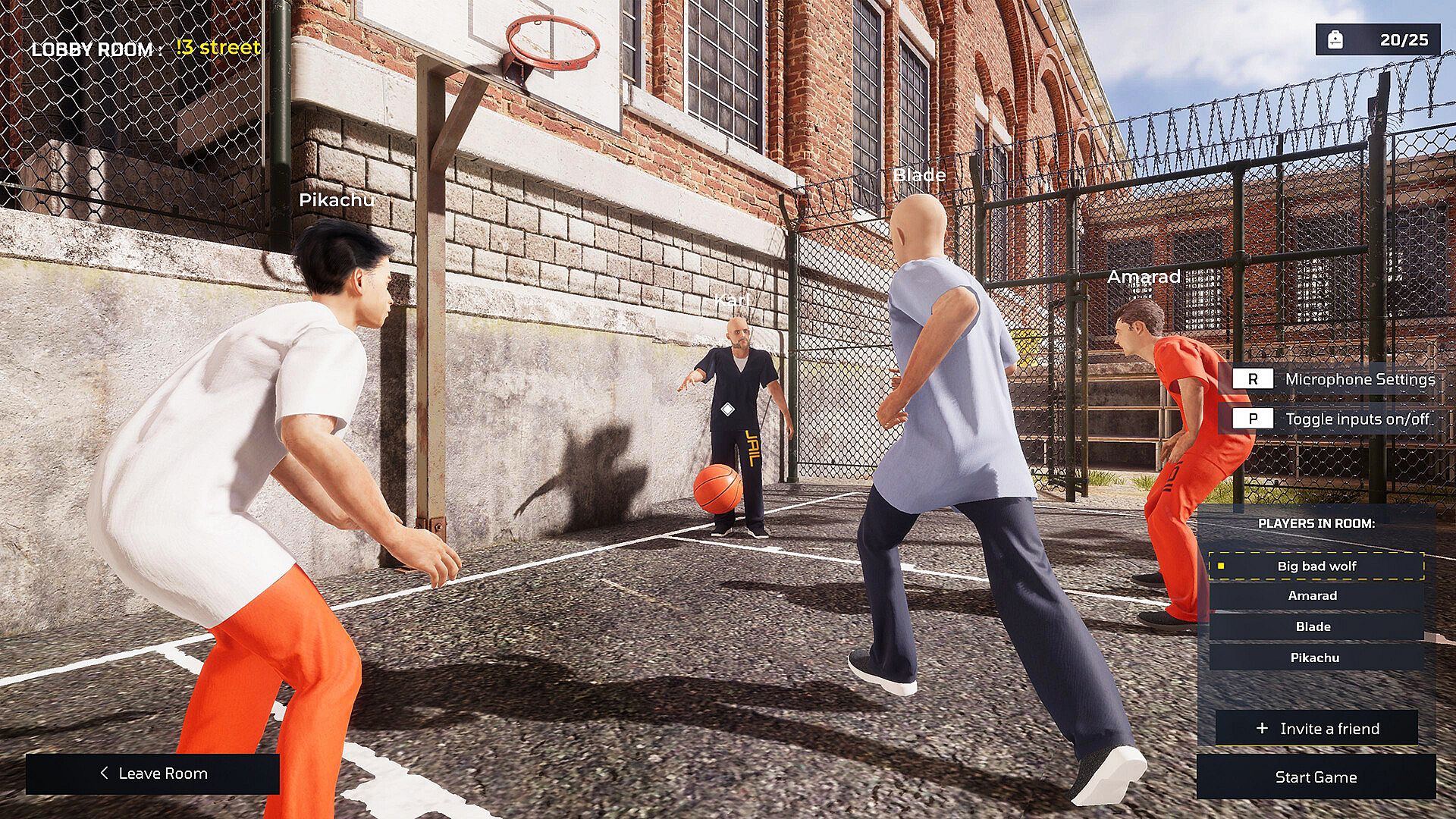
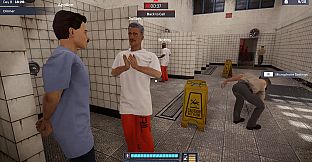
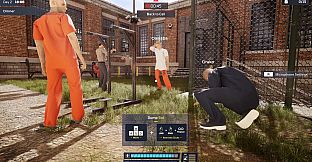
Daily prison routines provide brief diversions. Conversations with fellow inmates or staff offer minor narrative flavor, while a basketball minigame serves as a low-stakes break before returning to excavation work. The simulation emphasizes careful timing and environmental awareness over combat or exploration in open spaces.
Game Modes
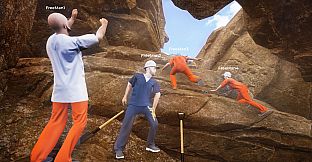
The game supports solo play, where a single participant handles all aspects of digging, resource management, and evasion independently. Online co-op accommodates up to four players who share the tunnel project, dividing tasks such as excavation, dirt transport, and lookout duties.
Both modes rely on the same core systems, with co-op introducing additional layers of communication and shared responsibility. No separate competitive or versus modes exist; the focus remains on cooperative escape planning in a shared prison setting.
Prison Environment and Mechanics
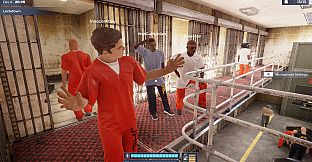
The setting replicates a heavily guarded facility where guard patrol patterns dictate safe digging windows. Players must monitor these routes and react to inspection alerts by hiding progress. Resource trading occurs through in-game exchanges of discovered items, supporting upgrades that directly impact digging speed and storage limits.
Dirt disposal requires transporting excavated material to designated areas without leaving visible traces. Longer tunnels increase the volume of dirt produced, making teamwork essential for maintaining cover as the project advances. These mechanics create a steady rhythm of work, concealment, and incremental advancement toward the escape goal.
Is It Worth Playing?
The title targets players who enjoy methodical simulation experiences with co-op elements and light stealth requirements. Its Early Access phase, planned to last roughly one year, includes the core tunneling, trading, upgrading, and social features from launch, with further refinements to balance, guard AI, and performance expected based on community input.
Because the game remains unreleased with no player reviews available, suitability depends on interest in the described escape simulation loop rather than proven polish or content volume. Those drawn to collaborative planning and resource management in a restricted environment may find value once it becomes playable, while others might prefer waiting for the full release to assess completed progression systems.











