


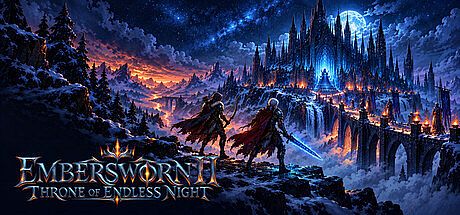


Embersworn II: Throne of Endless Night stands as a dark fantasy turn-based deckbuilding roguelike that blends strategy and role-playing elements on PC. Players select from two distinct heroes to navigate a world locked in perpetual darkness, building decks and making critical decisions that shape each attempt to reach the throne.
Gameplay
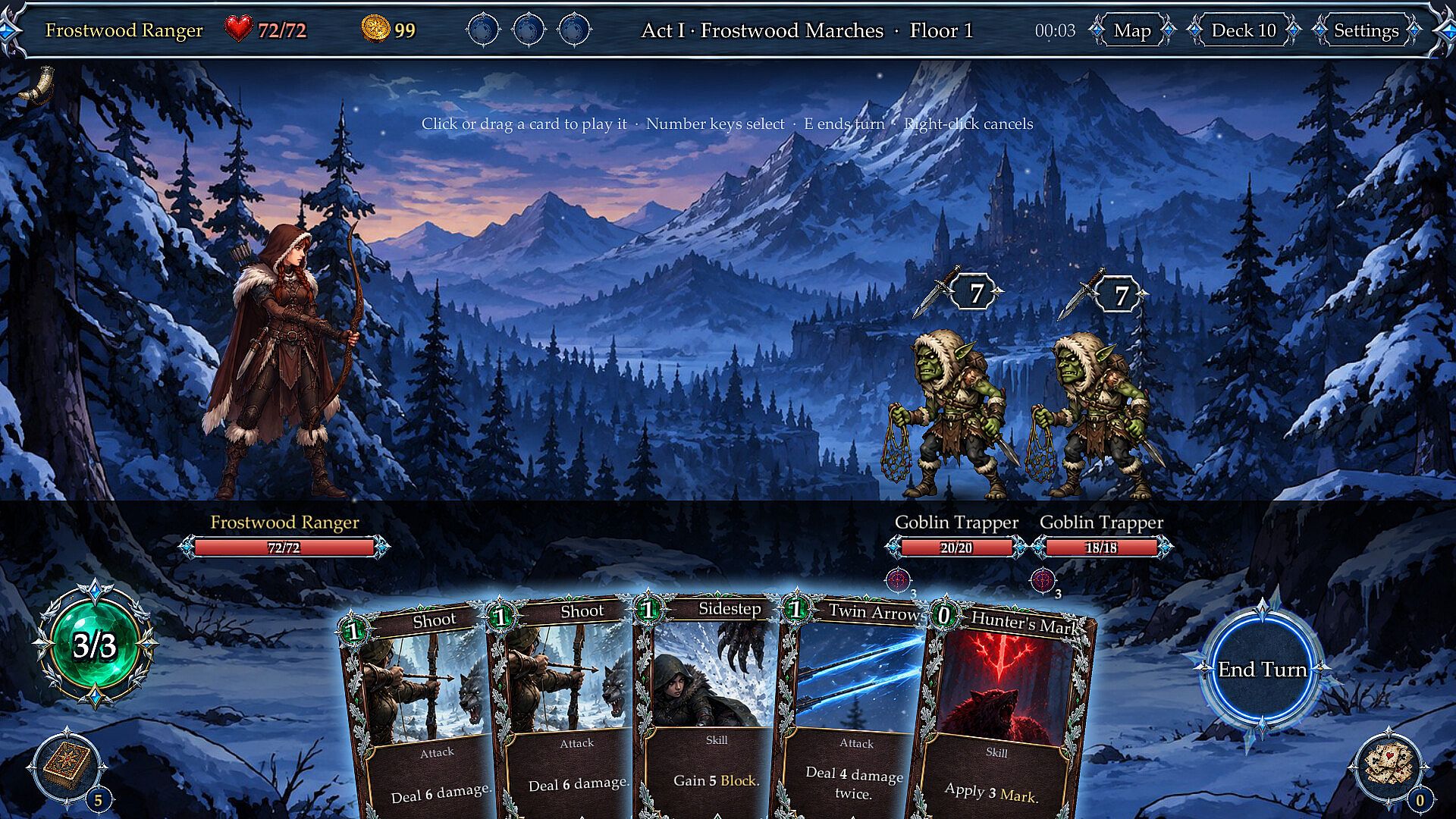
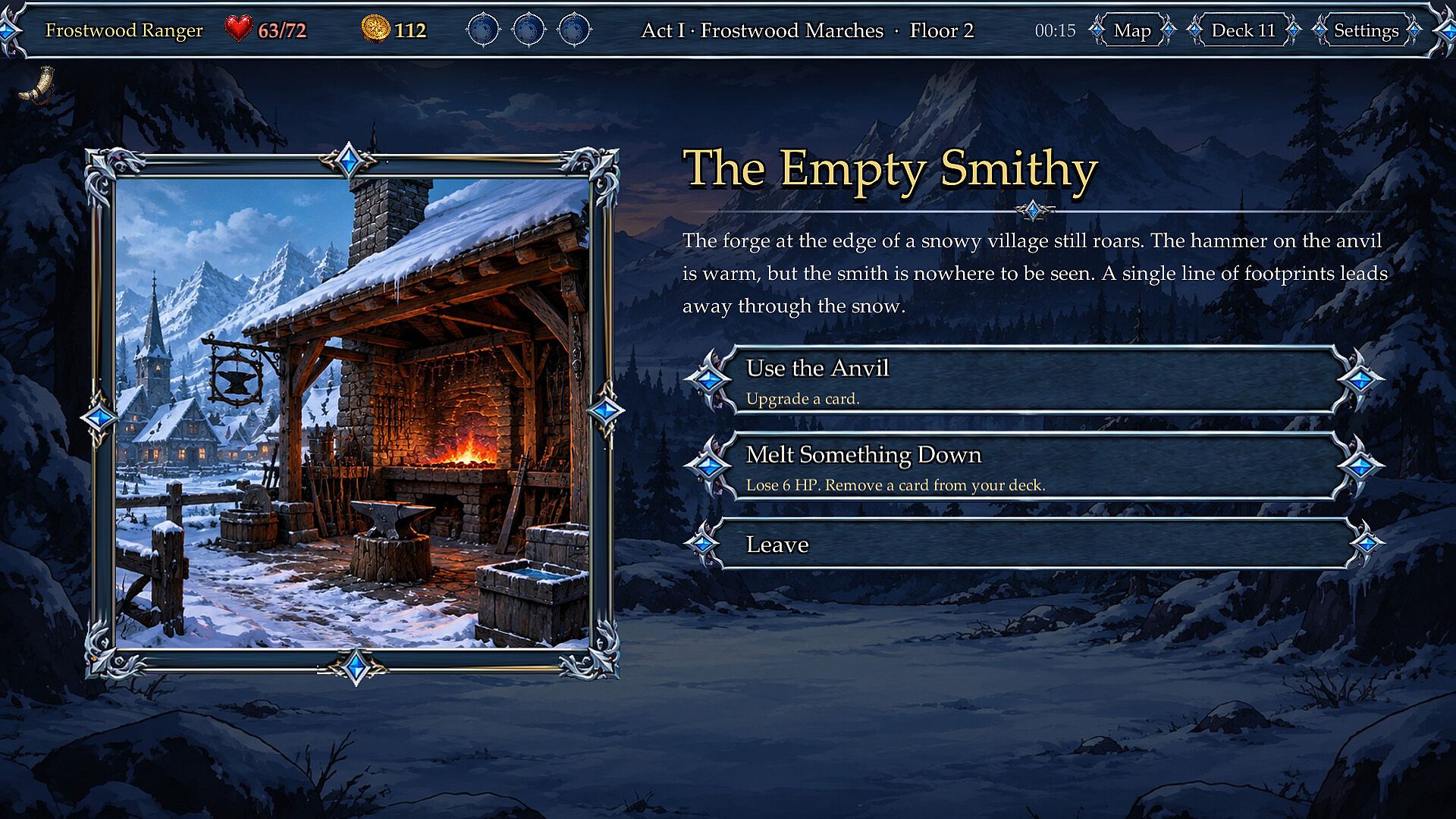
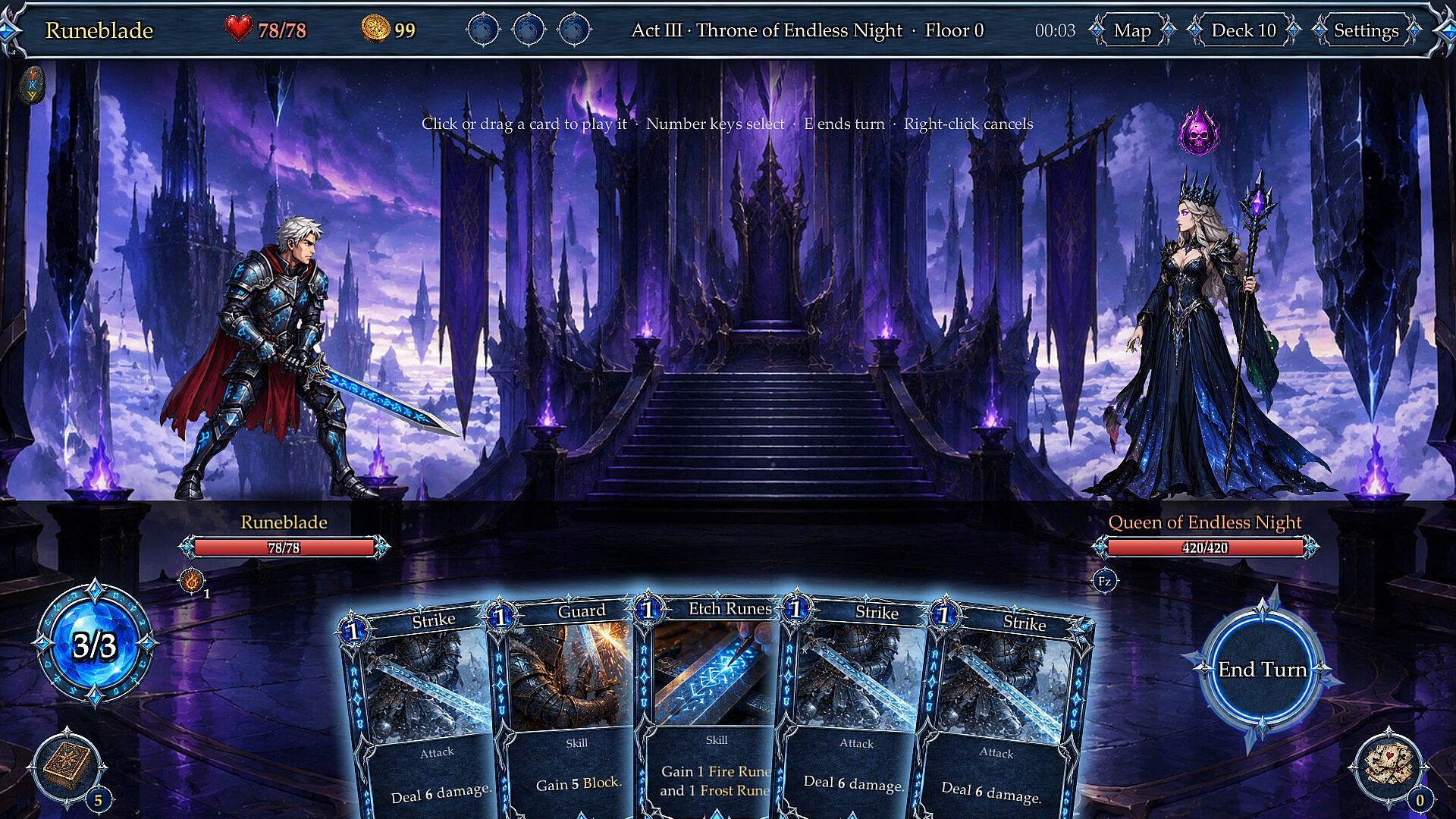
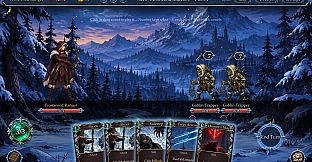
The core loop centers on deliberate planning across turns where offense must balance against incoming threats. Each hero brings unique strengths to the table. The Frostwood Ranger emphasizes ranged precision and environmental adaptation, while the Runeblade focuses on close-quarters power and rune-based enhancements. Encounters require reading enemy patterns and adjusting card plays accordingly, as standard foes give way to elite challenges that punish poorly constructed decks.
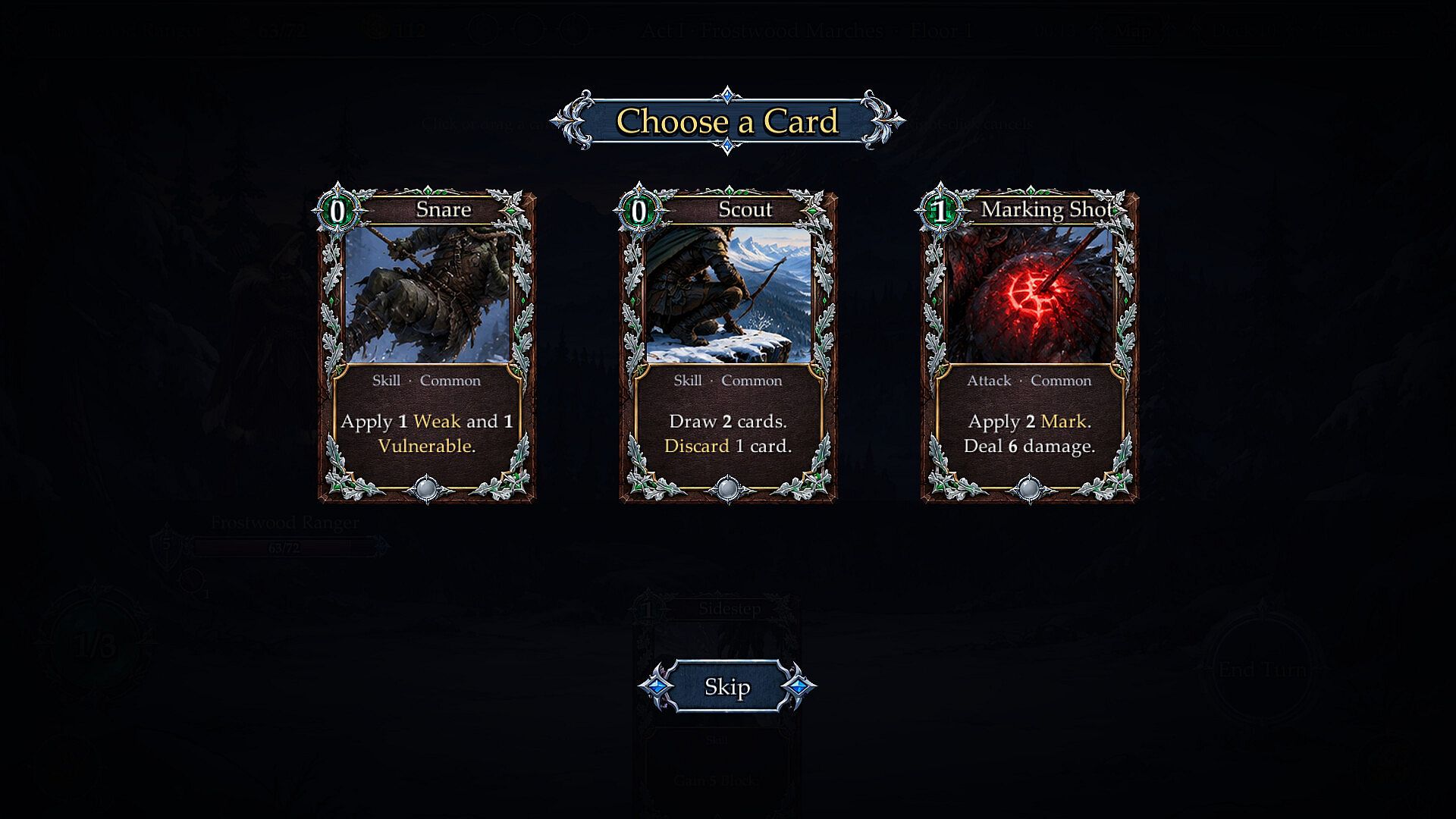
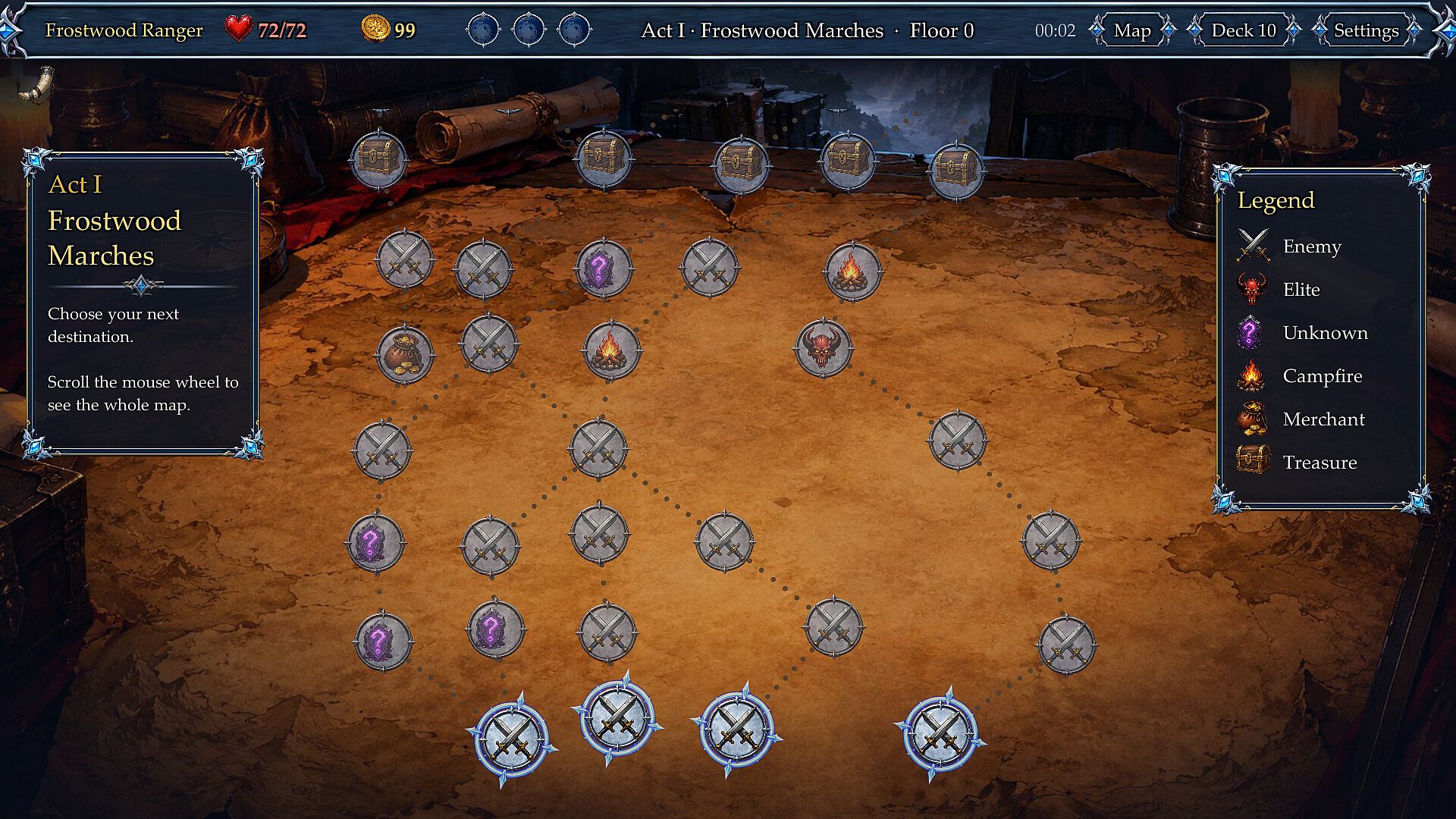
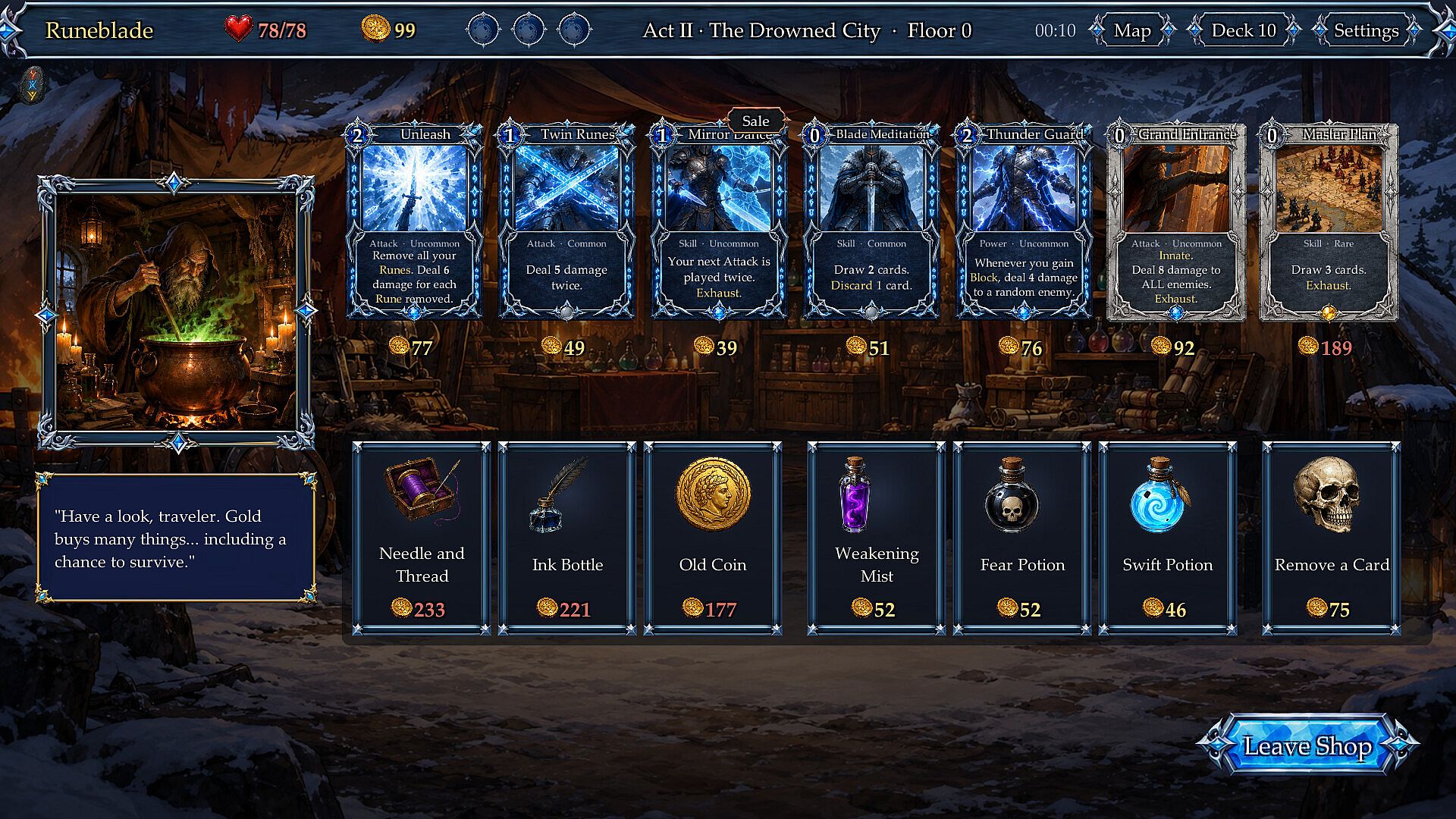
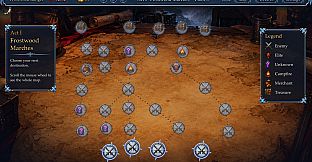
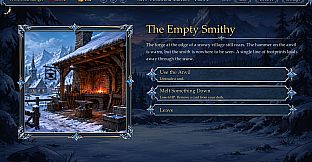
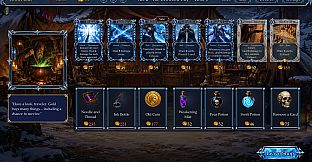
Resource management extends beyond combat through choices on when to engage, rest, or pursue higher-risk paths. Branching routes introduce events that can yield new cards, relics, or potions, allowing players to refine synergies tailored to their hero and the escalating dangers. Potions provide temporary boosts during fights, while relics offer lasting modifications that reward experimentation across multiple attempts.
Game Modes
The primary structure revolves around repeated runs that build toward a larger campaign objective. Each run presents fresh opportunities to collect and combine cards into effective strategies against varied enemy compositions. Success depends on adapting the deck mid-run while pushing forward through increasingly difficult encounters.
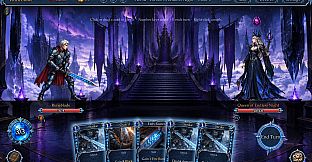
The campaign culminates in a direct challenge against the Queen of Endless Night. This overarching progression ties individual runs together, with choices made along the way determining whether a player can overcome the final confrontation. No separate multiplayer or alternative modes appear in the design, keeping focus on solo strategic depth.
Hero Selection and Deck Building
Hero choice sets the foundation for every run. The Frostwood Ranger suits players who prefer controlling distance and leveraging terrain effects, whereas the Runeblade appeals to those who favor aggressive positioning and powerful single-target strikes. Deck construction happens through careful selection during runs, prioritizing combinations that handle both common enemies and tougher bosses.
Relics and potions add layers of customization. A relic might enhance card draw or alter damage types, while potions offer on-demand solutions to specific problems. This system encourages players to experiment with different builds rather than relying on a single approach.
Is It Worth Playing?
This title suits players who enjoy methodical turn-based combat and the satisfaction of refining a deck over successive attempts. The emphasis on intentional planning and adaptation rewards thoughtful play over rapid reflexes. Those drawn to dark fantasy settings with roguelike progression will find the branching routes and event choices add meaningful variety to each campaign push.
Without confirmed player metrics or post-launch updates available, the experience stands on its described systems alone. Fans of indie strategy RPGs that prioritize deck synergy and boss preparation will likely appreciate the focused design. It delivers a self-contained challenge centered on reaching the throne through accumulated knowledge from prior runs.












