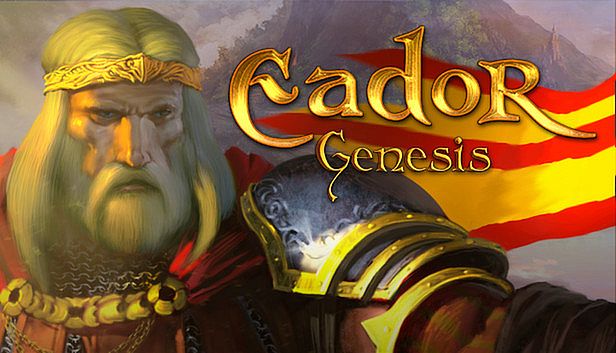













Eador: Genesis stands as an indie turn-based strategy game developed by Alexey Bokulev. It blends grand strategy elements with tactical combat and role-playing progression on a shattered fantasy world. Players assume the role of a Master who must unify the fragments of Eador while contending with rebellions, rival Masters, and threats from the astral plane. The game emphasizes careful management of provinces, hero development, and resource allocation across multiple layers of gameplay.
Gameplay
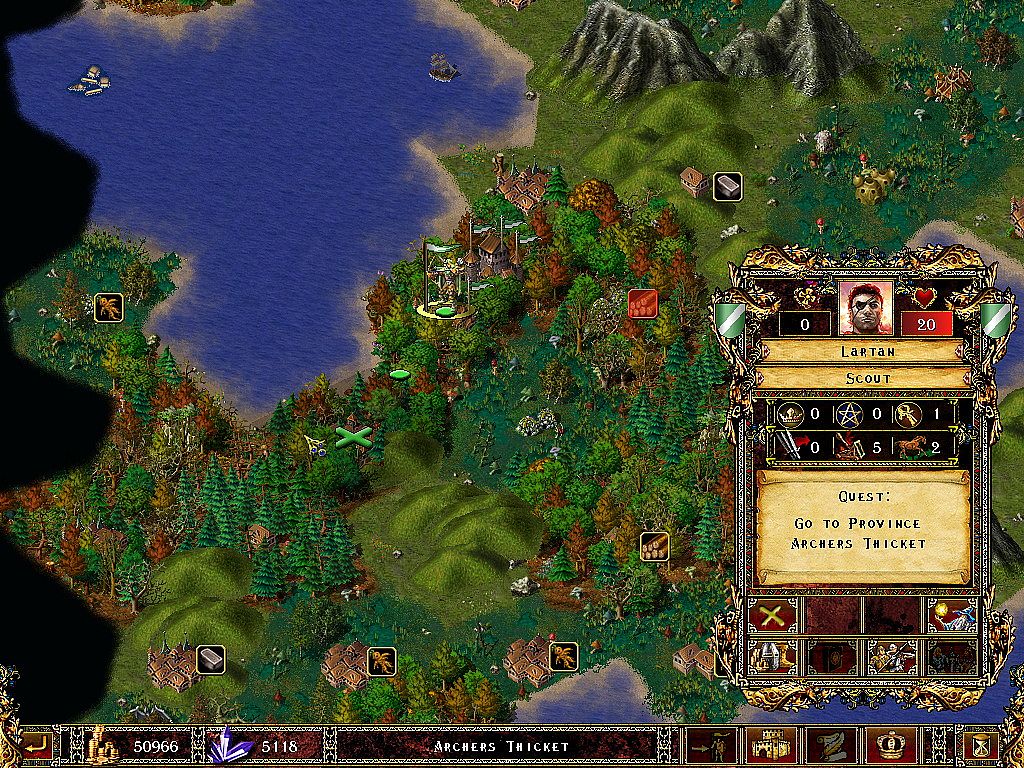
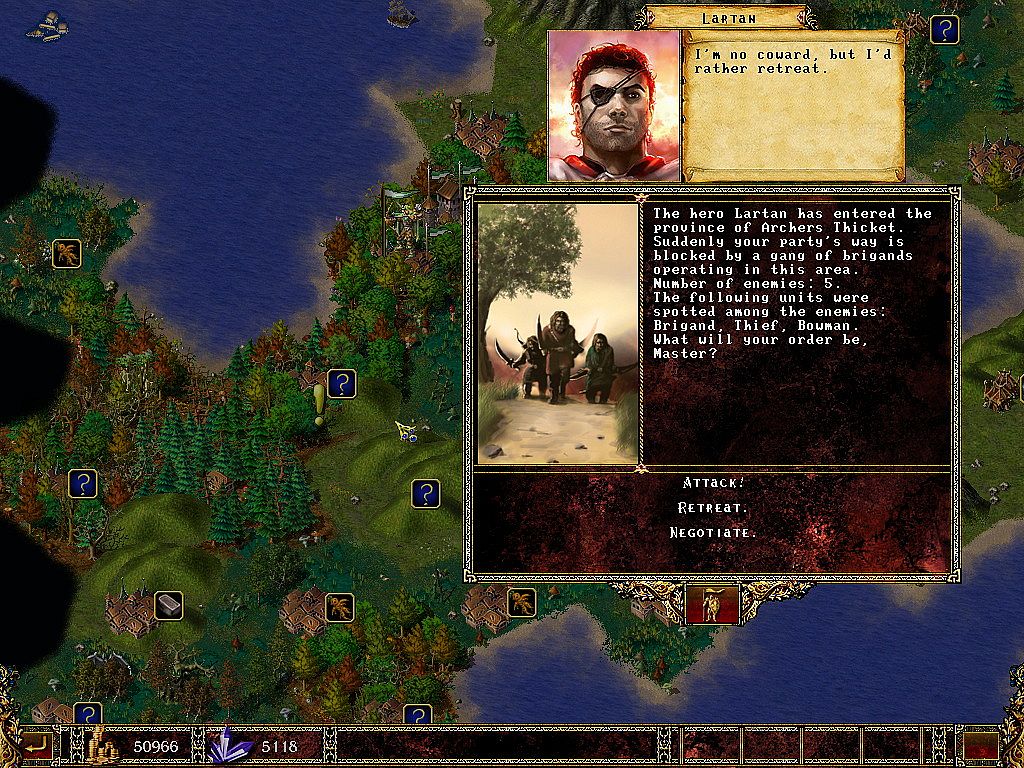
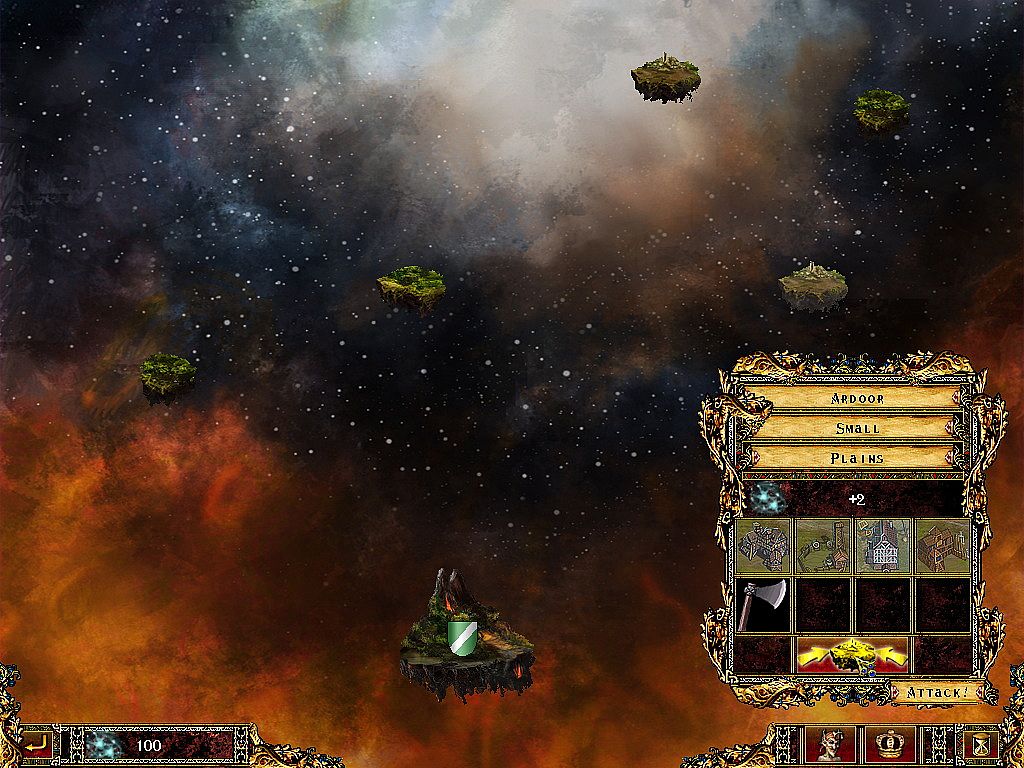
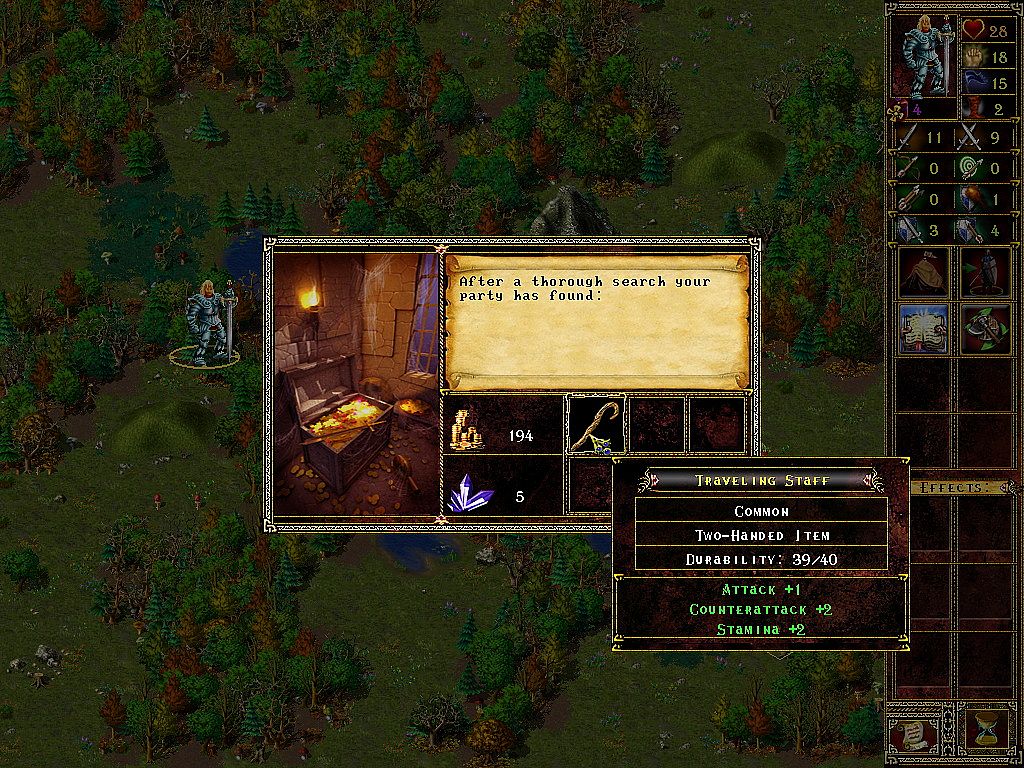
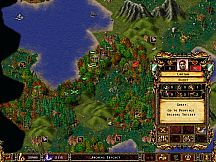
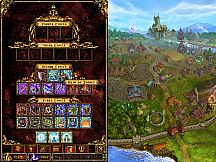
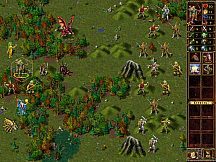
The core loop revolves around exploring shards, which serve as large world maps divided into individual provinces. A player recruits heroes who can move across these maps to claim territory, scout locations, or engage enemies. Each hero carries equipment drawn from thousands of available items including weapons, armor, and spells that enhance their capabilities in both exploration and battle.
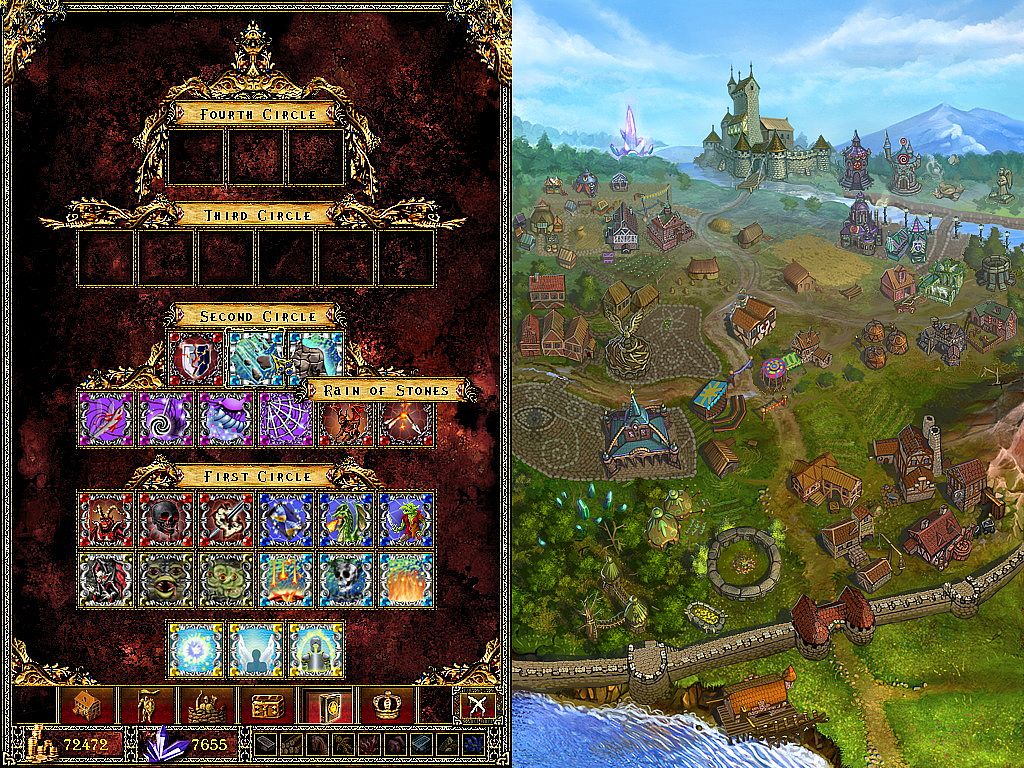
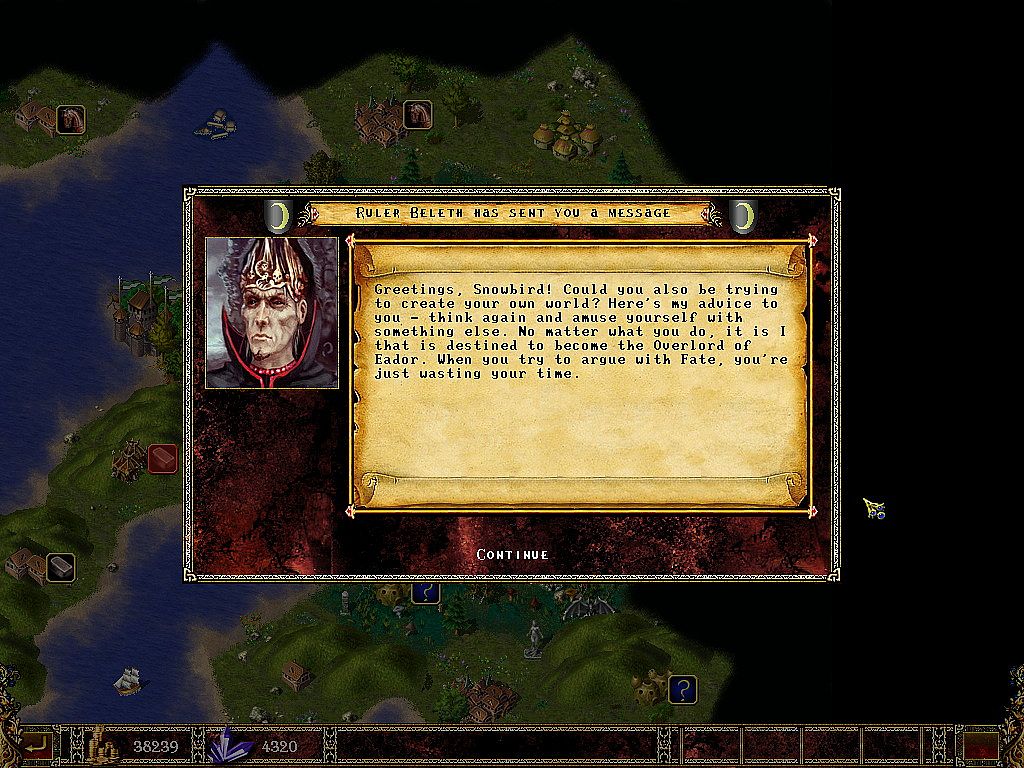
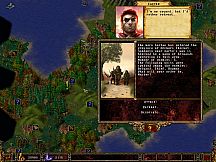
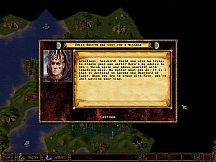
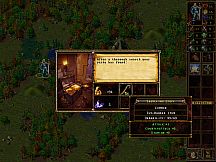
Heroes accumulate experience through combat and grow stronger over time, provided they remain healthy. Provinces under control require ongoing attention through building construction to generate resources and units while maintaining order to prevent uprisings. Diplomacy allows negotiation of trade deals or temporary alliances against common threats, adding a layer of strategic depth beyond direct conquest.
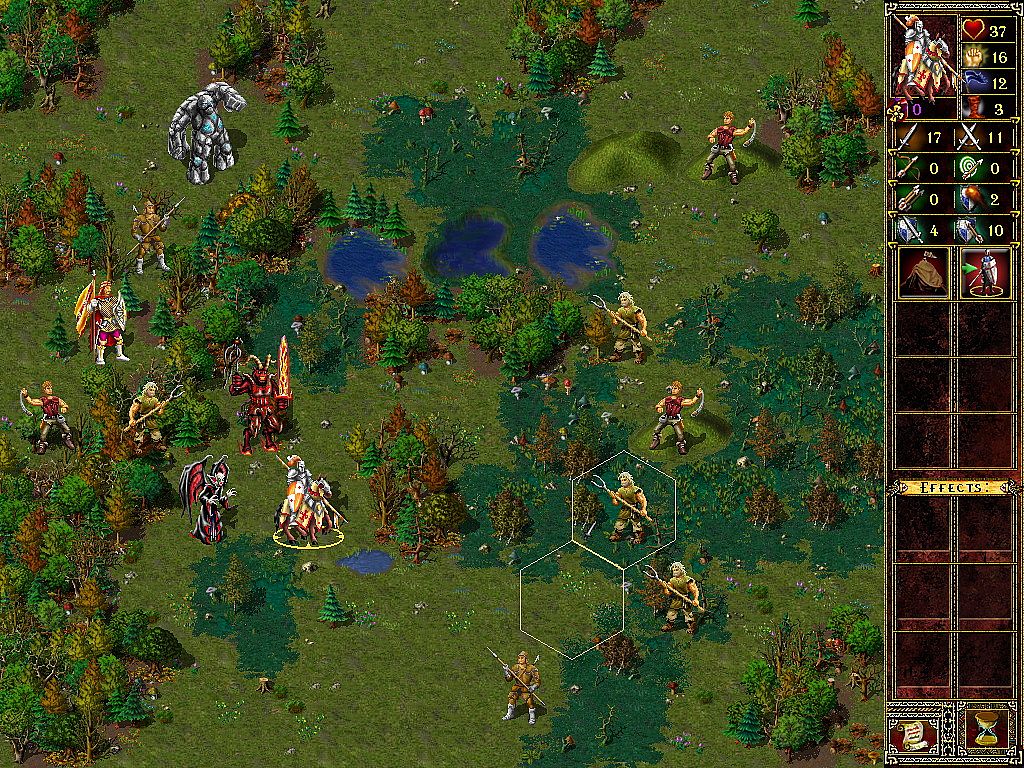
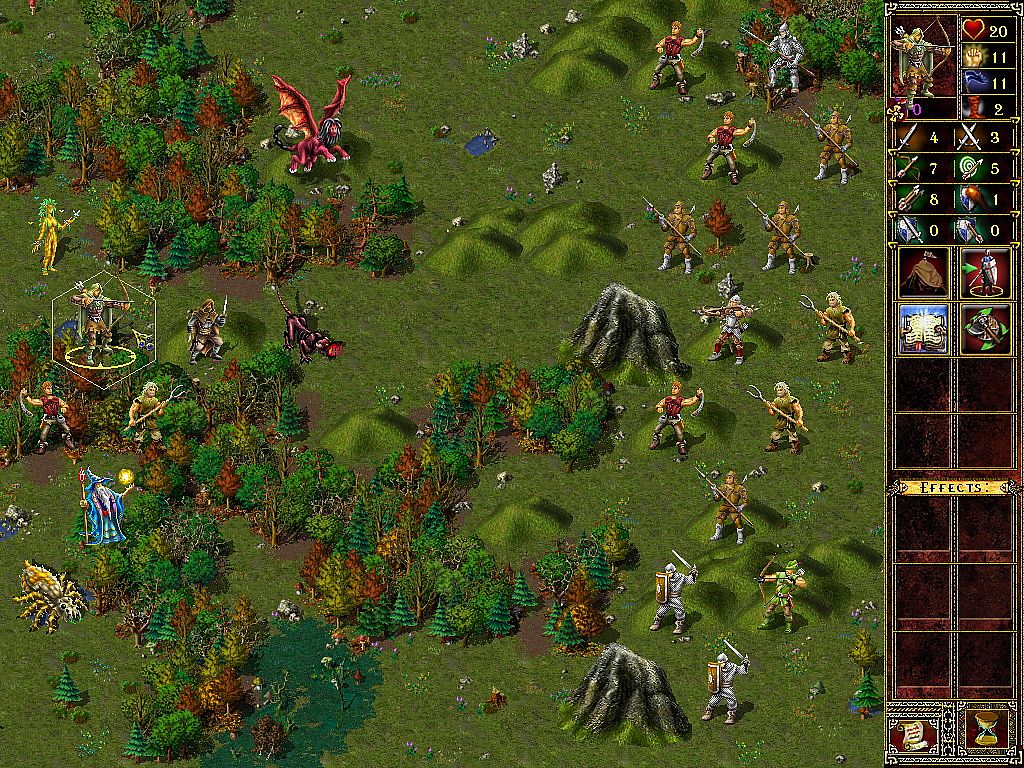
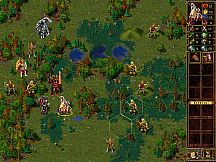
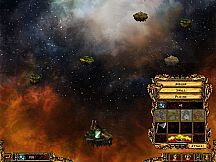
Combat unfolds on a grid in turn-based fashion where units and heroes execute actions sequentially. Over 170 buildings unlock access to units and abilities, while 80 spells and 70 units offer extensive customization options for army composition. The system supports any combination of these elements without rigid faction restrictions beyond race-based building access.
Game Modes
The primary experience comes through the campaign, where players progress across interconnected shards to restore order to Eador. Each shard presents unique conditions and objectives that build toward larger goals involving astral threats.
Custom games permit selection of shard parameters such as opponent count, fog of war settings, and difficulty before starting. All building options become available immediately in these scenarios, enabling focused experimentation with different strategies.
Multiplayer supports sessions labeled as Several Players, allowing direct competition or cooperation on shared shards. These modes retain the same province management and combat systems found in singleplayer campaigns.
Core Mechanics and Progression
Resource management extends across land and astral domains, requiring players to balance expansion with defense. Units recruited from constructed buildings form armies that support heroes in province conquests. Experience systems reward sustained hero survival, leading to stronger parties capable of tackling advanced challenges.
Racial differences influence available units and structures, encouraging varied approaches to army building. The absence of strict class limits on heroes further promotes flexible loadouts drawn from the extensive item pool.
Is It Worth Playing?
Eador: Genesis appeals to enthusiasts of classic turn-based strategy titles that combine map-level conquest with detailed tactical battles and character growth. Its depth in building combinations, hero customization, and multi-layered decision making rewards patient playstyles focused on long-term planning.
The game maintains a dedicated following years after release, with community interest sustained through mods that refine balance and expand content. Availability as a one-time purchase on PC makes it accessible for those seeking a self-contained strategy experience without ongoing seasonal elements or live-service requirements.
Reception highlights its strengths in strategic variety and replayability through different shard configurations, though the older presentation and steep learning curve may limit broader appeal. It suits players comfortable with unguided exploration of systems rather than hand-holding tutorials.