








Dreamond Elf: Wandering Through Memories is an action strategy indie game on PC. Players step into the shoes of a girl devoted to the Dreamond Elf arcade game. The experience centers on traveling between arcades in various cities, logging into a character, and competing for the highest scores through repeated runs on a compact battlefield.
Gameplay
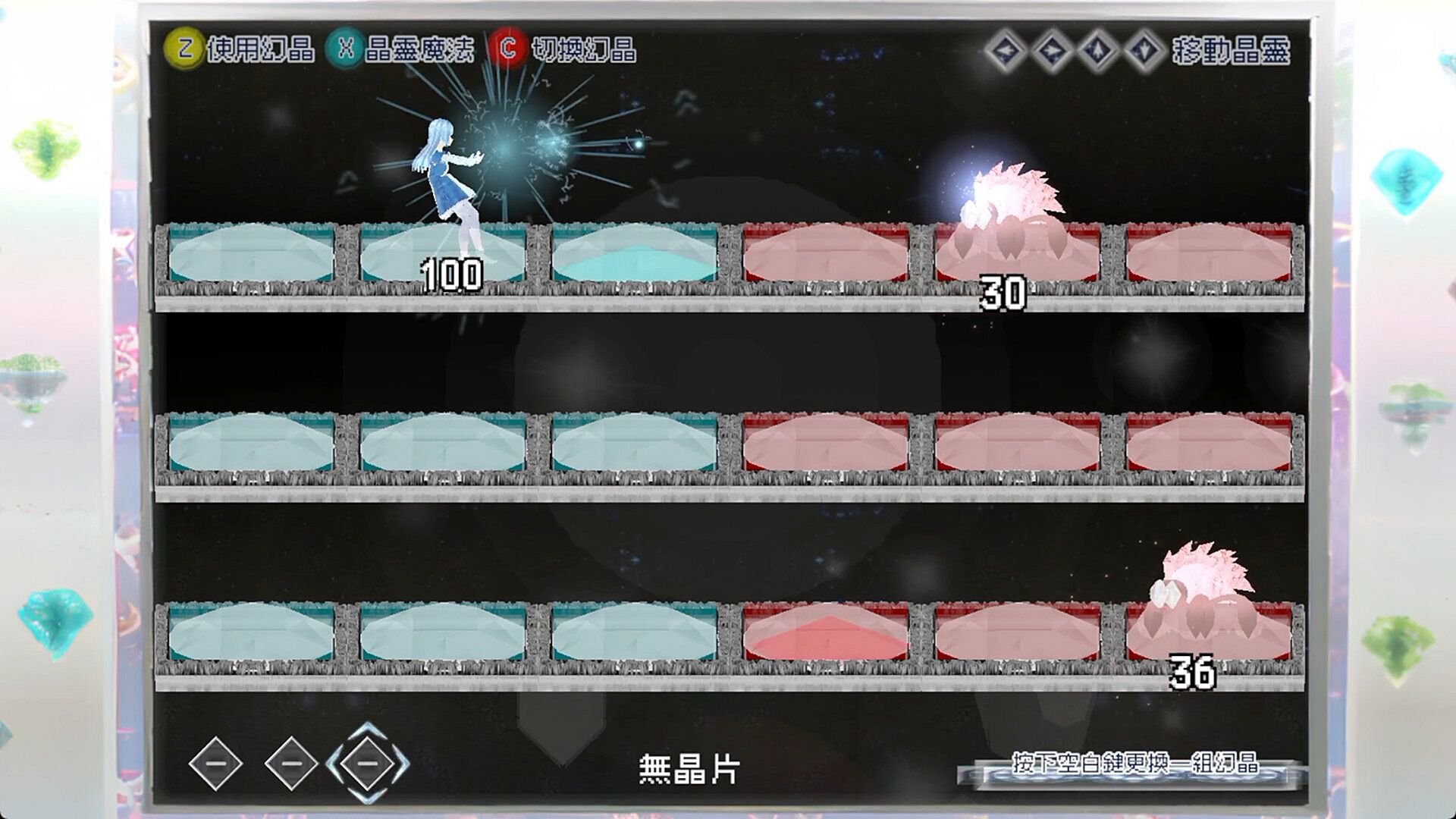
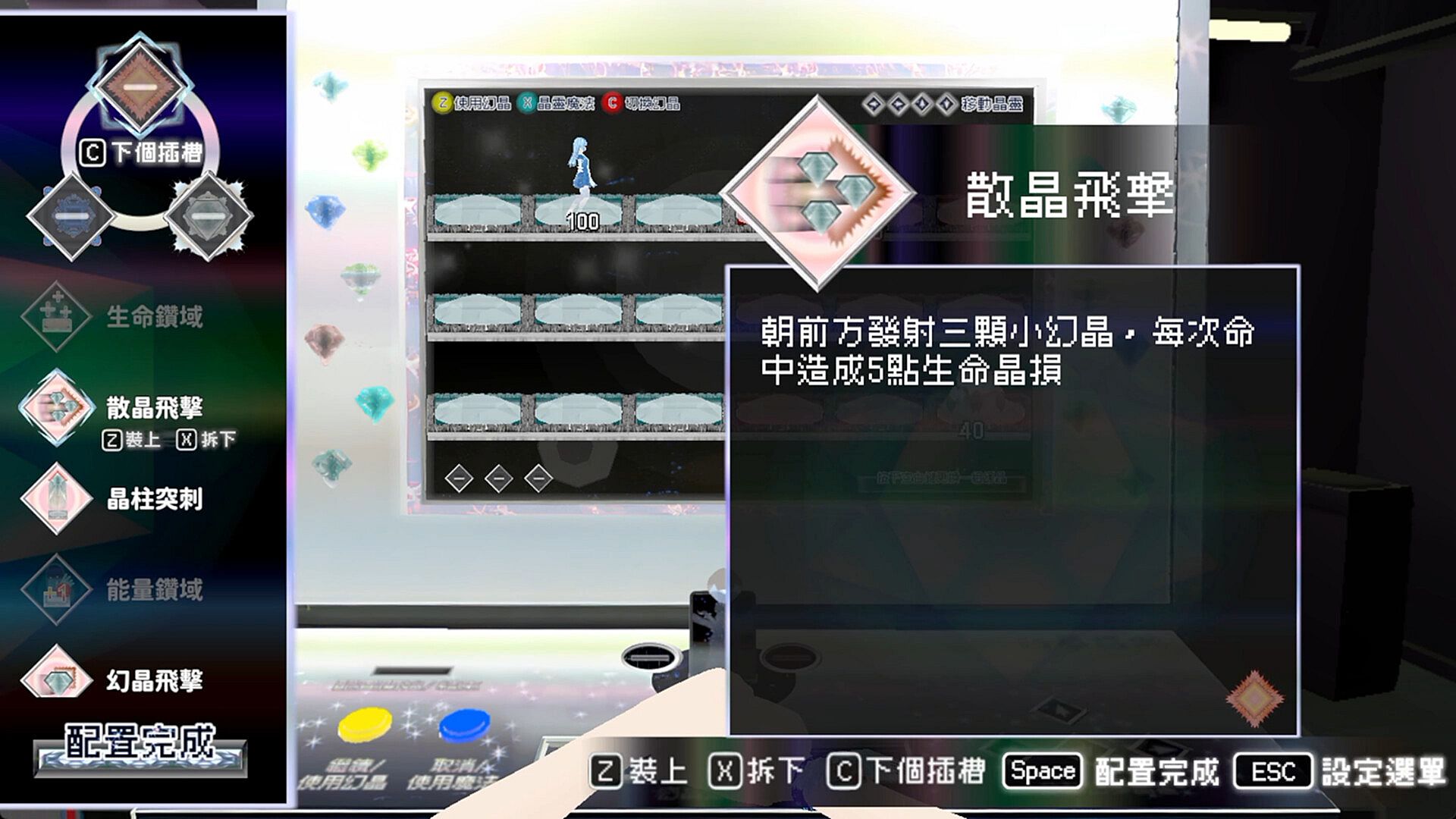
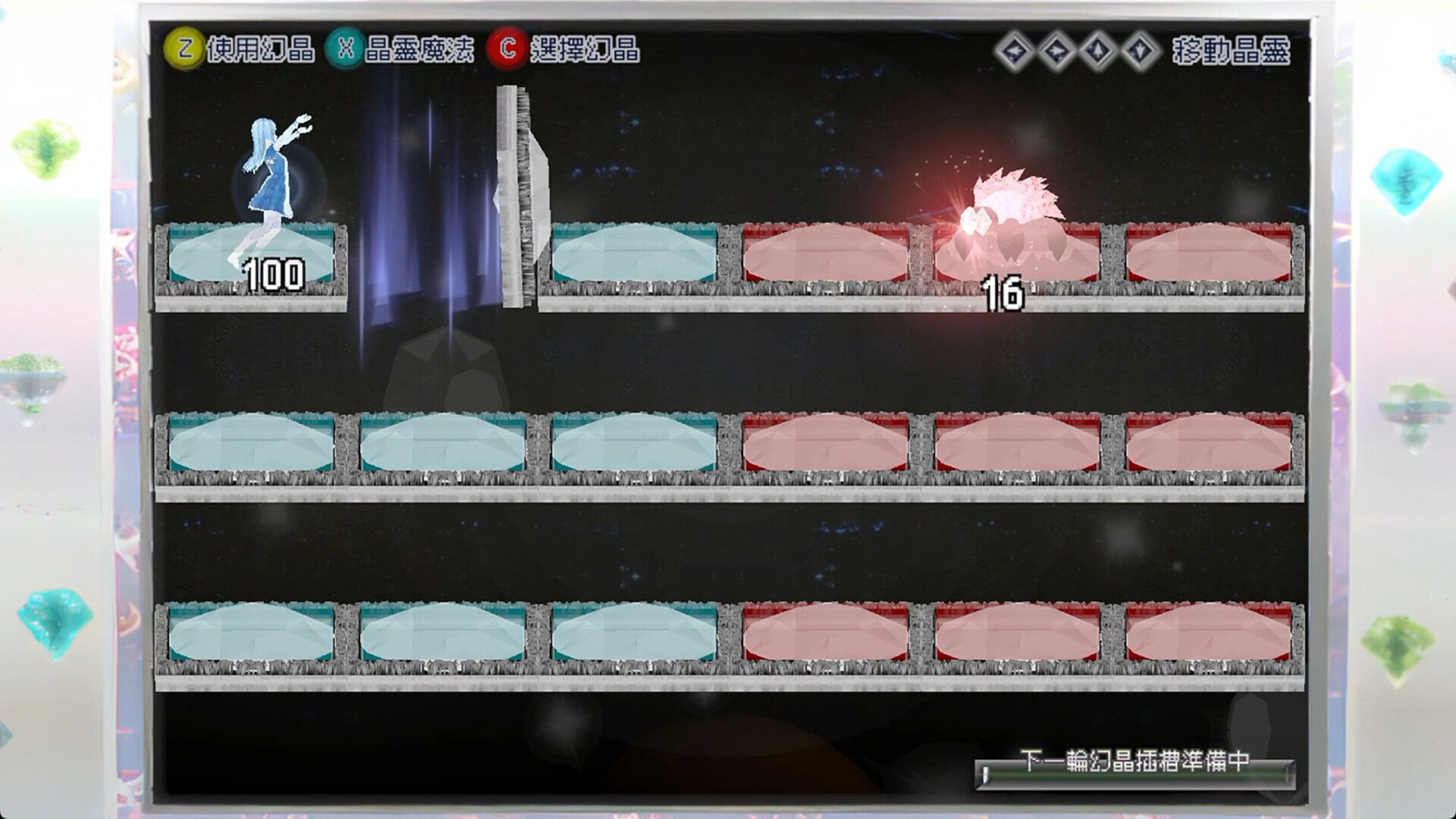
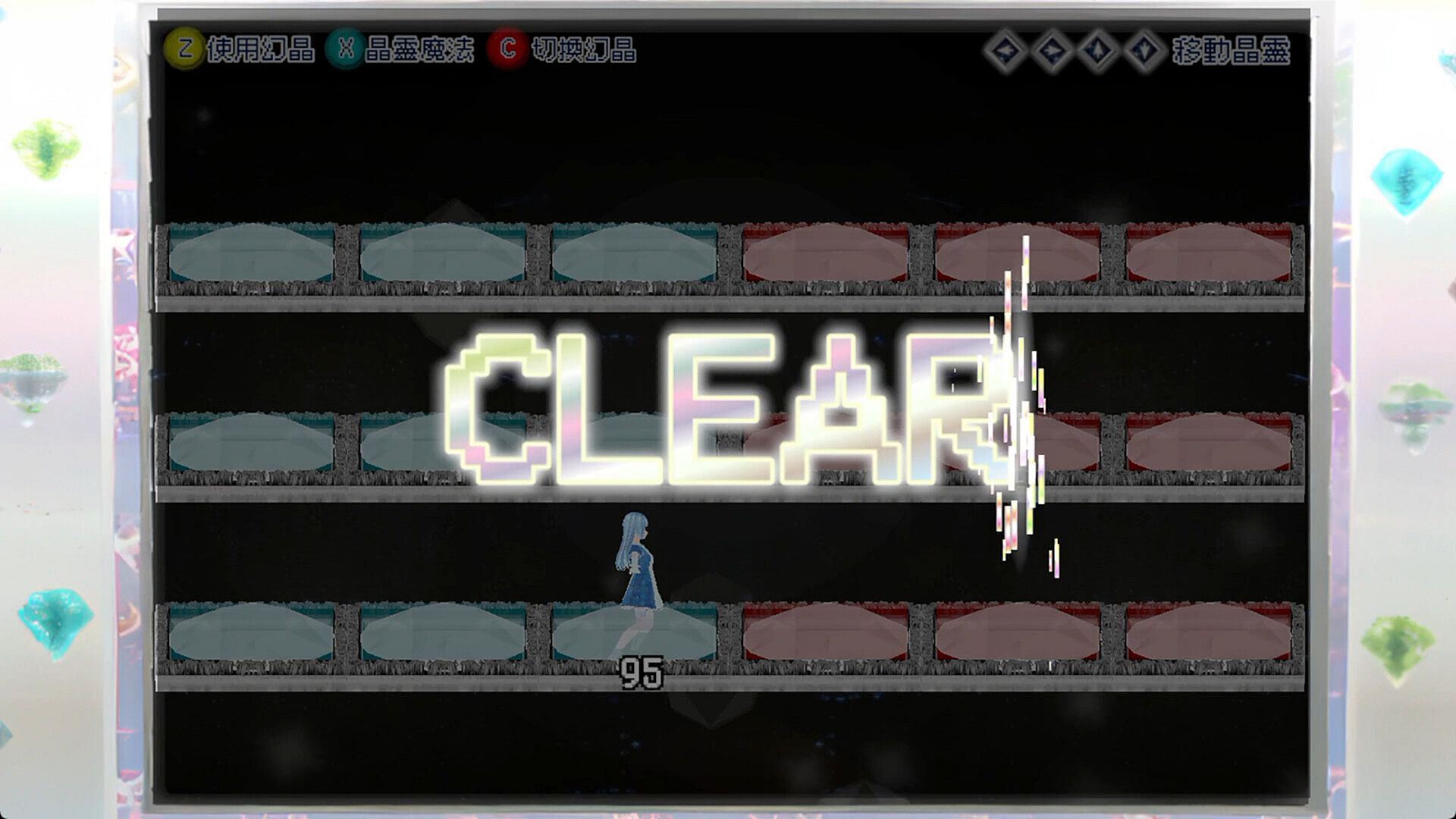
The core loop unfolds on a 3x3 battlefield. Players move their character to avoid incoming enemy attacks while positioning to cast spells that eliminate foes. Each successful stage clear rewards a Magic Chip. These chips carry over to subsequent runs, allowing players to equip them for new abilities. Over time, the system encourages collecting additional chips and arranging them into personalized decks that alter how spells and defenses function in later attempts.
This setup blends direct action control with strategic planning. Positioning on the grid matters for both evasion and spell effectiveness. The deck-building element adds depth because choices made after one run influence options in the next. Players experiment with different chip combinations to handle tougher stages or pursue higher scores.
Game Modes
The primary focus remains on score-chasing runs across city arcades. Each visit involves logging in and tackling stages that test survival and spell timing on the 3x3 grid. Progression happens through repeated attempts, where earned Magic Chips unlock stronger configurations for future visits. The structure supports building toward personal bests rather than one-off sessions.
Travel between locations adds variety to the runs. Different arcades present the same core battlefield rules but in new contexts tied to the overarching goal of tracking high scores. Deck construction happens between runs, turning each attempt into a test of both immediate reflexes and long-term planning.
Core Mechanics and Progression
Magic Chips serve as the central progression tool. Clearing stages grants these items, which then become available for equipping in later playthroughs. This creates a cycle of collection and customization where players refine their approach over multiple city visits. The 3x3 grid keeps battles contained yet demanding, requiring constant attention to enemy patterns and spell timing.
Deck building emerges naturally from the chip system. Players select and arrange chips to create combinations that suit different challenges. Because chips persist across runs, early successes compound into more powerful setups. The indie scale keeps the focus tight on these systems without unnecessary layers.
Is It Worth Playing?
The game suits players who enjoy action strategy titles with roguelite progression elements. Its compact battlefield and chip-based deck building deliver a focused loop centered on improving personal scores through repeated attempts. Those drawn to grid-based combat and incremental customization will find the mechanics rewarding over multiple sessions.
Availability on PC makes it accessible for those interested in the genre mix. The emphasis on arcade-style high-score challenges combined with carry-over abilities provides a clear path for experimentation. If the described systems align with preferred playstyles, the title offers a self-contained experience worth exploring through its core runs.