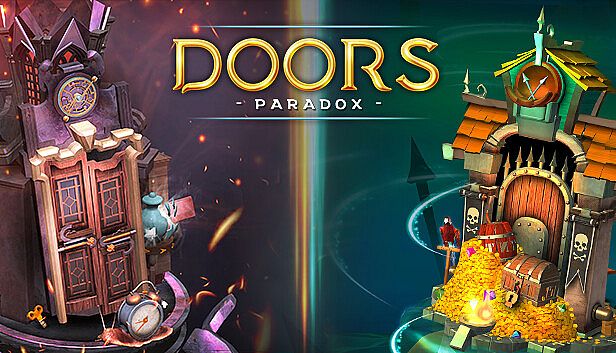














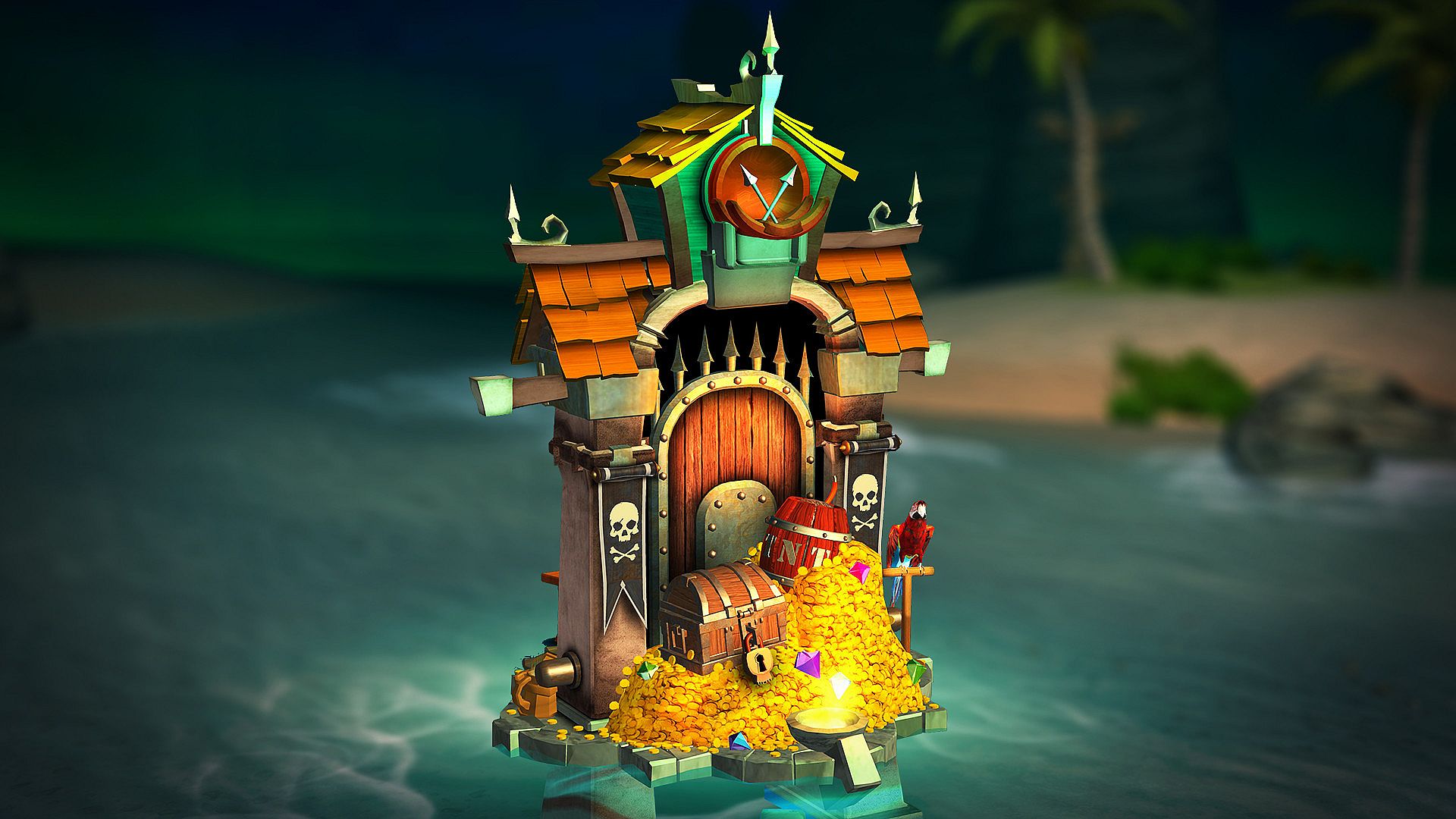
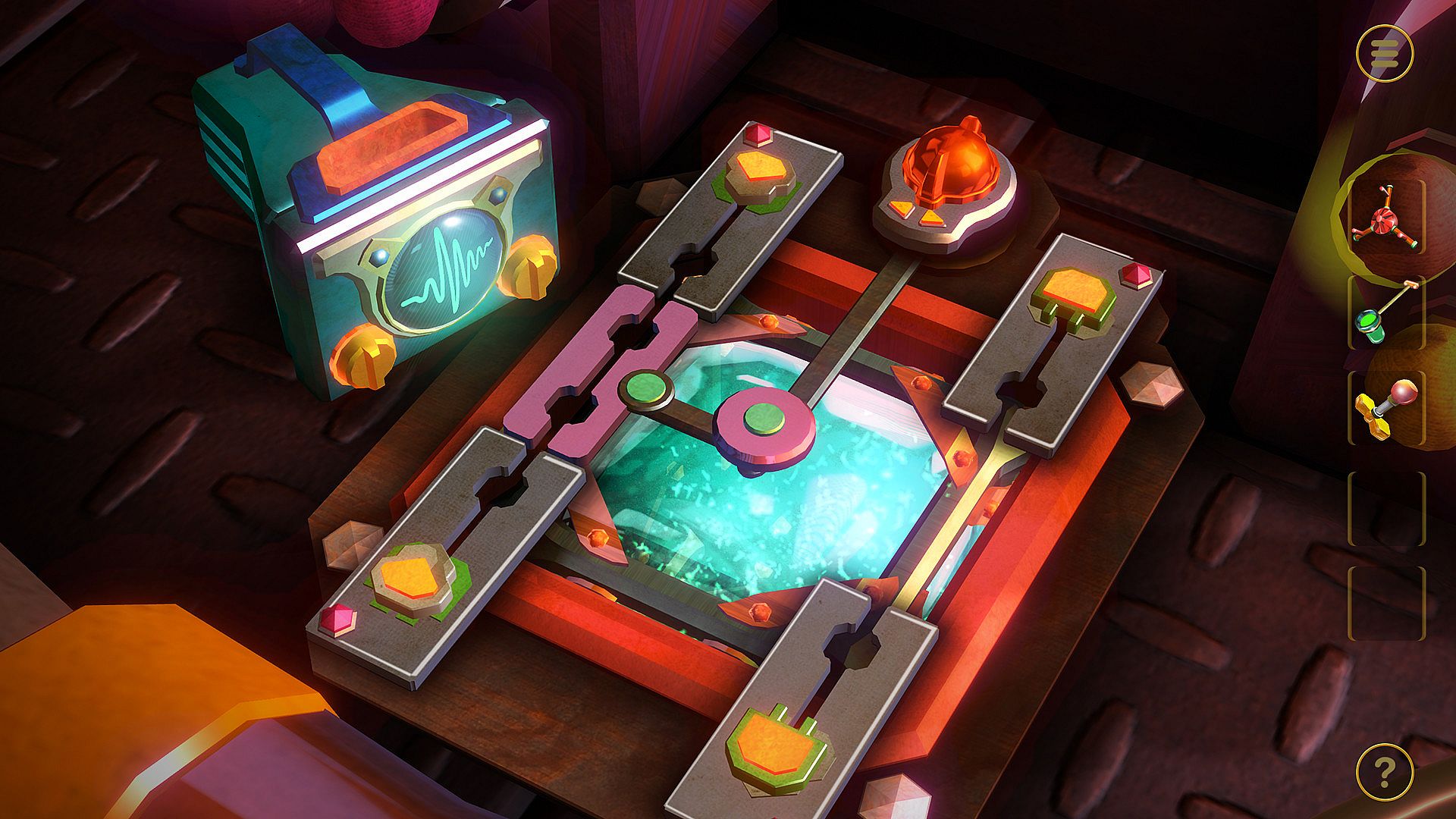
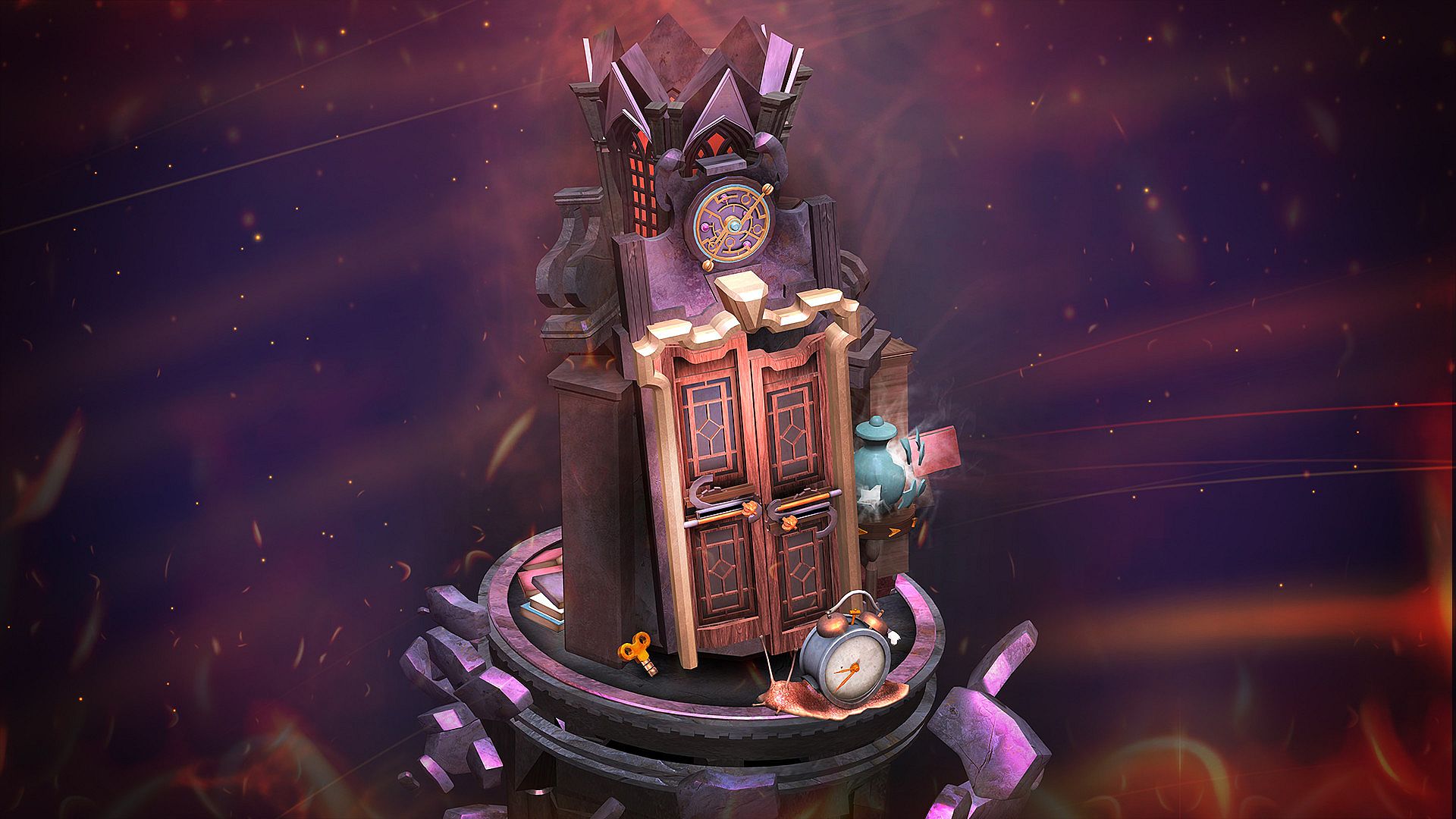
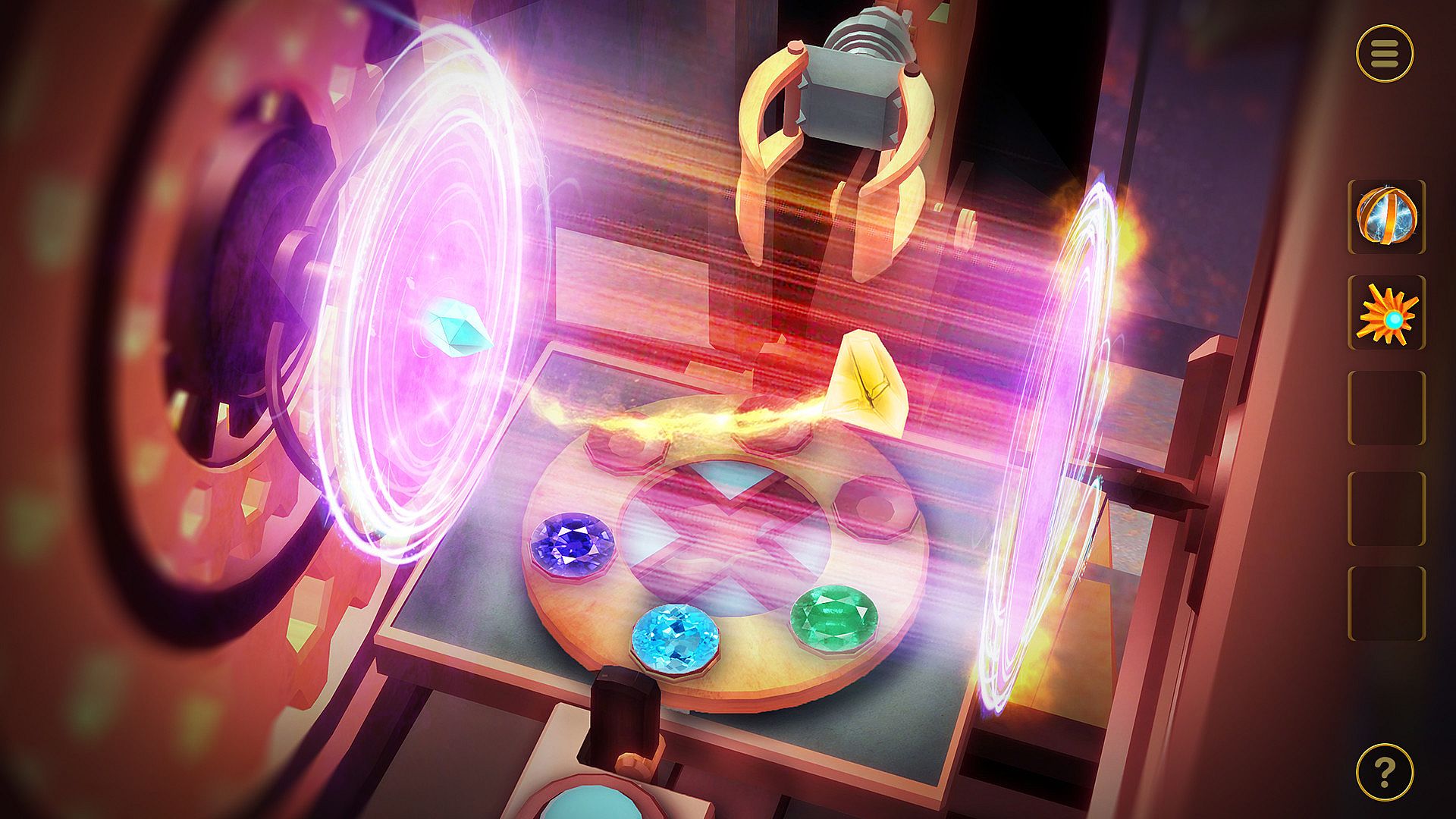
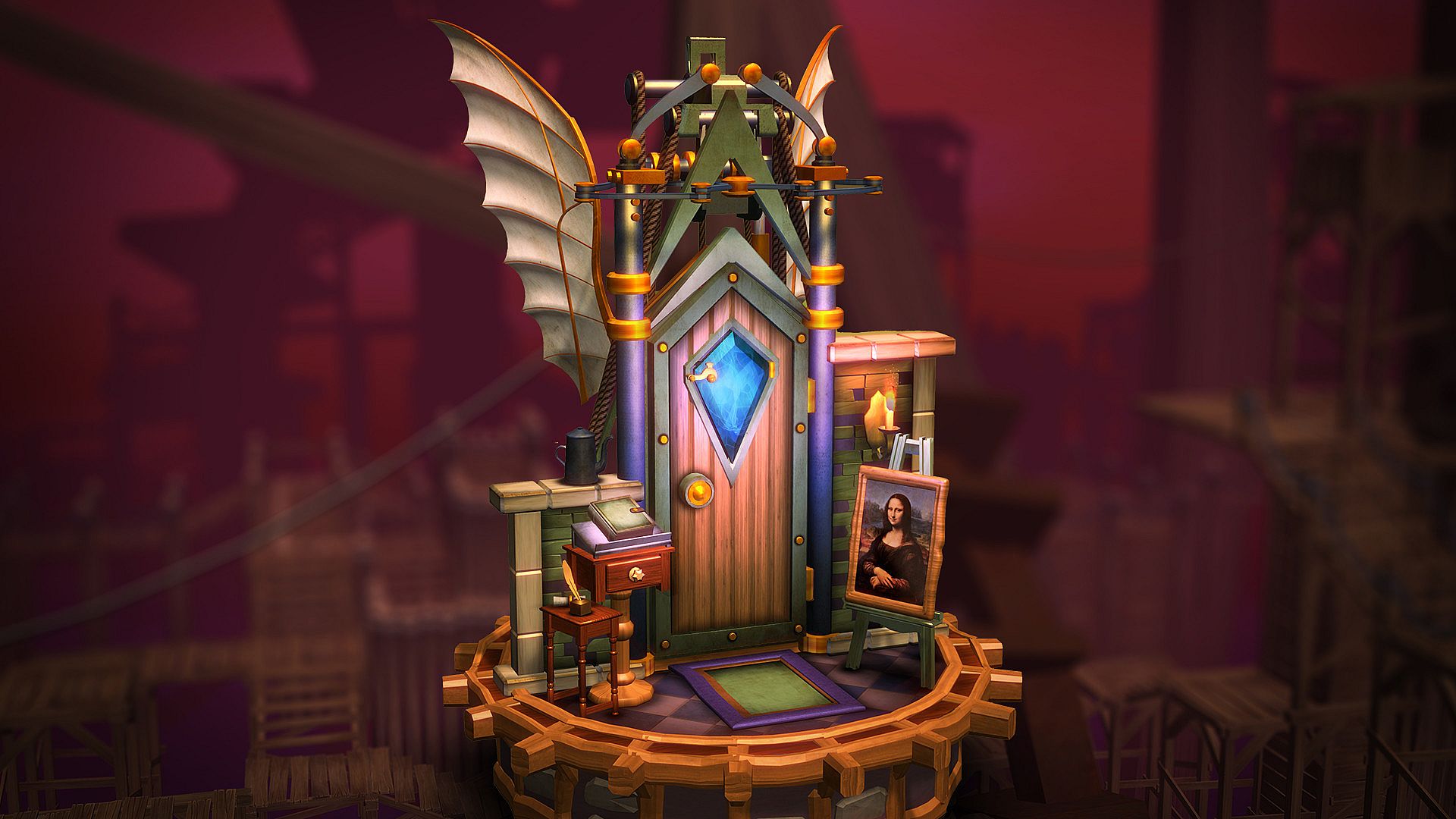
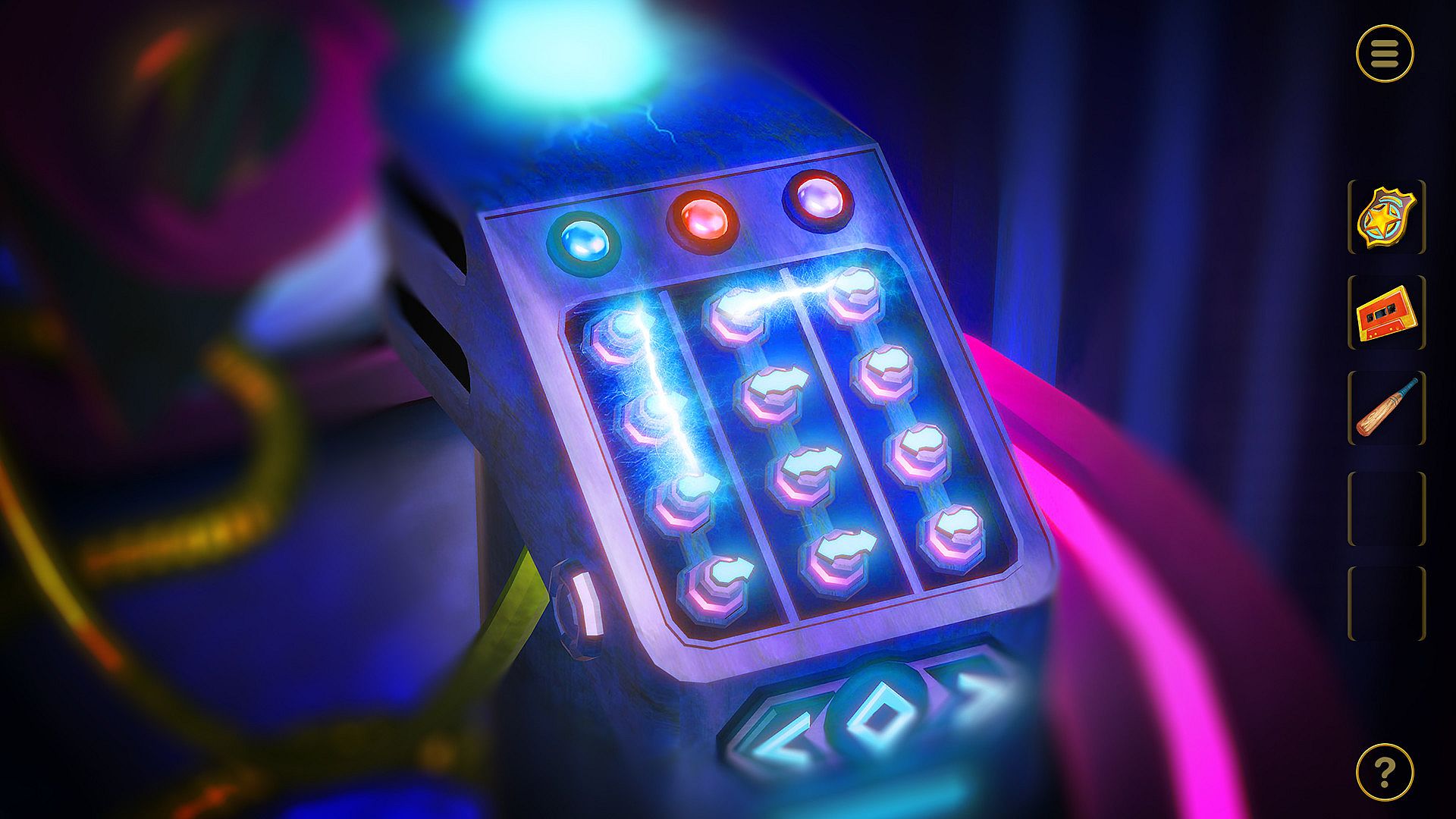
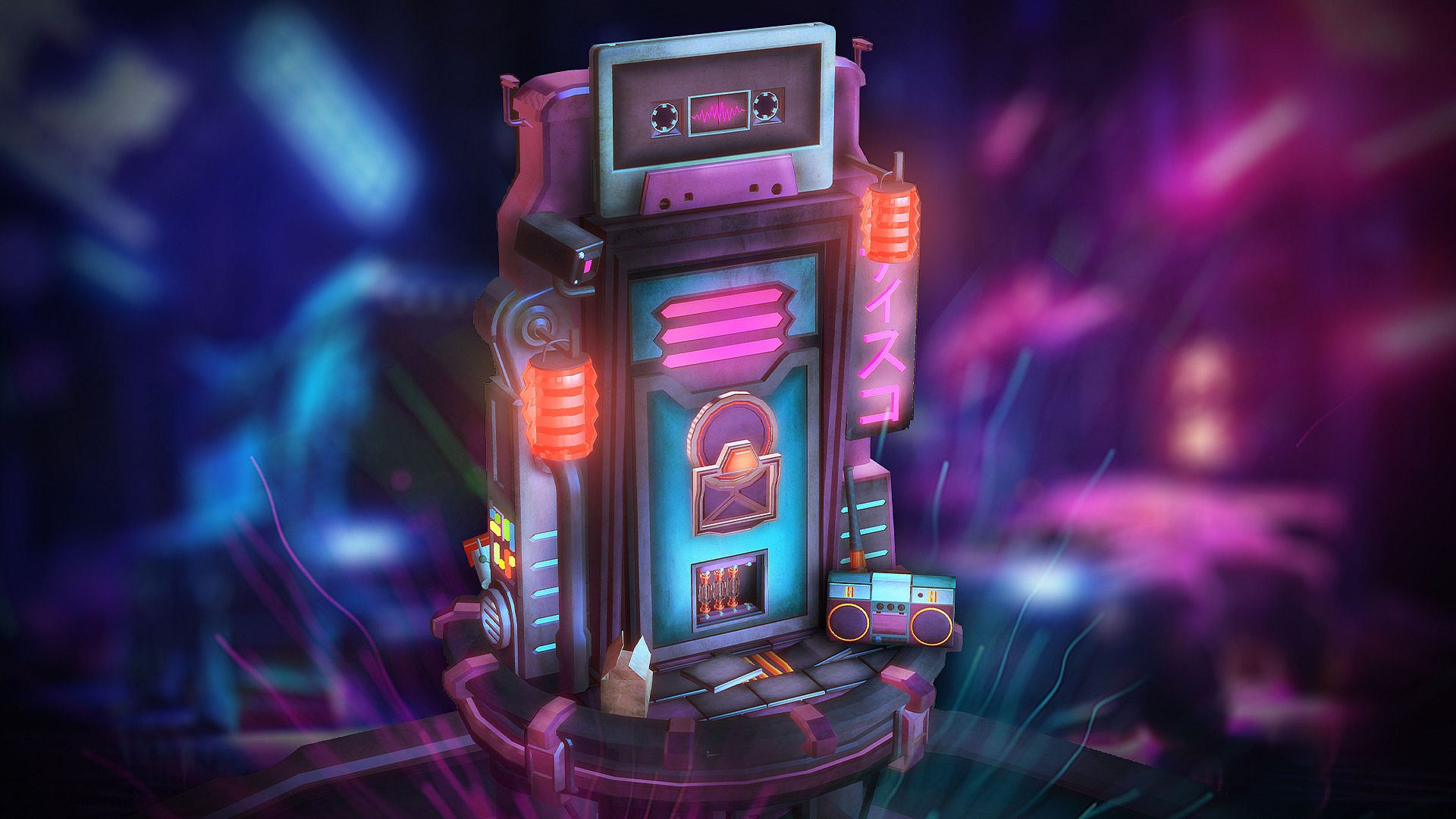
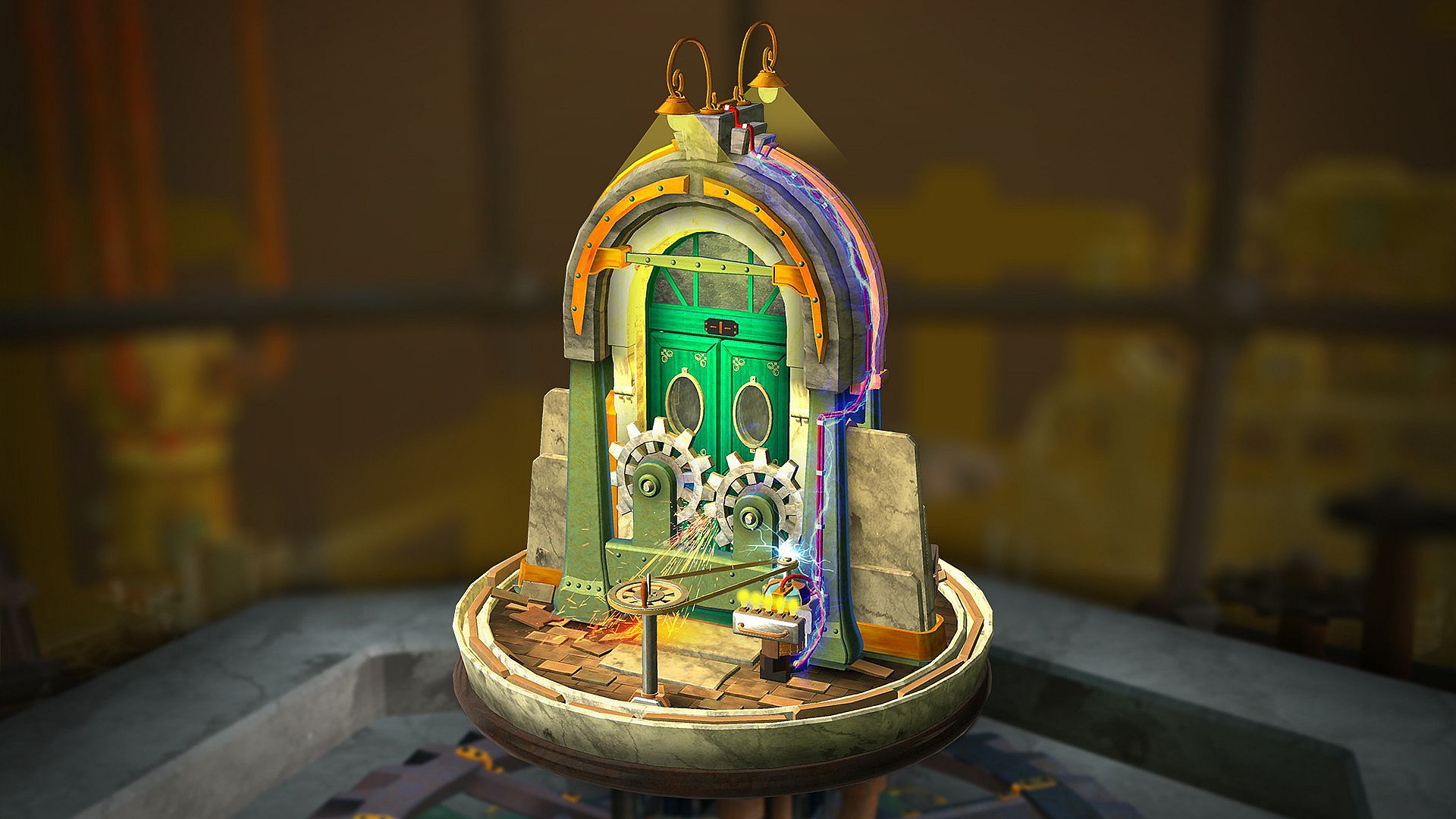
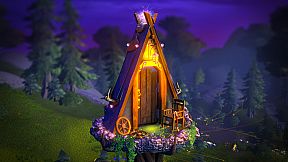
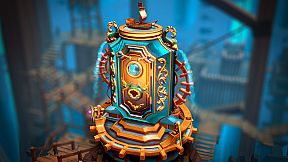
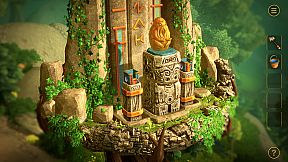
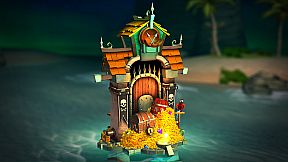
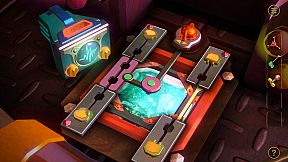
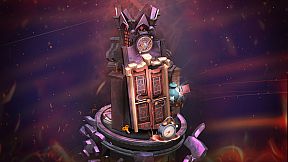
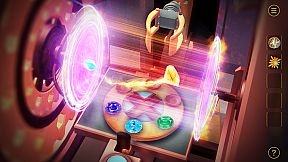
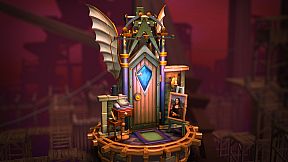


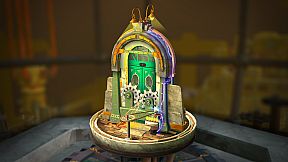
Doors: Paradox is a single-player puzzle adventure game that blends casual exploration with diorama-based escape mechanics. Players step into a series of hand-crafted 3D scenes where the goal centers on manipulating objects, uncovering clues, and activating mechanisms to unlock the central door and advance to the next location. The experience unfolds across themed environments that shift from natural settings to more futuristic ones, guided by a companion character named Zula who provides narrative context through collected scrolls.
Gameplay
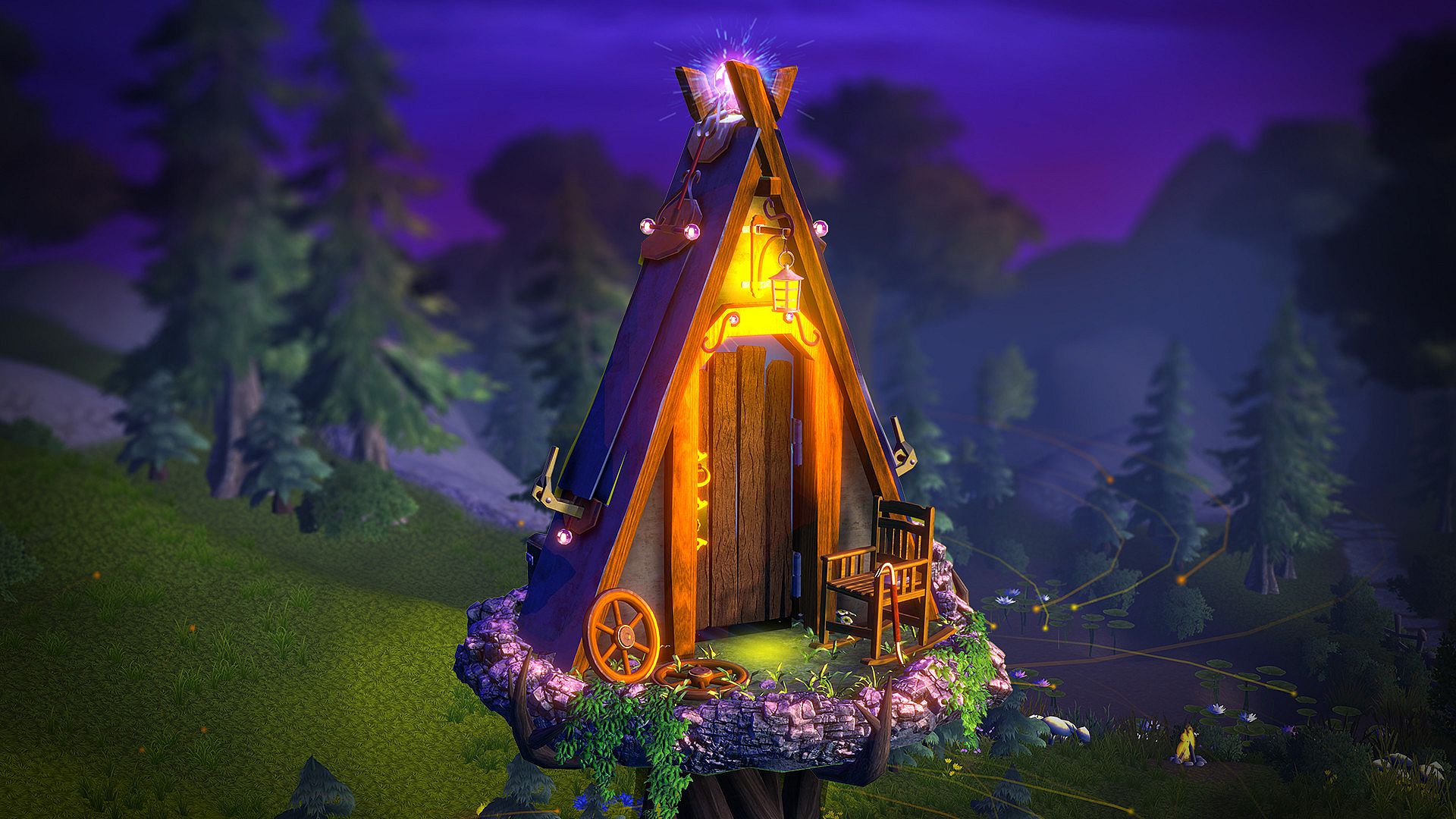
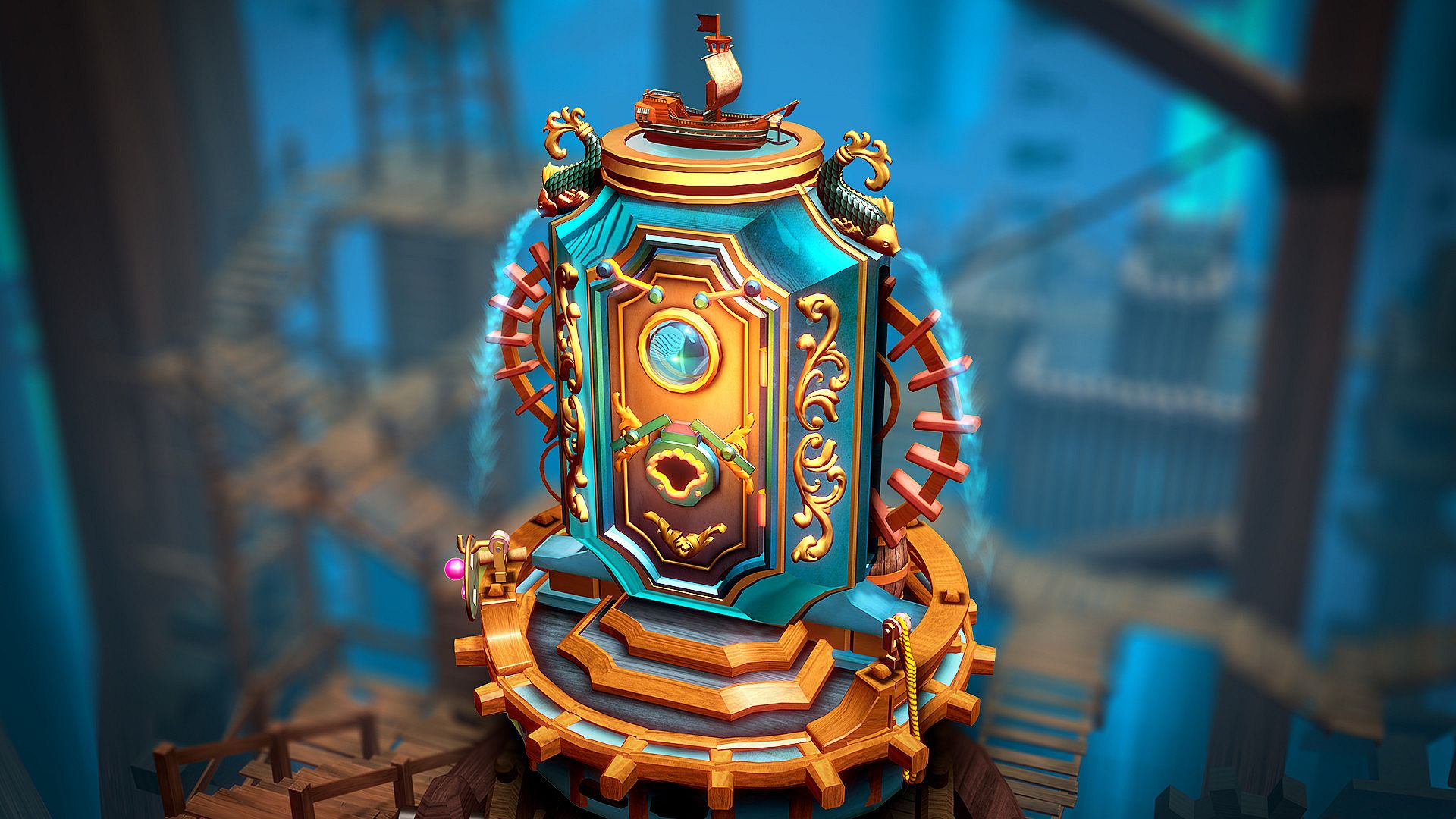
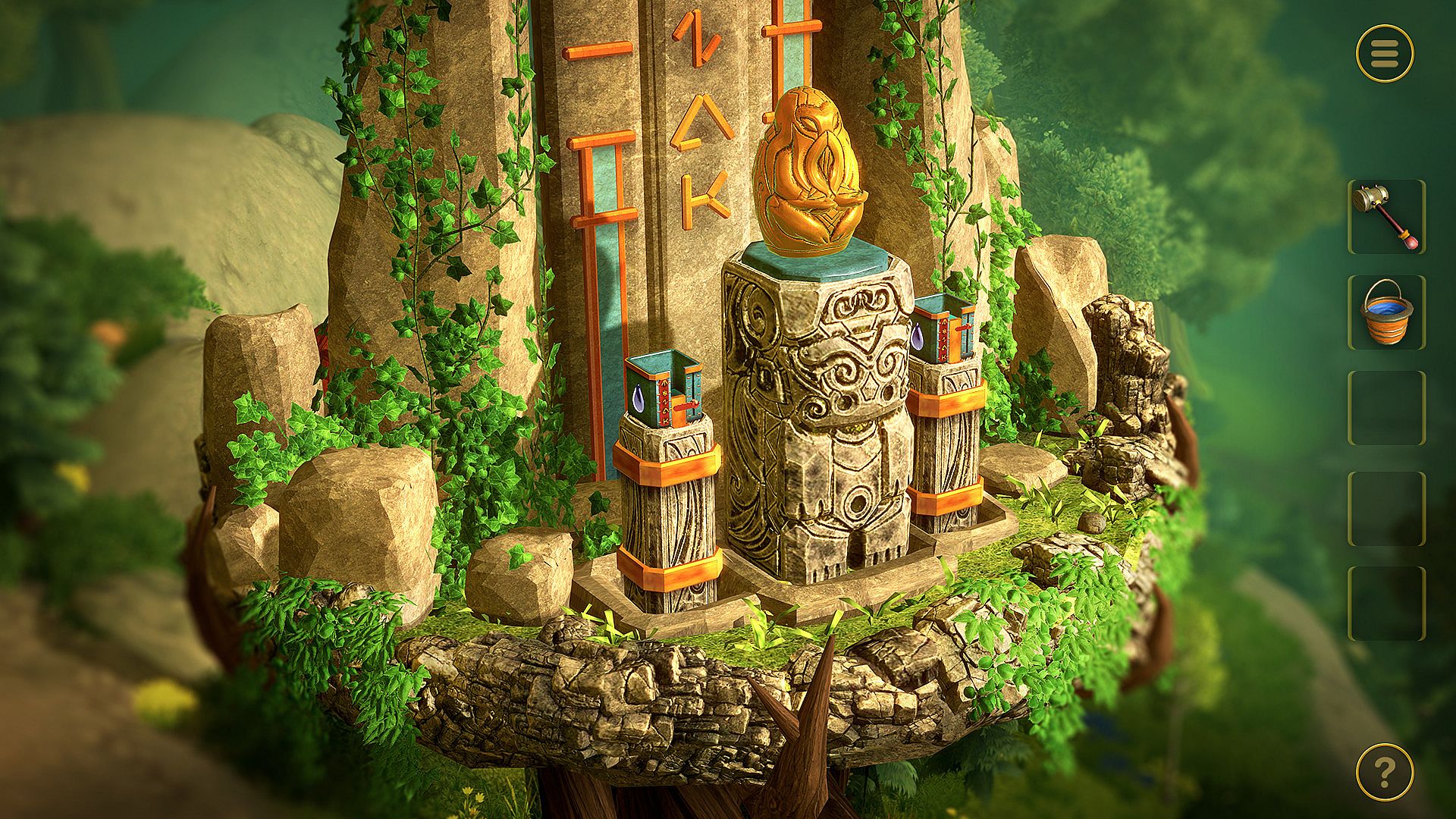
The core loop involves examining fully rotatable and zoomable dioramas filled with interactive elements. Users search for hidden items, rearrange pieces, solve spatial challenges, and combine objects to progress. Puzzles range from straightforward object placement to more layered sequences that require observing the environment from multiple angles. A hint system supports players who encounter difficulty, keeping the pace steady without frustration. The game emphasizes observation and logical deduction over timed pressure or complex controls, making each session feel deliberate and satisfying.
Progression follows a linear path through distinct realms, with each door leading to a new themed area. Players collect scrolls along the way that piece together background lore about the world and its magical elements. The visual design highlights vibrant colors and detailed models that reward close inspection, while an upbeat soundtrack complements the relaxed atmosphere without overpowering the focus on puzzle solving.
Game Modes
Doors: Paradox operates entirely as a single-player experience with no separate competitive or cooperative options. The main campaign consists of sequential levels organized into chapters, each presenting a self-contained diorama puzzle. Completion involves solving every puzzle in order to reach the end of the journey, with optional scroll collection adding a light layer of exploration for those seeking full completion. No alternate modes such as time trials, endless challenges, or multiplayer variants exist.
Visuals and Atmosphere
Each of the 58 dioramas draws from 13 unique realms, creating variety through changes in setting and puzzle style. Early areas feature natural elements like forests and oases, while later ones introduce futuristic details. The art direction maintains a consistent whimsical tone that supports the time-travel narrative without requiring prior knowledge of any series. Sound design stays light and fitting, enhancing immersion during extended play sessions.
Is It Worth Playing?
Doors: Paradox suits players who enjoy methodical puzzle games with low stress and high visual appeal. Reviews consistently note its beginner-friendly difficulty, satisfying object interactions, and ability to deliver several hours of focused entertainment. The game runs well on PC with straightforward controls that prioritize exploration over precision. Those seeking a relaxing single-player adventure with clear progression and optional story elements will find it a solid choice, particularly if they appreciate escape-room style mechanics translated into 3D dioramas. Completion times typically range from five to ten hours depending on exploration depth, and the absence of ongoing updates means the experience remains exactly as released.