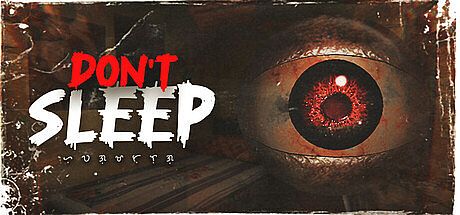


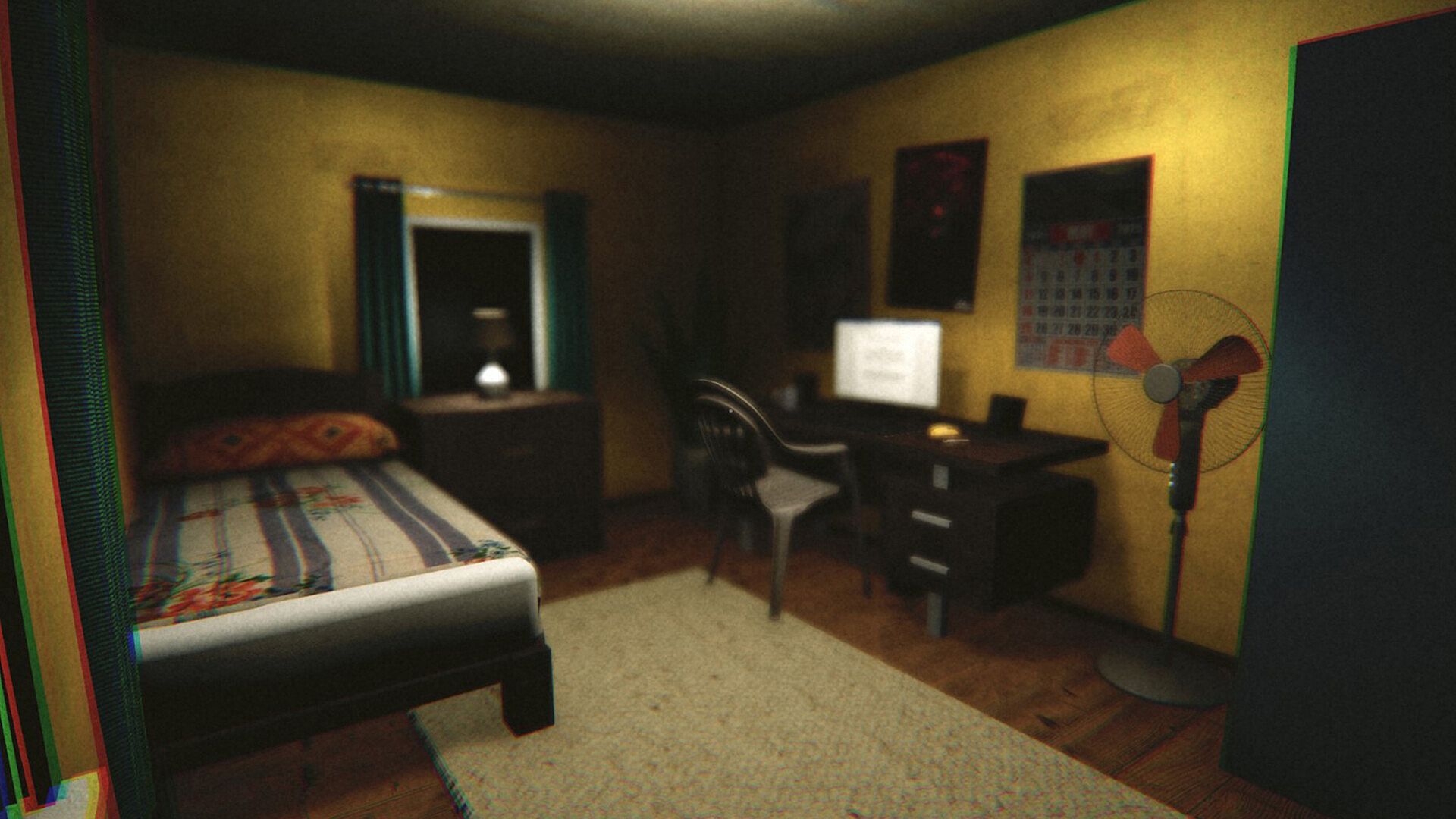

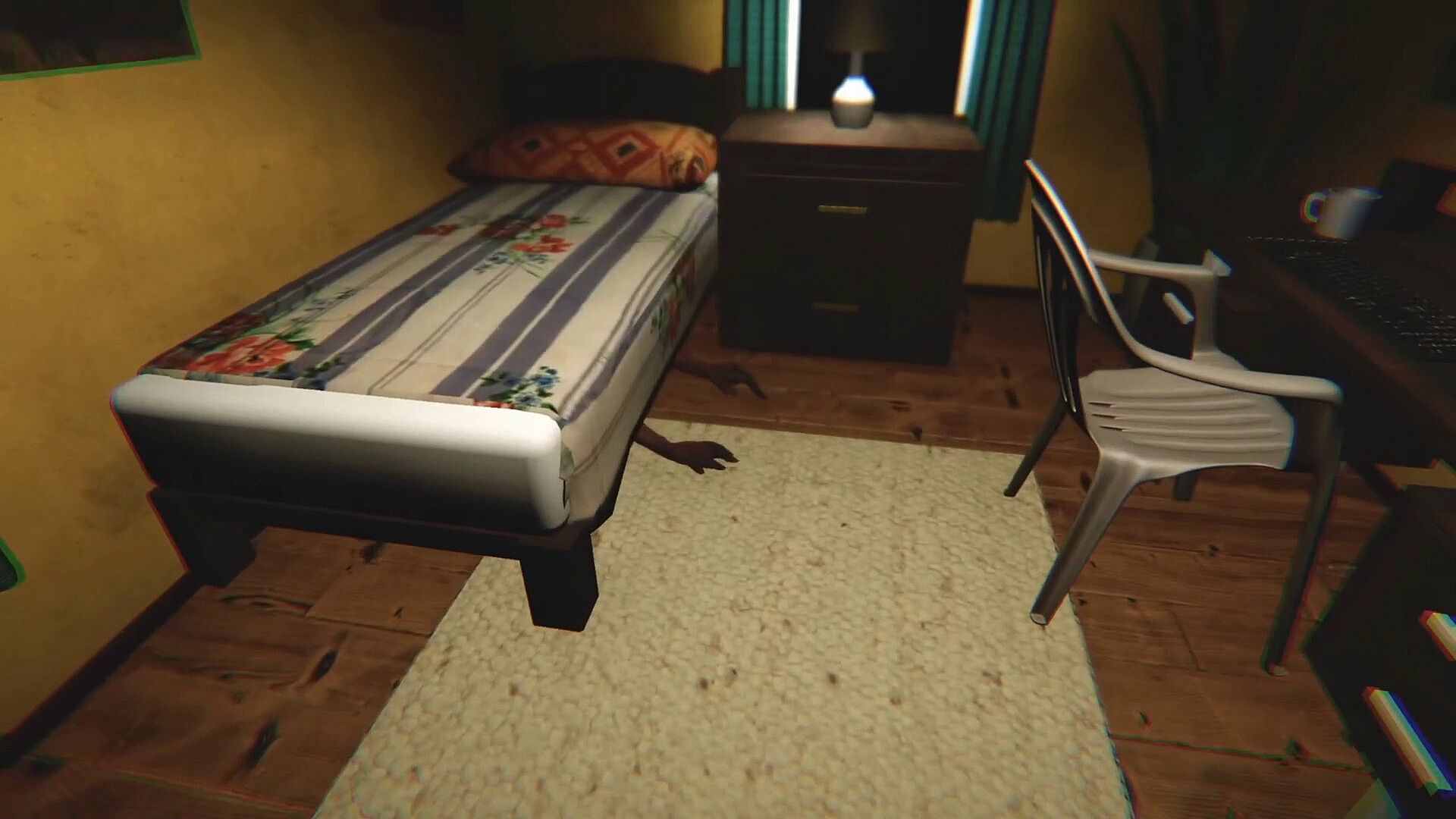
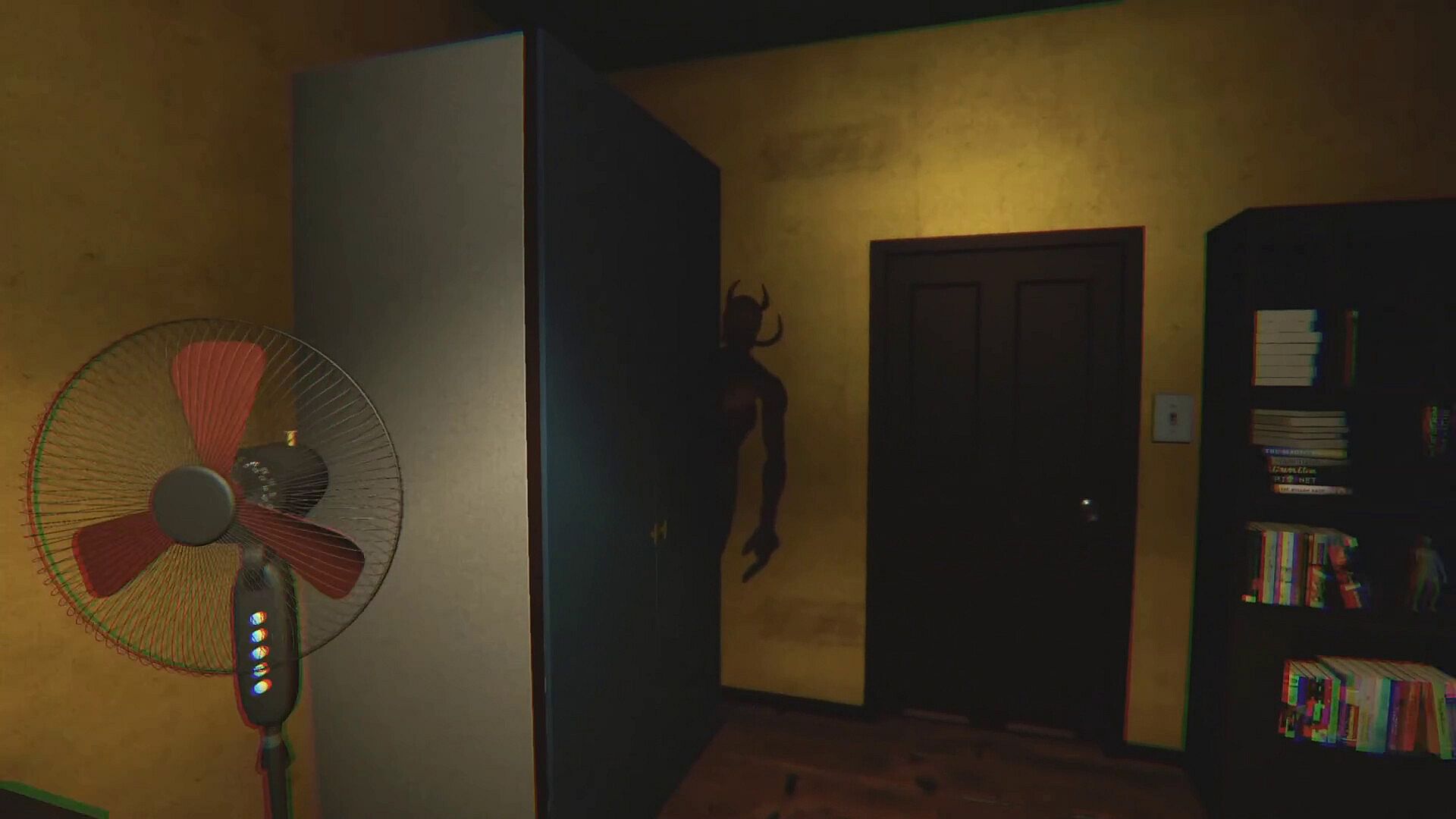
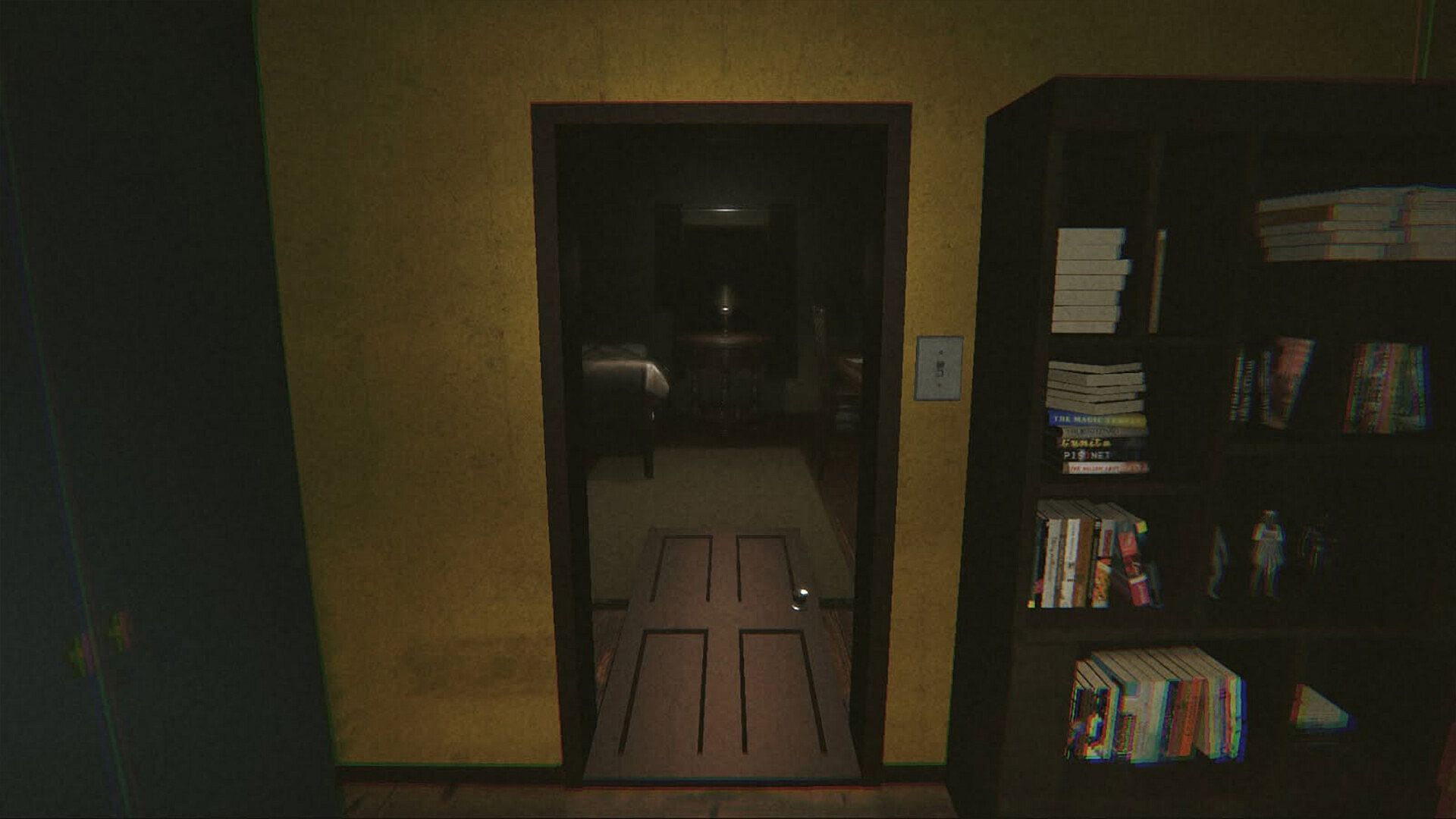
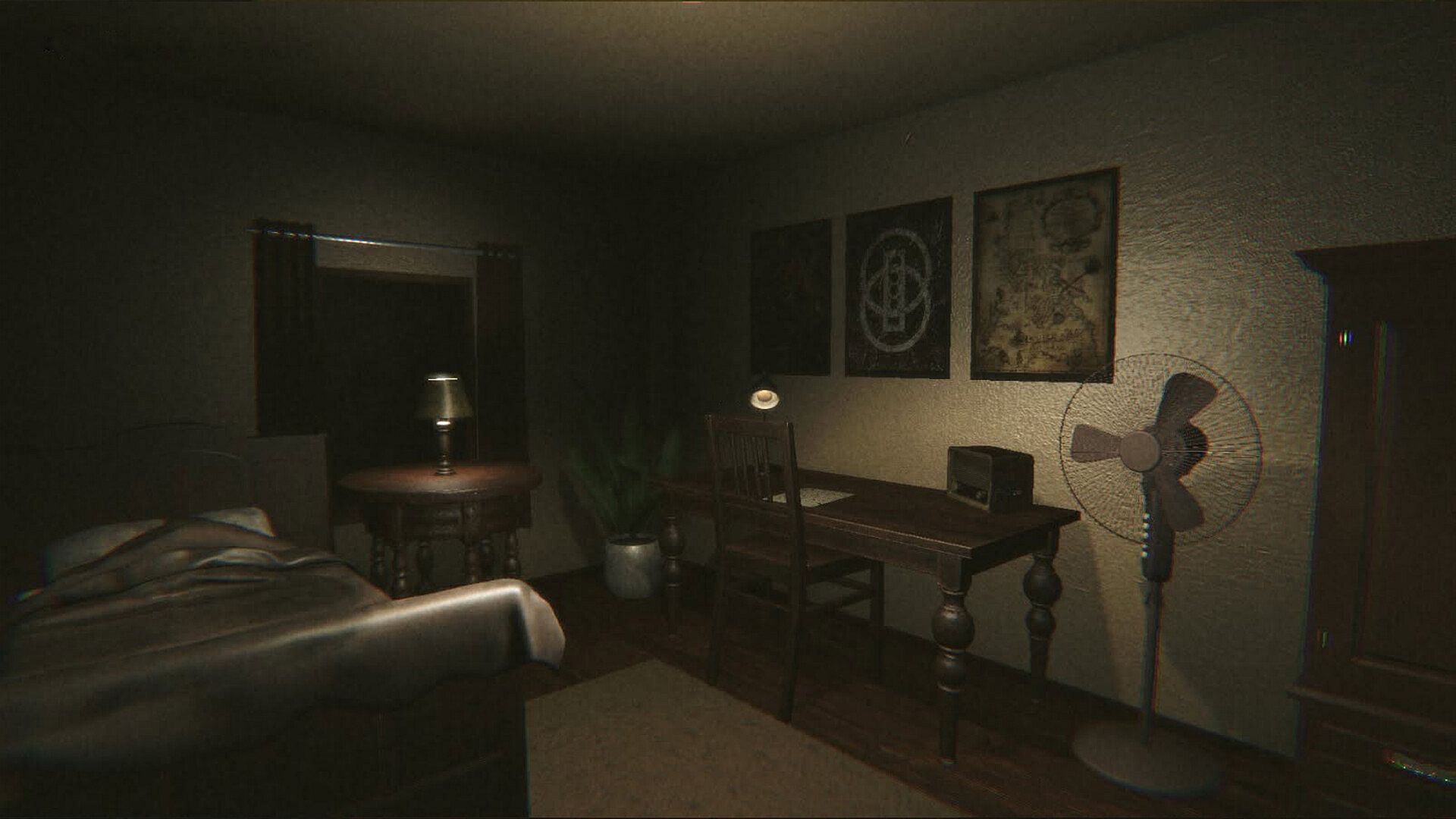

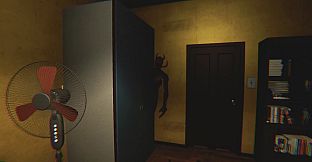
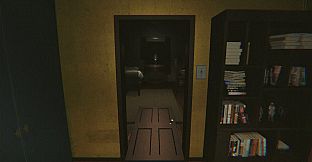
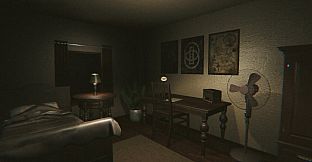
Don't Sleep (Huwag Matulog) is an indie adventure game that blends psychological horror with interactive fiction on PC. Players take on the role of someone tasked with completing a project while resisting the pull of sleep, only to discover that fatigue is not the sole threat in this short, atmospheric experience. The title draws from Filipino cultural elements through its dialogue and presentation, creating a focused narrative that unfolds over roughly an hour of playtime.
Gameplay
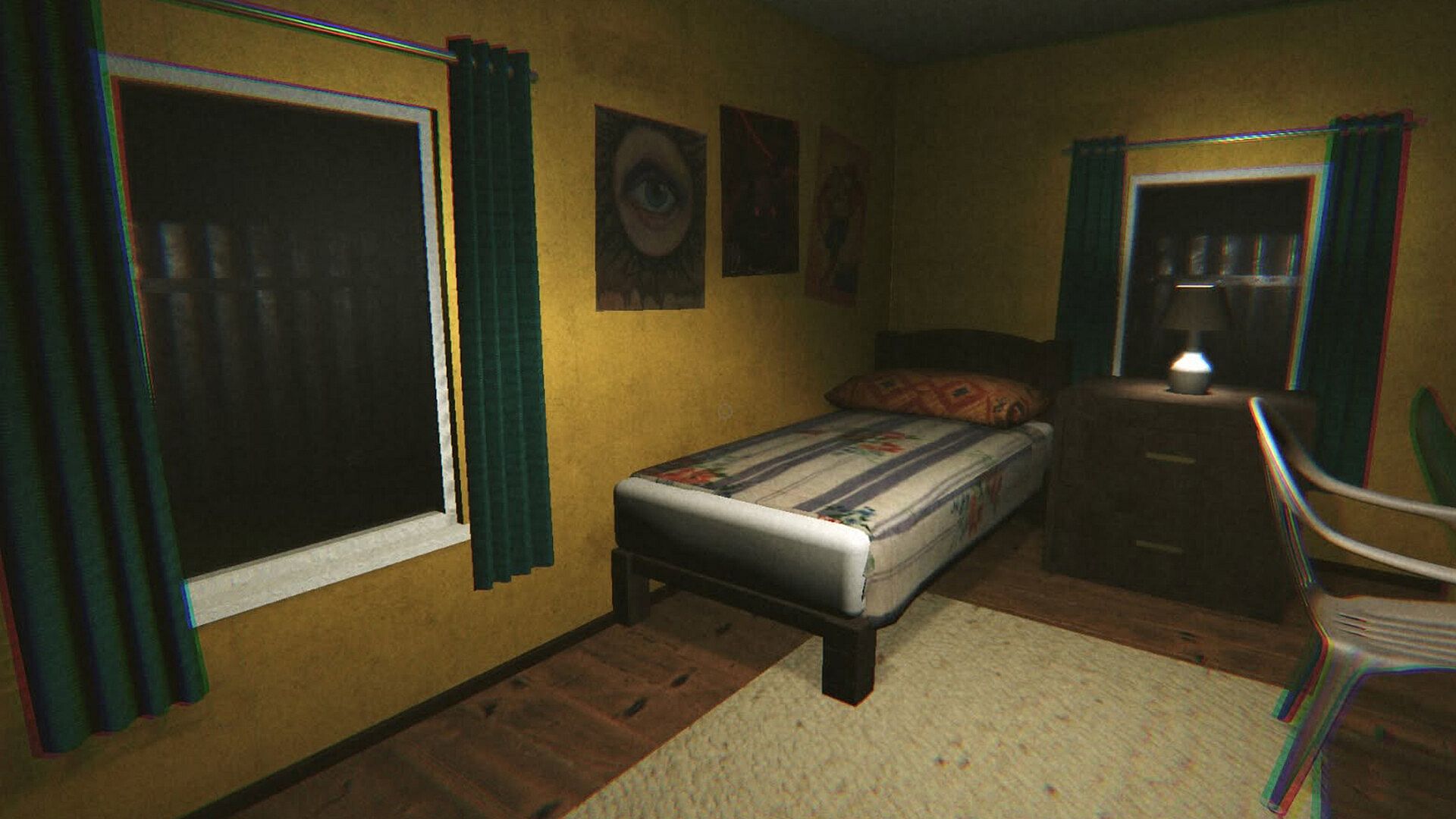
The core loop centers on exploration and decision making within a contained environment. Movement follows walking simulator conventions, allowing players to navigate spaces at a deliberate pace while interacting with objects and text prompts that advance the story. Visual style shifts occur throughout to reflect changing mental states, enhancing the psychological tension without relying on traditional combat or resource management systems.
Filipino dialogue integrates naturally into conversations and internal thoughts, grounding the experience in a specific cultural context. The meta layer emerges through self-referential elements that comment on the act of playing itself, encouraging players to question the boundaries between the game world and their own choices. Three distinct endings reward different paths, each shaped by how players respond to the mounting pressure to stay awake.
Game Modes
The game operates as a single-player narrative experience with no separate multiplayer or competitive options. Progression relies on interactive fiction mechanics where player selections influence the direction of events and lead to one of the three available conclusions. The structure emphasizes replayability through these branching outcomes rather than extended campaigns or additional modes.
Menu navigation and credit sequences form part of the overall presentation, blurring the line between gameplay and interface in a deliberate way that reinforces the title's thematic focus on awareness and control.
Narrative and Atmosphere
Psychological horror builds through subtle environmental cues and escalating unease rather than overt action. The atmosphere relies on shifting visuals and sparse audio to convey isolation and mental strain, keeping the focus on internal conflict. As an interactive fiction title, the story unfolds primarily through text and minimal interactions, making every choice feel consequential within the limited runtime.
Recurring motifs tie into a broader personal project by the developer, though the game stands alone without requiring knowledge of other works. The emphasis remains on the immediate task of staying awake and uncovering what lies beyond simple fatigue.
Is It Worth Playing?
This title suits players who enjoy short, introspective horror experiences with strong narrative focus and multiple endings. Its concise length makes it accessible for those seeking a complete story in a single session, while the meta elements and cultural dialogue provide unique flavor for fans of interactive fiction and psychological themes.
Reception from early players highlights effective use of tension and surprise within the walking simulator framework, with many noting the impact of the endings and overall presentation. The game remains available through its primary digital storefronts, with ongoing refinements such as version updates that polish voice work and accessibility features. Those drawn to deliberate pacing, choice-driven storytelling, and atmospheric horror will find the experience rewarding, particularly if they appreciate titles that prioritize mood and reflection over extended action sequences.