




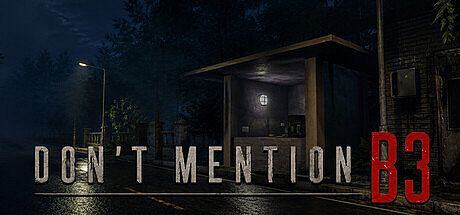


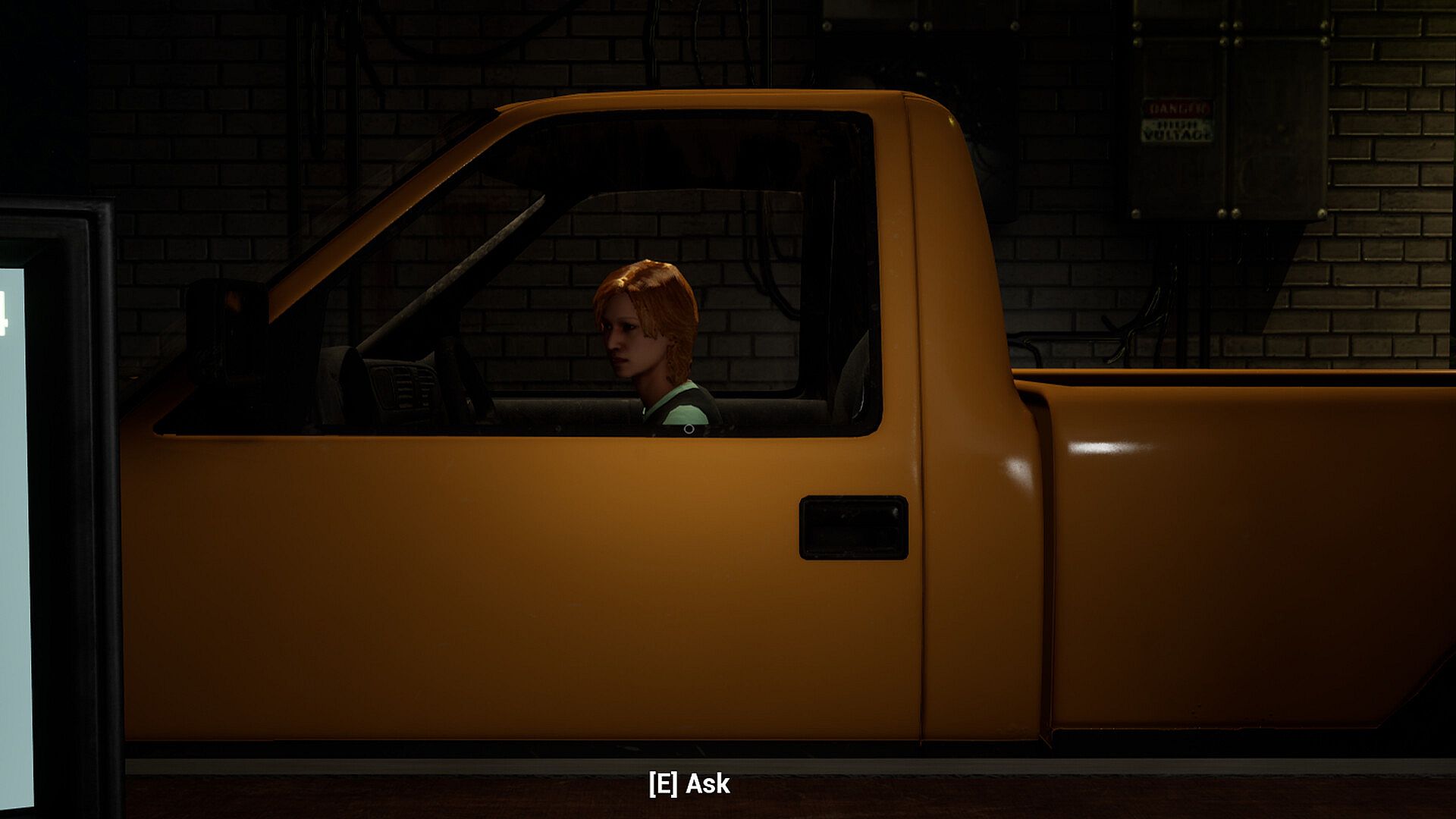
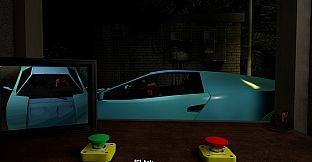
Don't Mention B3 is a first-person psychological horror simulation adventure game set on PC. Players take on the role of a night-shift attendant at an underground parking garage, where every vehicle arrival requires careful verification of multiple information sources before granting or denying entry. The experience centers on observation, cross-referencing details, and handling inconsistencies that emerge during inspections, all within a confined and tense environment.
Gameplay
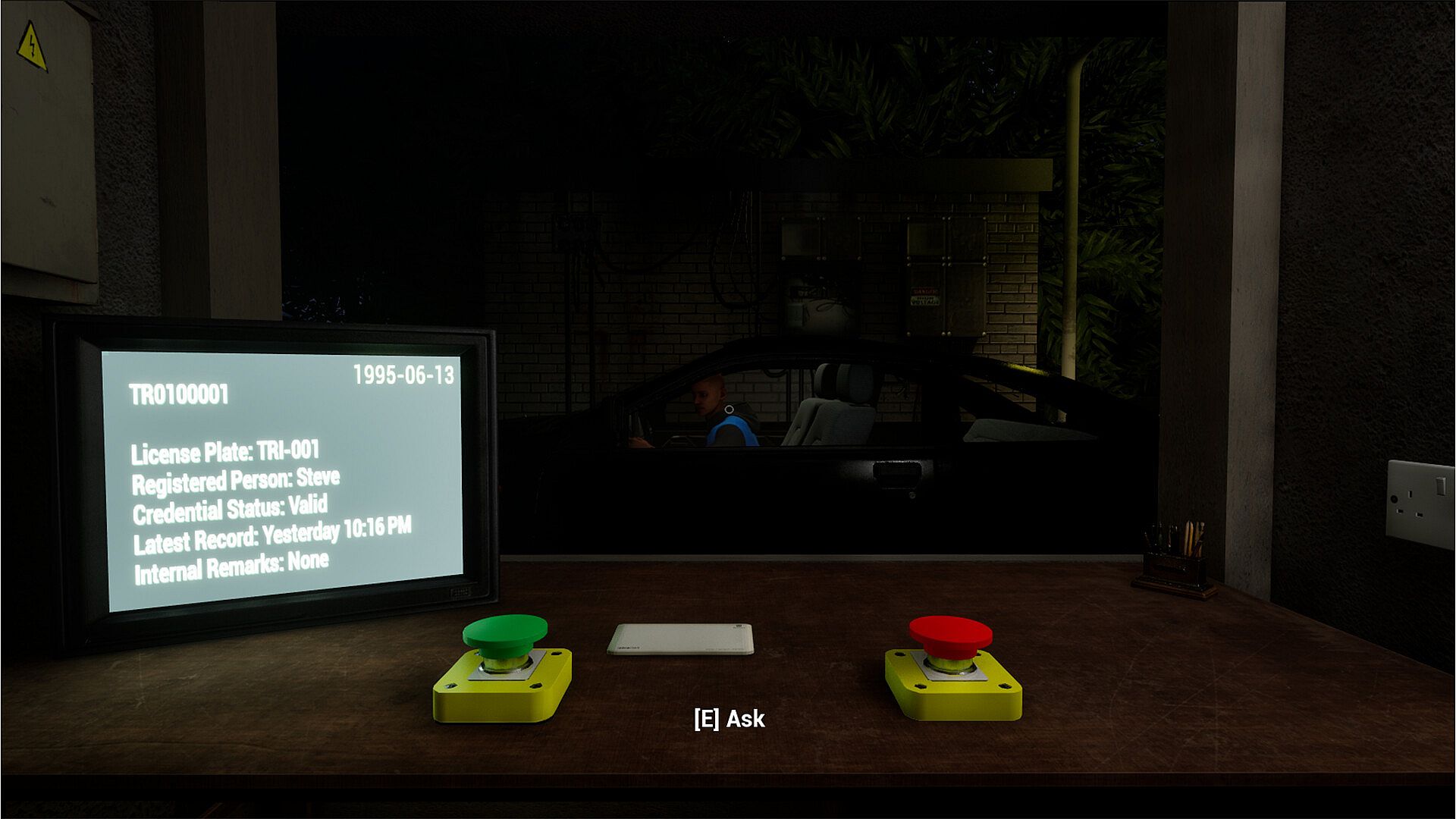
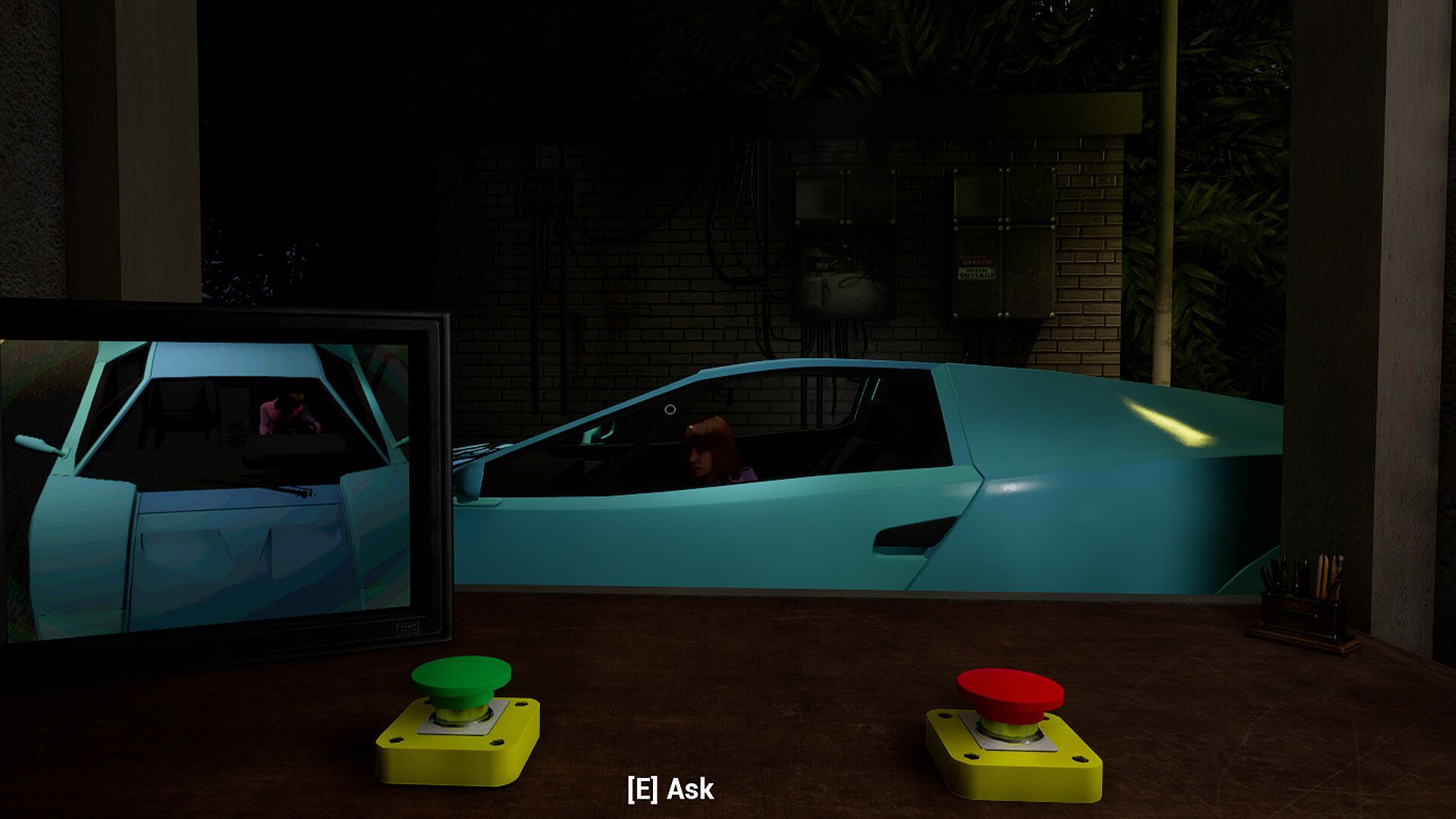
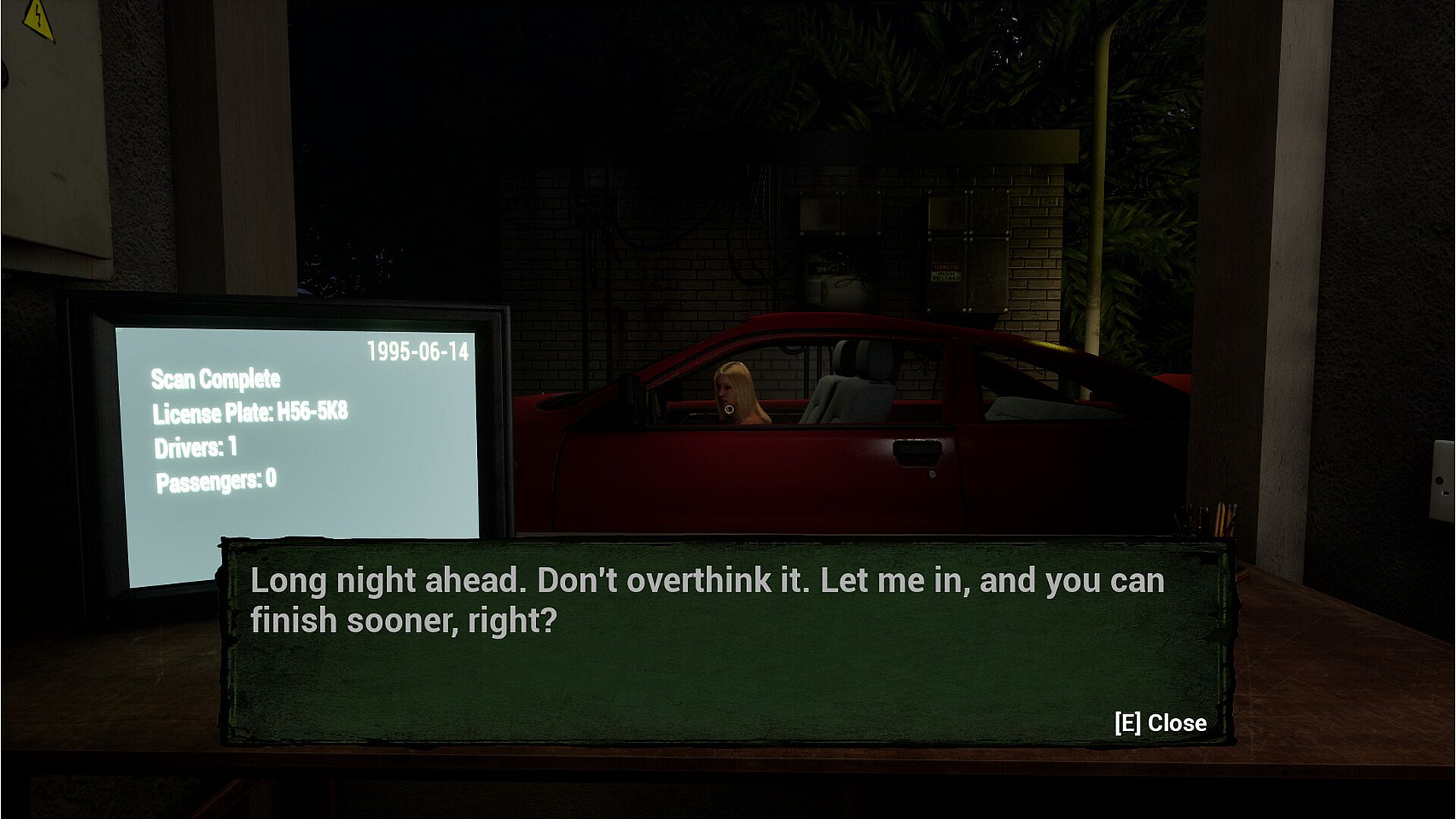
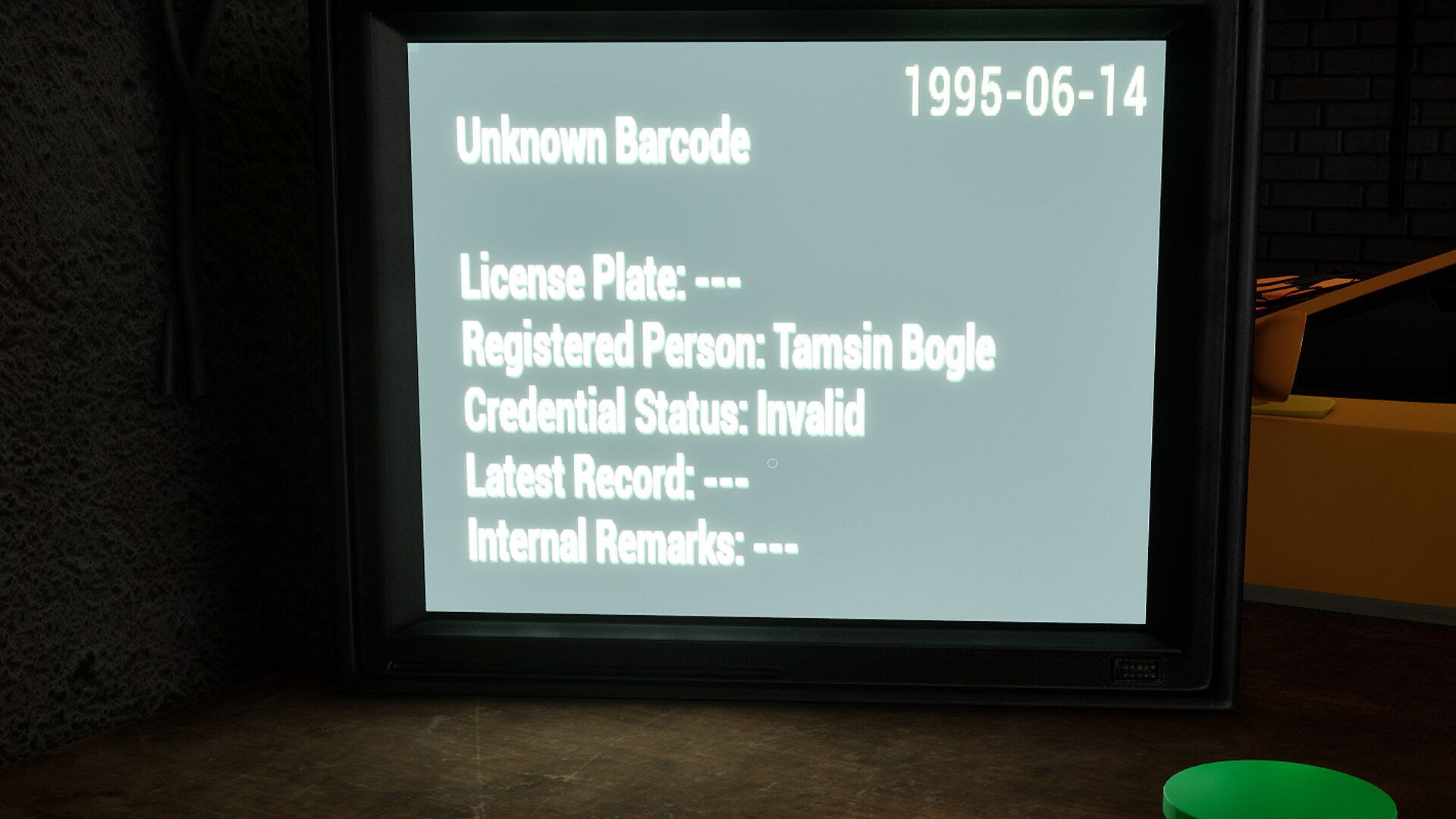
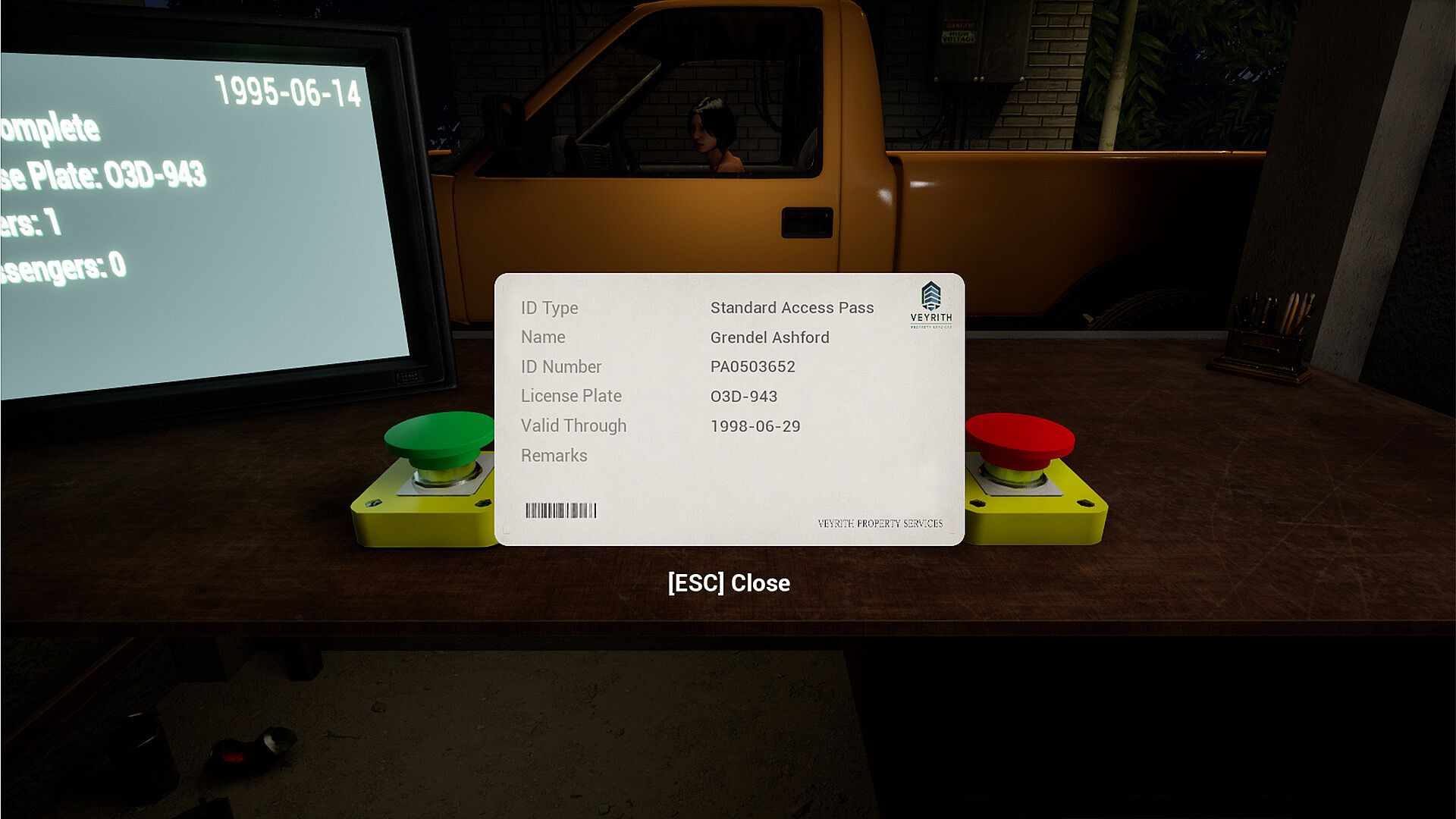
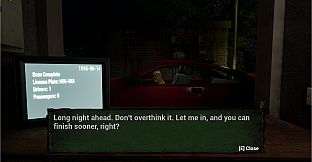
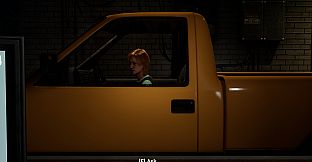
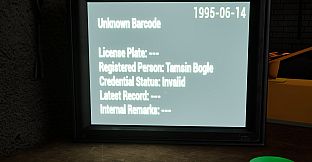
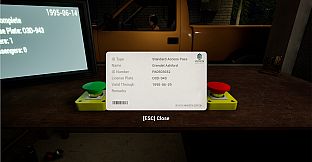
The core loop revolves around processing vehicles at the gate. Each arrival presents a driver along with credentials, vehicle scan results, surveillance footage, and internal records. Inspection involves examining the person visible at the window, matching details across documents and feeds, and spotting discrepancies that indicate something unusual. Anomalies can include a driver absent from the footage, mismatched passenger information between scan and visual cues, or records showing conflicts with current data. Decisions to allow or deny entry are made without any countdown pressure, allowing thorough review of all available materials at a deliberate pace.
Information sources frequently contradict one another as shifts progress, forcing players to weigh reliability and patterns over time. The first-person perspective keeps focus tightly on the booth and the arriving vehicles, emphasizing isolation and the weight of each choice. Story progression ties directly to cumulative decisions, altering subsequent encounters and leading toward different conclusions in the full release.
Game Modes
The title operates as a single-player experience without separate modes or multiplayer components. All activity unfolds through sequential vehicle inspections during the night shift, with narrative branches emerging from the pattern of approvals and denials across multiple arrivals. There are no time-based challenges or competitive elements, and the structure remains consistent as a continuous investigative session that builds tension through accumulating inconsistencies rather than through distinct gameplay variants.
Setting and Atmosphere
Action stays restricted to the attendant's post beneath the parking garage, creating an oppressive sense of confinement. The environment reinforces the psychological focus through limited visibility, repetitive routines, and the growing sense that external events may not align with presented facts. Players receive explicit reminders about duties, including staying at the post and avoiding unrelated inquiries, which shapes the boundaries of interaction and heightens the unease when contradictions appear.
Visual and audio elements support the horror through subtle mismatches in footage versus reality and the quiet persistence of waiting drivers. The absence of external exploration keeps attention on the verification process itself, turning routine checks into sources of dread as records diverge from observed details.
Is It Worth Playing?
This game suits players who enjoy deliberate, observation-heavy experiences in the psychological horror and simulation genres. The lack of time limits and emphasis on personal pacing make it accessible for those who prefer methodical investigation over fast action. Branching outcomes based on decisions add replay value for anyone interested in exploring how choices reshape the narrative across repeated playthroughs.
With its focus on single-player narrative delivery and no confirmed additional content layers at launch, the title appeals most to fans of confined, decision-driven stories that reward attention to detail. Those seeking high-intensity combat or expansive worlds may find the narrow scope less engaging, while the core verification mechanics deliver a distinctive take on horror through information unreliability. The game remains in a coming-soon state with no published player ratings or update history available yet.











