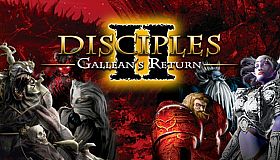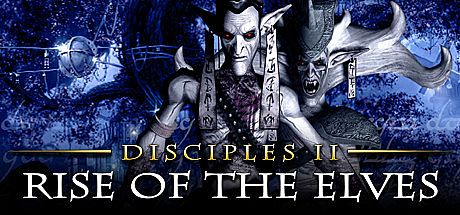



















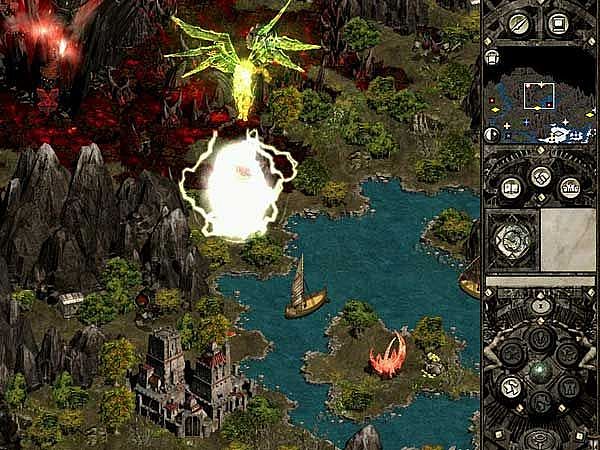
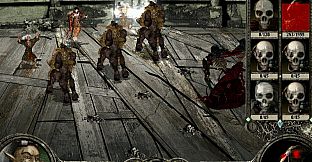
Disciples II: Rise of the Elves is a turn-based strategy game set in a dark fantasy world. Players command armies led by heroes across campaign stories or custom scenarios, managing resources, recruiting units, and engaging in tactical battles on a hex-based map. The title expands the original Disciples II with a dedicated focus on the Elven Alliance while retaining the core systems of hero progression and army command that define the series.
Gameplay
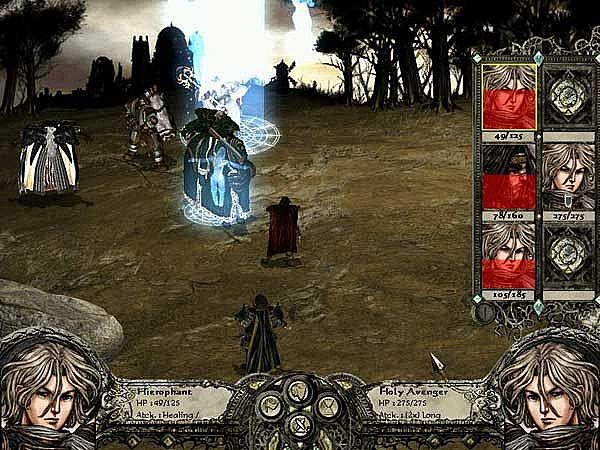
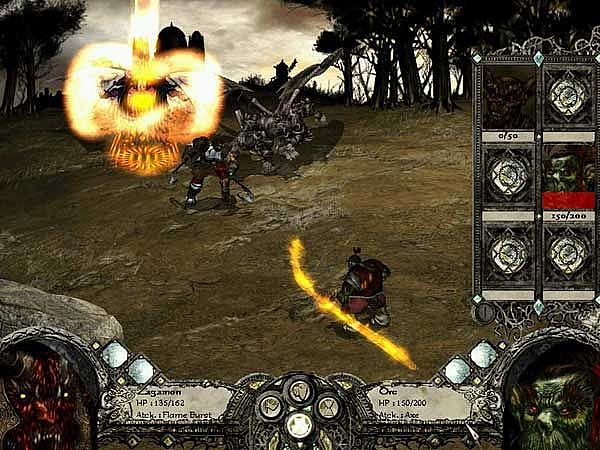
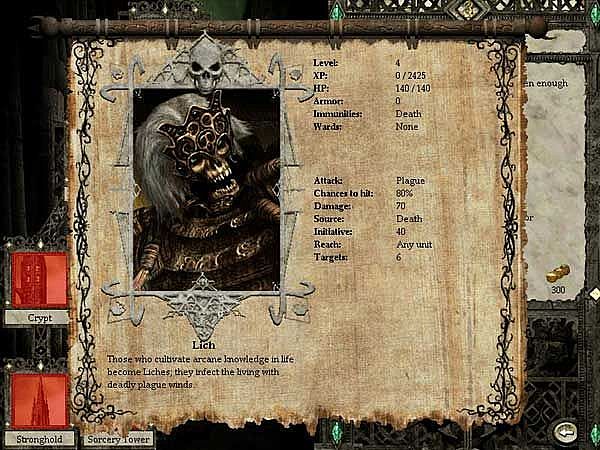
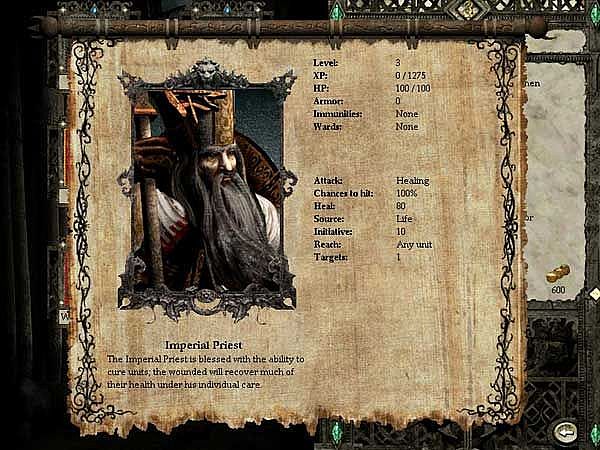
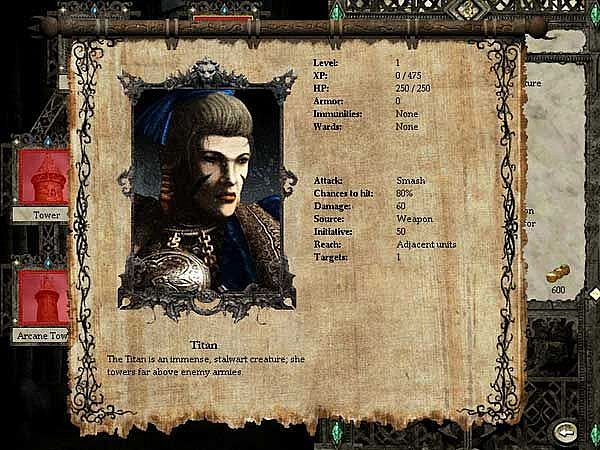
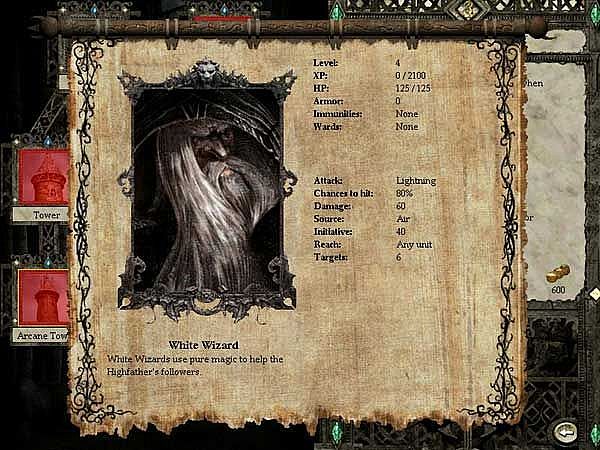
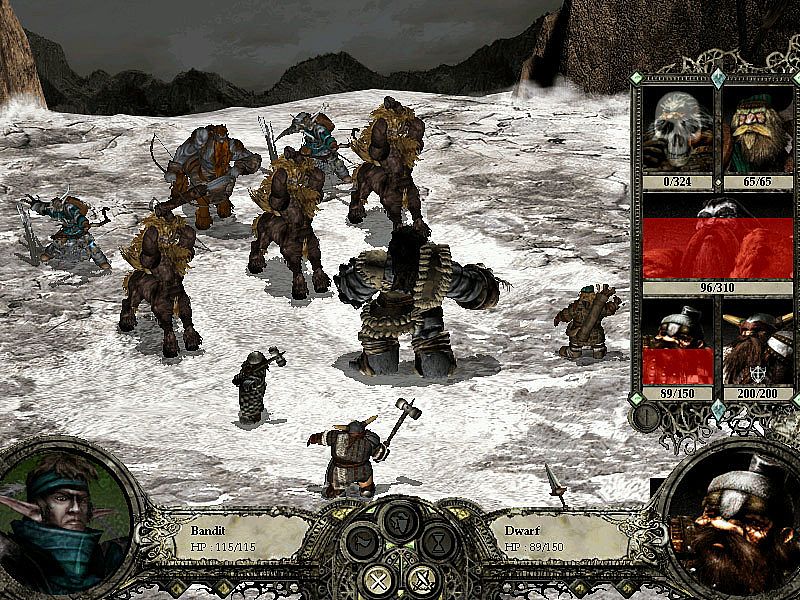
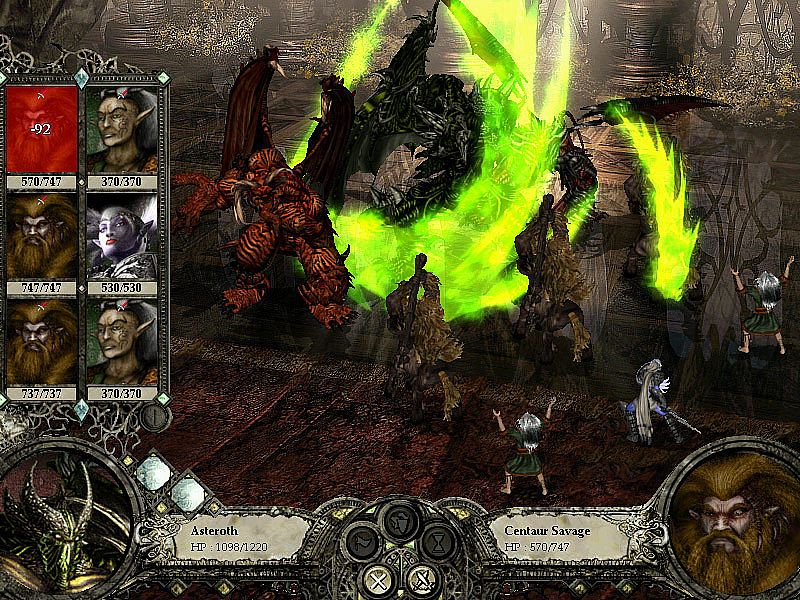
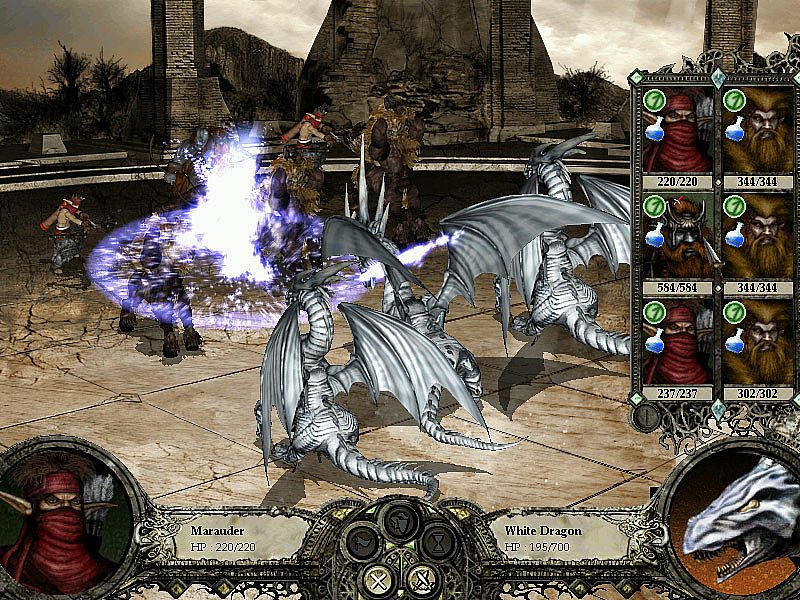
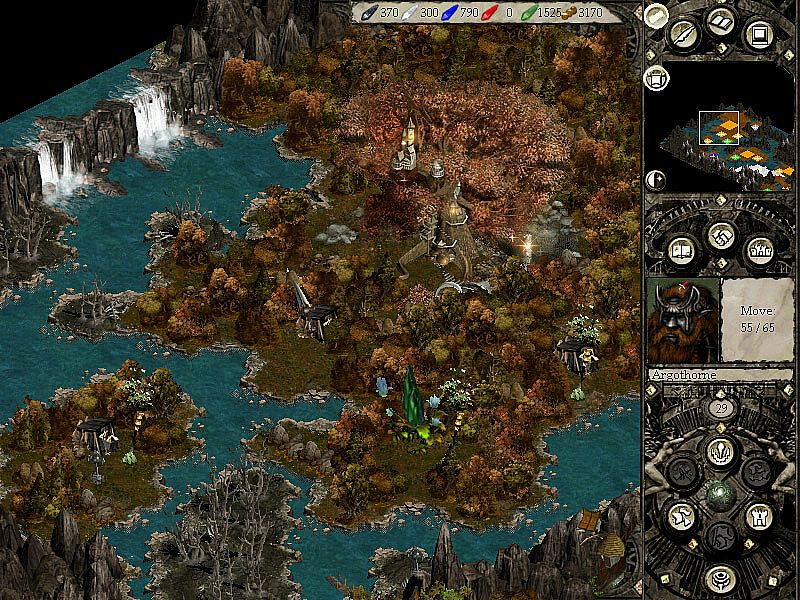
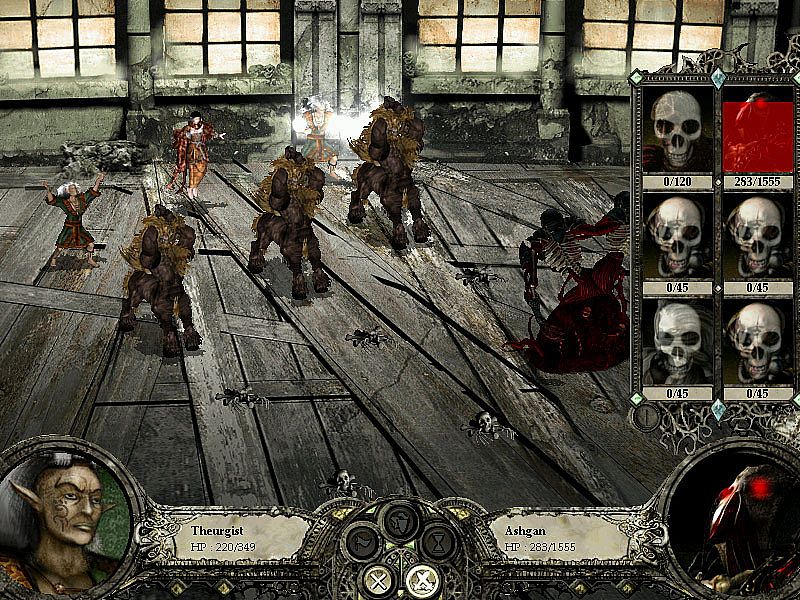
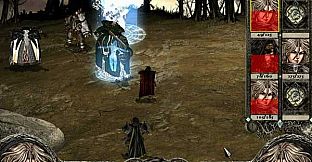
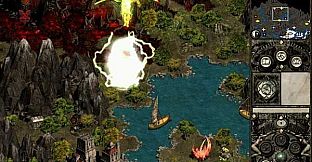
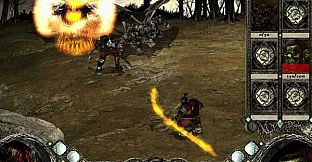
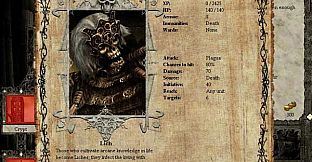
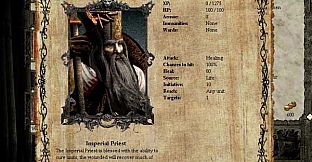
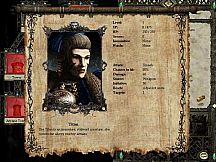
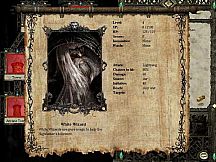
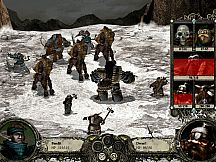
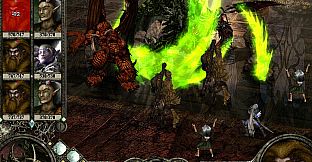
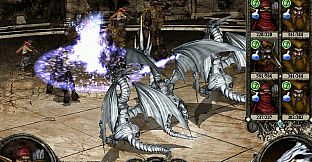
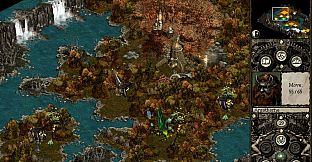
The core loop revolves around exploring maps, capturing resource points, and building forces through a tech tree that branches into different specializations. Heroes gain experience and skills over time, allowing players to customize their leadership style while units gain levels and abilities through combat. Battles unfold in a separate tactical view where positioning, unit types, and spell selection determine outcomes. Over two hundred individually animated unit types populate the five playable races, supported by more than one hundred distinct spells that can turn the tide of engagements.
The Elven Alliance introduces a unique tech tree split between Noble Elves and Wild Elves. This choice alters available units and abilities, encouraging different approaches to army composition and long-term strategy. Resource management remains central, with players balancing gold, mana, and leadership points to sustain campaigns or skirmish sessions.
Game Modes
Single-player content centers on narrative campaigns that follow interconnected storylines across the fantasy setting. Rise of the Elves adds a new campaign that continues the Elven storyline alongside the campaigns from the base game. Fourteen additional skirmish maps provide standalone challenges for honing tactics without the constraints of a full campaign.
Multiplayer options include LAN, Internet, and hot-seat play, supporting competitive matches between friends or rivals. A built-in scenario editor lets players design and share their own maps and adventures, extending replayability beyond the included content.
Factions and Races
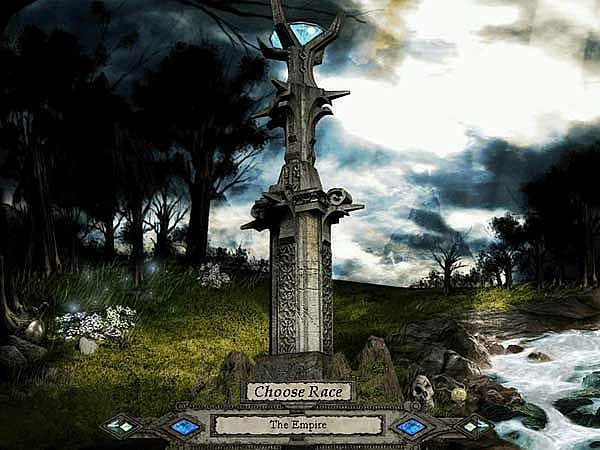
Five distinct races offer varied playstyles. The Empire emphasizes disciplined human forces with strong defensive options. The Undead Hordes rely on resilient, resurrecting units that overwhelm through attrition. Mountain Clans bring rugged dwarven and giant troops suited to defensive and siege warfare. Legions of the Damned field demonic and infernal creatures focused on aggressive, high-damage assaults. The Elven Alliance rounds out the roster with agile, nature-attuned forces that benefit from the Noble or Wild specialization paths.
Each race features unique unit progressions and spell lists, creating meaningful differences in how armies perform across maps. The Elven choice between paths adds further variety, as Noble Elves lean toward refined, support-oriented units while Wild Elves favor aggressive, nature-based attackers.
Is It Worth Playing?
The game maintains a Very Positive rating on its primary digital storefront, with the majority of reviews praising the atmospheric art, tactical depth, and replay value from multiple races and the Elven branching paths. Concurrent player counts remain modest yet steady years after release, indicating a dedicated niche audience that continues to enjoy matches and custom scenarios.
Compatibility with modern operating systems can require minor adjustments, yet the title runs reliably once configured. Its strengths lie in deliberate, thoughtful strategy sessions rather than fast-paced action, making it suitable for players who appreciate hex-based combat, hero development, and faction asymmetry. Those seeking a classic turn-based experience with strong visual presentation and extensive single-player campaigns will find substantial value in the complete package of original and expanded content.