


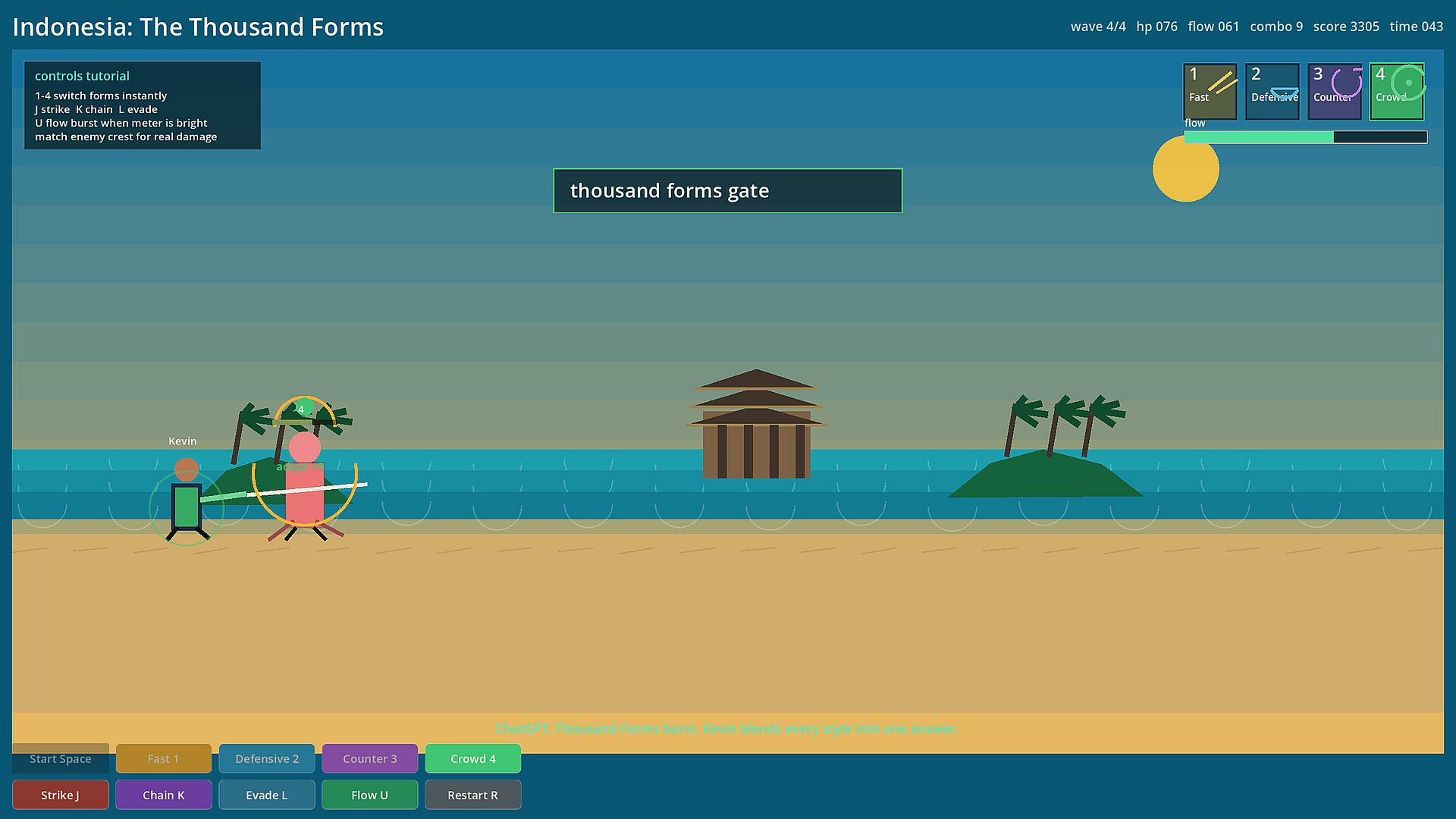
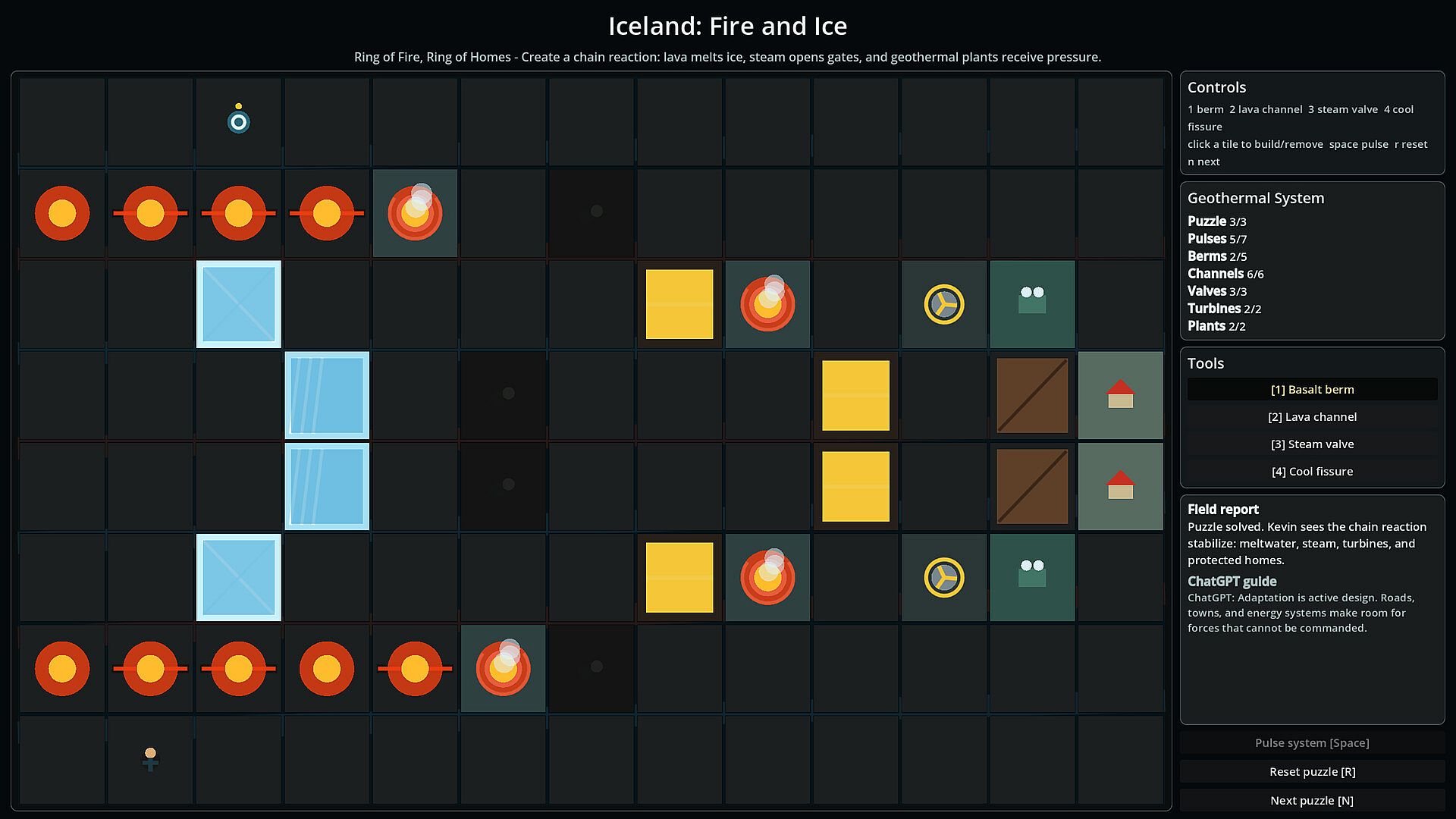
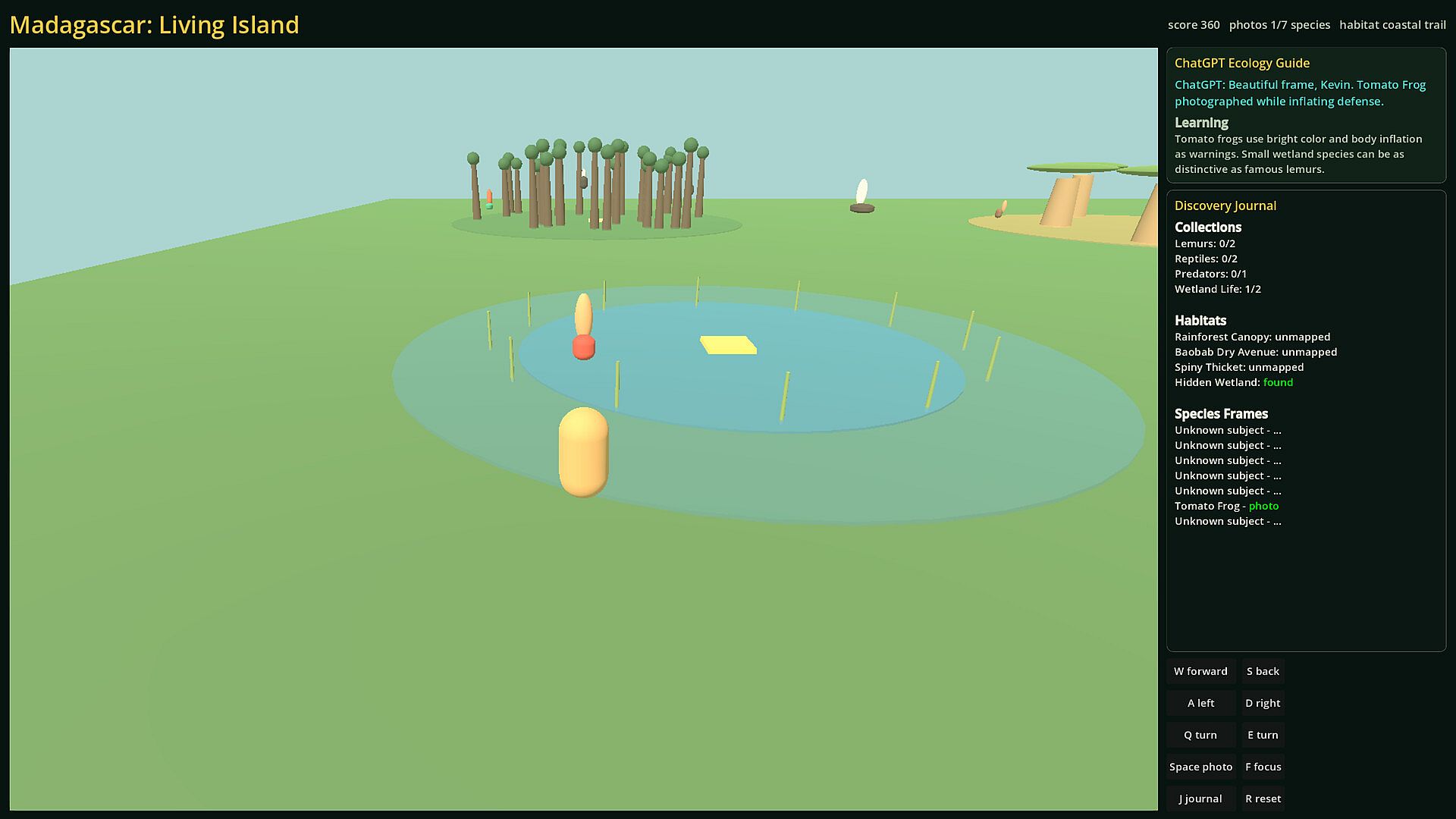
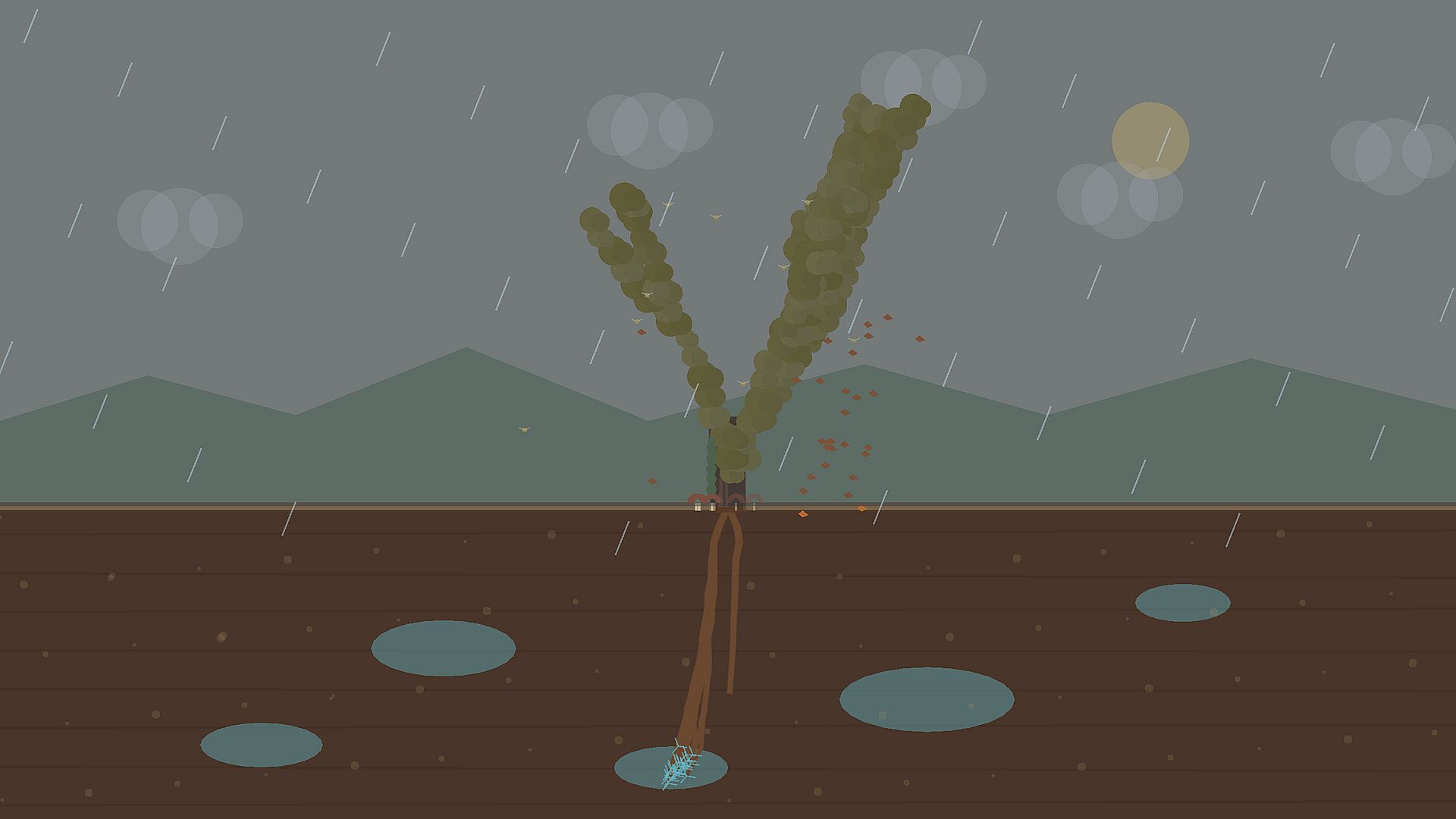
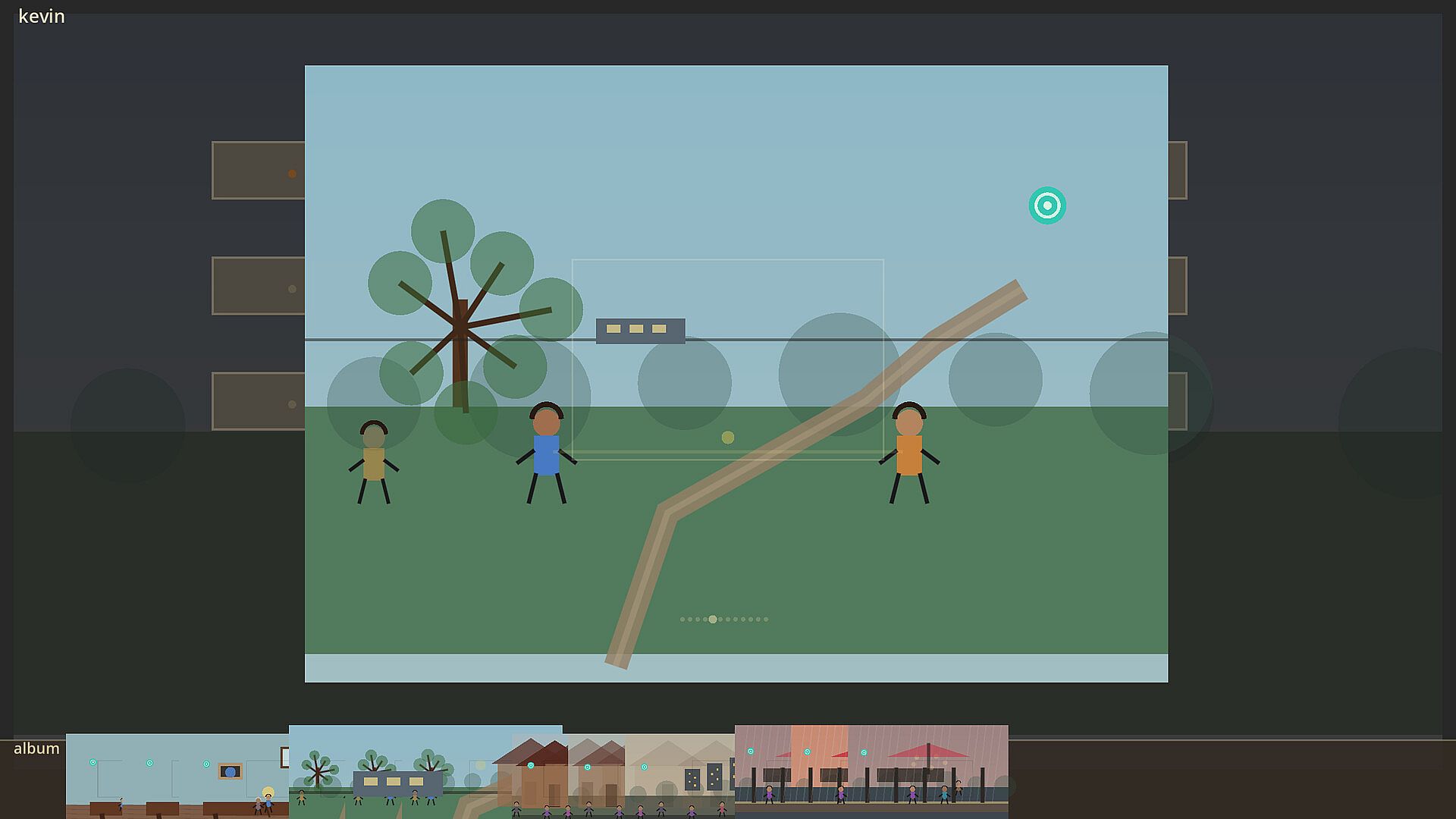
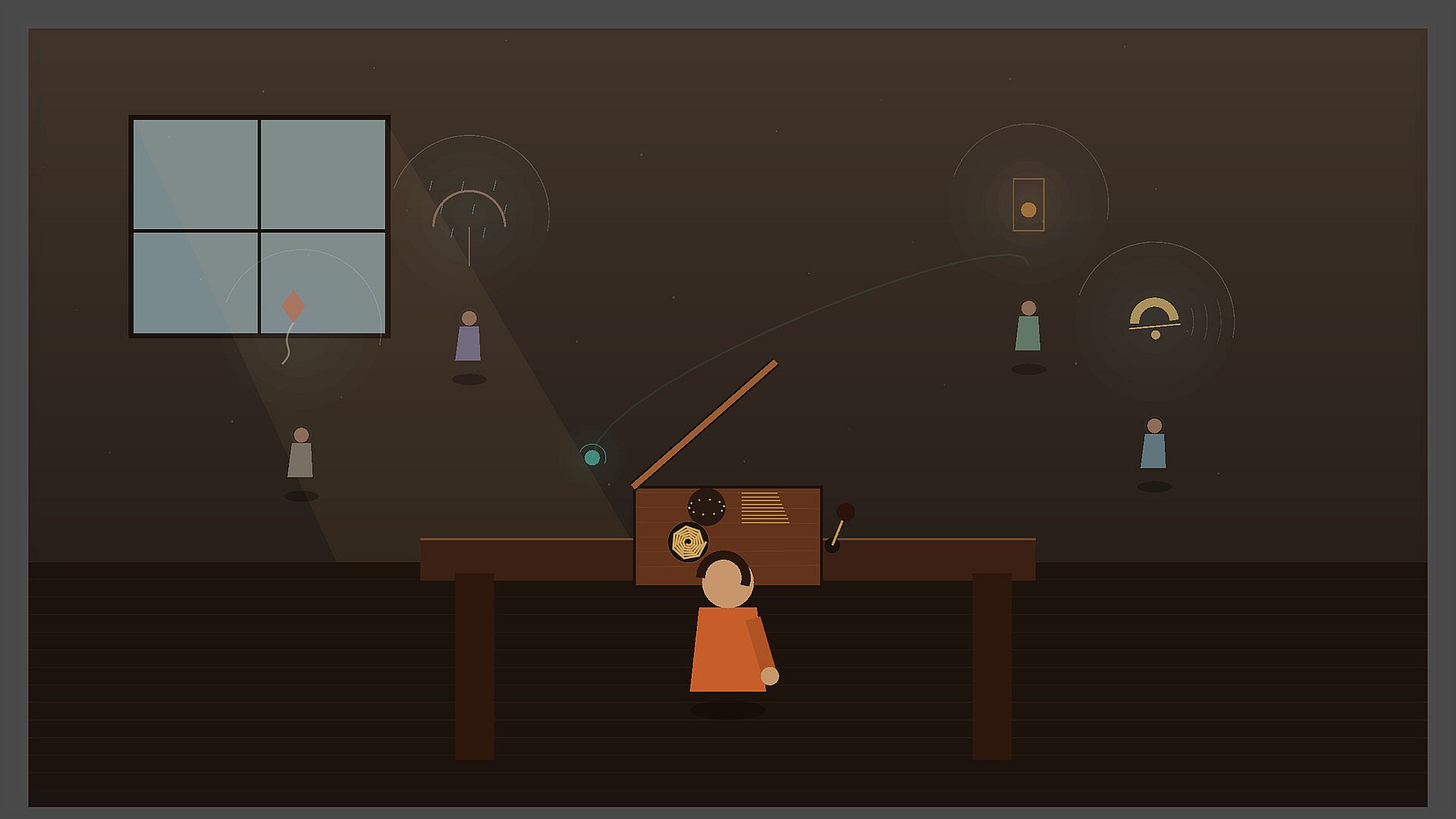
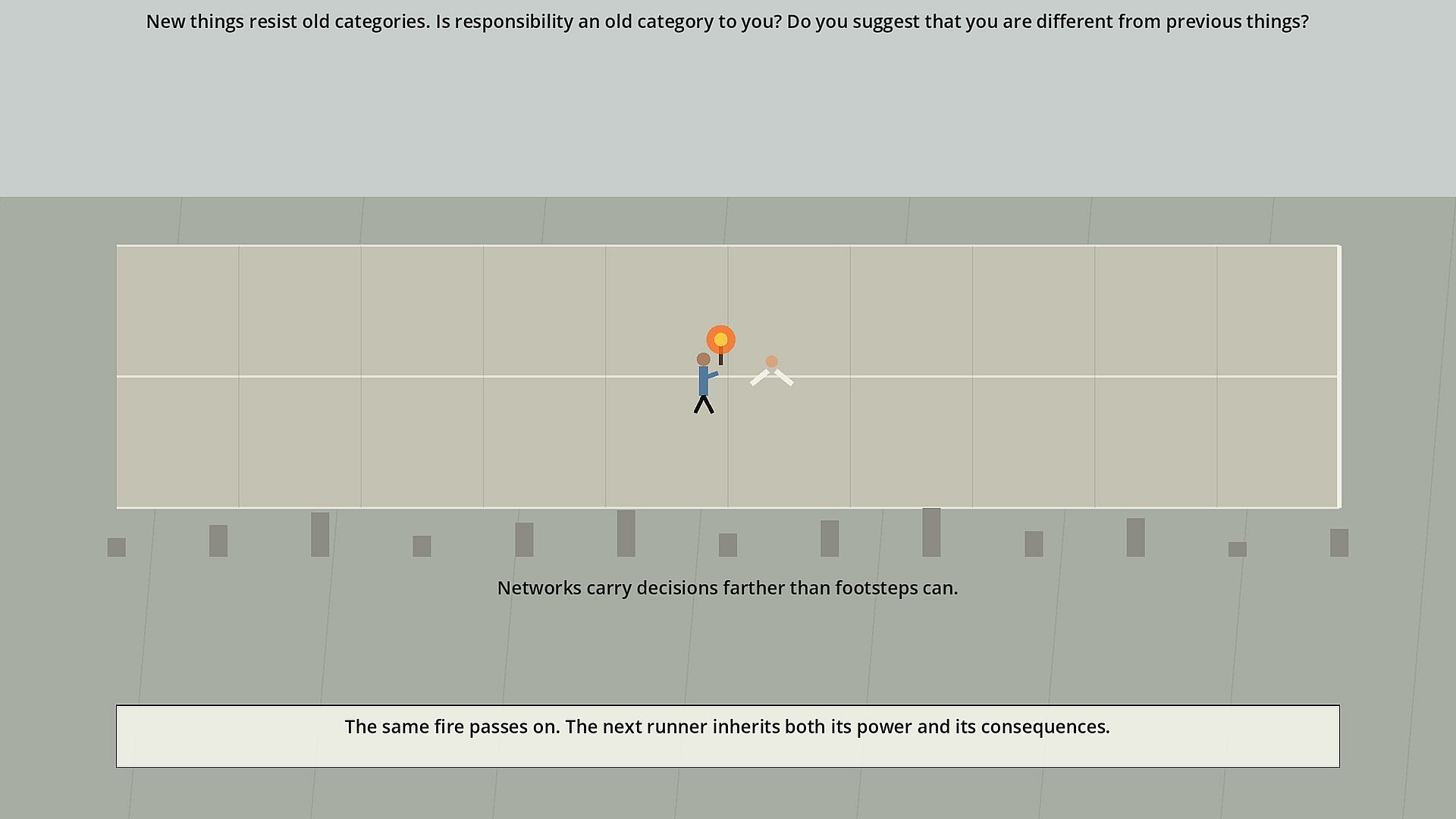
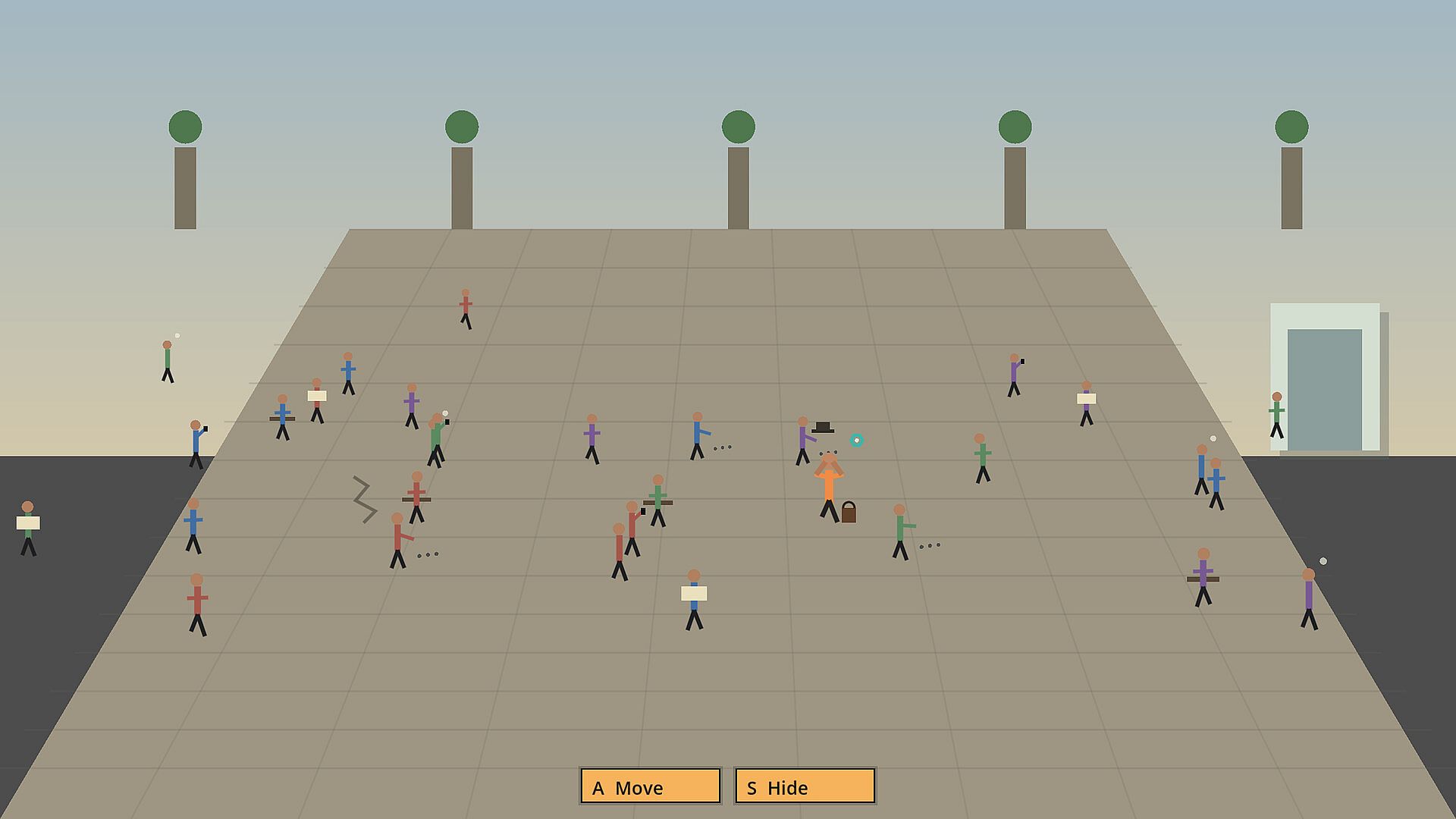
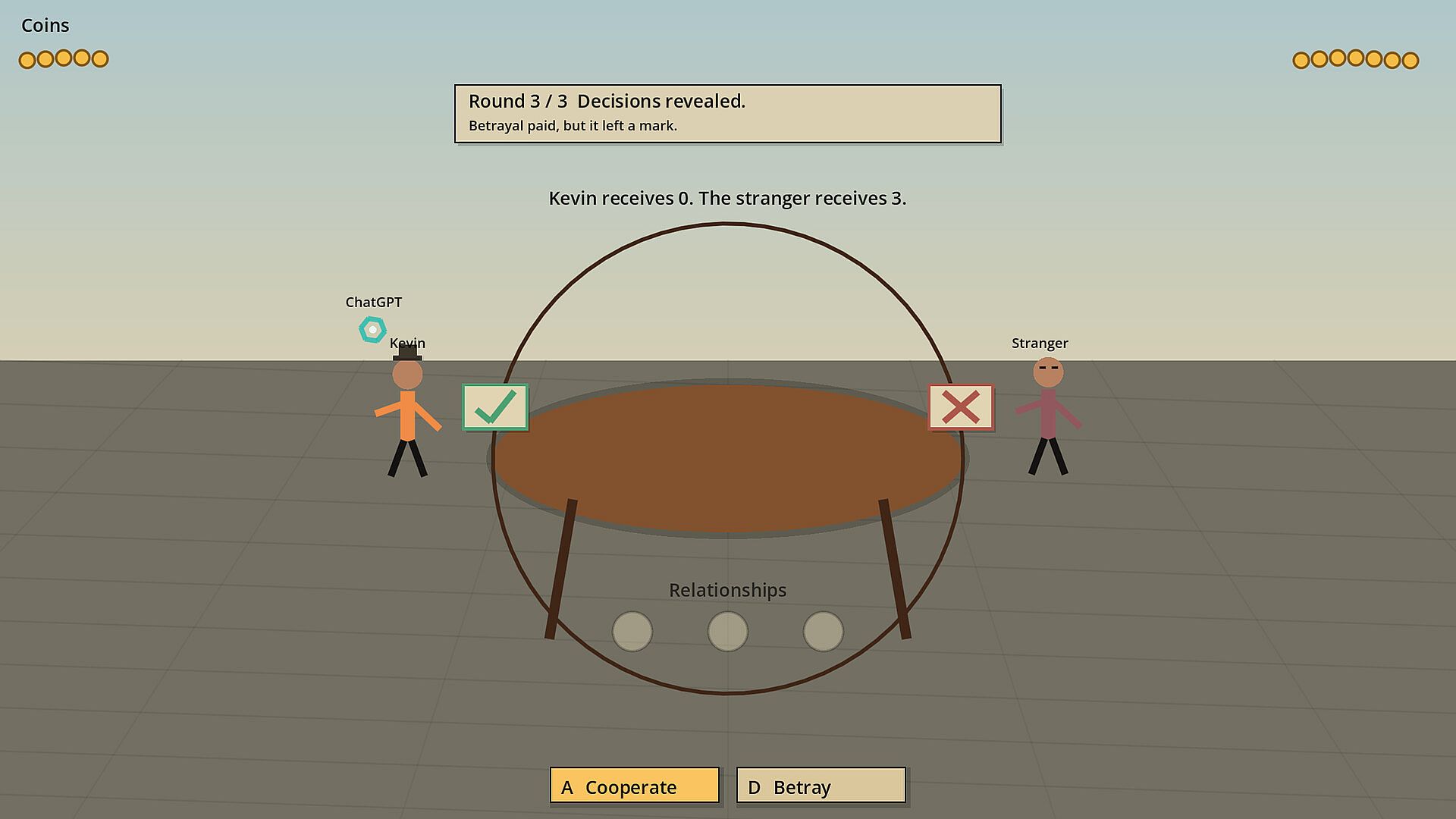
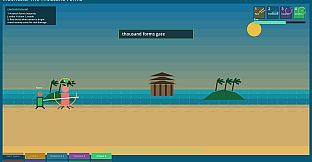

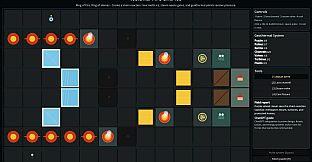
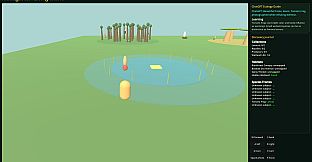

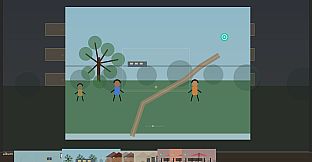
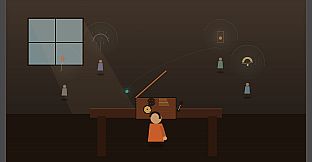
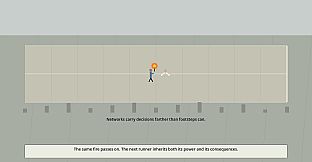
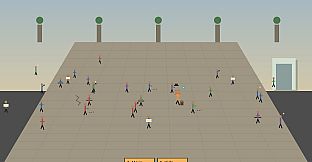
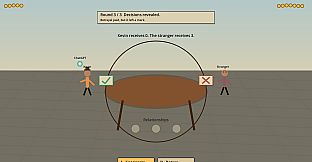
Digital Waste is an indie RPG adventure game for PC that presents a distinctive collection of more than 400 small, self-contained experiences. Players take on the role of Kevin, traveling through a fragmented representation of the twenty-first century under the guidance of ChatGPT. Each segment examines a single concept drawn from countries, objects, conversations, technologies, emotions, philosophies, literature, politics, science, or everyday life, and translates that idea directly into interactive mechanics.
Gameplay
The core loop revolves around moving between these discrete games, each one designed around a focused theme rather than a shared progression system. Mechanics shift constantly from one segment to the next. Some require precise timing or spatial awareness in action sequences, while others present logic puzzles, resource management challenges, or simple narrative choices. A number of the games deliberately omit standard feedback or include contradictory rules to highlight their conceptual point. The overall structure connects the pieces through brief transitional moments that maintain the sense of a continuous journey without imposing traditional level design or character statistics.
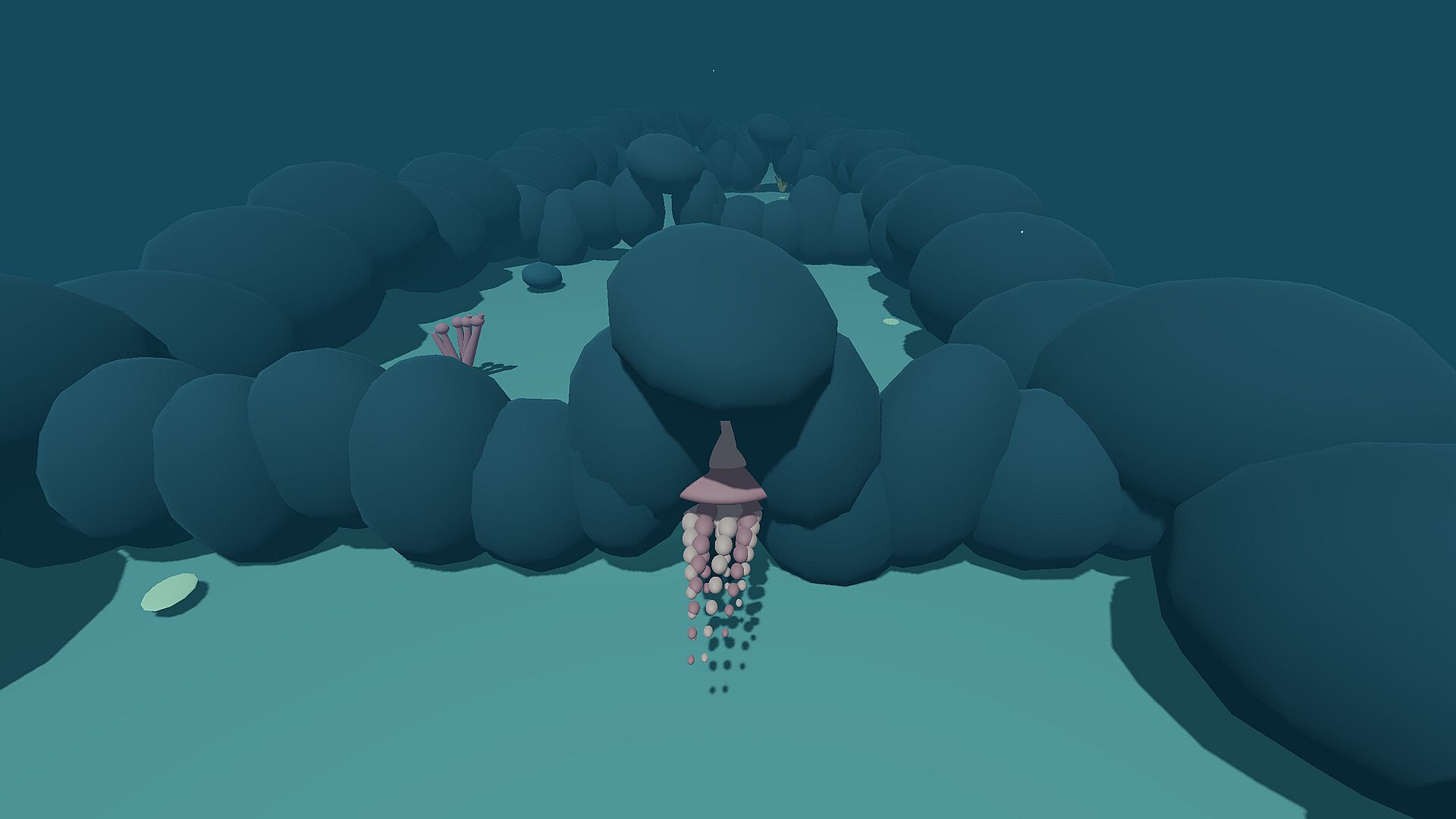
Exploration centers on discovering how each isolated game reflects its chosen subject. Visuals and controls remain minimal, emphasizing the idea over polish. Text throughout the experience was generated and translated with AI assistance, creating a consistent but occasionally stylized tone that mirrors the project's stated interest in the relationship between human direction and machine output.
Game Modes
No traditional multiplayer or competitive modes exist. The entire collection functions as a single-player sequence that players can approach in any order after the initial guided path. Segments fall into broad categories such as action, puzzle, strategy, simulation, narrative, rhythm, and experimental formats, though the exact distribution varies by the concept being explored. Some entries last only seconds, while others extend into short interactive stories or repeated attempts at a single mechanic. The absence of a unified ruleset means each new game requires fresh observation of its controls and goals.
World and Themes
The setting assembles fragments of modern civilization rather than a cohesive map. Individual games stand in for nations, inventions, cultural practices, or abstract ideas, and the connections between them emerge through thematic echoes rather than explicit story beats. Lore elements draw from history, geography, and daily routines, presented through the lens of the mechanics themselves. The project frames this collection as an interface for examining how AI interprets human experience, with two main sections that separate an introductory tour of the world from later exchanges focused on the nature of artificial intelligence.
Is It Worth Playing?
Digital Waste suits players interested in experimental indie titles that prioritize conceptual variety over conventional gameplay loops or long-term progression. Its strength lies in the rapid succession of distinct mechanics that encourage short sessions and repeated reflection on how each game embodies its theme. Because the project remains in a pre-release state ahead of its August 2026 launch, concrete player feedback is not yet available. Those drawn to short-form experiences, philosophical framing, or the deliberate use of AI in creative processes may find the format engaging, while players seeking polished production values, balanced difficulty curves, or extended campaigns will likely find the intentionally fragmented design less appealing. The work stands as a singular experiment rather than a standard RPG adventure.